
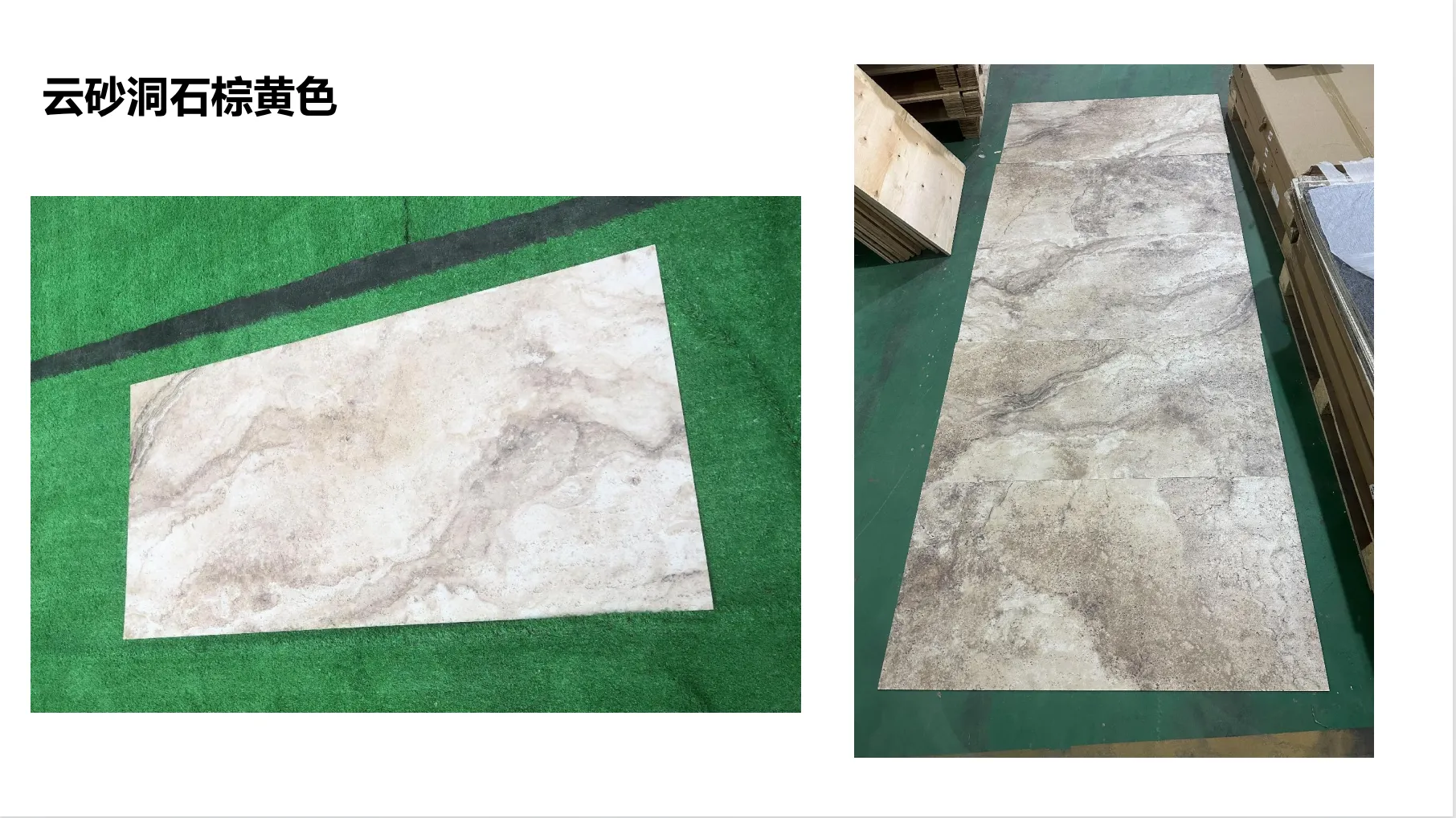
Modern architecture is no longer just about building structures—it's about crafting stories. Every material chosen, every texture layered, and every color selected contributes to a narrative that shapes how we experience space. In recent years, one material has quietly but firmly stepped into the spotlight, captivating architects, designers, and homeowners alike: claybank dolomitic travertine . Its rise isn't just a passing trend; it's a response to a growing desire for spaces that feel both timeless and alive, grounded in nature yet adaptable to the demands of contemporary life. Let's dive into why this stone has become a darling of modern construction, and how it's redefining the way we build and live.
To understand its appeal, start with the basics: what is claybank dolomitic travertine? Unlike generic building materials churned out in factories, this stone is a product of nature's patient artistry. Formed over millennia through the slow precipitation of minerals in hot springs and limestone caves, dolomitic travertine carries the earth's history in its veins—literally. The "claybank" hue, a warm, earthy tone that sits somewhere between soft terracotta and muted sand, adds to its charm. It's not a bold, attention-grabbing color, but a gentle, inviting one that feels like a hug from the outdoors.
What truly sets it apart, though, is its texture. Run your hand over a slab, and you'll feel the subtle pitting and veining—marks left by gas bubbles escaping during formation. These imperfections aren't flaws; they're character. They catch light in unexpected ways, shifting from matte to slightly glossy as the sun moves across the sky. In a world of sleek, uniform surfaces, this tactile quality is a breath of fresh air. It turns a wall into a conversation starter, a floor into a canvas that tells a story of time and place.
Trends in construction aren't just about looks—they're about solving problems. Claybank dolomitic travertine checks both boxes, making it a go-to for projects where aesthetics and functionality must coexist.
Let's talk practicality: in high-traffic areas like commercial lobbies, restaurant floors, or outdoor patios, materials take a beating. Claybank dolomitic travertine doesn't flinch. Thanks to its dense, crystalline structure (a result of its dolomite content, which adds hardness compared to traditional travertine), it resists scratches, stains, and weathering. Unlike softer stones that require constant sealing, it holds up to rain, snow, and foot traffic with minimal maintenance. A quick sweep and occasional wipe-down are often all it needs to stay looking fresh—a boon for busy property managers and homeowners who don't want to fuss over delicate materials.
One of the biggest reasons for its rise? It plays well with others. Claybank dolomitic travertine isn't limited to a single design style. Pair it with fair-faced concrete for an industrial-chic vibe, and suddenly you've got a loft apartment that feels raw yet refined. Mix it with weaving (khaki) textiles in a boutique hotel lobby, and it shifts to a warm, bohemian retreat. Even in minimalist spaces, where "less is more" reigns, its understated color and texture add depth without overwhelming the design. It's equally at home on exterior facades, where its earthy tone complements green landscaping, as it is in interior fireplaces, where it glows softly against flickering flames.
In an era where eco-conscious design is non-negotiable, claybank dolomitic travertine shines. As a natural stone, it's biodegradable and requires minimal processing compared to synthetic materials like vinyl or composite boards. Its thermal mass also helps regulate indoor temperatures: in summer, it absorbs heat during the day and releases it slowly at night, reducing reliance on air conditioning; in winter, it retains warmth, cutting heating costs. For architects aiming for LEED certification or homeowners prioritizing green living, this stone isn't just a design choice—it's a statement about responsibility.
Modern construction often demands materials that can adapt to bold, innovative designs. Enter architectural big slab solutions —and claybank dolomitic travertine excels here. Quarried in large, seamless slabs, it can be cut into virtually any shape, from expansive wall panels that stretch floor-to-ceiling to intricate mosaics for backsplashes. Imagine a corporate headquarters with a lobby wall clad in 10-foot-tall slabs of claybank dolomitic travertine, the natural veining creating a sense of movement as visitors walk by. Or a residential kitchen where the countertops flow into the backsplash, uninterrupted by seams. This flexibility lets designers push boundaries without sacrificing the stone's organic appeal.
Great materials rarely work alone. Claybank dolomitic travertine plays well with others, creating dynamic combinations that enhance its beauty. Let's look at a few key pairings that are making waves in modern design:
| Material | Why They Work Together | Project Example |
|---|---|---|
| MCM Flexible Stone | MCM (Modified Composite Material) stone offers the look of natural stone with added flexibility, making it ideal for curved surfaces. Paired with claybank dolomitic travertine, it adds dimension—think a curved accent wall in a hotel lobby, with MCM panels softening the edges and travertine slabs grounding the space. | Boutique hotel reception area |
| Lunar Peak Silvery | The cool, metallic sheen of Lunar Peak Silvery (a sleek, silvery-gray stone) creates a striking contrast with claybank's warmth. Use it for trim or accent pieces to add modern edge—like a fireplace mantel in Lunar Peak Silvery framing a travertine hearth. | Contemporary home living room |
| Fair-Faced Concrete | Raw, industrial concrete balances travertine's organic texture. Together, they create a "warm minimalism" aesthetic—perfect for a co-working space where concrete walls keep it modern, and travertine floors add softness. | Urban co-working studio |
Numbers and specs tell part of the story, but real projects show the stone's true impact. Take the Willow Creek Community Center in Portland, Oregon. Designed to be a hub for local gatherings, the center's main hall features a 40-foot-long wall clad in claybank dolomitic travertine slabs. Natural light streams through floor-to-ceiling windows, hitting the stone and casting dappled shadows that shift throughout the day. "We wanted a space that felt welcoming, not institutional," says lead architect Maria Gonzalez. "The travertine does that—it's warm, it's tactile, and it makes people want to stay. Kids run their hands along the walls; seniors sit and admire the veining. It's become more than a building material—it's a part of the community's experience."
On the commercial side, the Verde Office Tower in Chicago uses claybank dolomitic travertine for its exterior facade. The stone's earthy tone softens the tower's modern, angular design, blending it with the city's park-like surroundings. "We needed something that could withstand Chicago's harsh winters and still look elegant," explains project manager James Chen. "The travertine has held up beautifully—no cracks, no fading. And tenants love it; they say the lobby feels 'less corporate, more human.'"
So, is claybank dolomitic travertine just a passing fad? Unlikely. Its rise aligns with three key shifts in modern construction: a return to natural materials, a focus on durability, and a desire for spaces that evoke emotion. As people spend more time indoors, they crave connections to the outdoors—and this stone delivers that, without sacrificing practicality. It's also a sustainable choice in an industry under pressure to reduce its carbon footprint, and its versatility ensures it can adapt to evolving design trends, from "grandmillennial" to "quiet luxury."
Looking ahead, we'll likely see even more innovative uses: thinner slabs for lightweight applications, custom finishes that enhance its texture, and integration with smart home tech (imagine travertine floors embedded with underfloor heating, or walls that double as acoustic panels). But at its core, claybank dolomitic travertine will always be about one thing: creating spaces that feel alive. Spaces where people don't just exist, but thrive—because the materials around them tell a story of earth, time, and care.
Claybank dolomitic travertine isn't just trending because it looks good (though it certainly does). It's trending because it represents a shift in how we think about building: away from disposable, generic materials and toward ones that have meaning. It's a reminder that the best spaces aren't just built—they're crafted, with intention and respect for both nature and the people who will inhabit them. So the next time you walk into a building and pause, drawn to the warmth of a wall or the texture of a floor, take a closer look. Chances are, you're standing in the presence of claybank dolomitic travertine—a stone that's not just shaping modern construction, but shaping the way we experience the world around us.
Recommend Products












