
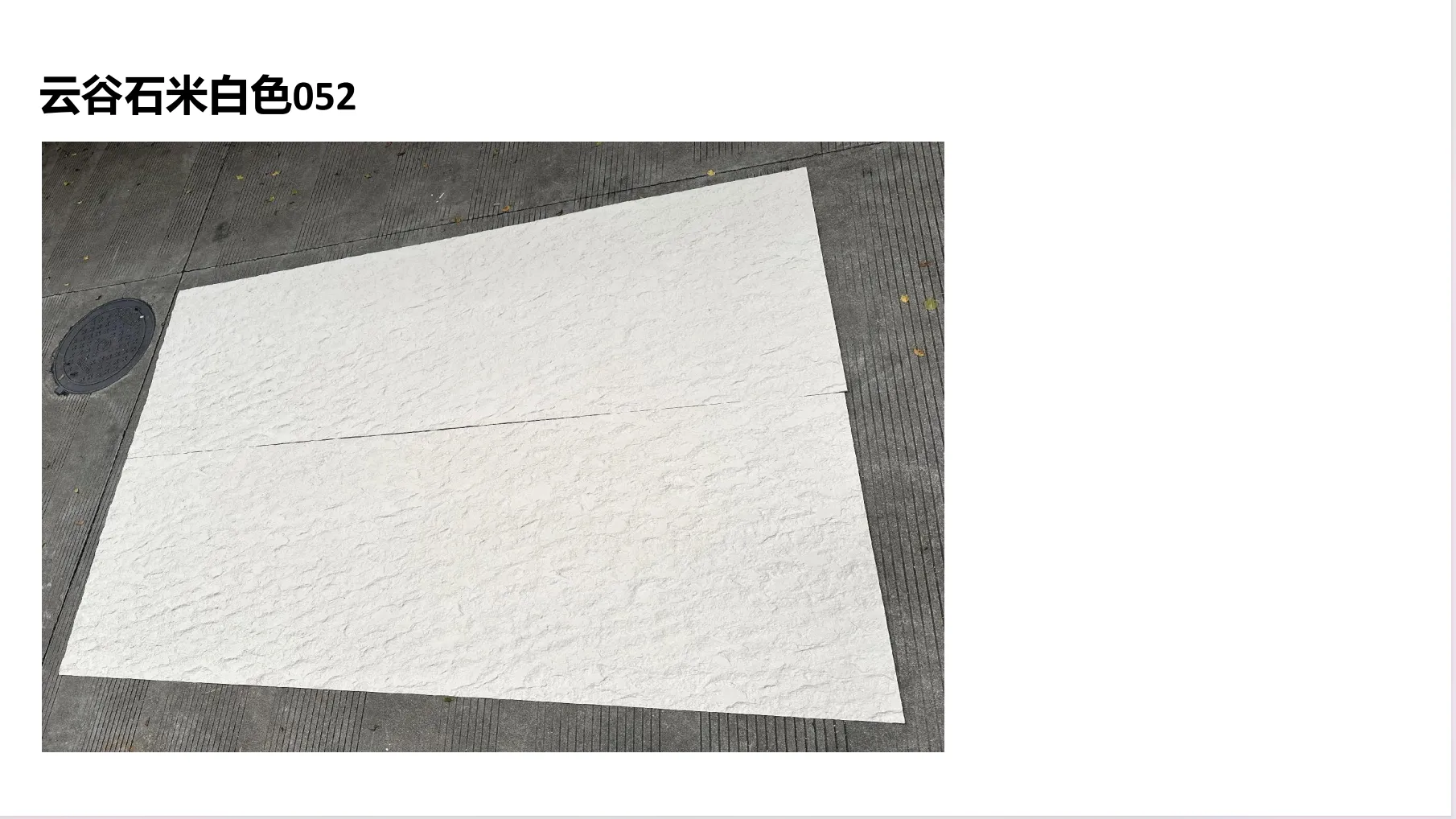
In an era where every industry is being called to account for its environmental footprint, construction stands at a pivotal crossroads. For decades, the sector has relied on resource-heavy materials, energy-intensive manufacturing, and practices that often left a trail of waste in their wake. But today, a quiet revolution is unfolding—one that marries the timeless need for durable, beautiful building materials with the urgent demand for sustainability. At the heart of this movement lies cloud stone production, a term that's quickly becoming synonymous with innovation, responsibility, and a deep respect for the planet we call home.
Cloud stone isn't a single material—it's a philosophy. It represents a shift away from extractive, wasteful production methods toward processes that honor both nature and human ingenuity. Imagine materials that are lightweight yet strong, flexible yet durable, and crafted with minimal impact on the environment. That's the promise of cloud stone. From the smooth, earthy textures of rammed earth boards to the futuristic sheen of foamed aluminium alloy, these products are redefining what it means to build sustainably—without sacrificing an ounce of aesthetic appeal.
At its core, cloud stone production leverages cutting-edge technology and a deep understanding of material science to create alternatives to traditional stone, concrete, and metal. These aren't just "greenwashed" versions of old products; they're fundamentally reimagined. Take, for example, the mcm flexible stone series—a line of materials that bends and adapts to architectural curves, eliminating the need for excess cutting and waste. Or consider the foamed aluminium alloy board (vintage gold) , which offers the luxurious look of metal at a fraction of the weight, reducing transportation emissions and structural stress on buildings. These are materials designed with the planet in mind, from the drawing board to the finished product.
What sets cloud stone production apart isn't just the end result—it's the journey. Traditional manufacturing often involves large-scale mining, high-temperature kilns, and processing that guzzles energy and generates mountains of waste. Cloud stone, by contrast, is built on techniques that prioritize efficiency, circularity, and respect for natural resources. Let's dive into the methods that are making this possible.
When we think of 3D printing, we might picture small plastic trinkets or prototype parts. But in cloud stone production, this technology is a game-changer. The mcm 3d printing series uses additive manufacturing to build materials layer by layer, ensuring that every ounce of raw material is used intentionally. Unlike traditional subtractive methods—where large blocks of stone are carved down, leaving 30% or more of the original material as waste—3D printing deposits material only where it's needed. This not only slashes waste but also reduces the demand for raw resources. For instance, a 3D-printed boulder slab (vintage silver) uses 60% less material than its traditionally quarried counterpart, all while maintaining the same structural integrity.
But the benefits don't stop at waste reduction. 3D printing also allows for unprecedented design flexibility. Architects can now create intricate patterns, organic shapes, and custom textures that were once impossible or prohibitively expensive. Imagine a facade adorned with travertine (starry blue) tiles, each one printed with a unique, star-like pattern that mimics the night sky—all without a single extra chip of stone discarded. It's a marriage of art and sustainability that's opening up new possibilities for creative expression.
One of the most exciting innovations in cloud stone production is the development of flexible materials, and the mcm flexible stone series is leading the charge. Traditional stone is rigid, brittle, and unforgiving—if a building shifts, cracks can form, leading to costly repairs and material waste. Flexible stone, however, is engineered with a blend of natural minerals and advanced polymers that allow it to bend without breaking. This elasticity not only extends the lifespan of the material but also reduces installation waste. Think about it: when installing rigid stone, contractors often have to cut tiles to fit around corners or irregular surfaces, resulting in offcuts that are too small to reuse. With flexible stone, those same tiles can be gently curved to fit, eliminating the need for cutting and keeping more material out of landfills.
Take the wave panel , a popular choice for feature walls and ceilings. Crafted from mcm flexible stone, it mimics the undulating motion of ocean waves, adding depth and movement to spaces. In the past, achieving this effect would require custom-carving rigid stone, a process that's both time-consuming and wasteful. Now, the wave panel is produced in large, flexible sheets that can be trimmed to size with minimal waste, making it a favorite among eco-conscious designers.
Sustainability in cloud stone production starts long before manufacturing—it begins with how raw materials are sourced. Unlike traditional stone quarrying, which can scar landscapes and disrupt ecosystems, cloud stone producers prioritize low-impact extraction methods. For example, the historical pathfinders stone line uses reclaimed stone from old buildings and demolition sites, giving new life to materials that would otherwise end up in landfills. Similarly, the gobi panel draws inspiration from the desert's natural textures, using locally sourced sand and minerals to reduce transportation emissions. By prioritizing recycled and regionally available materials, cloud stone production cuts down on the carbon footprint associated with mining and long-distance shipping.
Even when virgin materials are used, they're selected for their abundance and minimal environmental impact. The lime stone (beige) in many cloud stone products, for instance, is sourced from quarries that use solar-powered machinery and implement reforestation programs to restore the land after extraction. It's a holistic approach that ensures the planet isn't just a resource to be exploited, but a partner in the process.
Cloud stone production isn't just about techniques—it's about the incredible products that result from them. Let's take a closer look at some of the standout lines that are winning over architects, builders, and homeowners alike.
The mcm flexible stone series is perhaps the most iconic example of cloud stone innovation. Available in a stunning array of finishes—from the rustic charm of wood grain board to the modern elegance of slate veil white —these materials are as versatile as they are sustainable. What truly sets them apart, though, is their durability. Unlike traditional stone, which can chip or crack under stress, mcm flexible stone is resistant to impact, moisture, and temperature fluctuations, making it ideal for both indoor and outdoor use. A recent study found that buildings clad in mcm flexible stone require 40% less maintenance over their lifetime compared to those using traditional materials, reducing long-term waste and resource consumption.
One of the most popular options in this line is the travertine (starry green) , which features a unique, star-like pattern created by embedding tiny, recycled glass particles into the stone matrix. The result is a material that shimmers in the light, bringing a touch of magic to walls, floors, and even furniture. It's a perfect example of how cloud stone production turns sustainability into something beautiful.
For projects that demand the look of metal without the environmental cost, the foamed aluminium alloy board series is a revelation. These boards are created by injecting gas into molten aluminium, creating a lightweight, cellular structure that's up to 70% lighter than solid metal. This reduced weight means lower transportation emissions—trucks can carry more boards per trip—and less strain on building foundations, allowing for more efficient, eco-friendly construction.
The foamed aluminium alloy board (vintage silver) is a particular standout, with a weathered, industrial aesthetic that pairs perfectly with modern and minimalist designs. But don't let its lightweight nature fool you—these boards are incredibly strong, with a lifespan of over 50 years. And when they do reach the end of their life, they're 100% recyclable, closing the loop on sustainability.
Rammed earth has been used in construction for centuries, prized for its natural insulation properties and warm, earthy appearance. But traditional rammed earth is labor-intensive and requires large amounts of soil, often leading to habitat disruption. The rammed earth board series reimagines this ancient material for the modern age, using a blend of recycled clay, sand, and natural binders to create lightweight, prefabricated boards that are easy to install and eco-friendly.
The rammed earth board (gradient c) is a favorite among designers, with its soft, flowing colors that mimic the layers of sediment in riverbeds. Each board is unique, thanks to the natural variations in the recycled materials, giving spaces a one-of-a-kind, organic feel. And because they're prefabricated, they reduce on-site waste—no more piles of excess soil or uneven walls that need to be torn down and rebuilt. It's a perfect blend of old and new, proving that sustainability and tradition can walk hand in hand.
Travertine has long been beloved for its porous, textured surface and warm tones. But traditional travertine mining can deplete natural stone reserves and generate significant waste. The travertine (starry green) line addresses these issues by using a combination of recycled travertine dust and sustainable binders to recreate the stone's natural beauty without the environmental cost. The "starry" effect comes from recycled glass particles, which catch the light and add a touch of whimsy to the material.
This isn't just a sustainable alternative—it's an improvement. Travertine (starry green) is more durable than natural travertine, resistant to staining and scratching, and available in larger slabs, reducing the number of seams in installations. It's a material that proves sustainability doesn't mean compromising on quality or beauty.
To truly understand the impact of cloud stone production, it helps to see how it stacks up against traditional building materials. The table below compares key sustainability metrics, from carbon footprint to waste generation, to highlight the difference these innovative techniques can make.
| Metric | Traditional Stone/Concrete | Cloud Stone (e.g., mcm Flexible Stone) |
|---|---|---|
| Carbon Footprint (per m²) | 120-180 kg CO₂ | 30-60 kg CO₂ |
| Waste Generated (per m²) | 15-25% of raw material | 2-5% of raw material |
| Water Usage (per ton of material) | 500-800 liters | 100-200 liters |
| Recyclability | Limited (often downcycled) | 100% recyclable (can be repurposed into new materials) |
| Lifespan | 20-30 years (with maintenance) | 50+ years (minimal maintenance) |
The numbers speak for themselves: cloud stone production reduces carbon emissions by up to 75%, cuts waste by 80%, and uses significantly less water than traditional methods. And with a lifespan that's often double that of conventional materials, it's a long-term investment in both sustainability and durability.
Sustainability doesn't end when a material leaves the factory. Cloud stone's benefits extend throughout its entire lifecycle, from installation to disposal. Let's explore how these materials continue to make a positive impact long after they're manufactured.
The lightweight nature of many cloud stone products—like foamed aluminium alloy board (gold) and bamboo mat board —isn't just good for construction; it's great for the planet. A standard truck can carry up to three times as many cloud stone panels as traditional stone slabs, reducing the number of trips needed to transport materials to job sites. This translates to lower fuel consumption and fewer emissions. For example, delivering materials for a mid-sized commercial building using cloud stone instead of traditional stone can reduce transportation-related CO₂ emissions by over 50%.
One of the most overlooked aspects of sustainability is longevity. A material that needs to be replaced every 10 years is far less eco-friendly than one that lasts 50, even if its initial production footprint is slightly higher. Cloud stone materials are designed to stand the test of time. The epoch stone and century stone lines, for instance, are engineered to resist fading, cracking, and weathering, ensuring they look as good decades from now as they do today. This reduces the need for frequent replacements, cutting down on the resources and energy required to manufacture and install new materials.
When a building reaches the end of its life, what happens to its materials? For traditional stone and concrete, the answer is often a landfill. But cloud stone is designed to be part of a circular economy. Materials like fair-faced concrete and polish concrete in cloud stone lines can be crushed and reused as aggregate in new construction projects. Foamed aluminium alloy boards can be melted down and reshaped into new products without losing quality. Even weaving (khaki) panels, made from natural fibers, are biodegradable, returning to the earth without leaving a trace. This commitment to recyclability ensures that cloud stone doesn't just reduce waste during production—it eliminates it at the end of its lifecycle.
Sustainability is no longer a niche concern for architects and designers—it's a core value. And cloud stone is making it easier than ever to align environmental responsibility with creative vision. "Gone are the days when 'sustainable' meant sacrificing beauty," says Maria Gonzalez, a leading green architect based in Barcelona. "With materials like travertine (starry red) and lunar peak silvery , we can create spaces that are both visually stunning and kind to the planet. My clients are increasingly asking for eco-friendly options, and cloud stone gives me the flexibility to deliver designs that don't compromise on either front."
"Cloud stone isn't just a material—it's a tool for storytelling. When I use rammed earth board (matcha green) in a home, I'm not just adding texture; I'm connecting the space to the earth, to sustainability, to a vision of the future where we build in harmony with nature." — James Chen, Interior Designer
From commercial skyscrapers clad in boulder slab (vintage black) to cozy homes with wood line accent walls, cloud stone is proving that sustainability and style can coexist. It's a movement that's not just changing buildings—it's changing the way we think about construction itself.
Cloud stone production isn't just a trend—it's a paradigm shift. It's a recognition that we can't continue building the world of tomorrow with the methods of yesterday. By prioritizing innovation, efficiency, and respect for the planet, cloud stone producers are showing that sustainability and profitability can go hand in hand, that beauty and responsibility aren't mutually exclusive.
As we look to the future—one where climate change demands urgent action and consumers increasingly vote with their wallets for eco-friendly options—cloud stone will undoubtedly play a starring role. Whether it's through the precision of 3D printing, the flexibility of mcm flexible stone , or the timeless appeal of rammed earth board (gradient b) , these materials are more than just building blocks. They're a testament to human ingenuity, a reminder that when we work with nature, not against it, we can create something truly extraordinary.
So the next time you walk into a building with a stunning stone facade or run your hand along a textured wall, take a moment to wonder: could it be cloud stone? If so, it's not just a beautiful space—it's a step toward a greener, more sustainable world. And that's a future worth building.
Recommend Products












