
Walls are the quiet storytellers of our spaces. They don't just divide rooms—they set the mood, reflect our style, and even influence how we feel when we walk into a room. Whether you're renovating your home, designing a café, or sprucing up an office, choosing the right wall material is like picking the perfect backdrop for your life's moments. Today, let's chat about two heavyweights in the world of wall design: Cloud Stone and Ceramic Tiles. Both have their fans, but which one truly deserves a spot on your walls? Let's dive in.
Let's start with the first thing anyone notices: how it looks. Walls are like the canvas of a room, and the material you choose paints the first impression.
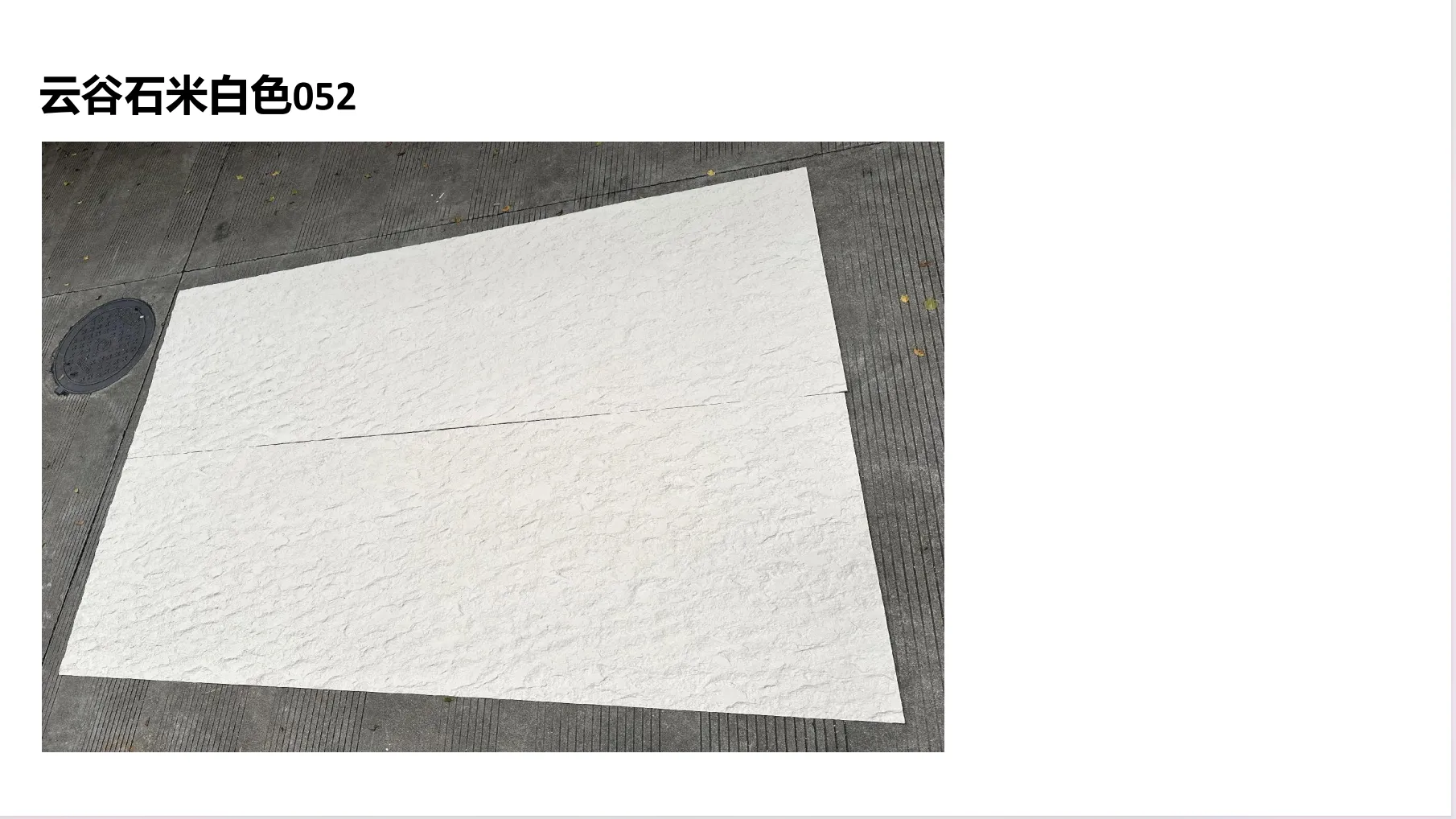
Cloud Stone, part of the innovative mcm project board series, is all about bringing nature indoors—without the hassle of bulky natural stone. Think of it as nature's texture, reimagined for modern living. Run your hand over it, and you might feel the soft ridges of travertine (beige), the subtle grain of weathered wood, or even the smooth, industrial chic of fair-faced concrete. What's magic about Cloud Stone is its flexibility—literally. Thanks to its composition as a flexible stone, it can mimic almost any texture, from rough-hewn rock to delicate marble veining, and it adapts to curved walls or unique angles that rigid materials can't handle. Imagine a bedroom wall wrapped in Cloud Stone's "lunar peak silvery" finish—it shimmers softly, like moonlight on stone, turning a plain room into a cozy retreat.
Ceramic Tiles, on the other hand, are the chameleons of design. They come in every color under the sun, from bold reds to muted pastels, and patterns that range from classic subway tiles to intricate Moroccan mosaics. Love a glossy finish that reflects light? Ceramic has you covered. Prefer matte for a modern, understated look? That's there too. But here's the catch: while ceramic tiles offer variety, they can sometimes feel… well, "tile-like." The grout lines, while functional, can break up the visual flow, and the surface often lacks the organic, lived-in texture that makes Cloud Stone feel so warm and inviting.
A wall material might look stunning on day one, but how does it hold up when life happens? Let's talk about durability—the unsung hero of home design.
Cloud Stone, especially variants in the mcm project board series, is built to withstand the chaos of daily life. It's scratch-resistant, so your kids' toy trucks or a rogue chair bump won't leave permanent marks. Spill coffee on it? Wipe it up, and it's like nothing happened—no staining, no discoloration. Even moisture isn't a match; unlike some natural stones that absorb water, Cloud Stone's sealed surface makes it a solid choice for bathrooms or kitchens. I once visited a café that used Cloud Stone in their dining area, and after two years of constant foot traffic and occasional food splatters, the walls still looked as fresh as the day they were installed.
Ceramic Tiles are no slouch in durability either—they're water-resistant, scratch-proof, and easy to clean. But they have a Achilles' heel: brittleness. drop a heavy pot on a ceramic tile wall, and you might end up with a cracked tile (and a stressful repair job). Grout lines, too, can be a weak spot—they're prone to discoloration over time, especially in high-moisture areas like showers, and replacing a single cracked tile often means matching the color and pattern perfectly, which isn't always easy.
Unless you're a professional contractor, installation might not be the first thing on your mind—but trust me, it matters. A material that's a nightmare to install can turn your renovation dream into a stressful, budget-busting ordeal.
Cloud Stone's flexibility (remember, it's a flexible stone!) is a game-changer here. Traditional stone slabs are heavy, requiring teams of people to lift and secure. Cloud Stone, though? It's lightweight, so even a small crew can handle it. Cutting it is a breeze too—no need for specialized tools; a standard saw works. And because it bends slightly, it can conform to minor wall imperfections, which means less time spent prepping the wall to be perfectly flat. I spoke to a homeowner who installed Cloud Stone in her living room last year, and she laughed, "We thought it'd take a week—turns out, the installers finished in two days. It was so much easier than we expected!"
Ceramic Tiles, while common, require more precision. They're rigid, so the wall needs to be completely smooth and level—otherwise, tiles can crack or pop loose. Cutting tiles to fit around outlets or corners? That takes skill (and patience). And let's not forget grout—applying it evenly, cleaning up the excess, and waiting for it to dry adds hours (if not days) to the process. It's doable, but it's not as forgiving as Cloud Stone, especially for DIYers or tight deadlines.
Life is messy. Your walls shouldn't be. Let's talk about how easy (or hard) these materials are to keep clean and beautiful.
Cloud Stone is low-maintenance by design. Most variants in the mcm project board series come pre-sealed, so stains bead up instead of soaking in. A quick wipe with a damp cloth and mild soap is usually all it takes to clean off dust, fingerprints, or even the occasional pasta sauce splatter (we've all been there). No need for special cleaners or monthly sealing—just enjoy the wall, not the upkeep.
Ceramic Tiles are also easy to wipe down, but grout lines are the Achilles' heel. Over time, dirt and mold can build up in the grout, making your walls look dingy even if the tiles themselves are clean. You'll need a grout brush and specialized cleaner to keep them looking fresh, and in some cases, you might even need to re-grout every few years. It's not a dealbreaker, but it's an extra step that adds up over time.
These days, we're all thinking more about the planet—and our wall materials should be no exception. How do Cloud Stone and Ceramic Tiles stack up when it comes to sustainability?
Cloud Stone, particularly as part of the mcm project board series, has a lot to offer here. Its production process uses less natural resources than mining and cutting full stone slabs, and many variants include recycled materials, reducing waste. Because it's lightweight, transporting it also uses less fuel, lowering its carbon footprint. And since it's flexible, there's less waste during installation—no more throwing away huge chunks of stone because they didn't fit quite right.
Ceramic Tiles, while durable, have a more energy-intensive production process. Making ceramic involves firing clay at extremely high temperatures, which uses a lot of energy. Some tiles are made with recycled materials, but it's not as common, and once installed, replacing a single tile is hard to do sustainably—you'll often end up buying a whole new box, creating more waste.
Let's talk numbers. At the end of the day, most of us have a budget, and we need to make sure our wall material fits into it.
Ceramic Tiles often win the "upfront cost" battle. Basic ceramic tiles can be surprisingly affordable, and there are options for every price point. But remember: cheaper tiles might be thinner or less durable, meaning you'll replace them sooner. Plus, installation costs can add up—especially if you need a pro to handle the precision cutting and grouting.
Cloud Stone is generally a bit pricier upfront, but it's an investment that pays off. Its durability means you won't need to replace it for decades, and its low maintenance saves you money on cleaners and repairs over time. Plus, because installation is faster and easier, labor costs are often lower. Think of it this way: paying a bit more now for a material that looks better, lasts longer, and is easier to live with might just be the smarter financial choice in the long run.
So, Cloud Stone or Ceramic Tiles? The answer depends on what matters most to you.
Choose Cloud Stone if you crave natural texture, flexibility in design, and long-term durability . It's perfect for spaces where you want walls to feel like part of the story—bedrooms, living rooms, boutique cafés, or offices that aim for a warm, inviting vibe. Its sustainability and easy installation are just icing on the cake.
Choose Ceramic Tiles if budget is your top priority and you love the classic, clean look of tiles. They're great for high-moisture areas like bathrooms (with proper grout maintenance) or spaces where you want bold patterns or bright colors.
At the end of the day, walls are more than just barriers—they're part of your daily life. Whether you go with the organic warmth of Cloud Stone or the tried-and-true reliability of Ceramic Tiles, pick something that makes you smile every time you walk into the room. After all, the best wall material is the one that feels like "you."
Recommend Products












