
Beyond aesthetics—how two design favorites stack up in the quiet battle for a better planet and a longer-lasting home
Walk into any modern home or boutique café, and your eyes are drawn first to texture. The rough-hewn warmth of a wood accent wall, the sleek coolness of stone countertops—these materials don't just fill space; they tell stories. But what if the story your walls are telling isn't just about style? What if it's about the planet, too? And what if that story could last for decades, not just years? That's the unspoken conversation happening in every choice between cloud stone and wood panels —two design darlings that bring beauty to our spaces, but with very different resumes when it comes to sustainability and longevity.
Let's cut through the trend reports and Instagram reels. This isn't about which looks "prettier"—beauty is subjective. It's about which material works harder, for you and the world around you. Because the best design choices aren't just feast for the eyes; they're kind to the Earth and tough enough to keep up with life's messes, from kids' sticky fingers to rainy-day mud tracked in from the garden. So let's dive in: cloud stone vs. wood panels—who wins when the metrics matter most?
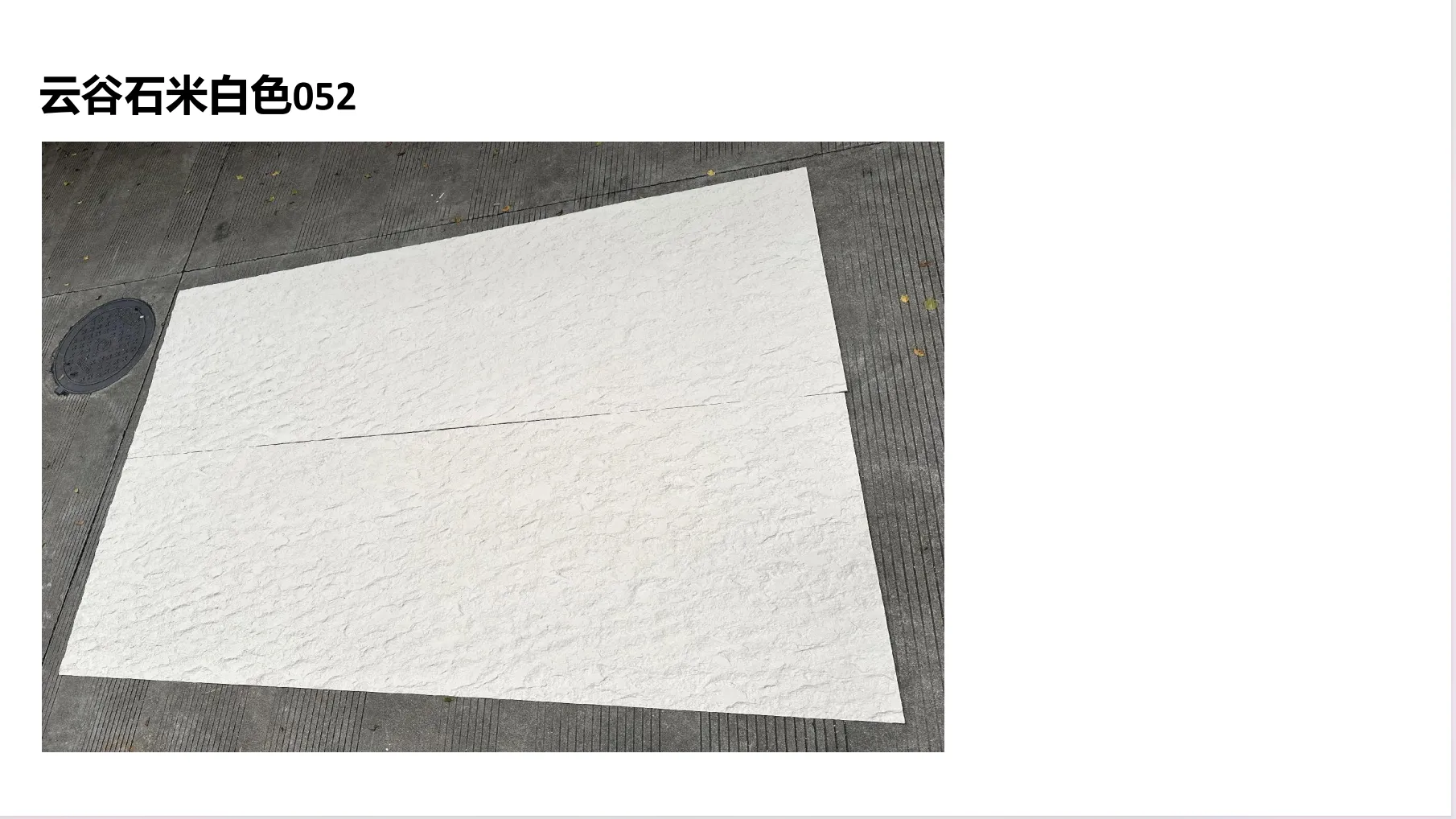
Before we start (dǎfēn—scoring), let's make sure we're on the same page. "Cloud stone" is a catchall term for a range of engineered and natural stone-like materials, often blending natural minerals with modern binders to mimic the look of stone without the weight or porosity. Think of variants like mcm flexible stone —a lightweight, bendable option that brings the texture of travertine or slate to walls and furniture without requiring heavy structural support. It's stone, reimagined for the way we live now.
Wood panels, on the other hand, are exactly what they sound like: thin sheets of wood (or wood composites) used to cover walls, ceilings, or furniture. They come in endless styles—from reclaimed barn wood with knots and nail holes to smooth, milled planks that feel almost futuristic. And while "wood" sounds simple, not all panels are created equal: some are made from fast-growing softwoods, others from slow-maturing hardwoods, and still others from recycled wood fibers bound with resins (like wood concrete board , a hybrid that adds durability but complicates the sustainability story).
So, today, we're pitting these two categories against each other: the stone-adjacent toughness of cloud stone (and its cousins like travertine (starry green) , with its galaxy-like veining) versus the organic warmth of wood panels (including engineered options like wood concrete board). Let the showdown begin.
Sustainability isn't a buzzword here; it's about math. How much energy goes into making the material? How much waste is left behind? Can it be recycled or reused when its time in your home is done? Let's break it down.
Wood panels start with trees—no surprises there. But not all trees are created equal. Old-growth hardwoods, prized for their rich grain, take decades (sometimes centuries) to mature, and logging them can disrupt ecosystems, fragment habitats, and contribute to deforestation. On the flip side, sustainably sourced wood—think FSC-certified pine or bamboo (yes, bamboo is grass, but often grouped with wood panels)—grows back quickly, and responsible harvesting ensures forests stay intact. The problem? Not all wood panels on the market are FSC-certified. Walk into a big-box store, and you might find "wood panels" made from particleboard wrapped in a thin veneer of real wood—cheap, but often sourced from unclear origins, with adhesives that off-gas harmful VOCs (volatile organic compounds) into your air.
Cloud stone, meanwhile, is a mixed bag—but one with promising eco-friendly stars. Take mcm flexible stone : many variants use recycled stone dust (a byproduct of quarrying) mixed with water-based resins, turning waste into something useful. Some cloud stone types, like those blended with foamed aluminium alloy board (vintage silver) , take it a step further: aluminium is 100% recyclable, and the foaming process reduces material use by up to 70% compared to solid metal, cutting down on mining and energy. Even natural stone-inspired options, like travertine (starry green) , often use engineered processes that require less water and land than traditional quarrying, which can scar landscapes and deplete local water tables.
Let's talk about the "hidden" cost of making these materials. Wood panel production, especially for hardwoods, often involves shipping logs across continents, then processing them in factories that use fossil fuels for drying and cutting. Even sustainable wood can have a high carbon footprint if it's traveled halfway around the world. And then there's waste: sawdust, bark, and off-cuts that often end up in landfills, since they're too small to be used for large panels.
Cloud stone production, by contrast, is often more localized (engineered materials can be made in regional facilities) and energy-efficient. Foamed aluminium alloy board , for example, uses 95% less energy to produce than new aluminium from bauxite ore. And because many cloud stones are "engineered to order," there's less waste—no cutting huge slabs to fit tiny spaces, just precise sheets made to your dimensions. Some manufacturers even use solar power to run their plants, turning the production process itself into a sustainability win.
Here's the hard truth: most wood panels aren't built to be recycled. Particleboard and veneer panels? They're essentially glued-together waste, and once the glue breaks down (or the veneer peels), they're trash. Solid wood panels can be repurposed into smaller projects (hello, DIY coasters!), but unless you're handy, they often end up in landfills, where they decompose slowly and release methane, a potent greenhouse gas. Even "sustainable" wood takes decades to regrow—so while it's renewable, it's not infinitely so.
Cloud stone, again, shines here. Foamed aluminium alloy board can be melted down and reused infinitely without losing quality. Mcm flexible stone with recycled content can often be ground up again and turned into new panels. Even non-recyclable variants tend to be durable enough to last so long that their "lifespan per carbon footprint" ratio beats wood panels, which may need replacing every 10–15 years. And when cloud stone does reach the end of its life, many types can be crushed and used as aggregate for roads or landscaping—no methane, no landfill.
Sustainability matters, but let's get personal: how long will this material actually last in your home? A beautiful wall that warps after a single rainy season isn't sustainable—it's just a waste of money and resources. So let's talk durability, maintenance, and that all-important "aging gracefully" factor.
Let's set the scene: You're hosting a dinner party, and someone spills red wine on the wall. A kid decides to use the wood panel as a canvas for their crayon masterpiece. A summer storm soaks your balcony, where you've installed wall panels. How do cloud stone and wood panels hold up?
Wood panels, even solid ones, are porous. Moisture is their kryptonite: a leaky window or a spilled drink can seep in, causing warping, mold, or rot. Termites and carpenter ants love them too—nothing says "move in" like a nice, untreated wood panel. Even with sealants, wood needs regular re-coating (every 2–3 years for exterior use, 5–7 for interior) to stay protected. And scratches? They show. A dog's claws, a chair bump—suddenly that "rustic" look becomes "worn-out" before its time.
Cloud stone? It laughs at spills. Mcm flexible stone and travertine (starry green) are non-porous when sealed (which many are, at the factory), so red wine wipes off with a damp cloth, no staining. Moisture? No problem—no rot, no mold. Pests? They'd starve. Scratches? Unless you take a hammer to it, cloud stone holds its ground. Even high-traffic areas, like a hallway with kids running back and forth, stay looking sharp for decades. One designer I talked to mentioned a restaurant bathroom with cloud stone walls that's been wiped down with harsh cleaners daily for 12 years—and still looks brand-new. Try that with wood.
Let's be real: most of us don't have the time (or desire) to baby our walls. Wood panels demand attention. Solid wood needs polishing, waxing, or painting every few years to keep the finish intact. Veneered panels? Once the veneer chips, you can't repair it—you have to replace the whole panel. And if you live in a humid climate? You'll be checking for mold spots regularly, which means scrubbing with vinegar solutions or hiring professionals. Over 20 years, that adds up: time spent maintaining, money spent on products, and the stress of wondering if this year's "touch-up" will turn into a full replacement.
Cloud stone? It's the low-maintenance friend we all need. A quick wipe with mild soap and water is usually enough. No sealing, no painting, no refinishing. Even if you do scratch it (say, moving a heavy bookshelf), many cloud stones can be repaired with a simple touch-up kit—no need to replace the whole panel. For busy families, rental properties, or anyone who hates chores, this is a game-changer. It's not that wood panels can't be maintained; it's that cloud stone doesn't need to be .
Here's where wood panels have a soft spot: many people love the way wood "ages" — the way sunlight fades it to a warm silver, the way small dents tell a story. A wooden table that's been passed down for generations? That's charm. But here's the catch: that "charm" only works if the wood is high-quality and well-cared-for. Cheap wood panels don't patina—they degrade. The veneer peels, the particleboard swells, and suddenly your wall looks like it belongs in a dumpster, not a home.
Cloud stone ages differently, but no less beautifully. Take foamed aluminium alloy board (vintage gold) : over time, it develops a subtle, iridescent patina that shifts with light—a "living" finish that gets more interesting, not less. Travertine (starry green) retains its color, but the texture softens slightly, giving walls a gentle, time-worn glow that feels intentional, not accidental. And unlike wood, which can look ragged if neglected, cloud stone's aging is predictable and consistent—no surprises, just a slow evolution into something even more unique.
| Feature | Cloud Stone (e.g., mcm flexible stone, travertine starry green) | Wood Panels (e.g., solid wood, wood concrete board) |
|---|---|---|
| Sustainability: Materials | Often uses recycled content (stone dust, aluminium); low-waste production | Depends on sourcing—FSC-certified is good, but many use non-recycled wood and toxic adhesives |
| Sustainability: Production | Energy-efficient (e.g., foamed aluminium uses 95% less energy than new aluminium); localized manufacturing | High carbon footprint for hardwoods; fossil fuel use in drying/processing |
| Longevity: Durability | Resistant to moisture, pests, scratches; lasts 30+ years with minimal care | Prone to warping, rot, pests; needs sealing every 2–7 years; lasts 10–15 years on average |
| Maintenance | Wipe with soap and water; no refinishing needed | Regular sealing, refinishing, and pest control; high upkeep |
| End-of-Life | Recyclable or reusable as aggregate; low methane impact | Often ends in landfills; veneered/particleboard panels hard to recycle |
So, who wins? If we're scoring strictly on sustainability and longevity, cloud stone—especially eco-friendly variants like mcm flexible stone and foamed aluminium alloy board —takes the trophy. It's lower-impact to produce, kinder to the planet at the end of its life, and tough enough to keep up with even the messiest of lives. But here's the thing: design isn't just about metrics. It's about how a material makes you feel.
If you grew up in a cabin with wood walls and the smell of pine brings you peace, a sustainably sourced, FSC-certified wood panel might be worth the extra maintenance. If you're designing a high-traffic commercial space or a home with kids and pets, cloud stone's durability will save you headaches (and money) down the line. And if you love the look of wood but hate the upkeep? There's even a middle ground: wood concrete board —a hybrid that mimics wood grain but with the water resistance of concrete. It's not perfect, but it's a reminder that the best choices are the ones that fit your life.
At the end of the day, cloud stone and wood panels aren't enemies. They're tools—each with strengths that shine in different spaces. The real win? Choosing mindfully. Ask questions: Where did this material come from? How was it made? How long will it last? Because the most beautiful walls aren't just the ones that look good in photos—they're the ones that make you proud, every single day, knowing you chose something that works for you and the world we all share.
Recommend Products












