
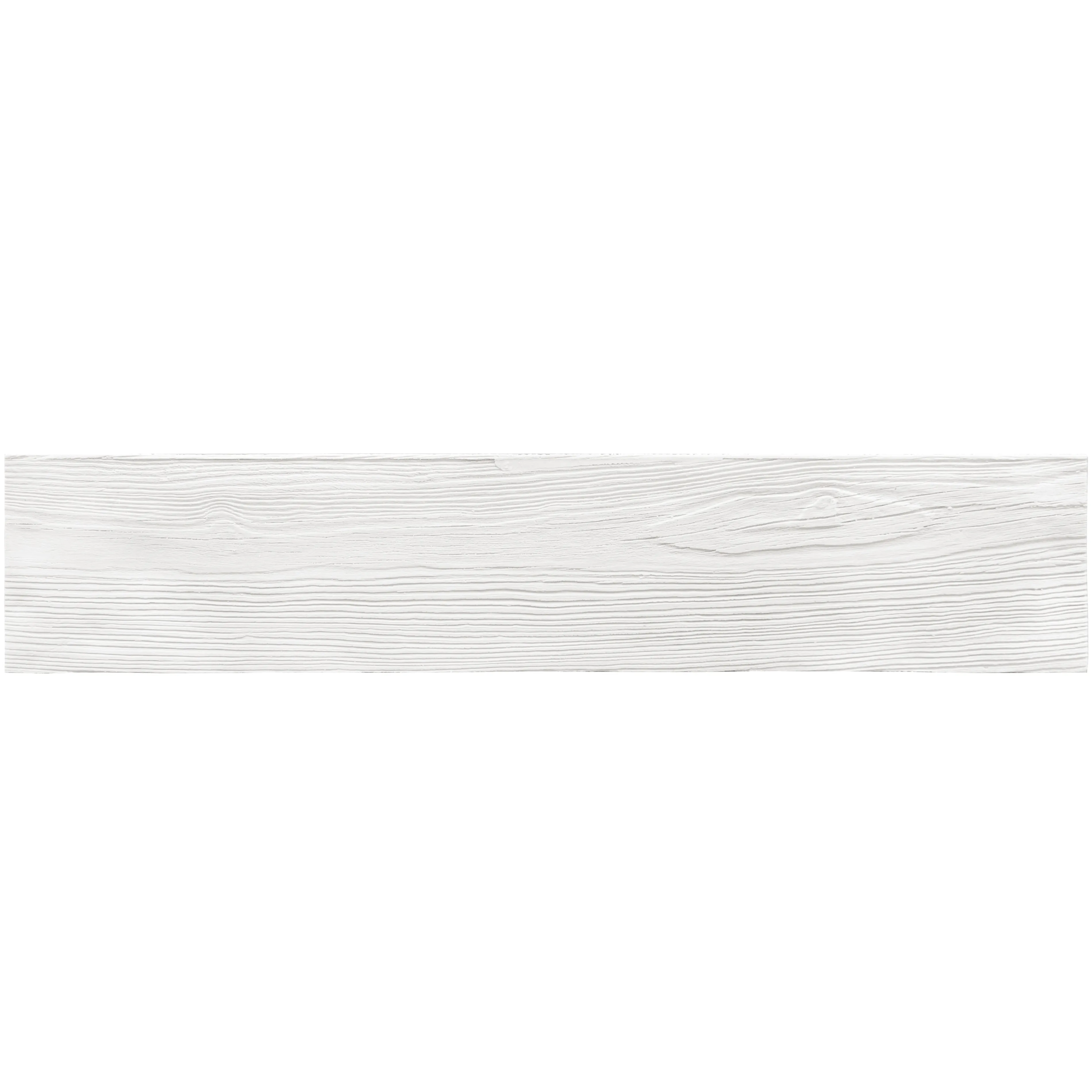
Where Beauty Meets Durability in the Harsh Coastal Environment
There's something undeniably magical about coastal living. The sound of waves crashing at dawn, the salty breeze carrying the scent of the ocean, the way sunlight dances on water—these are the moments that make beachfront homes and coastal communities so desirable. But for anyone who's built or maintained a structure near the sea, there's a less romantic side to this idyll: the relentless, corrosive power of the coastal environment.
Saltwater spray, high humidity, and constant exposure to UV rays don't just fade paint or warp wood—they attack buildings at their core. Traditional materials that thrive inland often crumble under the coast's demands. Natural wood, beloved for its warmth, succumbs to rot and termites within years. Concrete, while sturdy, develops cracks from salt crystallization, letting moisture seep in and weaken foundations. Even natural stone like marble or travertine (starry blue) can etch and discolor when bombarded by salt-laden air.
For decades, coastal builders and homeowners faced a frustrating trade-off: choose materials that stood up to the elements but lacked character, or prioritize aesthetics and resign themselves to frequent repairs. That is, until modified composite material (MCM) stepped onto the scene. And among MCM's impressive lineup, one product has emerged as a game-changer for coastal construction: White Wood MCM .
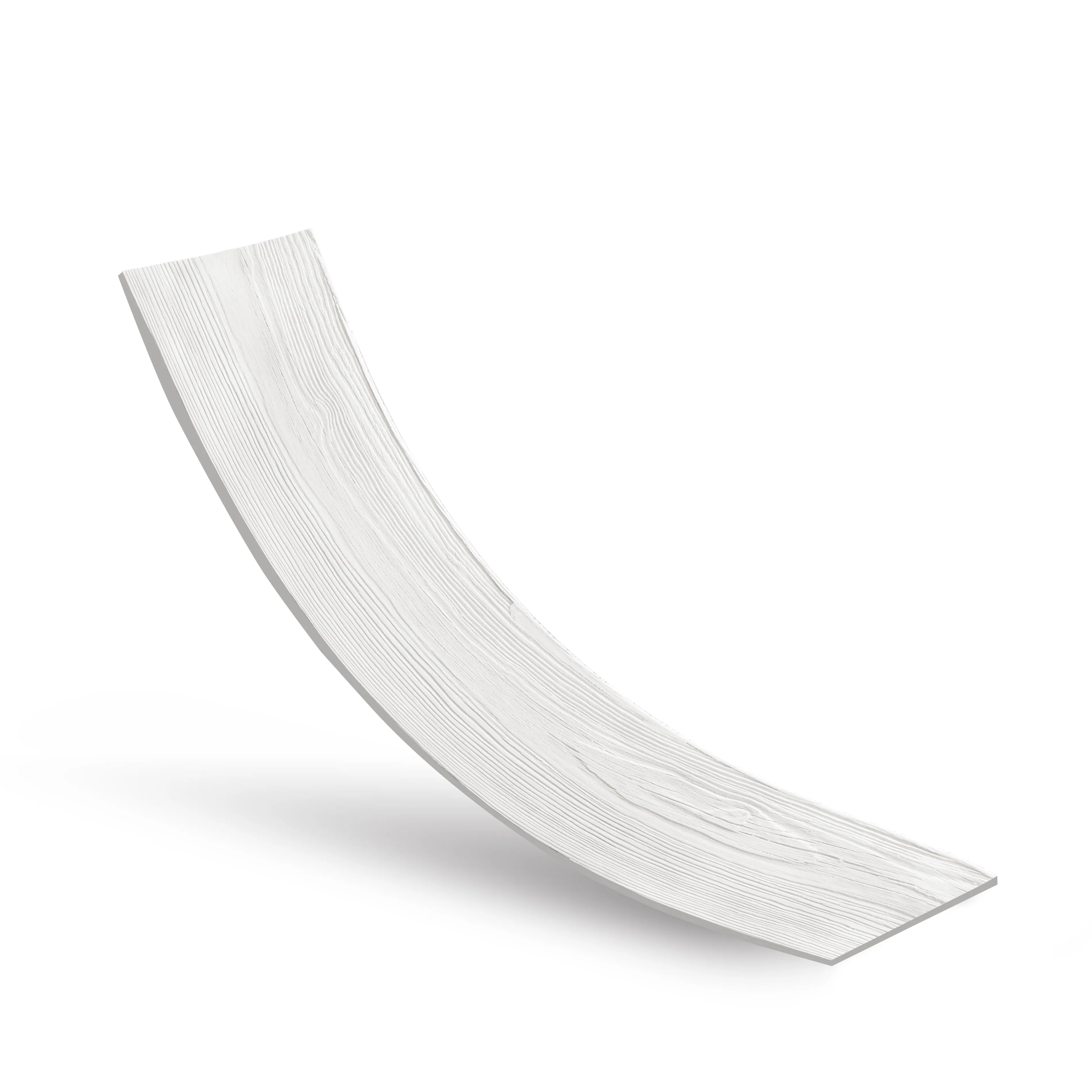
MCM—short for modified composite material—is a revolutionary building material designed to marry the best of nature and technology. Unlike traditional materials, MCM is engineered to be lightweight, flexible, and incredibly durable. It's made by bonding natural minerals (like stone or wood fibers) with high-performance polymers, creating a product that mimics the look of natural materials but with none of their vulnerabilities.
For coastal construction, MCM checks every box: it resists saltwater corrosion, repels moisture, stands up to UV damage, and won't crack, warp, or fade. And while all MCM products offer these benefits, White Wood MCM stands out for its ability to capture the timeless beauty of white-washed wood—think the sun-bleached charm of a Mediterranean villa or the crisp elegance of a Hamptons beach house—without the maintenance nightmare of real wood.
Imagine (oops, scratch that—picture) a beach house with siding that looks like weathered white oak, but never needs sanding, staining, or painting. A deck that feels like smooth wood underfoot but won't splinter, rot, or attract pests. That's White Wood MCM in action. Here's why it's become a staple in coastal construction:
To truly appreciate White Wood MCM's value, let's compare it to the materials coastal builders have historically relied on. The table below breaks down key factors like durability, maintenance, and performance in saltwater environments:
| Material | Saltwater Resistance | Weight (per sq. ft) | Maintenance Needs | Expected Lifespan |
|---|---|---|---|---|
| White Wood MCM | Excellent (resistant to corrosion/rot) | 1.2 lbs | Low (hose off occasionally) | 30+ years |
| Natural Wood (Cedar/Teak) | Poor (prone to rot, warping, termites) | 2.5 lbs | High (annual staining/sealing, repairs) | 5–15 years |
| Fair-Faced Concrete | Moderate (cracks allow salt penetration) | 12 lbs | Moderate (seal every 2–3 years, repair cracks) | 20–25 years |
| Bali Stone | Moderate (porous, stains from salt) | 8 lbs | Moderate (seal annually, clean with mild detergent) | 15–20 years |
As the table shows, White Wood MCM outperforms traditional options in nearly every category—especially when it comes to withstanding the coast's unique challenges. Its lightweight nature also reduces structural stress on buildings, a critical factor in areas prone to hurricanes or flooding.
While White Wood MCM is a star player in coastal construction, it rarely works alone. MCM's versatility means there are dozens of complementary products to elevate your coastal design, each offering its own blend of style and durability. Here are a few standouts:
For indoor or outdoor accent walls, MCM flexible stone adds depth and texture without the weight of natural stone. Available in styles like travertine (starry green)—with its subtle, galaxy-like veining—or dolomitic travertine (dark grey) for a moodier look, it pairs beautifully with White Wood MCM. Imagine a living room with White Wood MCM ceilings and a fireplace surround clad in MCM flexible stone: warm, earthy, and completely resistant to moisture damage.
Inspired by the lush landscapes of Indonesia, Bali stone MCM captures the look of weathered tropical stone with its soft beige and terracotta hues. It's perfect for outdoor patios, pool decks, or exterior columns, adding a laid-back, resort-like feel to coastal homes. Unlike natural Bali stone, which is porous and prone to salt staining, MCM Bali stone repels moisture and requires minimal upkeep.
For homeowners who prefer a more contemporary aesthetic, foamed aluminium alloy board (vintage silver) offers a sleek, metallic finish that contrasts stunningly with White Wood MCM. Use it for outdoor kitchen backsplashes, fascia panels, or even railings. Its lightweight, rust-proof design makes it ideal for coastal areas, and the vintage silver tone complements the bright whites and blues of coastal decor.
In 2020, a family in Charleston, South Carolina, set out to build their dream beach house—just two blocks from the Atlantic Ocean. They wanted a home that felt cozy and inviting but could withstand the area's frequent salt spray and occasional hurricanes. After consulting with architect Maria Gonzalez, they chose White Wood MCM for siding, MCM flexible stone (travertine starry blue) for the pool patio, and foamed aluminium alloy board (vintage silver) for the outdoor kitchen.
Three years later, the home has weathered two major storms and countless saltwater sprays. "The White Wood siding still looks brand new," says homeowner James Peterson. "We've never had to repaint or repair it. Even the MCM flexible stone patio, which gets splashed with saltwater from the pool, hasn't stained or faded. It's been a game-changer for peace of mind."
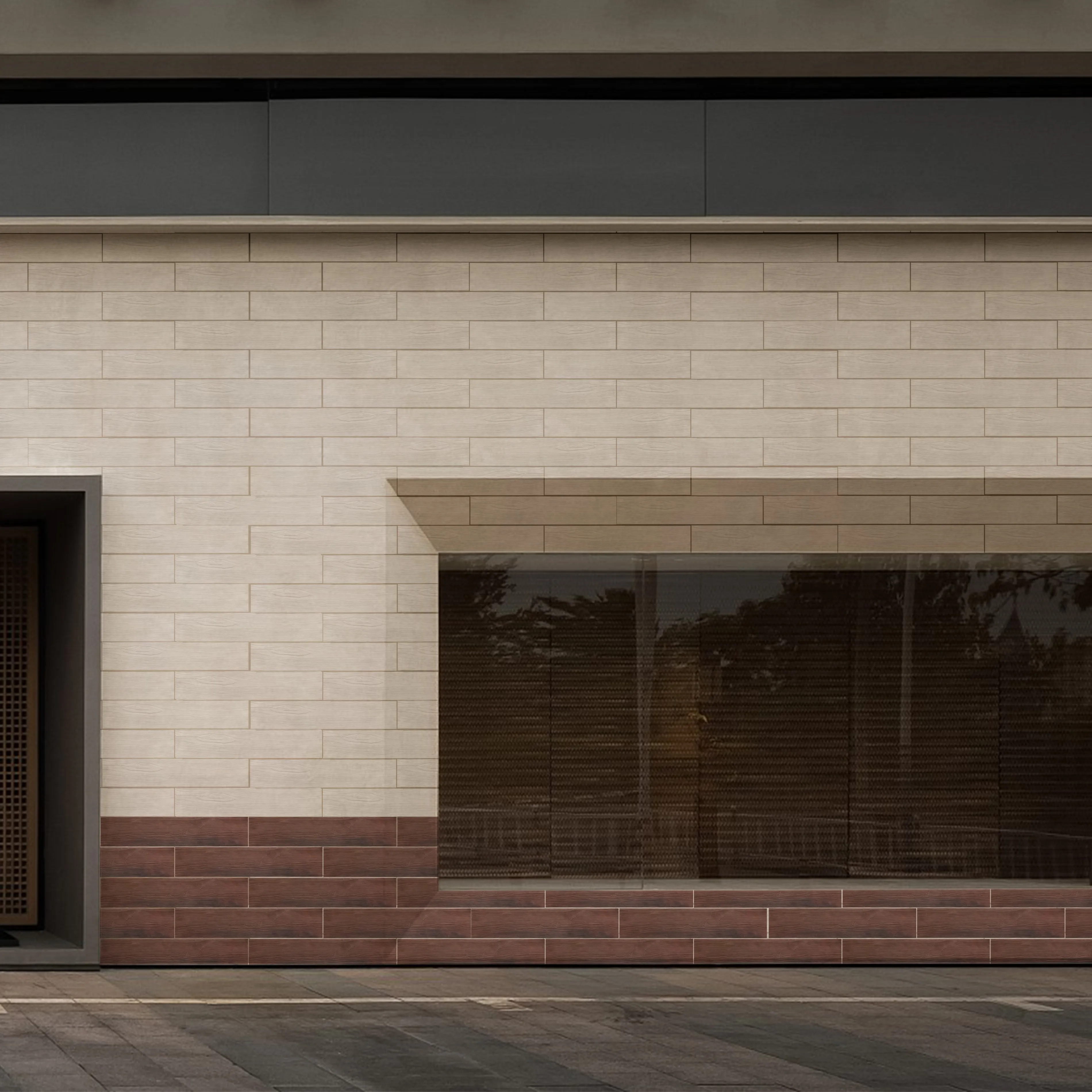
White Wood MCM is incredibly versatile, but a few design strategies can help you make the most of its beauty and functionality:
Coastal communities are increasingly focused on sustainability, and MCM aligns with that mission. Unlike natural wood, which requires logging, or concrete, which has a high carbon footprint, MCM is made from recycled minerals and polymers, reducing its environmental impact. White Wood MCM, in particular, eliminates the need for deforestation, making it a choice that's kind to both your home and the planet.
Additionally, MCM's long lifespan means fewer replacements over time, reducing waste. When a building with MCM materials does reach the end of its life, many MCM products are recyclable—a stark contrast to traditional materials like vinyl siding, which often end up in landfills.
Coastal construction doesn't have to be a battle between beauty and durability. With products like White Wood MCM, MCM flexible stone, and Bali stone, homeowners and builders can create spaces that celebrate the coast's natural beauty while standing strong against its harshest elements. Whether you're building a beachfront mansion, a cozy cottage, or a commercial boardwalk, MCM offers a solution that's as practical as it is stunning.
So, the next time you walk along a coastal street and admire a home with crisp, white siding that looks like it's been there for decades (but hasn't a single rot spot or peeling paint chip), chances are it's White Wood MCM. And behind that beauty? A material that's not just built for the coast—it's built with the coast in mind.
Recommend Products












