
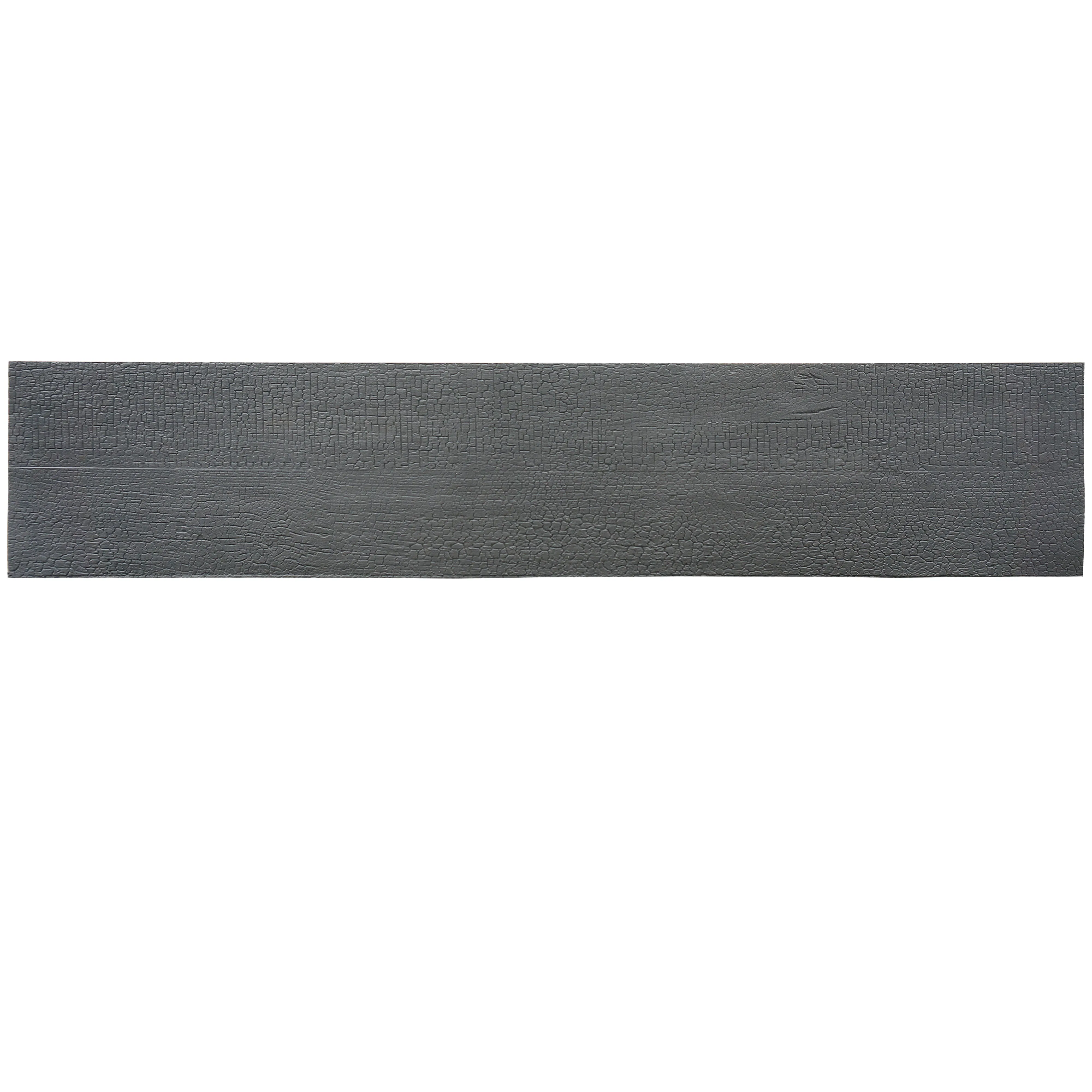
Walk into any modern home, boutique café, or upscale office these days, and you'll likely spot a material that's been stealing the spotlight: charcoal burnt wood board. With its deep, smoky hues and textured grain that seems to tell a story of fire and craftsmanship, it's no wonder designers and homeowners alike are drawn to its raw, organic charm. But here's the thing about beauty—especially the kind that comes from natural materials: it's fragile. Ever noticed how a once-vibrant wooden table fades to a dull gray after a few seasons of rain and sun? Or how a charred wood accent wall loses its depth, leaving behind a flat, lifeless surface? That's where the unsung heroes of material longevity come in: pH balance and UV protection. Today, let's dive into why these two factors matter so much for keeping your charcoal burnt wood board looking as stunning as the day it was installed.
Before we get into the nitty-gritty of color retention, let's make sure we're all on the same page. Charcoal burnt wood board—sometimes called shou sugi ban, after the traditional Japanese technique—is exactly what it sounds like: wood that's been carefully charred (not burned to a crisp!) to create a striking, almost sculptural finish. The process involves torching the wood surface to bring out its natural grain, then sealing it to lock in that rich, ebony color and enhance durability. What makes it special? Unlike smooth, polished wood or even wood grain board (which mimics wood aesthetics with synthetic layers), charcoal burnt wood wears its texture proudly. Each knot, each groove, each subtle variation in the charring pattern feels like a fingerprint, making every piece one-of-a-kind.
But here's the catch: that beautiful, deep color isn't just for show. It's a product of the wood's natural pigments and the charring process, which darkens the surface while preserving the inner layers. And like any natural pigment, it's vulnerable to the elements—specifically, the invisible forces of pH fluctuations and UV radiation. Let's start with pH, the silent discoloration culprit we often overlook.
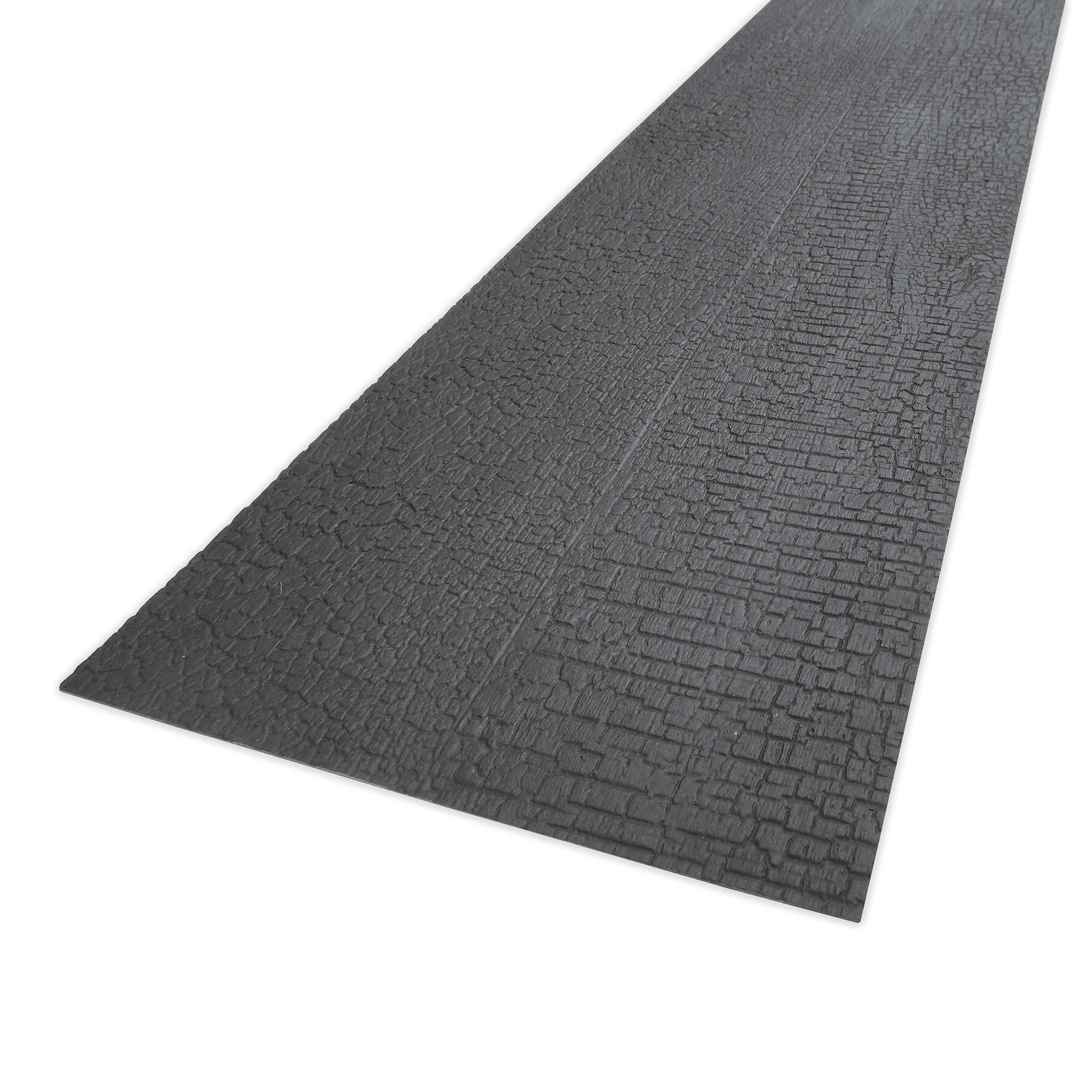
Think of pH as the "mood" of the environment your wood lives in—it can be acidic (like lemon juice), alkaline (like baking soda), or neutral. Most wood, including the varieties used for charcoal burnt boards (think cedar, pine, or oak), has a naturally slightly acidic pH, around 4.5 to 6.5. That acidity helps protect it from pests and decay… until external factors throw it off balance.
Take rain, for example. In many areas, rainwater is slightly acidic (thanks to pollutants like carbon dioxide or even acid rain in some regions). When that acidic water sits on your charcoal burnt wood deck or fence, it slowly breaks down the charred surface, leaching out pigments and turning the wood a patchy, grayish color. Or consider soil: if your wood board is installed near garden beds treated with alkaline fertilizers, the soil's high pH can seep into the wood, causing it to swell, crack, and lose its color over time. Even something as simple as cleaning your wood with a harsh, alkaline soap can strip away the protective char layer, leaving the underlying wood exposed and prone to fading.
So, how do you fight back? The key is to "buffer" your wood against pH extremes. Modern sealers and coatings designed for charred wood often contain pH-neutralizing agents that create a barrier between the wood and the environment. These aren't just any sealers—they're formulated to mimic the wood's natural acidity, so rain, soil, and cleaning products bounce off instead of seeping in. Some even use natural ingredients like beeswax or plant-based oils, which not only protect but also enhance the wood's natural luster without adding a glossy, artificial finish.
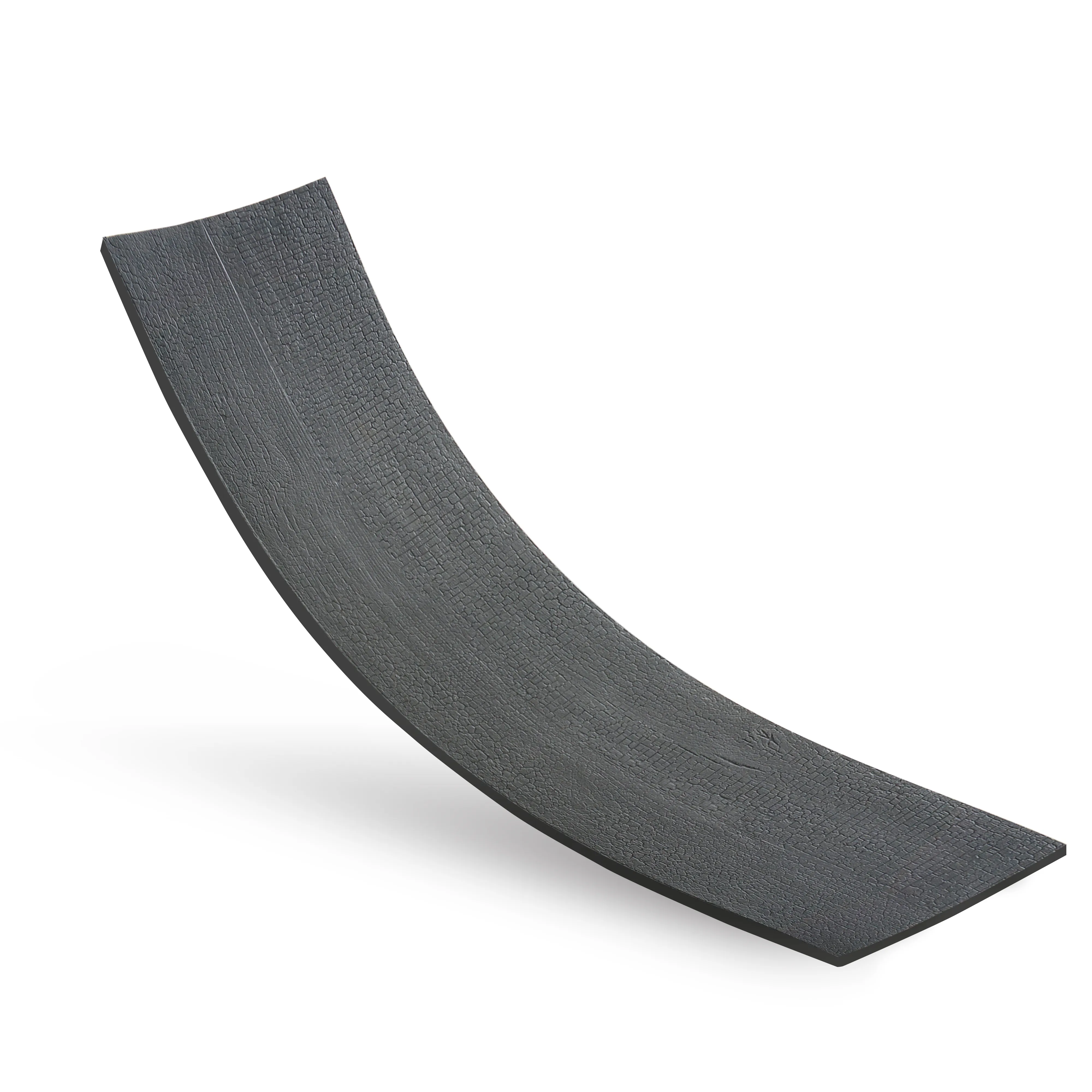
Now, let's talk about the other big threat to your charcoal burnt wood's color: the sun. We all love sunlight for brightening up a room, but those UV rays are like tiny, invisible scissors cutting through your wood's pigments. Here's how it works: wood contains lignin, a natural polymer that gives it strength and, in charred wood, contributes to that deep color. UV radiation breaks down lignin over time, causing the wood to "bleach" and lose its rich tones. The result? That once-dark board starts to look washed out, almost as if someone took a gray filter to it.
This is especially true for outdoor installations—decks, patio furniture, exterior cladding—but even indoor wood near large windows isn't safe. I once visited a friend's home where they'd installed a stunning charcoal burnt wood accent wall in their sunroom. Six months later, the side facing the window was noticeably lighter than the rest, creating an uneven, striped effect. "I thought charring would make it tough," they sighed. "Turns out, the sun's tougher."
The good news? UV protection has come a long way. Today's best sealers for charcoal burnt wood don't just block UV rays—they absorb them. Look for products labeled "UV-resistant" or "UV-inhibiting," which contain chemicals (like zinc oxide or titanium dioxide) that act as a sunscreen for your wood. These additives don't change the wood's color; they just prevent the sun from breaking down its pigments. For indoor use, a light application every 1-2 years might be enough. For outdoor wood, you'll want a heavier-duty sealer, reapplied annually, to stand up to harsh summer rays.
Charcoal burnt wood board isn't the only player in the design world, of course. Let's see how it compares to a few popular alternatives when it comes to color retention—because understanding the competition can help you appreciate just how special (and worth protecting!) charred wood really is.
| Material | pH Resistance (Without Treatment) | UV Resistance (Without Treatment) | Maintenance Needs | Warmth & Character |
|---|---|---|---|---|
| Charcoal Burnt Wood Board | Medium (charring offers some protection) | Low (prone to fading in direct sun) | Moderate (seal every 1-2 years) | High (rich grain, organic texture) |
| Wood Grain Board (Synthetic) | High (plastic/polymer layers resist pH swings) | High (color is often infused into the material) | Low (wipe clean, minimal sealing) | Medium (mimics wood but lacks natural variation) |
| Travertine | High (natural stone is pH-resistant) | Medium (can fade if unpolished; porous surface traps dirt) | High (seal every 6-12 months; prone to staining) | Medium-High (earthy, mineral-rich look) |
| Fair-Faced Concrete | Very High (inert, non-reactive surface) | High (color is integral to the material) | Low (resistant to weathering; occasional cleaning) | Low (industrial, sleek; lacks wood's warmth) |
See the pattern? Wood grain board and fair-faced concrete might be more "low-maintenance," but they lack the soul of charcoal burnt wood. Travertine, with its natural veining, is beautiful but requires constant upkeep to stay stain-free. Charred wood, on the other hand, hits that sweet spot between character and durability— if you protect it. And honestly, isn't a little annual sealing worth keeping that cozy, cabin-like vibe in your space?
Enough theory—let's talk about real life. I recently visited a café in Portland, Oregon, called "The Charred Bean" (yes, the name says it all). Their outdoor patio is lined with charcoal burnt wood benches and a feature wall made from the same material. When I asked the owner, Mia, how they kept it looking so fresh after two years of Pacific Northwest rain and sun, she laughed. "We learned the hard way," she said. "First summer, the benches started fading. We tried a generic sealer, and it peeled. Then we found a product specifically for charred wood—pH-balanced, UV-resistant—and reapplied it last spring. Now? They look brand new. Customers still comment on how 'warm' the space feels, even in the rain."
Another example: a home in Arizona, where temperatures soar and UV rays are intense. The homeowner, Raj, installed charcoal burnt wood siding on his modern desert home. "I was worried the sun would destroy it," he admitted. "But we used a sealer with zinc oxide, and we reapply it every fall. Three years later, the siding still has that deep, dark color—it contrasts perfectly with the cacti and the blue sky."
These stories aren't anomalies. When you pair charcoal burnt wood with the right pH and UV protection, it becomes more than just a pretty face—it's a durable, long-lasting material that ages gracefully, developing a subtle patina over time instead of fading into obscurity.
Ready to keep your charcoal burnt wood board looking its best? Here's a quick checklist to get you started:
Charcoal burnt wood board isn't just a material—it's a statement. It says you value craftsmanship, nature, and the kind of beauty that tells a story. But stories fade if you don't protect them. pH balance and UV protection might not be the sexiest topics, but they're the difference between a wood accent that wows for a season and one that becomes a beloved part of your home for decades.
So, the next time you're admiring a charred wood wall or deck, take a moment to appreciate the science behind its beauty. And if you're lucky enough to have some in your own space? Grab that sealer, set that calendar reminder, and enjoy the warmth—knowing your wood is ready to stand up to rain, sun, and whatever else life throws its way.
Because great design isn't just about looking good—it's about lasting good.
Recommend Products












