
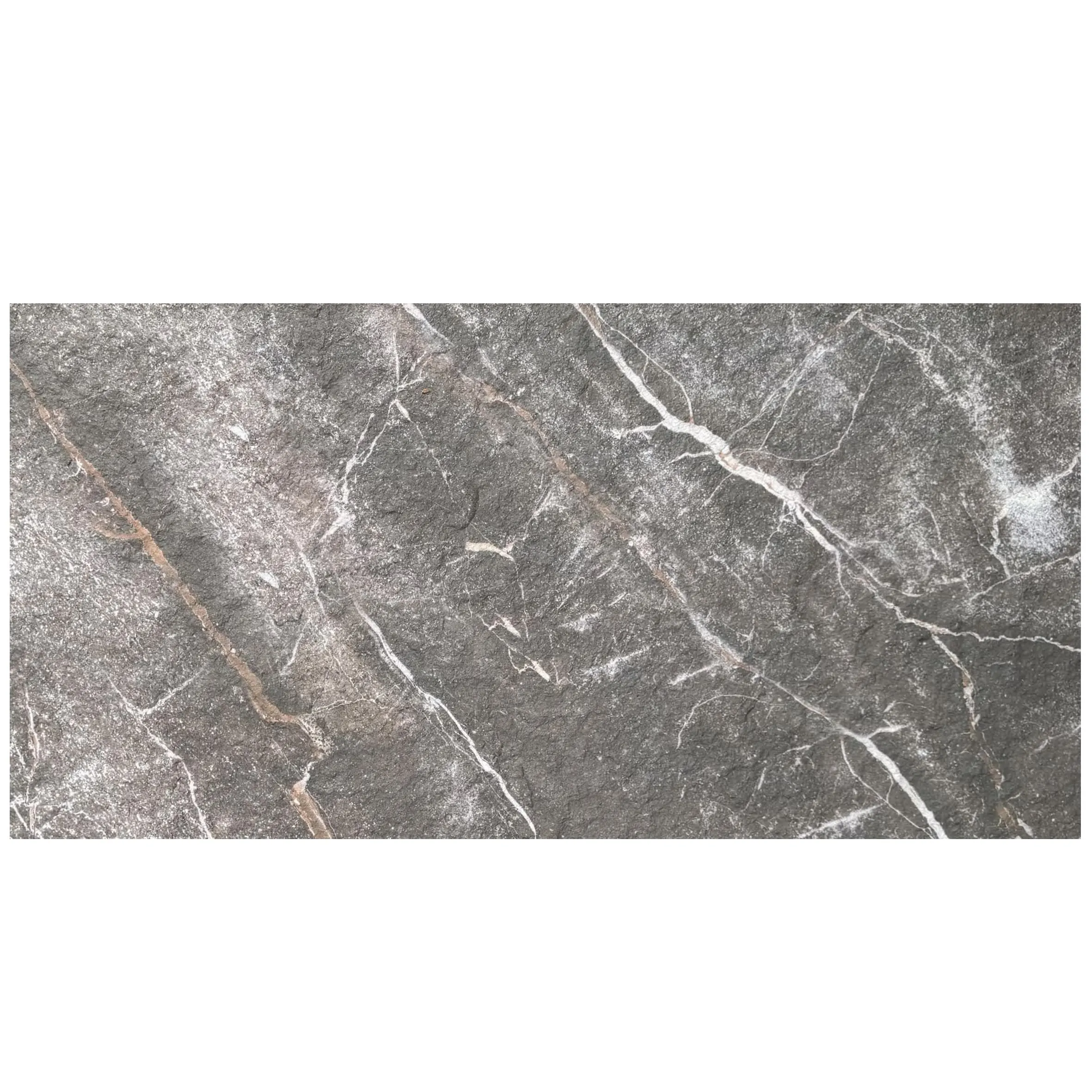
There's a moment in every designer's career when a material stops being just a "material" and becomes a storyteller. For me, that moment happened in a sunlit stone yard in northern Italy, where a slab of natural granite Portoro sat propped against a wall, catching the light like a painting come to life. Its surface was a deep, inky black—so dark it almost seemed to absorb the room's warmth—crisscrossed by veins of gold so vivid they looked like liquid sunlight frozen in stone. I ran a hand over it, feeling the cool, polished surface, and thought: This isn't just a slab. It's a conversation starter. A piece of the earth's history, shaped by time and pressure, ready to turn a house into a home, a lobby into a landmark.
Granite Portoro isn't just another stone in the vast world of natural materials. It's a standout, a material that blends drama with elegance, boldness with subtlety. But to truly appreciate it, we need to dig deeper—beyond the showroom lights and polished displays—to understand the stories written in its colors and patterns. Let's take a walk through its origins, its unique characteristics, and how it holds its own among some of the most sought-after stones in the architectural and design world, from the cool grays of marble interstellar gray to the moody depths of slate portoro.
Most great stones have a birthplace, and Granite Portoro's story begins in the quarries of Italy, a country famous for giving the world some of its most iconic natural materials. While its name might evoke images of far-flung mountains, Portoro's roots are in the Apennine Peninsula, where centuries of geological activity—volcanic eruptions, tectonic shifts, and the slow, steady pressure of the earth's crust—worked together to create something extraordinary. Geologists will tell you that granite, by definition, is an igneous rock formed from magma cooling slowly beneath the earth's surface, but Portoro isn't just any granite. Its unique composition—rich in quartz, feldspar, and mica, with flecks of pyrite (the mineral responsible for that golden sparkle)—sets it apart.
What makes Portoro's formation so special? Imagine, if you will, a pocket of magma deep underground, cooling over millions of years. As it cools, minerals crystallize, forming the interlocking grains that give granite its strength. But in Portoro's case, something else happened: mineral-rich fluids seeped through cracks in the rock, depositing layers of iron oxides and sulfides. Over time, these deposits formed the striking gold veins that now define the stone. It's a process that can't be rushed, can't be replicated in a lab. Each slab is a one-of-a-kind snapshot of the earth's creative power—a reminder that the most beautiful things in life take time.
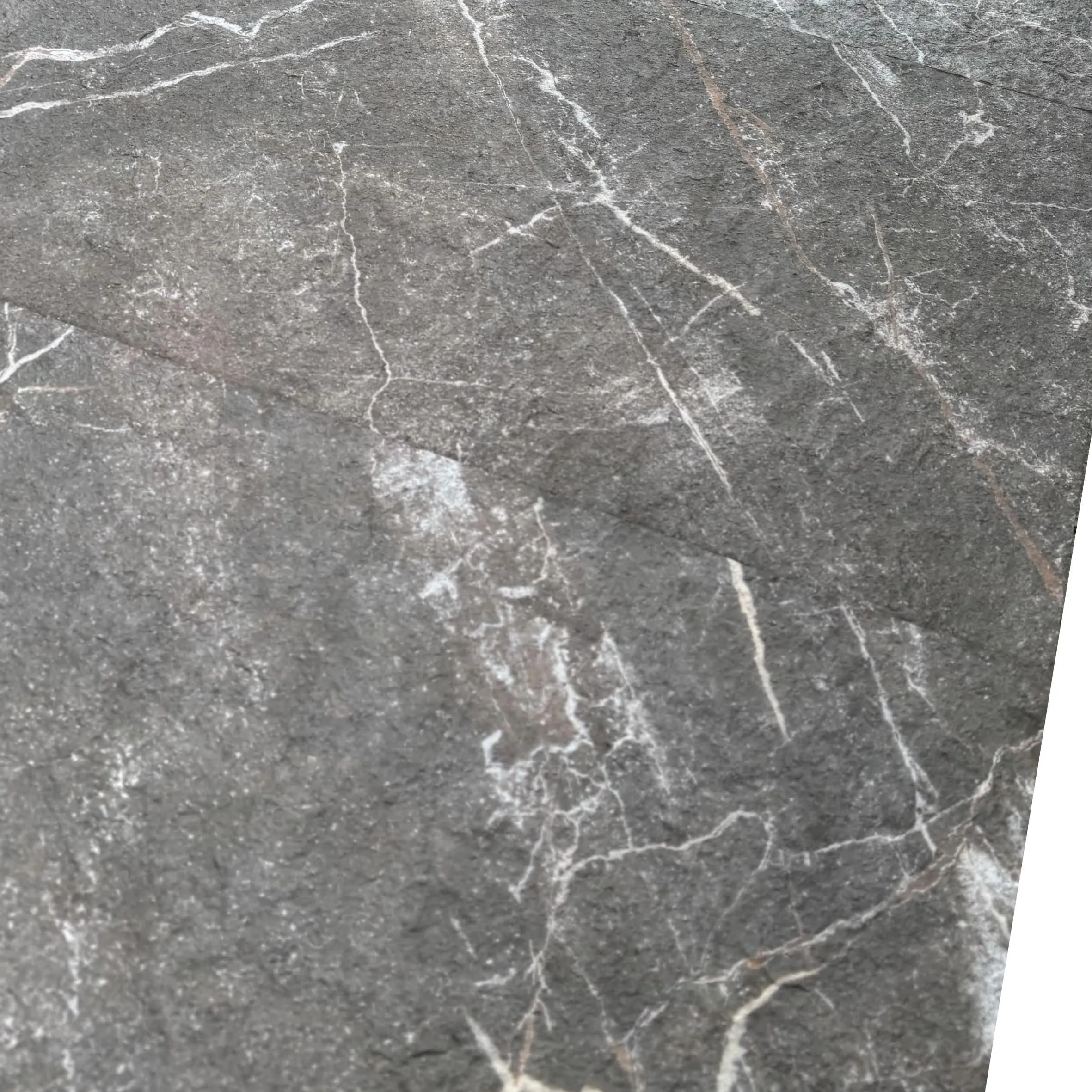
If you ask someone to describe Granite Portoro, they'll likely start with "black and gold." But that's like describing a sunset as "orange and pink"—true, but barely scratching the surface. The "black" in Portoro isn't a flat, uniform color. It's a spectrum: sometimes a deep, velvety ebony that looks almost blue under soft light; other times a charcoal gray with subtle undertones of brown or green, depending on the quarry and the specific mineral composition. I once saw a slab in a designer's studio that, in natural daylight, had hints of plum around its edges—a detail that vanished under artificial lighting, only to reappear the next morning when the sun came up. It was like the stone had a secret, one it only shared with those patient enough to watch it change.
Then there's the gold. It's not just a single shade, either. Some veins are bright, brassy gold, bold and unapologetic—think the kind of gold that catches your eye from across a room. Others are softer, more like champagne or honey, with a warm, muted glow that feels almost vintage. And in rare cases, you'll find veins with hints of copper or bronze, adding depth and complexity. These variations aren't flaws; they're part of the stone's charm. A kitchen countertop made from a Portoro slab with bold gold veins might feel energetic and luxurious, perfect for a home that loves to entertain, while a bathroom vanity with softer, honey-toned veins could create a spa-like oasis of calm.
Light plays a huge role in how we perceive Portoro's colors. In a room with large windows, the gold veins seem to dance, shifting in intensity as the sun moves across the sky. In a dimly lit space—say, a cozy home theater or a restaurant with ambient lighting—the black deepens, and the gold takes on a subtle, mysterious shimmer, like stars in a night sky. It's a stone that interacts with its environment, making it a dynamic choice for designers who want spaces that feel alive, not static.
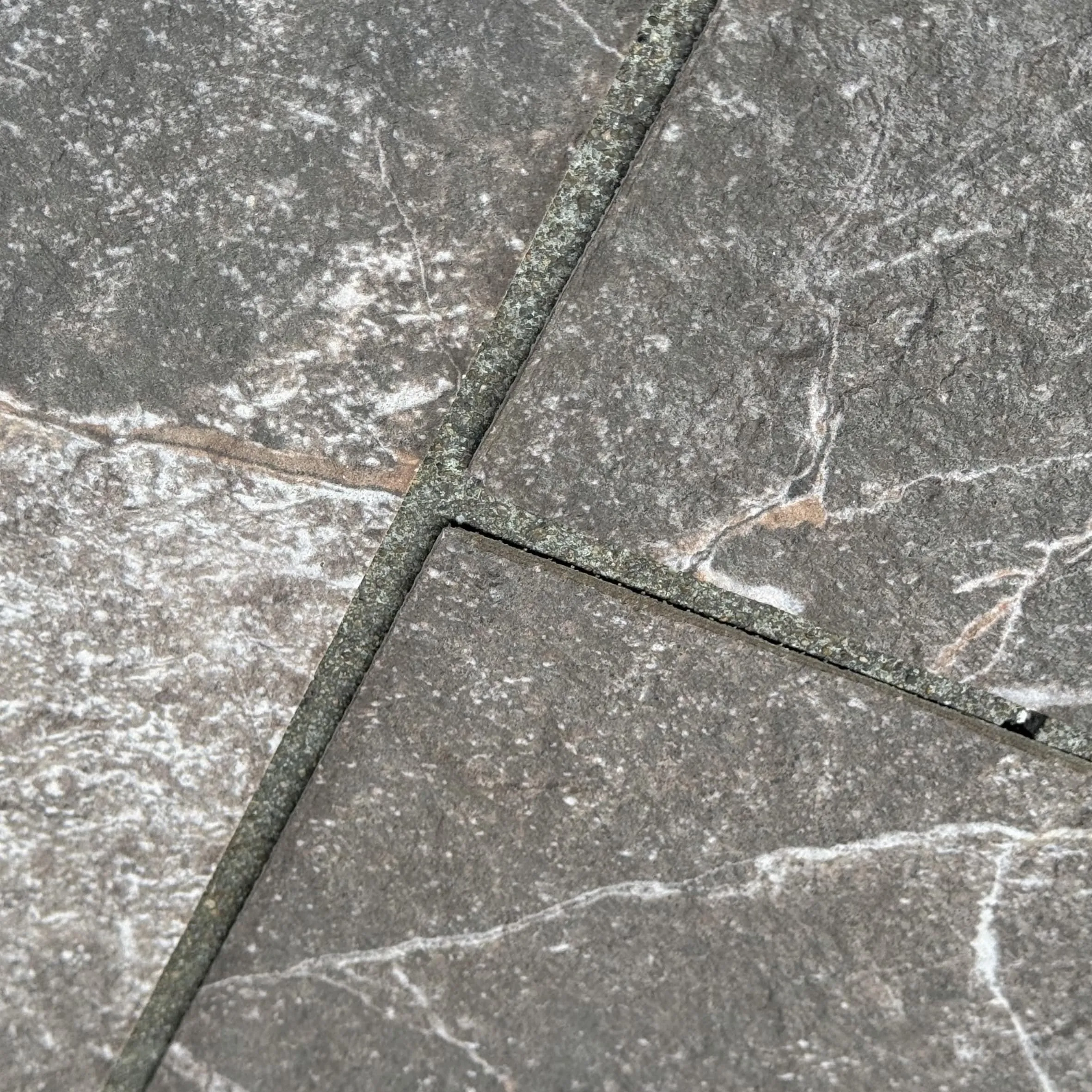
If the colors of Granite Portoro are its palette, the patterns are its brushstrokes. No two slabs are alike, but there are common "personalities" that emerge. Some Portoro slabs have linear veins—straight or slightly wavy lines that run parallel, like brushstrokes on a canvas. These are often the most popular for modern spaces, as they add structure without overwhelming the eye. Imagine a minimalist kitchen with white cabinetry and a Portoro backsplash with thin, vertical gold lines: it's bold, but clean, a statement that doesn't compete with the room's simplicity.
Other slabs have swirled or "cloud-like" patterns, where the gold veins twist and curl, creating a sense of movement. These are the showstoppers—the slabs that become the focal point of a room. I visited a boutique hotel in Milan once where the lobby featured a massive Portoro reception desk with veins that swirled like a golden tornado, starting at one corner and spiraling across the surface. Guests would stop mid-conversation to stare at it, as if trying to trace the path of the ancient fluids that created it. It was art, functional art, and it turned a simple check-in process into an experience.
Then there are the "patchy" or "speckled" Portoro slabs, where the gold isn't in veins at all but in small, scattered flecks, like someone sprinkled gold dust across the black surface. These are subtler, more understated, and perfect for spaces where you want texture without too much drama. A bathroom floor with speckled Portoro, for example, adds warmth and interest without clashing with patterned tiles or bold fixtures. It's a reminder that even within a single stone type, there's a pattern for every taste, every style, every story you want to tell.
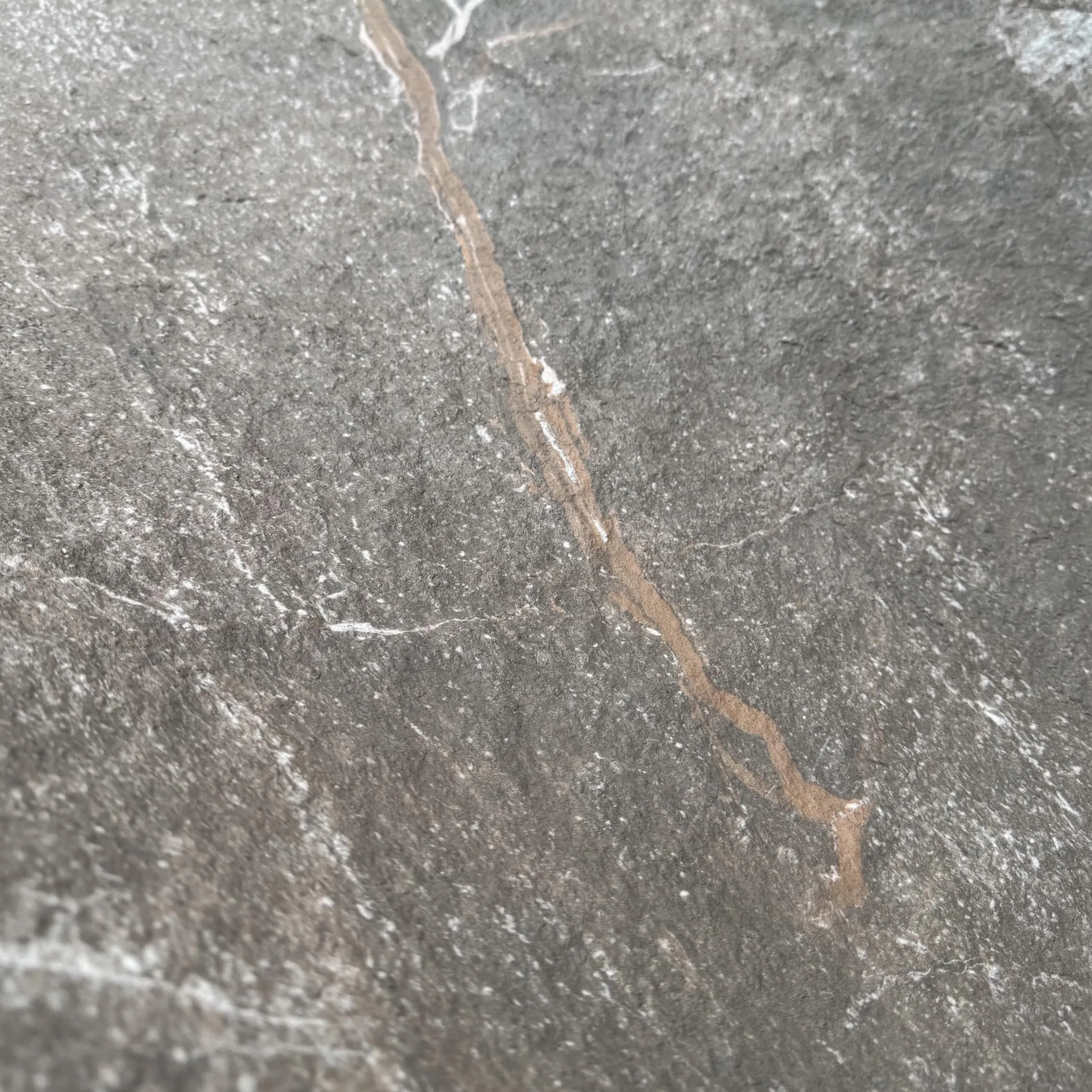
In the world of high-end natural stones, Granite Portoro doesn't exist in a vacuum. Designers and architects often compare it to other statement-making materials, like marble interstellar gray and slate portoro, to decide which best fits a project. Let's break down how they measure up—not just in looks, but in durability, versatility, and the moods they create.
| Feature | Granite Portoro | Marble Interstellar Gray | Slate Portoro |
|---|---|---|---|
| Color Base | Deep black to charcoal with gold/bronze veins | Mid-tone gray with white and silver veining | Dark gray to black with blue-gray or green undertones |
| Pattern Personality | Bold, dramatic veins (linear, swirled, or speckled) | Soft, cloud-like veining with a "cosmic" feel | Subtle, layered texture with fine, irregular lines |
| Durability | High (granite is scratch and heat-resistant, ideal for high-traffic areas) | Medium (marble is softer, prone to etching from acidic substances) | High (slate is dense and water-resistant, but can chip if not sealed) |
| Mood | Luxurious, bold, energetic | Calm, sophisticated, ethereal | Moody, earthy, grounded |
| Best For | Kitchen countertops, statement walls, luxury lobbies | Bathroom vanities, fireplace surrounds, accent walls | Flooring, outdoor patios, rustic or industrial interiors |
Take marble interstellar gray, for example. It's a stunning stone, with a soft gray base and wispy white veins that look like stars scattered across a night sky—hence the "interstellar" name. It's elegant, serene, and perfect for creating a calm, spa-like atmosphere. But compared to Portoro, it's softer (marble is a metamorphic rock, more prone to scratches and stains) and better suited for low-traffic areas. A bathroom with interstellar gray walls feels like a retreat, while a Portoro countertop in the same space would add a touch of drama, turning the room into something more dynamic.
Slate portoro, on the other hand, is a darker, moodier cousin. Its base is a deep gray or black, with subtle blue or green undertones and fine, irregular lines that look like they were painted by a watercolor artist. It's dense and durable, making it great for flooring, but its texture is more matte, more "earthy" than Portoro's polished sheen. If Portoro is a red-carpet gown, slate portoro is a well-tailored leather jacket—still stylish, but with a rougher, more laid-back edge. Designers might pair them, using slate portoro for flooring and Portoro for an accent wall, to balance drama with warmth.
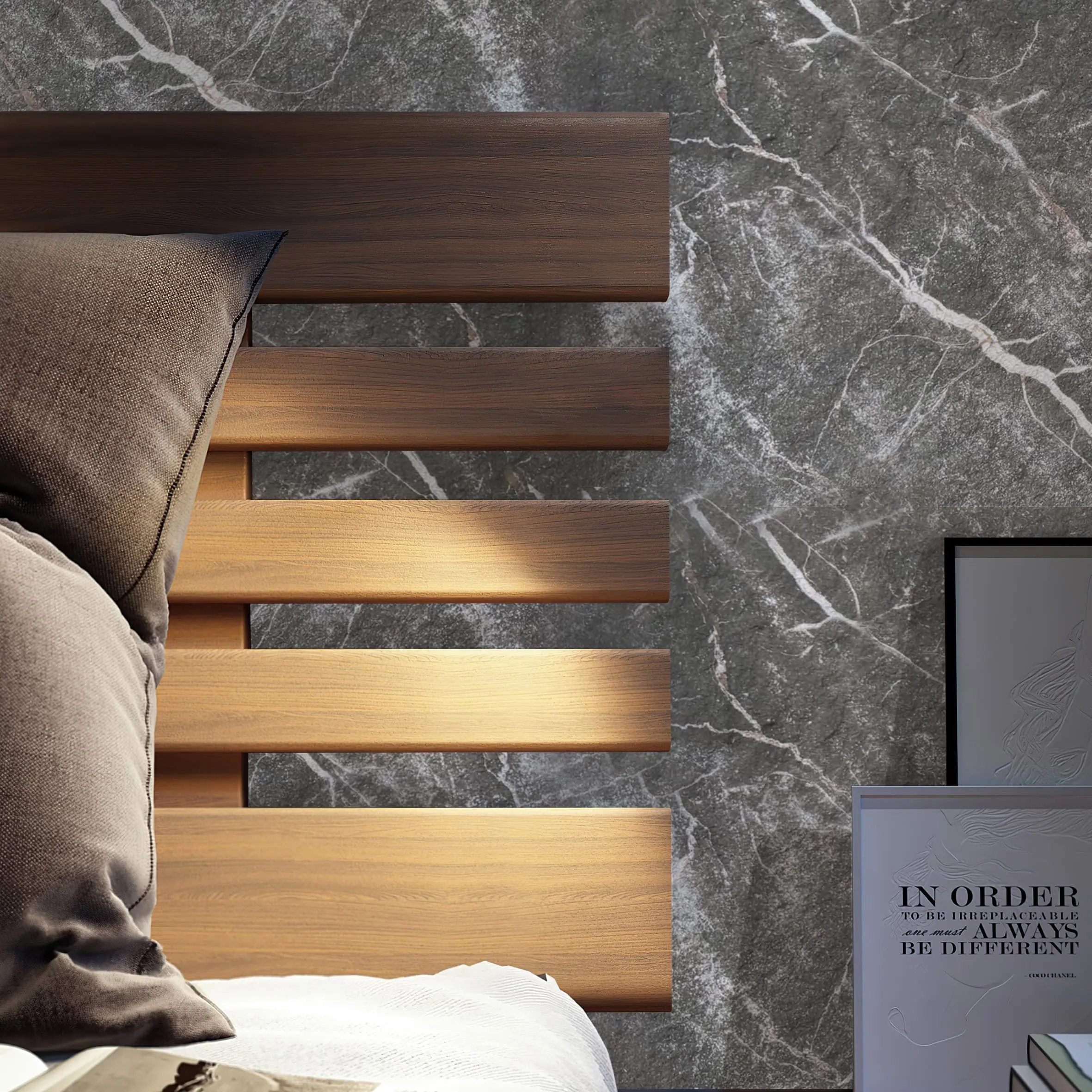
Granite Portoro isn't just beautiful—it's also incredibly versatile. Its durability (thanks to granite's hardness and resistance to heat, scratches, and stains) makes it suitable for both residential and commercial spaces, while its aesthetic range means it can adapt to styles from classic to contemporary. Let's look at some of the places where Portoro truly comes to life.
In the Home: Walk into a modern kitchen with Portoro countertops, and you'll immediately feel the difference. The contrast of black stone against white cabinetry is timeless, but Portoro takes it up a notch—the gold veins add warmth, preventing the space from feeling cold or sterile. I once worked with a couple who chose Portoro for their kitchen island, and they told me it became the heart of their home. "We cook together there, we eat breakfast there, the kids do homework there," they said. "It's not just a countertop. It's where our family stories happen." Portoro also shines in bathrooms, where a vanity top or shower wall can turn a functional space into a luxury retreat. Imagine stepping into a shower with Portoro walls, the gold veins catching the light from a rainfall showerhead—it's like bathing in a cave of stars.
In Commercial Spaces: Hotels, restaurants, and office buildings love Portoro for its ability to make a statement. A hotel lobby with a Portoro reception desk immediately signals luxury—guests know they're in a place that pays attention to detail. In restaurants, Portoro tabletops add a touch of elegance without feeling stuffy; pair them with warm wood chairs and soft lighting, and you've got a space that feels both upscale and inviting. Even retail stores use Portoro, often as a backdrop for high-end products. A jewelry store with Portoro display cases? The gold veins complement the diamonds and gemstones, making them sparkle even brighter.
Outdoor Spaces: While some natural stones struggle with the elements, granite is tough enough for outdoor use. Imagine a backyard patio with Portoro tiles, paired with a fire pit and string lights. At night, the firelight dances off the gold veins, turning an ordinary evening into a magical one. Or a pool surround—Portoro's non-slip finish (when honed, not polished) makes it safe, while its bold color hides water spots and footprints better than lighter stones. It's a material that doesn't just look good; it works hard, too.
Like any natural material, Granite Portoro needs a little love to stay looking its best. The good news? It's low-maintenance compared to softer stones like marble, but a few simple habits will ensure it stays as stunning as the day it was installed.
First, sealing. While granite is naturally resistant to stains, Portoro's porous surface (yes, even granite has tiny pores) can absorb liquids if left unattended. A good quality stone sealer, applied every 1-2 years, creates a barrier that repels spills. Think of it like sunscreen for your stone—easy to apply, and worth the effort to prevent damage. When sealing, pay extra attention to the gold veins; some sealers can darken them slightly, so test a small, hidden area first to make sure you like the result.
Daily care is simple: wipe up spills immediately (especially acidic ones like lemon juice, wine, or vinegar, which can etch the surface over time), and clean with a mild, pH-neutral soap and a soft cloth. Avoid harsh cleaners with bleach or ammonia—they can strip the sealer and dull the stone's shine. For scratches, which are rare but possible, a professional can often buff them out with a polishing compound. And if you're unsure about something? Call a stone care expert. They'll know exactly how to treat your Portoro, ensuring it ages gracefully.
In a world of synthetic materials and mass-produced finishes, there's something deeply human about choosing natural stone. It's a connection to the earth, a reminder of the beauty that exists beyond our screens and schedules. Granite Portoro, with its bold colors, unique patterns, and rich history, embodies that connection. It's not just a material; it's a story—a story of time, of pressure, of the earth's quiet creativity.
I think that's why designers and homeowners keep coming back to it. In a kitchen, it's more than a countertop; it's a witness to morning coffee rituals and late-night baking sessions. In a hotel lobby, it's more than a desk; it's a first impression, a promise of luxury and care. In a backyard, it's more than a patio; it's a stage for summer barbecues and winter bonfires. It's a stone that becomes part of the spaces we live, work, and love in—a silent partner in our lives, adding beauty and meaning to every moment.
So the next time you see a slab of Granite Portoro, take a second to really look at it. Run your hand over its surface. Notice how the light changes its colors, how the veins twist and turn like a secret map. You're not just looking at a rock. You're looking at a piece of the earth's soul—and that, in the end, is why we love it. Because some things are too beautiful, too unique, too full of life to be forgotten.
Granite Portoro isn't just a stone. It's a legacy. And isn't that what we all want for our spaces? To fill them with things that outlast us, that tell stories long after we're gone? I think so. And that's the magic of natural stone—and of Portoro, most of all.
Recommend Products












