
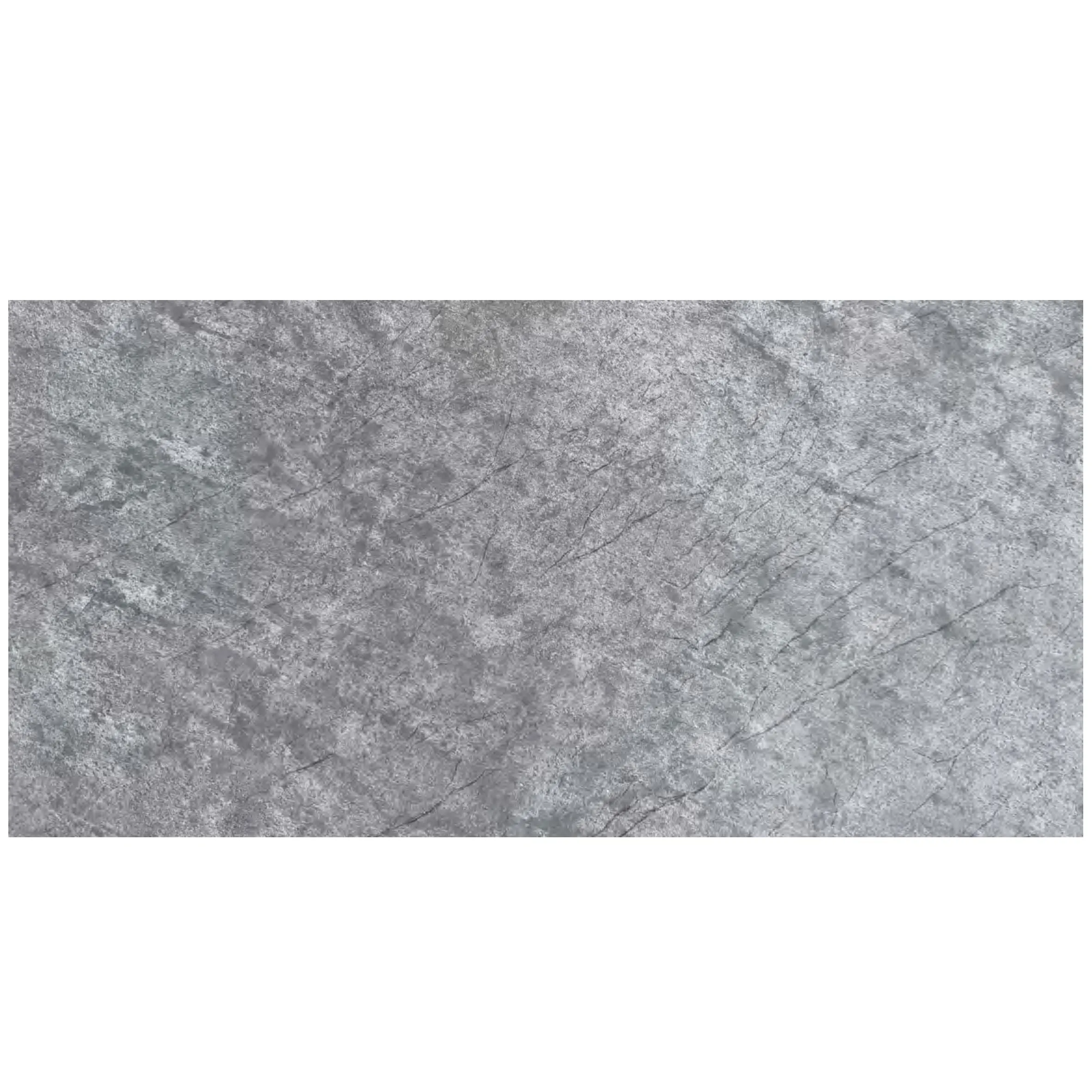
Where Innovation Meets Artistry in Modern Building Materials
Walk through any city today, and you'll notice a quiet revolution unfolding in its skyline. Gone are the days when buildings were defined by uniformity—cold, repetitive facades that blended into a monotonous gray. Today's architects and designers crave something more: materials that tell a story, that adapt to vision, and that turn ordinary spaces into extraordinary experiences. It's not just about function anymore; it's about feeling. And at the heart of this shift lies a simple truth: the right material can transform a structure from a mere shell into a living, breathing work of art.
Enter COLORIA, a name that's quickly become synonymous with pushing the boundaries of what building materials can do. For years, the brand has been quietly reimagining the industry, one innovative series at a time. From the flexibility of its MCM flexible stone to the grand scale of its MCM big slab board series , COLORIA has always prioritized two things: creativity and practicality. But perhaps no innovation embodies this philosophy more than its latest breakthrough: 3D printed glacial slate , a star player in the MCM 3D printing series that's redefining how architects approach custom design.
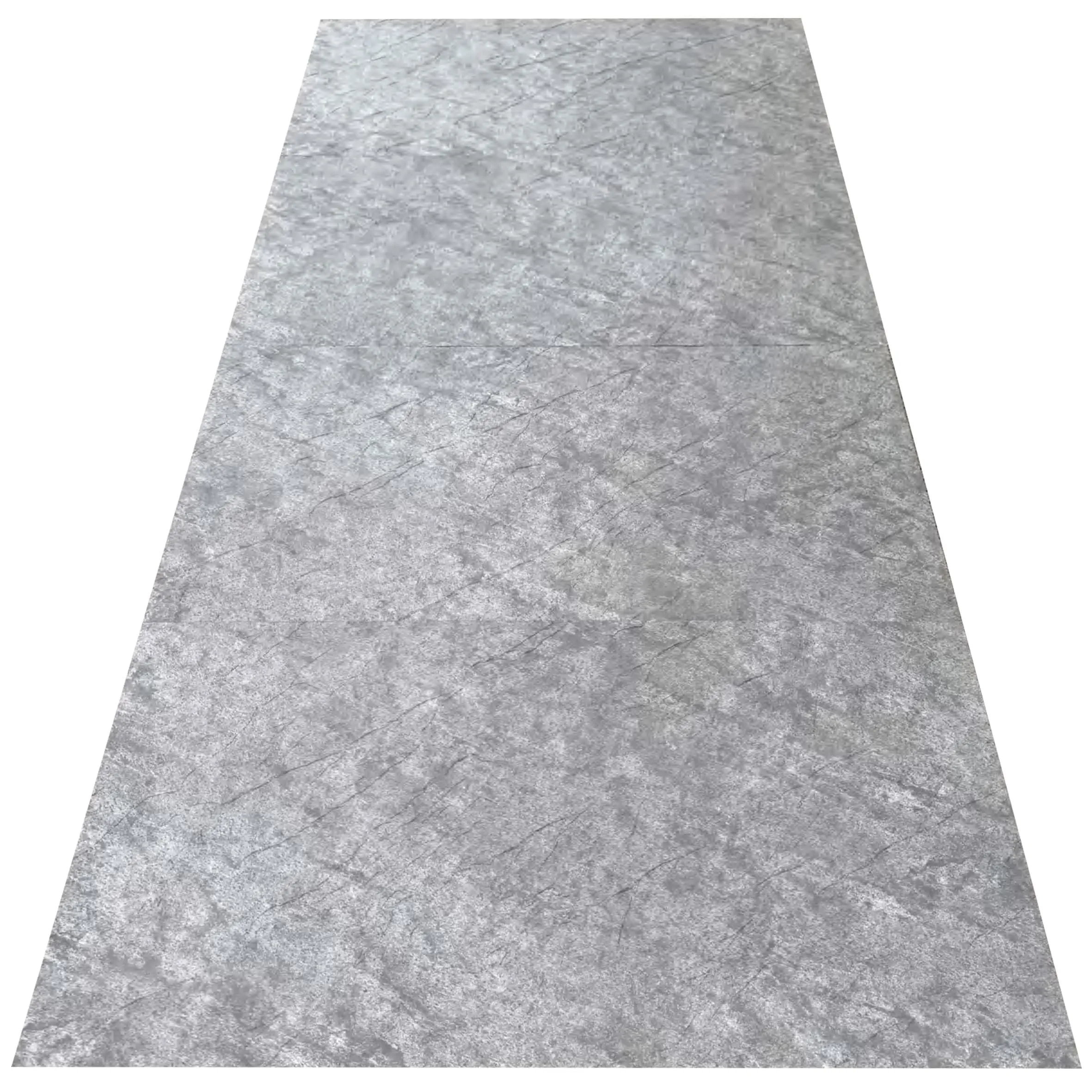
Let's start with the obvious question: What exactly is 3D printed glacial slate? At first glance, it might evoke images of ancient, weathered stone pulled from mountain quarries—and in a way, that's intentional. Glacial slate has long been admired for its raw, organic beauty: the subtle layers of gray and silver, the texture that feels both rough and refined, like the handiwork of centuries of ice and time. But traditional slate, for all its charm, comes with limitations. It's heavy, brittle, and notoriously hard to shape into anything beyond flat, rectangular tiles. For architects dreaming of curves, waves, or one-of-a-kind geometric patterns, traditional slate has always been a frustrating roadblock.
COLORIA's 3D printed glacial slate changes all that. By merging the timeless aesthetic of natural glacial slate with cutting-edge 3D printing technology, the brand has unlocked a world of possibilities. This isn't just slate—it's slate reborn. The process starts with a digital design (think: a wave-like facade, a semicircle board accent wall, or even a custom thread pattern that weaves through a lobby). That design is then fed into a 3D printer, which layers ultra-thin sections of a specialized composite material (infused with the look and feel of real glacial slate) to build the shape from the ground up. The result? A material that retains all the visual drama of natural slate but with the flexibility to become anything an architect can imagine.
"It's like giving designers a new set of crayons," says one senior architect who recently incorporated the material into a boutique hotel project. "With traditional slate, you're limited to what the quarry can provide. With 3D printed glacial slate, I can sketch a curve on my screen, and two weeks later, it's a physical reality. It's not just about saving time—it's about saving vision . No more compromising on the little details that make a space feel unique."
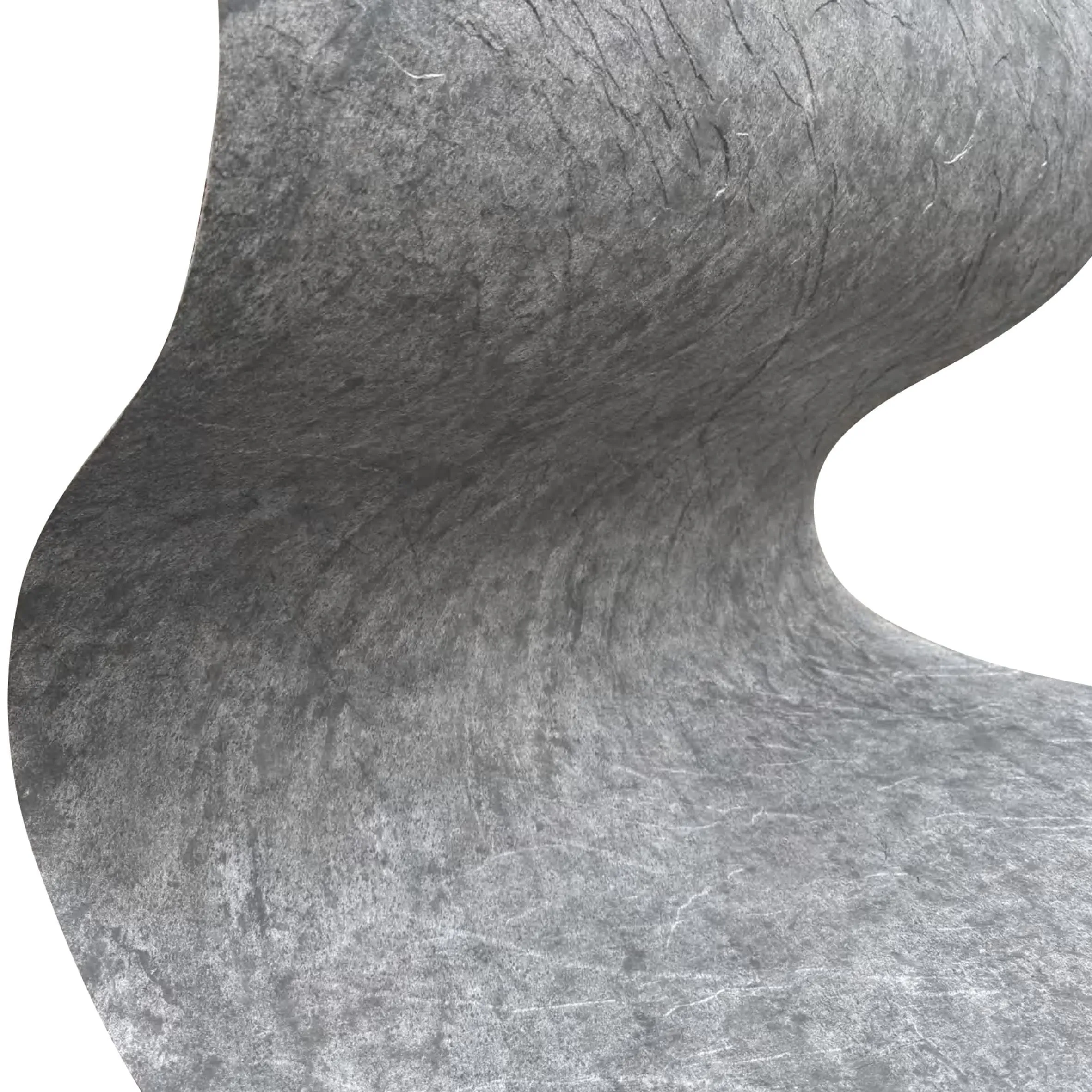
So, what makes this material a game-changer? Let's break it down—starting with the most obvious advantage: customization . Traditional slate is mined in large blocks, which are then cut into standard sizes. If you want something non-standard—a wave panel for a coastal home, a semicircle board for a museum entrance, or even a star gravel-inspired texture for a public plaza—you're looking at expensive, labor-intensive hand-carving, with no guarantee the end result will match your vision. 3D printing eliminates that guesswork. Every piece is built to exact specifications, so what you design is what you get.
Then there's weight . Natural slate is dense, which means structural support becomes a major consideration—especially for high-rise buildings or projects with complex geometries. COLORIA's 3D printed version, however, is significantly lighter (thanks to the composite material and the hollow, lattice-like internal structure made possible by 3D printing). This not only reduces the load on a building's frame but also makes installation faster and safer. Imagine hanging a 10-foot-tall wave panel above a lobby entrance: with traditional slate, that would require heavy machinery and a team of riggers. With 3D printed glacial slate, it can be done with a standard installation crew and minimal equipment.
Durability is another key selling point. You might assume that a 3D printed material would be less tough than natural stone, but that couldn't be further from the truth. The composite used in COLORIA's version is engineered to withstand the elements: rain, snow, UV rays, even the occasional impact. It's also resistant to chipping and fading, which means it maintains its beauty for decades—no need for frequent replacements or touch-ups. For commercial spaces like hotels or office buildings, where maintenance costs add up, that's a huge win.
| Feature | Traditional Glacial Slate | COLORIA 3D Printed Glacial Slate |
|---|---|---|
| Custom Shape Capability | Limited to flat, standard sizes; custom shapes require expensive hand-carving | Unlimited—curves, waves, semicircles, and custom patterns possible via 3D design |
| Weight | Heavy (80-100 lbs per sq ft) | Lightweight (25-35 lbs per sq ft) |
| Installation Time | Slow; requires specialized labor for cutting and fitting | Fast; pre-shaped pieces fit together like puzzle pieces |
| Durability | High, but prone to chipping at edges | High; composite material resists chipping and fading |
| Sustainability | Mining impacts; high waste from cutting | Low waste (3D printing uses only needed material); recyclable composite base |
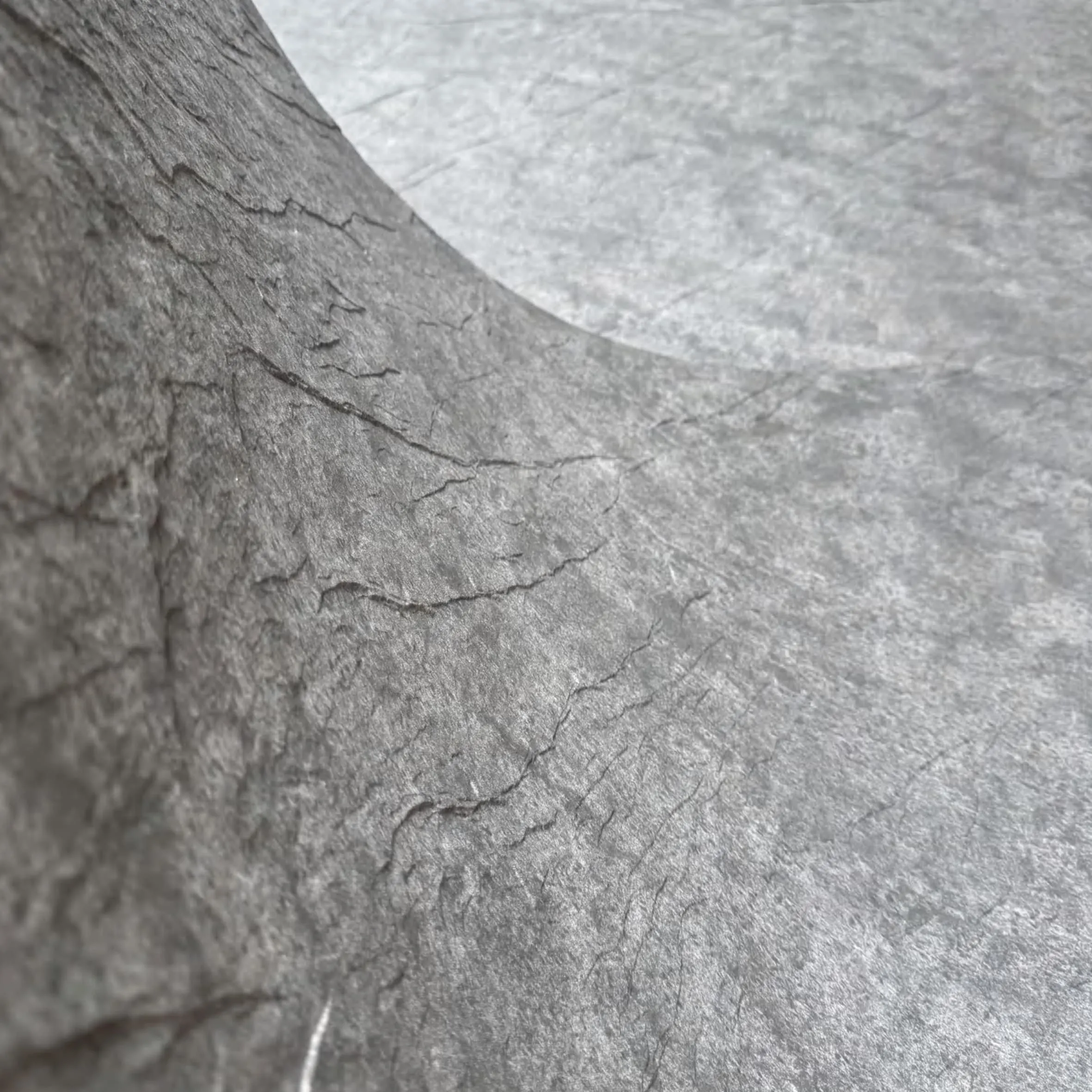
What truly sets COLORIA apart, though, is how 3D printed glacial slate plays nice with the brand's other innovations. Take the MCM flexible stone series, for example. While 3D printed glacial slate shines in creating bold, custom shapes, flexible stone is all about adaptability. Thin, lightweight, and bendable, it's perfect for wrapping columns, lining curved walls, or adding texture to spaces where rigidity would be a problem. Pair it with 3D printed glacial slate, and suddenly a building's exterior can have a dynamic wave panel (thanks to 3D printing) while its interior columns are wrapped in the soft, earthy texture of flexible stone—creating a cohesive, multi-dimensional look.
Then there's the MCM big slab board series , designed for projects that demand scale. Imagine a corporate headquarters with a 50-foot-tall lobby wall. Traditional stone slabs would be heavy, hard to transport, and prone to cracking. COLORIA's big slab boards, though, are engineered to be large (up to 10x5 feet) yet lightweight, making them ideal for grand, open spaces. And when you combine them with 3D printed glacial slate accents—say, a custom semicircle board above the reception desk—you get a space that feels both monumental and intimate, grand and personal.
It's this synergy that makes COLORIA more than just a material supplier—it's a partner in design. "We don't just sell products; we sell possibilities," says a COLORIA product developer. "An architect might come to us wanting a statement wall for a cultural center. We'll suggest 3D printed glacial slate for the focal point, big slab boards for the surrounding expanse, and flexible stone for the detailing. It's a one-stop shop for creating a space that feels intentional, from floor to ceiling."
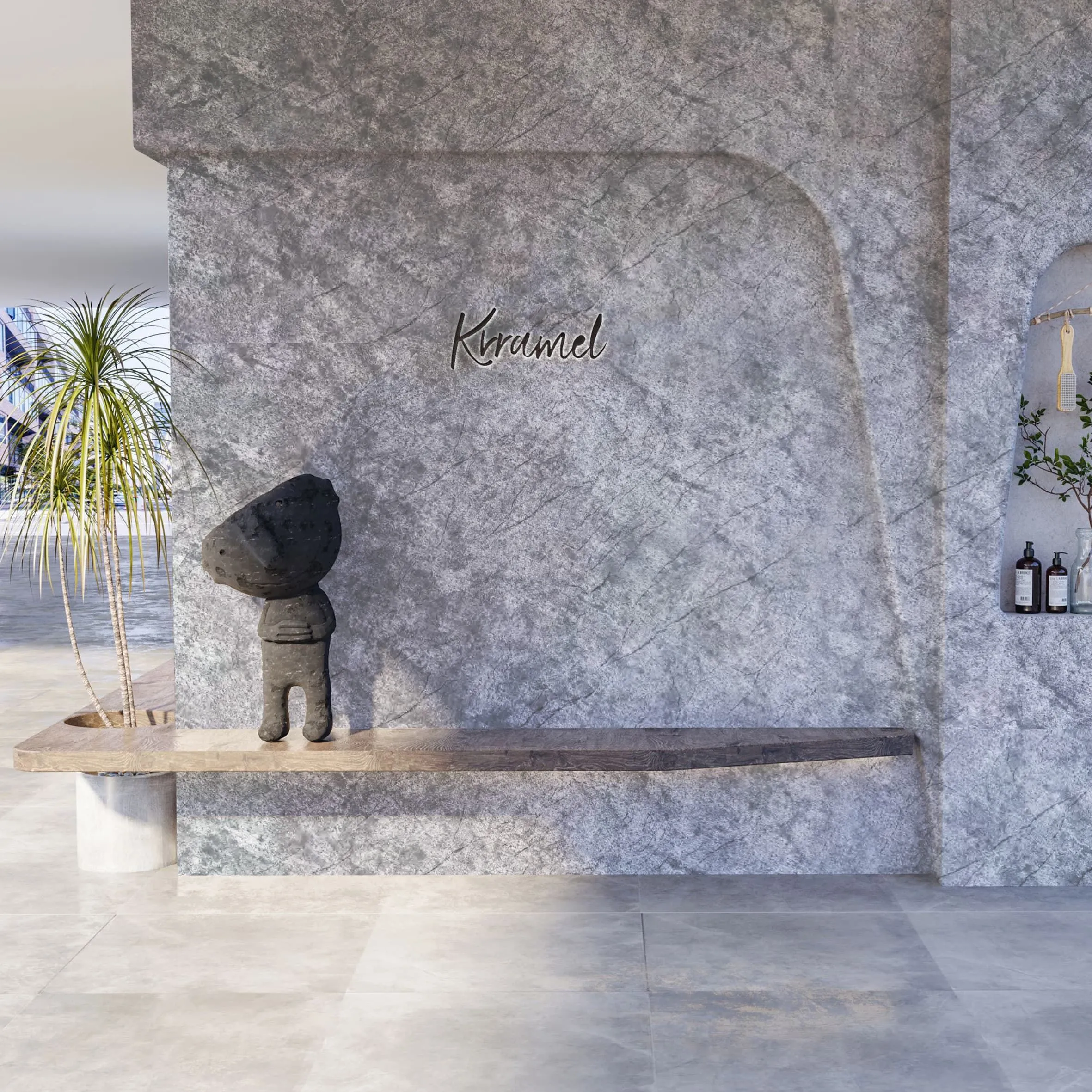
To truly understand the impact of 3D printed glacial slate, let's look at how it's being used in the real world. Take the recently completed "Ethereal Shadows" art gallery in Portland, Oregon. The architect, known for blending nature and modernism, wanted the building's facade to evoke the feeling of a glacier—flowing, dynamic, and full of movement. Traditional materials couldn't capture that; flat slate tiles would have felt static, and concrete too cold. Enter 3D printed glacial slate. Using the material, the team designed a series of overlapping wave panels that ripple across the building's exterior, their silvery-gray tones shifting with the light of day. From sunrise (when they glow soft pink) to sunset (when they deepen to charcoal), the facade feels alive—a fitting backdrop for the gallery's collection of landscape art.
Or consider the "Lunar Peak" residential complex in Denver, Colorado, named after COLORIA's own lunar peak silvery and lunar peak golden stone series. The developer wanted each unit to have a unique accent wall, something that would make residents feel like they'd stepped into a space tailored just for them. For one penthouse, the designer opted for a semicircle board wall made of 3D printed glacial slate, curved to follow the contour of the room's floor-to-ceiling windows. The result? A wall that doesn't just divide space but frames it, turning the city skyline into a work of art and the room into a cozy, cocoon-like retreat.
Even smaller projects are benefiting. A boutique café in Seattle recently used 3D printed glacial slate to create a custom thread-patterned backsplash behind its counter. The thin, winding lines of the thread design (inspired by the café's focus on artisanal textiles) add a playful, tactile element to the space, while the slate's cool gray tones balance the warmth of the wooden tables and brass fixtures. "Our customers keep asking about the backsplash," says the café owner. "It's become a conversation starter, which is exactly what we wanted. A space that feels unique and makes people want to stay."
In an era where "green building" is more than just a buzzword—it's a responsibility—COLORIA's 3D printed glacial slate checks another crucial box: sustainability. Traditional stone mining is resource-intensive, requiring heavy machinery, large amounts of water, and leaving behind scars on the landscape. 3D printing, by contrast, is a low-waste process. The composite material used in COLORIA's version is made from recycled stone dust (a byproduct of traditional quarrying) and a plant-based binder, reducing the need for new raw materials. And because 3D printers only use the exact amount of material needed for a design, there's almost no waste—unlike traditional cutting, which can leave up to 30% of a stone slab unused.
The material is also energy-efficient. Its lightweight nature means less fuel is needed for transportation, and its durability ensures that buildings require fewer repairs (and thus fewer replacement materials) over time. For architects and developers aiming for LEED certification or other green building standards, 3D printed glacial slate isn't just a design choice—it's a sustainability choice.
As we look to the future, one thing is clear: the buildings of tomorrow will be defined by materials that empower creativity, not limit it. COLORIA's 3D printed glacial slate is more than just a new product—it's a sign of what's possible when technology and tradition collide. It's a reminder that the most beautiful spaces aren't just built with stone and concrete; they're built with vision .
For architects, this means no more "that's impossible" moments. Want a facade that looks like a frozen waterfall? 3D printed glacial slate can do that. Dream of a ceiling that undulates like a cloud? With the right design, it's achievable. For homeowners, it means spaces that feel uniquely theirs—not just another cookie-cutter room, but a reflection of their personality and taste. For cities, it means skylines that tell stories, that stand out, that make people stop and say, "Wow, how did they do that?"
At the end of the day, building materials are more than just tools—they're the language of architecture. And with 3D printed glacial slate, COLORIA has given designers a new vocabulary. One that's bold, flexible, and infinitely expressive. So here's to the future: a future where every building is a masterpiece, and every space feels like it was made just for you.
Recommend Products












