
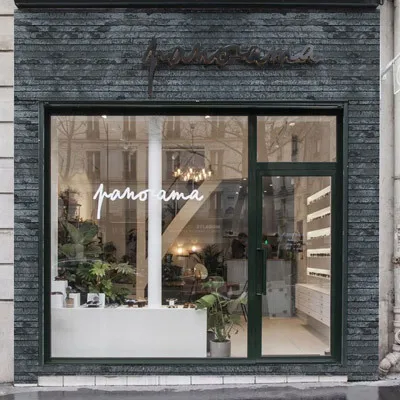
In the world of architecture and design, some materials transcend trends—they become timeless storytellers. Dark Grey Muretto Stone is one such material: a blend of rugged durability and understated elegance that has graced walls, facades, and interiors for generations. And at the heart of bringing this stone's legacy to life stands Coloria Group, a name synonymous with craftsmanship, innovation, and a relentless pursuit of perfection. For decades, Coloria hasn't just supplied Dark Grey Muretto Stone; they've redefined what it means to work with it—turning blocks of rock into canvases that shape how we experience space. Let's dive into the journey of Coloria Group and the iconic stone that has become their signature.
Every great brand has a humble beginning, and Coloria Group is no exception. Founded in the late 1980s by a team of architects and stonemasons who shared a passion for natural materials, the company started small—quarrying local stone and supplying it to regional builders. But what set them apart from day one was their obsession with quality. While others focused on quantity, Coloria's founders spent hours hand-selecting blocks, studying their grain, and ensuring each piece met a standard that went beyond "good enough."
It wasn't long before word spread. Architects began seeking out Coloria for projects that demanded something special—spaces where the material itself was part of the design narrative. By the 1990s, the company had zeroed in on Dark Grey Muretto Stone, a variant of traditional muretto (a type of rough-hewn stonework) known for its deep, charcoal-like hue and tactile, almost velvety texture. "We fell in love with its versatility," says Marco Renzi, Coloria's current CEO and son of one of the founding members. "It could be modern and minimalist in a sleek office building or warm and rustic in a countryside villa. It didn't just cover walls—it elevated them."
Over the years, Coloria expanded its operations, investing in sustainable quarrying practices and collaborating with artisans to refine the stone's finish. Today, they're a global name, with projects spanning from the cobblestone streets of Rome to the glass-and-steel skylines of Dubai. Yet, through all the growth, one thing has remained constant: their commitment to Dark Grey Muretto Stone as more than a product, but a craft.
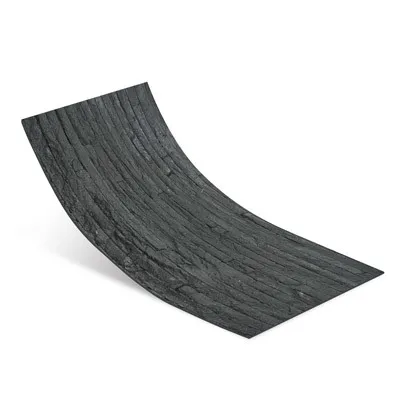
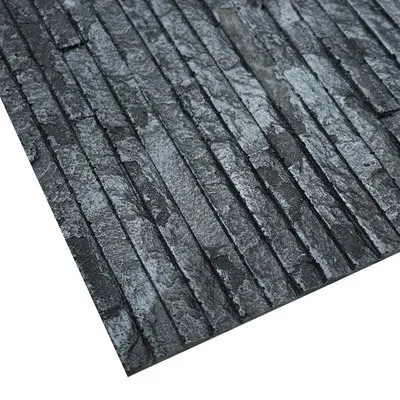
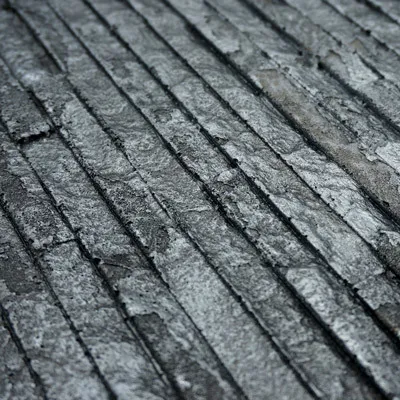
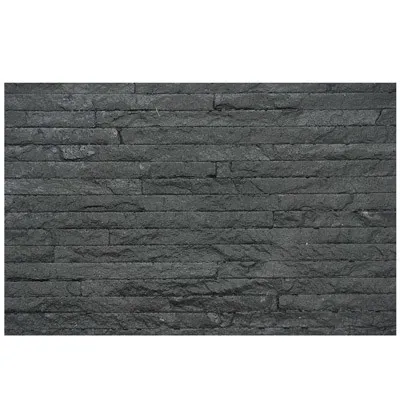
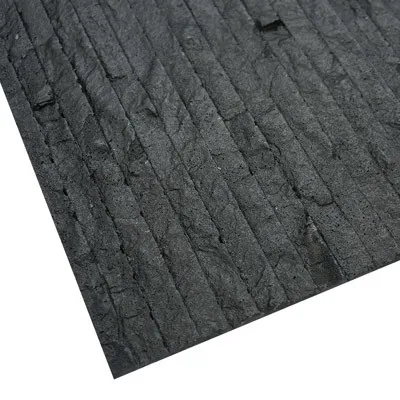
To truly appreciate Dark Grey Muretto Stone, you have to touch it. Run your hand across its surface, and you'll feel the gentle undulations of a material shaped by both human hands and natural forces. Unlike polished marble or uniform concrete, muretto stone imperfection—each chip, each variation in tone is intentional, a nod to the organic beauty of stone. And the dark grey shade? It's a masterclass in versatility.
"Dark grey is such a dynamic color," explains Elena Torres, a senior designer at Coloria who has worked with the stone for over 15 years. "In direct sunlight, it warms up, taking on hints of taupe and even soft browns. On overcast days, it deepens, creating a moody, dramatic backdrop. It plays with light in a way few materials do." This chameleon-like quality makes it a favorite for architects looking to create spaces that evolve with the time of day and season.
But its appeal isn't just aesthetic. Dark Grey Muretto Stone is built to last. Quarried from dense sedimentary rock, it's resistant to weathering, fire, and even the wear and tear of high-traffic areas. "We had a project in coastal Portugal where the stone was exposed to saltwater and strong winds for over a decade," says Renzi. "Last year, we revisited it, and the walls looked as rich and intact as the day they were installed. That's the durability we're talking about."
Another standout feature is its breathability. Unlike synthetic cladding materials that trap moisture, muretto stone allows walls to "breathe," preventing mold growth and improving indoor air quality. This makes it ideal for both exterior facades and interior walls, especially in humid climates. "Clients often tell us their spaces feel 'healthier' when clad in muretto," Torres notes. "It's a subtle difference, but it matters."
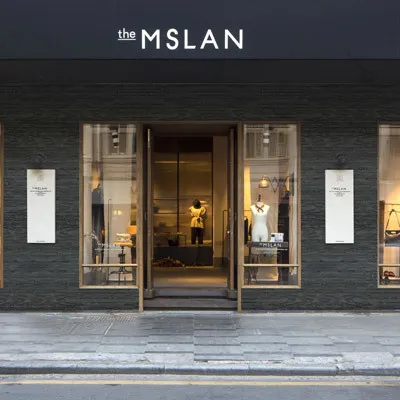
Creating Dark Grey Muretto Stone isn't just about cutting rock—it's about honoring a tradition. At Coloria's workshops in northern Italy, the process starts with quarrying. The company sources stone from family-owned quarries in the Apennine Mountains, where the rock is known for its consistent density and unique coloration. "We only take what we need, and we replant trees in the areas we quarry," Renzi emphasizes, highlighting Coloria's commitment to sustainability. "The mountains have given us so much; we owe it to them to protect them."
Once the raw blocks are transported to the workshop, the real artistry begins. Coloria's master stonemasons—many of whom have been with the company for 20+ years—use a combination of traditional tools and modern technology to shape the stone. "We still use hand chisels for the final texture," says Giovanni Rossi, a 65-year-old mason who started with Coloria as an apprentice. "Machines can cut straight lines, but only a human hand can create that 'lived-in' feel—the texture that makes the stone look like it's been there for centuries."
The process involves several steps: first, rough cutting the stone into slabs of varying thicknesses (typically 5-10 cm, depending on the project). Then, the slabs are "dressed"—a process where masons use hammers and chisels to create the signature rough-hewn surface. Finally, each piece is inspected for quality, with only the top 95% making the cut. "We reject more than we accept," Renzi admits. "But that's the price of excellence. Our clients don't just buy stone—they buy peace of mind that every piece will perform and look beautiful for decades."
In recent years, Coloria has also embraced innovation to enhance the stone's performance. They've developed a proprietary sealant that protects the stone from stains without altering its texture or breathability. "It's a water-based formula, so it's eco-friendly," Torres explains. "We tested it for years to make sure it didn't change the stone's natural feel. Now, clients can have the best of both worlds: a material that looks raw and organic but is easy to maintain."
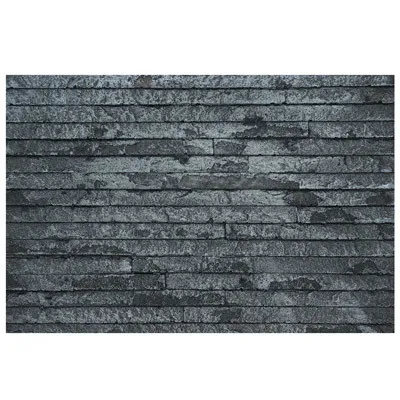
Dark Grey Muretto Stone isn't limited to one type of project—it adapts, enhancing any space it touches. Let's explore some of the most impactful ways architects and designers are using it today.
Residential Retreats: Imagine a modern home nestled in the hills, its exterior clad in Dark Grey Muretto Stone. The stone's earthy texture grounds the house, making it feel like it emerged naturally from the landscape. Inside, it might line a feature wall in the living room, paired with warm wood and soft textiles to create a cozy, inviting atmosphere. "We worked on a villa in Tuscany where the client wanted the interior to feel like a 'cave of comfort,'" Torres recalls. "We used Dark Grey Muretto Stone for the walls and fireplace, and it became the heart of the home. The family still tells us they spend more time in that room than anywhere else."
Commercial Spaces: In bustling cities, Dark Grey Muretto Stone adds a touch of calm to commercial interiors. Cafés, boutique hotels, and co-working spaces often use it to create accent walls or bar fronts, balancing the energy of urban life with a sense of serenity. "A coffee shop in Berlin came to us wanting a space that felt 'industrial but welcoming,'" says Renzi. "We clad the back wall in Dark Grey Muretto Stone and paired it with brass fixtures and soft lighting. The result? A space that's edgy yet cozy—perfect for lingering over a latte."
Public Buildings: From libraries to museums, public spaces demand materials that are both durable and inspiring. Dark Grey Muretto Stone fits the bill. In a recent project, Coloria supplied stone for the exterior of a community center in Barcelona. "The center hosts everything from art exhibitions to yoga classes, so the walls needed to handle heavy foot traffic and diverse activities," Torres explains. "The stone has held up beautifully, and visitors often comment on how 'solid' and 'trustworthy' the building feels—a testament to the material's ability to evoke emotion."
Historic Restorations: One of Coloria's most rewarding projects involves restoring historic buildings. "We worked on a 17th-century monastery in Sicily where the original stone walls had deteriorated," Renzi shares. "Using Dark Grey Muretto Stone, we carefully replicated the texture and color of the original masonry. It was like time travel—bringing the past back to life while ensuring the building stands for another 300 years."
| Material | Durability | Aesthetic Appeal | Installation Ease | Sustainability |
|---|---|---|---|---|
| Dark Grey Muretto Stone | Exceptional (50+ year lifespan; weather/fire-resistant) | Organic, textured, and dynamic; evolves with light | Requires skilled masons; heavier than alternatives | High (natural, locally quarried, minimal processing) |
| Fair-Faced Concrete | Very good (30-40 year lifespan; prone to cracking if not reinforced) | Sleek, modern, and uniform; limited texture options | Prefabricated panels for faster installation | Moderate (high carbon footprint in production) |
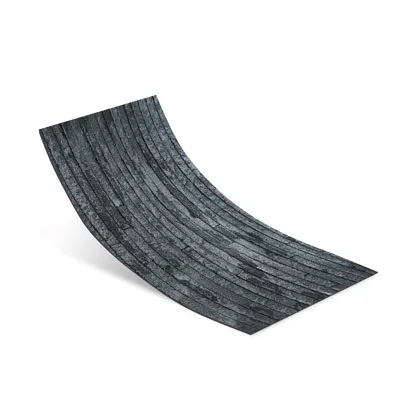
| MCM Flexible Stone | Good (20-30 year lifespan; lightweight but less impact-resistant) | Versatile; mimics natural stone but with consistent patterns | Lightweight and easy to install; ideal for retrofits | High (recyclable materials, low transportation emissions) |
As the table shows, Dark Grey Muretto Stone stands out for its longevity and unique aesthetic, though it requires more expertise to install. Fair-faced concrete, a popular modern alternative, offers speed and uniformity but lacks the warmth of natural stone. MCM flexible stone, a newer innovation, is lightweight and eco-friendly but can't match the depth and character of muretto. "Each material has its place," Torres says. "But for clients who want a material with soul—one that tells a story—Dark Grey Muretto Stone is unbeatable."
In an era where sustainability is no longer a trend but a necessity, Coloria Group is proud to position Dark Grey Muretto Stone as a leader in green building materials. From quarry to installation, every step of the process is designed to minimize environmental impact.
"Sustainability starts at the source," Renzi explains. "Our quarries are located within 200 kilometers of our workshops, reducing transportation emissions. We also use selective quarrying techniques, extracting only the stone we need and restoring the land afterward. In fact, we've planted over 10,000 trees in quarried areas in the last decade."
The stone itself is a natural, renewable resource (though it takes millions of years to form, Coloria's practices ensure quarries remain viable for future generations). Unlike synthetic cladding materials, which often contain toxic chemicals or require energy-intensive manufacturing, muretto stone needs minimal processing—just cutting and dressing. "We don't use harsh chemicals in production," Torres adds. "Even our sealant is water-based and free of volatile organic compounds (VOCs)."
Dark Grey Muretto Stone also contributes to energy efficiency in buildings. Its density provides natural insulation, reducing the need for artificial heating and cooling. "A study we conducted with a university found that buildings clad in muretto stone had 15% lower energy bills compared to those with concrete cladding," Renzi notes. "That's a win for both the environment and the client's wallet."
Finally, the stone is fully recyclable. "At the end of its lifespan, which is decades away, the stone can be crushed and reused as aggregate for roads or landscaping," Torres says. "It's a closed-loop system—nothing goes to waste." For architects and developers aiming for green building certifications like LEED or BREEAM, Dark Grey Muretto Stone is a valuable asset, contributing points for sustainable materials and energy efficiency.
At the end of the day, the true measure of a material's success is how it transforms the lives of those who interact with it. Here's what some of Coloria's clients have to say:
"We used Dark Grey Muretto Stone for the exterior of our boutique hotel in Lisbon, and it was the best decision we made. Guests often comment on how the stone makes the building feel both historic and modern. It's become a signature feature—people take photos of the walls! And maintenance? We've had zero issues in five years. Coloria's team was with us every step of the way, from selecting the stone to advising on installation. They didn't just sell us a product; they partnered with us to create something special." — Maria Santos, Hotel Owner
"As an architect, I'm always looking for materials that balance form and function. Dark Grey Muretto Stone does that and more. I used it for a public library project, and the response has been incredible. Patrons say the space feels 'calming' and 'grounded,' which is exactly what we wanted. The stone's texture also hides minor wear and tear, which is crucial in a high-traffic area. Coloria's craftsmanship is unmatched—every piece arrived perfectly dressed, making installation a breeze for our team." — James Wilson, Architect
As Coloria Group looks to the future, their focus remains on innovation, sustainability, and preserving the craft of muretto stonework. "We're exploring new finishes and colors, but we'll never compromise on the stone's essence," Renzi says. "Dark Grey Muretto Stone is about authenticity, and that will always be our guiding principle."
The company is also investing in digital tools to help clients visualize the stone in their projects. "We've developed a 3D modeling software that lets architects see how the stone will look in different lighting conditions," Torres explains. "It's a game-changer for design—clients can make confident decisions before a single stone is quarried."
But perhaps the most exciting part of Coloria's future is their commitment to passing on the craft. "We run an apprenticeship program where young masons learn from our veterans," Renzi says. "Giovanni [Rossi] is 65, and he's training three apprentices right now. It's about ensuring that 50 years from now, there are still craftsmen who understand the art of muretto stone."
Dark Grey Muretto Stone is more than a building material—it's a legacy. For decades, Coloria Group has nurtured that legacy, blending tradition and innovation to bring the stone's beauty and durability to projects around the world. Whether in a cozy home, a bustling commercial space, or a historic restoration, this stone tells a story—of nature's power, human craftsmanship, and a commitment to excellence.
As Renzi puts it: "Stone is forever. And so is our promise to make sure every piece of Dark Grey Muretto Stone we craft is worthy of that permanence." For architects, designers, and homeowners seeking a material with soul, Coloria Group and Dark Grey Muretto Stone are more than partners—they're the key to creating spaces that will be cherished for generations to come.
Recommend Products












