
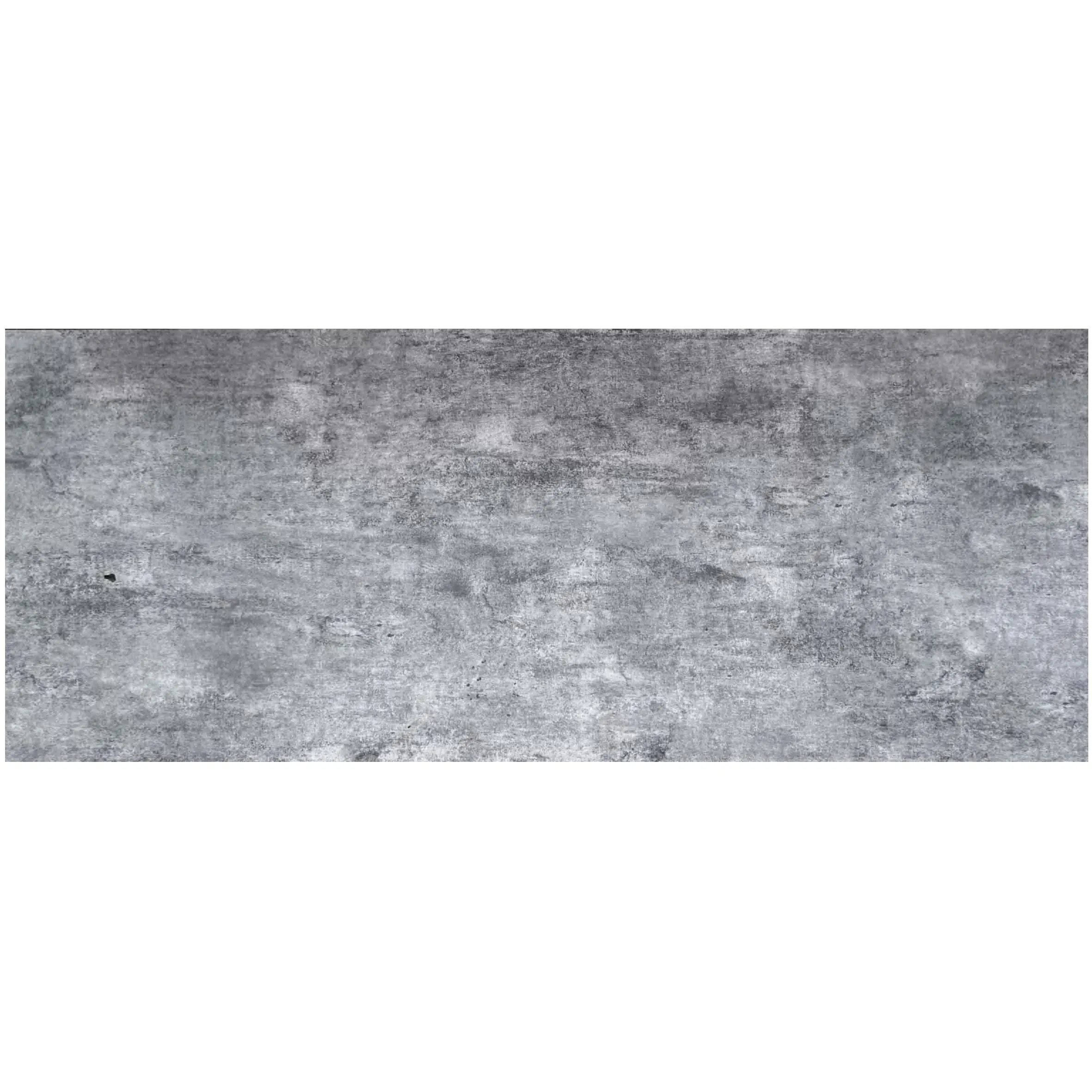
When we step into a building, what first touches our senses is rarely the grand structure, but the ground beneath our feet—a surface that carries stories and warmth, quiet as stone or smooth as silk, yet always shaping the space's soul. For decades, polished concrete has been a staple in architectural design, loved for its industrial chic and durability. But what if we told you there's a material that concrete's strength while adding flexibility, artistry, and a touch of nature's magic? Enter COLORIA GROUP's MCM (Modified Cementitious Material) series—a game-changer that's redefining how we think about polished concrete floors.
For years, polished concrete has been the go-to for designers chasing that "raw yet refined" aesthetic. Its cool gray tones and seamless finish work wonders in lofts, galleries, and modern offices. But talk to anyone who's lived with it, and you'll hear the same frustrations: cracks that mar the surface like unwanted scars, heavy slabs that make installation a logistical nightmare, and a color palette so limited it feels like painting with only one brush. Architects would sketch bold curves, only to be told, "Concrete can't bend that way." Historic building owners dreamed of updating floors without damaging old structures, but traditional materials were too heavy. And when it came to sustainability? Many concrete mixes left a carbon footprint that weighed on eco-conscious minds.
"It felt like we were stuck in a loop," says Elena, an interior designer with 15 years of experience. "Clients wanted floors that told a story—something unique, durable, and kind to the planet—but traditional polished concrete just couldn't deliver all three. I once had a client who wanted a floor that looked like a starry night. We tried staining, we tried inlays… nothing worked. The concrete cracked, the colors faded, and the whole project felt like a compromise."
That's where COLORIA GROUP stepped in. With decades of experience in building materials, they asked: What if we could take the best of concrete—its strength, its longevity—and infuse it with flexibility, creativity, and a lighter touch? The result? The MCM series, a lineup of modified cementitious materials that don't just fix problems—they start new conversations between buildings and the people who use them.
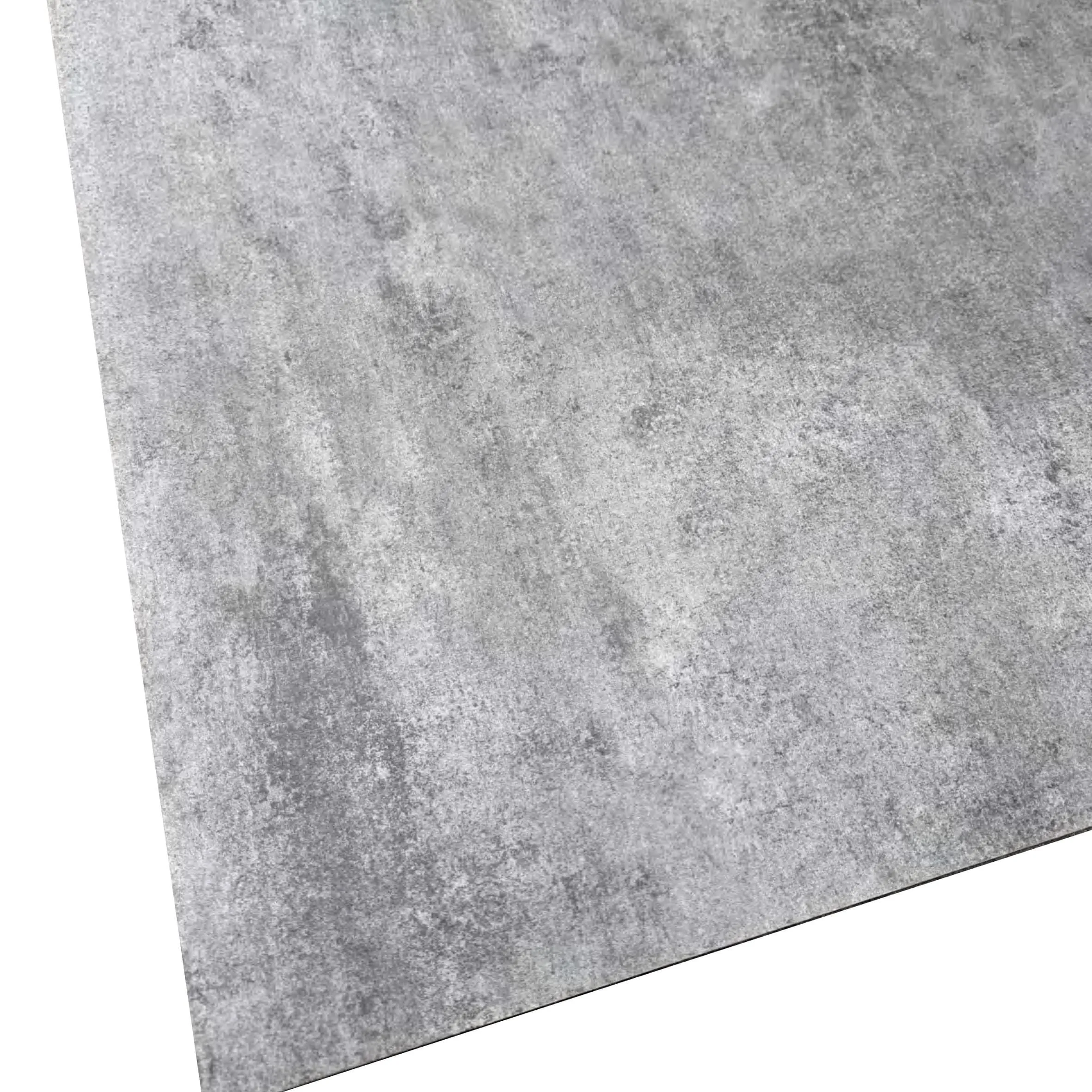
Imagine walking into a luxury hotel lobby where the floor stretches out like a single sheet of polished stone, no grout lines to break the flow, no seams to interrupt the illusion of endless space. That's the magic of COLORIA's MCM Big Slab Board Series. These massive slabs—some as large as 3m x 1.5m—are a love letter to minimalism. Unlike traditional concrete slabs, which crack under their own weight when too big, MCM's modified formula makes them lightweight yet incredibly strong (we're talking 30% higher flexural strength than standard concrete). This means fewer joints, less maintenance, and a surface that feels expansive and intentional.
Take the Travertine (Starry Green) variant, for example. Its deep emerald base is dotted with tiny, iridescent flecks that catch the light like distant stars—exactly what Elena's client had dreamed of. "We used the Starry Green big slabs in a boutique hotel in Riyadh," she recalls. "The lobby floor now looks like a night sky reflected on water. Guests stop to take photos; some even lie down to 'stargaze.' It's not just a floor anymore—it's an experience."
| Traditional Concrete Slabs | MCM Big Slab Board Series |
|---|---|
| Max size: 1.2m x 0.6m (small, many seams) | Up to 3m x 1.5m (seamless for large spaces) |
| Heavy (2400 kg/m³) – hard to install in high-rises | Lightweight (1600 kg/m³) – ideal for old/weak structures |
| Prone to cracking under stress | High flexural strength – resists cracks even in busy areas |
| Limited colors (mostly grays and beiges) | Customizable hues (Starry Green, Lunar Peak Golden, and more) |
Remember when architects had to say "no" to curved floors, organic shapes, or intricate patterns? Those days are gone, thanks to COLORIA's MCM 3D Printing Series. This isn't just about making floors—it's about turning the ground beneath us into a canvas for art. Using modified cementitious inks, the 3D printers can layer material with pinpoint precision, creating textures and forms that were once impossible with traditional casting.
Take the Wave Panel design, a favorite among hospitality projects. It mimics the gentle rise and fall of ocean waves, turning a hotel corridor into a walk along the shore. "We printed a 50-meter Wave Panel floor for a beach resort in Bali," says Marco, COLORIA's 3D printing specialist. "The client wanted guests to feel like they were walking on water, even indoors. With 3D printing, we could adjust the wave height, the spacing, even the 'foam' texture on the crests. Traditional concrete would have required expensive molds and weeks of work—we did it in 3 days, with zero waste."
But it's not just about aesthetics. The 3D printing process uses only the material needed, cutting down on waste by up to 60% compared to traditional pouring. And because the MCM ink is infused with microfibers, the printed floors are surprisingly strong—strong enough to handle the foot traffic of a busy mall or airport.
If the Big Slab Series is about grand spaces and 3D Printing is about bold shapes, then MCM Flexible Stone is about breaking the "concrete = rigid" stereotype. This material is thin (as little as 3mm thick), lightweight (just 8kg per square meter), and—yes—flexible. It bends like a thick fabric, making it perfect for curved surfaces, uneven floors, or historic buildings where heavy materials are a no-go.
"We worked on a 1920s theater renovation last year," says Carlos, a restoration architect. "The original wooden floors were rotting, but we couldn't replace them with traditional concrete—it would have collapsed the old joists. MCM Flexible Stone was the answer. We laid it over the existing structure like a giant stone carpet. Now the theater has a durable, sound-absorbing floor that looks like aged travertine, but weighs next to nothing. The best part? It even follows the slight slope of the original stage—something rigid materials could never do."
And it's not just for old buildings. Modern homes are using Flexible Stone for creative touches: a sunken living room with a curved transition, a bathroom floor that wraps up the walls for a "cave-like" feel, or even outdoor patios that follow the natural slope of the garden. It's concrete, but with the adaptability of a chameleon.
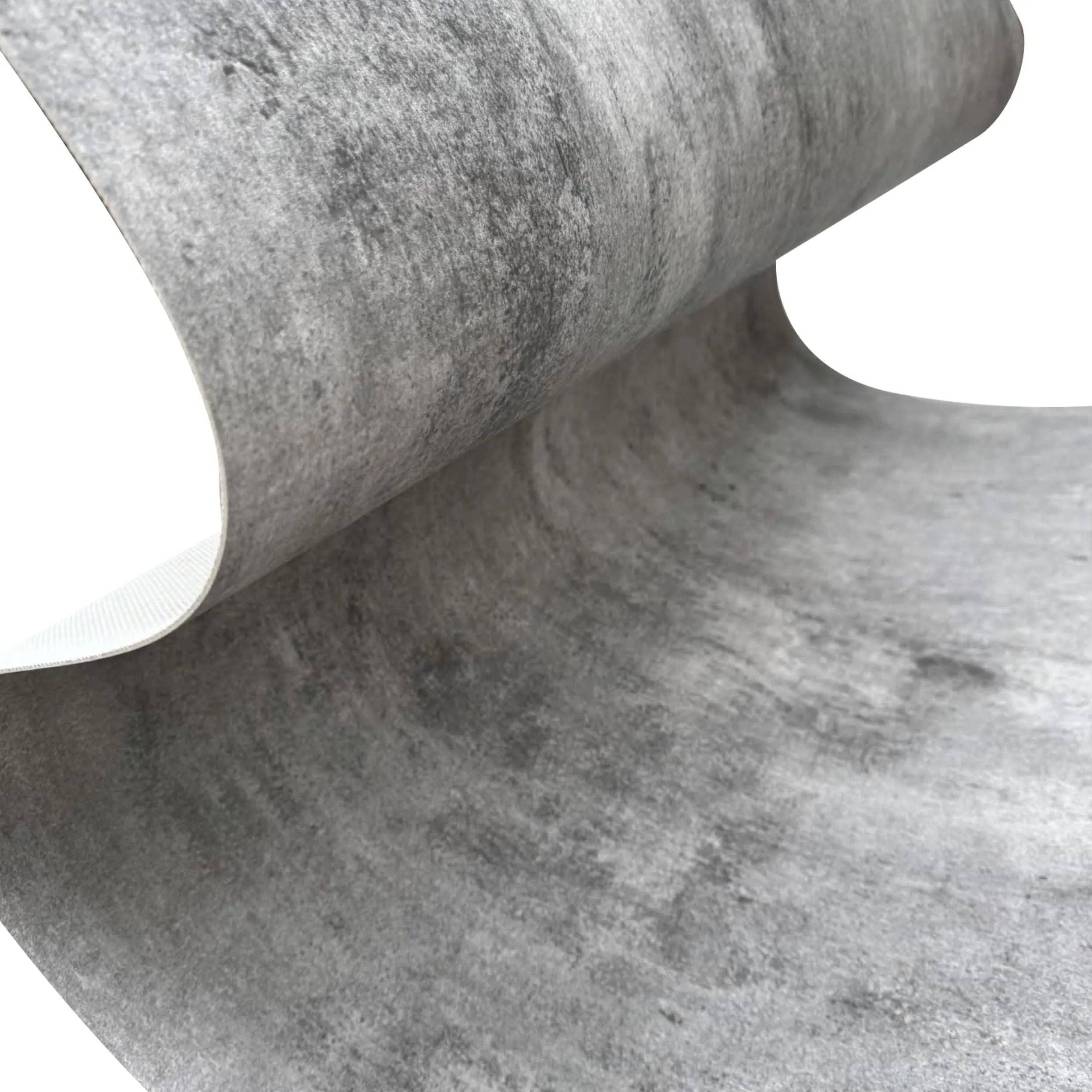
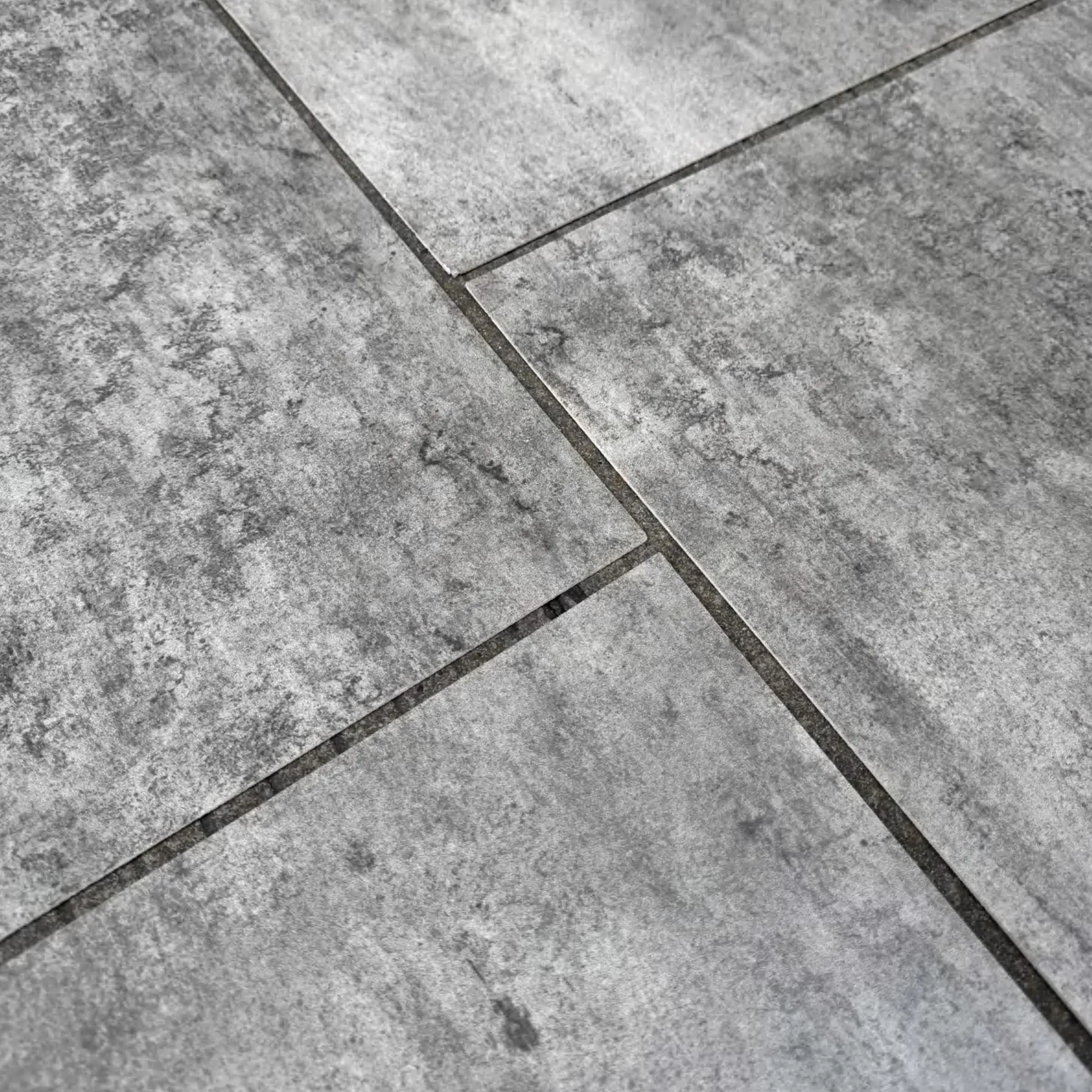
At the end of the day, building materials aren't just about function—they're about people. A hotel floor that makes guests smile, a school corridor that inspires kids to look down and imagine, a home entryway that greets you with warmth… these are the moments COLORIA cares about. Take the Polished Concrete variant in their MCM lineup: it retains that classic "smooth as glass" finish but adds a twist. Thanks to the modified formula, it's available in hues like Lunar Peak Silvery (a soft, moonlit gray) or Historical Pathfinders Stone (a rich, earthy brown that feels like walking on ancient soil). It's polished concrete, but with personality.
Then there's the environmental story. All MCM materials are low-VOC, made with recycled aggregates, and designed to last for decades—reducing the need for frequent replacements. "We had a client in Dubai who chose our Starry Green Travertine for their office floor," says Maya, COLORIA's sustainability lead. "They wanted to cut their carbon footprint, but they also didn't want to sacrifice beauty. Our MCM series uses 40% less cement than traditional mixes, and the Starry Green's pigments are natural, not synthetic. Now their employees talk about how 'the floor makes them feel connected to nature'—and that's a win for both people and the planet."
COLORIA GROUP isn't stopping with floors. Their MCM series is already branching into walls, countertops, and even furniture—all with the same ethos: materials that work with people, not against them. "We're working on a 3D-printed MCM furniture line next," Marco hints. "Imagine a coffee table that looks like a river stone, or a bench that curves like a wave—all made from the same durable, eco-friendly material as our floors. The possibilities are endless."
At the heart of it all is a simple belief: great buildings aren't just built—they're felt. And the materials that shape them should tell stories, evoke emotions, and grow with the people who use them. With the MCM series, COLORIA GROUP isn't just innovating polished concrete floors—they're giving architects, designers, and dreamers a new language to speak. A language where "can't" becomes "let's try," where "ordinary" becomes "extraordinary," and where every floor isn't just a surface… but a journey.
Because in the end, the best buildings are the ones that don't just stand—they breathe . And with MCM, COLORIA is helping them take their first, beautiful breath.
Recommend Products












