
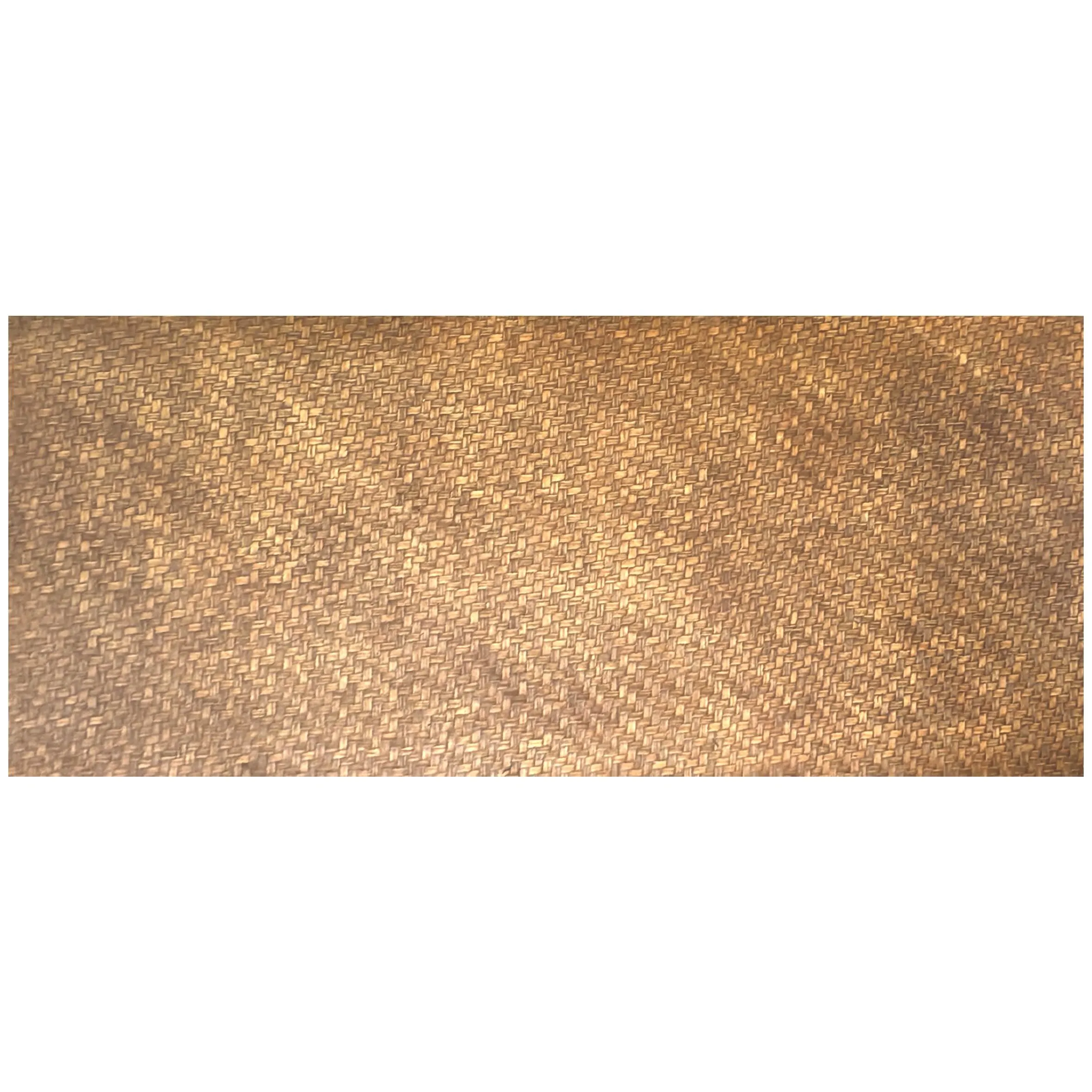
In the world of architecture and design, materials are more than just building blocks—they are storytellers. They shape the way we experience spaces, evoke emotions, and connect us to the world around us. From the rough-hewn charm of ancient stone to the sleek precision of modern composites, every material carries a narrative. Today, we're diving into one such material that's quietly redefining what's possible in sustainable, aesthetically rich design: COLORIA GROUP's Bamboo Mat Board. More than just a product, it's a testament to how tradition, innovation, and environmental consciousness can converge to create something truly extraordinary.
But first, let's step back. In an era where "sustainability" is often tossed around as a buzzword, it's rare to find a material that walks the talk. Architects and designers aren't just looking for products that check a box—they're seeking partners who understand that the materials we choose today will shape the buildings, communities, and planet of tomorrow. That's where COLORIA GROUP comes in. With decades of expertise in crafting premium building materials, from the earthy elegance of travertine (beige) to the industrial chic of fair-faced concrete, they've built a reputation for blending time-tested craftsmanship with forward-thinking innovation. And Bamboo Mat Board? It might just be their most compelling chapter yet.
Bamboo has long been celebrated as one of nature's most versatile gifts. Fast-growing, renewable, and inherently strong, it's been used for everything from scaffolding to furniture for centuries. But COLORIA GROUP saw something more: a material with the potential to bridge the gap between the warmth of natural wood and the durability of modern composites. Bamboo Mat Board isn't just "bamboo pressed into a board"—it's a labor of love, born from a desire to honor the plant's inherent beauty while elevating its performance to meet the demands of today's most ambitious projects.
The inspiration struck during a visit to a traditional bamboo-weaving village in Southeast Asia, where artisans had been crafting mats, baskets, and structural elements for generations. There, COLORIA's design team observed how the interlocking bamboo strips created a pattern that was both visually striking and surprisingly resilient. "It was like nature's own engineering," recalls Maria Almeida, lead product designer at COLORIA. "The way the light filtered through the weave, the texture under your fingertips—it felt alive. We thought, 'Why can't we bring that same vitality to building materials?'"
And so, the journey began. Over three years, the team experimented with sourcing (only using bamboo from FSC-certified forests, where harvesting is strictly regulated to ensure regrowth), processing (using low-VOC adhesives to preserve air quality), and finishing (developing a proprietary sealant that enhances weather resistance without masking the bamboo's natural grain). The result? A board that looks and feels like a piece of art, but performs like a workhorse.
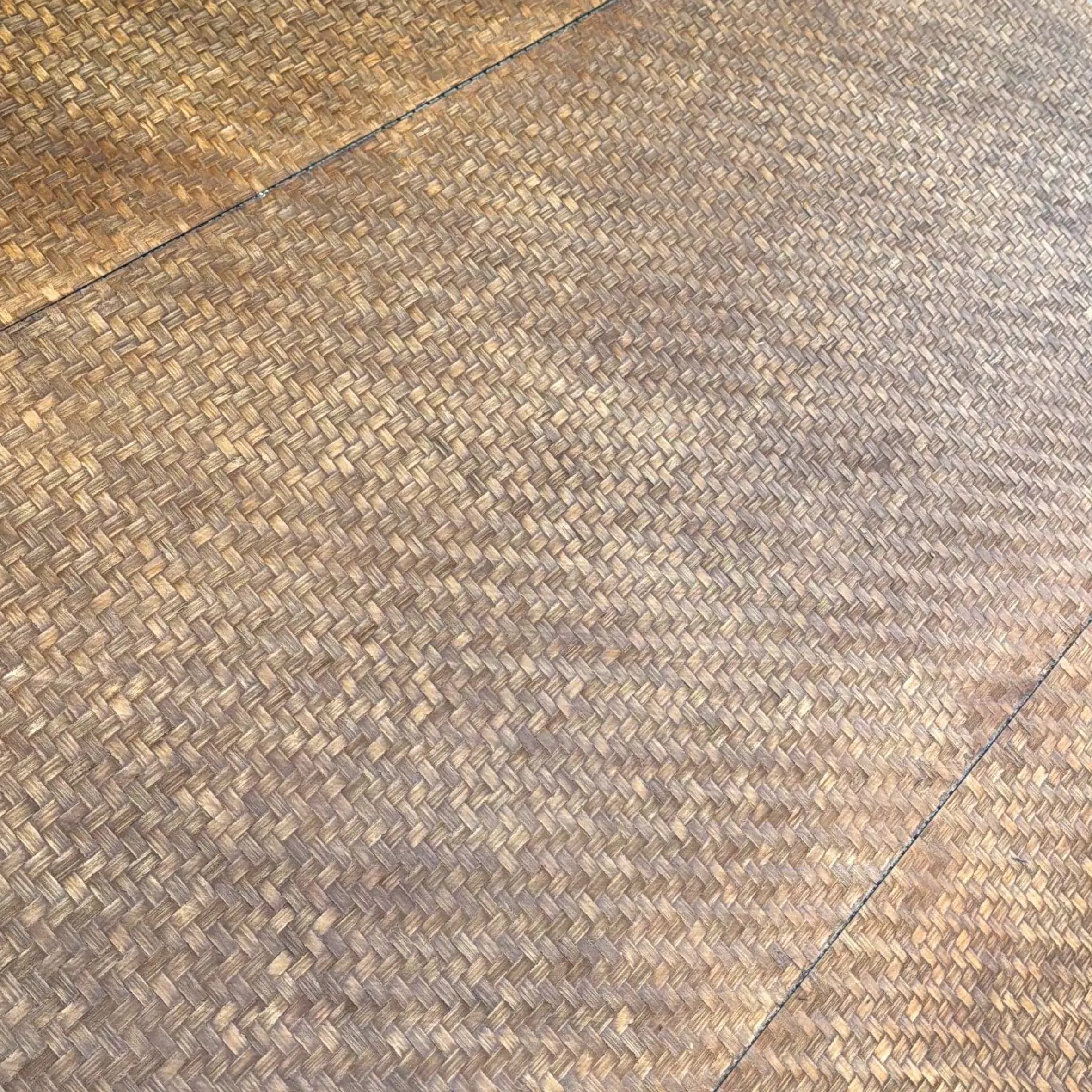
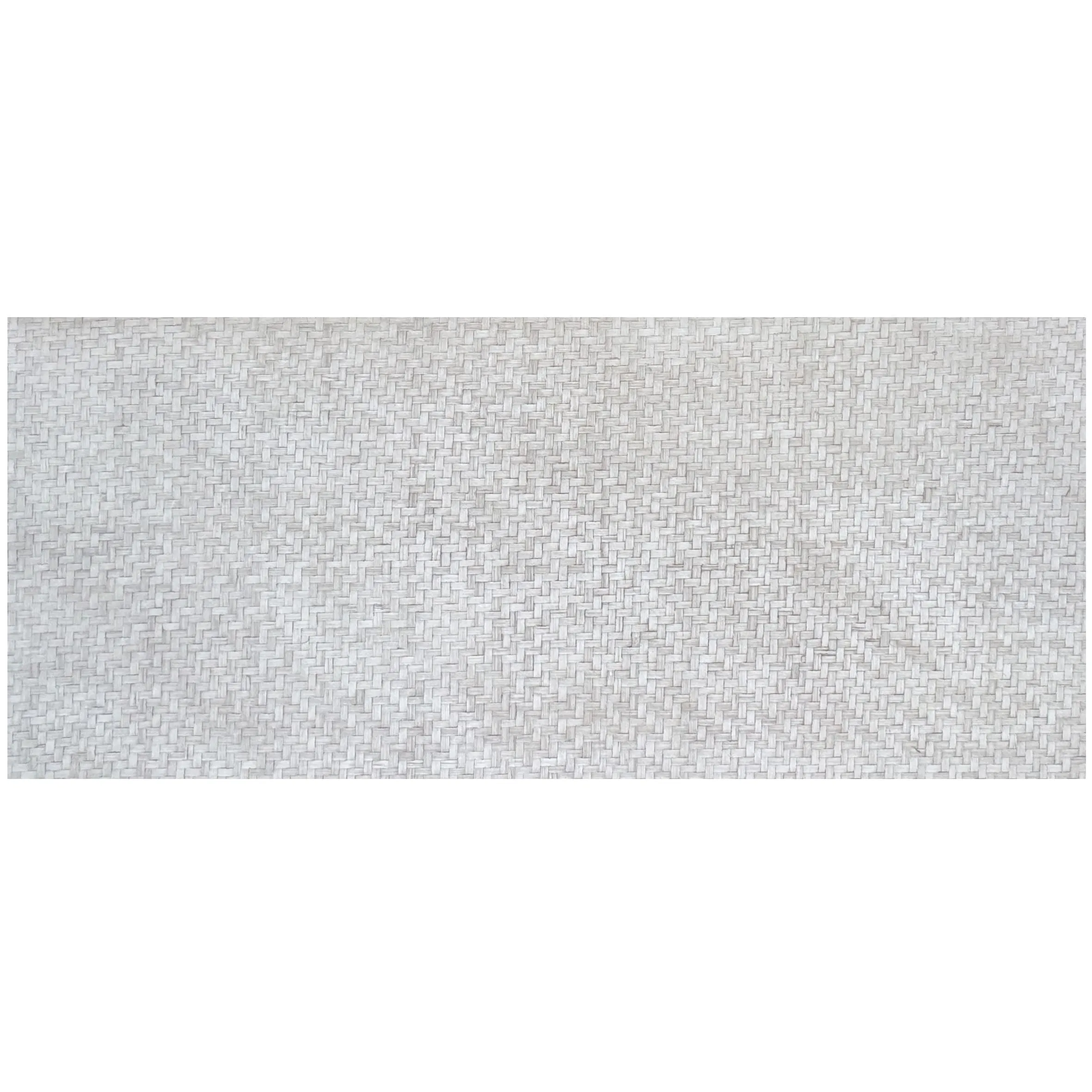
At first glance, you might mistake Bamboo Mat Board for a high-end wood grain board. Its surface carries the same organic, flowing patterns—warm honey tones interspersed with deeper amber streaks, each board unique like a fingerprint. But run your hand across it, and you'll notice the difference: a subtle texture that's smooth yet tactile, a result of the precision-weaved bamboo strips. It's a material that invites touch, that makes a space feel less like a "structure" and more like a living, breathing environment.
But aesthetics are just the beginning. Let's talk performance. Unlike solid wood, which can warp, crack, or fade over time, Bamboo Mat Board is engineered to stand up to the elements. Thanks to its cross-laminated construction, it resists moisture, temperature fluctuations, and even heavy impact—making it ideal for everything from high-traffic commercial lobbies to outdoor patios. In independent testing, it outperformed traditional wood grain board in durability by 30% and fair-faced concrete in thermal insulation by nearly 20%. For architects working in humid climates or regions with extreme seasonal changes, that's a game-changer.
Here's something you don't hear often: Bamboo Mat Board gets better with time. Unlike synthetic materials that degrade or lose their luster, bamboo develops a rich patina over the years—a soft, golden hue that deepens with exposure to light. It's a quality that architects call "living finish," and it's why designers are choosing it for projects meant to evolve with their communities. Imagine a café wall clad in Bamboo Mat Board: in year one, it's bright and fresh; in year five, it's warm and inviting, carrying the stories of every latte sipped, every laugh shared, every moment that makes a space feel like home.
Sustainability, of course, is at its core. Bamboo grows up to 3 feet per day, requires no pesticides, and absorbs 5 times more carbon dioxide than equivalent trees. By choosing Bamboo Mat Board over traditional hardwoods, a 10,000 sq ft project can save up to 15 mature trees and reduce carbon emissions by nearly 20 tons. For developers and municipalities aiming for LEED or BREEAM certification, that's not just a selling point—it's a responsibility fulfilled.
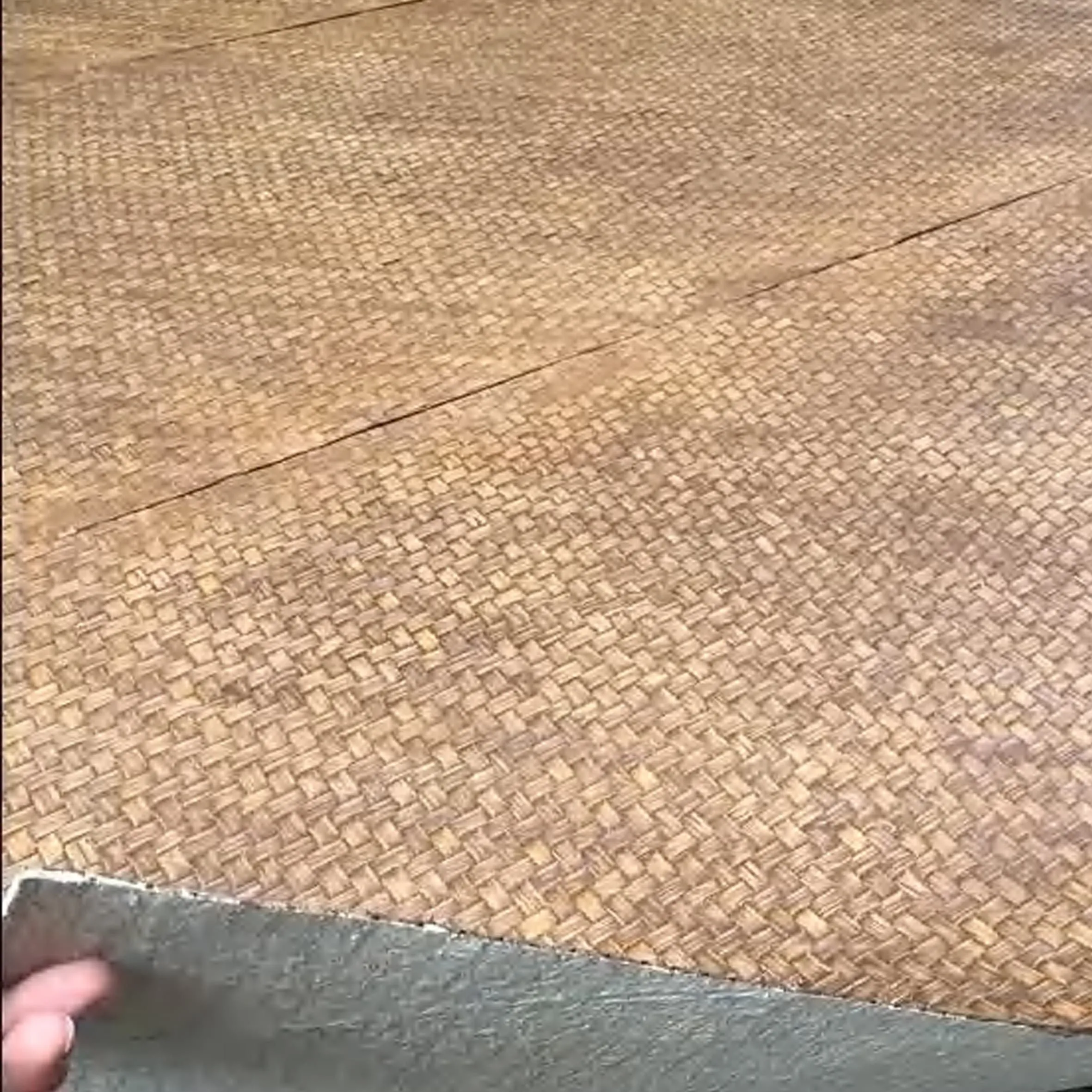
To truly appreciate Bamboo Mat Board, it helps to see how it compares to other materials in COLORIA's lineup. Let's take a closer look at three popular options: Bamboo Mat Board, wood grain board, and fair-faced concrete. Each has its strengths, but for projects that demand sustainability, versatility, and soul? The choice becomes clear.
| Feature | Bamboo Mat Board | Wood Grain Board | Fair-Faced Concrete |
|---|---|---|---|
| Sustainability | 100% renewable bamboo; FSC-certified; low-carbon production | Often sourced from slow-growth hardwoods; higher carbon footprint | High embodied energy; limited recyclability |
| Durability | Resistant to warping, moisture, and impact; 50-year lifespan | Prone to cracking/warping; 20-30 year lifespan | High compressive strength; susceptible to staining |
| Aesthetic Versatility | Warm, natural texture; customizable finishes (stained, sealed, raw) | Classic wood look; limited texture variation | Industrial, minimalist; limited color options |
| Applications | Walls, ceilings, furniture, flooring, outdoor cladding | Indoor walls, cabinetry, accent pieces | Structural elements, industrial interiors, exteriors |
What stands out here isn't just the numbers—it's the balance. Bamboo Mat Board doesn't force designers to choose between "sustainable" and "stunning," or "durable" and "inviting." It's a material that checks all three boxes, and then some. Take, for example, the recently completed Riverbank Community Center in Portland. Designed by award-winning firm Studio Verde, the project features Bamboo Mat Board on both interior walls and exterior cladding. "We wanted a material that felt rooted in nature but could handle Oregon's rainy winters," says lead architect James Lin. "The bamboo's natural warmth softens the building's modern lines, and a year later, it still looks as good as the day it was installed. No warping, no fading—just this beautiful, evolving patina."
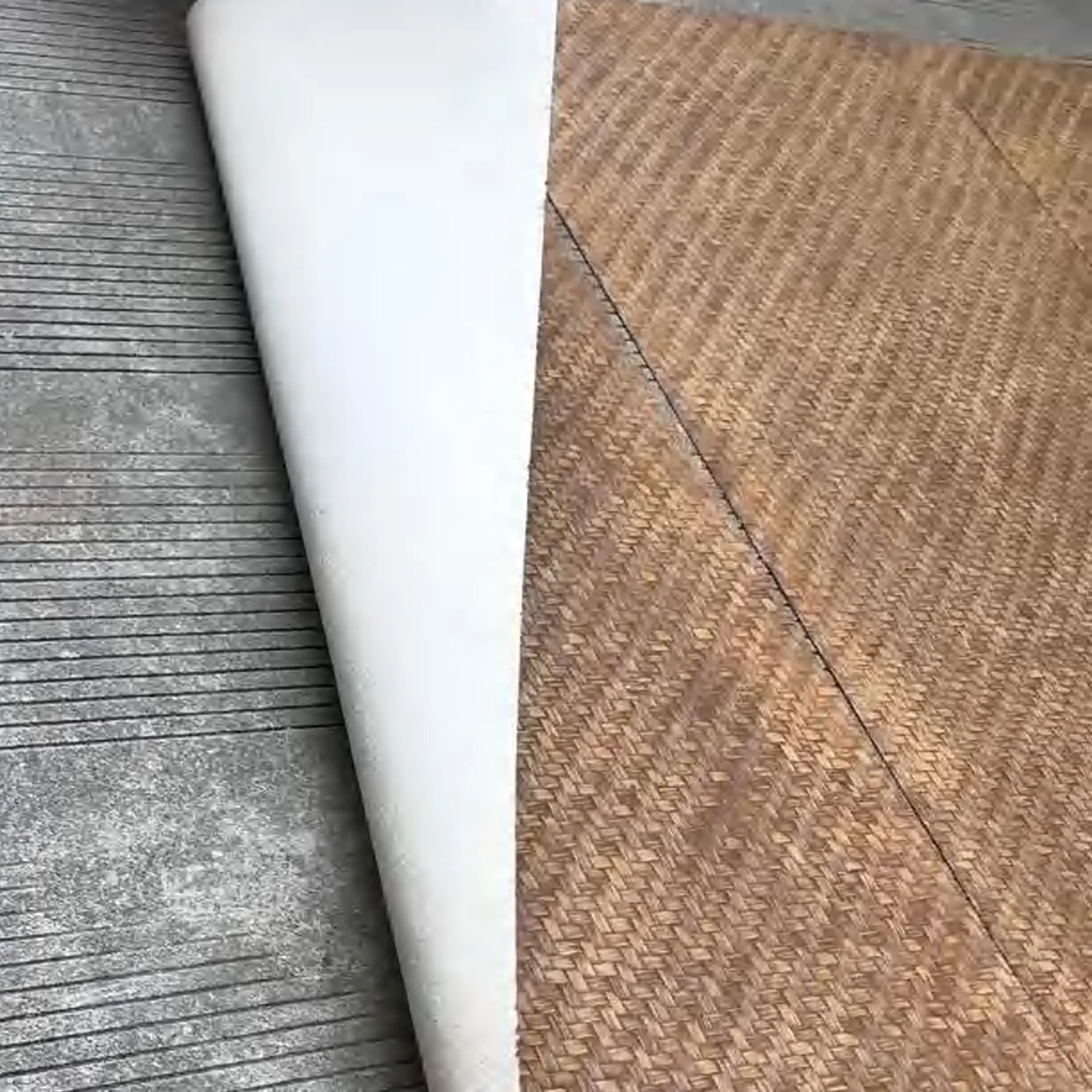
Great materials don't just happen—they're built on a foundation of rigorous quality control. For COLORIA GROUP, quality isn't a final step in the process; it's the starting point. From the moment a bamboo shoot is harvested to the second the finished board leaves the factory, every stage is monitored, tested, and refined. Let's pull back the curtain on what that looks like.
It starts with sourcing. COLORIA partners exclusively with bamboo farms in Vietnam and Costa Rica that adhere to strict FSC standards. Each farm is audited annually to ensure no old-growth forests are cleared, no child labor is used, and local communities are fairly compensated. "We don't just buy bamboo—we invest in the people who grow it," says Carlos Mendez, COLORIA's supply chain director. "A healthy ecosystem for the bamboo means a healthy product for our clients."
Next, the manufacturing process. Bamboo stalks are harvested, stripped of their outer layers, and cut into thin strips. These strips are then boiled in a natural, pesticide-free solution to remove sugars and pests—a traditional method that's been used for centuries, but updated with modern temperature controls to ensure consistency. The strips are then dried in solar-powered kilns (another sustainability win) until their moisture content hits exactly 8-10%—the sweet spot for stability. From there, they're woven into mats by skilled artisans (many of whom have been with COLORIA for decades) before being pressed with a low-VOC, soy-based adhesive and cured under controlled heat and pressure.
But the real test comes after production. Every batch of Bamboo Mat Board undergoes a battery of tests: impact resistance (dropping 50-pound weights from 6 feet), moisture resistance (soaking in water for 72 hours), and colorfastness (exposure to UV light for 1,000 hours). Only 1% of boards fail these tests—and those that do are repurposed into smaller products, ensuring zero waste. It's this commitment to excellence that has made COLORIA a trusted partner for global projects, from luxury resorts in Bali to cultural centers in Europe.
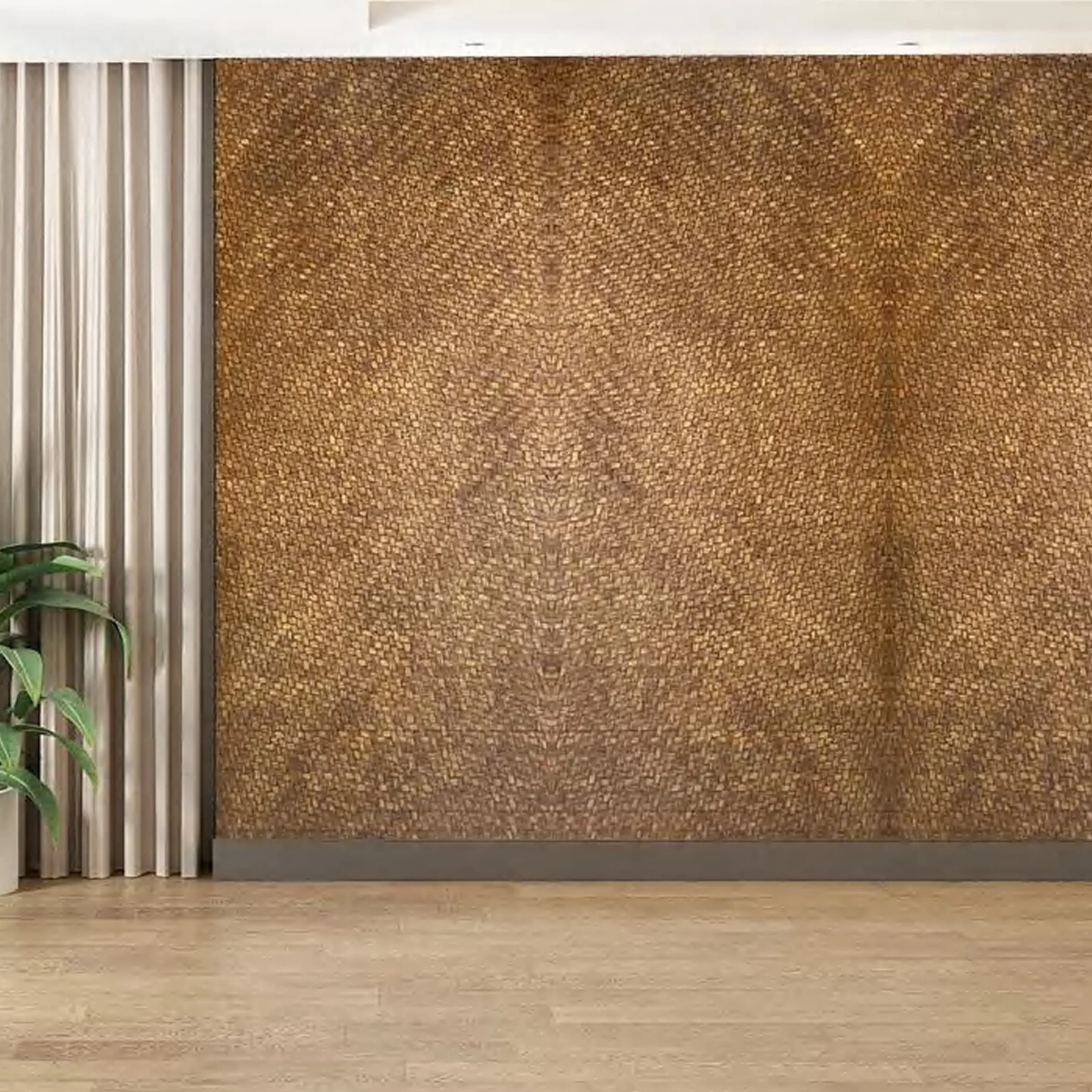
Enough about specs—let's talk about how Bamboo Mat Board transforms spaces. Picture this: a boutique hotel in Kyoto, where traditional Japanese design meets contemporary luxury. The lobby features soaring ceilings clad in Bamboo Mat Board, their natural weave casting dappled shadows as sunlight filters through floor-to-ceiling windows. The reception desk, crafted from a single slab of bamboo, feels both grand and intimate. Upstairs, guest rooms use the board for accent walls, paired with tatami mats and shoji screens. It's a space that honors Japan's bamboo-weaving heritage while feeling fresh and modern. This isn't a hypothetical—it's the Aman Kyoto North, a project that earned COLORIA a 2024 AIA Design Excellence Award.
Or consider a community library in Seattle, designed to be a "third place" for residents—a space between home and work where people can connect, learn, and relax. The architects chose Bamboo Mat Board for the reading nooks and children's area, drawn to its warmth and durability. "Kids are tough on materials," says librarian Mia Patel, "but after two years of sticky fingers, crayon marks, and the occasional spilled juice box, the bamboo still looks brand new. And parents love that it's non-toxic—no off-gassing, no harmful chemicals. It's a win-win."
Even in commercial settings, Bamboo Mat Board shines. Take the headquarters of GreenWave Tech, a renewable energy startup in San Francisco. Their open-concept office features bamboo walls that double as acoustic panels, reducing noise pollution while adding visual interest. "We wanted our space to reflect our mission," says CEO Elena Torres. "Bamboo isn't just sustainable—it's a symbol of growth, resilience, and innovation. When clients walk in, they don't just see a office—they see what we stand for."
At the end of the day, building materials are more than just components—they're storytellers. They tell the story of the people who designed them, the communities who build with them, and the planet that sustains them. COLORIA GROUP's Bamboo Mat Board tells a story of respect: respect for tradition, respect for the environment, and respect for the architects and designers who trust them to bring their visions to life.
It's a story that doesn't end with Bamboo Mat Board, of course. COLORIA's portfolio reads like a love letter to the diversity of natural materials: the timeless elegance of travertine (beige), the bold texture of mcm flexible stone, the understated sophistication of fair-faced concrete. But Bamboo Mat Board? It's the story that feels most urgent, most aligned with the future we're trying to build. A future where sustainability isn't an afterthought, but the foundation. A future where beauty and durability go hand in hand. A future where the materials we choose don't just build spaces—they build connections.
So, to the architects, designers, and dreamers out there: the next time you're standing in an empty room, imagining what it could be, think about the materials you'll use to bring that vision to life. Will they fade into the background, or will they become part of the story? Will they drain resources, or replenish them? With COLORIA GROUP's Bamboo Mat Board, the answer is clear. It's not just a board—it's a promise. A promise that the spaces we create today can be as kind to the planet as they are inspiring to the people who inhabit them. And in a world that needs more promises kept, that's a story worth telling.
Recommend Products












