
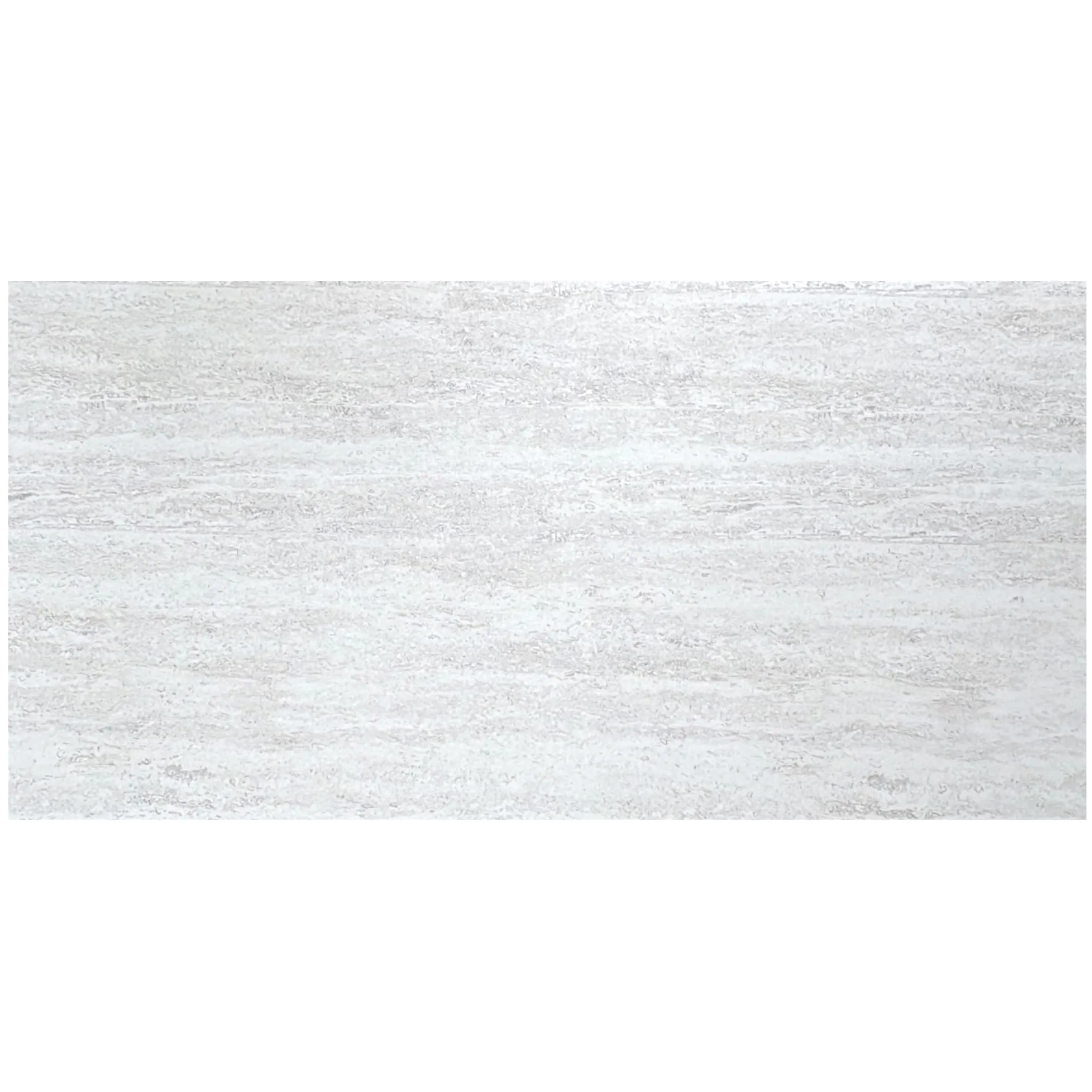
Architecture is the poetry of built space—a language where materials, forms, and light converge to tell stories. For centuries, stone has been the ink of this poetry, bearing witness to civilizations, cultures, and the passage of time. Yet, as our world evolves, so too does our need for materials that honor tradition while embracing innovation. Enter COLORIA GROUP, a trailblazer in the realm of architectural materials, whose MCM 3D Printing Series is not just reimagining stone—it's rewriting the rules of how we build, design, and experience space. At the heart of this revolution lies Ethereal Shadow Travertine, a material that marries the timeless allure of natural travertine with the precision of 3D printing, creating surfaces that don't just cover walls, but breathe life into them.
In an era where sustainability, customization, and aesthetic depth are no longer optional but essential, COLORIA GROUP has emerged as a vanguard, proving that the future of architecture isn't about replacing nature—it's about collaborating with it. Ethereal Shadow Travertine, part of the MCM (Modified Composite Material) family, is a testament to this philosophy. It's travertine, but not as we know it: lighter, more durable, infinitely customizable, and crafted with a reverence for both the planet and the art of design. This article explores the journey of Ethereal Shadow Travertine—from its innovative composition to its transformative impact on architecture, and why it's quickly becoming the material of choice for visionary architects and designers worldwide.
To understand Ethereal Shadow Travertine, we must first understand the technology that birthed it: MCM, or Modified Composite Material. Traditional building materials—natural stone, brick, concrete—have long been revered for their strength, but they come with inherent limitations: weight that strains structural integrity, rigidity that stifles design creativity, and environmental footprints that often clash with modern sustainability goals. COLORIA GROUP set out to solve these challenges not by abandoning tradition, but by reengineering it. MCM, born from years of research in material science, is a hybrid of natural minerals, recycled polymers, and advanced binders, fused through a proprietary process that enhances the best qualities of its components while mitigating their flaws.
"MCM is about harmony," says Dr. Elena Marquez, Chief Material Scientist at COLORIA GROUP. "We start with the essence of natural materials—their texture, their depth, their ability to age gracefully—and then amplify those qualities using cutting-edge composite technology. The result is a material that's 70% lighter than natural stone, yet twice as impact-resistant. It's flexible enough to curve around architectural nuances, yet stable enough to withstand extreme weather. And because we use up to 40% recycled content in our formulations, it's a material that respects the planet without compromising on performance."
The MCM 3D Printing Series takes this innovation a step further. By integrating 3D printing technology, COLORIA GROUP has unlocked unprecedented levels of precision and customization. Unlike traditional manufacturing, which relies on molds or cutting natural stone into fixed shapes, 3D printing allows for micro-level control over texture, pattern, and even color gradients. For Ethereal Shadow Travertine, this means recreating the intricate voids, veining, and surface irregularities of natural travertine with mathematical precision—then elevating them. "Natural travertine is formed by mineral-rich water cooling and depositing calcium carbonate over millennia," explains Dr. Marquez. "We can't replicate that timeline, but we can replicate the beauty—then add our own chapter. Ethereal Shadow Travertine's 'shadows' are intentional: subtle variations in texture that play with light, creating surfaces that shift appearance from dawn to dusk. It's travertine with a memory, a material that responds to its environment."
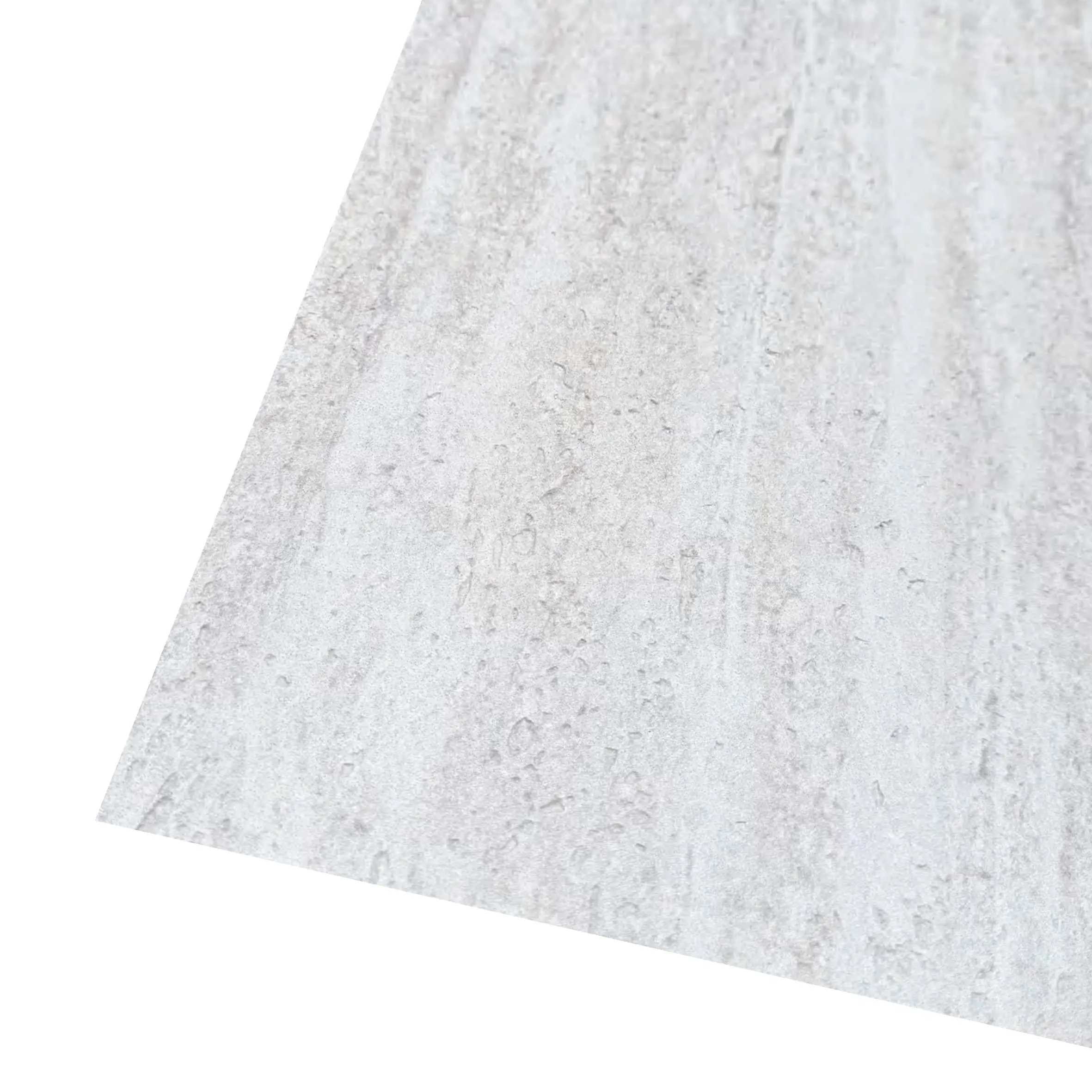
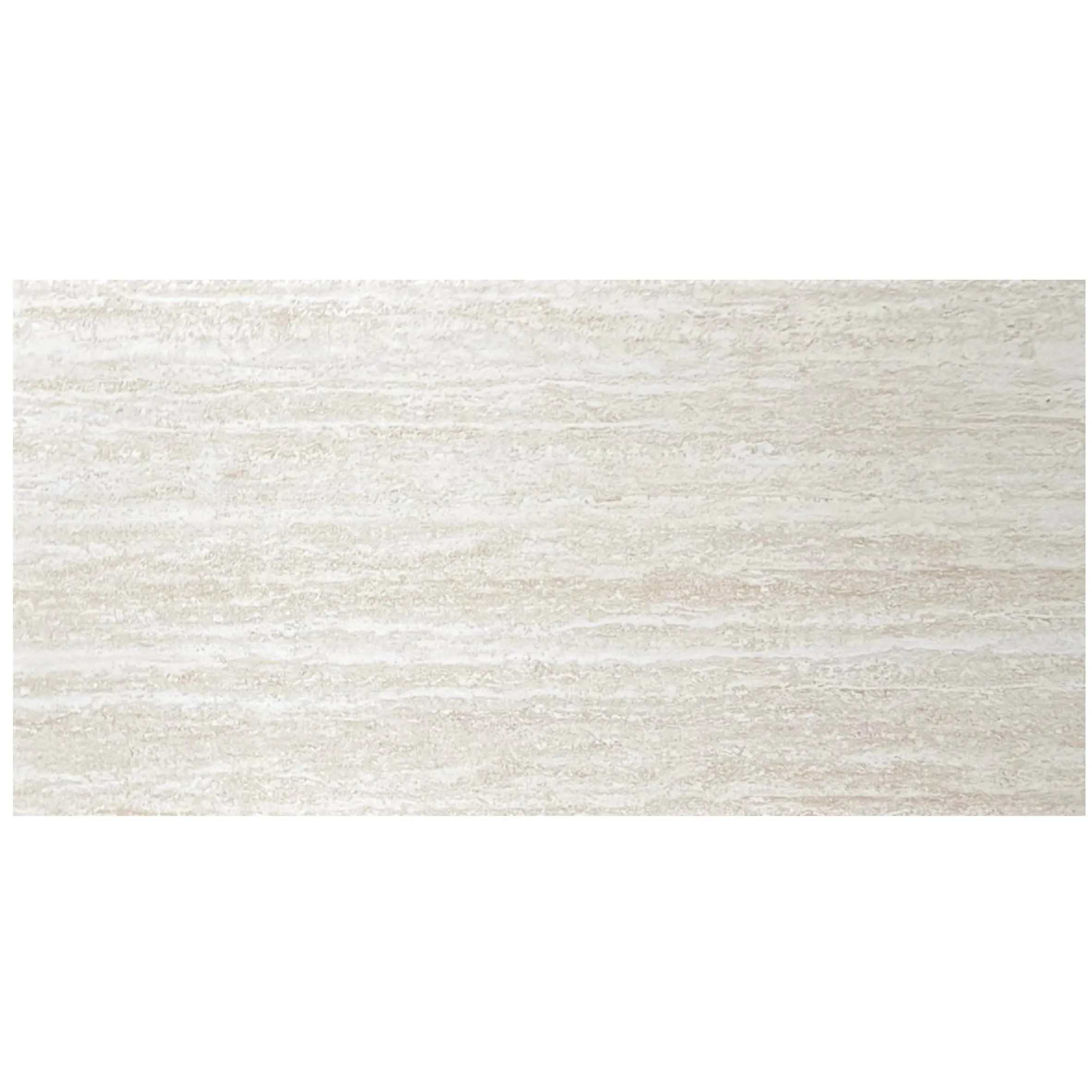
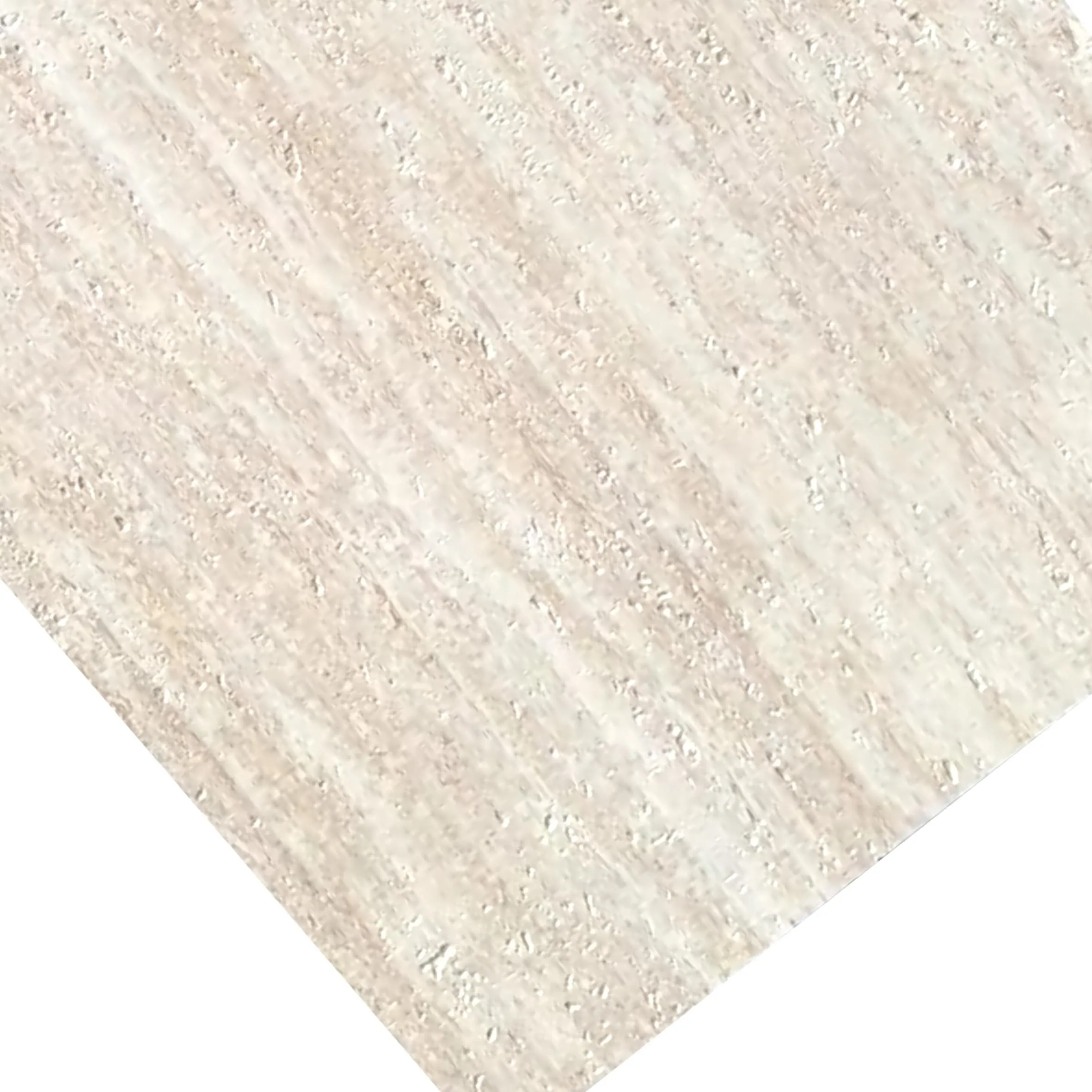
At first glance, Ethereal Shadow Travertine could be mistaken for the finest natural travertine quarried from the hills of Tuscany. Its base hue is a soft, warm ivory, reminiscent of sun-bleached stone, but upon closer inspection, the magic reveals itself. The surface is dotted with tiny, irregular voids—"eyes," as travertine enthusiasts call them—each one unique in size and shape, just like in nature. But unlike natural travertine, where these voids are often filled to prevent water absorption, Ethereal Shadow Travertine leaves them partially open, creating a dance of light and shadow that changes throughout the day. In the morning, soft sunlight filters through the voids, casting delicate patterns on the floor below; at noon, the harsh sun deepens the shadows, adding depth to the surface; and in the evening, artificial light transforms the stone into a canvas of warm, glowing tones.
"Texture is the silent storyteller of a material," says renowned interior designer Sarah Chen, who recently used Ethereal Shadow Travertine in a luxury boutique hotel in Barcelona. "With natural stone, you're at the mercy of the quarry—you get what the earth gives you. With Ethereal Shadow Travertine, I could specify the density of the voids, the direction of the veining, even the sheen. In the hotel's lobby, we used a panel with more concentrated voids near the ceiling, where light hits strongest, creating a 'constellation effect' that guests can't stop talking about. It's texture with intent, not chance."
Beneath its artistic surface, Ethereal Shadow Travertine is a marvel of engineering. Its core is a matrix of calcium carbonate (the same mineral that forms natural travertine) reinforced with fiberglass and a recycled polymer binder. This composition gives it a tensile strength of 28 MPa—comparable to concrete—while weighing just 12 kg per square meter, less than half the weight of natural travertine. For architects, this translates to reduced structural load, allowing for larger spans and more daring designs without compromising safety. "We recently completed a cantilevered balcony using Ethereal Shadow Travertine panels," says structural engineer Marcus Wong of Wong & Partners Engineering. "Traditional stone would have required additional steel supports, adding cost and visual clutter. With Ethereal Shadow Travertine, the balcony floats effortlessly, the material's lightness letting the design breathe."
Durability is another standout feature. Ethereal Shadow Travertine is resistant to UV radiation, meaning it won't fade even in harsh desert climates; it's water-resistant, making it suitable for bathrooms, kitchens, and exterior facades; and it's fire-retardant, meeting ASTM E84 Class A standards. Unlike natural travertine, which is porous and prone to staining, Ethereal Shadow Travertine's surface is sealed during the manufacturing process, requiring minimal maintenance—just occasional cleaning with mild soap and water. "We installed Ethereal Shadow Travertine in a coastal restaurant three years ago," says building manager Carlos Mendez. "Salt spray, humidity, constant foot traffic—none of it has affected the material. It still looks as fresh as the day it was installed. Natural stone would have needed sealing every six months, and even then, we'd probably see discoloration by now."
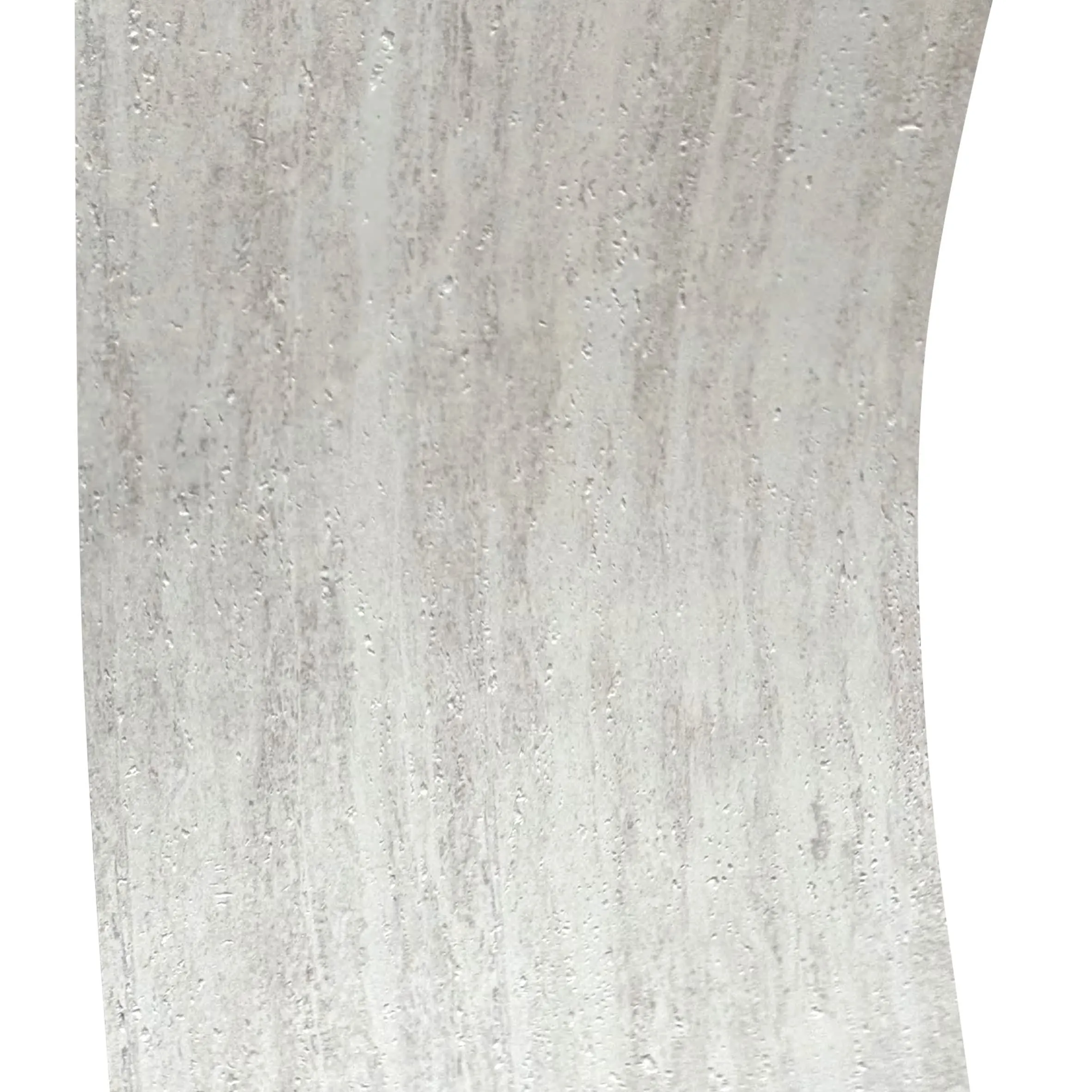
If MCM is the canvas, 3D printing is the brush that brings Ethereal Shadow Travertine to life. COLORIA GROUP's state-of-the-art 3D printing facilities are equipped with robotic arms that extrude MCM mixtures with sub-millimeter precision, layer by layer, building up surfaces that mimic the organic complexity of natural stone. What sets this process apart is its flexibility: where traditional stone cutting is limited by the size and shape of quarried blocks, 3D printing allows for custom dimensions, intricate patterns, and even curved or undulating surfaces—all without the waste of natural stone offcuts.
"3D printing is a game-changer for customization," explains James Liu, Head of Design Innovation at COLORIA GROUP. "A client came to us wanting a feature wall inspired by the patterns of desert sand dunes—ripples that flow from floor to ceiling, varying in depth and direction. With natural stone, we'd have to carve each ripple individually, a process that would take months and cost a fortune. With 3D printing, we programmed the design into our software, and the robots printed the entire wall in three days. The result was a seamless, organic surface that looks like it was shaped by wind, not machines."
The MCM 3D Printing Series isn't limited to travertine, of course. COLORIA GROUP offers a spectrum of materials, from the industrial chic of Foamed Aluminium Alloy Board (Vintage Silver) to the earthy warmth of Rammed Earth Board (Matcha Green), each leveraging 3D printing to push design boundaries. But Ethereal Shadow Travertine stands out for its ability to bridge the gap between the natural and the modern—a quality that has made it a favorite for projects aiming to evoke both timelessness and innovation.
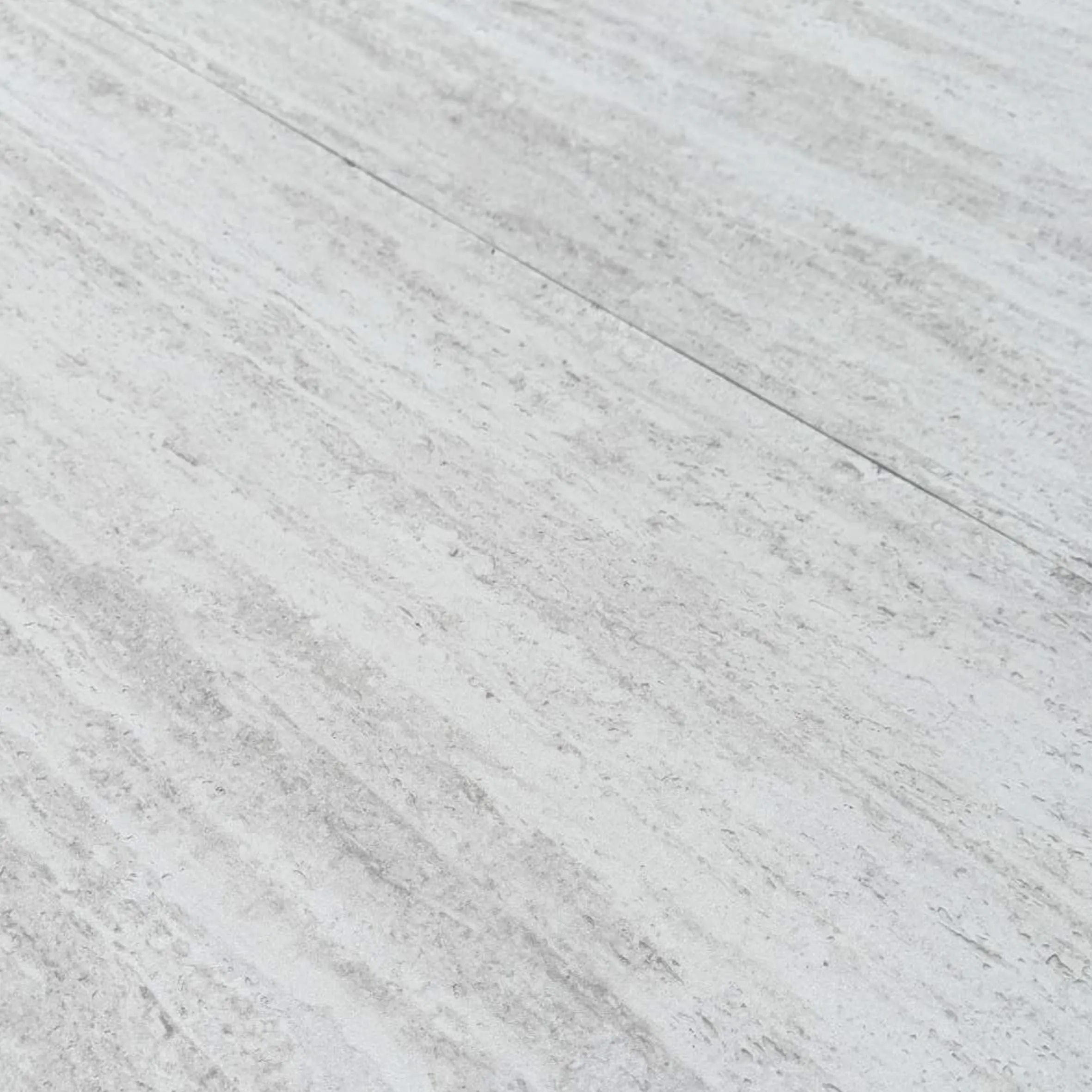
One of the most compelling aspects of Ethereal Shadow Travertine is its chameleon-like ability to adapt to any design language. Whether paired with the sleek lines of modern architecture, the rustic charm of Mediterranean villas, or the bold geometries of contemporary minimalism, it enhances the aesthetic without overpowering it. Let's explore some of the ways designers are using it to transform spaces:
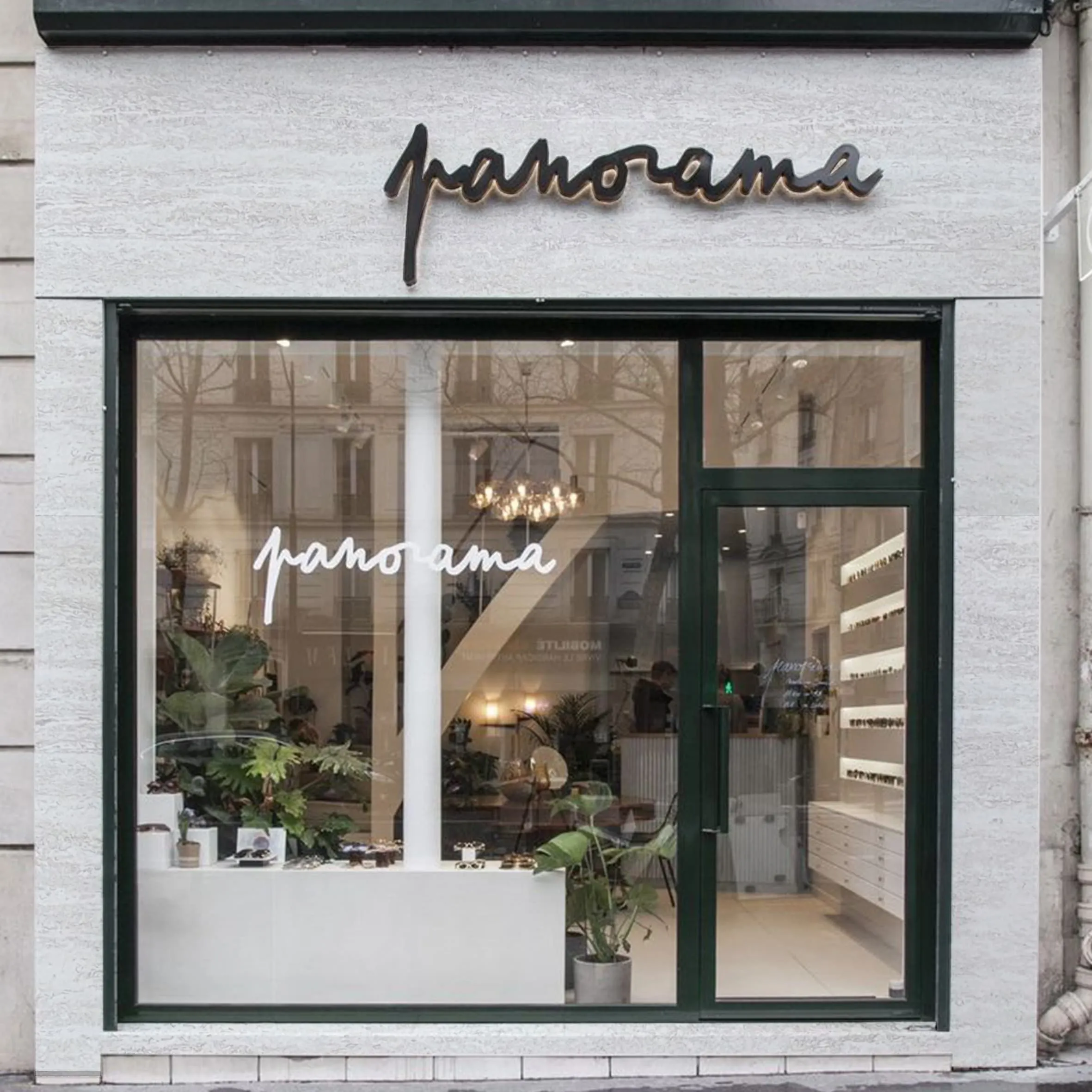
Exterior facades are the first impression of a building, and Ethereal Shadow Travertine excels here, especially in urban environments where buildings jostle for attention. Its light weight reduces the need for heavy structural support, allowing architects to clad entire buildings without compromising on height or design complexity. In the "Azure Tower" project in Dubai, architect Zaha Hadid Architects used Ethereal Shadow Travertine panels in a gradient pattern, transitioning from a warm ivory at the base to a cooler, more translucent shade at the top, mimicking the way sunlight fades as it rises. The panels were 3D-printed with varying degrees of opacity, creating a facade that glows softly at night and shifts color subtly during the day.
"Ethereal Shadow Travertine's ability to interact with light is what made it perfect for Azure Tower," says project lead architect Amina Patel. "Dubai's skyline is full of glass and steel, which can feel cold and sterile. We wanted a material that would add warmth and texture, something that would make the building feel alive. The travertine panels do just that—they reflect the desert sun in the morning, absorb the golden hour light in the evening, and even catch the city's lights at night. It's a building that changes with the sky, and that's magical."
Indoors, Ethereal Shadow Travertine becomes a tool for crafting mood and atmosphere. In residential settings, it's often used for feature walls, fireplaces, or kitchen backsplashes, adding a touch of organic luxury. In commercial spaces—hotels, restaurants, offices—it creates immersive environments that resonate with brand identity. Take the "Serenity Spa" in Kyoto, Japan, where designers used Ethereal Shadow Travertine in the relaxation lounge, pairing it with Lunar Peak Silvery panels for a monochromatic, zen-inspired palette. The travertine's soft texture and warm undertones complement the cool, metallic sheen of the Lunar Peak panels, creating a space that feels both grounded and ethereal—perfect for unwinding.
"In spa design, materials need to engage all the senses," says spa designer Yuki Tanaka. "Ethereal Shadow Travertine doesn't just look beautiful—it feels beautiful. Run your hand over it, and you'll feel the subtle ridges and valleys, like the surface of a river stone. It's tactile, inviting, and it has a natural sound-dampening quality that helps create a quiet, peaceful atmosphere. Clients often comment on how 'calm' the lounge feels, and I know the travertine plays a big role in that."
Perhaps one of the most unexpected applications of Ethereal Shadow Travertine is in heritage restoration. Many historic buildings suffer from deteriorating stone facades, with original materials either unavailable or too fragile to replicate. Ethereal Shadow Travertine, with its ability to mimic the texture and color of aged stone, offers a sustainable alternative. In the restoration of the 18th-century "Palazzo Vecchio" in Florence, Italy, conservators used 3D-scanned images of the original travertine to create Ethereal Shadow Travertine panels that matched the weathered texture and patina of the historic stone. The result? A facade that looks identical to the original, but with the durability to withstand another century of wear and tear.
"Heritage restoration is about balance—preserving history while ensuring longevity," says restoration architect Sofia Romano, who led the Palazzo Vecchio project. "Natural travertine from the original quarry is no longer available, and importing stone from elsewhere would have altered the building's character. Ethereal Shadow Travertine allowed us to recreate the original appearance with pinpoint accuracy, down to the smallest crack and stain. It's a material that respects the past while protecting it for the future."
In an industry responsible for 39% of global carbon emissions (according to the UN Environment Programme), sustainability is no longer a buzzword—it's a moral imperative. Ethereal Shadow Travertine, and the MCM family as a whole, was designed with this in mind. From raw material sourcing to manufacturing to end-of-life, every step of the process prioritizes environmental responsibility.
Let's start with raw materials: 40% of Ethereal Shadow Travertine's composition is recycled content, including post-consumer plastic and industrial mineral waste. This not only reduces the demand for virgin resources but also diverts waste from landfills. The manufacturing process itself is energy-efficient, with COLORIA GROUP's factories powered by 100% renewable energy (solar and wind) and equipped with closed-loop water systems that recycle 95% of the water used in production. "We've invested heavily in green technology," says Maria Gonzalez, Sustainability Director at COLORIA GROUP. "Our 3D printers are calibrated to minimize material waste—unlike traditional cutting methods, which can waste up to 30% of natural stone, 3D printing uses only what's needed. And because MCM is lightweight, transportation emissions are significantly lower than those of natural stone, which often requires heavy trucks and long-haul shipping."
But sustainability isn't just about production—it's about longevity. Ethereal Shadow Travertine has a lifespan of over 50 years, reducing the need for frequent replacements. And when it does reach the end of its life, it's fully recyclable: the composite material can be ground down and reused in new MCM products, creating a circular economy. "We're not just selling materials—we're selling a vision for a more sustainable built environment," Gonzalez adds. "Ethereal Shadow Travertine is proof that you don't have to choose between beauty and responsibility. You can have both."
To truly appreciate Ethereal Shadow Travertine, it helps to see how it compares to traditional building materials and even other MCM products. The table below breaks down key features, from performance to sustainability, to help designers and architects make informed choices:
| Feature | Ethereal Shadow Travertine (MCM 3D) | Natural Travertine | Foamed Aluminium Alloy Board (Vintage Silver) | Traditional Concrete |
|---|---|---|---|---|
| Weight (kg/m²) | 12 | 28 | 8 | 2400 (per m³) |
| Tensile Strength (MPa) | 28 | 15-20 | 35 | 2-5 |
| Water Resistance | High (sealed surface) | Low (porous) | High | Medium (requires sealing) |
| Customization | High (3D-printed patterns, colors, textures) | Low (limited by quarry) | Medium (color/finish options) | Low (mold-dependent) |
| Sustainability | High (40% recycled content, recyclable, low energy production) | Medium (quarrying impacts, heavy transportation) | Medium (recyclable but high energy production) | Low (high carbon footprint, limited recycling) |
| Installation Complexity | Low (lightweight, can be cut on-site) | High (heavy, requires specialized labor) | Low (lightweight, interlocking systems) | High (wet mixing, curing time) |
| Maintenance | Low (occasional cleaning) | High (sealing every 1-2 years, prone to staining) | Low (wipe clean, resistant to corrosion) | Medium (cracks may require repair) |
Project Brief: The Aurora Cultural Center, located in the heart of Stockholm, was designed to celebrate Swedish art and culture while serving as a community hub. The client wanted a building that would stand out in the city's historic district but still feel connected to its surroundings. The architect, Johan Eriksson, envisioned a facade that would "reflect the light of the aurora borealis," with a surface that changes color depending on the time of day.
Material Choice: After considering various options, Eriksson chose Ethereal Shadow Travertine for the main facade, paired with Lunar Peak Golden panels for accent features. "Ethereal Shadow Travertine's ability to play with light was exactly what we needed," Eriksson explains. "The cultural center is named after the aurora, and we wanted the building itself to have that same ethereal quality—shifting, glowing, alive. The travertine's ivory base with subtle shadow veining, combined with the metallic warmth of Lunar Peak Golden, creates a surface that mimics the way the aurora dances across the sky."
Challenges & Solutions: The building's location in a historic district meant strict height and weight restrictions. Ethereal Shadow Travertine's lightweight nature was crucial here, allowing the facade to be installed without reinforcing the existing structure. The 3D printing process also enabled custom panel shapes to fit the building's curved corners, ensuring a seamless, organic look. "Traditional stone would have added too much weight, and precast concrete wouldn't have given us the texture we wanted," Eriksson notes. "Ethereal Shadow Travertine was the perfect middle ground—strong, light, and infinitely customizable."
Outcome: Since opening in 2023, the Aurora Cultural Center has become a landmark, drawing visitors not just for its exhibitions but for the building itself. "The facade is a conversation starter," says center director Anna Lundqvist. "People stop to take photos at different times of day, noticing how the light changes the stone's appearance. It's more than a building—it's a piece of art, and Ethereal Shadow Travertine is the canvas."
As we look to the future, one thing is clear: the built environment will increasingly demand materials that are sustainable, versatile, and emotionally resonant. Ethereal Shadow Travertine, and the MCM 3D Printing Series as a whole, is at the forefront of this shift, offering a glimpse into a world where buildings are not just functional structures but living, breathing stories. COLORIA GROUP is already working on next-generation MCM materials, including self-healing composites and photochromic surfaces that change color in response to UV light, but Ethereal Shadow Travertine remains the cornerstone—a reminder that the most innovative materials are those that stay true to nature's beauty while embracing human ingenuity.
"Architecture is about more than bricks and mortar," says Dr. Marquez. "It's about creating spaces that inspire, comfort, and connect us to something larger than ourselves. Ethereal Shadow Travertine does that. It's a material that tells a story—the story of how we can build a better world by working with nature, not against it."
In the end, Ethereal Shadow Travertine is more than just a building material. It's a testament to the power of innovation, a bridge between the past and the future, and a reminder that the most beautiful spaces are those that speak to both the head and the heart. As more architects and designers discover its potential, we can expect to see Ethereal Shadow Travertine gracing skylines, enriching interiors, and redefining what's possible in architecture for years to come. After all, in a world that's constantly changing, some things—like the beauty of stone, reimagined—are timeless.
Recommend Products












