
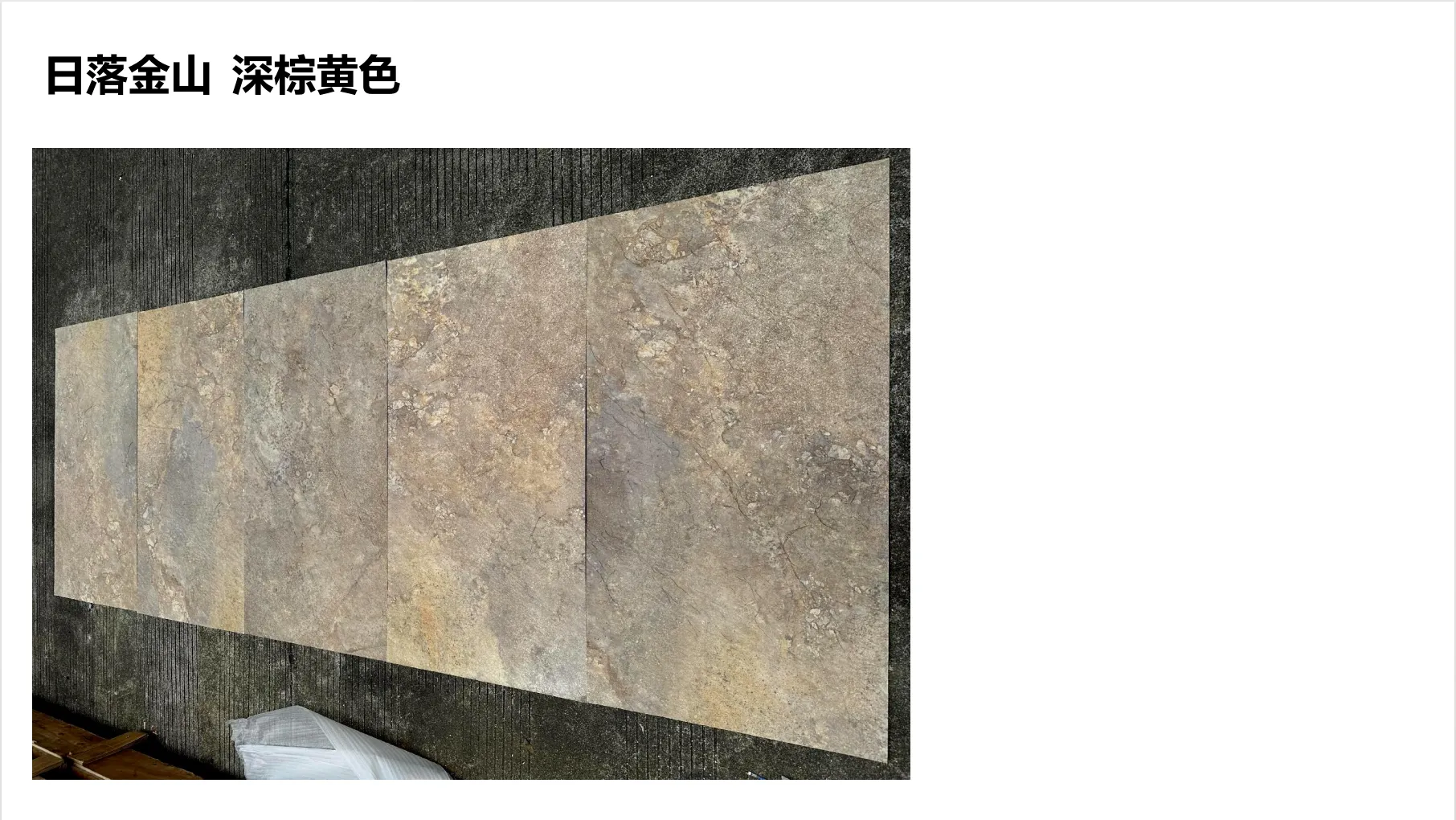
In the heart of Saudi Arabia, where the desert meets the sky in an endless dance of light and shadow, there's a structure that doesn't just stand—it breathes . It's a building that seems to have grown from the golden sands, yet glows with a modern vitality that catches every eye. This is COLORIA GROUP's latest masterpiece, affectionately known as "Golden Sunset," and its story is one of innovation, culture, and a deep respect for the land it calls home.
When COLORIA's design team first set foot in this region of Saudi Arabia, they were struck by more than just the harsh beauty of the desert. They noticed how the sun transforms the landscape: from pale gold at midday to fiery orange at dusk, painting the dunes in hues that seem to shift with every passing minute. "We wanted to capture that magic," says Layla Al-Mansoori, the lead architect on the project. "Not just replicate it, but let the building live within it. So when someone walks by at sunset, they don't just see a structure—they see a reflection of the sky itself."
What followed was two years of collaboration, creativity, and careful craftsmanship. The result? A building that has become a local landmark, celebrated in "Golden Sunset real photos" shared across social media and architectural journals alike. But to truly understand its allure, we need to step beyond the images and into the story of how it came to be.
Saudi Arabia's architectural heritage is rich with structures that blend function and artistry—think mud-brick forts that stay cool in the heat, or intricate tile work that tells stories of the past. COLORIA knew from the start that "Golden Sunset" couldn't ignore this legacy. Instead, it had to honor it, while pushing boundaries with cutting-edge materials and design.
"We spent months talking to local artisans, historians, and even elders in nearby villages," recalls Jamal Khalid, COLORIA's regional project manager. "They told us about the importance of haya —modesty—and izzah —pride—in their culture. The building needed to be bold but not ostentatious, modern but rooted. That balance became our guiding light."
One of the first challenges was the climate. Saudi Arabia's deserts are unforgiving: scorching days (temperatures often exceed 45°C), freezing nights, and occasional sandstorms that can erode even the sturdiest materials. The team needed solutions that could stand up to this harsh environment without sacrificing beauty. Enter mcm flexible stone —a composite material that has become a cornerstone of COLORIA's global projects.
"MCM flexible stone was a game-changer here," explains engineer Raj Patel, who oversaw the material selection. "It's lightweight, which made transportation to the remote site easier, but it's also incredibly durable. UV-resistant, fireproof, and flexible enough to mold into curves—perfect for mimicking the natural flow of the dunes. And unlike traditional stone, it doesn't crack under extreme temperature changes. For us, it was a no-brainer."
But durability alone wasn't enough. The material also needed to look the part. That's where the team turned to nature for inspiration—specifically, the way sunlight interacts with Saudi Arabia's landscapes. "We wanted the exterior to shift color like the desert does," Layla says. "So when the sun is high, it's bright and reflective; as it sets, it warms into deeper, richer tones." To achieve this, they paired the mcm flexible stone with two materials that would become the project's stars: Lunar Peak Golden and Foamed Aluminium Alloy Board (vintage gold) .
Walk around "Golden Sunset," and your eyes will trace a symphony of textures and tones. Let's start with the base: the lower levels are wrapped in mcm flexible stone, its surface treated to mimic the rough, weathered look of desert rock. Run your hand over it, and you'll feel subtle grooves—almost like the marks left by wind-blown sand over centuries. "We wanted people to reach out and touch it," Layla laughs. "To feel connected to the land."
As your gaze moves upward, the stone gives way to Lunar Peak Golden panels. These aren't just any metal sheets—they're coated with a special finish that shifts from pale gold in direct sunlight to a deeper, amber hue as the day fades. "It's like liquid sunlight," says Jamal. "We tested dozens of finishes before settling on this one. The Lunar Peak series is known for its metallic sheen, but the 'Golden' variant? It's warm, not brash. It feels alive."
Above the Lunar Peak panels, the building's crown is adorned with Foamed Aluminium Alloy Board (vintage gold) . Unlike solid aluminum, foamed alloy is lightweight and has excellent insulation properties—key for keeping the interior cool. But its real beauty lies in its texture: a slightly pitted, aged surface that looks like it's been polished by time. "We wanted a contrast to the smooth Lunar Peak panels," Raj explains. "The vintage gold adds depth, like the way old coins glow differently than new ones. It's a nod to the region's history of trade and craftsmanship."
Perhaps the most eye-catching detail, though, is near the main entrance: a wall clad in Travertine (starry orange) . Travertine is a natural stone, but COLORIA's "starry" variant is something special. Tiny, iridescent particles are embedded in the stone, so when light hits it—especially the soft, golden light of sunset—it sparkles like a sky full of stars. "The local kids call it 'the wall of wishes,'" Jamal says with a smile. "They'll stand there at dusk, pointing out the 'stars' and making promises. It's become this sweet little tradition."
| Material Name | Type | Purpose | Aesthetic Contribution |
|---|---|---|---|
| mcm flexible stone | Composite Cladding | Lower exterior walls; curved sections mimicking sand dunes | Rough, weathered texture; blends with desert landscape; UV and heat resistant |
| Lunar Peak Golden | Metallic Panel | Mid-level facade; accent bands around windows | Shifting golden hue (bright in sunlight, amber at dusk); reflects sunset colors |
| Foamed Aluminium Alloy Board (vintage gold) | Alloy Panel | Upper facade; canopy over entrance; decorative trim | Aged, pitted texture; warm, industrial elegance; insulates against extreme temperatures |
| Travertine (starry orange) | Natural Stone | Entrance wall; interior accent walls | Orange base with iridescent "stars"; sparkles in low light; regulates indoor humidity |
Each material was chosen not just for its looks, but for how it performs in Saudi Arabia's unique climate. The mcm flexible stone, for example, repels water (critical during rare but heavy rainstorms) and resists fading from the sun's intense UV rays. The Foamed Aluminium Alloy Board acts as a thermal barrier, keeping the interior up to 15°C cooler than the outside air—no small feat in a desert summer. And the Travertine (starry orange)? Its porous nature helps regulate humidity, preventing the dry desert air from making the building feel like a sauna.
"You can have the most beautiful design in the world, but if it doesn't work with the environment, it's just a pretty box," Raj says. "At COLORIA, we believe materials should solve problems while telling a story. 'Golden Sunset' is proof that you don't have to choose between form and function."
If designing "Golden Sunset" was a labor of love, building it was a test of grit. The project site was over 200 km from the nearest major city, which meant everything—materials, workers, even water—had to be transported in. Sandstorms were a regular occurrence; there were days when the team couldn't see more than 10 meters in front of them. "We'd be out there, securing tarps over the Lunar Peak panels, while sand stung our faces," Jamal recalls. "But there was this energy—everyone knew we were building something special."
One of the biggest hurdles was installing the Foamed Aluminium Alloy Board (vintage gold) panels. These lightweight sheets are surprisingly fragile during installation; a wrong move could scratch the vintage gold finish. "We trained a team of local workers specifically for this task," Jamal says. "They practiced for weeks on mock-ups before touching the real thing. By the end, they were artists—each panel placed with millimeter precision."
Then there was the heat. Pouring concrete during the day was impossible—the mixture would dry before it could set. So the team worked in shifts: starting at dawn, breaking for the hottest hours (11 AM to 3 PM), then finishing up as the sun dipped. "We'd bring in ice to cool the concrete," Raj explains. "And we used a special additive to slow down the curing process. It added time, but it was worth it—we refused to cut corners."
But perhaps the most rewarding part of the process was the bond formed with the local community. COLORIA hired over 80% of the construction crew from nearby towns, providing training in modern building techniques. "These were people who'd spent their lives working with traditional materials—mud, stone, wood," Jamal says. "Teaching them to use mcm flexible stone or install alloy panels was a two-way street. They'd share tips on working in the desert, and we'd share new skills. By the end, they weren't just workers—they were partners."
When the final panel was placed—a Lunar Peak Golden sheet at the very top of the building—the crew gathered to watch the sunset. "No one spoke," Layla remembers. "We just stood there, watching the light hit the building, turning it from gold to orange to deep red. Then someone started clapping, and soon everyone was cheering. It was like the desert itself was celebrating with us."
Today, "Golden Sunset" isn't just an office complex (though it does house COLORIA's regional headquarters). It's a gathering place. Local schools bring students to study its architecture; families picnic on the lawns at dusk, taking "Golden Sunset real photos" with their phones; artists set up easels to paint its silhouette against the sky. "We always intended it to be more than a workplace," Layla says. "It's a gift to the community."
The building's ground floor features a public gallery showcasing local art, and its rooftop garden—filled with drought-resistant plants native to Saudi Arabia—is open to anyone who wants to watch the sunset. "On weekends, you'll find kids flying kites up there, or elders drinking coffee and chatting," Jamal says. "It's become part of their daily lives. That's the greatest compliment we could ask for."
And the "Golden Sunset real photos"? They've taken on a life of their own. A quick scroll through social media reveals hundreds of shots: a bride and groom posing in front of the Travertine (starry orange) wall, a group of friends jumping in front of the Lunar Peak Golden facade, even a local influencer filming a sunset timelapse that went viral. "I saw one photo where the building was glowing so bright, someone commented, 'Is that a palace?'" Layla laughs. "We never set out to build a palace, but if that's how people see it? We'll take it."
For COLORIA GROUP, "Golden Sunset" is more than a single project—it's a statement of intent. "We want to show the world that sustainable, beautiful architecture can thrive anywhere, even in the harshest environments," says CEO Marcus Chen. "This building uses 30% less energy than standard structures in the region, thanks to its materials and design. And it's built to last for decades. That's the COLORIA promise: innovation that respects the past, serves the present, and protects the future."
As for what's next? The team is already dreaming up new projects, but they're quick to say that "Golden Sunset" will always hold a special place. "It taught us so much," Layla says. "About listening to the land, about collaborating with the community, about the magic that happens when materials and design come together in perfect harmony."
So the next time you find yourself scrolling through "Golden Sunset real photos," take a closer look. Beyond the gleaming panels and sparkling stone, you'll see a story: of a team that dared to dream, of a community that embraced change, and of a desert that finally has a building worthy of its golden sunsets.
And who knows? Maybe one day, you'll stand there yourself, watching the light fade, feeling the warmth of the Lunar Peak Golden panels, and understanding why COLORIA GROUP doesn't just build structures—they build legacies.
Recommend Products












