
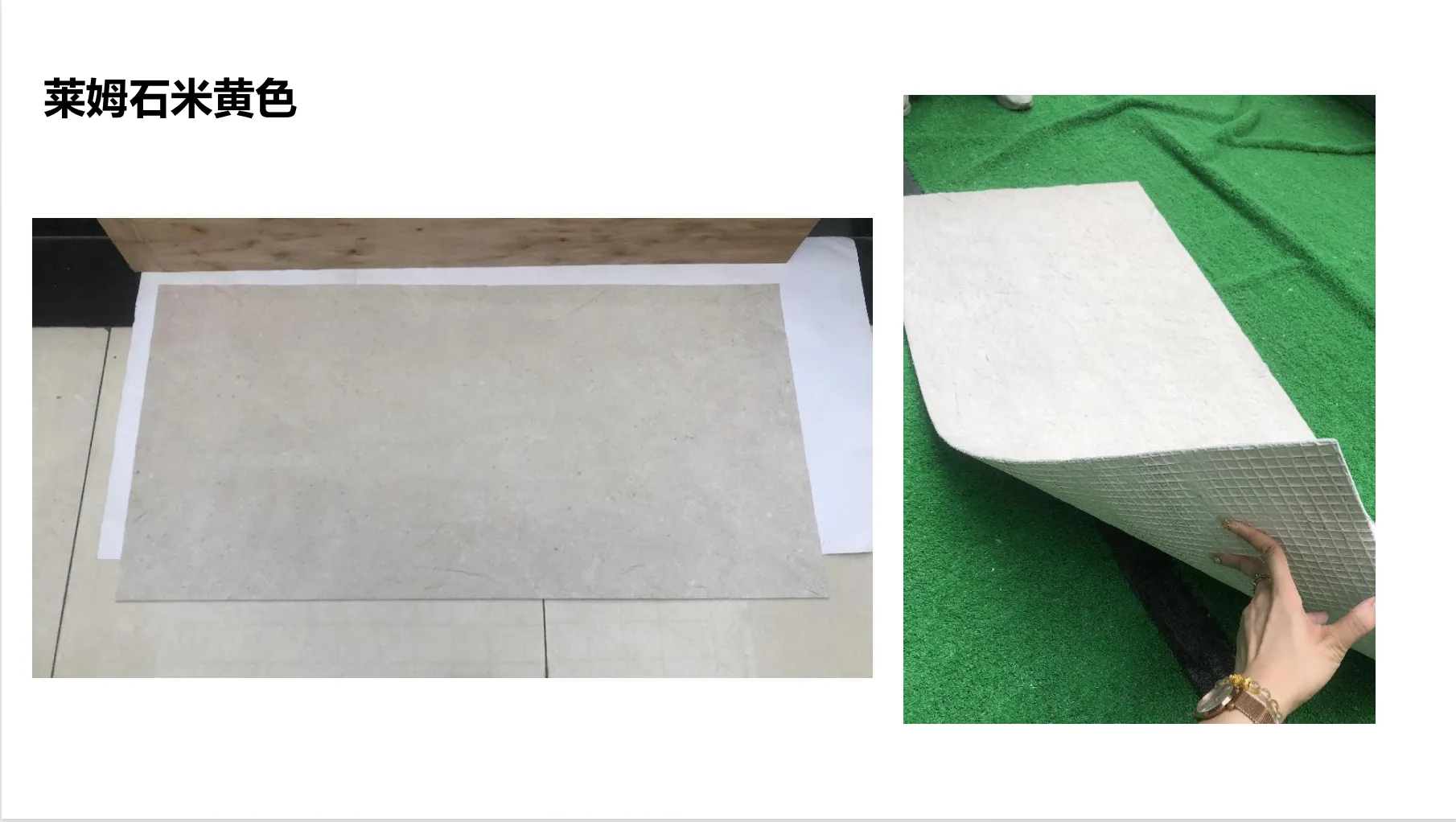
Walk through the cobblestone streets of a medieval Italian village, and you'll notice how the sun catches the rough edges of travertine, turning centuries of history into a warm glow. Step into a sleek Tokyo gallery, and the cool, smooth surface of fair-faced concrete feels like a quiet nod to modernity. Architecture isn't just about walls and roofs—it's a language, and the materials we choose are its most vivid words. For COLORIA GROUP, that language is spoken fluently across continents, with projects in Asia, Europe, and the Middle East that tell stories of culture, climate, and creativity. Today, we're diving into three standout projects, each a testament to how materials like lime stone, travertine, and mcm flexible stone don't just build structures—they build legacies. And yes, we'll be sharing glimpses of the real magic: lime stone real photos, starry travertine close-ups, and the kind of texture that makes you want to reach out and touch the screen.
Nestled between Kyoto's ancient temples and bustling modern districts, the Kyoto Cultural Tapestry Center was designed to bridge two worlds: the serenity of Japan's Edo period and the dynamism of 21st-century art. The challenge? How to honor tradition without feeling stuck in the past. Enter COLORIA GROUP, tasked with selecting materials that would whisper "heritage" while shouting "progress."
"We wanted visitors to feel like they were walking through a living museum," says Aiko Tanaka, the lead architect on the project. "The building needed to breathe history, but also adapt to the needs of contemporary exhibitions." The solution lay in a careful blend of old and new—and COLORIA's materials were the perfect partners.
Start with the exterior: a sweeping, curved facade that mimics the flow of a traditional Japanese scroll. For this, Tanaka turned to mcm flexible stone —a material that's as durable as it is malleable. "Traditional stone is rigid, but we needed something that could follow the building's organic curves," she explains. "COLORIA's mcm flexible stone was a game-changer. It's lightweight, weather-resistant, and when installed, it looks so natural you'd swear it was quarried that way." The stone's earthy beige tone mirrors the nearby temples' wooden structures, creating a visual dialogue between past and present.
Step inside, and the first thing you notice is the lobby's floor: a mosaic of historical pathfinders stone that tells the story of Kyoto's evolution. "Each tile is a fragment of 'history,'" Tanaka says with a smile. "The stone has this beautiful, weathered texture—like it's been passed down through generations. We used it to create a timeline of the city's cultural milestones, from tea ceremonies to anime." The effect is immersive: visitors literally walk through history as they move toward the exhibition halls.
Upstairs, the gallery spaces lean into minimalism, with walls clad in fair-faced concrete . "Concrete can feel cold, but COLORIA's version has this subtle warmth to it," Tanaka notes. "The surface isn't perfectly smooth—it has tiny pores that catch the light, softening the space. It's the ideal backdrop for art; it doesn't compete, it elevates." Paired with the warm tones of the historical pathfinders stone below, the concrete creates a balance of calm and energy that keeps visitors engaged for hours.
Today, the Kyoto Cultural Tapestry Center is more than a building—it's a conversation. "People touch the mcm flexible stone and ask, 'Is this real?'" Tanaka laughs. "That's the beauty of COLORIA's materials: they feel authentic, even when they're pushing boundaries. They don't just look good—they mean something."
On the sun-drenched coast of Barcelona, where the Mediterranean breeze carries the scent of salt and jasmine, sits the Casa Mar Hotel —a boutique property that feels less like a hotel and more like a friend's coastal villa. Designed by Spanish architect Carlos Mendez, its mission was simple: "Bring the outside in, and keep the inside feeling like a hug." For that, Mendez needed materials that could capture the warmth of the Mediterranean while standing up to its unpredictable weather—and COLORIA delivered.
"Barcelona's climate is a mix of sun, rain, and sea spray," Mendez explains. "We needed materials that could handle all three without losing their charm. And they had to feel lived-in —not sterile. That's where COLORIA's travertine and lime stone came in."
Let's start with the hotel's crown jewel: the rooftop terrace, where guests sip sangria as the sun dips below the horizon. The flooring here? Travertine (starry green) —a choice Mendez calls "love at first sight." "I saw a sample of the starry green travertine and immediately thought of the pine forests that line the Costa Brava," he says. "The green has this depth to it—like sunlight filtering through leaves—and the 'starry' texture? Those tiny, glittering flecks catch the light at sunset, making the whole terrace shimmer, like the sea on a windy day." But it's not just about looks: travertine is naturally porous, which helps it stay cool underfoot even on the hottest Spanish afternoons. "Guests walk barefoot up here all summer," Mendez notes. "No one wants to burn their feet on scorching stone, and this travertine stays comfortable all day long."
Inside the guest rooms, the vibe shifts to cozy luxury, with walls and floors wrapped in travertine (beige) . "Beige can feel boring, but this isn't your average beige," Mendez insists. "COLORIA's travertine has these subtle undertones—hints of gold and terracotta—that warm up the space. It's like bringing a piece of the Catalan countryside indoors." The stone's matte finish softens the morning light, making even the smallest rooms feel airy, while its durability means it stands up to suitcases, spilled coffee, and the comings and goings of travelers from around the world.
Downstairs, the hotel's restaurant, "Mar y Tierra" (Sea and Land), leans into industrial chic with fair-faced concrete tabletops and bar fronts. "Concrete and travertine might seem like an odd pair, but they balance each other," Mendez says. "The concrete adds an edgy, modern touch, while the travertine keeps things grounded. It's like the menu—fresh seafood (modern) and traditional paella (heritage). They just work."
For Mendez, the success of Casa Mar lies in how the materials make people feel. "A guest told me once that the travertine (starry green) terrace feels like 'sitting inside a postcard,'" he recalls. "That's the goal. COLORIA's materials don't just build hotels—they build memories."
Dubai is a city of superlatives: the tallest building, the biggest mall, the most opulent hotels. But the EcoSphere Tower is rewriting the script. This 30-story office complex isn't about excess—it's about sustainability . "In Dubai, where summer temperatures hit 50°C (122°F), cooling a building is expensive and energy-intensive," says Layla Al-Mansoori, the project's lead engineer. "Our goal was to create a space that's not just green on paper, but green in practice. And that starts with the materials."
Al-Mansoori and her team turned to COLORIA GROUP early in the design process. "We needed materials that could handle Dubai's harsh climate—extreme heat, sandstorms, humidity—while cutting down on energy use," she explains. "COLORIA didn't just provide products; they provided solutions."
The star of the show? The building's facade, clad in lime stone(beige) . "Lime stone is a classic, but COLORIA's version is engineered for efficiency," Al-Mansoori says. "Its light color reflects 70% of the sun's rays, which means the building absorbs less heat. That alone has cut our AC costs by 25%." But it's not just functional—it's stunning. "The beige hue blends with Dubai's desert landscape, so the tower doesn't feel like an eyesore; it feels like part of the environment," she adds. "And the texture? It has this subtle, sandy grain that catches the light at dawn and dusk, turning the building into a golden beacon."
To complement the lime stone, the team chose foamed aluminium alloy board (vintage silver) for the balconies and accent panels. "Aluminium is lightweight, which reduces the building's structural load, but traditional aluminium can overheat," Al-Mansoori notes. "COLORIA's foamed version has tiny air pockets that act as insulation, keeping the metal cool to the touch. And the vintage silver finish? It adds a touch of elegance without being flashy. It pairs beautifully with the lime stone—modern meets timeless."
Inside, the lobby makes a bold statement with travertine (starry green) accent walls. "We wanted a pop of color to break up the neutrality, but it had to make sense," Al-Mansoori says. "Starry green reminds us of the desert oases—those rare, precious spots of life in the sand. It's a subtle nod to sustainability: even in harsh environments, beauty and resilience coexist." The stone's unique texture—speckled with tiny, iridescent flecks—draws the eye, turning the lobby into a space where employees and visitors pause to appreciate the details.
Today, the EcoSphere Tower is a LEED Platinum-certified building, and Al-Mansoori credits COLORIA's materials for much of that success. "Sustainability isn't just about solar panels or recycling bins," she says. "It's about every choice, from the foundation to the facade. Lime stone(beige) and foamed aluminium didn't just help us meet our goals—they exceeded them."
What do a cultural center in Kyoto, a boutique hotel in Barcelona, and an eco-friendly tower in Dubai have in common? They all rely on COLORIA GROUP's materials to tell their stories. Whether it's the warmth of travertine, the efficiency of lime stone, or the innovation of mcm flexible stone, each project proves that the right material can turn a building into a legacy.
| Region | Project Name | Materials in the Spotlight | Why It Worked |
|---|---|---|---|
| Asia | Kyoto Cultural Tapestry Center | Historical Pathfinders Stone, MCM Flexible Stone, Fair-Faced Concrete | Blended tradition and modernity; flexible stone enabled organic curves, while concrete added minimalist elegance. |
| Europe | Casa Mar Hotel (Barcelona) | Travertine (Starry Green), Travertine (Beige), Fair-Faced Concrete | Mediterranean warmth meets durability; starry green travertine shined in coastal weather, beige travertine added cozy luxury. |
| Middle East | EcoSphere Tower (Dubai) | Lime Stone(Beige), Foamed Aluminium Alloy Board (Vintage Silver), Travertine (Starry Green) | Sustainable cooling; lime stone reflected heat, aluminium reduced structural load, and starry green added desert-inspired charm. |
At the end of the day, architecture is about connection—between people, places, and the stories we leave behind. COLORIA GROUP doesn't just supply materials; they supply the tools to build those connections. So the next time you walk into a building that feels like it "gets" you, take a closer look. Chances are, you're touching a piece of COLORIA's global legacy—one lime stone tile, one travertine slab, one mcm flexible stone curve at a time.
And if you're craving more? Dive into COLORIA's collection of lime stone real photos , travertine (starry green) close-ups , and project galleries. Because sometimes, the most beautiful stories are told not in words—but in stone.
Recommend Products












