
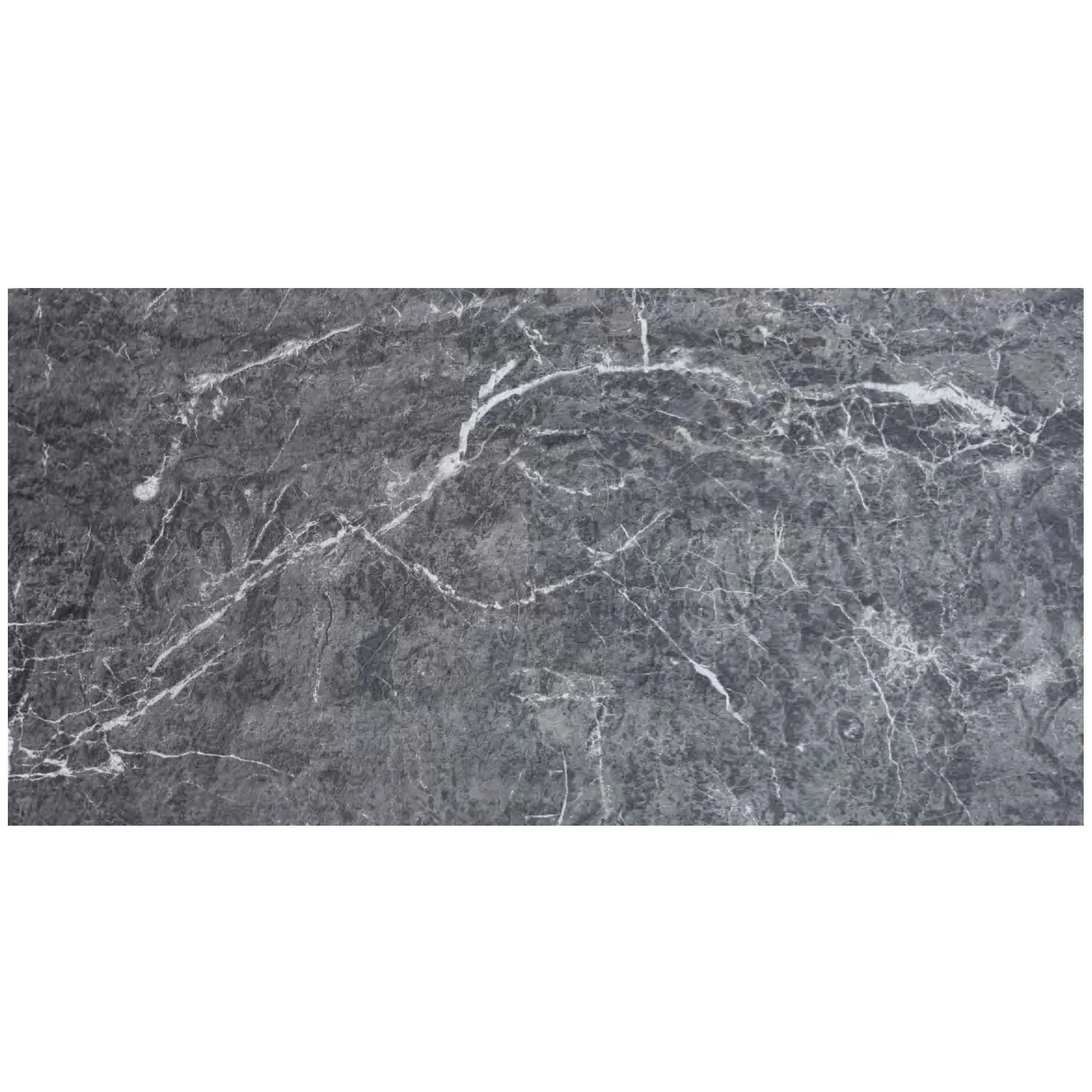
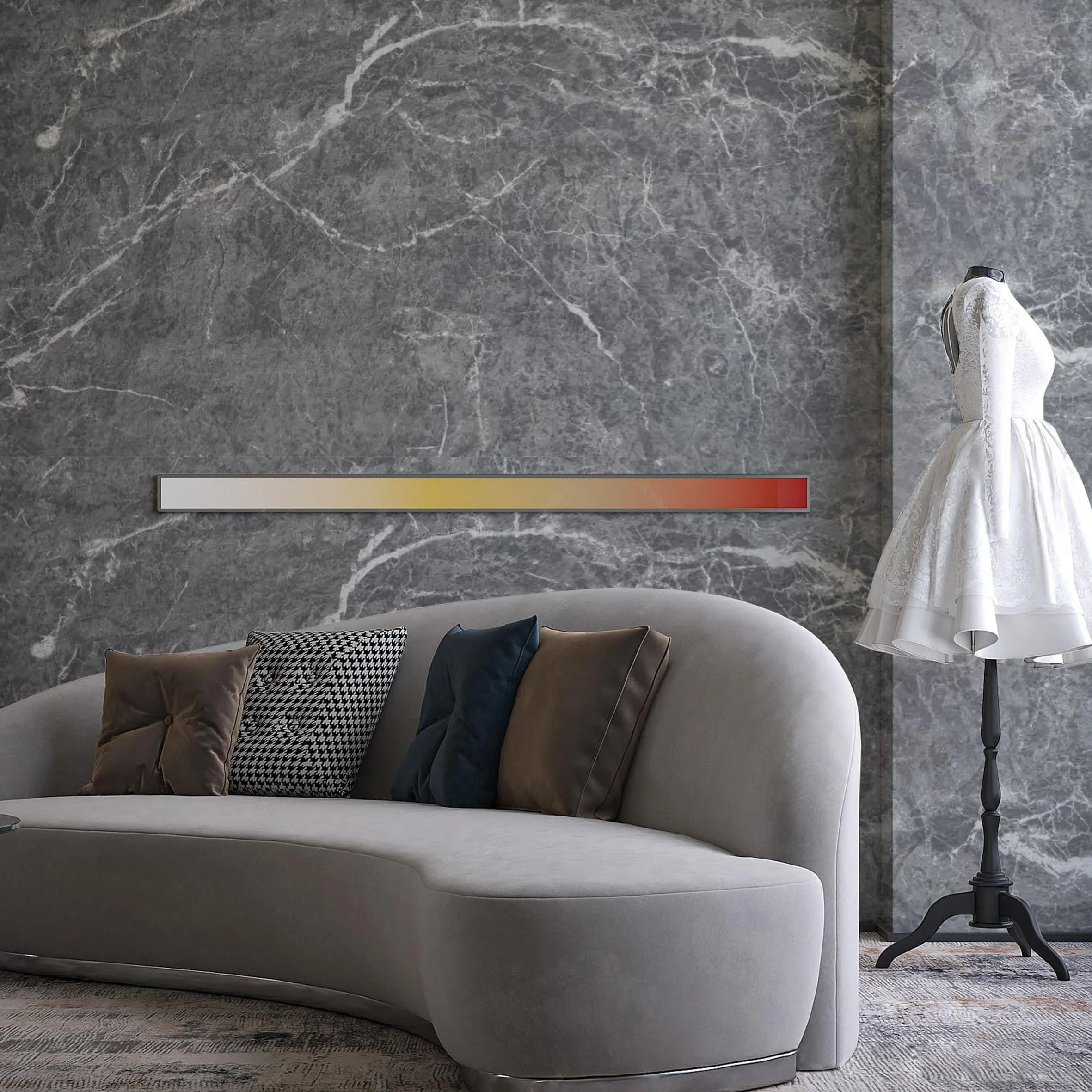
The sun dips low over Riyadh, casting a golden hue across the city's skyline. Among the rising towers and bustling streets, a new landmark emerges: Al-Murjan Commercial Hub, a 50,000-square-meter complex where modern architecture meets timeless durability. What catches the eye first is its facade—sleek, bold, and impossibly uniform, as if carved from a single block of stone. But step closer, and you'll notice something remarkable: the deep, rich texture of Granite Nero Margiua, a material that seems to absorb the desert light and reflect it back with a quiet intensity. This is the work of COLORIA GROUP, and their MCM (Modified Composite Material) series has quietly redefined what's possible in Saudi Arabian construction.
When the developers of Al-Murjan first approached COLORIA, they had a clear vision: a building that would stand as a symbol of progress while withstanding Riyadh's unforgiving climate. Summers here see temperatures soar above 45°C, with sandstorms that test the limits of even the sturdiest materials. "We needed more than just a pretty facade," says Lina Al-Hassan, the project's lead architect. "We needed a material that could laugh off the heat, resist the grit of sandstorms, and still look as striking in 20 years as it did on day one."
For months, the team debated options. Natural granite was beautiful but heavy, requiring reinforced structural support that would drive up costs. Traditional cladding materials often faded or cracked under extreme heat. Then, they discovered COLORIA's MCM series—specifically, the Granite Nero Margiua variant. "It was like finding a missing piece of the puzzle," Al-Hassan recalls. "Here was a material that matched the depth and elegance of natural stone but came with a flexibility and durability we'd never seen before."
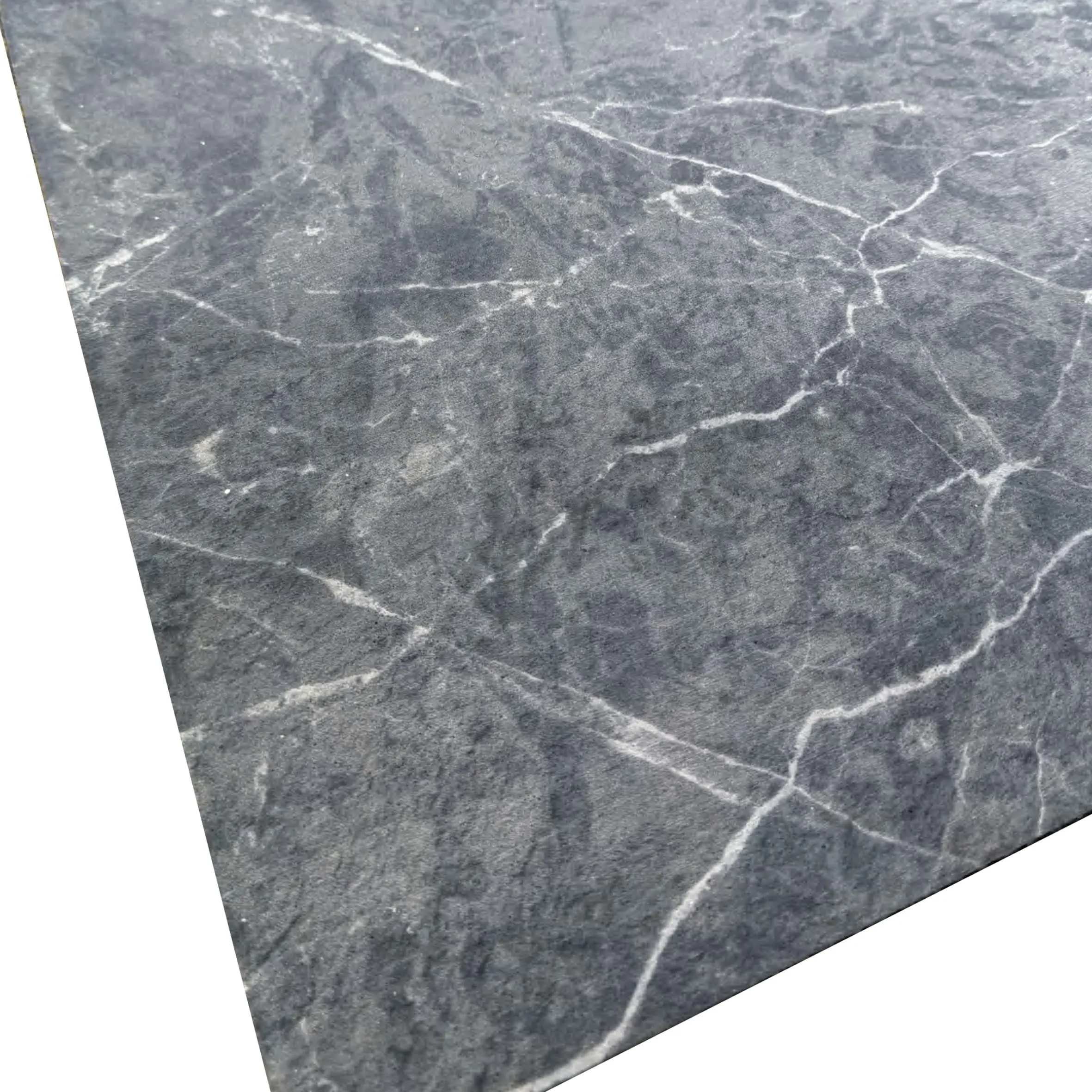
At the heart of COLORIA's solution is MCM, a blend of natural minerals and advanced polymers that marries the best of nature and technology. Unlike traditional stone slabs, which are quarried, cut, and transported as heavy blocks, MCM is engineered to be lightweight, thin, and surprisingly strong. "Think of it as stone with a backbone of innovation," explains Karim Badr, COLORIA's regional sales director for the Middle East. "Our Granite Nero Margiua, for example, starts with a base of natural stone particles, bound together with a polymer matrix that makes it 70% lighter than natural granite. That might not sound like much, but when you're cladding a 15-story building, that weight reduction transforms everything."
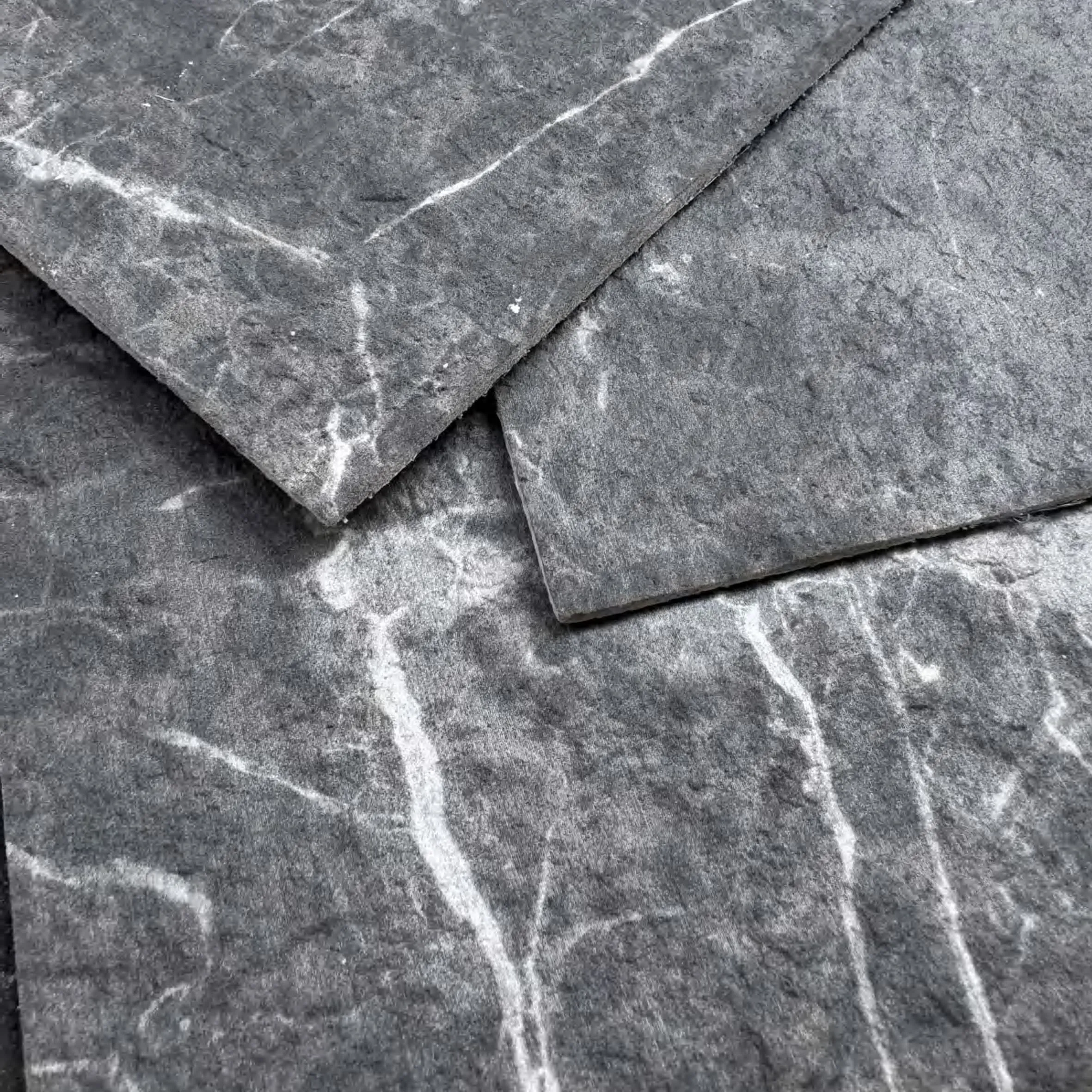
But MCM's magic isn't just in its weight. It's in its flexibility. COLORIA's MCM flexible stone can bend slightly without cracking, making it ideal for curved surfaces or intricate designs—something traditional stone simply can't do. For Al-Murjan, this meant the architects could incorporate subtle arcs into the facade, softening the building's angular modernity with organic lines. "We wanted to echo the rolling dunes of the Saudi desert in the building's silhouette," Al-Hassan notes. "With rigid materials, that would have been impossible. MCM flexible stone let us turn that vision into reality."
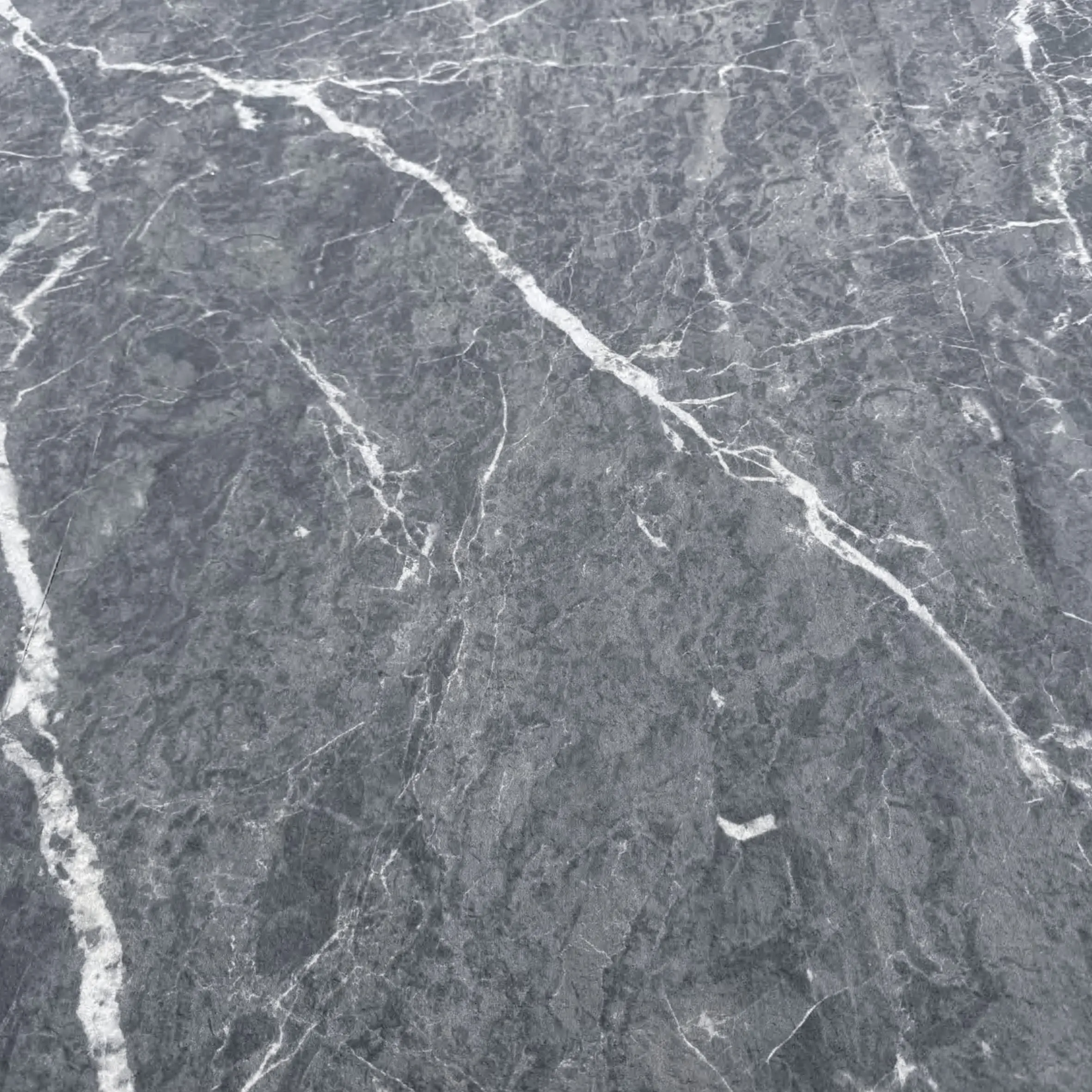
If Granite Nero Margiua is the star of Al-Murjan's facade, then COLORIA's MCM big slab board series is its supporting cast—quietly ensuring the show runs flawlessly. These massive panels, some reaching 3 meters in length and 1.5 meters in width, were key to achieving the building's seamless look. "Traditional cladding uses small tiles or slabs, which create unsightly grout lines that trap dirt and fade over time," Badr explains. "With MCM big slab boards, we could cover large sections of the facade with minimal joints. The result? A surface that looks like it was hewn from a single block, but without the structural stress of natural stone."
Installing these slabs was a feat in itself. In most construction projects, lifting heavy stone slabs requires cranes and specialized equipment, often leading to delays and safety risks. But MCM's lightweight nature changed the game. "Each big slab board weighs just 18kg per square meter—about the same as a bag of cement," says Ahmed Salem, the site foreman. "Our team could carry them by hand to upper floors, cutting installation time by nearly 40%. On a project this size, that's weeks saved."
The benefits didn't stop at installation. MCM's composition also makes it highly resistant to the elements. During testing, COLORIA's Granite Nero Margiua samples were exposed to 50°C heat, sandblasting, and UV radiation for 1,000 hours—mimicking a decade of Riyadh's weather. The result? No fading, no cracking, no loss of texture. "We even had skeptics on the team," Salem admits. "They thought the color would bleed or the surface would chalk. But a year after completion, that facade still looks brand new. It's like it's made of armor."
In a region increasingly focused on sustainability, Al-Murjan's developers were adamant about reducing the project's environmental footprint. Here, COLORIA's MCM series shined again. "Natural stone mining is resource-intensive, often leaving behind scars on the landscape," Badr explains. "Our MCM production uses 30% recycled materials, and because the panels are lightweight, transportation emissions are cut by half compared to traditional stone. Plus, MCM is fully recyclable at the end of its life cycle."
The choice to use MCM also aligned with Saudi Arabia's Vision 2030, which emphasizes sustainable development. "We wanted to prove that luxury and sustainability aren't mutually exclusive," says Al-Hassan. "By choosing COLORIA's green building materials, we reduced the project's carbon footprint by an estimated 25% compared to using natural stone. That's not just good for the planet—it's good for our reputation as a forward-thinking developer."
| Project Name | Al-Murjan Commercial Hub |
|---|---|
| Location | Riyadh, Saudi Arabia |
| Total Area | 50,000 sqm (15-story complex with retail, offices, and a rooftop garden) |
| Key Materials Used | Granite Nero Margiua MCM, MCM flexible stone, MCM big slab board series, fair-faced concrete |
| Installation Time | 6 months (40% faster than traditional stone cladding) |
| Sustainability Features | 30% recycled content in MCM panels, 50% reduction in transportation emissions, LEED Gold certification pending |
| Client Feedback | "Exceeded expectations—facade maintenance costs are 60% lower than projected." – Al-Murjan Development Team |
Walk through Al-Murjan today, and the impact of COLORIA's materials extends beyond the exterior. Inside the lobby, fair-faced concrete walls (chosen for their raw, industrial elegance) complement the Granite Nero Margiua, creating a palette of deep grays and warm neutrals that feels both modern and grounded. Upstairs, in the office spaces, MCM flexible stone was used to craft custom acoustic panels, their textured surface softening sound while adding visual interest. "We didn't just use MCM for the facade," Al-Hassan says. "We integrated it into the building's DNA. It's in the elevator lobbies, the conference rooms, even the outdoor terraces. It's a material that adapts to every space."
For visitors, the effect is subtle but powerful. "There's a tactile quality to it," says Sarah Mohammed, a regular at Al-Murjan's cafes. "When you run your hand along the walls, it feels like real stone, but smoother, more alive. And in the afternoon light, that Granite Nero Margiua almost glows. It's not just a building—it's a work of art."
Al-Murjan is just the beginning. COLORIA's MCM series is already being specified in projects across Saudi Arabia, from luxury hotels in Jeddah to residential complexes in Dammam. "The demand is growing because developers are waking up to the possibilities," Badr says. "Why use heavy, expensive, resource-heavy materials when you can have something that's lighter, stronger, more sustainable, and just as beautiful? MCM isn't replacing natural stone—it's reimagining it."
As the sun sets on Riyadh, Al-Murjan's facade shifts from gold to deep gray, the Granite Nero Margiua now a canvas for the city's lights. It's a reminder that great architecture isn't just about form—it's about function, sustainability, and the quiet confidence of materials that stand the test of time. For COLORIA GROUP, and for Saudi Arabia's builders, the future is clear: it's flexible, it's durable, and it's here to stay.
In the end, Al-Murjan isn't just a building. It's proof that with innovation, even the harshest environments can become stages for beauty. And at the heart of that beauty? COLORIA's MCM series—where Granite Nero Margiua, flexible stone, and big slab boards come together to write a new chapter in Saudi Arabian construction.
Recommend Products












