
Walk down any city street today, and you'll notice a quiet revolution unfolding. Skyscrapers climb higher, public spaces grow greener, and buildings just serve a purpose—they tell a story. But behind these stories lies a critical question: How do we build cities that look good and do good? Sustainability isn't just a buzzword here; it's the backbone of urban survival. From reducing carbon footprints to minimizing waste, every choice matters—and few choices matter more than the materials we use to clothe our cities.
Enter COLORIA GROUP, a name that's quickly becoming synonymous with innovation in building materials. Their secret? Modified Composite Material, or MCM—a technology that's redefining what sustainable construction can look like. And at the heart of their lineup is a material that's turning heads in architecture circles: Granite Nero Margiua. But this isn't just another building panel. It's a bridge between timeless elegance and forward-thinking sustainability, and it's quietly reshaping how we build for the future.
Let's start with the basics: What is MCM, anyway? Modified Composite Material is exactly what it sounds like—a blend of natural minerals, recycled polymers, and advanced binders, engineered to be lighter, stronger, and more eco-friendly than traditional building materials. Think of it as the Swiss Army knife of construction: flexible enough to mimic the texture of stone, wood, or metal, yet durable enough to withstand decades of wear and tear.
But MCM's real superpower? Sustainability. Traditional building materials like natural granite or concrete are resource-heavy—quarrying stone disrupts ecosystems, and cement production is a major carbon emitter. MCM flips the script. By using recycled content (up to 30% in some COLORIA formulations) and requiring less energy to produce, these panels cut down on both resource use and carbon footprints. And because they're lightweight, transporting and installing them uses less fuel and labor, too. It's a win-win for builders, cities, and the planet.
At COLORIA GROUP, MCM isn't just a product—it's a philosophy. "We believe sustainability shouldn't mean sacrificing beauty," says Elena Marquez, the company's lead materials engineer. "Cities need to inspire, not just function. Our job is to give architects the tools to create spaces that make people stop and say, 'Wow'—without costing the Earth." That philosophy shines brightest in their flagship line: the MCM project board series, which includes everything from rugged stone textures to sleek metallic finishes. And among these, Granite Nero Margiua stands out as a true showstopper.
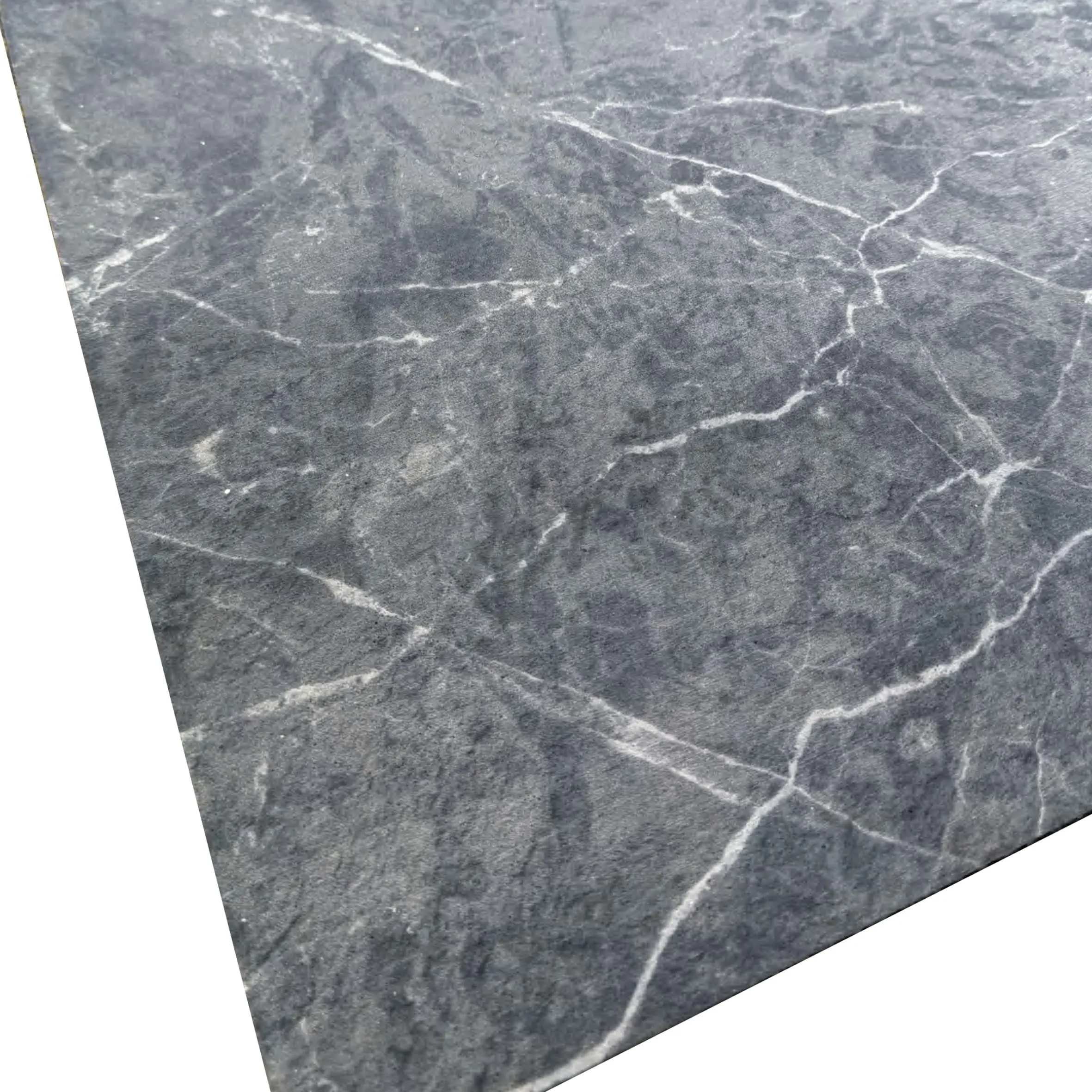
Picture this: A modern office building, its facade glinting in the afternoon sun. From a distance, you'd swear it's clad in polished black granite—the kind that feels timeless, sophisticated, and a little bit dramatic. But step closer, and you notice something different. The surface has a subtle flexibility, almost like a fine fabric stretched over the structure. Run a hand over it (go on, no one's watching), and it's cool to the touch, with a texture that's smooth yet not slippery, thanks to tiny, intentional variations in the finish. That's Granite Nero Margiua.
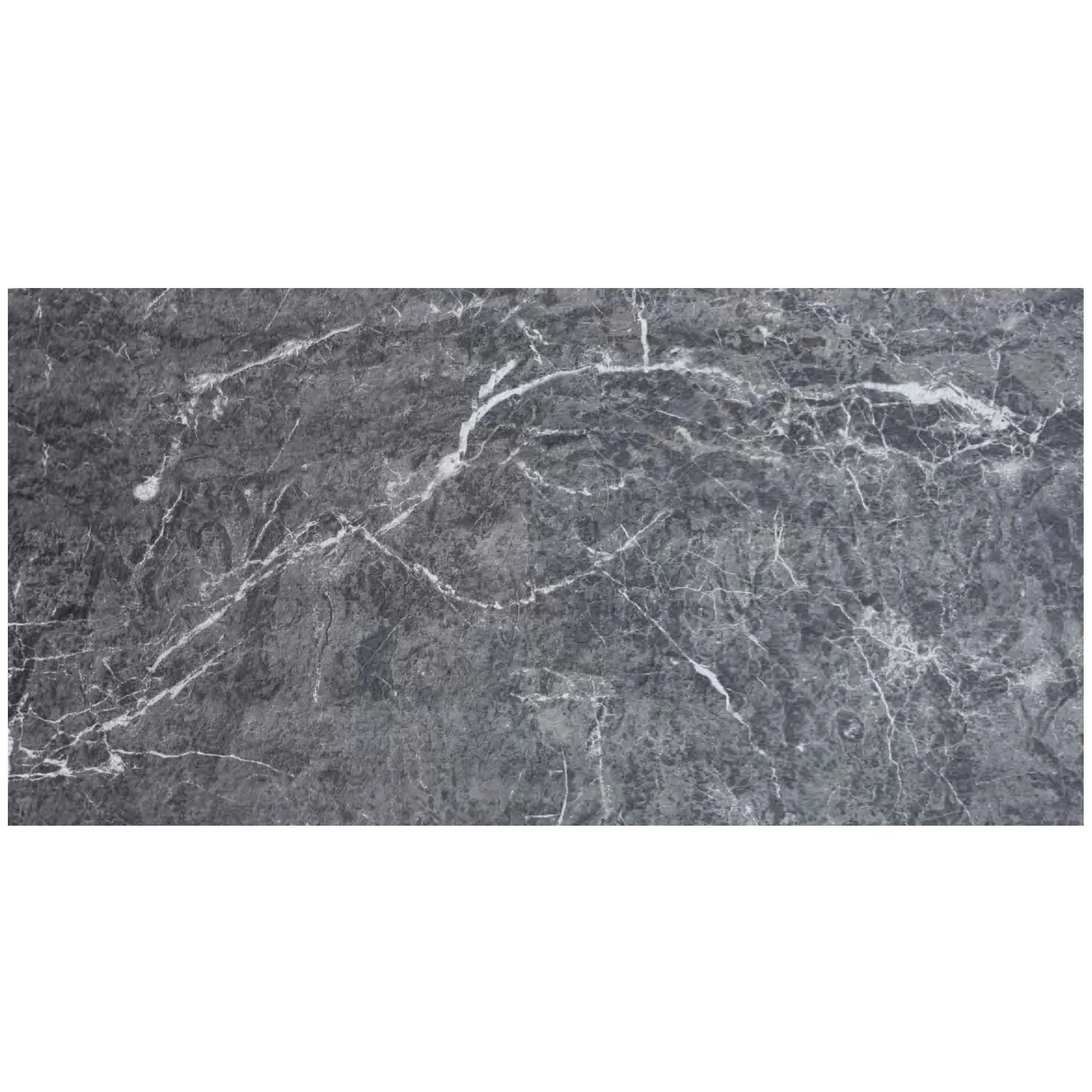
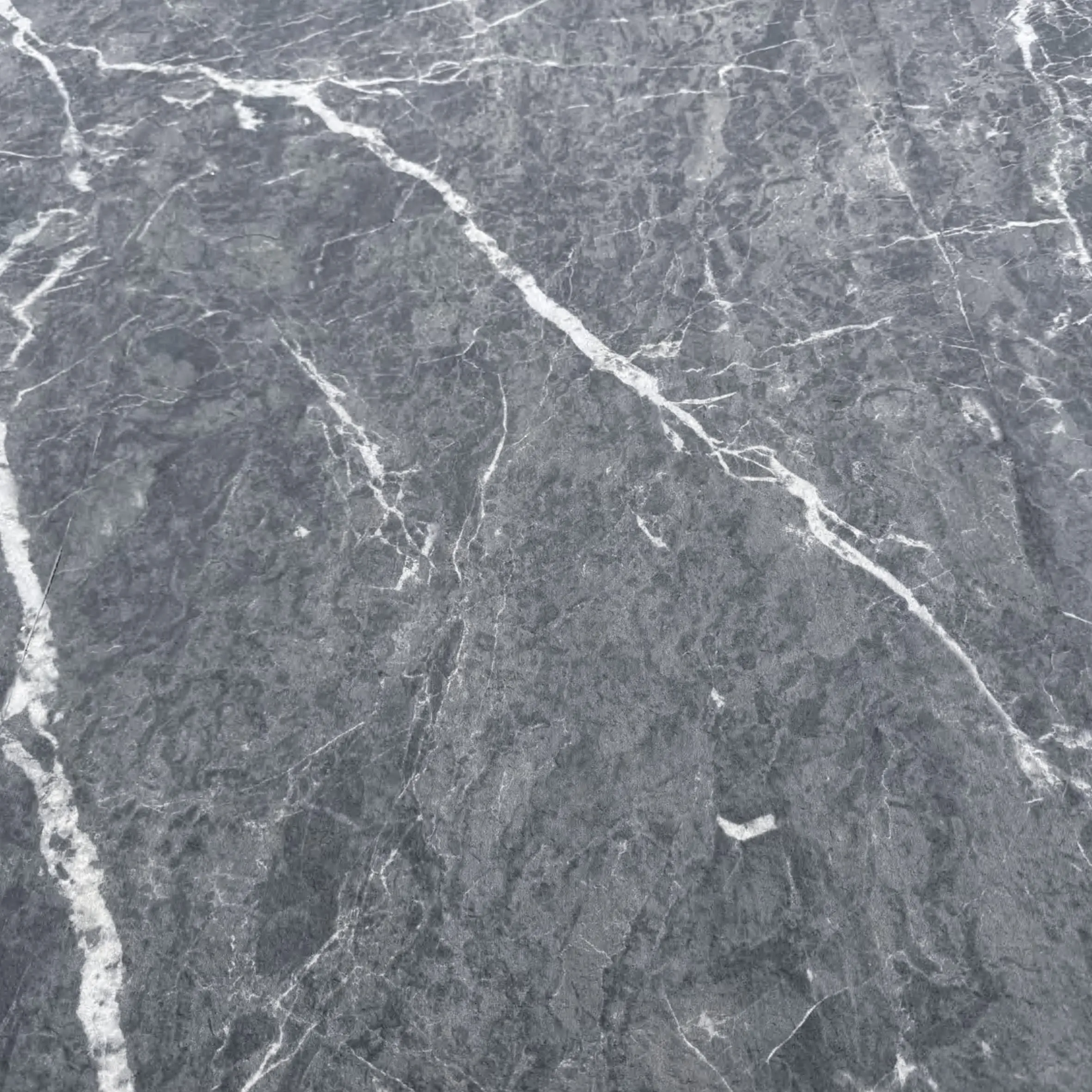
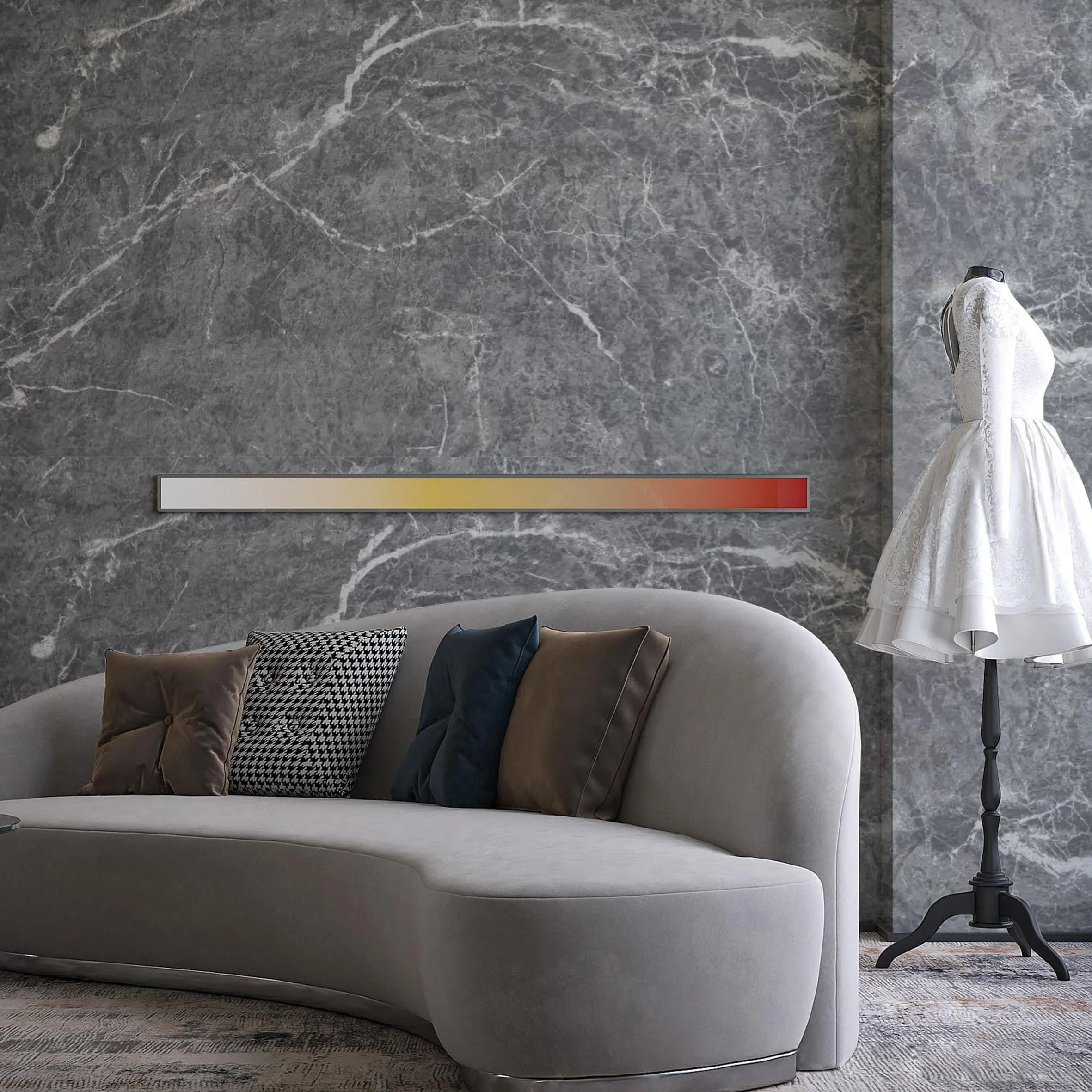
COLORIA's take on this classic material is a masterclass in balance. The base is MCM flexible stone—lightweight, crack-resistant, and easy to install—but the aesthetic is pure luxury. The panels are dyed a deep, velvety black, then infused with delicate silver veining that catches the light, mimicking the natural mineral deposits found in high-end Nero Margiua granite. It's bold without being overwhelming, modern without feeling cold. "We wanted to capture that 'wow' factor of natural stone, but make it accessible and sustainable," explains Marquez. "Granite Nero Margiua does exactly that— it's a material that makes a statement, but doesn't cost the planet."
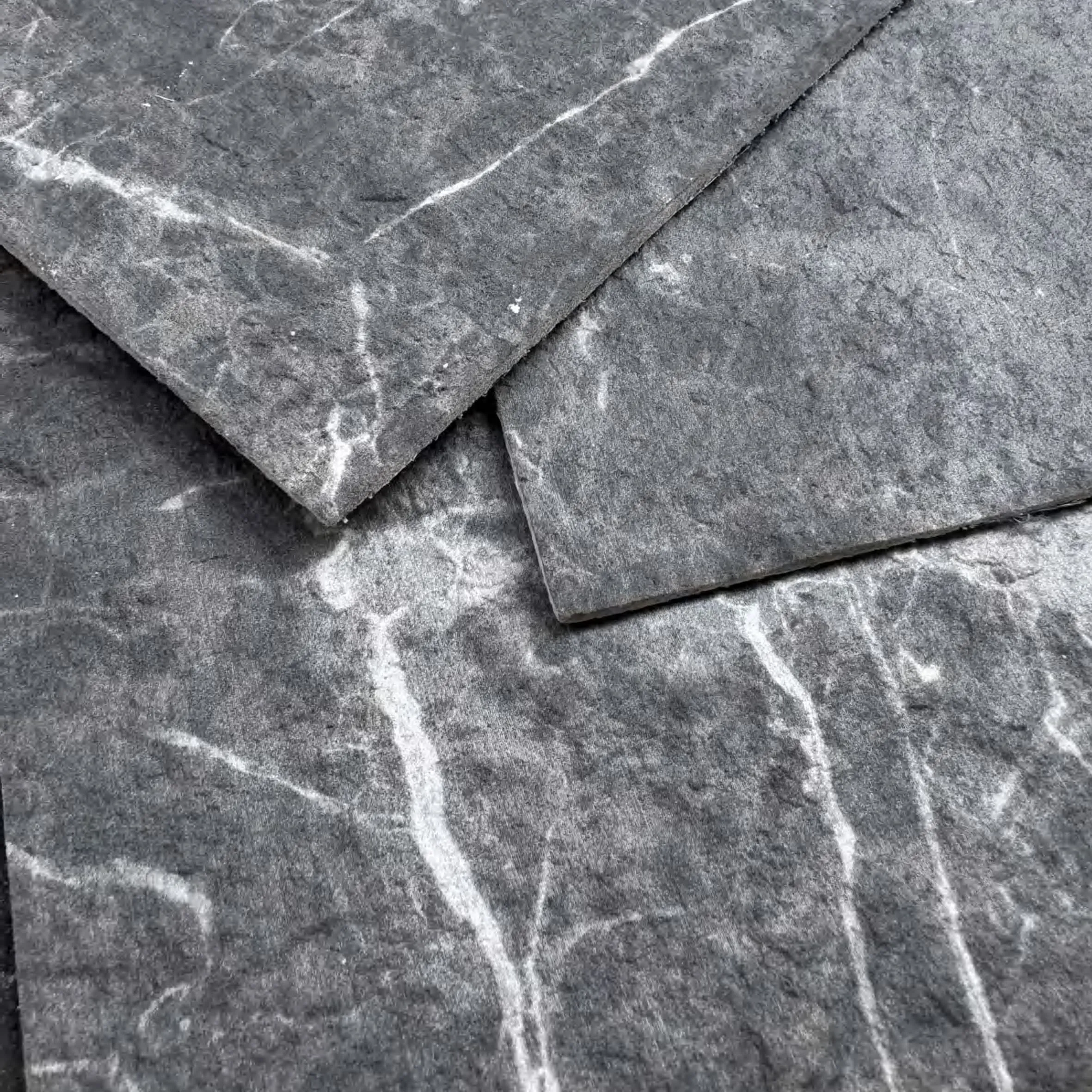
But the beauty is more than skin deep. Let's talk durability. Traditional granite is tough, but it's also heavy—so heavy that it requires reinforced structures to support it. Over time, it can chip or stain, especially in harsh climates. Granite Nero Margiua, by contrast, weighs about 70% less than natural granite, making it easier to install on existing buildings without extra structural work. Its composite core resists moisture, so no more worrying about water seeping in and causing mold or rot. And the color? It's infused all the way through the panel, not just painted on, so even if it gets scratched (which is rare), the damage is barely noticeable. "We tested these panels in our labs for years," Marquez says. "They've been through freeze-thaw cycles, acid rain simulations, even extreme UV exposure. They come out looking like new. That's the MCM difference."
| Feature | Granite Nero Margiua (MCM) | Natural Granite | Traditional Concrete |
|---|---|---|---|
| Weight (per sq.m) | 8-10 kg | 30-35 kg | 20-25 kg |
| Recycled Content | Up to 30% | 0% | 5-10% (varies) |
| Lifespan | 50+ years | 30-40 years (with maintenance) | 20-30 years (prone to cracking) |
| Carbon Footprint (per sq.m) | 12 kg CO2e | 45 kg CO2e (quarrying + transport) | 30 kg CO2e (production) |
Granite Nero Margiua is a star, but it doesn't shine alone. COLORIA GROUP's MCM lineup is a toolkit for architects and designers, with options that cater to every aesthetic and functional need. Let's take a closer look at a few standouts that pair beautifully with Granite Nero Margiua, creating spaces that are both sustainable and visually stunning.
At the core of all these innovations is MCM flexible stone—the technology that makes Granite Nero Margiua possible. What sets this apart is its flexibility (literally). These panels can be bent, curved, or cut into custom shapes without cracking, opening up endless design possibilities. Imagine a building facade that flows in gentle waves, or a feature wall with intricate geometric patterns—all made from sustainable materials. "Flexibility is key," says Marquez. "Cities are diverse, and their buildings should be too. MCM flexible stone lets designers push boundaries without compromising on sustainability."
For those who love the industrial-chic vibe of concrete but want something more refined, fair-faced concrete is a game-changer. Unlike traditional concrete, which often needs to be painted or covered, fair-faced concrete is left exposed, showcasing its natural texture and subtle color variations. COLORIA's version, made with MCM, is lighter and more durable than standard concrete, with a smoother finish that feels almost tactile. Pair it with Granite Nero Margiua, and you get a striking contrast—warm, earthy concrete against sleek, dark granite—that's perfect for modern offices or cultural spaces. "It's minimalism done right," Marquez notes. "No frills, just honest, beautiful material."
Sometimes, you need a little sparkle—and that's where foamed aluminium alloy board comes in. COLORIA's vintage silver variant has a soft, brushed finish that shimmers without being flashy, adding a touch of sophistication to any design. Made from recycled aluminium (another sustainability win), these panels are lightweight, corrosion-resistant, and 100% recyclable at the end of their life. Use them as accents on a Granite Nero Margiua facade, or as cladding for a feature wall, and suddenly you've got a space that feels both modern and timeless. "Metallic accents can elevate a design from 'nice' to 'unforgettable'," Marquez says. "And with our foamed aluminium, you get that luxury without the environmental cost."
Finally, for spaces that need a touch of warmth, there's wood grain board. Made with MCM, these panels mimic the look and feel of real wood—complete with knots, grains, and subtle color variations—but without the maintenance headaches. Real wood warps, rots, and fades; COLORIA's wood grain board stays looking fresh for decades, even in humid or rainy climates. It's perfect for residential buildings, cafes, or community centers where you want to create a cozy, inviting atmosphere. Pair it with Granite Nero Margiua, and you balance sleek modernity with organic warmth—a combination that feels instantly welcoming. "People crave connection to nature, even in cities," Marquez explains. "Wood grain board lets us bring that indoors, sustainably."
Talk is cheap—what really matters is how these materials perform in the real world. Let's dive into three case studies where COLORIA's innovations, including Granite Nero Margiua, have transformed spaces and set new standards for sustainable design.
Singapore's skyline is already a marvel of modern architecture, but the Azure Tower, completed in 2023, stands out for all the right reasons. This 42-story commercial building needed a facade that was both energy-efficient and visually striking—and COLORIA delivered. The design team chose Granite Nero Margiua for the main cladding, paired with foamed aluminium alloy board (vintage silver) for window accents and fair-faced concrete for the lower levels. The result? A building that shimmers in the sun, with the dark granite absorbing less heat than traditional materials, reducing the need for air conditioning. "We saw a 15% drop in energy use compared to similar buildings in the area," says project architect Liam Tan. "And the tenants love it—the lobby, with its Granite Nero Margiua walls and wood grain board ceilings, feels both grand and welcoming."
In Copenhagen, where sustainability is a way of life, GreenHaven Residences set out to create a community that was both eco-friendly and beautiful. The developers turned to COLORIA for the exterior cladding, mixing Granite Nero Margiua for the building exteriors with wood grain board for balconies and common areas. The MCM panels' lightweight nature meant the buildings could be constructed with smaller, more energy-efficient foundations, and their durability ensures the complex will need minimal maintenance for decades. "Our residents often comment on how the wood grain balconies feel like an extension of the city's parks," says project manager Anna Jensen. "And knowing that the materials are recycled and low-carbon? That gives everyone peace of mind."
Public spaces need to be durable, accessible, and inspiring—and Riverfront Plaza, a renovated waterfront area in Barcelona, checks all three boxes. The design team used Granite Nero Margiua for the main walkways (its slip-resistant finish is perfect for busy areas), paired with fair-faced concrete benches and foamed aluminium alloy railings. The result is a space that's both modern and timeless, where locals and tourists alike gather to relax and enjoy the views. "The Granite Nero Margiua holds up beautifully to foot traffic—no cracks, no stains, even after two years of heavy use," says urban designer Maria Garcia. "And at night, when the foamed aluminium railings catch the light, it's magical. It's proof that sustainable materials can make public spaces feel special."
At the end of the day, sustainable cities aren't just about solar panels or green roofs—they're about the choices we make in every brick, panel, and beam. COLORIA GROUP's MCM innovations, led by Granite Nero Margiua, are more than just building materials; they're tools for change. They prove that we don't have to choose between beauty and sustainability—that we can have buildings that inspire us, last for generations, and leave a lighter footprint on the planet.
So the next time you walk through a city, take a closer look at the buildings around you. Notice the textures, the colors, the way the light plays off the facades. Chances are, if it's striking, durable, and quietly sustainable, it might just be MCM. And if it's a deep, velvety black with silver veining? You're probably looking at Granite Nero Margiua—proof that the future of building is here, and it's beautiful.
As Elena Marquez puts it: "We're not just building panels—we're building cities that people are proud to call home. Cities that grow with us, not against us. That's the COLORIA vision. And with materials like Granite Nero Margiua, it's a vision we're one step closer to achieving."
Recommend Products












