
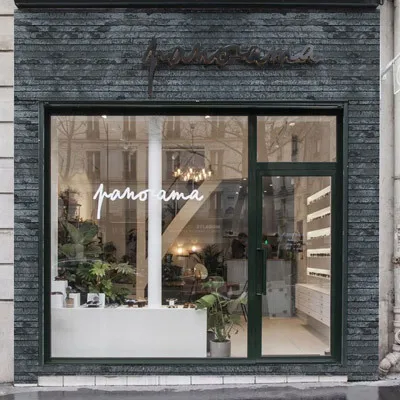
Walk into any modern architectural marvel, and you'll notice something subtle but profound: the materials that clothe its walls tell a story. They speak of durability, of aesthetic vision, and of the careful balance between tradition and innovation. For architects and builders, finding that perfect material—one that marries beauty with functionality—can feel like searching for a needle in a haystack. Enter COLORIA GROUP's Muretto Stone, a product born not just from technology, but from decades of listening, learning, and refining. This isn't just a cladding material; it's a testament to what happens when industry expertise meets a passion for transforming spaces.
Imagine a team of engineers and designers huddled around a prototype in a lab, debating the texture of a panel. "It needs to feel like stone, but move like a feather," one says. "It should age gracefully, not crack under pressure," another adds. That's the spirit that has driven COLORIA GROUP since its early days—a commitment to solving the real-world challenges architects face. Today, as we dive into the world of Muretto Stone, we're not just exploring a product; we're uncovering a legacy of innovation built on decades of industry know-how.
To understand Muretto Stone, you first need to understand the minds behind it. COLORIA GROUP didn't just wake up one day and decide to revolutionize building materials. Their journey began over three decades ago, when a small team of material scientists and architects grew frustrated with the status quo: natural stone was heavy and brittle; synthetic alternatives lacked character; and nothing seemed to offer the perfect blend of form and function. "We wanted to create something that didn't force architects to compromise," says Elena Marini, a senior product developer at COLORIA who's been with the company for 25 years. "If an architect dreams of a facade that's both striking and sustainable, why should they have to choose between beauty and practicality?"
That question became their north star. Over the years, COLORIA invested in research—testing hundreds of composite formulas, experimenting with textures, and collaborating with leading architects to understand their unmet needs. They weathered industry shifts, from the rise of minimalism to the push for eco-friendly construction, always adapting but never losing sight of their core mission: to make building materials that empower creativity. By the early 2000s, they'd cracked the code with their first flexible stone cladding panels, but they didn't stop there. Muretto Stone, launched a decade later, represented the pinnacle of that evolution—a material refined by decades of lessons learned.
"Expertise isn't just about time; it's about iteration," explains Marco Rossi, COLORIA's Chief Innovation Officer. "Every failed prototype, every client feedback session, every project that taught us what not to do—all of that went into Muretto Stone. It's not just a product; it's 30 years of problem-solving in a panel."
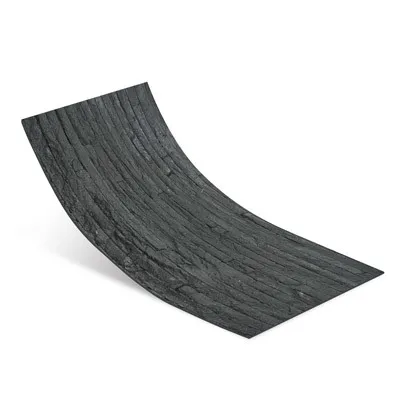
So, what makes Muretto Stone stand out in a crowded market? Let's start with the basics: it's a modified composite material panel, engineered to mimic the look and feel of natural stone while addressing its biggest flaws. Traditional stone cladding is heavy, often requiring reinforced structures to support its weight. Muretto Stone, by contrast, is lightweight—up to 70% lighter than natural stone—thanks to its advanced composite core. "That's a game-changer for high-rise buildings or retrofits," says James Wilson, an architect who used Muretto Stone on a 20-story residential tower in Barcelona. "We could achieve the rustic stone aesthetic the client wanted without overloading the building's structure. Installation was a breeze compared to traditional stone, too—we saved weeks on the timeline."
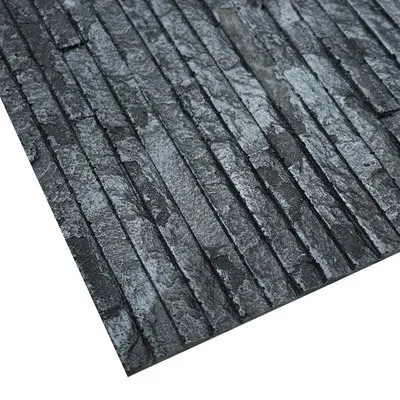
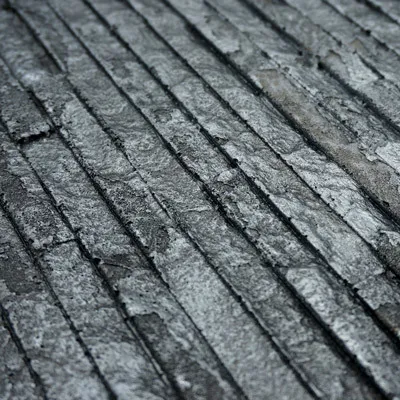
But Muretto Stone isn't just about practicality; it's about personality. Unlike one-size-fits-all synthetic panels, Muretto Stone comes in a range of variants, each with its own unique character. Take Muretto Stone (light grey) : with its soft, muted tone and subtle grain, it's like bringing a piece of overcast mountain mornings into urban spaces. It pairs beautifully with warm wood accents, making it a favorite for residential exteriors aiming for a cozy, modern vibe. Then there's Muretto Stone (dark grey) , bold and dramatic, with deeper shadows and a more textured surface that catches light in unexpected ways. Architects love it for commercial buildings—think boutique hotels or tech offices—where making a statement is key. And let's not forget Muretto Stone (beige) , the chameleon of the bunch. Its warm, earthy hue evokes sunlit terracotta and sandy beaches, making it ideal for cultural centers or resorts that want to blend in with their natural surroundings.
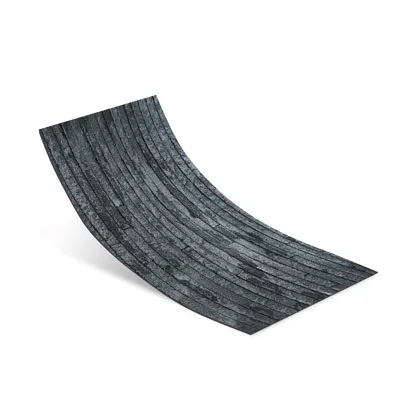
What truly sets Muretto Stone apart, though, is its flexibility—both literally and figuratively. As a flexible stone cladding panel, it can bend slightly to follow curved surfaces, opening up design possibilities that rigid natural stone can't touch. "I once designed a museum with a sweeping, organic facade," recalls Sofia Chen, a award-winning architect. "Natural stone would have required custom-cut pieces and a fortune in labor. Muretto Stone curved effortlessly, and the end result looked like the building was wrapped in a single, flowing stone tapestry. The client cried when they saw it—that's the power of a material that doesn't limit your vision."
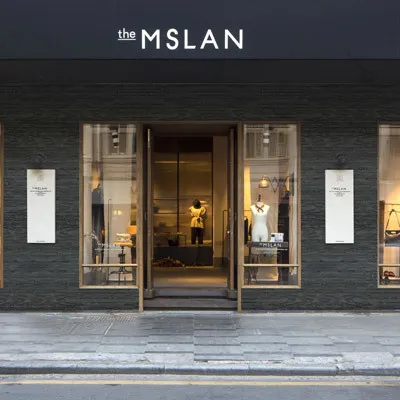
Muretto Stone may look like it was plucked from a quarry, but its creation is a symphony of science and artistry. It all starts with the raw materials: a blend of natural stone aggregates, high-performance polymers, and reinforcing fibers, chosen for their durability and sustainability. "We source our stone aggregates from ethical quarries, and our polymers are recycled where possible," says Luca Torres, COLORIA's sustainability director. "Sustainability isn't an afterthought for us—it's part of the expertise we've built over the years. We know that today's architects care as much about the planet as they do about aesthetics."
The magic happens in COLORIA's state-of-the-art manufacturing facility, where the composite mixture is poured into molds designed to replicate the texture of natural stone—from the rough-hewn look of a mountain boulder to the smooth elegance of polished travertine. Each mold is crafted by hand by master artisans, ensuring that no two panels are exactly alike. "That handcrafted touch is crucial," says Torres. "We could mass-produce identical panels, but where's the soul in that? Natural stone has imperfections—that's what makes it beautiful. Muretto Stone has that same character, but with the consistency architects need to ensure a cohesive design."
Once molded, the panels undergo a curing process that strengthens the composite without sacrificing flexibility. They're then tested rigorously: exposed to extreme temperatures, doused with water to check for water resistance, and even dropped from heights to simulate installation mishaps. "We put Muretto Stone through hell so that it performs like a champion in the real world," jokes Marini. "If a panel doesn't pass our 20-point quality check, it never leaves the factory. That's the promise of our expertise—we don't just sell materials; we sell peace of mind."
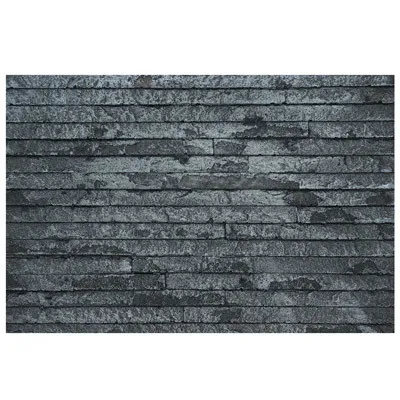
With three primary variants—light grey, dark grey, and beige—Muretto Stone offers a palette that can adapt to almost any design vision. To help architects and builders choose the right fit, we've broken down their key features:
| Variant | Color & Texture | Ideal Applications | Durability Highlights |
|---|---|---|---|
| Muretto Stone (light grey) | Soft, silvery-grey base with fine, irregular grain; matte finish with subtle sheen when hit by light. | Residential exteriors, modern townhouses, interior accent walls in living rooms or bedrooms. | Resistant to fading from UV rays; holds up well in rainy or humid climates. |
| Muretto Stone (dark grey) | Deep charcoal hue with bold, uneven texture; visible veining in lighter grey creates contrast. | Commercial facades (hotels, offices), restaurants, urban lofts, or statement walls in lobbies. | High impact resistance; easy to clean (fingerprints and dirt are less visible on dark surfaces). |
| Muretto Stone (beige) | Warm, sandy beige with hints of gold and terracotta; smooth yet tactile texture mimicking sun-bleached stone. | Resorts, cultural centers, coastal homes, or interior spaces aiming for a "earthy" aesthetic. | Thermal insulation properties help regulate building temperature; resistant to saltwater corrosion (great for coastal projects). |
"We designed each variant to solve specific design challenges," says Marini. "Light grey is for when you want to brighten a space without overwhelming it; dark grey is for drama; beige is for warmth. But here's the secret: they play well together, too. I've seen architects mix all three in a single project—light grey for the main facade, dark grey for accents, and beige for the entrance—and it looks stunning. That versatility is what makes Muretto Stone more than just a material; it's a design toolkit."
Talk is cheap; results speak volumes. Over the years, Muretto Stone has left its mark on some of the world's most inspiring projects. Take the Azure Coast Resort in Bali, for example. Designed by renowned architect David Lin, the resort wanted to blend in with its lush surroundings while still standing out as a luxury destination. Lin chose Muretto Stone (beige) for the exterior cladding, pairing it with local wood and greenery. "The beige tone mirrored the sand and the terracotta roofs of nearby villages, but the panel's flexibility let us create curved bungalows that felt like they were nestled into the landscape," Lin explains. "Guests often comment on how the resort 'feels' natural, like it's always been there. That's Muretto Stone doing its job—disappearing into the design while elevating it."
Then there's the Nexus Tech Hub in Berlin, a sleek, modern office building that needed to reflect the company's innovative spirit. Architect Maria Schmidt opted for Muretto Stone (dark grey) for the facade, combining it with floor-to-ceiling glass. "Dark grey is bold, but it's also timeless," Schmidt says. "The texture of the panels catches the light differently throughout the day—morning sun makes it glow; evening shadows add depth. Employees love working in a space that feels dynamic, not static. And from a practical standpoint, the lightweight panels meant we could add more glass without overloading the structure. It was a win-win."
Even cultural projects have embraced Muretto Stone. The Museo delle Arti in Florence, a historic building renovated to house contemporary art, used Muretto Stone (light grey) to restore its facade. "The original stone was crumbling, and replacing it with natural stone would have been cost-prohibitive and time-consuming," says restoration specialist Giovanni Ricci. "Muretto Stone matched the original color and texture perfectly, but it was lighter and easier to install. Now the museum looks like it did in 1890, but with a modern backbone that will protect it for another century. That's the beauty of COLORIA's expertise—they respect the past while building for the future."
At the end of the day, architects and builders have choices. So why do so many keep coming back to Muretto Stone? Let's break it down:
Cost-Effective: Natural stone requires expensive extraction, transportation, and custom cutting. Muretto Stone, being a modified composite, is more affordable to produce and install. "We saved 30% on materials alone for our last project," says Mike Thompson, a construction manager. "And since installation was faster, we saved on labor costs, too. It's not just a pretty panel—it's a smart business decision."
Low Maintenance: Natural stone needs regular sealing to prevent staining; Muretto Stone is inherently resistant to water, mold, and stains. "I have a client with a Muretto Stone facade on their beach house," says Chen. "Saltwater, sand, harsh sun—none of it phases it. They hose it down once a year, and it looks brand new. Try that with natural limestone."
Sustainable: COLORIA's commitment to eco-friendly materials and manufacturing means Muretto Stone has a lower carbon footprint than traditional stone. "Sustainability certifications are non-negotiable for my clients these days," says Wilson. "Muretto Stone checks all the boxes—recycled content, low VOC emissions, and it's fully recyclable at the end of its life. It's the responsible choice."
Endless Possibilities: With three core variants and custom color options, Muretto Stone adapts to any design vision. "I've used it for everything from a tiny mountain cabin to a sprawling shopping mall," says Marini. "No two projects are the same, and Muretto Stone never feels repetitive. That's the mark of a truly versatile material."
As COLORIA GROUP looks to the future, one thing is clear: Muretto Stone isn't just a product—it's a living testament to their decades of expertise. "We're already working on the next generation of Muretto Stone," says Rossi. "Imagine panels that can change color with temperature, or integrate solar cells without sacrificing aesthetics. The possibilities are endless, but they'll always be rooted in the same principle: solving problems for architects and builders."
For Elena Marini, who's watched Muretto Stone evolve from a prototype to a global phenomenon, the journey is personal. "I remember the first time we installed Muretto Stone on a real project—a small community center in our hometown. The locals came out to watch, and an old mason walked up to me and said, 'This feels like stone, but it's… better.' That's the moment I knew we'd done something special. Expertise isn't just about knowledge; it's about creating something that resonates with people—builders, architects, and the communities who live and work in these spaces."
In the end, Muretto Stone is more than a building material. It's a story—of a company that refused to compromise, of artisans who poured their skill into every panel, and of architects who dared to dream bigger. It's proof that when you combine decades of industry expertise with a passion for innovation, you don't just build materials—you build legacies.
So the next time you walk past a building that takes your breath away, take a closer look at its walls. Chances are, you might be looking at Muretto Stone—and behind it, the decades of expertise that made it possible.
Recommend Products












