
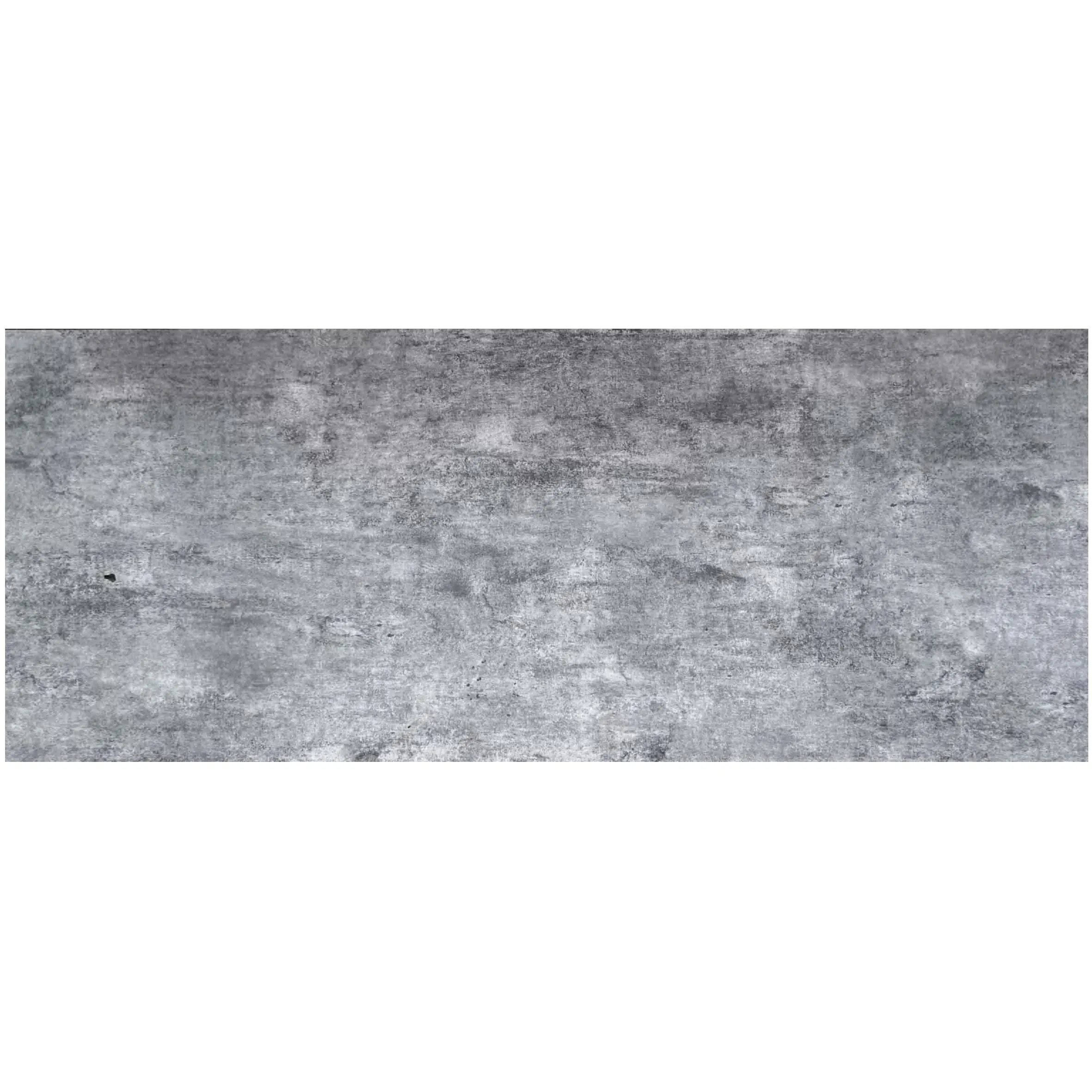
In the heart of Milan, a 19th-century textile factory sat abandoned for decades, its brick walls whispering tales of a bygone era. When local architects Studio Romano were tasked with converting it into a cultural center celebrating Italian design, they faced a delicate challenge: honor the building's industrial heritage while infusing it with a contemporary energy that would draw visitors of all ages. "We needed materials that could bridge the old and new," says lead architect Carla Bianchi. "Something that felt raw yet refined, sturdy yet soft."
The factory's original iron beams and exposed brick were non-negotiable—they were the soul of the space. But the interiors, once cluttered with machinery, needed to feel open and inviting. The team wanted floors that could withstand heavy foot traffic (think art exhibitions, workshops, and evening events) without losing their luster. They also craved a subtle warmth to counteract the industrial cool of the brick and metal.
Enter COLORIA's polish concrete in a custom "Pietra Vecchia" finish—a smooth, matte surface with tiny flecks of gray and cream that echo the factory's original stone foundations. "Polish concrete was a no-brainer for the main hall," Carla explains. "It's durable enough for 1,000+ visitors a day, and the way it reflects light softens the space. But we needed something to add depth." That's where travertine (vintage gold) came in. Used as accent walls in the gallery spaces, the stone's warm, honeyed tones and natural veining complemented the concrete's neutrality, creating a dialogue between the building's past and present.
| Location | Milan, Italy |
|---|---|
| Client | Milan Cultural Trust |
| Key Materials | Polish Concrete (Pietra Vecchia), Travertine (Vintage Gold) |
| Size | 8,500 sq. meters |
| Outcome | 30% increase in local tourism; awarded "Best Adaptive Reuse Project" by Italian Design Council (2024) |
During installation, the COLORIA team worked closely with Studio Romano to ensure the concrete's finish matched the architects' vision. "They let us test samples on-site, adjusting the aggregate mix until we got that perfect 'lived-in' look," Carla recalls. The result? A main hall where children run across the cool concrete floors during weekend workshops, and art lovers linger by the travertine walls, their textures inviting touch. "It's a space that feels alive," Carla says. "Like the factory is finally breathing again."
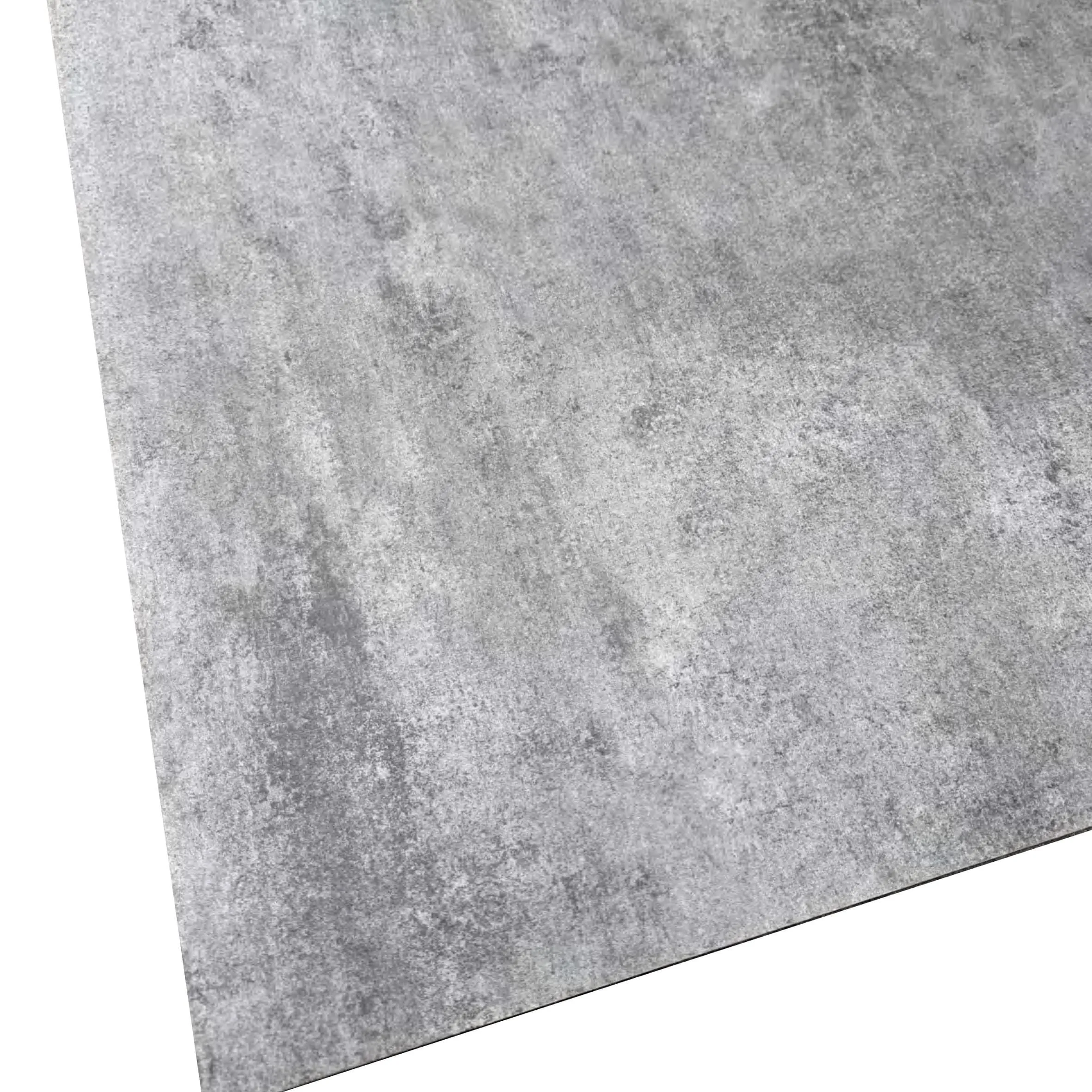
Tokyo's Shibuya district is a symphony of neon, crowds, and constant motion. But just a few blocks from the famous crossing, a new kind of space has emerged: Eco-Flex Hub, a co-working and retail complex designed to be a "green lung" in the concrete jungle. For Japanese design firm GreenSpaces, the goal was clear: create a building that's not just eco-friendly, but flexible —able to adapt as businesses grow, trends shift, and community needs evolve. "In Tokyo, space is precious," says project manager Kenji Tanaka. "We needed materials that could keep up with change."
The site was tight—a former parking lot barely 500 sq. meters. Every inch counted, so heavy materials were out of the question. The team also wanted to reduce the building's carbon footprint, avoiding resource-heavy options like natural stone or traditional concrete. And with plans to rotate retail pop-ups every 6 months, the interiors needed to be reconfigurable without major construction.
COLORIA's mcm flexible stone was a game-changer. Made from recycled stone powder and a lightweight polymer backing, the panels are just 4mm thick and weigh 6kg per sq. meter—easy to install, remove, and reuse. "We used mcm flexible stone in 'Grove Green' for the movable partition walls," Kenji explains. "Retailers can rearrange their spaces in a day, no sledgehammers required. And it looks like real stone!" For the floors and ceilings, the team opted for bamboo mat board , a sustainable alternative to hardwood. Sourced from FSC-certified forests, the boards add a warm, organic texture that contrasts beautifully with the stone's coolness. "Bamboo grows so quickly—we loved that we could have a natural material without depleting old-growth forests," Kenji adds.
| Location | Shibuya, Tokyo, Japan |
|---|---|
| Client | Eco-Flex Collective |
| Key Materials | MCM Flexible Stone (Grove Green), Bamboo Mat Board |
| Size | 500 sq. meters |
| Outcome | 92% tenant retention rate; named "Most Innovative Sustainable Space" by Tokyo Green Building Council (2024) |
Today, Eco-Flex Hub is a hive of activity: a coffee shop with bamboo-clad counters, a boutique with mcm stone walls that change color with each new collection, and a co-working space where the concrete-like floors (actually mcm panels!) stay cool even on Tokyo's hottest days. "It's more than a building," Kenji smiles. "It's a proof that sustainability and adaptability can go hand in hand."
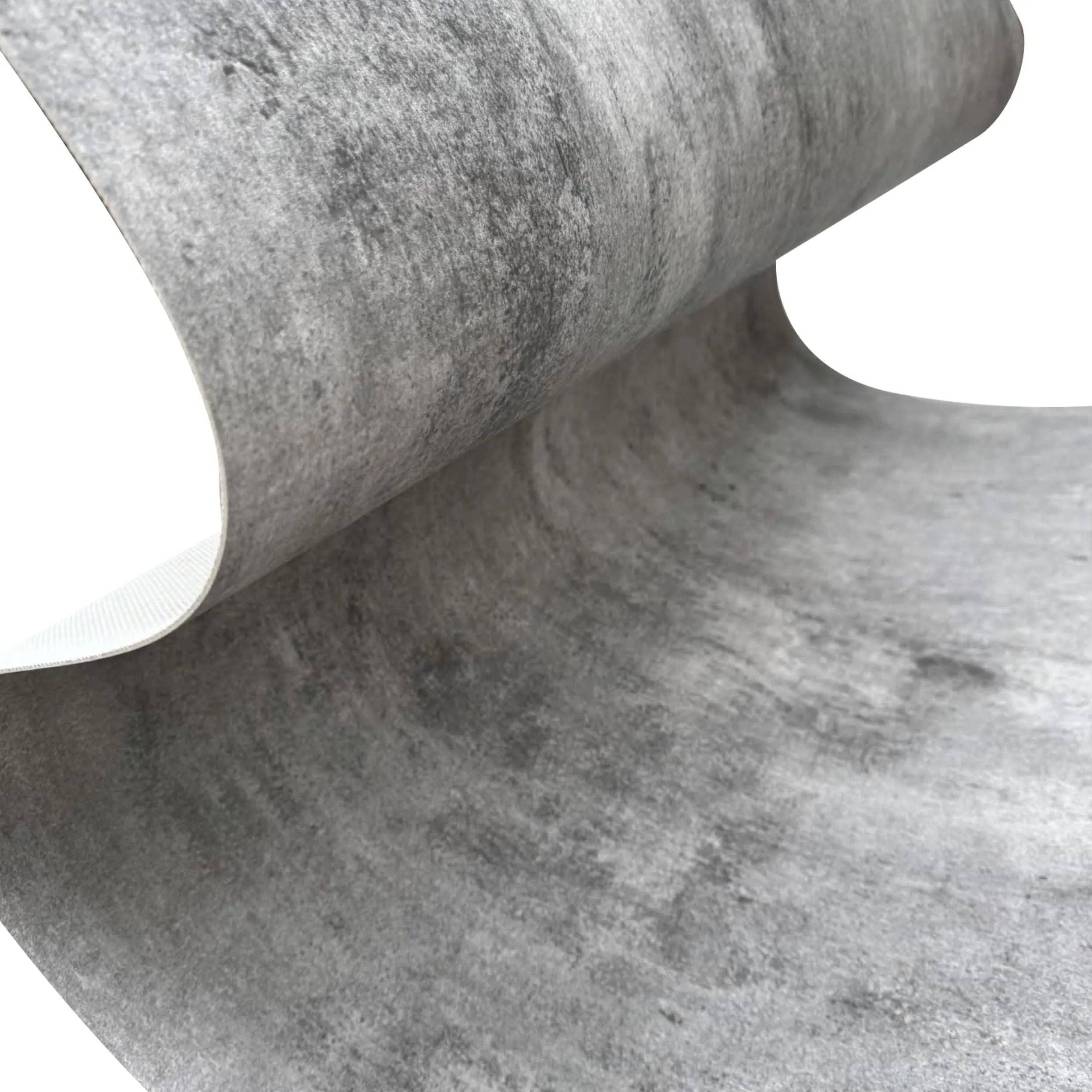
Dubai is no stranger to luxury, but when developer Al-Mansoori Properties set out to build "Al Waha" (The Oasis), a boutique resort nestled between the dunes, they wanted something different: opulence that didn't feel ostentatious, and a design that embraced the desert's harsh beauty rather than fighting it. "We wanted guests to wake up and feel like they're part of the landscape," says resort designer Layla Hassan. "But with all the comforts of a 5-star stay, of course."
Dubai's summers are brutal—temperatures soar to 45°C (113°F), and the sun beats down relentlessly. The resort's outdoor terraces, poolside cabanas, and walkways needed to stay cool underfoot (no burning toes!) while maintaining a high-end look. Layla also wanted materials that could withstand sandstorms and salty sea air (the resort is a short drive from the coast) without fading or corroding. "Luxury here isn't just about how it looks," she says. "It's about how it performs ."
COLORIA's lunar peak silvery was tailor-made for Al Waha's outdoor spaces. A shimmering, metallic-finish stone composite, it reflects sunlight rather than absorbing it—keeping surfaces up to 15°C cooler than traditional stone. "We used lunar peak silvery for the pool deck and terrace floors," Layla explains. "Guests can walk barefoot at noon without wincing. And the silvery sheen looks like moonlight on sand—perfect for evening dinners under the stars." For the resort's main lobby, polish concrete in "Desert Sand" (a warm beige with gold flecks) tied the indoors to the outdoors. "The concrete's seamless finish makes the lobby feel expansive, like stepping into a calm desert plain," Layla adds. "And it's so easy to clean—no need to panic if a guest spills their date shake!"
| Location | Dubai, UAE |
|---|---|
| Client | Al-Mansoori Properties |
| Key Materials | Lunar Peak Silvery, Polish Concrete (Desert Sand) |
| Size | 12,000 sq. meters (resort grounds) |
| Outcome | Named "Best Desert Resort" by Middle East Hospitality Awards (2024); 98% guest satisfaction rate |
One of Layla's favorite touches? The lunar peak silvery accent walls in the spa treatment rooms. "They glow softly when the sun sets, creating this serene, otherworldly vibe," she says. "Guests tell me it's like being wrapped in moonlight. That's the magic of COLORIA's materials—they don't just serve a function; they evoke emotion."
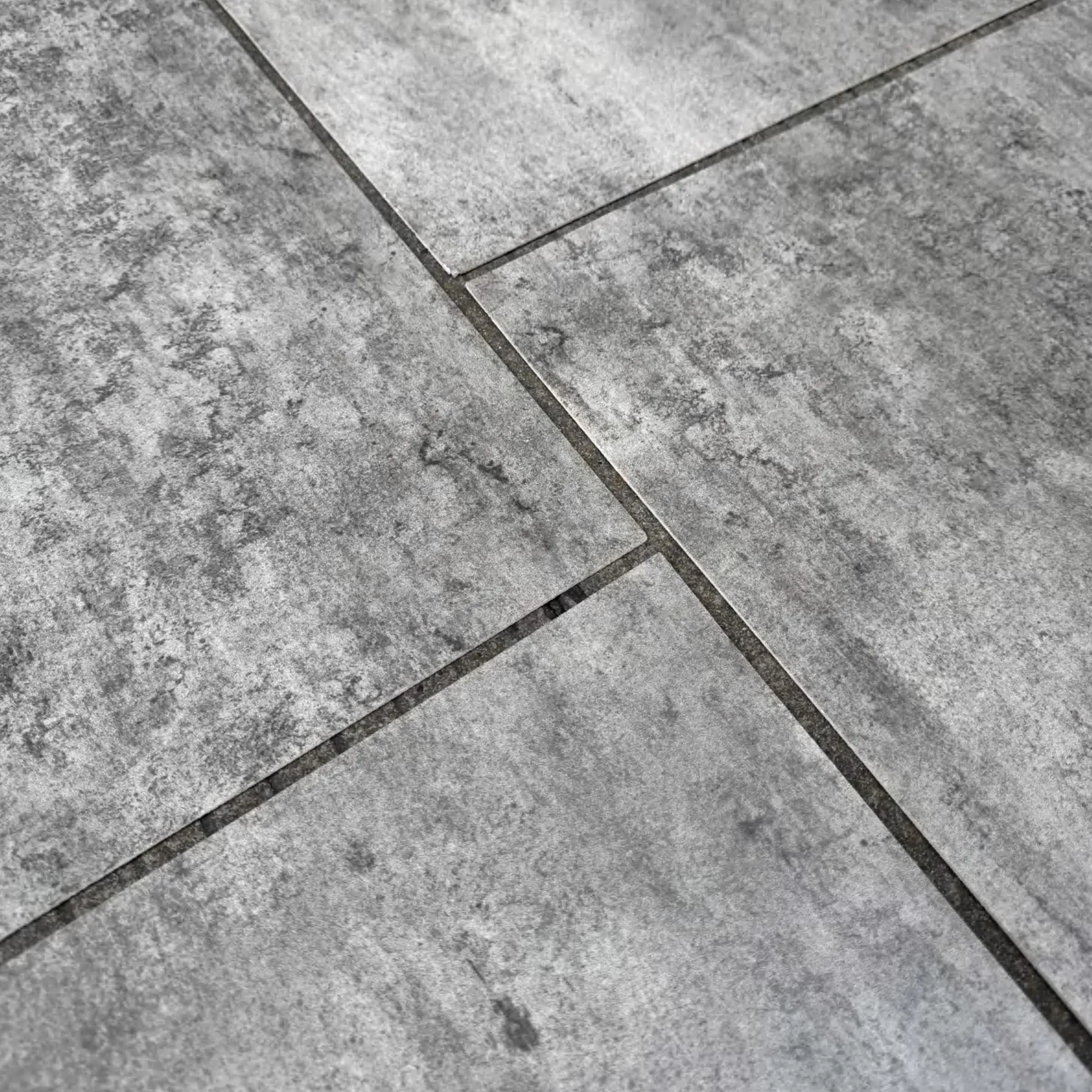
In Portland's diverse Jade District, a vacant lot had long been a source of frustration for locals. "It was just weeds and broken glass," says community organizer Marcus Greene. "We dreamed of a space where kids could play, seniors could garden, and neighbors could host block parties. But with a tight budget and volunteer labor, we needed materials that were affordable, easy to install, and tough enough for whatever the community threw at them."
The "Jade Community Canvas" project had two main goals: create a multi-use space (playground, garden plots, outdoor stage) and use materials that reflected the district's cultural diversity. The team wanted surfaces that were slip-resistant (for the playground), weatherproof (Portland rains are no joke), and visually engaging—something that told the story of the neighborhood's Asian, Latinx, and Pacific Islander roots.
COLORIA stepped in with a donation of mcm flexible stone in "Festival Colors"—a vibrant mix of red, orange, and gold panels—and rough granite stone (beige) for the garden pathways. "Mcm flexible stone was perfect for the stage backdrop," Marcus says. "Our volunteers installed it in a weekend! We used the red panels to represent luck (a nod to Chinese culture), orange for warmth (Latinx traditions), and gold for prosperity (Pacific Islander heritage)." The rough granite stone, with its natural, uneven texture, was ideal for the garden paths. "It's slip-resistant even when wet, and the beige color blends with the soil—like the path is growing out of the earth," Marcus explains. For the playground, the team used leftover mcm panels cut into shapes (stars, moons, hearts) embedded in the ground—a DIY art installation that kids helped design.
| Location | Jade District, Portland, USA |
|---|---|
| Client | Jade Community Association (volunteer-led) |
| Key Materials | MCM Flexible Stone (Festival Colors), Rough Granite Stone (Beige) |
| Size | 1,200 sq. meters |
| Outcome | Named "Best Community Project" by Portland City Council (2024); 500+ monthly visitors |
Today, the Jade Community Canvas is bustling. Kids climb on the mcm stone "mountain" (a stack of leftover panels), seniors tend to their garden plots along the granite paths, and the stage hosts everything from mariachi bands to poetry slams. "It's more than a space," Marcus says. "It's proof that when you build with heart—and the right materials—communities thrive."
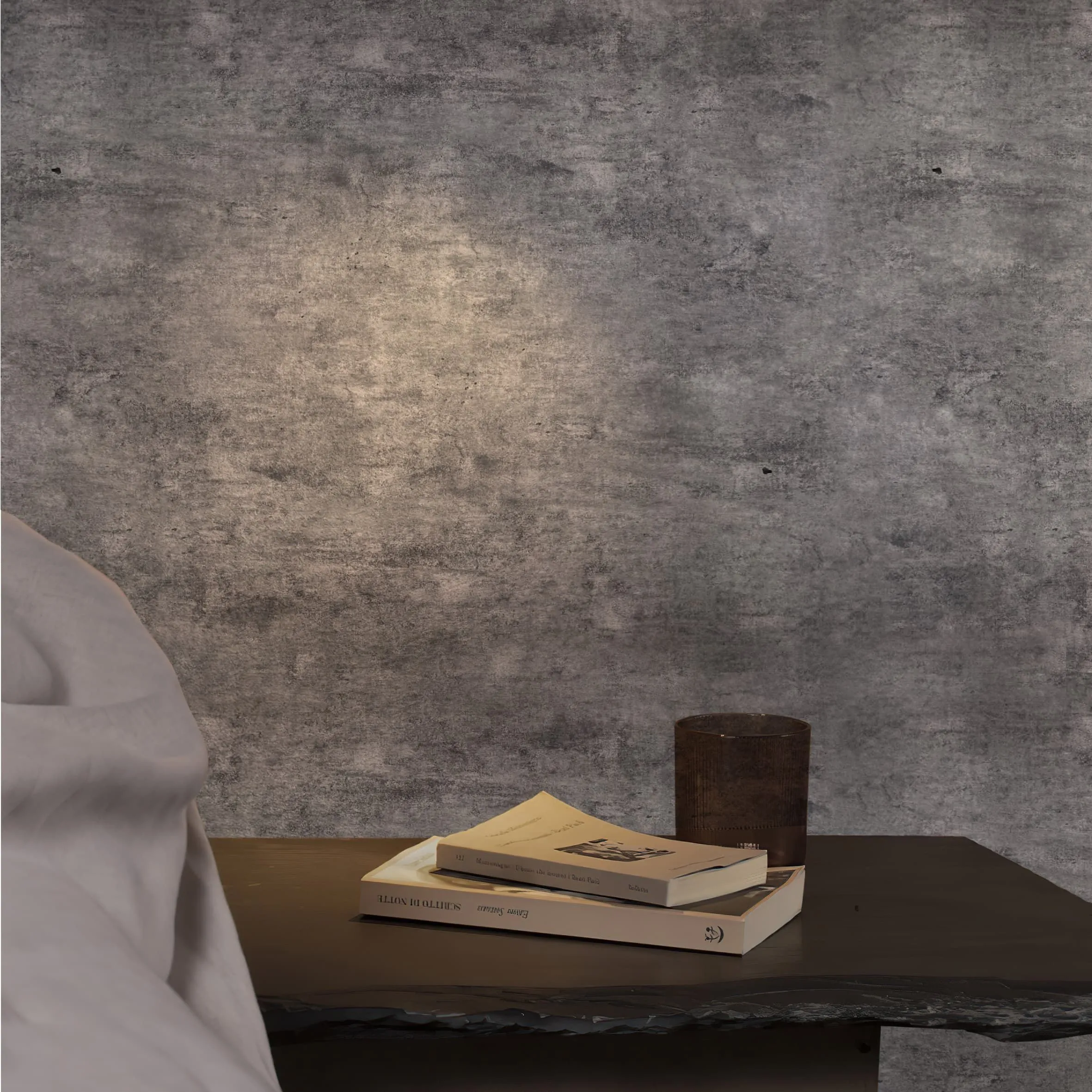
From Milan's cultural hub to Portland's community garden, these case studies share a common thread: COLORIA's materials don't just fill space—they shape it. Whether it's the durability of polish concrete, the flexibility of mcm flexible stone, or the warmth of travertine (vintage gold), each product is designed to meet the unique needs of the people who use it. "We don't sell stone or concrete," says COLORIA's design director, Raj Patel. "We sell possibilities. The possibility for a factory to become a cultural icon, for a parking lot to become a neighborhood heart, for a desert resort to feel like an oasis. That's the magic of what we do."
As cities grow, as design trends evolve, and as communities dream bigger, COLORIA GROUP remains committed to one thing: making materials that connect us—to our past, to each other, and to the spaces we call home. Because at the end of the day, the best buildings aren't just built with stone and concrete. They're built with stories. And COLORIA is here to help tell yours.
Recommend Products












