
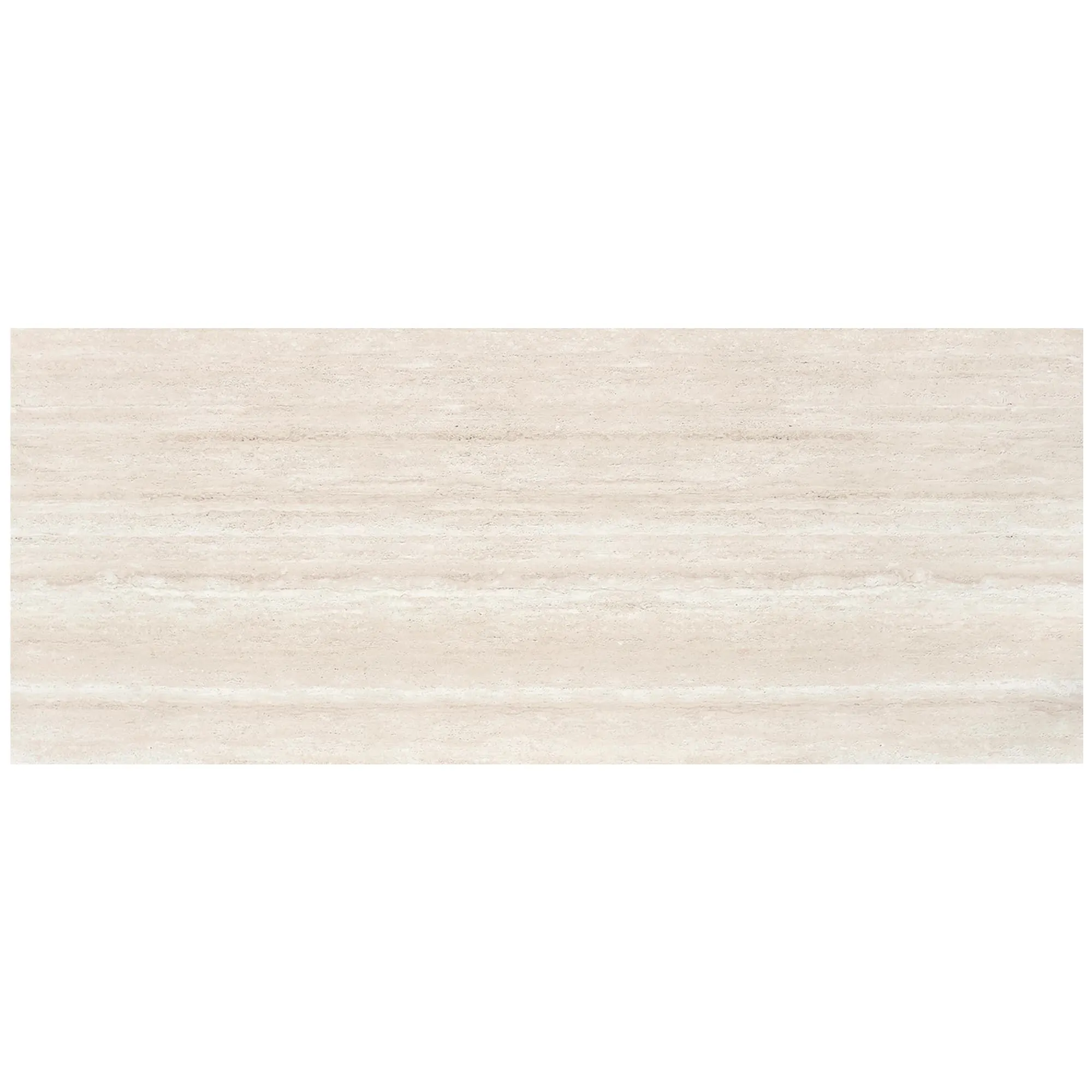
In the world of architecture and design, every material tells a story. It's not just about bricks and mortar—or in this case, panels and stones—but about how spaces make us feel, how they reflect culture, and how they stand the test of time. For COLORIA GROUP, a name synonymous with innovation in building materials, that story is written in textures, hues, and the quiet confidence of products built to inspire. Today, we're diving into one of their most celebrated creations: Rona Yellow MCM . More than just a building material, it's a bridge between tradition and modernity, a canvas for designers, and a testament to COLORIA's commitment to exporting excellence—especially to dynamic markets like Saudi Arabia.
Before we explore Rona Yellow, let's take a moment to understand the vision behind COLORIA GROUP. For over two decades, the brand has carved a niche in the global building materials industry by reimagining what's possible with mcm flexible stone and other cutting-edge composites. Unlike mass-produced materials that feel cold and impersonal, COLORIA's products carry the warmth of intentional design. Think of them as the result of a conversation: between architects craving uniqueness, builders needing durability, and communities longing for spaces that feel like home.
At the core of this philosophy is the belief that building materials should adapt to people, not the other way around. That's why mcm flexible stone —a signature of COLORIA's lineup—has become a favorite. Lightweight yet surprisingly tough, it bends to the curves of bold architectural designs without sacrificing strength. And within this versatile family, Rona Yellow MCM stands out as a star—a product born from the question: "What if a building material could capture the glow of a desert sunset, the warmth of traditional craftsmanship, and the resilience of modern engineering?"
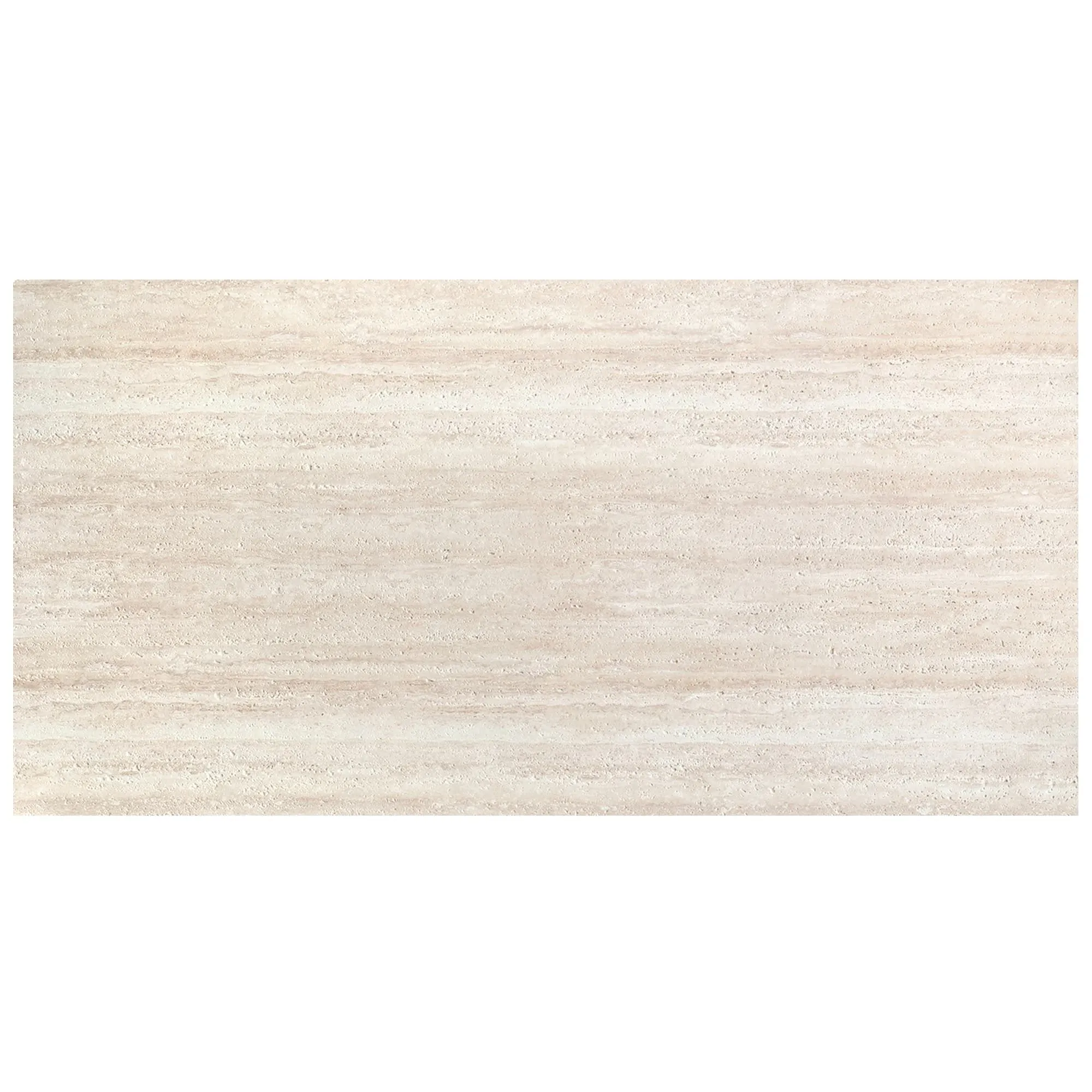
If you've ever walked through a historic market in Riyadh or a modern villa in Jeddah, you know that color matters. In Saudi Arabia, where sunlight paints the landscape in golden hues for much of the year, materials that complement this natural palette feel almost intuitive. Rona Yellow MCM does exactly that. Its base tone is a soft, earthy yellow—warm but not overpowering—with subtle veining that mimics the look of aged travertine. Run your hand over it, and you'll notice a texture that's both smooth and slightly tactile, like polished sandstone kissed by the wind.
But Rona Yellow isn't just about aesthetics. What truly sets it apart is its practicality. As part of COLORIA's MCM (Modified Composite Material) range, it's engineered to thrive in harsh climates—perfect for Saudi Arabia's scorching summers and occasional sandstorms. Unlike traditional stone slabs that crack under thermal stress, Rona Yellow resists warping. Unlike painted surfaces that fade, its color is embedded deep within the material, ensuring it stays vibrant for decades. And at just a fraction of the weight of natural stone, it reduces installation time and structural load, making it a favorite among contractors working on everything from luxury hotels to residential complexes.
So, why has Rona Yellow become a staple in COLORIA's export portfolio? Let's break it down:
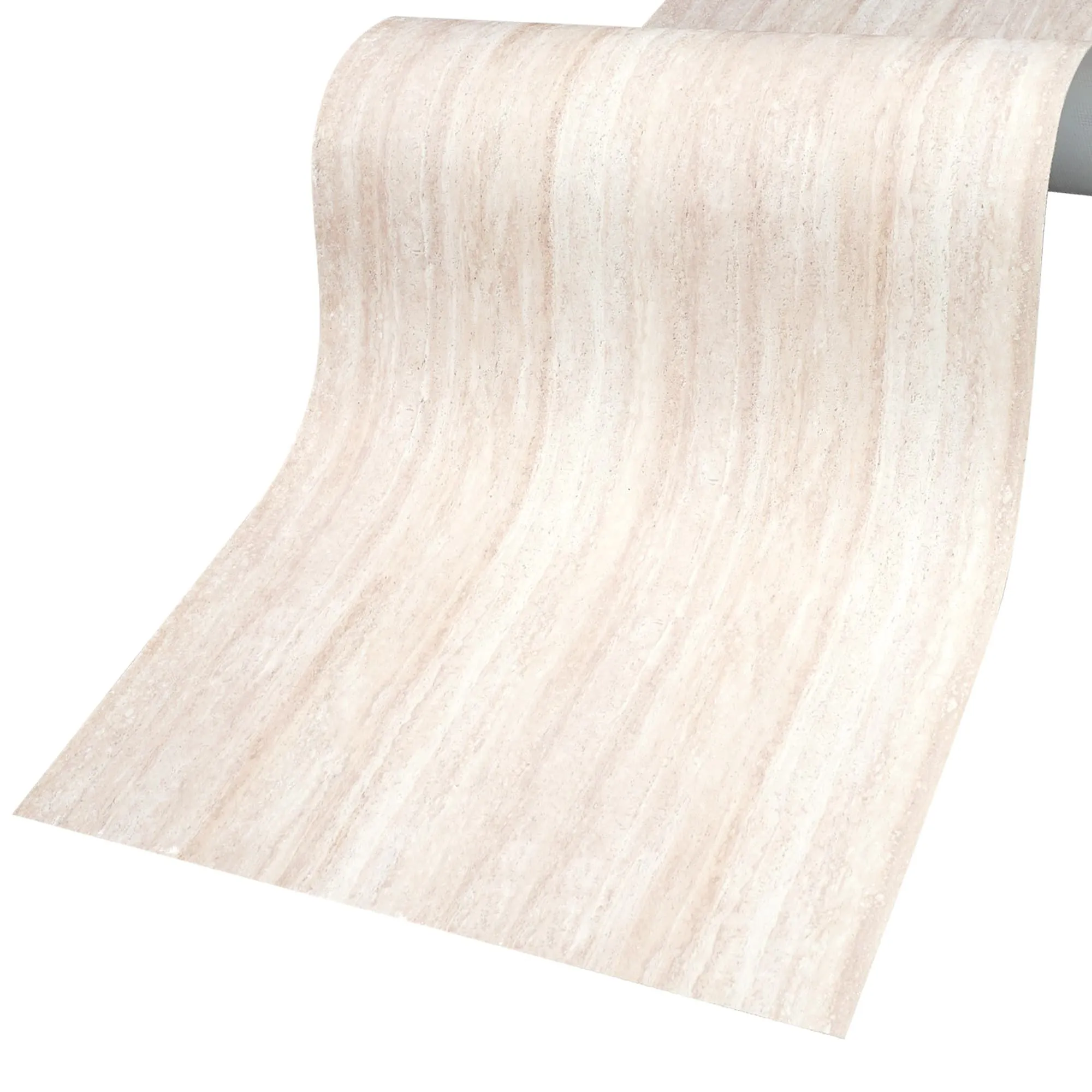
While Rona Yellow steals the spotlight, it's just one member of COLORIA's impressive product family. To truly appreciate the brand's global appeal, it helps to explore some of its siblings—each with its own personality and purpose. Let's take a quick tour:
Travertine has long been a beloved material in architecture, prized for its porous texture and timeless elegance. But COLORIA has taken it a step further with innovations like travertine (starry green) —a whimsical twist that embeds tiny, iridescent particles into the stone, mimicking a starry night sky. Imagine a hotel lobby wall glowing softly with hints of emerald and silver as evening light fades—that's the magic of starry green. On the flip side, travertine (vintage silver) offers a more understated vibe, with a muted metallic sheen that pairs beautifully with modern minimalist designs.
If Rona Yellow is the "warm hug" of building materials, the lunar peak silvery and lunar peak golden are the "dramatic entrance." These panels feature a sleek, almost otherworldly texture—think of the surface of the moon, pockmarked with tiny craters and shimmering in the light. Available in silvery (cool, industrial), golden (opulent, bold), and black (mysterious, modern), they're a hit in tech offices, art galleries, and luxury retail spaces. In Riyadh's growing tech district, for example, a startup hub recently used lunar peak black for its facade, creating a striking contrast against the city's traditional sandstone buildings.
For designers craving the look of natural wood without the maintenance, bamboo mat board is a game-changer. COLORIA's version replicates the delicate weave of bamboo mats, complete with subtle variations in tone that make each panel feel one-of-a-kind. It's lightweight, water-resistant, and perfect for interior walls, ceilings, or even furniture. In Saudi Arabia, where indoor-outdoor living is a way of life, bamboo mat board has become popular for patio ceilings and villa interiors, adding a touch of tropical serenity to desert homes.
Sometimes, less is more. Fair-faced concrete —with its raw, unpolished finish—embodies this idea. COLORIA's take on this classic material is anything but basic: it's precast to ensure uniformity, yet,.Pair it with Rona Yellow, and you get a balance of warmth and industrial edge—think of a restaurant where fair-faced concrete walls serve as a backdrop for Rona Yellow accent panels, creating a space that feels both modern and inviting.
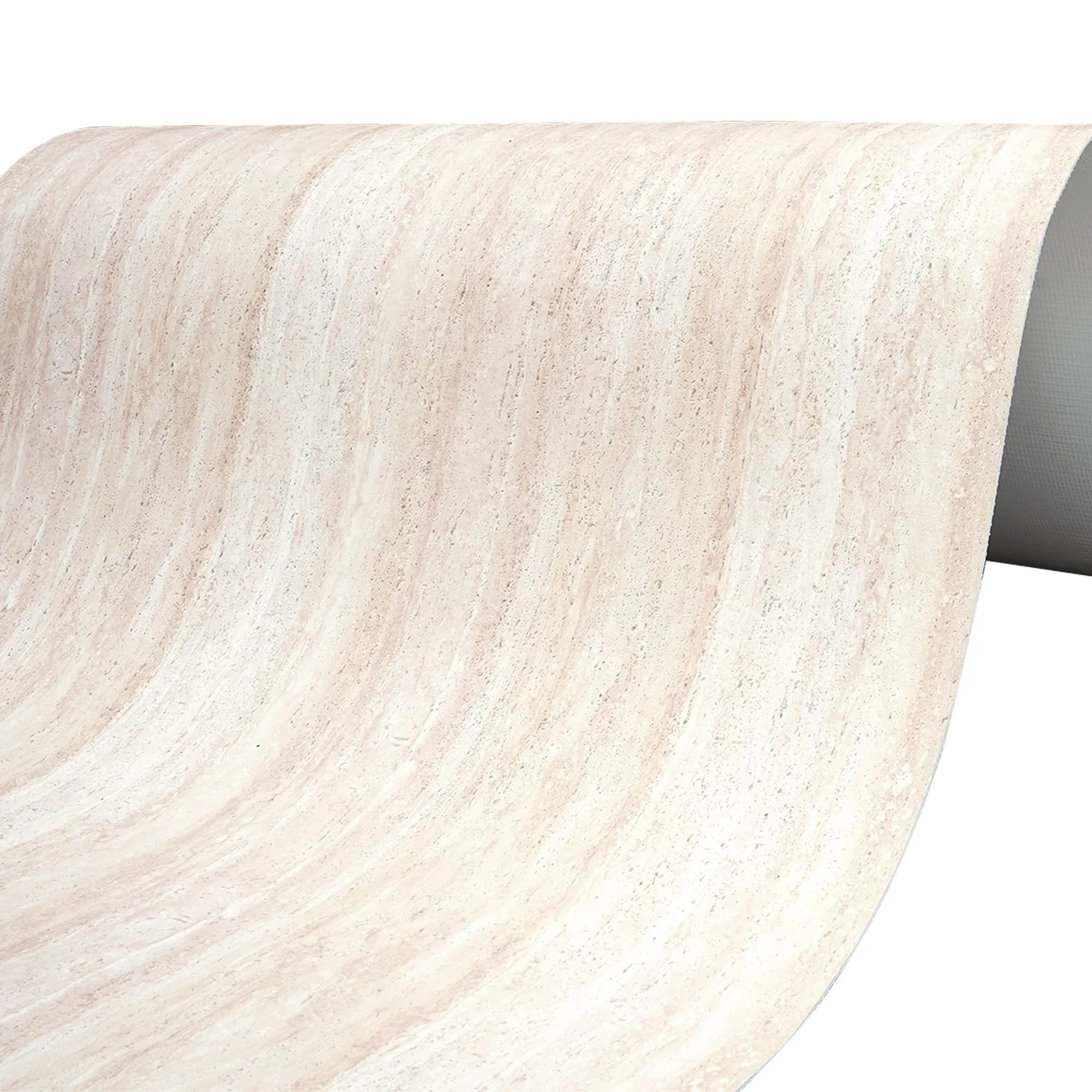
To truly see why Rona Yellow stands out, let's compare it to two other popular COLORIA products: fair-faced concrete and bamboo mat board . This quick breakdown shows why it's become a go-to for global markets like Saudi Arabia:
| Feature | Rona Yellow MCM | Fair-Faced Concrete | Bamboo Mat Board |
|---|---|---|---|
| Color & Texture | Warm yellow with travertine-like veining; smooth yet tactile | Gray with raw, unpolished finish; industrial vibe | Natural bamboo tone with woven texture; organic and warm |
| Best For | Exteriors, accent walls, high-traffic areas | Modern interiors, minimalist facades | Indoor walls, ceilings, furniture accents |
| Climate Resistance | Excellent (heat, sand, humidity) | Good (but may stain if not sealed) | Good (indoor use recommended; moisture-resistant but not waterproof) |
| Cultural Fit in Saudi Arabia | High (complements desert landscapes and traditional aesthetics) | Medium (popular in modern designs but less aligned with warm cultural tones) | Medium-High (adds natural warmth but better suited for interiors) |
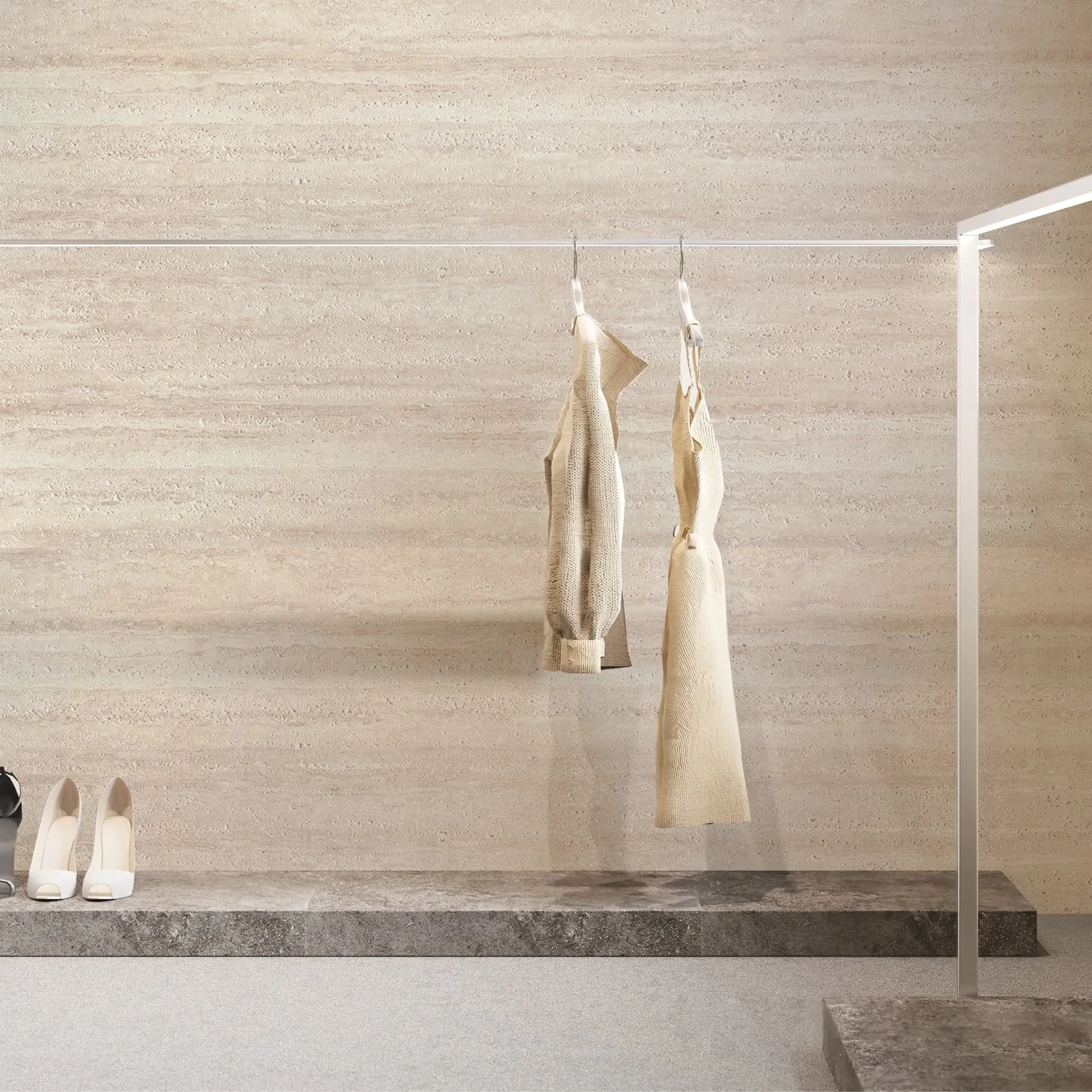
Now, let's zoom in on why Saudi Arabia has become such a key market for Rona Yellow MCM. The kingdom is in the midst of a construction boom, driven by Vision 2030—a plan to diversify the economy and build world-class cities, resorts, and infrastructure. With projects like NEOM (the futuristic megacity), Qiddiya (the entertainment hub), and the Red Sea Project (a luxury tourism destination), there's a hunger for materials that are both visually stunning and built to last.
Rona Yellow checks both boxes. Take, for example, a recent project in Jeddah: a boutique hotel overlooking the Red Sea. The architects wanted the exterior to reflect the warmth of Saudi hospitality while withstanding the salty sea breeze. They chose Rona Yellow MCM for the facade, and the result is striking: during the day, the panels glow in the sunlight, mirroring the golden sands nearby; at night, they're lit from below, creating a cozy, welcoming ambiance. "It feels like a bridge between the hotel's modern design and the region's heritage," says the project's lead architect. "Guests often comment on how the color makes them feel at home, even in a new space."
Another example is a residential complex in Riyadh's diplomatic quarter. Here, Rona Yellow was used for the community center's interior walls. The material's acoustic properties (yes, MCM panels absorb sound!) made it ideal for a space where families gather, while its easy-to-clean surface ensures it stays looking fresh despite daily use. "We wanted something that would stand up to kids running around and adults hosting events," explains the developer. "Rona Yellow delivered—plus, it ties the whole design together with the complex's desert-inspired color scheme."
In Saudi Arabia, design is about more than aesthetics—it's about respect for culture and tradition. Rona Yellow's earthy tone aligns with the kingdom's love for natural materials that reflect the landscape. Unlike stark whites or cool grays, which can feel sterile, its warmth evokes the comfort of traditional Najdi architecture, where mud-brick walls and wooden beams create inviting spaces. Even in ultra-modern projects, this nod to heritage helps buildings feel rooted, not alien.
Additionally, COLORIA's commitment to customization has won over Saudi clients. Want to adjust the veining pattern to mimic local stone? No problem. Need a slightly deeper yellow to match a specific cultural reference? The team at COLORIA works closely with designers to tweak formulas. This flexibility has made Rona Yellow a favorite among those who want materials that tell a local story, not just a global one.
In today's world, no discussion of global exports is complete without talking about sustainability. Saudi Arabia, like many countries, is prioritizing green building practices, and COLORIA Group is right there with them. Rona Yellow MCM is a poster child for this commitment. Let's break down its eco-credentials:
A recent project in NEOM's eco-friendly district even used Rona Yellow for its zero-energy homes, citing the material's sustainability and efficiency as key factors. "We needed something that aligned with our goal of net-zero carbon emissions," says the project manager. "COLORIA's team didn't just sell us a product—they walked us through how Rona Yellow would contribute to our green certifications. That level of partnership is rare."
As COLORIA Group continues to expand its global footprint, Rona Yellow remains a cornerstone of its export strategy. But the brand isn't resting on its laurels. "We're constantly innovating," says a COLORIA spokesperson. "Right now, we're exploring ways to integrate smart technology into our MCM panels—think solar-reflective coatings for even better heat resistance, or embedded sensors that monitor structural health. The goal is to keep Rona Yellow not just beautiful, but also at the cutting edge of what's possible."
In Saudi Arabia, the future looks bright. With new projects announced weekly—from luxury resorts on the Red Sea to sustainable communities in Riyadh—there's no shortage of opportunities for Rona Yellow to leave its mark. And as the kingdom embraces both tradition and modernity, COLORIA's ability to blend the two in products like Rona Yellow ensures it will remain a trusted partner for years to come.
At the end of the day, Rona Yellow MCM is more than a building material. It's a symbol of how COLORIA GROUP connects cultures, how design can bridge gaps, and how even the smallest details—like the color of a panel—can make a space feel like home. Whether it's gracing the facade of a hotel in Jeddah, warming the walls of a community center in Riyadh, or inspiring architects in Dubai, London, or New York, Rona Yellow carries with it the promise of durability, beauty, and heart.
So, the next time you walk past a building that makes you pause and think, "That feels special," take a closer look. It might just be Rona Yellow MCM—quietly telling a story of innovation, culture, and the simple power of a well-chosen color.
Recommend Products












