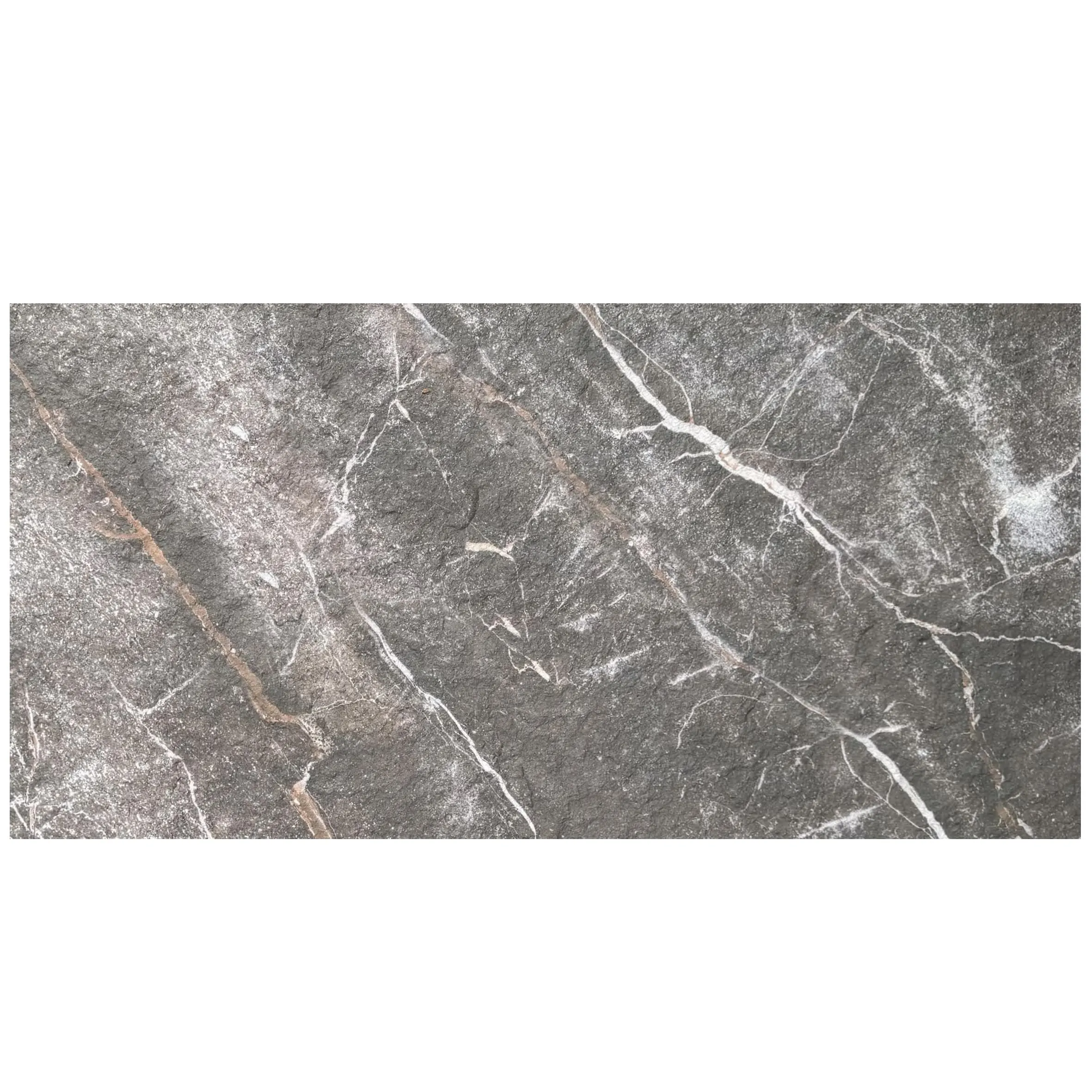
In the sun-drenched cities of Saudi Arabia, where construction cranes pierce the skyline and architectural dreams take shape in marble and stone, there's a quiet challenge echoing through design offices and building sites alike. For years, architects and developers have turned to Granite Portoro—a bold, veined black stone with gold accents—to add luxury to facades, lobbies, and interiors. But as Riyadh's skyscrapers climb higher and Jeddah's waterfront projects expand, the limitations of this traditional material have grown harder to ignore: its weight strains building structures, its cost stretches budgets, and its rigidity leaves little room for creative curves or custom designs. Enter COLORIA Group's Saudi agency, a team on a mission to redefine building materials in the Kingdom. Their weapon? MCM—Modified Composite Material—a lightweight, durable, and surprisingly versatile alternative that's quickly becoming the go-to choice for forward-thinking builders. Let's dive into how this innovation is transforming Saudi's construction landscape, one flexible stone panel at a time.
The Problem with "The Gold Standard": Why Granite Portoro Isn't Cutting It Anymore
To understand why MCM is making waves, it helps to first unpack the love-hate relationship with Granite Portoro. For decades, this natural stone has been synonymous with opulence. Its deep black base, streaked with golden veins, evokes a sense of timeless elegance—perfect for luxury hotels, high-end residences, and corporate headquarters. But talk to any site engineer in Riyadh, and they'll rattle off the headaches: a single slab can weigh 25–30 kg per square meter, requiring heavy machinery and reinforced structural support. In a country where building upwards is the norm, that extra weight adds up, driving up construction costs and project timelines. Then there's the matter of installation: Granite Portoro is brittle, meaning cuts must be precise, and mistakes are costly. And in Saudi's harsh climate—where temperatures soar above 45°C in summer and sandstorms abrade surfaces—the stone's porous nature makes it prone to staining and weathering over time. "We had a client who insisted on Portoro for their villa's exterior," recalls a Jeddah-based architect. "Within two years, the gold veins started fading, and the black surface had developed hairline cracks from thermal expansion. It looked beautiful, but it wasn't built to last here."
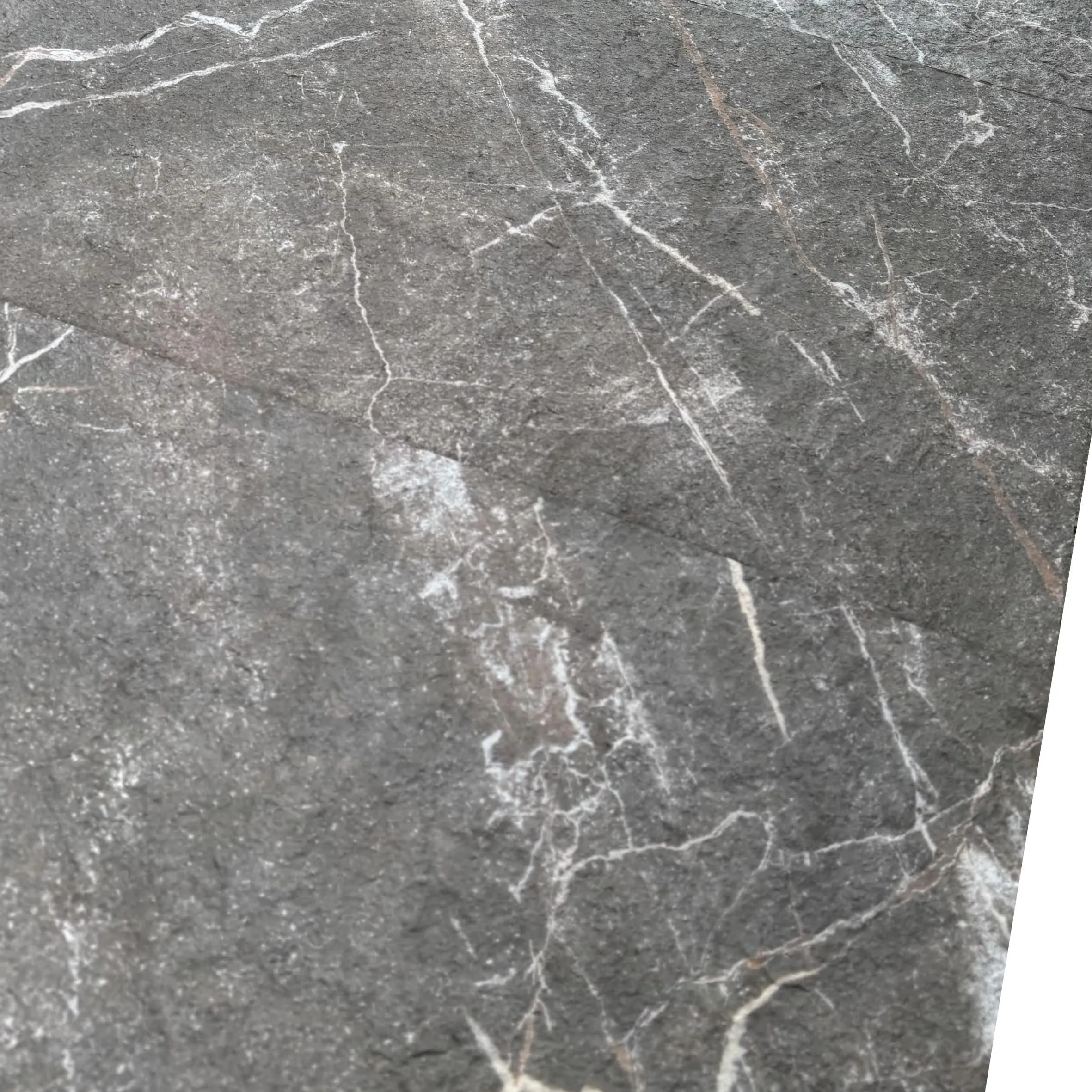
MCM: The Lightweight Revolution in Building Materials
MCM, or Modified Composite Material, isn't just another building product—it's a rethink of what a "stone" can be. Imagine a material that captures the raw beauty of natural stone but weighs a fraction of the real thing, bends without breaking, and resists Saudi's toughest weather. That's MCM in a nutshell. Made by blending natural minerals (like marble dust or quartz) with high-performance polymers, MCM is engineered to be flexible, lightweight (typically 3–5 kg per square meter), and astonishingly durable. Unlike Granite Portoro, which is quarried from the earth in rigid slabs, MCM is manufactured in thin, customizable panels that can be curved, cut, or even wrapped around columns. "It's like stone with a backbone of rubber," jokes a COLORIA product specialist. "You can install it on curved facades, use it for ceiling accents, or even create 3D art pieces—something you'd never dare try with Portoro." But MCM's magic isn't just in its flexibility. It's also designed to outlast traditional stone in harsh environments. Its non-porous surface repels water, oil, and sand, while its polymer core resists thermal expansion—critical for Saudi's extreme temperature swings. And because it's made from recycled minerals and requires less energy to produce than quarried stone, it's a greener choice too. For builders in the Kingdom, where sustainability is increasingly a priority (thanks to Vision 2030's focus on eco-friendly construction), that's a major plus.
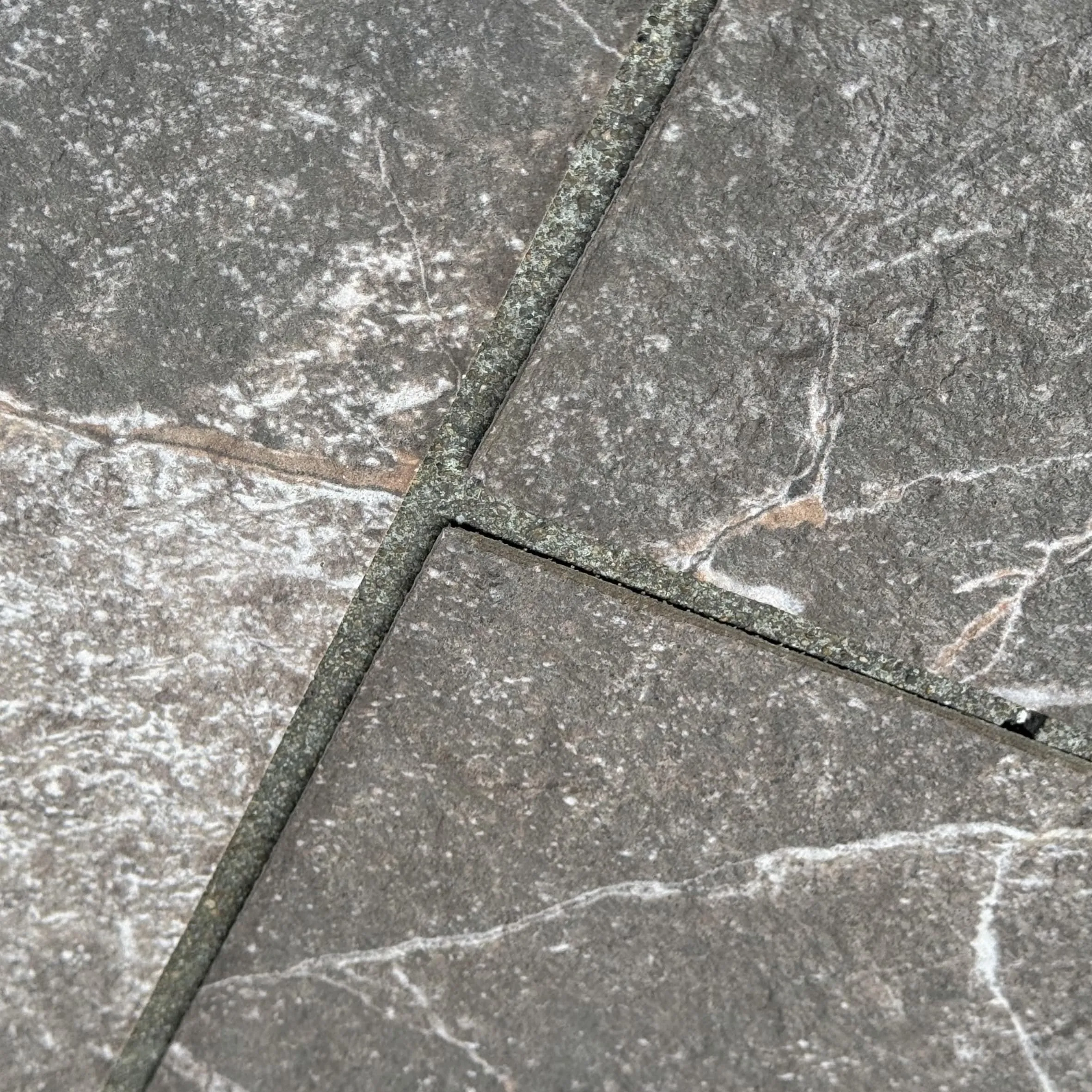
COLORIA Group's Saudi Agency: Bringing Innovation Home
COLORIA Group isn't new to the global building materials scene—with decades of experience in Europe and Asia, they've built a reputation for merging innovation with local needs. But when they launched their Saudi agency in 2020, they didn't just import products; they listened. "We spent six months meeting with architects, contractors, and even homeowners across Riyadh, Dammam, and Al Khobar," says the agency's director. "We learned that Saudi clients want more than just durability—they want materials that reflect their culture, their love for bold design, and their pride in creating spaces that stand out. Granite Portoro was popular, but it's a foreign stone. We wanted to offer something that felt both luxurious and tailored to this market." That (localization) mindset led COLORIA to curate a lineup of MCM products specifically for Saudi tastes, blending global technology with regional aesthetics. From earthy tones that echo the desert landscape to metallic finishes that catch the Kingdom's golden light, their range is a love letter to Saudi's diverse design needs. And with a local warehouse in Riyadh and a team of trained installers across the country, they've removed the hassle of importing and installing unfamiliar materials. "We don't just sell panels—we partner with our clients," the director adds. "If an architect wants a custom color that matches the sunset over the Empty Quarter, we'll work with our factory to create it. That's the COLORIA difference."
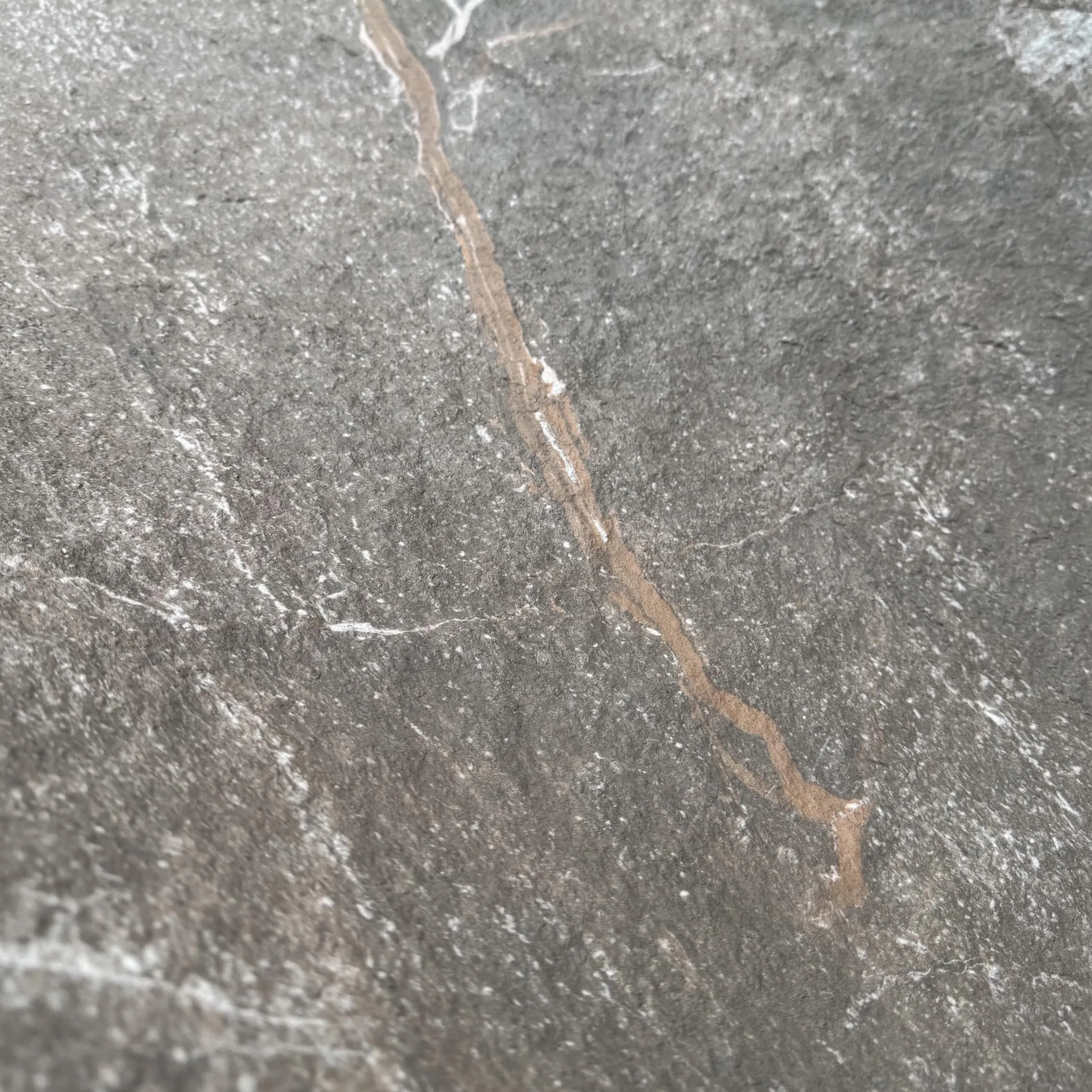
Product Spotlight: The MCM Stars of COLORIA's Saudi Lineup
Let's take a closer look at some of the standout MCM products that are making Granite Portoro a thing of the past for Saudi builders:
At the heart of COLORIA's offering is MCM flexible stone, a product that lives up to its name. Available in over 50 finishes—from the classic "travertine (starry blue)" (think deep indigo with subtle shimmer, inspired by Saudi's night skies) to "rustic marble veil white"—it mimics the texture and color of natural stone so closely that even experts struggle to tell the difference at first glance. What sets it apart? Its flexibility. Imagine wrapping a stone panel around a curved lobby wall or creating a wave-like facade for a beachfront hotel in Jeddah—tasks that would be nearly impossible with rigid Granite Portoro. "We used the starry blue variant for a boutique hotel in Al Ula," says a project manager. "The client wanted the exterior to blend with the desert's twilight, and the panels curved seamlessly around the building's organic shape. Guests still ask if it's real stone!"
Foamed Aluminium Alloy Board (Vintage Gold): Metallic Luxury, Minus the Weight
For projects that crave metallic flair without the heft of real gold leaf or brass, COLORIA's foamed aluminium alloy boards are a game-changer. The "vintage gold" finish, with its warm, brushed texture, adds a touch of old-world elegance to modern spaces—perfect for hotel lobbies or restaurant interiors. Unlike solid metal panels, which can corrode in Saudi's humid coastal areas (looking at you, Jeddah), these boards are treated with a protective coating that resists rust and fading. And at just 4 kg per square meter, they're a breeze to install on high-rise facades. "We replaced a client's brass cladding with vintage gold alloy boards last year," notes a contractor in Dammam. "Not only did we cut installation time by 40%, but the material hasn't tarnished—even after a summer of sandstorms."
Minimalist design is trending in Saudi, and COLORIA's fair-faced concrete MCM panels are leading the charge. With a smooth, matte finish that highlights the material's natural texture, these panels bring the raw, industrial vibe of concrete without the weight or cracking issues of traditional poured concrete. They're ideal for modern offices, art galleries, or residential exteriors aiming for that "understated luxury" look. "A Riyadh tech firm wanted their headquarters to feel 'raw yet refined,'" explains an architect. "We used fair-faced concrete MCM for the facade, and paired it with large glass windows. The contrast is stunning, and the panels have held up perfectly against the city's dust and heat."
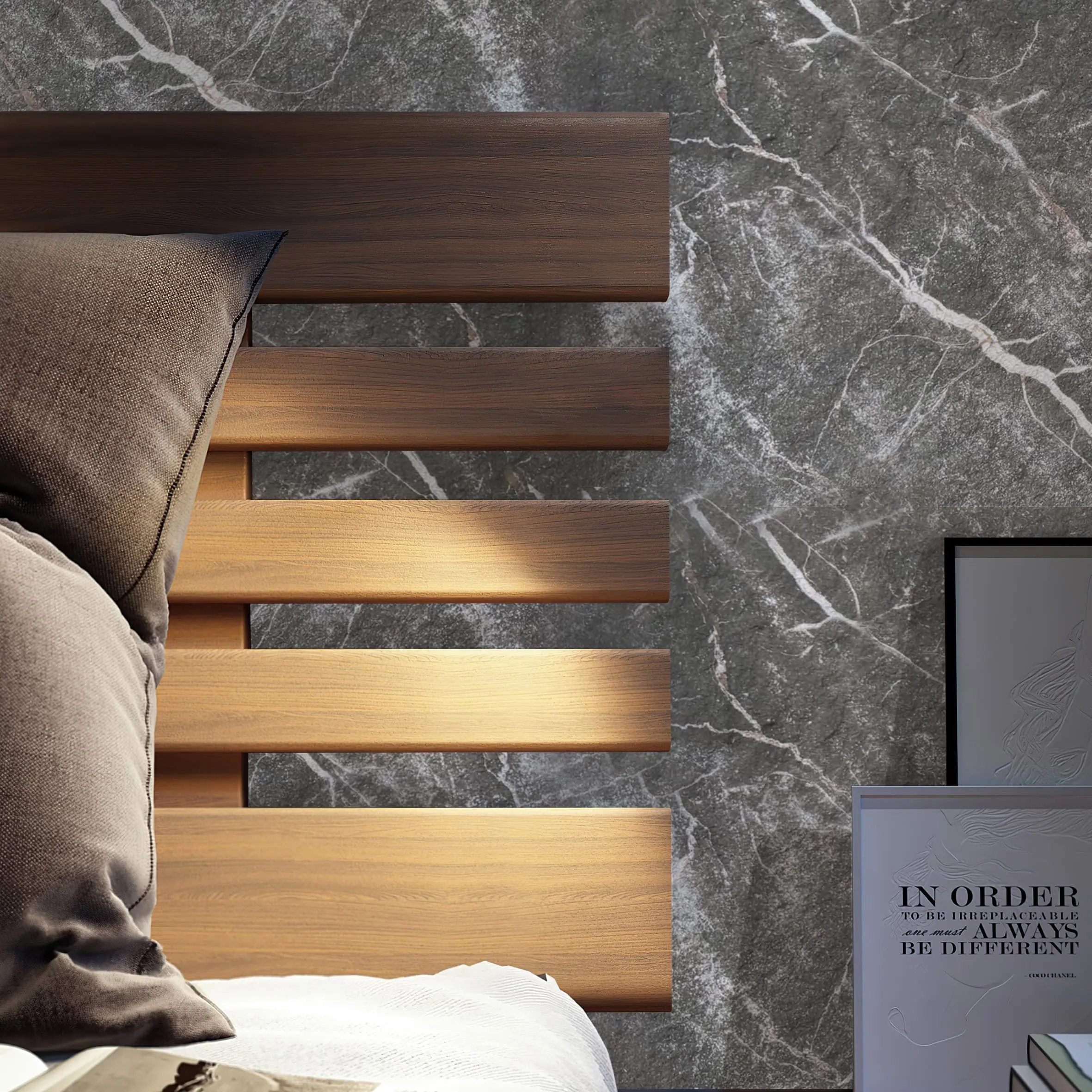
MCM vs. Granite Portoro: The Numbers Speak for Themselves
Still on the fence? Let's break down the differences with hard facts. The table below compares MCM flexible stone (COLORIA's most popular option) with traditional Granite Portoro across key metrics that matter to Saudi builders:
|
Metric
|
MCM Flexible Stone (COLORIA)
|
Granite Portoro
|
|
Weight per sq.m
|
3–5 kg
|
25–30 kg
|
|
Installation Time
|
2–3 days for 100 sq.m (2-person team)
|
5–7 days for 100 sq.m (4-person team)
|
|
Cost (Material + Labor)
|
30–40% lower than Granite Portoro
|
Premium pricing (high quarrying + transport costs)
|
|
Durability in Saudi Climate
|
Resistant to heat, sand, and moisture; 15–20 year lifespan
|
Prone to cracking/vein fading; 8–12 year lifespan (exterior use)
|
|
Design Flexibility
|
Curved surfaces, custom colors, 3D shapes
|
Rigid slabs; limited to straight cuts
|
|
Sustainability
|
Recycled materials, low carbon footprint
|
High energy use for quarrying/transport; non-recyclable
|
Why Saudi's Builders Are Making the Switch
Beyond the numbers, MCM's appeal lies in how it solves uniquely Saudi challenges. Take climate resilience: in Riyadh's arid heat, MCM panels reflect sunlight (thanks to their light weight and thermal resistance), keeping interiors cooler and reducing AC costs. In coastal cities like Dammam, their moisture-resistant coating prevents saltwater damage—a common issue with Granite Portoro. Then there's the matter of cultural aesthetics. Saudi architecture often blends modernity with heritage, and MCM's ability to mimic local materials (like the earthy tones of "historical pathfinders stone" or the desert-inspired "gobi panel") helps projects feel rooted in the Kingdom's landscape. "We recently worked on a heritage museum in Riyadh," says a COLORIA designer. "The client wanted to evoke the look of ancient Nabataean stone carvings but needed something lightweight for the roof. We created a custom MCM panel that matched the texture of the original stone—so well, in fact, that visitors can't tell which parts are new and which are historic."
From Villas to Skyscrapers: Where MCM Is Shining in Saudi
MCM isn't just for one type of project—it's versatile enough to elevate everything from boutique cafes to mega-malls. Here are a few ways Saudi builders are using it:
-
Residential Luxury:
In Riyadh's diplomatic quarter, homeowners are swapping heavy stone facades for MCM flexible stone in "travertine (beige)" to create warm, inviting exteriors that stand up to sandstorms.
-
Hospitality Wow-Factors:
A five-star resort in Yanbu used "foamed aluminium alloy board (vintage gold)" for its lobby ceiling, creating a shimmering canopy that complements the Red Sea views.
-
Commercial Innovation:
A tech startup hub in Jeddah opted for "fair-faced concrete" MCM panels, pairing them with floor-to-ceiling glass to achieve a sleek, industrial look that aligns with their brand identity.
-
Cultural Spaces:
The new art gallery in Al Khobar features "travertine (starry red)" MCM walls, where the stone's subtle sparkle mimics the desert's starry nights—turning the building itself into a piece of art.
The Future of Building Materials in Saudi: Why MCM Is Here to Stay
As Saudi Arabia charges toward its Vision 2030 goals—with plans to build new cities like NEOM and transform existing ones into smart, sustainable hubs—the demand for innovative building materials will only grow. MCM, with its blend of durability, design freedom, and cost-effectiveness, is perfectly positioned to lead this charge. COLORIA's Saudi agency, with its local expertise and global resources, is already at the forefront, partnering with major developers and government projects to showcase what's possible. "We're not just selling panels," says the agency's director. "We're selling a vision: a Saudi where buildings are as beautiful as they are resilient, where design isn't limited by material constraints. That's the future we're building—one MCM panel at a time."
Final Thoughts: It's Time to Flex Your Design Muscles
For too long, Granite Portoro has been the default for luxury—but default doesn't have to mean best. In a country as dynamic and ambitious as Saudi Arabia, building materials should keep pace with innovation, not hold it back. COLORIA Group's Saudi agency isn't just offering an alternative; they're offering a revolution. MCM flexible stone, foamed aluminium alloy boards, fair-faced concrete—these aren't just products. They're tools for architects and builders to dream bigger, build smarter, and create spaces that reflect Saudi's bold vision for the future. So the next time you walk past a construction site in Riyadh or Jeddah, take a closer look. That stunning stone facade might just be MCM in disguise—lightweight, durable, and ready to redefine what's possible in Saudi construction.