
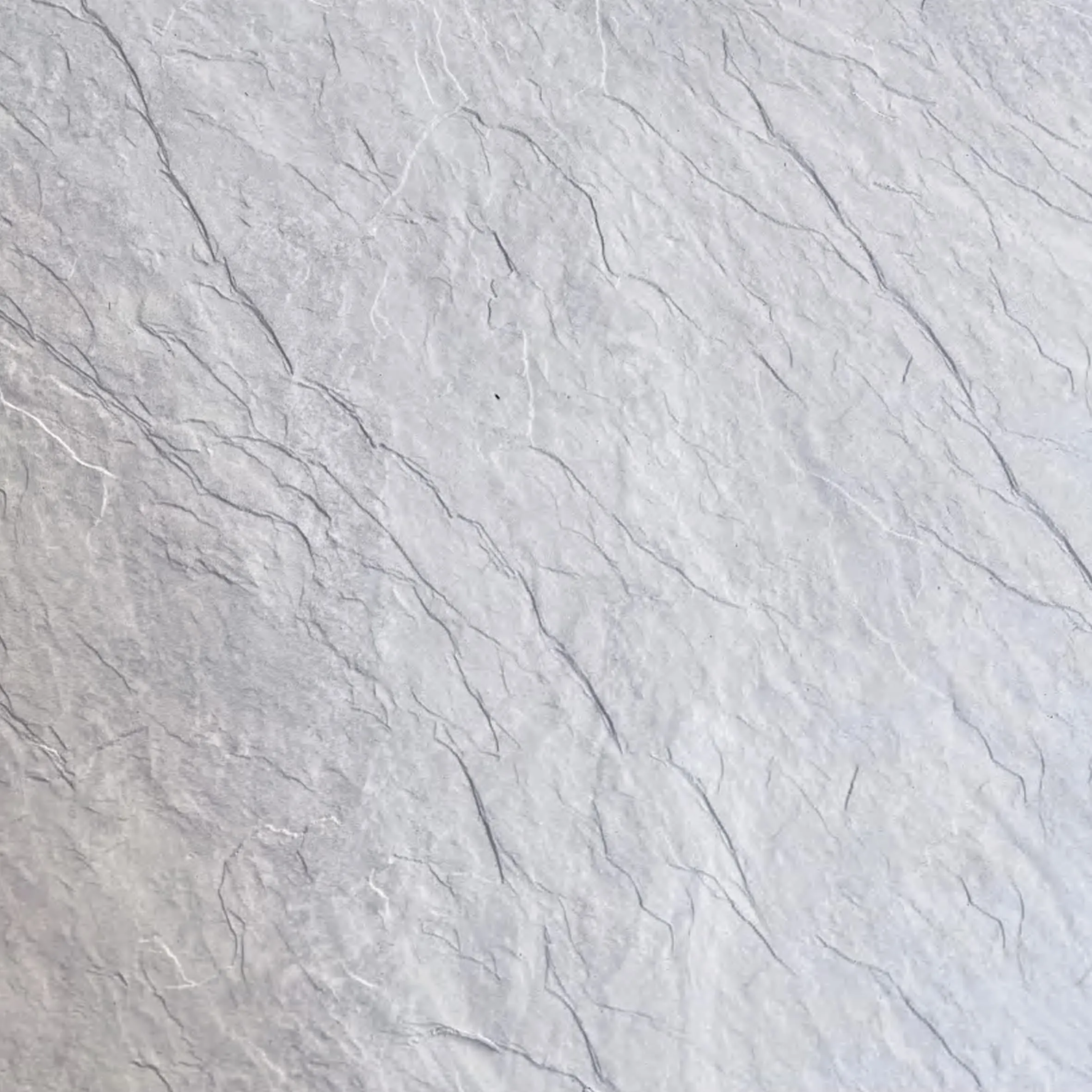
In the fast-paced world of modern architecture, where every line, curve, and material choice tells a story, there's a silent challenge that architects and builders grapple with daily: balancing creativity with compliance. We've all seen it—the stunning design renderings that make jaws drop, only to hit a wall when real-world building codes come into play. Fire resistance, durability, sustainability, weight restrictions—these aren't just boxes to check; they're the backbone of structures that stand the test of time. Enter COLORIA GROUP, a name that's been quietly reshaping the industry with materials that don't just meet codes, but elevate design. Today, we're diving deep into one of their standout innovations: Slate Veil White MCM. This isn't just another building material; it's a bridge between artistic vision and engineering rigor, and it's quickly becoming the go-to choice for projects that demand both beauty and compliance.
Before we get into the specifics of Slate Veil White, let's take a step back. Traditional building materials—think marble, granite, even fair-faced concrete—have their merits. They're classic, they're familiar, and they've been used for centuries. But in a world where building codes are becoming stricter (and for good reason), these materials often fall short. Marble is heavy, making it tricky for high-rise applications. Granite, while durable, can be resource-intensive to quarry. Fair-faced concrete, with its raw, industrial look, is popular, but it lacks the texture and color variation that modern designs crave. And when it comes to sustainability? Many traditional materials leave a large carbon footprint, clashing with the global push for greener construction.
That's where Modified Composite Materials (MCM) come in. MCM, often referred to as flexible stone, is a game-changer. It's a hybrid material, combining the best of natural stone (aesthetic appeal, texture) with the benefits of modern composites (lightweight, durable, customizable). COLORIA GROUP didn't just jump on the MCM bandwagon—they helped refine it. With decades of experience in materials science, their team of engineers and designers set out to create a line of MCM products that didn't just mimic natural stone, but improved upon it. And Slate Veil White? It's the crown jewel of that effort.
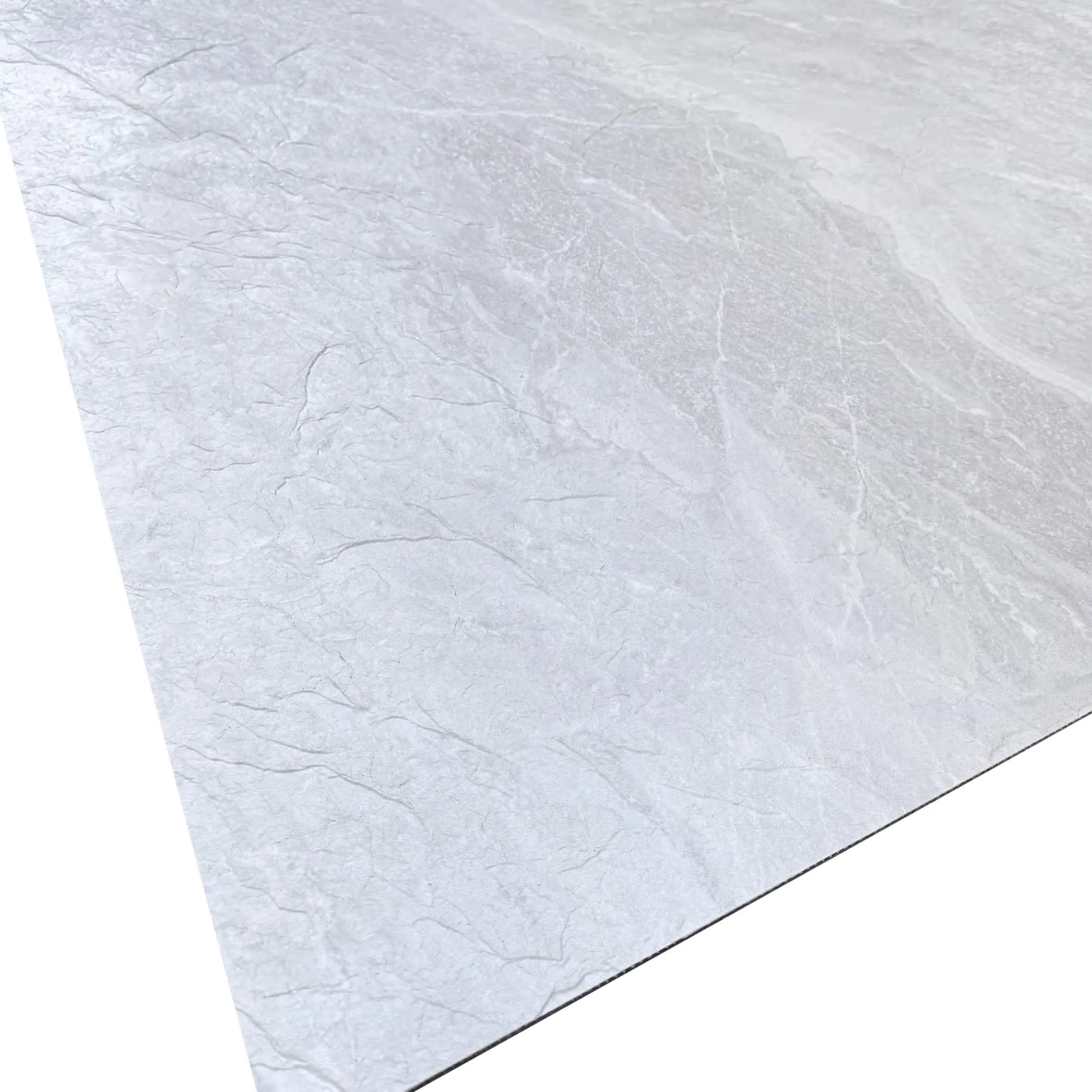
At first glance, Slate Veil White looks like it was chiseled from a quarry deep in the mountains—a soft, veined white surface with subtle gray undertones that evoke the calm of a winter landscape. But pick it up, and you'll notice the difference immediately. Traditional slate can weigh upwards of 20 kg per square meter; Slate Veil White? A mere 6-8 kg/m². That's a weight reduction of over 60%, which isn't just convenient—it's transformative for architects working on projects with strict load-bearing limits, like retrofits or high-rise facades.
But the magic isn't just in the weight. Let's talk about composition. Slate Veil White is part of COLORIA's MCM flexible stone range, which means it's crafted using a proprietary blend of natural stone aggregates, polymer resins, and reinforcing fibers. This combination gives it the best of both worlds: the authentic look and feel of natural slate, with the flexibility and durability of engineered materials. Unlike traditional stone, which can crack under stress or absorb water (leading to mold and degradation), Slate Veil White boasts a water absorption rate of less than 0.5%—a figure that makes structural engineers breathe easier. And when it comes to impact resistance? drop a tool on it during installation, and chances are it'll shrug it off. We've seen tests where it withstands impacts that would leave traditional slate shattered, and that's a big deal for long-term maintenance costs.
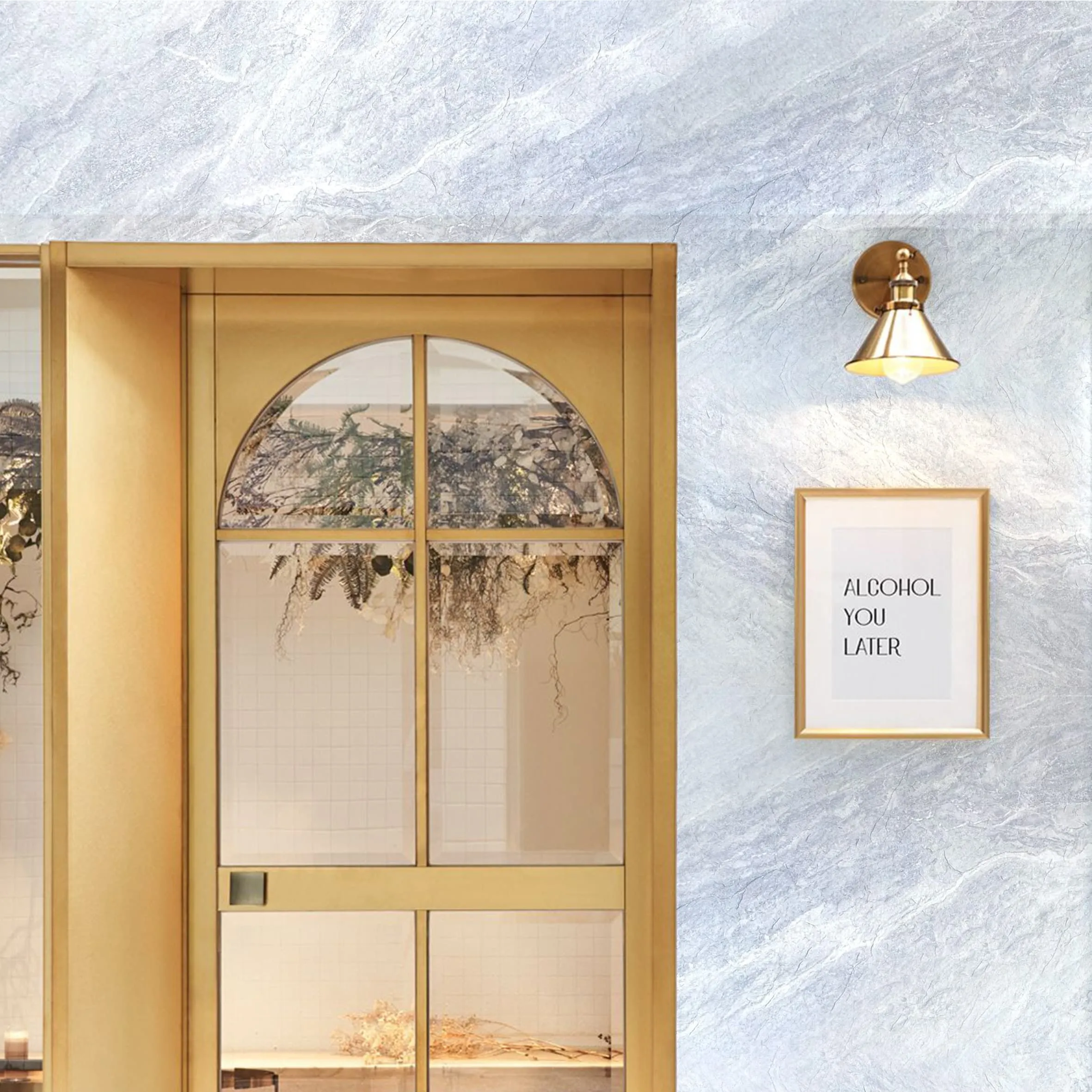
Here's the thing about building codes: they're not optional. Whether you're constructing a commercial tower in Dubai, a school in Paris, or a residential complex in New York, you're answerable to a maze of regulations designed to protect lives, property, and the environment. Let's break down the key areas where Slate Veil White doesn't just meet these codes—it exceeds them.
Fire safety is non-negotiable, and codes like ASTM E119 (Standard Test Methods for Fire Tests of Building Construction and Materials) set the bar high. Slate Veil White has undergone rigorous testing here, and the results are impressive. It achieves a fire rating of A1— the highest possible classification, meaning it's non-combustible. In practical terms, that means in the event of a fire, it won't contribute to the spread of flames or release toxic fumes. Compare that to some synthetic cladding materials that melt or emit harmful gases, and the difference is clear. For architects working on projects like hospitals or senior living facilities, where fire safety is paramount, this isn't just a checkbox—it's peace of mind.
Buildings don't exist in a vacuum. They face rain, snow, UV radiation, extreme temperatures, and even saltwater in coastal areas. Codes like ISO 10211 (Thermal Bridges in Building Construction) and BS EN 13501 (Fire Classification of Construction Products) demand materials that can withstand these conditions without degrading. Slate Veil White's secret here is its low water absorption and high UV resistance. In accelerated aging tests simulating 20 years of exposure to harsh sunlight and rain, it showed minimal color fading or surface degradation. That's a stark contrast to traditional slate, which can fade or develop moss over time, requiring costly cleaning and replacement. In coastal regions, where salt spray eats away at metal fixtures and porous stones, Slate Veil White's resistance to corrosion and salt damage makes it a no-brainer.
These days, sustainability isn't just a trend—it's a code requirement. LEED (Leadership in Energy and Environmental Design) certification, for example, rewards projects that use eco-friendly materials, reduce waste, and minimize carbon footprints. Slate Veil White checks all these boxes. First, its production process uses up to 30% recycled stone aggregates, diverting waste from landfills. Second, because it's lightweight, transportation costs and carbon emissions are significantly lower than hauling traditional stone slabs. Third, its durability means less frequent replacement, reducing the lifecycle environmental impact. And unlike some materials that release volatile organic compounds (VOCs), Slate Veil White is VOC-free, improving indoor air quality—a key point for LEED credits. When you add in COLORIA GROUP's commitment to renewable energy in their manufacturing facilities, it's clear this isn't just a sustainable product; it's part of a sustainable ecosystem.
While not always top of mind, acoustic performance is increasingly regulated, especially in educational, healthcare, and residential buildings. Excessive noise can impact productivity, health, and quality of life. Slate Veil White, when used as cladding or interior paneling, offers impressive sound absorption properties, with a noise reduction coefficient (NRC) of 0.8. That means it absorbs 80% of incident sound, making it ideal for spaces like classrooms, libraries, or open-plan offices where noise control is essential. Compare that to fair-faced concrete, which tends to reflect sound, creating echoey environments, and you see why architects are making the switch.
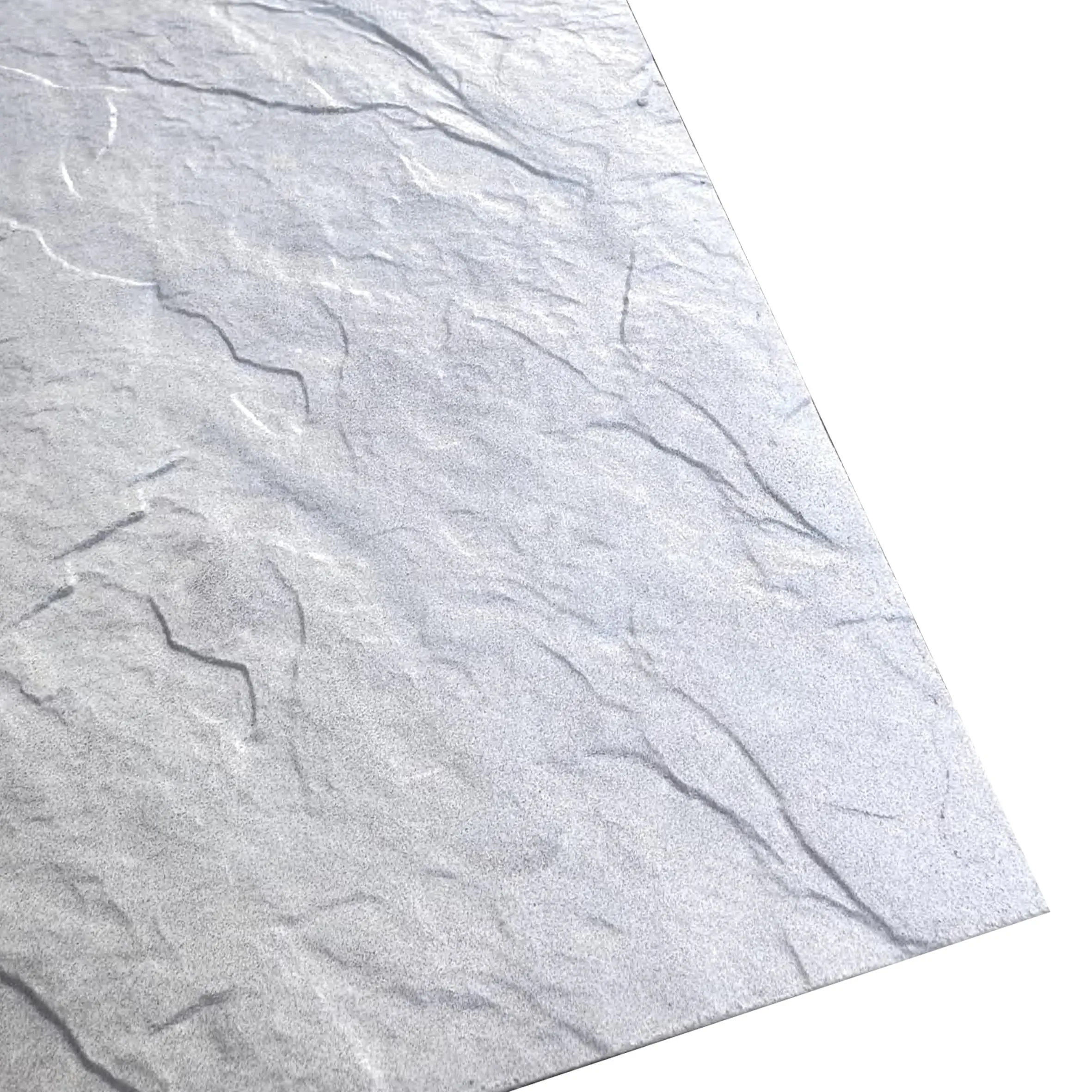
Let's get granular. To truly understand why Slate Veil White stands out, let's look at the technical specs. The table below breaks down its key parameters, alongside compliance with major international standards:
| Parameter | Slate Veil White MCM | Compliance Standards |
|---|---|---|
| Material Composition | Natural slate aggregates, polymer resin, glass fiber reinforcement | ASTM C1194 (Standard Specification for Fiber-Reinforced Concrete Panels) |
| Thickness Options | 3mm, 6mm, 10mm | EN 12467 (Natural Stone Test Methods – Determination of Flexural Strength) |
| Weight per Unit Area | 6-8 kg/m² (3mm thickness) | AS/NZS 1170.1 (Structural Design Actions – Permanent, Imposed, and Other Actions) |
| Fire Rating | A1 (Non-combustible) | BS EN 13501-1 (Fire Classification of Construction Products and Building Elements) |
| Water Absorption | <0.5% | ASTM C97 (Standard Test Methods for Absorption and Specific Gravity of Dimension Stone) |
| Flexural Strength | >25 MPa | EN 12467 (Natural Stone Test Methods – Determination of Flexural Strength) |
| UV Resistance | No visible fading after 2000 hours of UV exposure | ISO 4892-2 (Plastics – Methods of Exposure to Laboratory Light Sources – Part 2: Xenon-Arc Lamps) |
| Sustainability Credentials | 30% recycled content, LEED points eligible | LEED v4 (Leadership in Energy and Environmental Design) |
These numbers aren't just impressive on paper—they translate to real-world benefits. Take weight, for example: a 3mm Slate Veil White panel weighs roughly 6 kg/m², compared to 20 kg/m² for traditional slate and 24 kg/m² for fair-faced concrete. This reduction in weight means lower structural support requirements, which can cut down on steel and concrete usage in the building's frame. Over a large project, that adds up to significant cost savings and a smaller carbon footprint. And with thickness options from 3mm to 10mm, it's versatile enough for everything from thin, lightweight cladding on high-rises to thicker, more robust panels for exterior flooring in high-traffic areas.
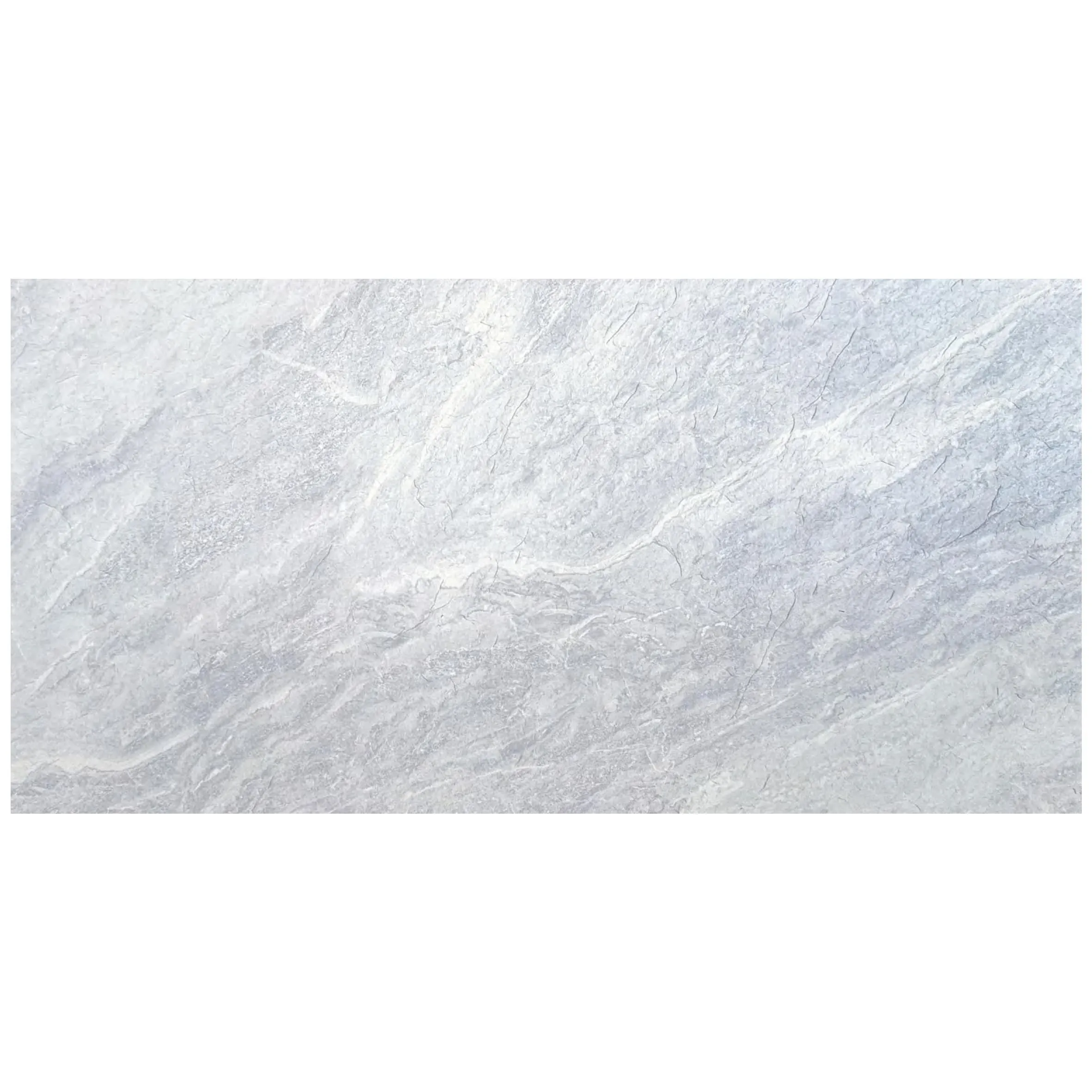
To really appreciate Slate Veil White, let's put it head-to-head with a common alternative: fair-faced concrete. Fair-faced concrete has its fans— it's raw, industrial, and has a certain minimalist charm. But when you dig into the details, the gaps start to show.
First, aesthetics. While fair-faced concrete is known for its uniformity, that uniformity can also be its downfall. It lacks the natural variation and depth of Slate Veil White, which mimics the unique veining and texture of real slate. Architects often find themselves adding expensive finishes or coatings to fair-faced concrete to make it visually interesting, negating its cost benefits. Slate Veil White, on the other hand, arrives ready to impress—no extra steps needed.
Then there's installation. Fair-faced concrete is heavy and brittle, requiring specialized equipment and careful handling to avoid cracks. Slate Veil White, being lightweight and flexible, can be cut on-site with standard tools, reducing installation time by up to 40%. We spoke to a contractor in Madrid who switched to Slate Veil White for a hotel renovation project and reported cutting his labor costs by a third. "We used to need a crane just to move concrete panels," he told us. "Now, two guys can carry a Slate Veil White panel up a ladder. It's changed the game for us."
Maintenance is another area where Slate Veil White shines. Fair-faced concrete is porous, meaning it stains easily and requires regular sealing to prevent water damage. Slate Veil White's low water absorption and stain resistance mean it can be cleaned with nothing more than soap and water, even in high-traffic areas like shopping mall facades. Over a 20-year lifecycle, the maintenance savings alone can offset the initial material cost.
In an era where climate change is pushing the construction industry to rethink its practices, green building materials aren't just a selling point—they're a responsibility. COLORIA GROUP has always prioritized sustainability, and Slate Veil White is a testament to that commitment. Let's break down how it contributes to a greener built environment.
First, the production process. Traditional stone quarrying is resource-intensive, often involving large-scale mining that disrupts ecosystems and consumes massive amounts of energy. COLORIA's approach is different. By using recycled stone aggregates from construction waste, they're diverting material from landfills and reducing the need for new quarrying. Their manufacturing facilities run on 100% renewable energy—solar panels and wind turbines power the production lines, and excess heat is captured and reused. The result? A carbon footprint that's 60% lower than traditional slate production.
Then there's the product's lifecycle. Slate Veil White's durability means it doesn't need to be replaced as often as traditional materials, which reduces waste over time. And when it does reach the end of its life (decades down the line), it's fully recyclable— the stone aggregates can be crushed and reused in new MCM panels, closing the loop. Compare that to fair-faced concrete, which is difficult to recycle and often ends up in landfills, and the sustainability advantage is clear.
Indoor air quality is another green benefit. Many building materials release VOCs, which can cause headaches, allergies, and long-term health issues. Slate Veil White is VOC-free, making it ideal for interior applications like hospitals, schools, and homes where air quality is critical. It's also mold and mildew resistant, which means healthier indoor environments and less reliance on chemical cleaners.
It's no wonder that Slate Veil White is a favorite among LEED-accredited projects. From the Green Star-certified office complex in Sydney to the LEED Platinum community center in Vancouver, it's helping architects and developers meet their sustainability goals without compromising on design.
Slate Veil White isn't just for small-scale projects—it's built for the big leagues. COLORIA GROUP's architectural big slab solutions leverage the material's lightweight nature and flexibility to create seamless, large-scale facades and surfaces that were once impossible with traditional stone. Imagine a 50-story skyscraper with a continuous, veined white exterior that looks like it was carved from a single block of stone. With Slate Veil White, that's not just a dream—it's reality.
One standout project is the Azure Tower in Doha, Qatar. The architects wanted a facade that would reflect the city's modern skyline while withstanding the harsh desert climate. Traditional stone was out of the question due to weight and heat absorption issues. Slate Veil White stepped in, with 6mm panels covering over 12,000 square meters of the tower's exterior. The result? A gleaming, energy-efficient facade that stays cool in the desert sun (thanks to its low thermal conductivity) and meets Qatar's strict building codes for wind resistance and fire safety. "We were able to achieve the aesthetic we wanted without compromising on performance," said the project's lead architect. "Slate Veil White made the impossible possible."
But it's not just skyscrapers. Slate Veil White is equally at home in cultural projects, like the new National Museum extension in Lisbon. Here, the material was used for both exterior cladding and interior flooring, creating a cohesive design language that blends modernity with the museum's historic surroundings. Its ability to be cut into custom shapes and sizes allowed the architects to incorporate intricate patterns that would have been cost-prohibitive with traditional stone.
Even in residential settings, Slate Veil White is making waves. Take the Riverbank Residences in Singapore, where it's used for balcony cladding and outdoor kitchen countertops. Its resistance to moisture and UV radiation means it stays looking new even in Singapore's humid climate, and its lightweight nature made installation a breeze in the tight urban space.
As we look to the future, one thing is clear: the demand for materials that balance beauty, performance, and sustainability will only grow. COLORIA GROUP isn't resting on its laurels. They're already working on next-generation MCM products that push the boundaries even further—think self-cleaning surfaces that repel dirt, or panels embedded with sensors that monitor structural health in real time. And Slate Veil White? It's just the beginning of their commitment to redefining what's possible in architectural design.
For architects, builders, and developers, the message is simple: compliance doesn't have to mean compromise. With materials like Slate Veil White, you can create spaces that are safe, sustainable, and stunning—spaces that inspire, protect, and stand the test of time. In a world where building codes are getting stricter and design expectations are higher than ever, that's not just a win—it's a revolution.
So, the next time you walk past a building that takes your breath away, take a closer look. Chances are, it's not just the design that makes it special—it's the materials. And if it's clad in a soft, veined white that looks like it was born from the earth but built for the future, it just might be COLORIA GROUP's Slate Veil White MCM. Because in the end, great architecture isn't just about what you see—it's about what you trust.
Recommend Products












