
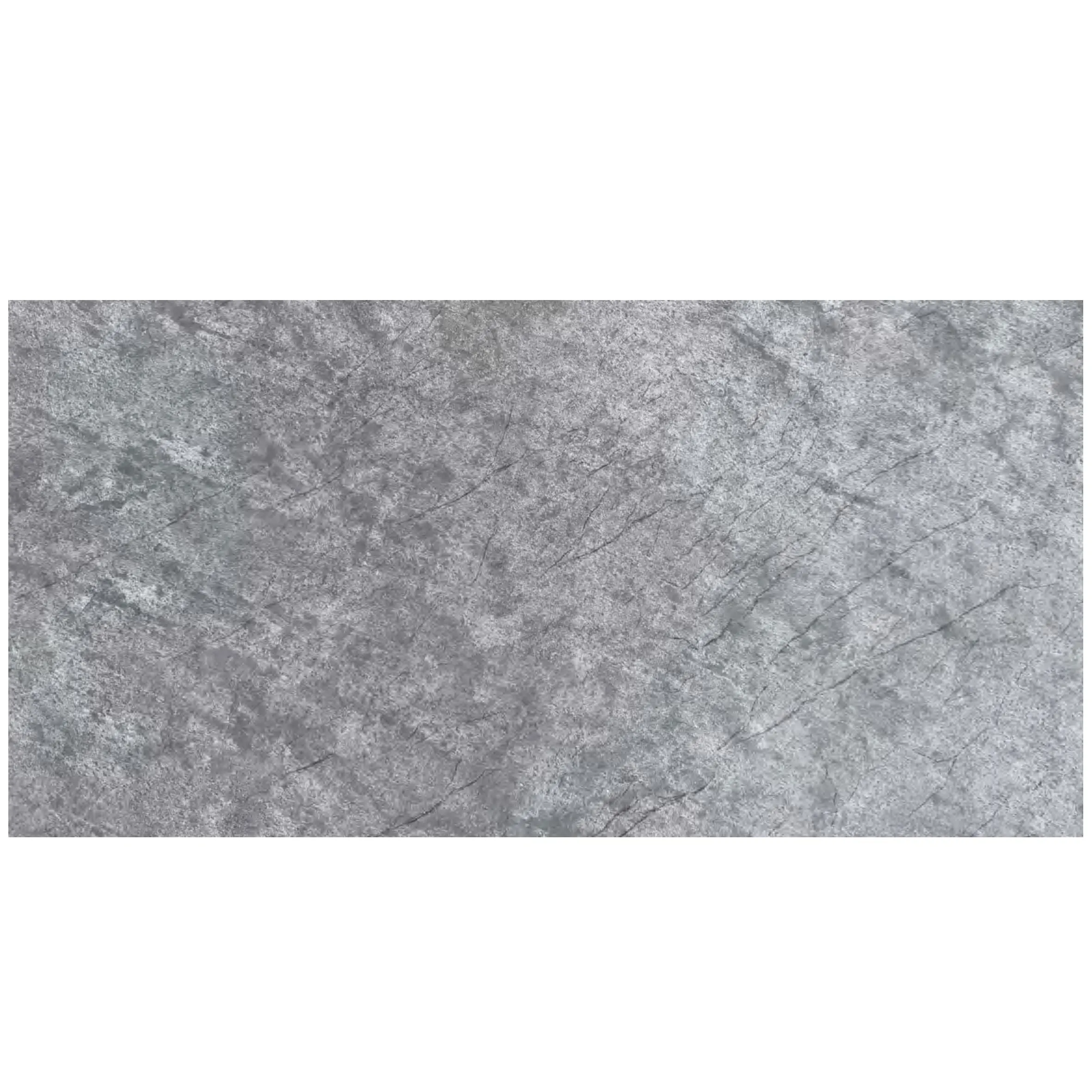
Architecture is more than just structures—it's a language. Every beam, every surface, every texture speaks to the people who interact with it. And in that language, materials are the words that give it depth, emotion, and meaning. For decades, architects and designers have chased the perfect balance between form and function, searching for materials that don't just exist in a space but elevate it. Enter COLORIA's MCM 3D Printing Series—a game-changer that's redefining how we think about architectural materials, starting with one standout innovation: Glacial Slate prototypes .
If you've ever stood in front of a historic stone building and run your hand over its weathered surface, you know the power of texture. It tells a story of time, of nature, of human hands shaping something lasting. But in modern architecture, that same warmth and character often gets lost in the race for efficiency and cost-effectiveness. That's where COLORIA steps in. Their MCM (Modified Composite Material) 3D Printing technology isn't just about creating materials—it's about capturing the soul of natural elements and translating them into something versatile, durable, and infinitely customizable. And Glacial Slate? It's the first chapter of that story.
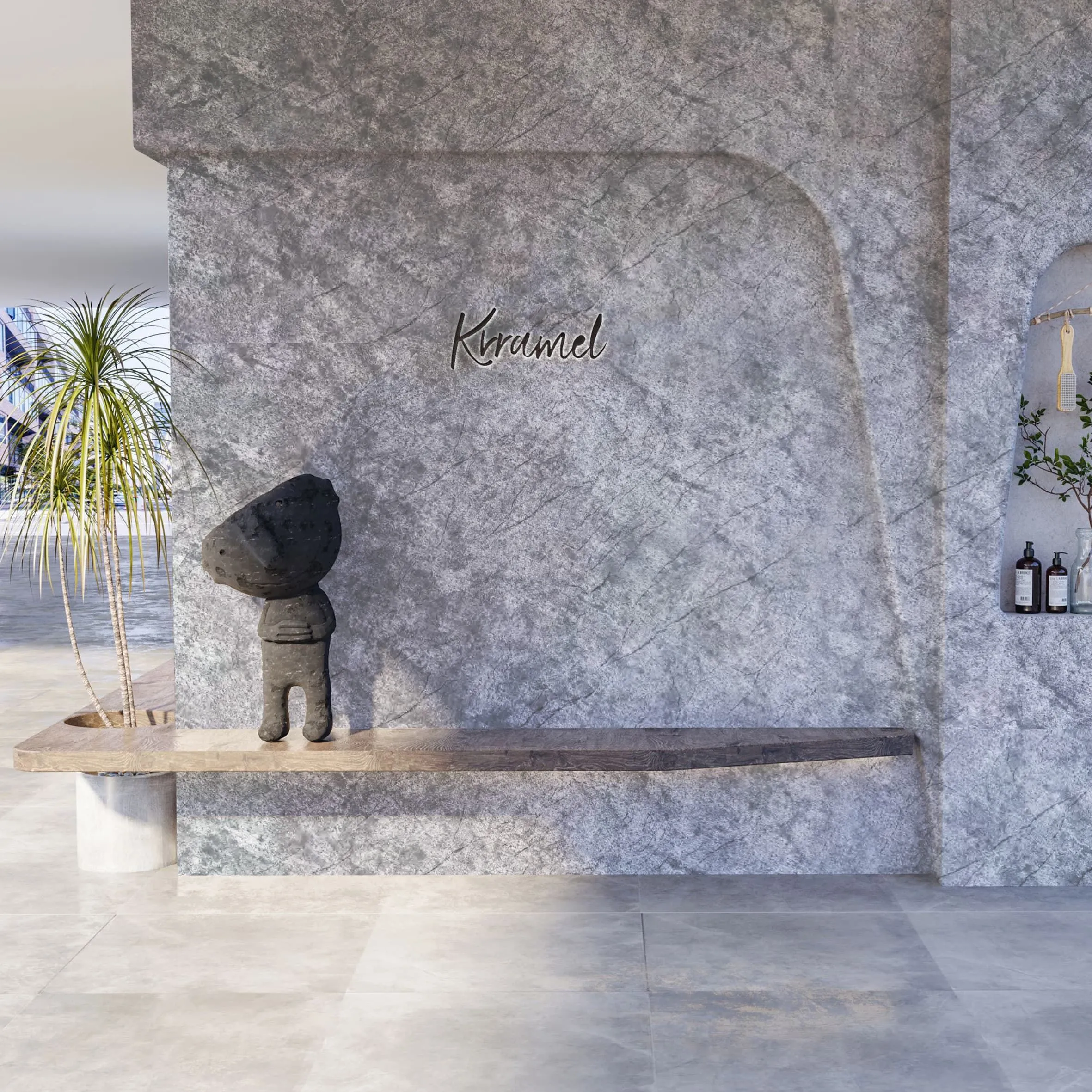
Let's start with the name: Glacial Slate . It evokes images of ancient ice fields, slow-moving glaciers carving through rock, leaving behind layers of stone that bear the marks of centuries. That's exactly the vibe COLORIA set out to capture. This isn't your average synthetic slate—it's a prototype born from a desire to merge the raw, untamed beauty of glacial-eroded stone with the precision of 3D printing. Imagine a material that looks like it was plucked from the side of a mountain, yet weighs a fraction of the real thing, bends without breaking, and can be shaped into any form an architect can dream up. That's Glacial Slate in a nutshell.
"We wanted to create something that feels alive ," says Maria Lopez, lead designer at COLORIA's Material Innovation Lab. "Too often, modern building materials feel flat, like they're just there to cover a surface. Glacial Slate is different. When you run your fingers over it, you can feel the subtle ridges and valleys—like the memory of a glacier's path. It's not just a panel; it's a texture with a narrative."
So how does the MCM 3D Printing Series make this possible? Traditional slate is heavy, brittle, and hard to work with—great for historic buildings but not so much for contemporary designs that demand flexibility. COLORIA's process uses a blend of recycled stone aggregates, polymer resins, and natural pigments, all layered together with 3D printing precision. The result? A material that mimics the depth of natural slate but with the added benefits of being lightweight (up to 70% lighter than real stone), resistant to weathering, and easy to install. It's the best of both worlds: the aesthetic of nature, the performance of modern engineering.
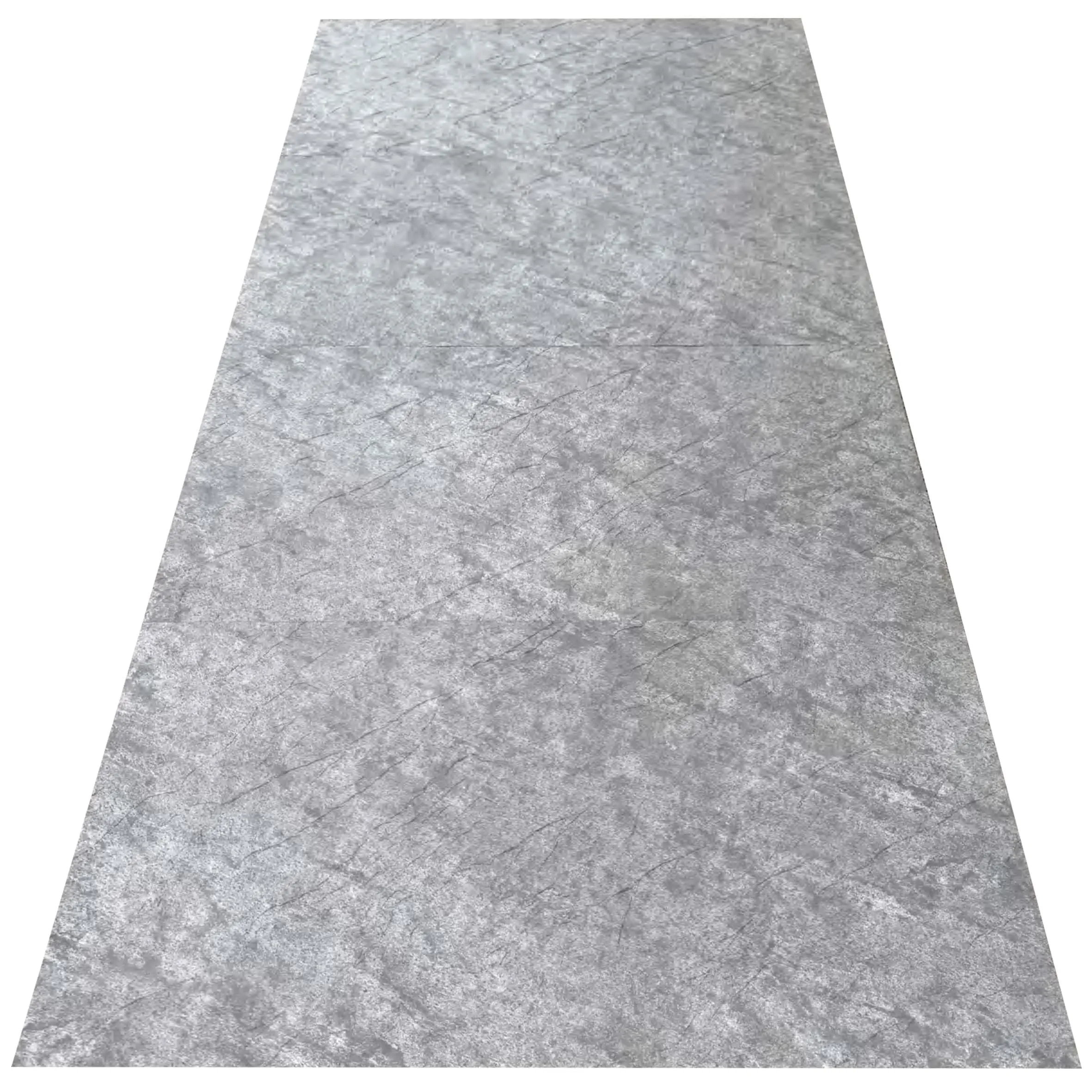
Let's talk about texture—because that's where Glacial Slate truly shines. Close your eyes for a second and picture a slab of this material. The base color is a cool, muted gray, with hints of silver and charcoal that shift depending on the light. But it's the surface that steals the show: tiny, irregular grooves that look like they were etched by ice, interspersed with smooth, polished patches that catch the light. It's not uniform, and that's the point. Unlike mass-produced tiles that repeat the same pattern ad nauseam, each Glacial Slate prototype has subtle variations—just like real stone. No two panels are exactly alike, giving spaces a sense of organic uniqueness.
But here's the kicker: this isn't just for show. The texture serves a purpose, too. Those tiny grooves? They're designed to play with light, creating depth in a room or on a facade. In a sunlit lobby, Glacial Slate panels might look bright and airy; in the evening, under warm lighting, they take on a cozy, intimate glow. It's a material that adapts to its environment, making it perfect for everything from residential interiors to commercial exteriors.
And let's not forget about color. While the classic Glacial Slate leans into cool grays, COLORIA's prototypes come in a range of shades, from near-white "frosted" variants to deep charcoal "midnight" editions. Each hue is mixed using natural pigments, so there's no harsh chemical undertones—just rich, earthy colors that feel grounded. It's a far cry from the artificial-looking synthetics that have dominated the market for years.
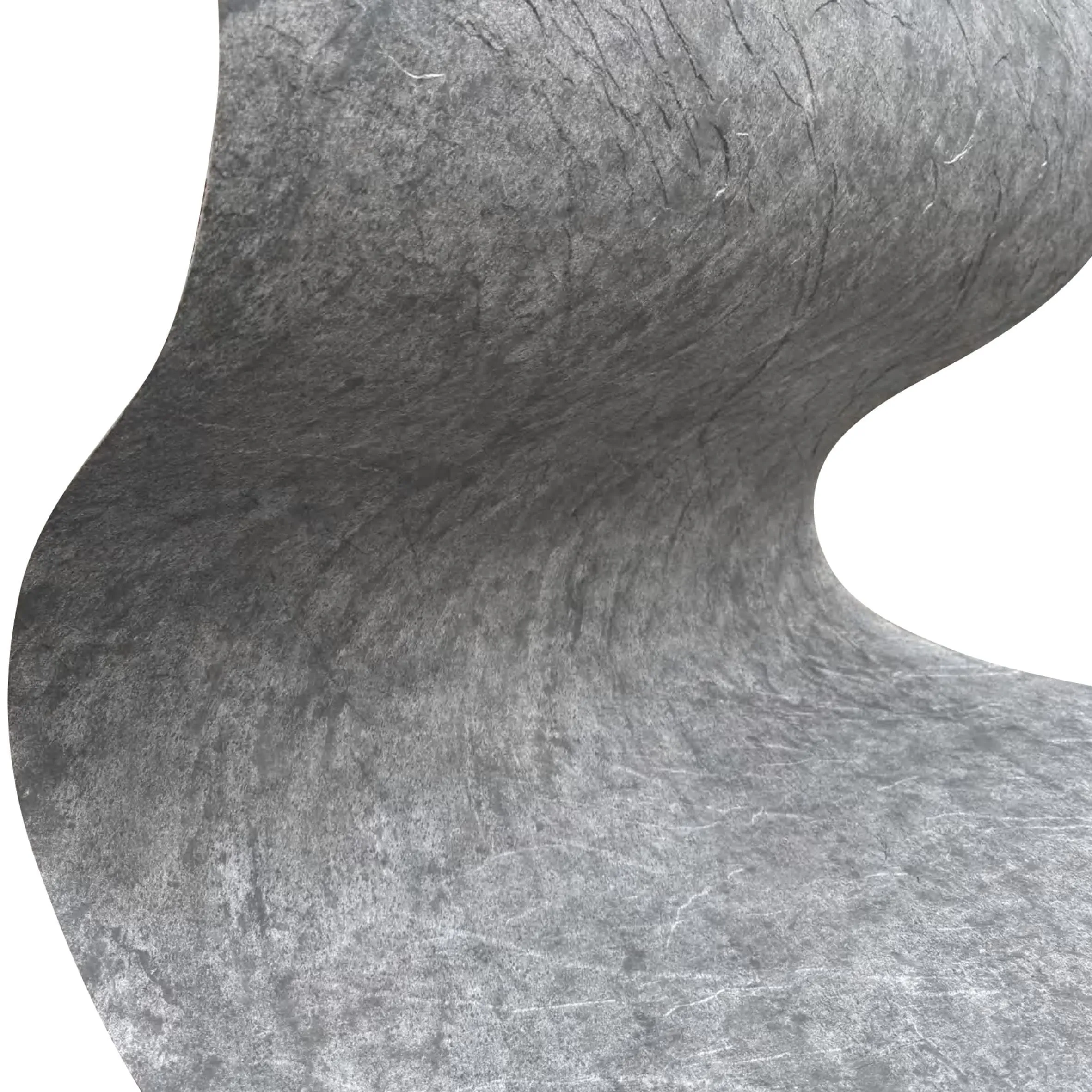
If you're an architect, you know the struggle: you spend weeks crafting a design, pouring over renderings, and explaining your vision to clients. But until they can touch the materials, until they can see how the light hits a surface, it's hard for them to truly get it. That's where prototypes come in—and Glacial Slate is a game-changer for architectural visualization.
"We used to rely on 2D samples or digital mockups," says James Chen, principal architect at Chen & Partners. "But clients would always ask, 'What does it feel like?' With Glacial Slate prototypes, I can bring a full-scale panel to a meeting. They can run their hands over it, hold it up to the light, even imagine it on their building's facade. It turns abstract ideas into something tangible—and that makes all the difference in getting buy-in."
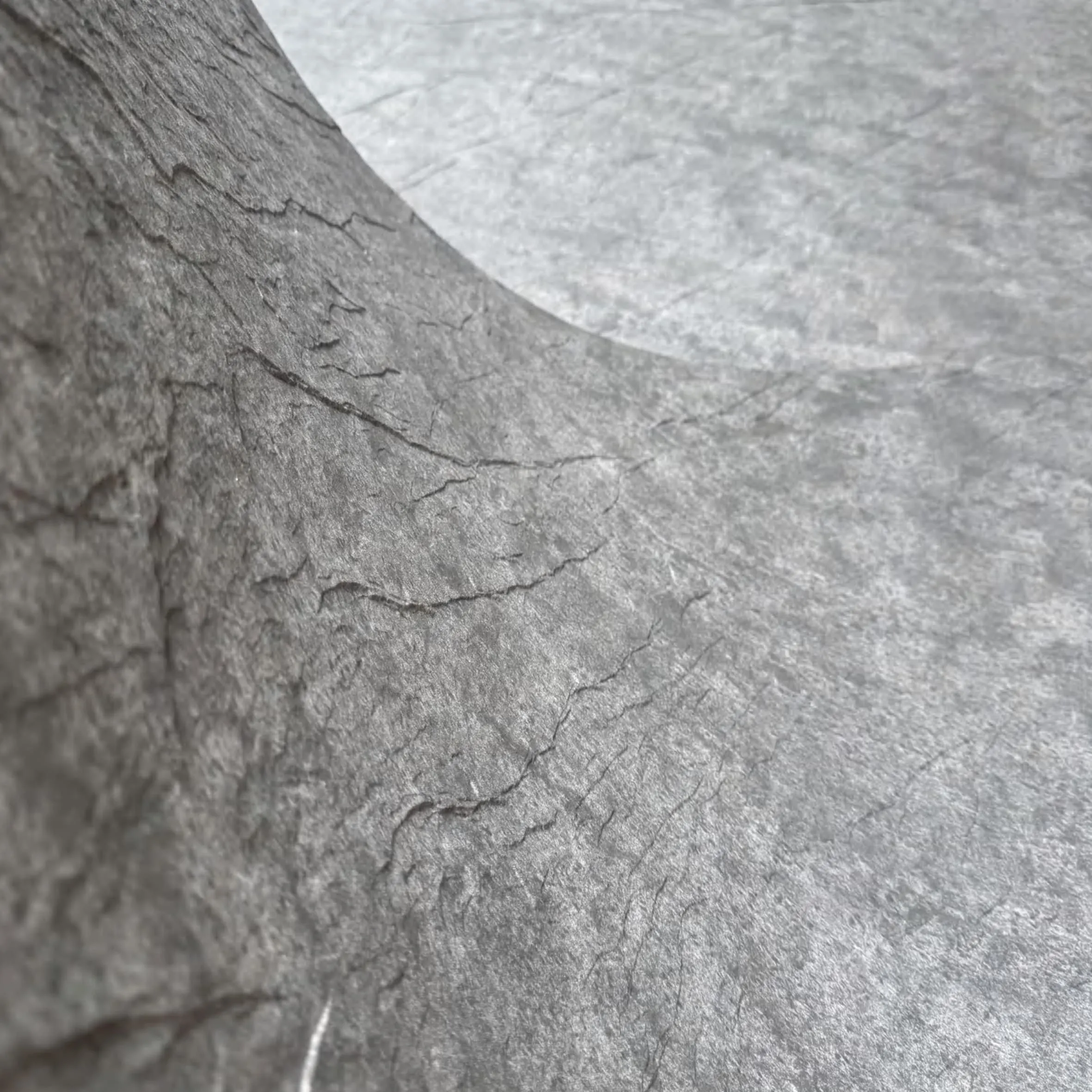
But it's not just about client presentations. Glacial Slate prototypes also help architects test their designs in ways that weren't possible before. Want to see how a curved wall would look with Glacial Slate? No problem—the material's flexibility (a key feature of COLORIA's flexible stone cladding panels ) means you can bend it to match your design. Curious about how it holds up to weather? COLORIA's lab tests simulate years of rain, wind, and UV exposure, so you know exactly how it will perform in the real world. It's like having a crystal ball for your building materials.
Of course, Glacial Slate isn't the only innovative material in COLORIA's lineup. The MCM 3D Printing Series includes standouts like foamed aluminium alloy board (vintage silver) —a sleek, metallic option that's perfect for modern, industrial designs. But how does Glacial Slate compare? Let's break it down:
| Feature | Glacial Slate Prototype | Foamed Aluminium Alloy Board (Vintage Silver) |
|---|---|---|
| Texture | Organic, layered, with glacial-inspired ridges and smooth patches | Sleek, metallic, with a brushed finish and subtle sheen |
| Weight | Lightweight (approx. 8kg/m²) | Ultra-lightweight (approx. 5kg/m²) |
| Flexibility | Highly flexible; can bend up to 120° without cracking | Moderately flexible; best for flat or gently curved surfaces |
| Aesthetic Vibe | Warm, earthy, nature-inspired; ideal for rustic-modern or biophilic designs | Cool, industrial, futuristic; perfect for high-tech or minimalist spaces |
| Primary Use Case | Residential exteriors, hotel lobbies, retail spaces with a natural focus | Office facades, urban installations, accent walls in contemporary interiors |
The takeaway? Glacial Slate and foamed aluminium (vintage silver) are like two sides of the same coin—both innovative, both part of COLORIA's commitment to pushing material boundaries, but each with its own personality. For architects who want to blend nature and modernity, Glacial Slate is the clear choice. It's a material that doesn't just fit into a design; it complements it, adding layers of visual interest without overwhelming the space.
Let's get concrete (pun intended). Where is Glacial Slate already making waves? One standout example is the Northridge Residences , a boutique apartment complex in Portland, Oregon. Designed by local firm Greenhaus Architecture, the project aimed to create a "mountain retreat in the city"—and Glacial Slate was the key to pulling that off.
"We wanted the exterior to feel like it had been there for decades, even though it was a new build," explains lead architect David Kim. "Real slate would have been too heavy for the structure, and synthetic options looked cheap. Then we saw COLORIA's Glacial Slate prototype. The texture was spot-on—like it had been weathered by rain and wind—but it was light enough to install without reinforcing the walls. Now, when you walk up to the building, you get that same cozy, mountain-cabin feeling, but with all the benefits of modern construction."
Another project? The Ember & Stone Café in Seattle. The owner, a former geologist, wanted the interior to feel like a "modern cave"—warm, inviting, with walls that told a story. Glacial Slate panels line the main dining area, paired with wood accents and soft lighting. "Customers keep asking where we got the stone," laughs owner Maya Patel. "They can't believe it's not real! But that's the magic of it—it looks and feels natural, but it's so much easier to clean and maintain than real slate. Plus, the 3D printing meant we could custom-order panels with specific textures, like a section that mimics the of a glacial riverbed. It's become the café's signature feature."
And it's not just small-scale projects. COLORIA's architectural big slab solutions mean Glacial Slate can be scaled up for large commercial buildings, too. Imagine a corporate headquarters with a facade that shimmers like a glacier in the sun, or a museum where the walls feel like they've been carved from stone but are actually lightweight, energy-efficient panels. The possibilities are endless.
One of the biggest pain points in architecture is the "one-size-fits-all" approach to materials. You find a texture you love, but it only comes in one color. Or a color that's perfect, but the panel size is too small. COLORIA's MCM 3D Printing Series flips that script—and Glacial Slate is a prime example of that flexibility.
"We don't believe in limiting creativity," says Lopez. "If an architect wants Glacial Slate in a custom blue-gray shade, or with deeper grooves to mimic a specific geological formation, we can do that. The 3D printing process lets us tweak the design file in minutes, so prototypes can be ready in days, not weeks."
Want panels that interlock like puzzle pieces? No problem. Need a curved section for a rounded wall? Glacial Slate's flexibility makes it possible. Even the finish can be adjusted—from matte to semi-gloss, depending on the desired light reflection. It's customization without the hassle, which is a game-changer for projects that demand a personal touch.
In 2025, "sustainable" isn't just a buzzword—it's a requirement. Clients, regulators, and architects alike are demanding materials that minimize environmental impact, and COLORIA takes that responsibility seriously. Glacial Slate prototypes are a poster child for green building, and here's why:
"Sustainability isn't an add-on for us," says Lopez. "It's baked into the process. When we created Glacial Slate, we asked: 'How can we make something beautiful and kind to the planet?' The answer was in the materials, the manufacturing, and the design. This prototype isn't just good for buildings—it's good for the future."
Glacial Slate is just the beginning. COLORIA's MCM 3D Printing Series has a pipeline of new prototypes in the works, each aiming to capture a different natural element—think "Desert Wind" textures inspired by sand dunes, or "Cascade" panels that mimic the flow of water. But even beyond new designs, the technology itself is evolving.
"We're experimenting with adding smart features," Lopez hints. "Imagine Glacial Slate panels that can change color with temperature, or absorb air pollutants. The possibilities are endless when you combine 3D printing with advanced materials science."
For architects, this means more tools to tell their stories. More ways to create buildings that don't just function, but connect with people on an emotional level. And for clients? It means spaces that feel unique, personal, and in harmony with the world around them.
At the end of the day, architecture is about people. It's about creating spaces where we live, work, love, and dream. And the materials we use to build those spaces? They shape how we feel in them. Glacial Slate prototypes from COLORIA's MCM 3D Printing Series aren't just a step forward in material science—they're a step forward in creating architecture with heart.
So whether you're an architect looking to add depth to your next project, a designer chasing that perfect texture, or a client who wants their space to feel truly one-of-a-kind, Glacial Slate is more than a material. It's a partner in bringing your vision to life. And in a world that often feels rushed and impersonal, that's a gift worth celebrating.
Here's to the future of architecture—one textured, sustainable, 3D-printed panel at a time.
Recommend Products












