
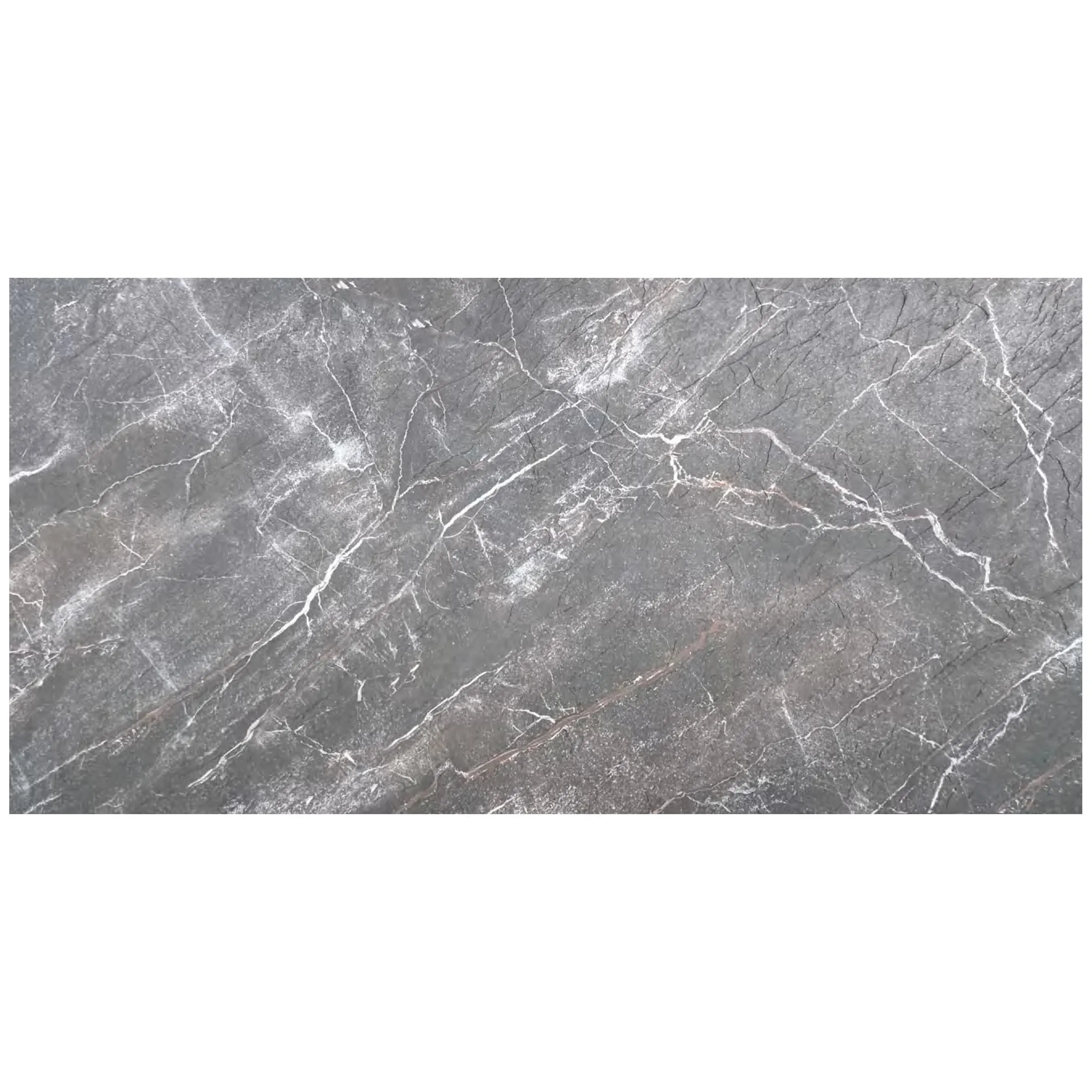
Walk into a room, and before you notice the furniture or the art, you feel it. The coolness of stone underfoot, the warmth of wood against your palm, the way light dances on a metallic surface—these are the quiet storytellers of architecture. They don't just fill space; they shape memory. A childhood home's creaky wooden floor, a hotel lobby's smooth marble that echoes with laughter, a library's stone walls that hold centuries of whispers—materials are the backbone of emotion in the places we inhabit. Today, we dive into COLORIA MCM's world of textures and tones, where innovation meets humanity, and every slab, panel, and grain has a tale to tell. At the heart of this narrative? Slate Portoro —a stone that doesn't just decorate, but dignifies. And around it, a constellation of materials like MCM flexible stone , Lunar Peak series , and foamed aluminium alloy board that redefine what it means to build with feeling.
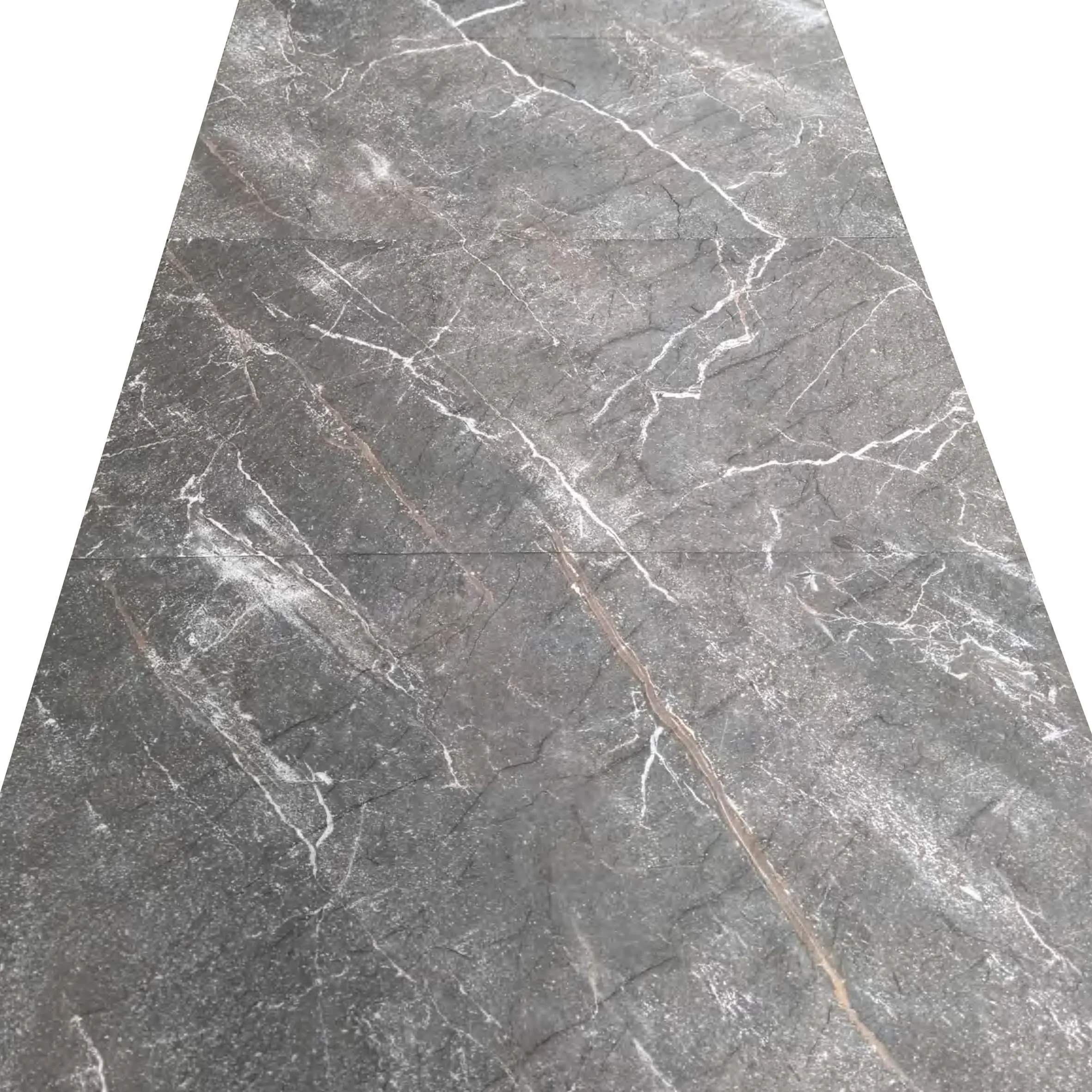
If there's a material that feels like a secret shared between earth and sky, it's Slate Portoro. Close your eyes and run your hand over it—cool, dense, yet surprisingly alive. Its base is a deep, velvety black, so rich it seems to absorb light, but then there are the veins: thin, molten gold streaks that cut through the darkness like shooting stars frozen in time. It's not just a stone; it's a mood. In a boutique hotel in Kyoto, I once stood in a hallway lined with Slate Portoro. The lighting was soft, warm, and as I walked, the gold veins shifted—now bold, now faint—like the sky changing from dusk to midnight. A guest beside me stopped, too, her fingers brushing the surface. "It feels… sacred," she said. That's the magic of Slate Portoro: it turns ordinary moments into something almost spiritual.
Originating from quarries where the earth's crust has been sculpted by millennia of pressure and heat, Slate Portoro carries the weight of time, but it never feels old. Instead, it feels eternal. In a family home in Barcelona, a designer used it for a fireplace surround. "We wanted something that would grow with the family," they explained. "Kids will spill juice on it, dogs will scratch it, and instead of looking worn, it'll look loved. The gold veins will catch the firelight, and every evening, it'll be like gathering around a campfire under the stars." That's the beauty of natural stone—its imperfections are its poetry. A tiny crack, a vein that wanders off course, a spot where the gold deepens to amber—these are not flaws. They're fingerprints, proof that this stone was born, not manufactured.
But Slate Portoro isn't just for grand gestures. In a Tokyo café, it lines the bar top, where baristas pour espresso and customers lean in to chat. The black surface makes the coffee cups pop—white porcelain, rich brown liquid—and the gold veins catch the overhead lights, turning each sip into a small celebration. "People stay longer here," the owner told me. "They run their hands over the bar while they wait. It's like the stone is keeping them company." That's the unspoken power of materials: they don't just occupy space—they connect us to it. Slate Portoro doesn't demand attention; it invites it, gently, like a friend sharing a story.
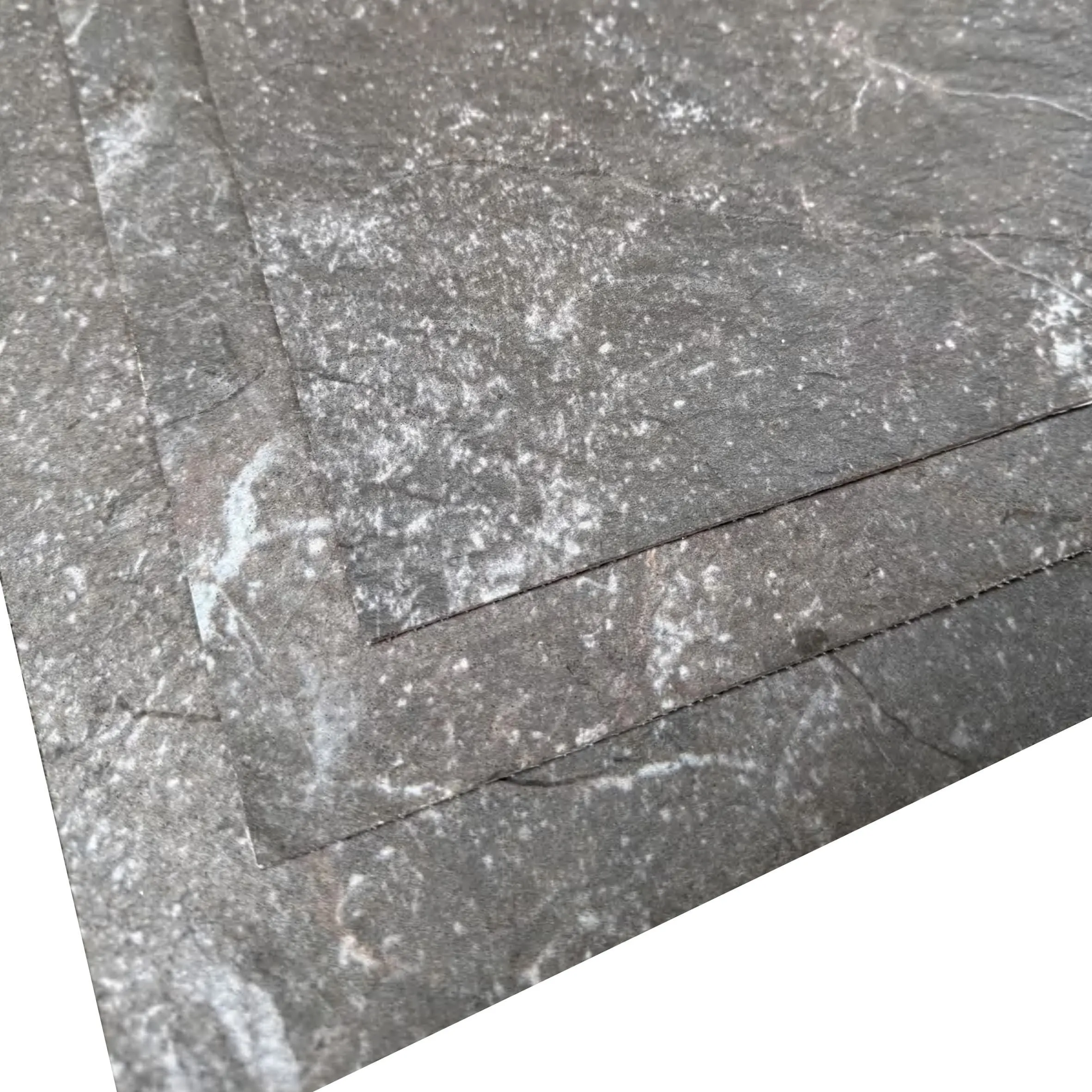
If Slate Portoro is the earth's memory, MCM flexible stone is its future. Traditional stone is a heavyweight—beautiful, but unyielding. It demands strong walls, cranes, and compromise. MCM flexible stone? It bends. It curves. It climbs walls like ivy and wraps around columns like a hug. It's stone, but reimagined as a storyteller with range. I visited a school in Copenhagen where the corridors are lined with MCM flexible stone in soft beige. "We needed something durable—kids are tough on walls—but also warm," the architect said. "Traditional stone would have felt cold, institutional. This? It's like a giant storybook. The kids run their hands along the curves, trace the patterns, and it feels like the building is smiling back."
The magic lies in its composition: a thin layer of natural stone powder bonded to a lightweight, flexible backing. It weighs a fraction of traditional stone, which means it can go places stone never could—curved facades, ceiling panels, even furniture. In a boutique in Paris, the fitting rooms are wrapped in MCM flexible stone in a warm, terracotta hue. "We wanted the space to feel like a cocoon," the designer said. "Rigid walls would have felt like a box. This stone bends, so the room hugs you. Customers stay longer, try on more clothes—they feel safe here." Safety, warmth, comfort—these are not words we usually associate with stone, but MCM flexible stone is changing that. It's stone with a human touch.
And let's talk about sustainability. Every year, traditional stone quarrying leaves behind mountains of waste—stone that's too small, too flawed, or simply unused. MCM flexible stone uses that waste, grinding it into powder and giving it new life. In a world where we're all trying to do better by the planet, this isn't just innovation—it's empathy. "We had a client who cried when she heard about the process," a COLORIA representative told me. "Her family has run a quarry for generations, and she'd always felt guilty about the waste. Now, she sees those 'flaws' as treasures. That's the power of MCM: it turns guilt into pride."
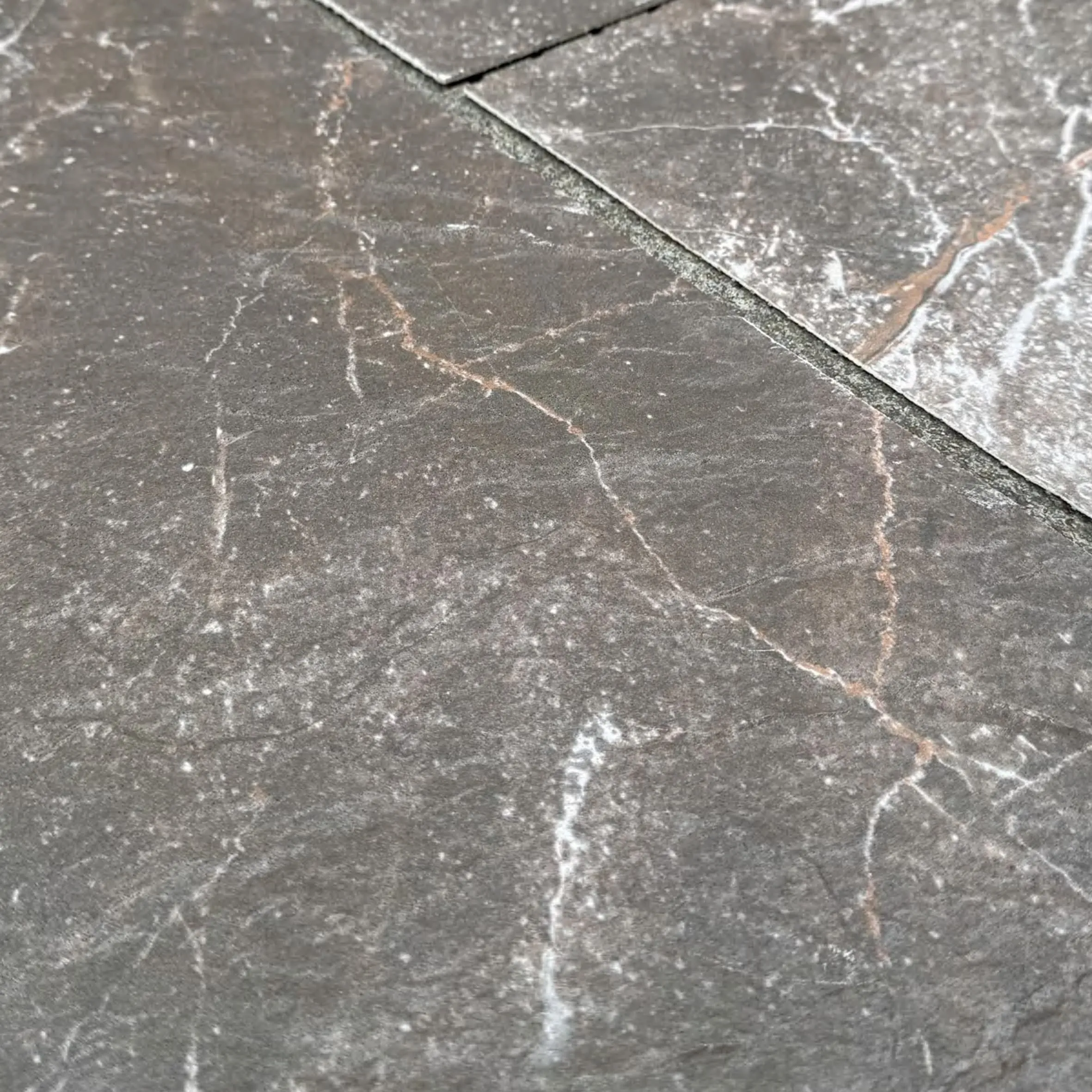
If Slate Portoro is the night sky and MCM flexible stone is the earth's embrace, the Lunar Peak series is the moon—cool, luminous, and full of mystery. Available in silvery, golden, and black finishes, these panels feel like they've been plucked from a futuristic landscape, yet they're surprisingly warm. I stood in a tech startup's office in San Francisco, where the reception area features Lunar Peak Silvery. The walls are covered in the panels, and as the sun rises, light streams through the windows, turning the surface into a sea of stars. "We wanted to inspire our team," the CEO said. "Every morning, they walk in and see the moon on the walls. It reminds them to aim high, but also to stay grounded—because even the moon has craters, and that's what makes it beautiful."
Lunar Peak Golden is a study in contrast. In a restaurant in New York, the bar is clad in Lunar Peak Golden, paired with dark wood and warm lighting. The metallic surface catches the glow of the hanging lamps, turning the bar into a river of liquid gold. "We wanted luxury, but not the cold kind," the owner said. "Gold can feel flashy, but this? It's soft, like sunlight through honey. Couples sit here and hold hands across the bar—they lean in, they talk slower. The gold doesn't shout; it whispers, 'Stay awhile.'" That's the thing about Lunar Peak: it's metallic, but it doesn't feel industrial. It's metal with a soul.
Lunar Peak Black, on the other hand, is drama with depth. In a theater lobby in London, the walls are lined with Lunar Peak Black, and the floor is polished concrete. When the lights dim before a show, the panels absorb the light, turning the space into a void—but then, as the audience files in, their phone screens and the faint glow of exit signs reflect off the surface, creating a constellation of tiny lights. "It's like walking into a galaxy," a theatergoer told me. "You forget you're in a lobby; you feel like you're part of something bigger." That's the Lunar Peak series: it doesn't just reflect light—it reflects emotion. It turns spaces into experiences.
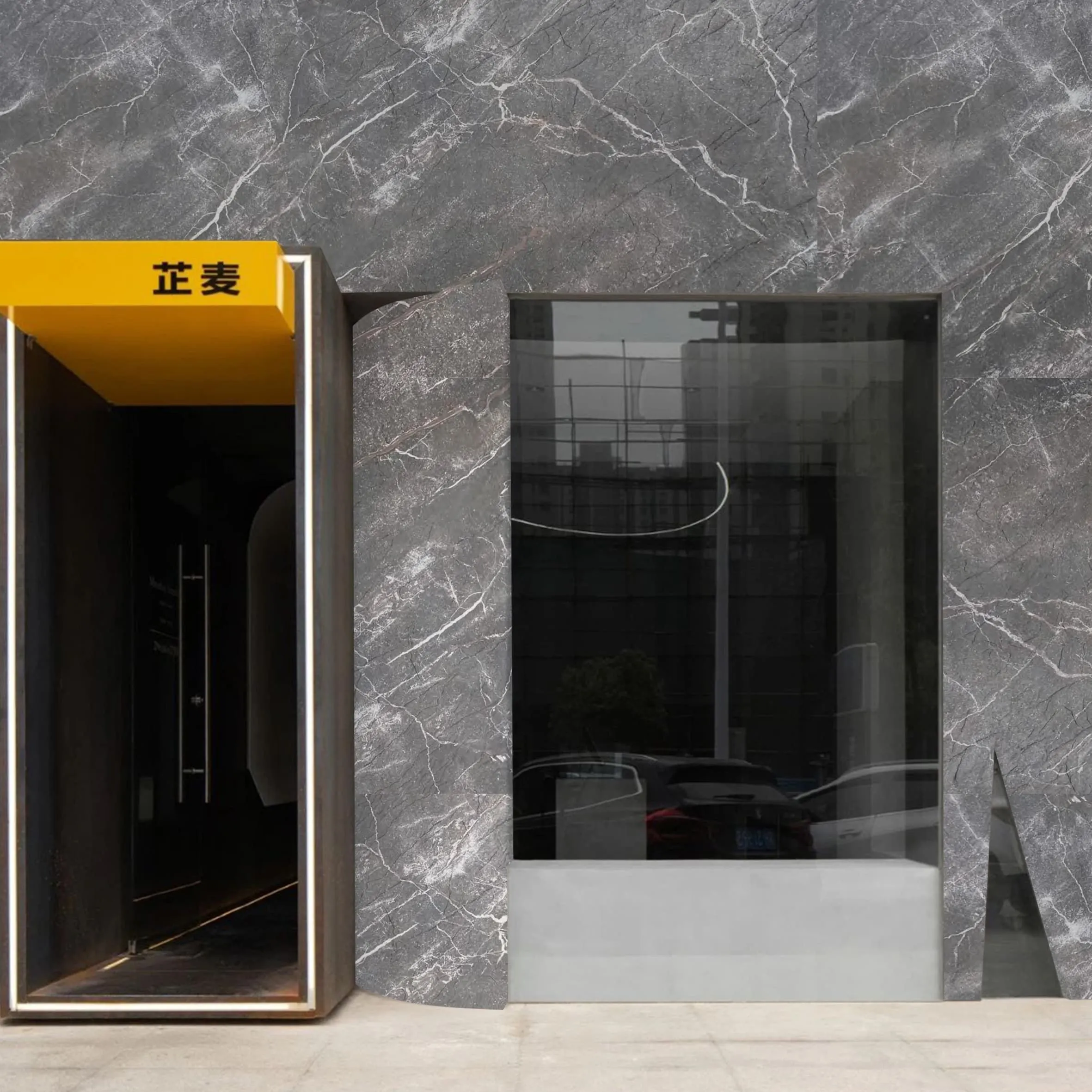
Let's shift gears to something with a little more edge: foamed aluminium alloy board . Available in vintage silver, vintage gold, and classic gold, this material is a love letter to industrial heritage, but with a modern twist. Run your hand over it, and you'll feel a slight texture—like the surface of a well-loved tool, worn smooth by time. It's not cold metal; it's metal with a memory. In a café in Berlin, the walls are a mix of foamed aluminium alloy board (vintage silver) and reclaimed wood. The contrast is electric: the silver panels add a sleek, modern edge, while the wood brings warmth. "We wanted to honor the building's history," the owner said. "It was a factory in the 1920s. The aluminium feels like a nod to that past, but it's light, so the space doesn't feel heavy. It's like a bridge between then and now."
What I love most about foamed aluminium alloy board is its versatility. It can be bold or understated, industrial or elegant. In a luxury hotel bathroom in Dubai, the shower walls are clad in foamed aluminium alloy board (vintage gold). The gold is soft, not brash, and when the water hits it, it shimmers like sunlight on water. "Guests say it feels like showering in a palace," the designer laughed. "But it's also practical—waterproof, easy to clean. Luxury shouldn't mean high maintenance." That's the beauty of this material: it's as functional as it is beautiful. It doesn't ask you to choose between form and function; it gives you both.
And let's talk about sound. In a recording studio in Nashville, the walls are lined with foamed aluminium alloy board (vintage black). "Aluminium absorbs sound in a way that stone or wood can't," the engineer explained. "But instead of using ugly acoustic panels, we used this. It looks like art, and it works like science. Musicians walk in, see the sleek black walls, and they're inspired. The space feels creative, not clinical." Creativity, inspiration, functionality—foamed aluminium alloy board is proof that industrial materials can have a heart. It's not just about building; it's about building spaces that make people want to create, connect, and thrive.
What happens when you pair these materials together? Magic. Imagine a home where the living room features a Slate Portoro fireplace, its black and gold veins glowing in the firelight. The walls are wrapped in MCM flexible stone in a soft, warm beige, curving gently to create a cozy nook. Above the sofa, a Lunar Peak Golden panel hangs, reflecting the firelight and adding a touch of glamour. And in the kitchen, the backsplash is foamed aluminium alloy board (vintage silver), sleek and easy to clean, but with enough texture to feel inviting. This isn't just a house—it's a story. Each material plays a role: the stone grounds it, the flexible panels soften it, the metallic accents lift it, and the aluminium adds edge. Together, they create a space that feels like a hug.
To better understand how these materials dance together, let's look at their unique personalities:
| Material | Core Aesthetic | Emotional Resonance | Ideal Setting |
|---|---|---|---|
| Slate Portoro | Deep black with gold veins; rich, dramatic | Elegance, intimacy, timelessness | Fireplaces, hotel lobbies, statement walls |
| MCM Flexible Stone | Natural stone textures; lightweight, bendable | Warmth, comfort, sustainability | Schools, homes, curved facades |
| Lunar Peak (Silvery/Golden/Black) | Metallic sheen; cool, luminous | Innovation, inspiration, modernity | Offices, tech spaces, theaters |
| Foamed Aluminium Alloy Board | Vintage metallic; industrial-chic | Edge, functionality, heritage | Cafés, kitchens, recording studios |
At the end of the day, materials are more than just tools. They're translators. They turn architects' visions into feelings, designers' ideas into memories, and empty spaces into homes. COLORIA MCM understands this. Whether it's the timeless drama of Slate Portoro, the flexible warmth of MCM flexible stone, the celestial glow of Lunar Peak, or the industrial heart of foamed aluminium alloy board, each material is designed to connect with us—to make us feel something.
I think of a quote I once heard from a master stonemason: "Stone doesn't just hold up walls. It holds up stories." In a world that's moving faster than ever, where we're all craving connection, the materials we choose matter more than we realize. They're the silent narrators of our lives—the ones that turn a house into a home, a office into a community, a lobby into a memory. So the next time you walk into a space that feels "right," take a moment to thank the materials. They're not just there—they're listening, and they're telling your story.
Recommend Products












