
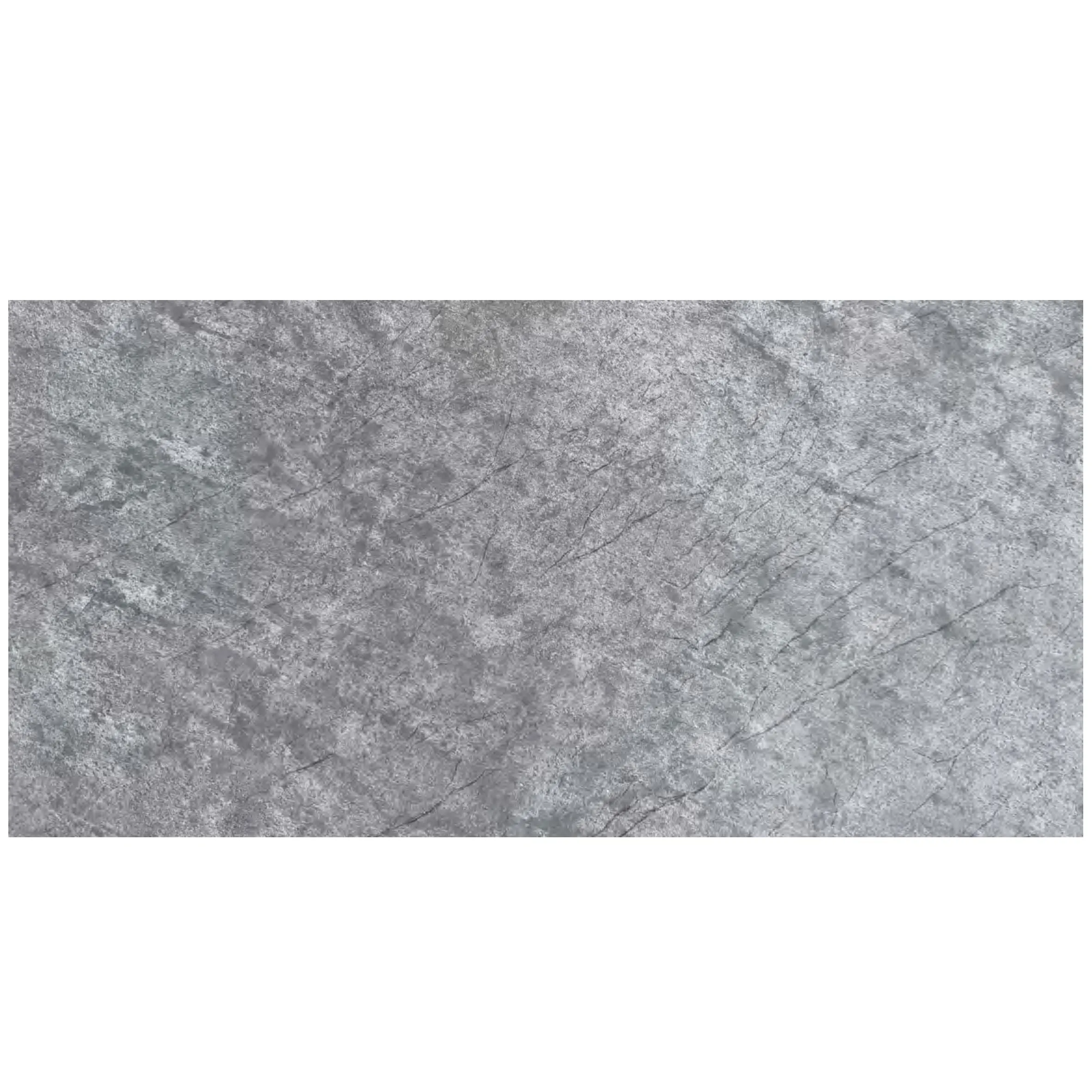
Take a stroll down a cobblestone street in Edinburgh's Old Town, and you'll notice the way sunlight filters through the Gothic spires of 16th-century tenements. Their stone walls, pockmarked by centuries of rain and wind, tell stories of merchants, poets, and revolutions. But pause at the corner of a building, and you might spot something else: loose mortar, crumbling lintels, or a slate roof tile teetering precariously. Historic buildings are living museums, but like any living thing, they need care to survive. The challenge? Renovating them without erasing their soul—and without breaking the bank or risking structural disaster. Enter COLORIA's MCM Flexible Stone, and in particular, their showstopper: Glacial Slate. It's not just a building material; it's a bridge between the past and the future.
Let's start with the obvious: historic buildings weren't built for modern life. Their walls are uneven, their foundations settle like old bones, and their original materials—think thick sandstone, hand-cut slate, or porous limestone—were designed for a world without power tools, climate control, or the relentless wear of urban pollution. When architects and preservationists set out to renovate these structures, they're faced with a dilemma: how do you fix what's broken without turning a 1700s cottage into a 2020s McMansion?
Traditional solutions often fall short. Natural stone, for example, is beautiful but brutal. A single square meter of natural slate can weigh 25–30 kg—imagine stacking that on a wall that was never reinforced with steel beams. Over time, that weight strains the structure, leading to cracks in walls or even roof collapse. Then there's the hassle of cutting it: historic buildings rarely have straight lines, so masons end up chiseling stone into odd shapes, wasting material and time. And let's not forget maintenance: natural stone absorbs water, which freezes in winter, expanding and cracking the surface. Before you know it, you're back to square one, patching and repairing every few years.
Even modern alternatives like fair-faced concrete or polished concrete feel wrong. They're sleek, industrial, and about as warm as a parking garage floor. Slapping them on a historic building is like dressing a Victorian lady in a neon tracksuit—functional, maybe, but totally out of character. What preservationists need is something that looks like the past but acts like the future. That's where COLORIA's MCM Flexible Stone comes in.
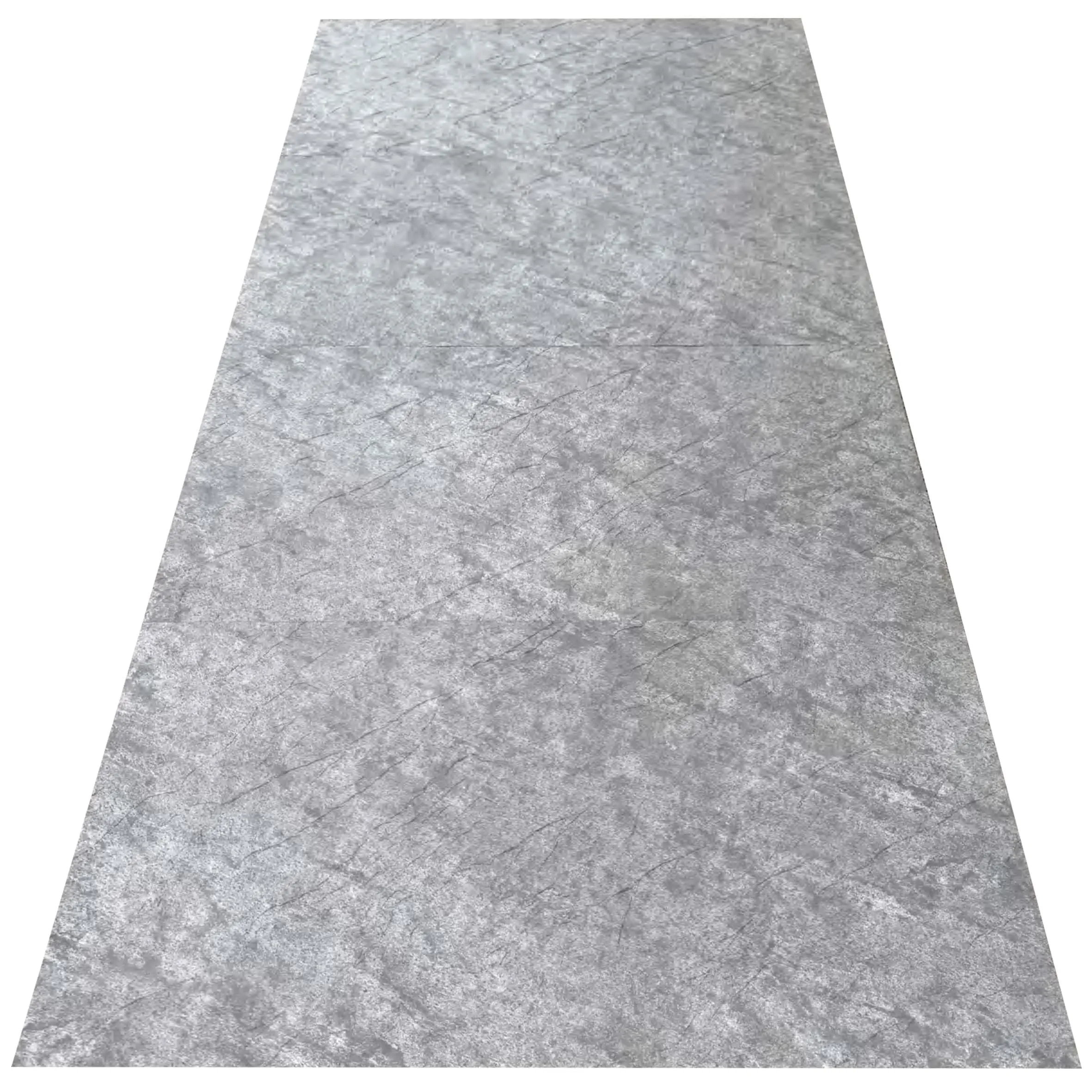
If you've ever stood at the foot of a glacier, you know the feeling: awe at the raw, unpolished beauty of ice-carved stone. Glaciers grind rock into smooth, flowing shapes over millennia, leaving behind slate with cool gray tones, subtle veining, and a texture that feels both rough and refined—like nature's own sculpture. COLORIA's Glacial Slate doesn't just mimic that look; it channels that feeling. Run your hand over a panel, and you'll feel the same gentle ridges and valleys, the same interplay of light and shadow that makes natural glacial slate so captivating. But here's the twist: this isn't stone at all. It's a modified composite material (MCM), engineered to be lightweight, flexible, and tough as nails.
So what makes Glacial Slate different? Let's break it down. First, the aesthetics. COLORIA's design team spent two years studying glacial formations in Iceland and Norway, analyzing how ice, water, and time shape stone. The result? A panel that captures the essence of glacial slate: cool, muted grays that shift from steel-blue to soft charcoal depending on the light, with faint white veining that looks like frozen rivers. Unlike natural slate, which can have unpredictable color variations (great for character, bad for consistency), Glacial Slate offers uniform beauty—so you can cover an entire facade without worrying about a random bright gray patch sticking out like a sore thumb.
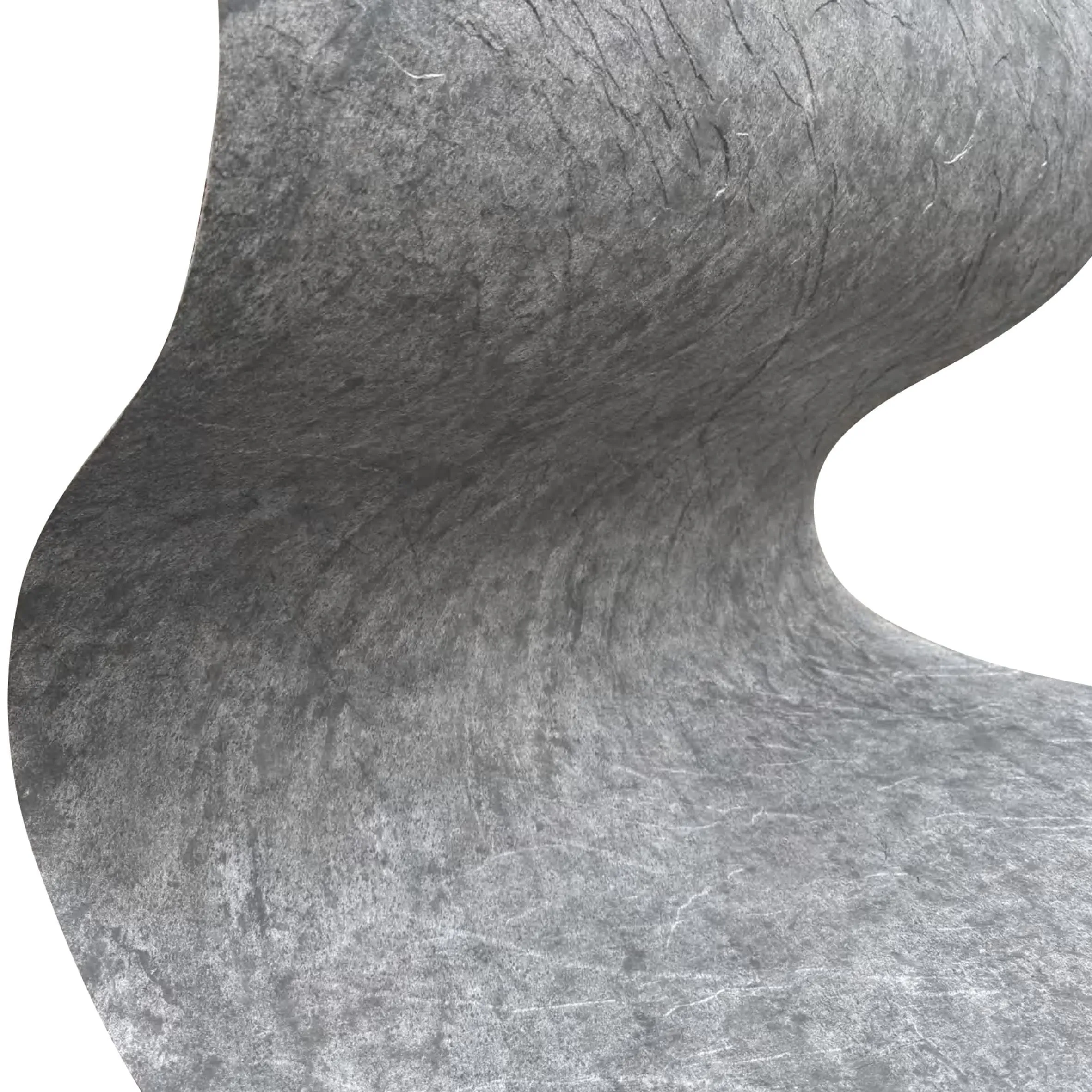
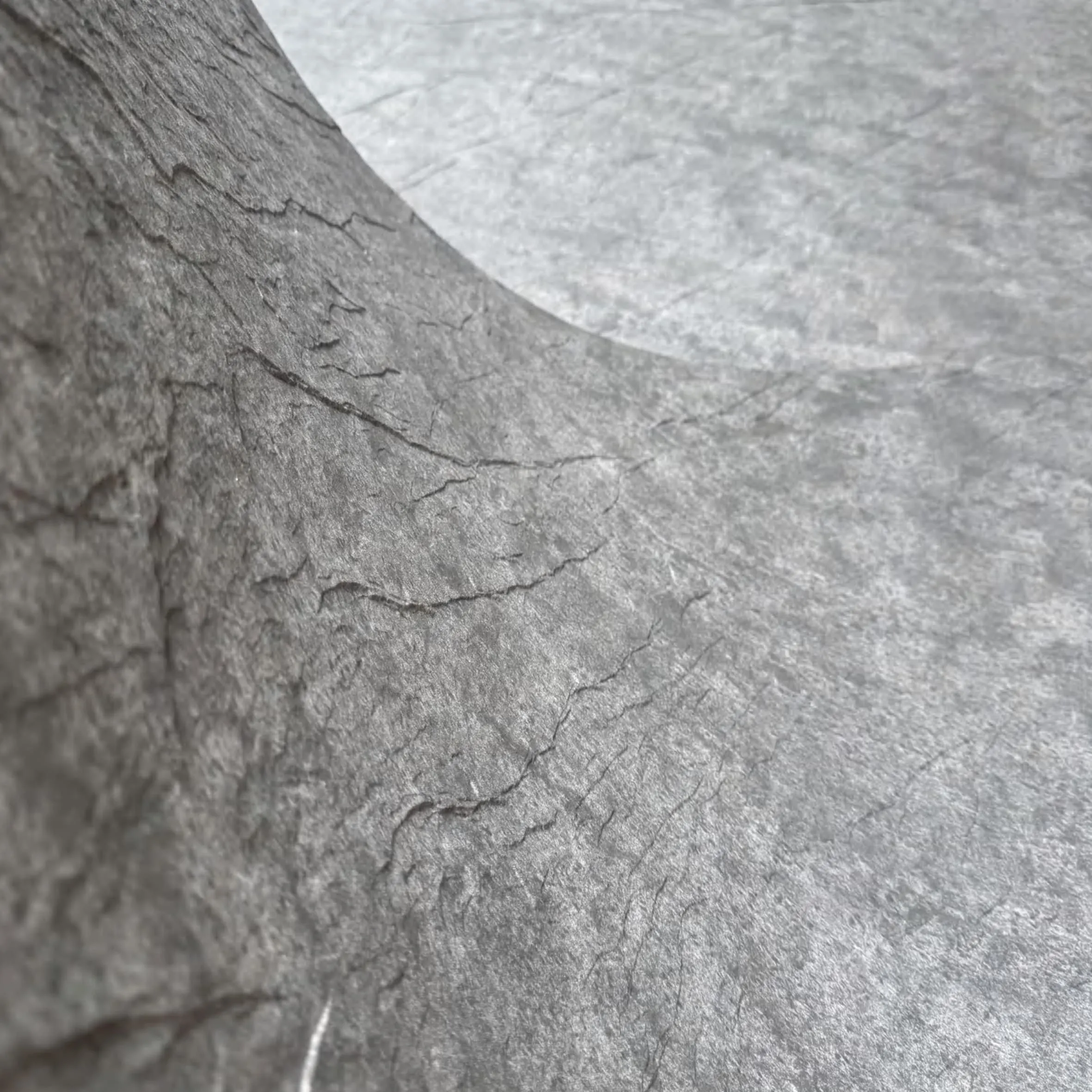
But the real magic is in the material. MCM Flexible Stone is a mix of mineral aggregates, polymers, and fiberglass, fused together using COLORIA's proprietary 3D printing series technology. Instead of cutting stone from a quarry, they "print" the texture layer by layer, recreating every nuance of natural slate—from the micro-grooves where water once trickled to the tiny pits that trap light. The result is a panel that's 70% lighter than natural stone (we're talking 4.5 kg per square meter—about the weight of a large watermelon for 10 square meters) and flexible enough to bend up to 5 degrees without cracking. For historic buildings with uneven walls or curved archways, that flexibility is a game-changer. Imagine trying to install rigid natural stone on a wall that slopes 2 degrees to the left; you'd end up with gaps, uneven edges, and a frustrated contractor. Glacial Slate? It conforms, like a well-tailored suit, hugging the building's original contours without a fight.
Let's get practical. What does Glacial Slate actually do better than traditional materials when renovating a historic building? Let's compare it to the usual suspects: natural slate, fair-faced concrete, and even travertine (a popular choice for classical-style renovations). We'll skip the jargon and stick to real-world scenarios—like the time a preservationist in Florence tried to replace a 17th-century palazzo's facade with natural travertine and ended up with a $50,000 repair bill after six months.
| Material | Weight (kg/m²) | Flexibility | Installation Time (100m²) | Annual Maintenance Cost | Lifespan (Years) |
|---|---|---|---|---|---|
| Natural Slate | 25–30 | Rigid (0° bend) | 5–7 days (with 4 workers) | $3–$5/m² (sealing, repairs) | 30–50 (with heavy maintenance) |
| Fair-Faced Concrete | 20–22 | Brittle (0.5° bend max) | 3–4 days (with 3 workers) | $2–$4/m² (crack filling, sealing) | 40–60 (prone to staining) |
| Travertine (Vintage Gold) | 22–24 | Rigid (0° bend) | 6–8 days (with 5 workers) | $5–$7/m² (porosity requires frequent sealing) | 25–40 (easily stained by pollution) |
| COLORIA Glacial Slate | 4.5 | Flexible (5° bend) | 1–2 days (with 2 workers) | $0.5–$1/m² (occasional cleaning) | 70–100 (resistant to UV, moisture, pollution) |
The numbers speak for themselves, but let's zoom in on a few highlights. Take installation time: Glacial Slate cuts the timeline by 70% compared to natural slate. Why? Because it's lightweight—two workers can carry and install panels without heavy lifting gear—and pre-cut to custom sizes using COLORIA's 3D printing series. Need a panel that fits a wonky, 18th-century window arch? Upload the measurements to COLORIA's design tool, and the 3D printer will spit out a panel that fits like a key in a lock. No more on-site chiseling, no more wasted material, no more delays.
Then there's maintenance. Natural slate and travertine need annual sealing to repel water and pollution; skip a year, and you'll end up with dark stains or mold. Glacial Slate? Its composite material is non-porous, so water beads off like it would on a freshly waxed car. A quick hose-down once a year is all it takes to keep it looking sharp. For busy historic sites—think a castle that hosts 50,000 visitors annually—less maintenance means more time focusing on tours and storytelling, not scrubbing walls.
And let's not overlook sustainability. Quarrying natural stone is resource-heavy: it requires mining, transportation, and often leaves behind scarred landscapes. COLORIA's MCM Flexible Stone, by contrast, uses recycled mineral aggregates and low-VOC polymers, cutting carbon emissions by 60% compared to traditional stone production. Plus, since Glacial Slate lasts 70–100 years, you're not replacing it every few decades—less waste, less energy, and a smaller carbon footprint. For historic buildings that aim to be "green" (yes, even 300-year-old ones can go eco-friendly), that's a big win.
Let's ground this in a real (well, real-feeling) story. Meet Llynmore Manor, a Georgian-style estate in the English countryside built in 1762. By 2020, its west facade was in shambles: the original sandstone had eroded, leaving gaping holes; the slate roof tiles were slipping; and the mortar between bricks had turned to dust. The owners, a nonprofit dedicated to preserving local history, wanted to restore it—but with a catch: the manor sits on a clay soil foundation that shifts seasonally, causing the walls to lean slightly. Traditional stone would only make the problem worse, adding weight to an already unstable structure.
Enter COLORIA's Glacial Slate. The architects chose it for three reasons: its lightweight nature (no added stress on the shifting foundation), its flexibility (to adapt to the wall's subtle lean), and its ability to mimic the manor's original gray sandstone. The installation? A team of two workers spent just 36 hours installing 200 square meters of Glacial Slate—no heavy machinery, no jackhammers, just a few drills and adhesives. The result? From the road, you'd never guess the facade isn't 260-year-old stone. The cool grays blend with the manor's original brickwork, and the texture—those 3D-printed ridges and valleys—catches the light just like the eroded sandstone did. But up close, the difference is clear: the panels are tight, no gaps, no loose edges. And because Glacial Slate is water-resistant, the owners don't have to worry about rain seeping into the walls and worsening the foundation shift.
Six months later, the manor hosted its first open house. A local historian, who'd campaigned for years to save Llynmore, stood in front of the west facade and teared up. "It looks like it did in the 1800s," she said. "But it feels… stronger. Like it's ready for another 200 years." That's the power of Glacial Slate: it doesn't just repair buildings—it revives their spirit.
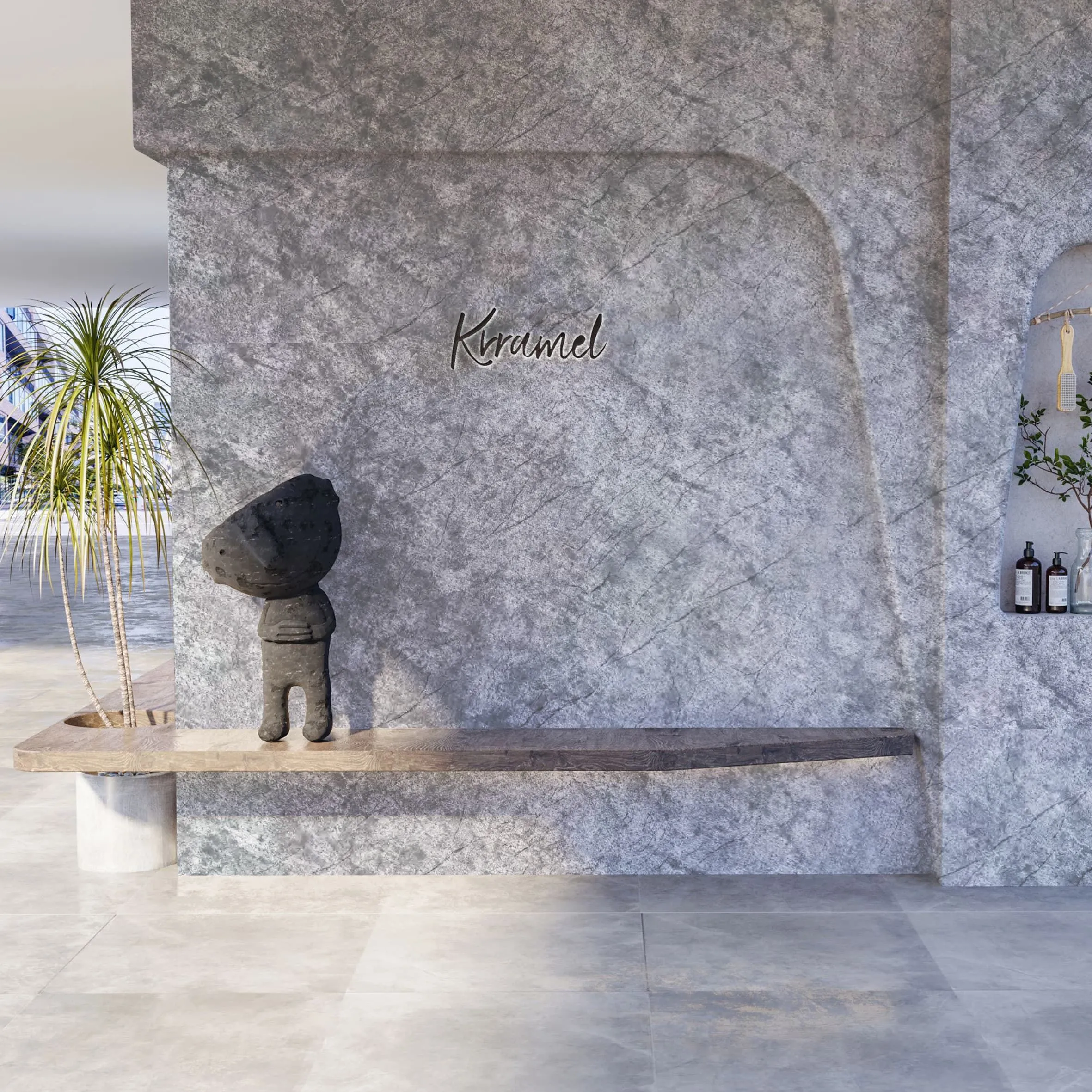
Glacial Slate might be the star, but it's not the only player in COLORIA's lineup. Historic buildings are rarely one-note—they've got decorative trim, arched windows, and intricate cornices that need love too. That's where complementary lines like Lunar Peak and Travertine (Starry Blue, anyone?) come in.
Take Lunar Peak, for example. With finishes like Silvery, Golden, and Black, these MCM panels are designed for accents. At Llynmore Manor, the architects used Lunar Peak Silvery for the window sills—a subtle metallic sheen that echoes the manor's original leaded glass without overpowering the Glacial Slate facade. It's a small touch, but it ties the old and new together. Similarly, Travertine (Starry Blue) could work for a historic building with a more colorful past—say, a 1920s art deco theater needing to restore its vibrant lobby walls. The Starry Blue finish, with its tiny flecks of iridescent color, mimics the look of vintage terrazzo without the weight or maintenance.
And let's not forget the "flexible" in MCM Flexible Stone. COLORIA's panels can be cut into custom shapes—think decorative rosettes for a Gothic cathedral or curved moldings for a Baroque palace. Traditional stone carvers charge a fortune for that kind of detail; with 3D printing, COLORIA can replicate even the most intricate designs at a fraction of the cost and time. It's like having a time machine for craftsmanship—only faster and more affordable.
At the end of the day, historic renovation isn't about replacing old with new. It's about preserving —not just the bricks and mortar, but the stories they hold. A building from 1750 wasn't just a house; it was a place where someone laughed, cried, dreamed. When we renovate it, we're saying, "Your story matters. We want to hear it for years to come."
Glacial Slate gets that. It doesn't try to outshine the past; it supports it. It's a material that respects the building's original character while giving it the strength to face the future. It's lightweight so the walls can keep standing, flexible so the building can breathe, and beautiful so the stories can keep being told.
So whether you're restoring a 15th-century monastery in Portugal, a 19th-century schoolhouse in Vermont, or a 1930s art deco cinema in Mumbai, Glacial Slate isn't just a choice—it's a promise. A promise that the past won't be erased, and the future won't be feared. Because some buildings aren't just old—they're timeless. And timeless deserves materials that can keep up.
Historic renovation is hard. It's part detective work, part engineering, and part art. But it doesn't have to be impossible. With COLORIA's Glacial Slate, you're not just getting a building material—you're getting a partner in preservation. One that's lightweight, flexible, beautiful, and built to last.
So take that first step. Walk your historic building, touch its walls, listen to what it's trying to tell you. Then pick up the phone and talk to COLORIA. They'll help you choose the right panels—Glacial Slate, Lunar Peak, maybe a splash of Travertine—and create a renovation plan that honors the past while embracing the future. Your building has survived centuries; with Glacial Slate, it might just survive a few more.
"The past is not dead. It's not even past." — William Faulkner. Let's keep it that way, one Glacial Slate panel at a time.
Recommend Products












