

When architects sketch the outlines of future buildings, material selection often becomes the make-or-break factor between vision and reality. Heavy traditional stones that strain building structures, fragile ceramics that crack under pressure, or metal panels with sky-high costs—these are the hurdles that can turn bold designs into watered-down versions. But Coloria Group's MCM Project Wave Panels aren't just another building material. Think of them as a collaborative partner who speaks the language of architects, understands the demands of construction sites, and bends (literally) to fit even the most ambitious ideas. Let's dive into how these panels are redefining what's possible in modern construction.
First things first: Wave Panels belong to Coloria's MCM Project Board Series —a line specifically engineered for large-scale construction projects where performance, aesthetics, and adaptability can't be compromised. At their core is Modified Cementitious Material (MCM), a game-changing blend that marries the best of cement's durability with a surprising flexibility you'd never expect from traditional concrete. Imagine a material that's light enough to be carried by two workers, yet tough enough to withstand Saudi Arabia's scorching sun and sudden sandstorms. That's MCM in a nutshell.
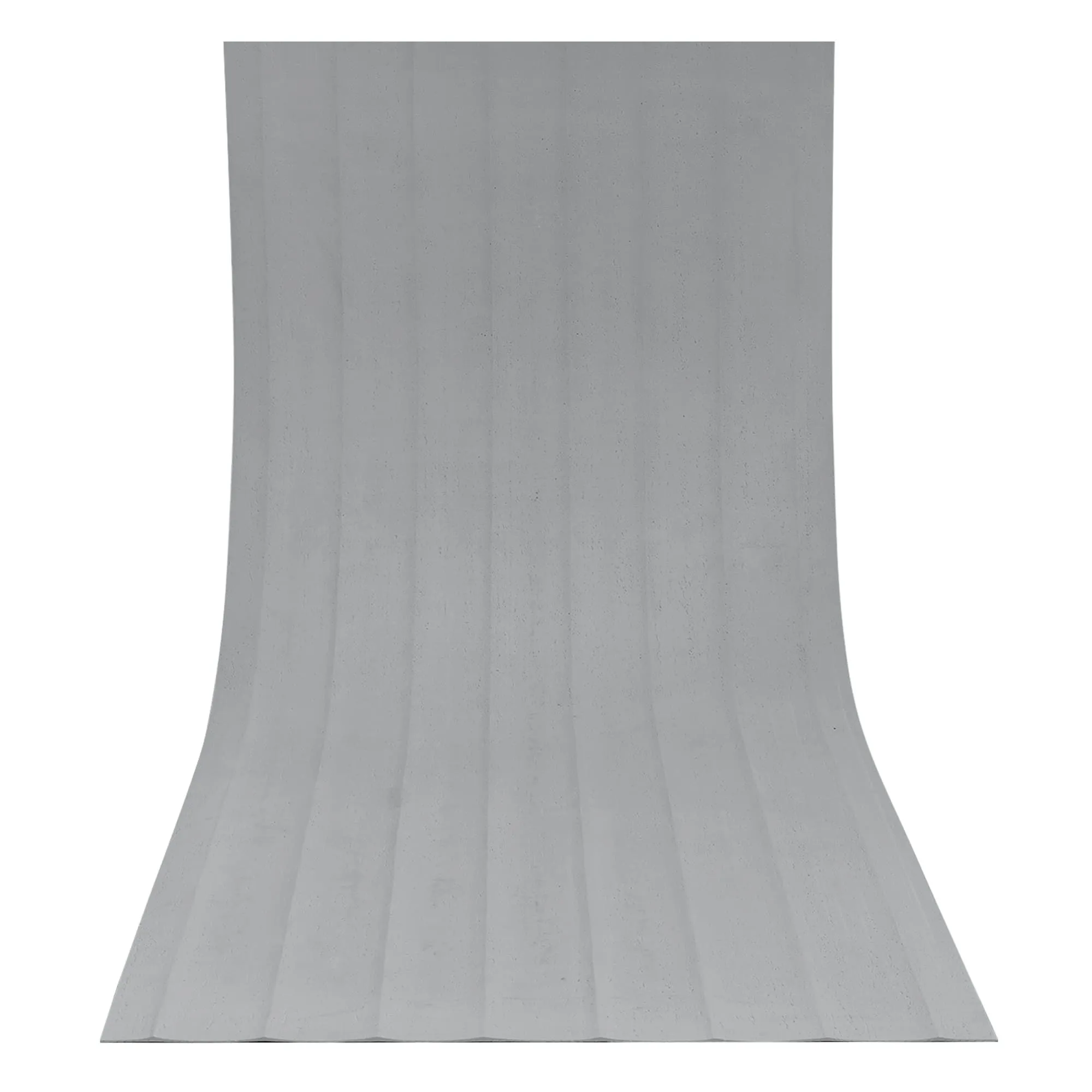
The "Wave" in Wave Panels isn't just a catchy name. These panels feature dynamic, flowing textures that mimic natural elements like wind-swept sand dunes or ocean waves. But unlike carved stone, which requires weeks of labor and heavy machinery, these textures are crafted using MCM 3D Printing Series technology. This means every curve, dip, and ridge is precision-engineered—no two panels have to be identical, and custom designs can go from CAD drawings to physical samples in days, not months. It's like having a sculptor and a factory rolled into one.
What truly sets Wave Panels apart is how they balance contradictory needs. Traditional rigid panels force architects to stick to flat surfaces or simple curves, but Coloria's MCM Flexible Stone DNA gives Wave Panels a "bendable backbone." During installation, they can conform to gentle arcs or uneven walls without cracking—a godsend for heritage renovation projects or buildings with organic, non-linear designs. Yet once in place, they harden into a solid barrier that resists impact, moisture, and temperature swings. In tests, they've held up against everything from freeze-thaw cycles in European winters to the salt-laden air of coastal projects in Dubai.
And let's talk weight. A standard 1200x600mm Wave Panel weighs just 12kg—about the same as a large suitcase. Compare that to natural stone slabs of the same size, which can tip the scales at 80kg or more. This lightness cuts down on shipping costs, reduces structural load on buildings, and speeds up installation. On a recent hotel project in Riyadh, contractors reported installing 30% more panels per day compared to traditional stone, simply because they didn't need heavy cranes or extra manpower to move them around.
Sure, Wave Panels look stunning, but construction teams care about more than pretty faces. Let's break down why project managers and contractors are swapping their old materials for Coloria's MCM solutions:
| Feature | Benefit for Construction | Real-World Impact |
|---|---|---|
| Lightweight (12-15kg/m²) | Reduces structural load; easier handling | Lower foundation costs; 50% faster installation vs. natural stone |
| Waterproof & Fire-resistant | Minimizes maintenance; meets safety codes | Zero water damage claims in 5-year of Dubai mall project |
| Customizable via 3D Printing | Tailored textures/colors for brand identity | Hotel chain in Kuwait used branded wave patterns across 12 locations |
| Flexible installation | Fits curved surfaces & uneven walls | Restored 1920s mosque in Jeddah without altering historic structure |
In an era where "green building" is no longer optional, Wave Panels check all the boxes. MCM is made from recycled industrial byproducts (think fly ash and silica fume) that would otherwise end up in landfills, cutting down on raw material extraction. The manufacturing process uses 60% less water than traditional concrete production, and the panels themselves are 100% recyclable at the end of their lifecycle. For developers chasing LEED or Estidama certifications, this isn't just a plus—it's a requirement. A recent office complex in Abu Dhabi earned a Gold LEED rating partly thanks to Coloria's MCM materials, including Wave Panels on its facade.
What really makes Coloria a go-to partner for global projects is their "one-stop" approach. It's not just about selling panels; it's about delivering a turnkey solution. Let's walk through a typical project journey:
1. Design Collaboration: Architects share their vision—maybe they want Wave Panels in a custom "Lunar Peak Silvery" finish to match the building's celestial theme. Coloria's 3D design team uses the MCM 3D Printing Series to create digital prototypes, tweaking textures and colors until it's perfect.
2. Material Testing: For a coastal project in Oman, the team tested Wave Panels with salt spray exposure for 1000 hours—they passed with zero corrosion. For a high-rise in Riyadh, wind tunnel tests confirmed the panels could handle 160km/h gusts.
3. Production & Logistics: Using large-scale presses and 3D printers, panels are mass-produced with consistent quality. Coloria's Saudi Arabian ensures timely delivery, avoiding the delays of shipping from far-flung factories.
4. On-Site Support: Installation teams get training on handling MCM panels—no special tools needed, just standard cutting equipment and adhesives. Coloria's technicians even visit the site to troubleshoot tricky corners, like installing Wave Panels around curved glass windows.
Take the "Desert Wave" mall in Dammam, Saudi Arabia, for example. The architect wanted the exterior to reflect the region's sand dunes, with flowing lines that changed appearance with the sun's angle. Traditional stone was too heavy for the building's steel frame, and fiberglass panels lacked the natural texture needed. Enter Coloria's Wave Panels in "Gobi Panel" finish—tan hues with subtle ripples that mimicked wind-blown sand. Using MCM Big Slab Board Series (2400x1200mm panels), installers covered 8,000m² of facade in just 6 weeks, 40% faster than planned. Today, the mall's "wave" facade has become a local landmark, proving that beauty and practicality can coexist.
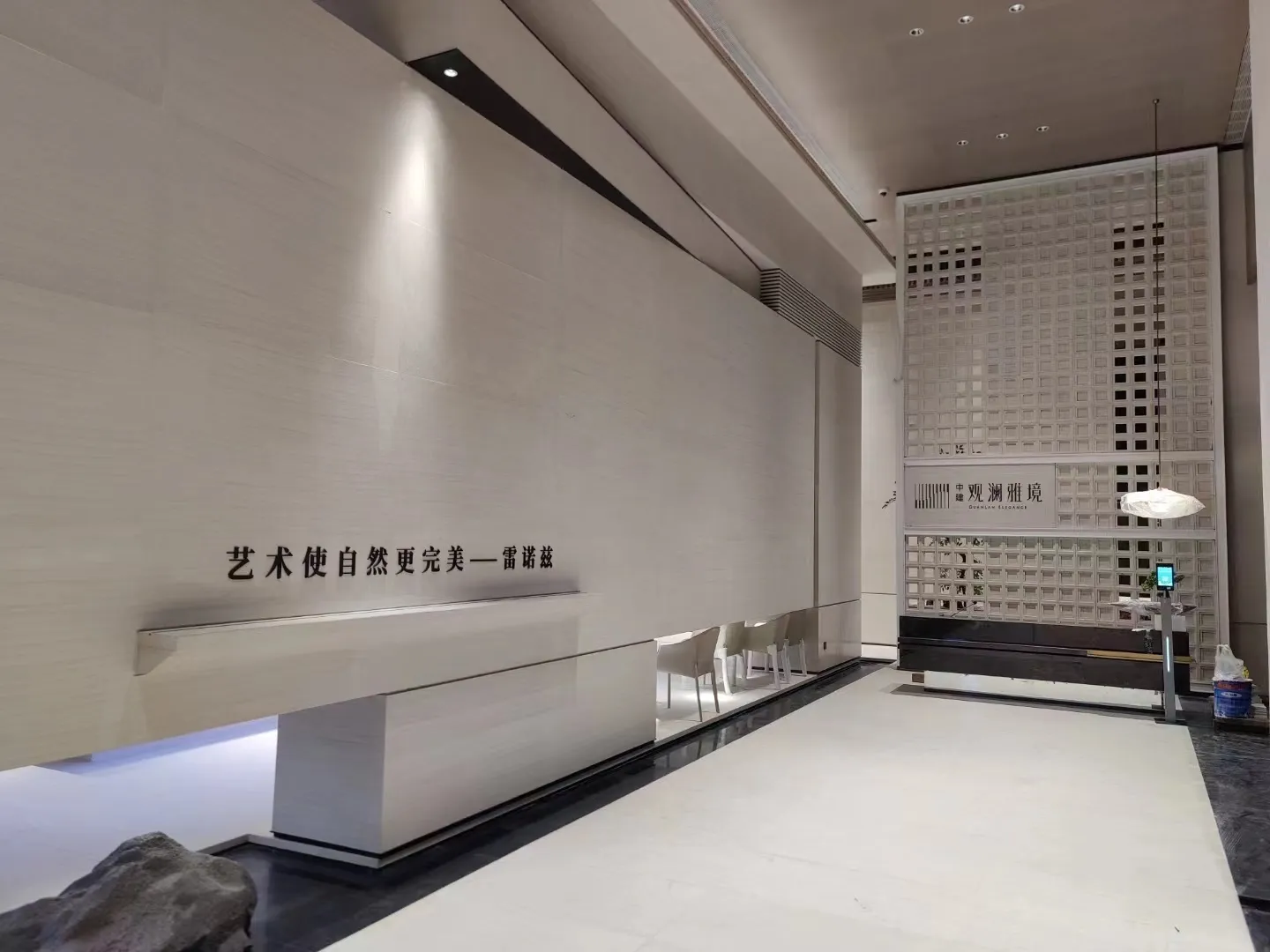
Construction trends come and go, but Wave Panels are built to last—both literally and figuratively. Their durability ensures they'll look good for 50+ years, while their adaptability means they can keep up with evolving design tastes. Want to refresh a building's look in 10 years? Just replace a few panels with a new texture or color—no need to redo the entire facade.
And let's not forget the cost factor. While premium materials often come with premium price tags, Wave Panels actually save money in the long run. Lower shipping costs, faster installation, and minimal maintenance add up to a total cost of ownership that's 30% lower than natural stone over 20 years. For developers watching their bottom line, that's a compelling number.
Whether you're designing a sleek office tower, a cozy boutique hotel, or a historic renovation, Coloria's MCM Project Wave Panels offer something rare: a material that doesn't just meet your needs, but elevates them. With the backing of MCM Project Board Series engineering, 3D printing customization, and the flexibility of MCM Flexible Stone , the only limit is your imagination. So why settle for flat, generic panels when you can build with a material that bends, adapts, and inspires? Coloria isn't just selling building materials—they're helping build the future of architecture, one wave at a time.
Recommend Products











