
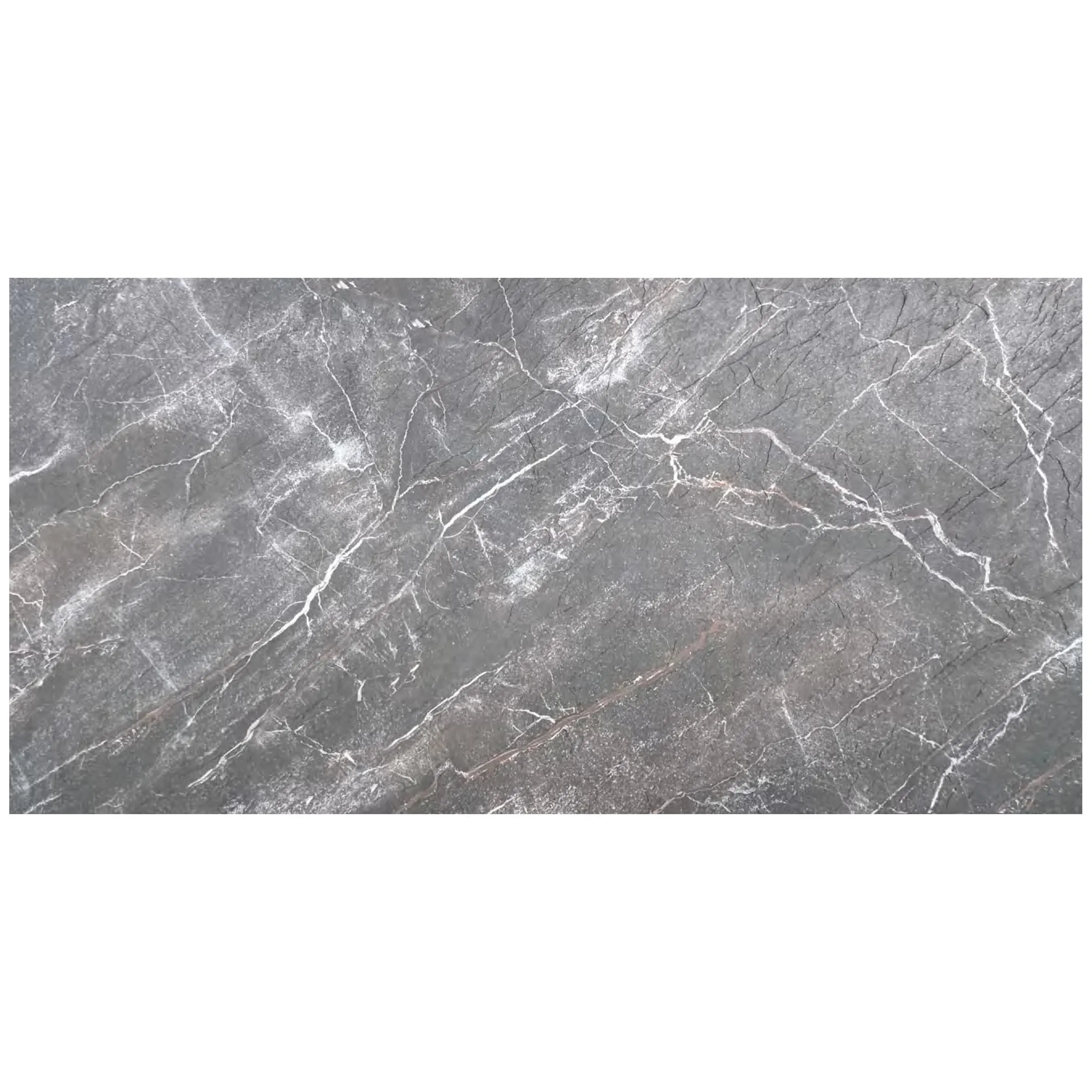
Walk into any modern sustainable building today, and you'll notice something subtle but powerful: the materials tell a story. They're not just there to look good—they're working hard, too. They're reducing carbon footprints, improving indoor air quality, and helping projects meet the rigorous standards of LEED certification. But here's the thing: for years, architects and builders have faced a tough trade-off. To hit those green goals, did they have to sacrifice the luxury, texture, or character that makes a building feel alive? That's where COLORIA MCM steps in. And today, we're diving deep into one of their standout offerings: Slate Portoro. It's a material that doesn't just check the sustainability boxes for LEED—it redefines what "green luxury" can look like.
Let's start with the basics: LEED certification isn't just a badge. It's a promise that a building is designed with the planet in mind. From energy efficiency to water conservation, every detail matters—but few details matter as much as the materials used in construction. Think about it: the average commercial building uses tons of cladding, flooring, and structural materials. If those materials are resource-heavy to extract, energy-intensive to transport, or quick to degrade, they can tank a project's LEED score before it even breaks ground.
Take traditional natural stone, for example. Slate, marble, granite—they're timeless, but their lifecycle is anything but green. Quarrying stone rips up landscapes, requires massive amounts of water, and often involves shipping heavy slabs across continents, spewing carbon emissions along the way. Once installed, they're prone to cracking, staining, or fading, meaning more replacements, more waste, and more emissions down the line. And if you're aiming for LEED Gold or Platinum? Those lifecycle impacts can make or break your certification.
That's the challenge architects have been grappling with. Clients want that high-end, natural look—something that feels premium and lasting. But they also want to brag about their LEED plaque. So, what's the solution? Enter COLORIA MCM's Slate Portoro. It's a material that borrows the best of natural stone—its depth, its texture, its ability to turn a facade into a statement—without the environmental baggage. And it's part of a larger family of MCM products, including the flexible stone series and big slab board series, that are changing the game for sustainable building.
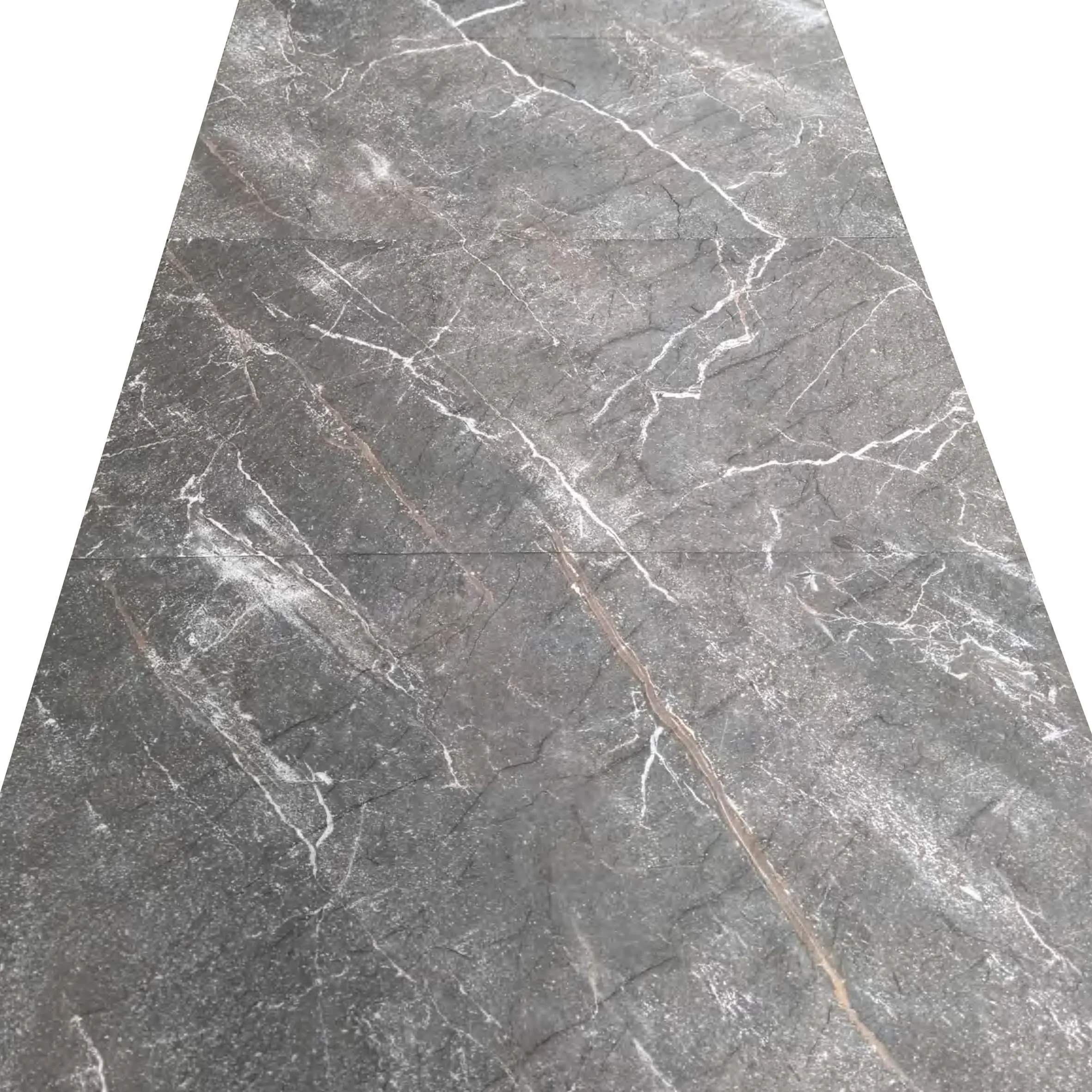
First, let's talk about the "why" behind Slate Portoro. If you've ever seen traditional Portoro stone, you know its allure. It's that rich, moody black background swirled with gold veins—like a night sky dusted with stardust. It's been used in luxury spaces for decades, from high-end hotels to boutique offices, because it feels both opulent and grounded. But here's the problem: traditional Portoro is a natural stone, and like most natural stones, it comes with a heavy environmental price tag.
COLORIA MCM didn't set out to replace Slate Portoro—they set out to reimagine it. Using their Modified Composite Material (MCM) technology, they've created a cladding solution that captures every nuance of natural Slate Portoro's beauty but swaps out the sustainability downsides for innovation. Let's break that down. MCM is a blend of natural mineral aggregates (think crushed stone, marble dust) and recycled polymers. The result? A material that's lighter, stronger, and far more eco-friendly than its natural counterpart.
I recently spoke with Maria Gonzalez, a senior architect at a firm specializing in LEED Platinum projects, and she put it perfectly: "We had a client who fell in love with Slate Portoro for their headquarters facade. But when we ran the numbers on traditional stone—transportation emissions, quarrying impact, even the structural support needed for its weight—we realized it would knock us out of LEED Gold range. Then we found COLORIA's version. Same depth, same gold veining, but 70% lighter. We didn't need to reinforce the building's structure, we cut transportation emissions by almost half, and the client still got their 'wow' factor."
It's not just about looking good. Let's talk about the how of sustainability here. First, the raw materials. COLORIA sources up to 30% recycled content for their MCM panels, including post-consumer plastic and industrial mineral waste that would otherwise end up in landfills. That alone checks a big box for LEED's Materials and Resources (MR) credits, specifically MR Credit 4: Recycled Content. But it doesn't stop there.
Transportation is another hidden sustainability villain. Traditional Slate Portoro slabs can weigh upwards of 50 kg per square meter. COLORIA's panels? A mere 12 kg per square meter. That's a game-changer. Lighter materials mean fewer trucks on the road, less fuel burned, and lower carbon emissions during shipping. For a 10,000-square-meter project, that's the difference between hundreds of truck trips and just a fraction of that. And if you're building in a city with tight streets or high-rise construction? Lighter panels mean easier lifting, faster installation, and less energy used on-site—all wins for both your timeline and your carbon footprint.
Then there's durability. Let's be real: a sustainable material isn't truly sustainable if it needs to be replaced every 10 years. COLORIA's Slate Portoro is built to last. It's resistant to UV rays, so it won't fade in the sun. It stands up to rain, snow, and humidity without warping or cracking. And unlike natural stone, it doesn't require sealing with harsh chemicals every few years—chemicals that can off-gas and harm indoor air quality. That's a huge plus for LEED's Indoor Environmental Quality (IEQ) credits, especially IEQ Credit 4: Low-Emitting Materials. When you choose Slate Portoro, you're not just choosing a material that's green today—you're choosing one that stays green for decades.
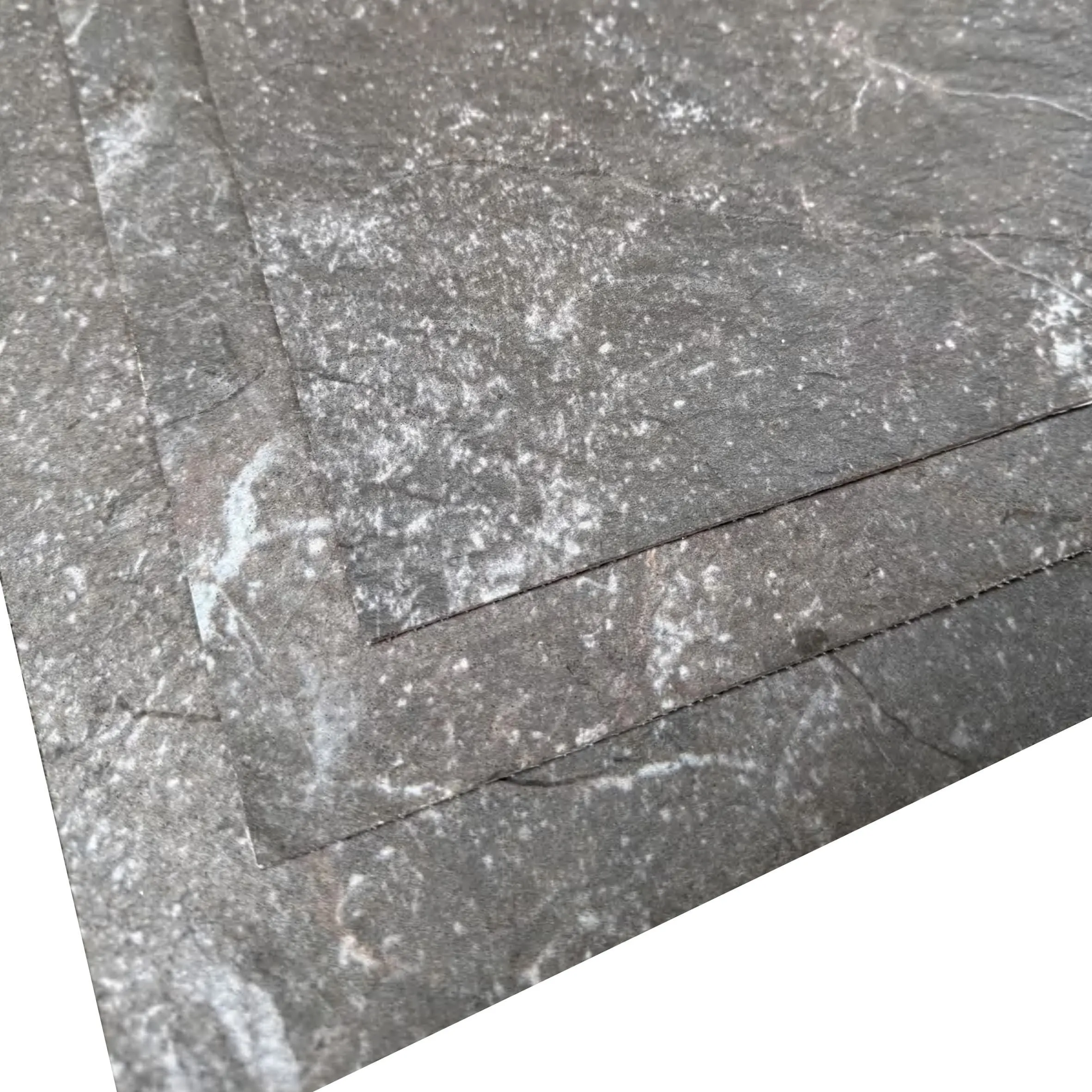
Slate Portoro might be the star here, but it's part of a larger ecosystem of COLORIA MCM products designed to make sustainable building easier. Two series, in particular, work hand-in-hand with Slate Portoro to help projects hit LEED goals: the MCM Flexible Stone series and the MCM Big Slab Board series. Let's take a closer look at why these matter.
Ever tried to clad a curved wall with traditional stone? Spoiler: it's a nightmare. You end up cutting slabs into tiny, irregular pieces, generating mountains of waste, and spending hours on custom fabrication. That waste isn't just bad for your budget—it's terrible for sustainability. Enter MCM Flexible Stone. As the name suggests, these panels bend. Not like rubber, but enough to hug curved surfaces, arches, or even domed ceilings without breaking or cracking. The result? Less cutting, less waste, and a cleaner, more seamless finish.
John Patel, a construction manager who recently used MCM Flexible Stone on a LEED Silver community center, told me: "We had this beautiful curved entrance feature wall. The original plan was natural stone, but the waste estimate was through the roof—like 30% of the material would end up in a dumpster. With COLORIA's flexible panels, we bent them to the curve, and waste dropped to 5%. The client loved the look, and we hit our MR Credit 2: Construction Waste Management target with room to spare."
And flexibility isn't just about curves. It's about resilience, too. MCM Flexible Stone can handle minor impacts without chipping—think a stray tool on a construction site or a kid's bike scraping against an exterior wall. That durability means fewer repairs over time, which translates to less material waste and lower lifecycle costs. For LEED, that's a win for both MR (reduced replacement needs) and even Energy and Atmosphere (EA) credits, since fewer repairs mean less energy spent on maintenance.
If you've ever stood back and looked at a building clad in small stone tiles, you've probably noticed the seams. They break up the texture, create more opportunities for water intrusion, and honestly? They can make a high-end material look busy. The MCM Big Slab Board series solves this with panels that are big —we're talking up to 1200mm x 2400mm (that's 4 feet by 8 feet, for those of us who think in imperial). Larger panels mean fewer seams, a more streamlined aesthetic, and—you guessed it—faster installation.
Faster installation isn't just about saving time (though that's a big perk). It's about reducing labor hours on-site, which cuts down on energy use (fewer tools running, fewer workers commuting daily) and even noise pollution. For a LEED project, that can contribute to EA Credit 1: Optimize Energy Performance and even Sustainable Sites (SS) credits related to construction activity pollution prevention. Plus, fewer panels mean fewer joints, which reduces the risk of water damage over time—another durability win that keeps your building green for longer.
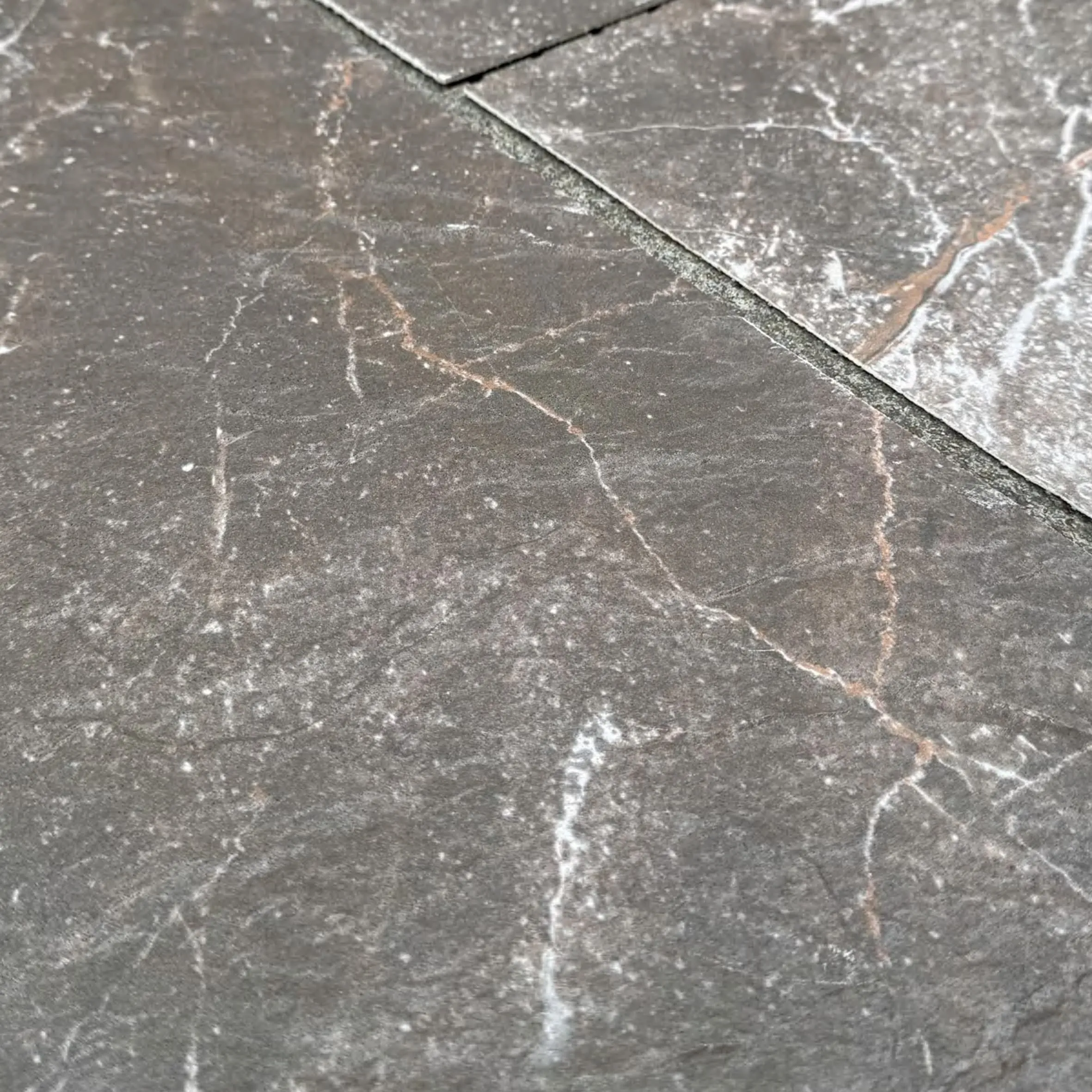
Numbers tell a story, and when it comes to sustainability, they're impossible to ignore. To really see how COLORIA's Slate Portoro outperforms traditional natural stone, let's put them side by side. The table below breaks down key factors that matter for LEED certification and long-term building health.
| Factor | Traditional Slate Portoro | COLORIA MCM Slate Portoro |
|---|---|---|
| Carbon Footprint (per sqm) | High (quarrying, transportation, heavy machinery) | 40-50% lower (recycled content, lightweight transport) |
| Weight (kg per sqm) | 50-60 kg | 12-15 kg |
| Installation Waste | 15-20% (due to cutting, breakage) | 3-5% (precision-cut, flexible design) |
| Durability (Expected Lifespan) | 20-30 years (prone to cracking, fading) | 50+ years (UV/weather resistant, low maintenance) |
| LEED Credits Supported | Limited (MR, possibly SS) | Multiple (MR, IEQ, EA, SS) |
| Maintenance Requirements | Annual sealing (chemical sealants, off-gassing) | Minimal (soap and water; no sealants needed) |
The difference is clear, but let's zoom in on one row that often gets overlooked: maintenance. Traditional Slate Portoro requires annual sealing with chemical treatments to prevent staining and water damage. These sealants contain volatile organic compounds (VOCs), which off-gas into the air and can harm indoor air quality—a big no-no for LEED's IEQ credits. COLORIA's Slate Portoro, on the other hand, is non-porous and stain-resistant. A quick wipe with soap and water is all it takes to keep it looking new. No VOCs, no harsh chemicals, just clean air and peace of mind.
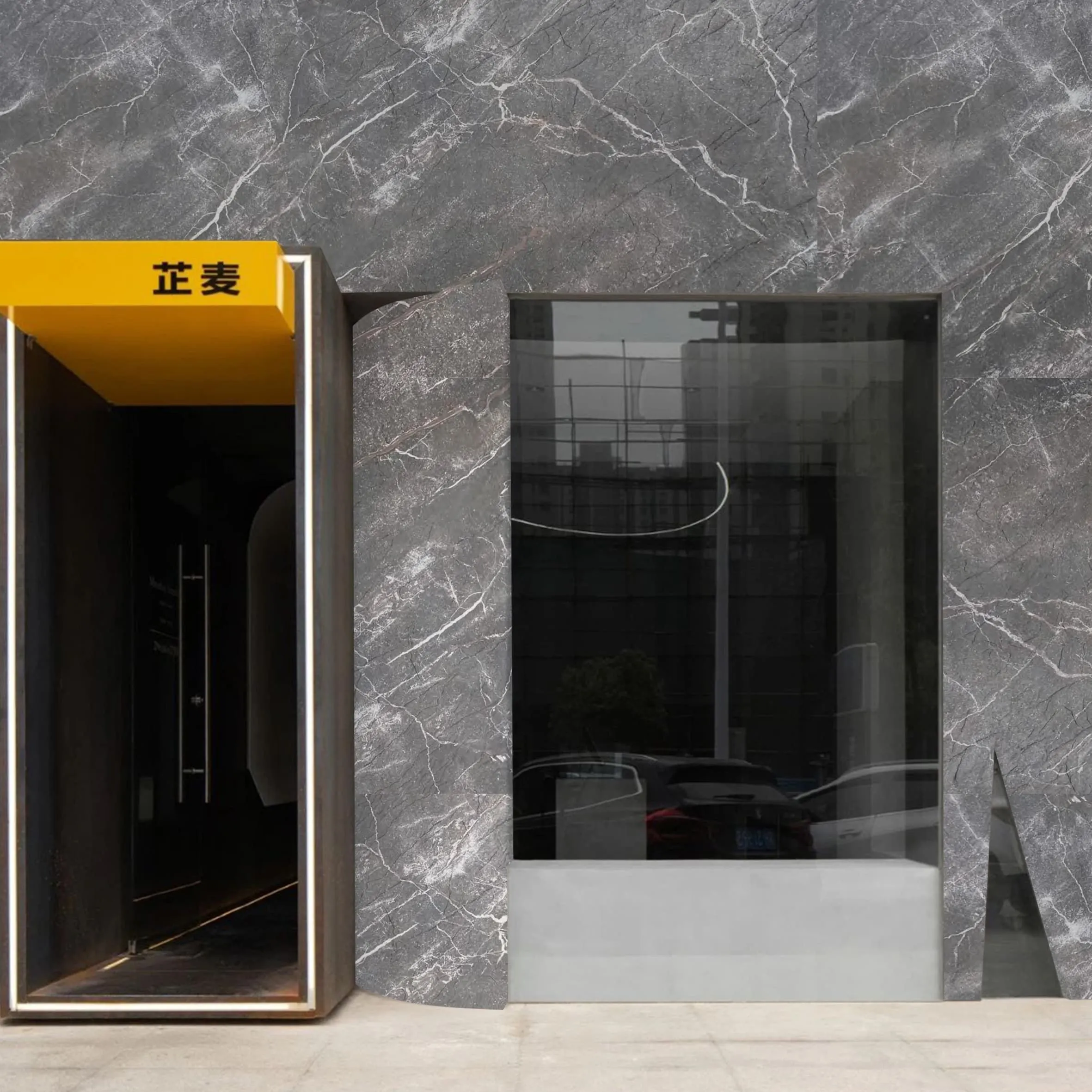
At the end of the day, the best way to understand a material's impact is to see it in action. Let's dive into two projects that used COLORIA MCM's Slate Portoro and walked away with LEED certification—and happy clients.
The Horizon Tower is a 15-story mixed-use building in downtown Chicago, featuring offices, retail, and a rooftop garden. The design team wanted a facade that felt luxurious but aligned with the developer's commitment to LEED Gold. Their first choice? Traditional Slate Portoro. But when the structural engineer calculated the load of natural stone, they hit a wall: the building's existing framework couldn't support the weight without costly reinforcements, which would add months to the timeline and boost the carbon footprint.
Enter COLORIA's Slate Portoro. The lightweight panels (12 kg/sqm vs. traditional stone's 55 kg/sqm) eliminated the need for structural upgrades. The team also opted for the MCM Big Slab Board series (1200x2400mm panels) to cover the tower's facade with fewer seams, reducing installation time by 30%. By the project's end, the reduced transportation emissions, low installation waste, and zero-VOC maintenance routine helped the tower not only hit LEED Gold but exceed it, scoring extra points in the MR and IEQ categories.
"We thought we'd have to compromise on the design to hit our LEED goals," said Elena Kim, the project's lead architect. "COLORIA's Slate Portoro proved us wrong. The tenants love the way the gold veins catch the afternoon light, and we love that we did it without overshooting our carbon budget."
Nestled in Costa Rica's rainforest, the Serenity Spa & Resort wanted to blend luxury with eco-tourism. Their vision? A facade that mirrored the surrounding landscape—earthy, textured, and connected to nature—while achieving LEED Platinum. The challenge? Traditional stone would require importing materials from Europe, adding massive transportation emissions, and the humid climate would degradation, leading to frequent repairs.
The solution? COLORIA's Slate Portoro paired with MCM Flexible Stone. The Slate Portoro cladding on the main building provided the rich, natural texture the design team wanted, while the Flexible Stone panels wrapped around the resort's curved bungalows, reducing waste and installation time. Since the panels are UV and moisture-resistant, they've held up beautifully in the rainforest climate—no fading, no mold, and no need for chemical treatments. The project earned LEED Platinum, with the materials contributing to credits for recycled content, low-VOC emissions, and sustainable transportation.
It's not just architects and builders who are sold on COLORIA's Slate Portoro—LEED consultants, the unsung heroes who crunch the numbers and make sure projects meet certification standards, are singing its praises too. I sat down with Rajiv Mehta, a LEED AP with over 15 years of experience, to find out why.
"The biggest issue I see with traditional materials is that they're one-trick ponies," Rajiv explained. "A product might check the recycled content box but fail on durability, or hit IEQ credits but tank the carbon footprint. Slate Portoro is a rare material that hits multiple categories. Its recycled content helps with MR Credit 4, its lightweight design cuts transportation emissions for EA, and its low-VOC maintenance supports IEQ. It's like having a Swiss Army knife for LEED credits."
Rajiv also highlighted the lifecycle analysis (LCA) benefits. "LEED isn't just about the building's opening day—it's about its impact over 50 years. Slate Portoro's 50+ year lifespan means fewer replacements, less waste, and lower long-term emissions. When we run the LCA for projects using COLORIA's materials, the numbers are consistently better than traditional options. It makes my job easier, and it makes the client's sustainability goals achievable."
As the demand for sustainable buildings grows, so does the need for materials that don't force teams to choose between beauty and responsibility. COLORIA MCM's Slate Portoro isn't just a product—it's a preview of where the industry is heading: materials that are designed with the planet, not in spite of it. And as LEED standards evolve to focus more on lifecycle impact and carbon reduction, materials like Slate Portoro will only become more critical.
Looking ahead, COLORIA is doubling down on innovation. They're experimenting with even higher recycled content percentages, exploring bio-based polymers to replace synthetic ones, and expanding their color and texture offerings to mimic rare natural stones without the environmental cost. For architects and builders, this means more options, more flexibility, and more ways to tell those sustainability stories through design.
At the end of the day, buildings are more than just structures—they're expressions of our values. And in 2025, one of the clearest values we can express is a commitment to the planet. COLORIA MCM's Slate Portoro gets that. It's a material that says, "We care about the environment, but we also care about creating spaces that inspire." It's proof that you don't have to choose between LEED certification and luxury, between sustainability and soul.
So, the next time you're staring at a material board, weighing the pros and cons of traditional stone versus something "greener," remember: innovation has come a long way. Slate Portoro isn't just a trend—it's a new standard. And in a world where every building has the power to make a difference, that's a standard worth embracing.
Recommend Products












