
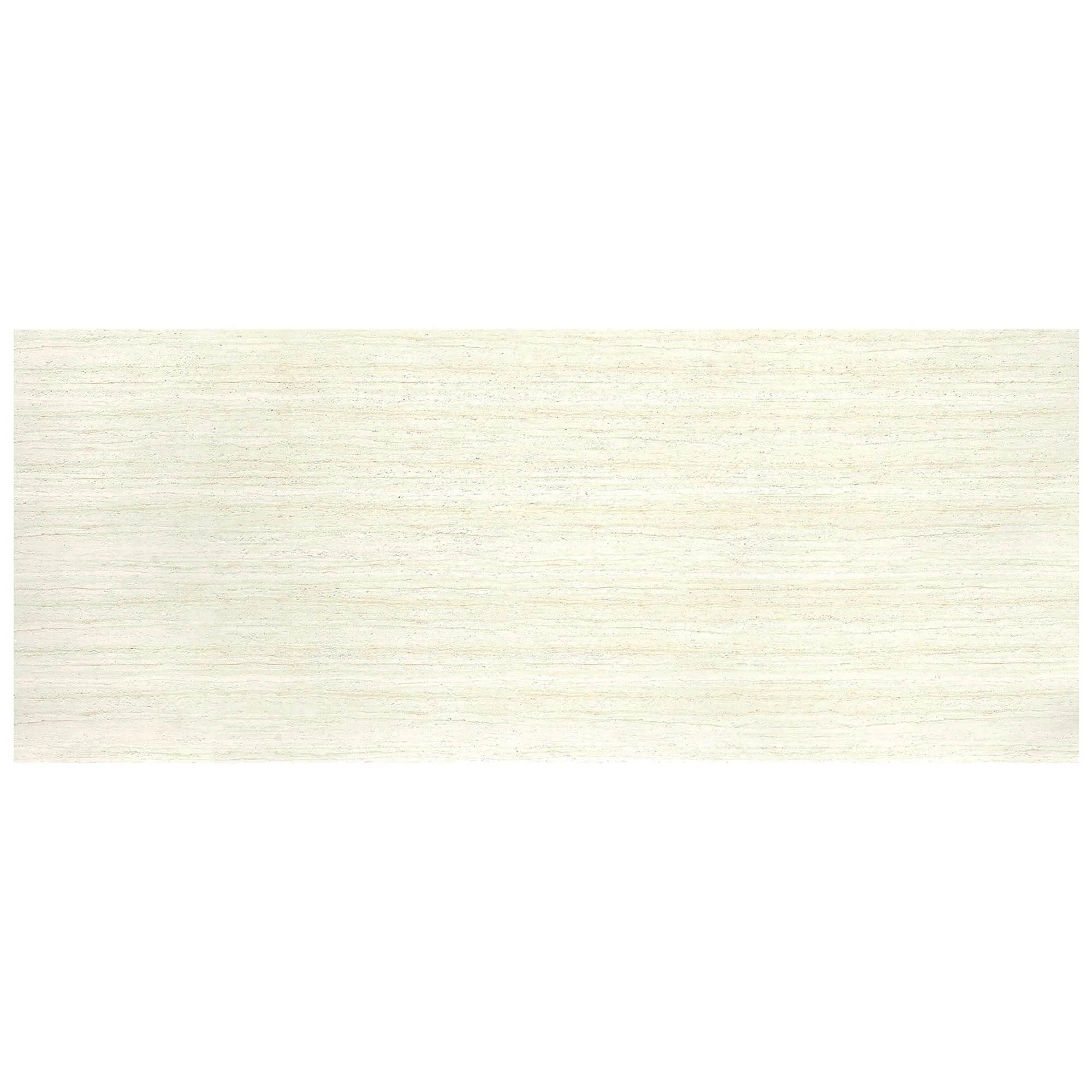
Walk through any city today, and you'll notice a quiet revolution unfolding in the buildings around you. Architects and builders are no longer choosing materials based solely on strength or cost—they're asking bigger questions: Can this wall tile reduce our carbon footprint? Will this facade age gracefully while respecting the planet? Can we have beauty without sacrifice? It's a balancing act that's become the heartbeat of modern construction, and at the center of this movement is COLORIA's MCM Thread Technology—a innovation that's redefining what sustainable, beautiful, and durable building materials can be.
In a world where construction accounts for nearly 30% of global carbon emissions (UNEP, 2023), the pressure to do better is real. But here's the thing: sustainability doesn't have to mean compromising on design. If anything, the most forward-thinking projects today are proving that eco-conscious choices can elevate aesthetics, not limit them. That's where COLORIA steps in. Their MCM Thread Technology isn't just a product line—it's a philosophy wrapped in cutting-edge engineering, bringing together nature's best elements with human ingenuity to create materials that feel alive, last generations, and leave a lighter footprint on the earth.
Let's start with the basics. MCM stands for Modified Composite Material, but don't let the technical term fool you—this isn't your average construction composite. COLORIA's MCM Thread Technology takes traditional building materials (think stone, clay, metal) and reimagines them through a lens of flexibility, efficiency, and sustainability. The "Thread" in the name refers to the ultra-thin, high-tensile fibers woven into the material's core, giving it a strength-to-weight ratio that's nothing short of remarkable. Imagine a stone panel that's as thin as a sheet of plywood but can bend without breaking, or a metal facade that's lightweight enough to install with basic tools but tough enough to withstand decades of harsh weather. That's the magic of MCM Thread Technology.
But what really sets it apart is how it marries this technical prowess with a deep respect for nature. Traditional building materials often come with hidden costs: quarrying natural stone disrupts ecosystems, firing clay bricks guzzles energy, and transporting heavy materials adds to carbon emissions. COLORIA flips the script by using recycled or sustainably sourced raw materials, optimizing manufacturing to cut waste, and designing products that are easy to transport, install, and even recycle at the end of their life. It's a circular approach that doesn't just check the "sustainable" box—it lives and breathes it.
Quick Take: MCM Thread Technology is like if a master craftsman, a materials scientist, and an environmentalist got together to reinvent building materials. It's strong, light, beautiful, and kind to the planet—all at once.
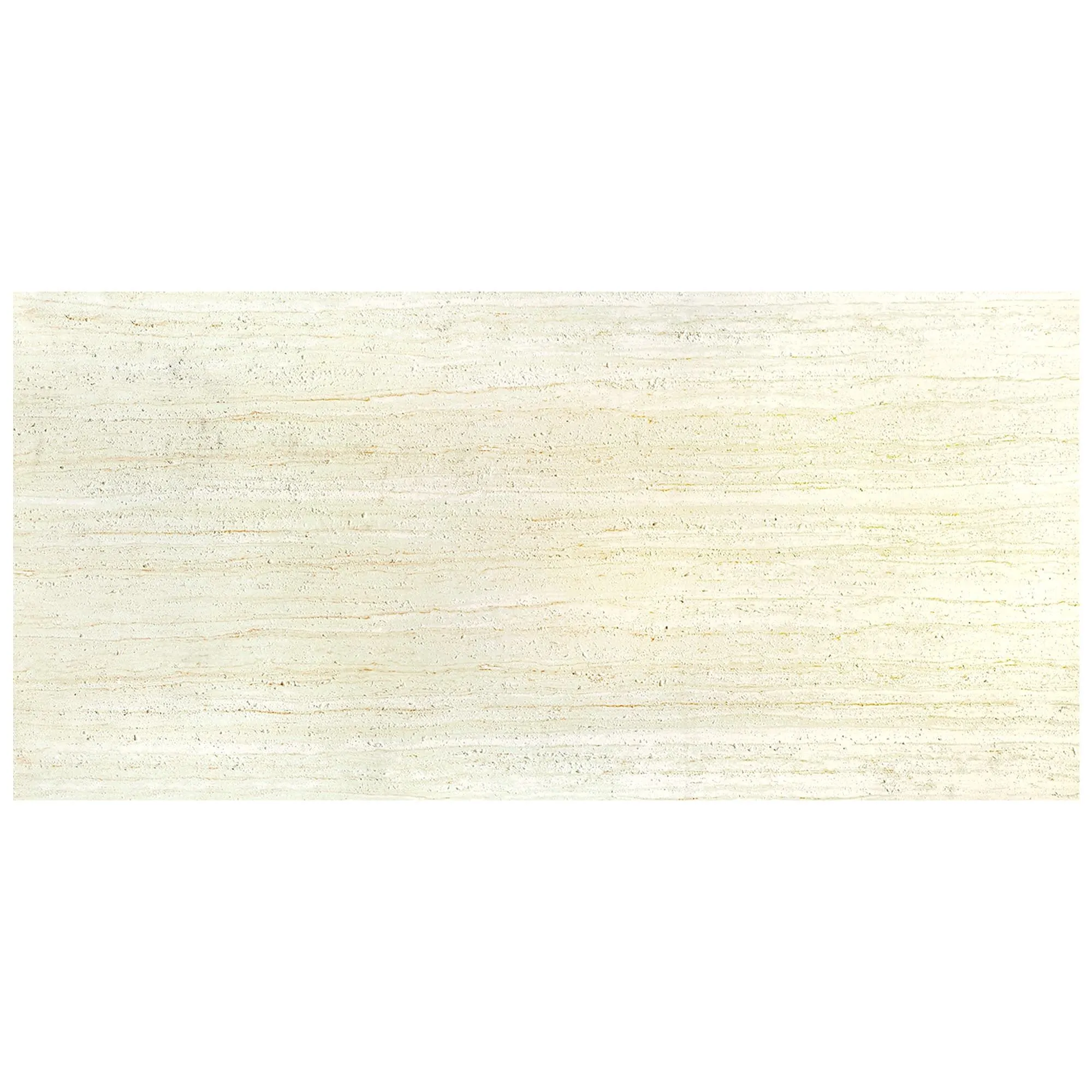
COLORIA's lineup of MCM Thread Technology products reads like a love letter to both tradition and innovation. From earthy, textured panels that evoke ancient villages to sleek, metallic surfaces that scream modernity, there's something here for every vision. Let's dive into a few standouts that showcase just how versatile and impactful this technology can be.
If you've ever tried to install natural stone, you know the drill: heavy slabs, fragile edges, and a lot of wasted material when cuts go wrong. MCM Flexible Stone turns that frustration on its head. Made by bonding natural stone particles with COLORIA's proprietary thread-reinforced resin, these panels are 70% lighter than traditional stone (think 5-8 kg/m² vs. 25-30 kg/m² for marble) but just as durable. What does that mean for you? Easier transport (no need for heavy machinery), faster installation (a small team can handle it), and fewer cracks or breakages during the process.
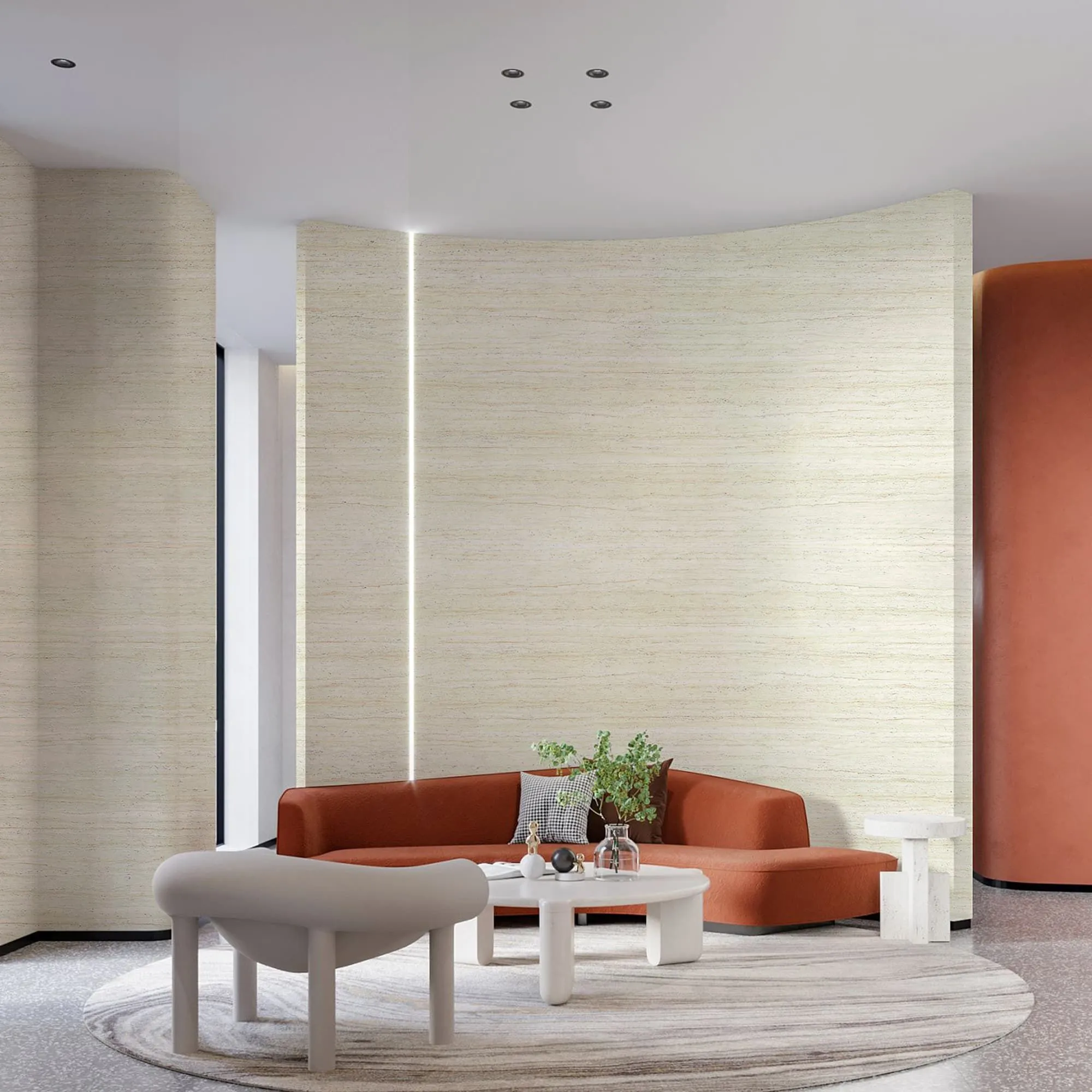
But the real "wow" factor is its flexibility. Bend it, curve it, wrap it around columns or archways—this stone doesn't just cover surfaces; it hugs them. Imagine a boutique hotel with a curved lobby wall clad in MCM Flexible Stone in "Travertine (Starry Blue)"—a variant that mimics the look of natural travertine but with subtle, star-like flecks of blue that catch the light. It's natural beauty with a playful twist, and because it's made from recycled stone dust and minimal resins, it's a fraction of the environmental impact of quarried stone.
Remember when 3D printing felt like science fiction? Today, COLORIA's MCM 3D Printing Series is using that same technology to let architects and designers dream bigger. By 3D-printing MCM composites, they can create intricate patterns, custom textures, and even organic, flowing shapes that would be nearly impossible (or wildly expensive) with traditional methods. Whether it's a facade that mimics the ripples of a river or a ceiling panel designed to look like a forest canopy, the only limit is imagination.
Take the "Wave Panel," for example. Inspired by ocean swells, this 3D-printed MCM panel features gentle, undulating curves that cast dynamic shadows throughout the day. Because it's printed layer by layer, there's no waste—material is only used where it's needed. And since the base is a blend of recycled plastics and natural fibers, it's lightweight and fully recyclable. For a recent cultural center in Barcelona, the design team used 200+ Wave Panels to create a facade that feels alive, changing with the sun and wind. The result? A building that's not just a structure, but a story.
Metallic finishes are having a moment, but traditional metal cladding often comes with a catch: it's prone to rust, heavy, or energy-intensive to produce. COLORIA's Foamed Aluminium Alloy Board (Vintage Silver) skips those downsides entirely. Made by injecting air bubbles into molten aluminium alloy, the result is a material that's 60% lighter than solid aluminium but just as strong. The "vintage silver" finish adds a warm, weathered look—like a piece of industrial history that's been polished to perfection—making it ideal for warehouses-turned-lofts or modern offices that want a touch of retro charm.
But beyond aesthetics, aluminium is one of the most recyclable materials on the planet (95% of the energy used to make new aluminium is saved when recycling it, per Aluminium Association). COLORIA takes that a step further by using 80% recycled aluminium in their foamed alloy boards, cutting down on both raw material use and emissions. It's a material that looks to the future while honoring the past—and it's tough enough to handle coastal winds, urban pollution, and everything in between.
There's something inherently comforting about rammed earth. It's the material of ancient forts, rural cottages, and desert homes—warm, earthy, and deeply connected to the land. But traditional rammed earth is labor-intensive, messy, and hard to scale. COLORIA's Rammed Earth Board (Gradient) reimagines this classic material for the 21st century. Made by compressing layers of colored clay, sand, and natural pigments with MCM thread reinforcement, these panels come in stunning gradient shades—think soft terracottas blending into warm beiges, or sage greens fading into muted grays—that add depth and movement to any space.
A recent project in Arizona used the gradient rammed earth boards for a residential exterior, and the result is breathtaking: the home looks like it's emerging from the desert itself, its walls shifting color with the sun. And because the boards are prefabricated in controlled conditions, there's no on-site dust or waste, and installation is as simple as mounting drywall. It's old-world charm with new-world efficiency.
Travertine has long been a favorite for its porous, honeycombed texture and warm, neutral tones. But COLORIA's "Starry Blue" variant takes this natural stone to new heights. By carefully selecting travertine deposits with unique mineral compositions and adding subtle, eco-friendly pigments during the MCM bonding process, they've created a panel that shimmers with deep blue undertones, like a night sky reflected in a mountain pool. It's a material that feels both organic and otherworldly—perfect for feature walls in hotels, restaurants, or even luxury homes.
What's most impressive, though, is how COLORIA preserves the stone's natural character while making it sustainable. Traditional travertine quarrying can strip landscapes and use excessive water, but COLORIA sources its stone from reclaimed or responsibly managed quarries and uses 90% less water in processing. The result? A material that's as kind to the planet as it is easy on the eyes.
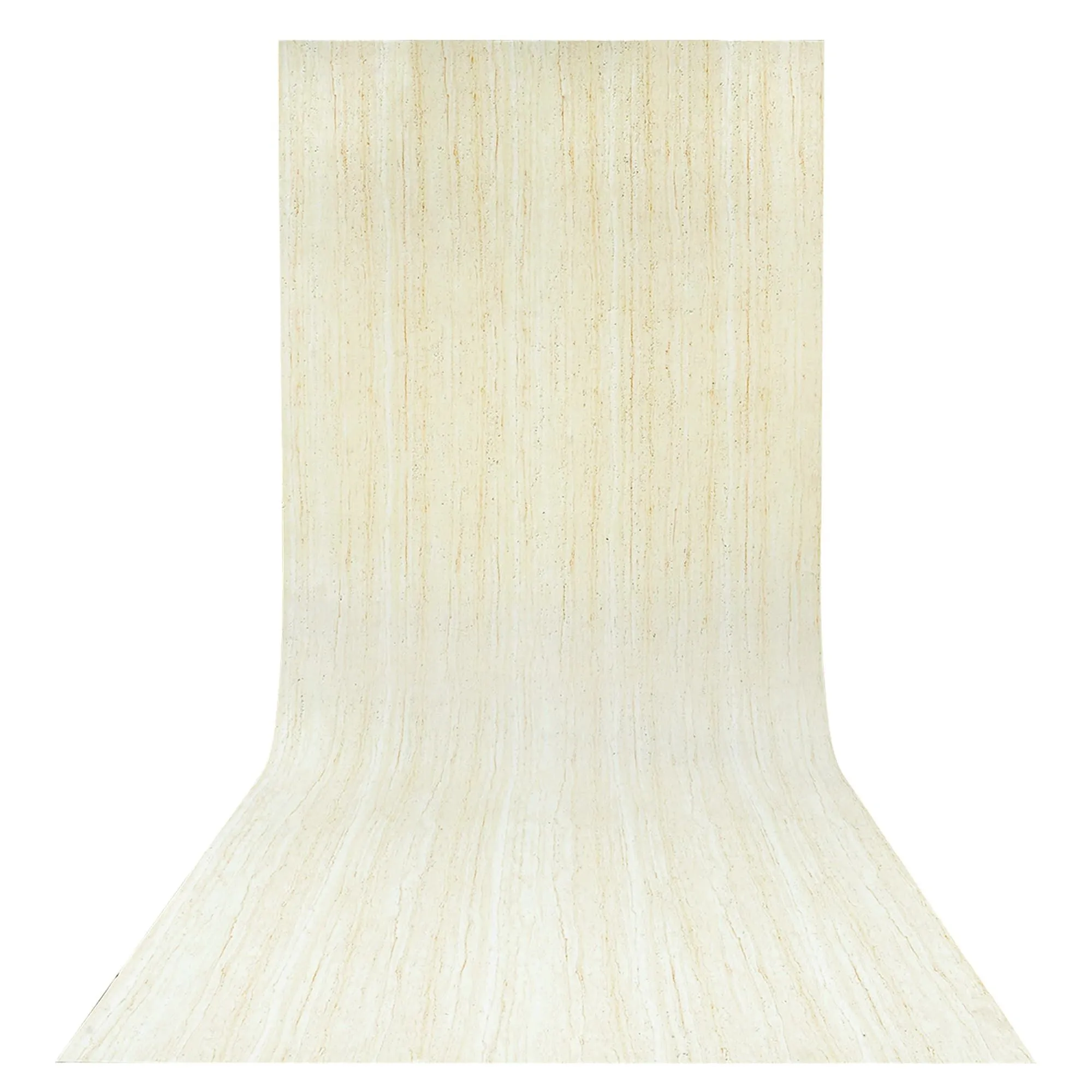
At this point, you might be thinking, "This all sounds great, but is it really as sustainable as it claims?" Let's cut to the chase: yes. COLORIA's commitment to the environment isn't just marketing—it's baked into every step of the process, from raw material sourcing to end-of-life disposal. Here's how it adds up:
Fun Fact: A 10,000 m² commercial building using COLORIA's MCM materials instead of traditional concrete and stone could reduce carbon emissions by approximately 45 tons over its lifetime—that's equivalent to taking 10 cars off the road for a year (EPA, 2024).
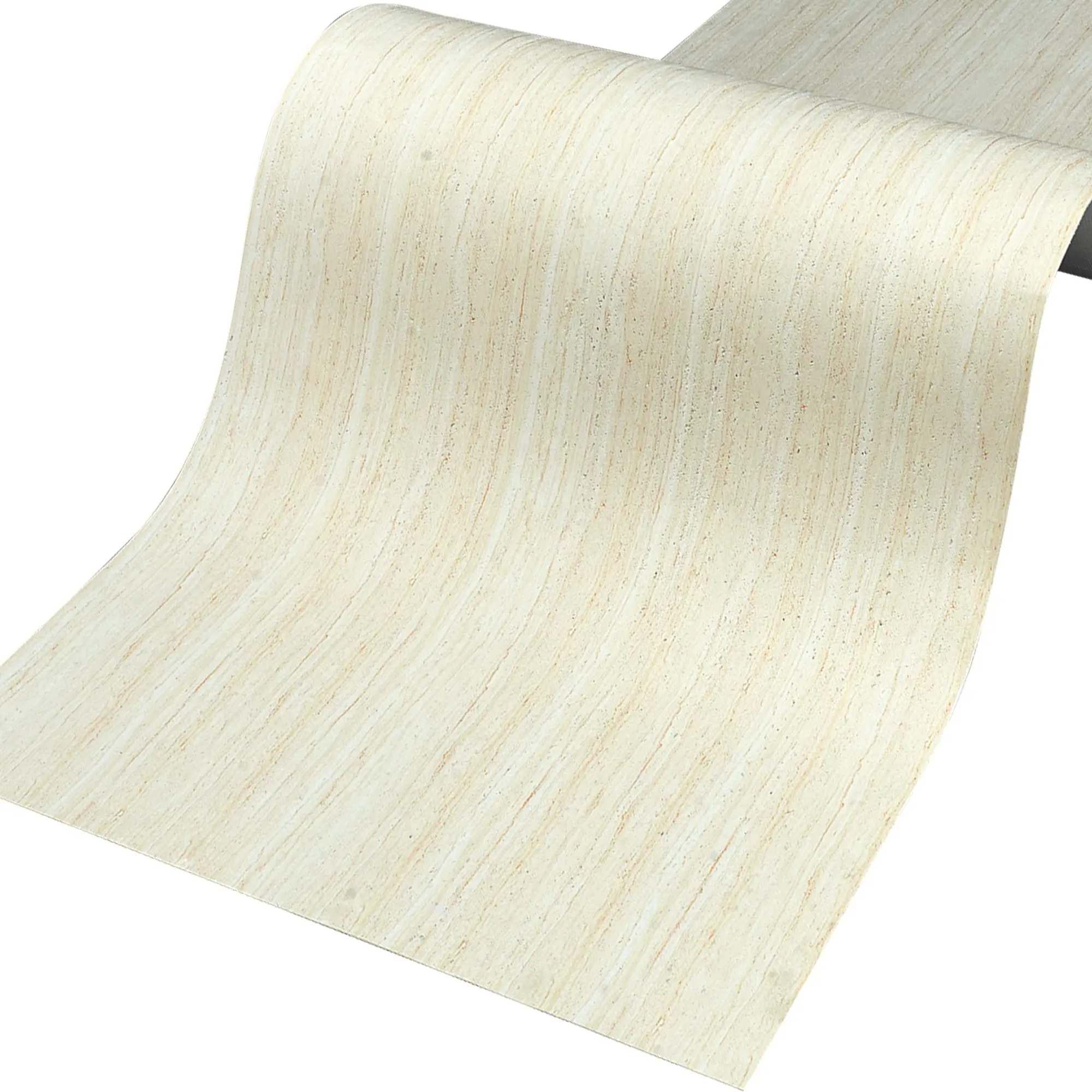
The best way to understand the impact of COLORIA's MCM Thread Technology is to see it in action. Let's take a look at a few projects that have leveraged these materials to stunning effect—proving that sustainability and beauty can, indeed, go hand in hand.
The Green Haven Residences (Portland, OR): This 12-story apartment complex wanted to stand out in a city known for its eco-friendly values. The design team chose MCM Flexible Stone in "Travertine (Starry Orange)" for the facade, pairing it with Foamed Aluminium Alloy Board (Vintage Gold) accents. The result is a building that glows warmly at sunset, with the lightweight materials reducing the need for structural steel (cutting costs and emissions). Tenants love the natural light filtering through the stone's texture, and the developers report a 20% faster construction timeline compared to traditional cladding.
Heritage Museum Extension (Marrakech, Morocco): Tasked with adding a modern wing to a 19th-century museum, architects needed a material that would honor the past while embracing the future. They settled on Rammed Earth Board (Gradient) in earthy reds and beiges, which complements the original mud-brick structure, and MCM 3D Printed "Wave Panels" for the interior atrium. The 3D-printed panels, designed to mimic desert sand dunes, add a dynamic, contemporary contrast—proving that old and new can dance together beautifully.
Urban Loft Conversion (Brooklyn, NY): In a city where space is tight and character is everything, a developer transformed a 1920s warehouse into 15 luxury lofts using COLORIA's Foamed Aluminium Alloy Board (Vintage Silver) for kitchen backsplashes and "Travertine (Starry Blue)" for bathroom walls. The lightweight materials made it possible to preserve the building's original wooden beams (no need for structural reinforcement), while the metallic and stone finishes add a sleek, industrial-chic vibe. "Our buyers were willing to pay a premium for the sustainability angle," says the project manager. "They love that their home looks good and does good."
At the end of the day, what makes COLORIA's MCM Thread Technology special isn't just the materials—it's the mindset. This isn't a company that sees sustainability as a checkbox; they see it as a responsibility. Every product, every innovation, every partnership is guided by the belief that buildings should serve people and the planet. It's a thread that weaves through everything they do—connecting the past (natural materials, traditional textures) to the future (cutting-edge tech, circular design) and ensuring that the buildings we create today leave a legacy we can be proud of.
So whether you're an architect drafting your next masterpiece, a builder looking to streamline your process, or a homeowner dreaming of a space that feels like you while respecting the earth, COLORIA's MCM Thread Technology offers something rare: a chance to have it all. Beauty, durability, and sustainability—woven together, one panel at a time.
As we stand at the crossroads of climate urgency and design innovation, materials like COLORIA's MCM Thread Technology aren't just options—they're necessities. They remind us that the buildings we live, work, and play in don't have to be part of the problem; they can be part of the solution. A solution that doesn't ask us to choose between a stunning skyline and a healthy planet, but instead shows us how to have both.
So the next time you pass a building that makes you pause—a wall that shimmers like a starry night, a facade that curves like a wave, or a surface that feels both ancient and new—take a closer look. Chances are, it's not just stone or metal or clay holding it together. It's a thread: a thread of innovation, a thread of sustainability, and a thread of hope for a built world that's as kind as it is beautiful.
| Material Type | Sustainability | Weight (kg/m²) | Durability (Years) | Aesthetic Versatility |
|---|---|---|---|---|
| Traditional Concrete | High CO₂ emissions, limited recyclability | 22-25 | 30-40 | Basic, limited finishes |
| Natural Stone (Marble/Granite) | High quarrying impact, water-intensive | 25-30 | 50-60 | High, but limited customization |
| MCM Flexible Stone | Recycled stone content, low CO₂ | 5-8 | 50+ | Exceptional (textures, colors, flexibility) |
| Foamed Aluminium Alloy (Vintage Silver) | 80% recycled aluminium, 100% recyclable | 4-6 | 60+ | Modern, metallic finishes with vintage appeal |
| Rammed Earth Board (Gradient) | Sustainable clay sourcing, low energy use | 7-9 | 100+ | Earthy, gradient colors, organic textures |
Recommend Products












