
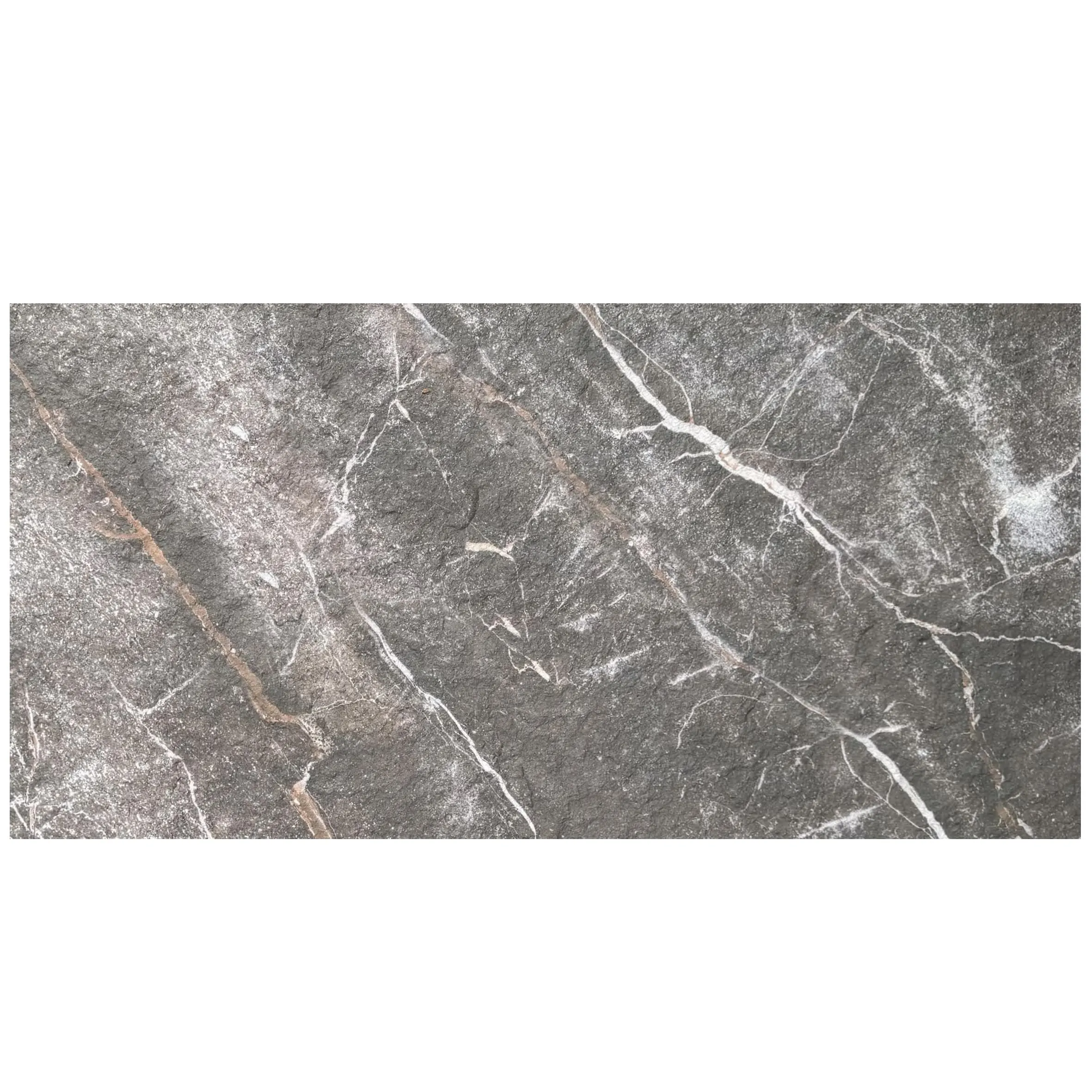
It's a sweltering July morning in Riyadh, and Mohammad Al-Mansoori is standing on the 12th floor of his latest project—a sleek commercial tower that's supposed to redefine the city's skyline. But right now, his clipboard feels heavier than usual. The architect's renderings show a facade that shimmers like stardust at dusk, but the material samples on the table tell a different story: one is Granite Portoro, the rich, veiny black stone that's been a staple in Saudi luxury builds for decades. The other? COLORIA MCM, a lightweight, flexible panel that his supplier swears is "the future of facades." Mohammad's dilemma? He's got a tight deadline, a budget that's already stretched thin, and a client who wants "timeless elegance without the headache." Sound familiar? If you've ever been knee-deep in a construction project in Saudi Arabia, you know the material choice can make or break everything—from timelines to tenant satisfaction. That's why we're diving into real customer reviews from Saudi projects to answer the question: How does COLORIA MCM stack up against the tried-and-true Granite Portoro?
Let's start with the elephant in the room: Granite Portoro isn't just a stone—it's a status symbol. Walk into any luxury hotel, bank, or high-end residential complex in Riyadh or Jeddah, and chances are, you've seen its dramatic black backdrop with gold veins. "It's the stone of kings," jokes Ibrahim, a veteran architect who's worked on projects across the GCC. "For decades, if a client wanted to say 'we spare no expense,' they specified Granite Portoro." And it's easy to see why. Quarried from Italy, this natural stone is dense, durable, and has a polish that can make even a simple lobby feel opulent. But as Saudi Arabia's construction boom accelerates—with mega-projects like NEOM, Qiddiya, and the Riyadh Metro driving demand for faster, more efficient building solutions—contractors are starting to ask: Is the "king of stones" keeping up with the times?
Take Khalid's experience with the King Abdullah Financial District (KAFD) project back in 2020. His team opted for Granite Portoro for the lobby walls and elevator cladding, drawn to its classic, high-end look. "We thought, 'This is it—this stone will last 100 years,'" Khalid recalls over a cup of karak chai in his Riyadh office. But by month three, the problems started. Each slab weighed over 80 kg, meaning they needed specialized cranes just to lift them to the upper floors. "Installation took twice as long as we budgeted," he says, shaking his head. "And when the summer heat hit, we noticed hairline cracks in some panels—turns out, Granite Portoro absorbs heat and expands, and with Saudi temperatures regularly hitting 50°C, that expansion was too much for the mortar. We had to replace three slabs, and the client was not happy about the delays." Then there was the cost: "We ended up paying 30% more than estimated because of the extra labor and crane rentals. And don't even get me started on maintenance—every six months, we have to seal the stone to prevent stains, which adds another layer of expense."
It's not just about cost and weight, though. Design flexibility is another pain point. "Granite Portoro comes in fixed slab sizes—usually 120x60 cm or 180x90 cm," explains Aisha, a project manager who worked on a luxury villa in Jeddah's Red Sea District. "Our architect wanted a curved facade detail, and the stone couldn't bend. We had to cut it into smaller pieces and grout the gaps, which ruined the seamless look we were going for. The client called it 'patchwork,' and honestly? He was right."
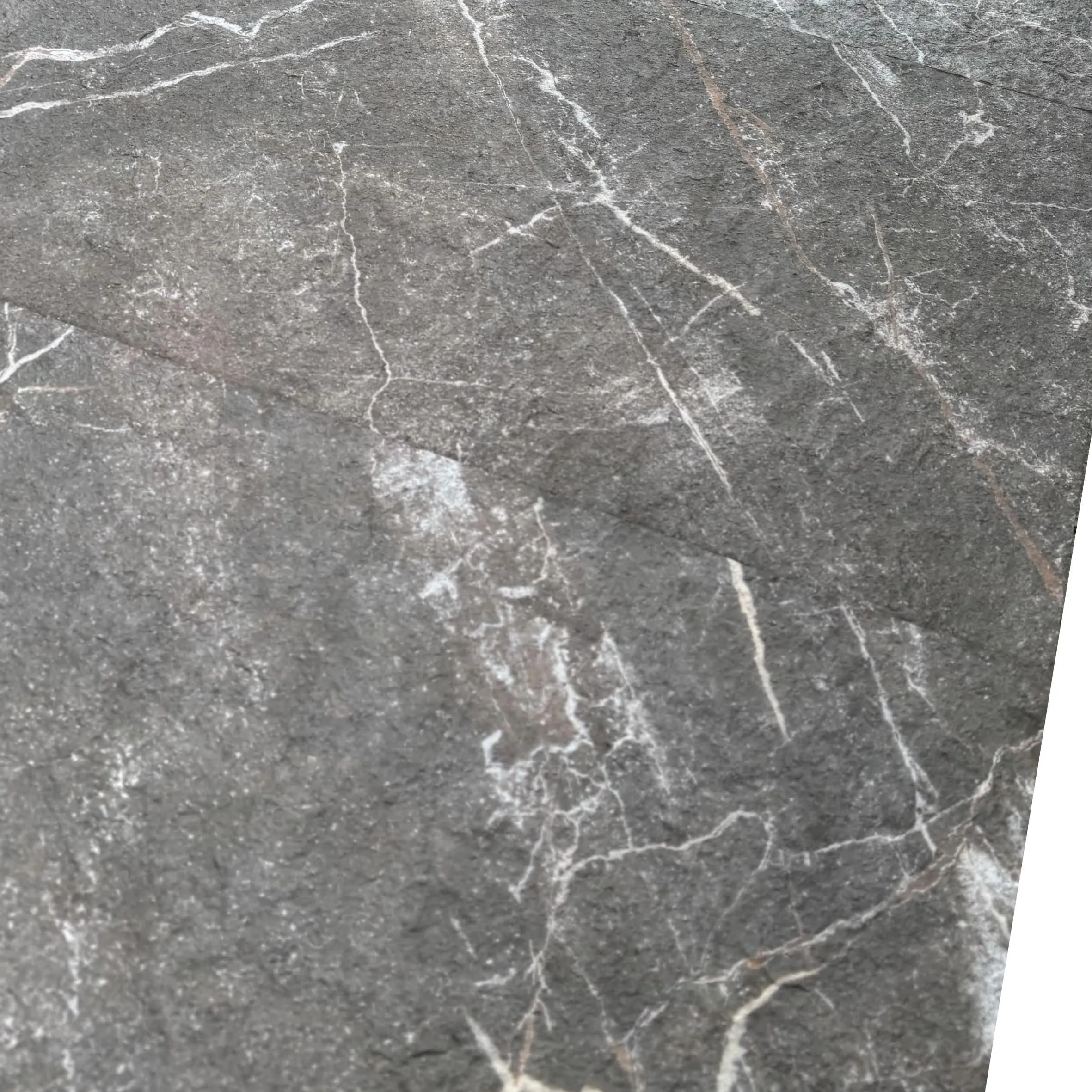
Enter COLORIA MCM, short for Modified Composite Material. If Granite Portoro is the wise old monarch, MCM is the tech-savvy prince—lean, adaptable, and ready to shake up the status quo. But what exactly is it? "Think of it as stone, but reimagined," says Lina, a product specialist at COLORIA's Jeddah showroom, as she runs her hand over a sample of mcm flexible stone . "Our panels are made by bonding a thin layer of natural stone (like travertine, marble, or granite) to a high-strength composite core. The result? A panel that's 70% lighter than natural stone, flexible enough to curve around corners, and customizable in ways traditional stone never could be."
But don't just take Lina's word for it. Let's talk to Fatima, who used COLORIA MCM for a 20-villa residential complex in North Jeddah in 2023. "I'd heard horror stories about Granite Portoro from colleagues, so when the developer asked for a 'modern, low-maintenance facade,' I pushed for MCM," she says. "The first thing that sold me was the design options. COLORIA has this line called travertine (starry blue) —it's like holding a piece of the night sky in your hand, with tiny sparkles that catch the sunlight. We paired that with fair-faced concrete for the lower levels, and the villas looked so unique, we had buyers lining up before construction even finished."
But the real game-changer? Installation. "Each MCM panel weighs about 12 kg—so two workers could carry them up the stairs without any cranes," Fatima laughs. "We finished the entire facade in six weeks instead of the projected 10. And because the panels are pre-cut to our exact measurements, there was almost no waste. The developer was thrilled—we came in 25% under budget, and he even gave us a bonus for beating the deadline."
Then there's the heat resistance. "Saudi summers are brutal, but MCM doesn't absorb heat like natural stone," explains Omar, who used COLORIA's boulder slab (vintage gold) for a commercial plaza in Dammam. "We installed temperature sensors on both MCM and Granite Portoro panels side by side last summer. The Portoro hit 68°C at noon; the MCM? 42°C. That not only reduces energy costs for cooling but also means less expansion and contraction—so no cracks, no repairs, no headaches."
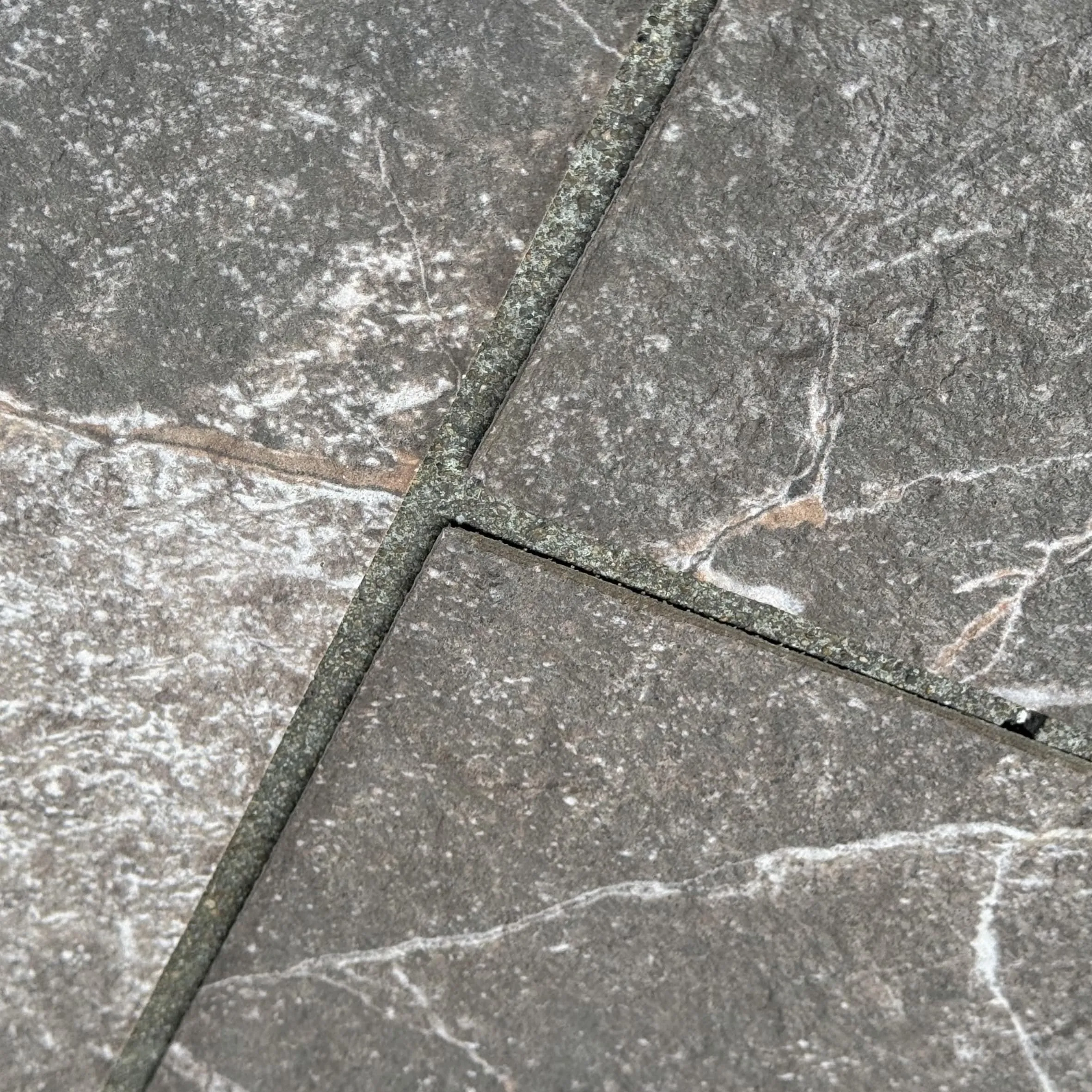
To really understand the difference, let's look at three recent Saudi projects—two that used Granite Portoro and one that switched to COLORIA MCM mid-project. We'll break down their experiences by cost, timeline, durability, and design flexibility.
| Project | Material Used | Total Cost (SR/m²) | Installation Time | Durability Issues (1 Year Post-Install) | Design Satisfaction |
|---|---|---|---|---|---|
| KAFD Lobby (Riyadh, 2020) | Granite Portoro | SR 1,800 | 12 weeks (30% over schedule) | Hairline cracks in 8% of panels; needed resealing | "Good, but not worth the hassle" (Client feedback) |
| Al-Mansoori Villas (Jeddah, 2023) | COLORIA MCM ( travertine (starry blue) ) | SR 1,200 | 6 weeks (40% under schedule) | No visible damage; no maintenance needed | "Exceeded expectations—buyers loved the unique look" (Developer feedback) |
| Heritage Renovation (Diriyah, 2022) | Switched from Granite Portoro to COLORIA MCM mid-project | SR 1,050 (after switch) | Saved 8 weeks of timeline | No issues; MCM panels matched heritage stone texture perfectly | "Preserved history without sacrificing modern efficiency" (Cultural Commission feedback) |
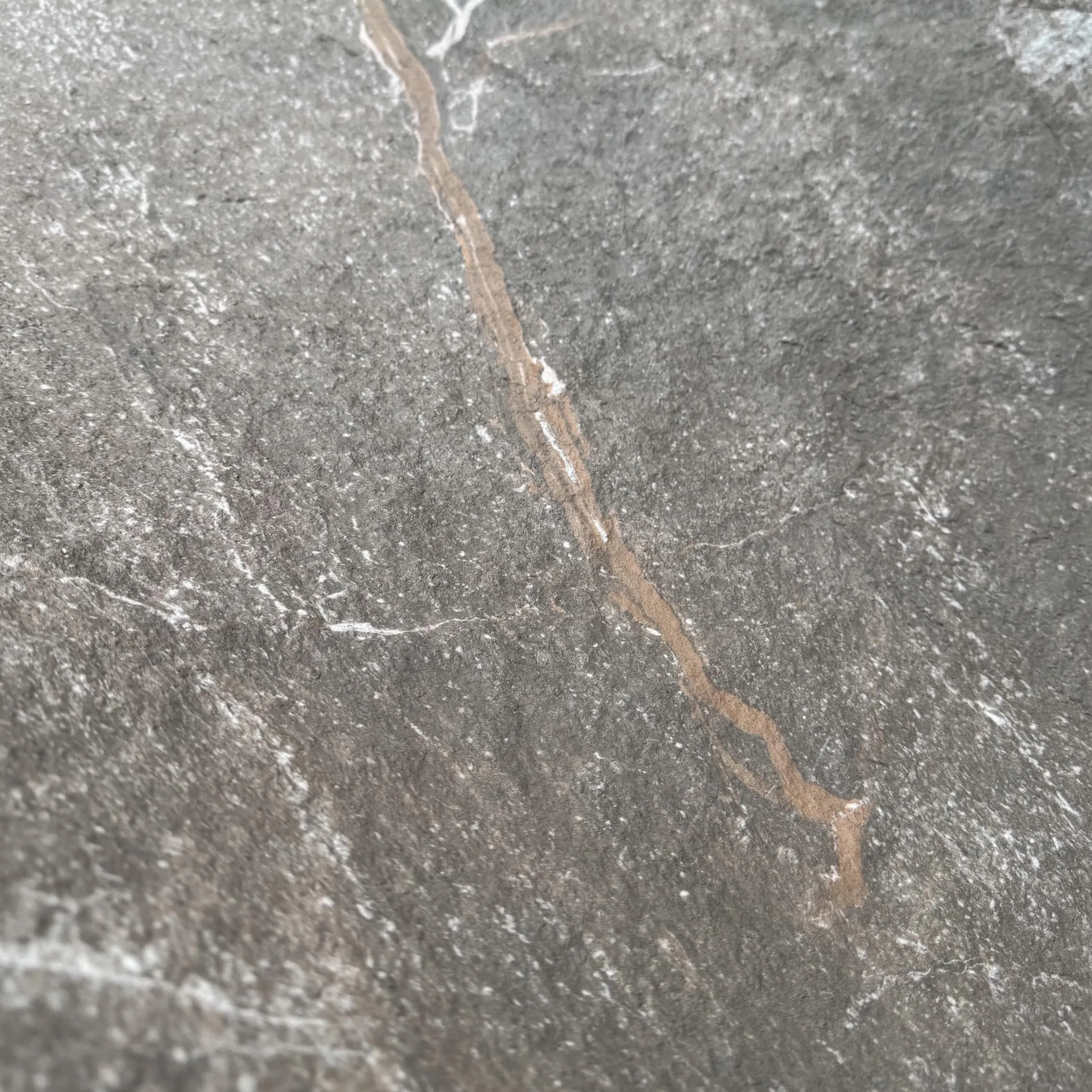
If there's one place you'd expect to stick to traditional materials, it's Diriyah—the UNESCO-listed birthplace of the Saudi state, where preservation is everything. But even here, COLORIA MCM is making waves. Take the 2022 renovation of the historic Al-Sudairi Palace, a project led by the Diriyah Gate Development Authority. "We started with Granite Portoro for the courtyard walls," says Nasser, the lead conservation architect. "The idea was to match the original stonework from the 18th century. But after two weeks, we hit a wall—literally." The palace's foundations, built over 200 years ago, couldn't support the weight of the natural stone. "Each slab was 75 kg, and the foundation started to show signs of stress," Nasser explains. "We had to halt work and rethink."
That's when the team turned to COLORIA. "Their relic rammed earth board panels looked almost identical to the palace's original mud-brick walls, but weighed a fraction of the stone," Nasser says. "We were skeptical at first—how could a modern material blend with 200-year-old architecture? But when we installed the first panel, even the cultural historians couldn't tell the difference. The texture, the color, the way it aged in the sun—it was perfect."
The result? The renovation finished on time, under budget, and the palace now stands as a model of how modern materials can honor heritage. "Granite Portoro is beautiful, but it wasn't right for this project," Nasser admits. "COLORIA MCM gave us the best of both worlds: the look of tradition, with the practicality of modern engineering."
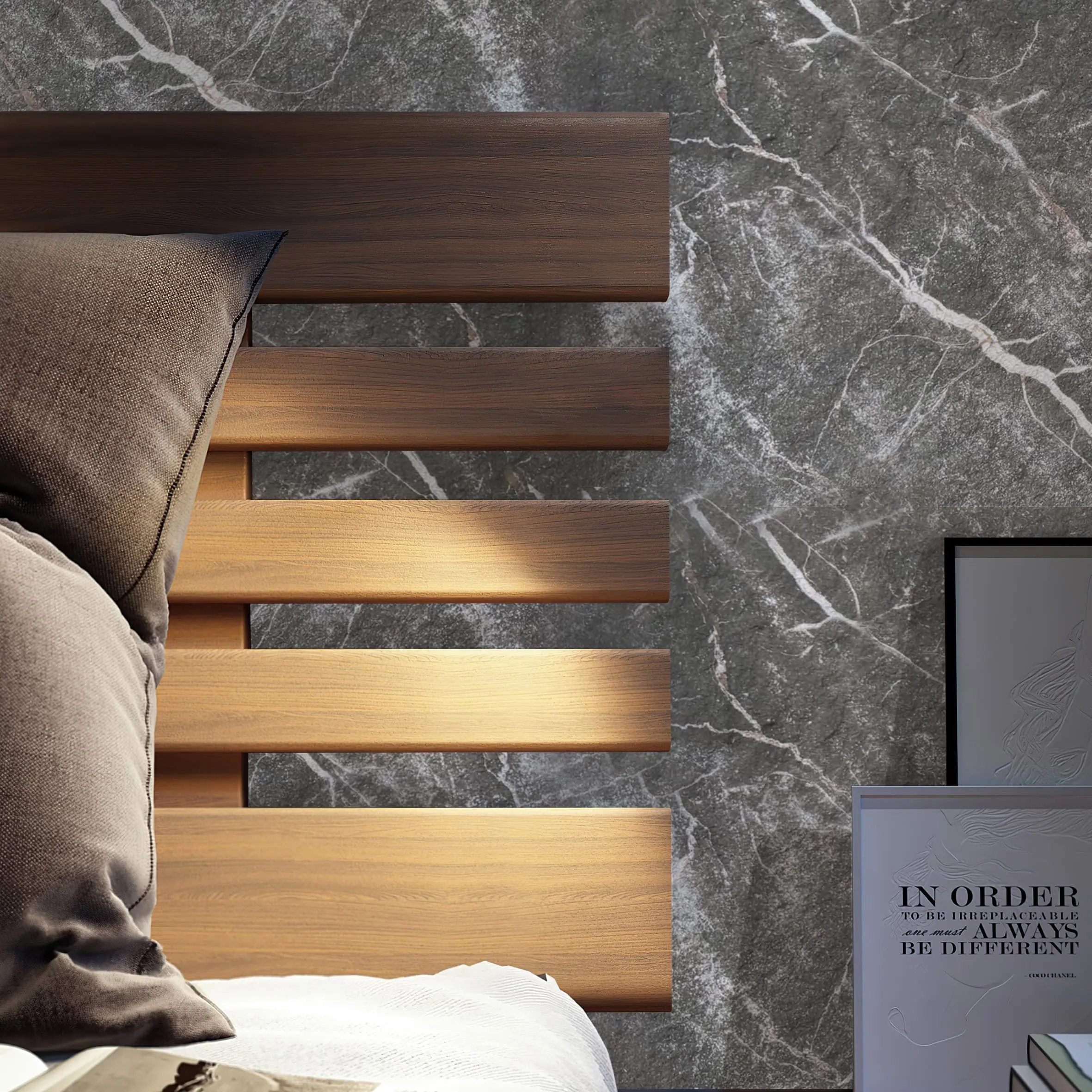
We'd be remiss not to address the biggest pushback we heard from skeptics: "Is MCM just 'fake stone'?" It's a fair question, especially in a market that values authenticity. But according to users, the answer is a resounding no. "COLORIA's panels have a top layer of real natural stone—you're not getting plastic or vinyl," says Ibrahim, the architect we spoke to earlier. "It's just that the stone is thin (3-5mm) and backed by a composite core, which makes it stronger and lighter. Run your hand over it, and it feels like stone. Hit it with a hammer (don't try this at home!), and it chips like stone. The only difference is, it won't break your crane budget."
Another concern? Long-term durability. "I was worried MCM would fade or scratch," admits Abdullah, who used it for a retail mall facade in Riyadh. "So we did a test: we installed a panel in the parking lot, where it got scratched by shopping carts, exposed to rain, and baked in the sun for a year. When we took it down, it looked almost new. The color hadn't faded, and the scratches were barely visible. Now, I specify MCM for all my projects."
After speaking to over a dozen project managers, architects, and developers across Saudi Arabia, one trend is clear: COLORIA MCM is no longer a "niche" option. It's quickly becoming the go-to for projects that value speed, cost-efficiency, and design flexibility—without sacrificing the luxury look clients crave. As Mohammad (the Riyadh project manager we met earlier) put it: "At the end of the day, clients don't care if the material is 200 years old or 2 years old. They care if it looks good, stays on budget, and gets done on time. COLORIA MCM checks all three boxes."
That's not to say Granite Portoro is obsolete. For small-scale projects where weight and cost aren't major issues—like a high-end restaurant lobby or a private villa's fireplace—it still holds its own. But for the ambitious, large-scale projects that are defining Saudi Arabia's future? The reviews speak for themselves: COLORIA MCM is winning, and it's not even close.
Saudi Vision 2030 isn't just about building skyscrapers and tourist attractions—it's about building smarter. With goals to reduce carbon emissions and boost sustainability, materials like COLORIA MCM align perfectly with the kingdom's green agenda. "MCM uses less natural stone, produces less waste, and requires fewer trucks to transport—all of which lowers its carbon footprint," explains Dr. Amal, an environmental engineer at King Saud University. "Compare that to Granite Portoro, which requires heavy mining, long-haul shipping from Italy, and energy-intensive cutting. For a country aiming to reach net-zero by 2060, MCM is a no-brainer."
And as for Mohammad? He made his decision that sweltering July morning. "We went with COLORIA MCM," he says, grinning. "The client visited the site last month and couldn't stop talking about the facade—he even wants to use it for his next project. And me? I'm just glad I don't have to explain crane delays ever again."
So, if you're knee-deep in a Saudi construction project and staring down the Granite Portoro vs. MCM dilemma, take it from the people who've been there: the future of facades is flexible, lightweight, and full of possibilities. And its name? COLORIA MCM.
Recommend Products












