
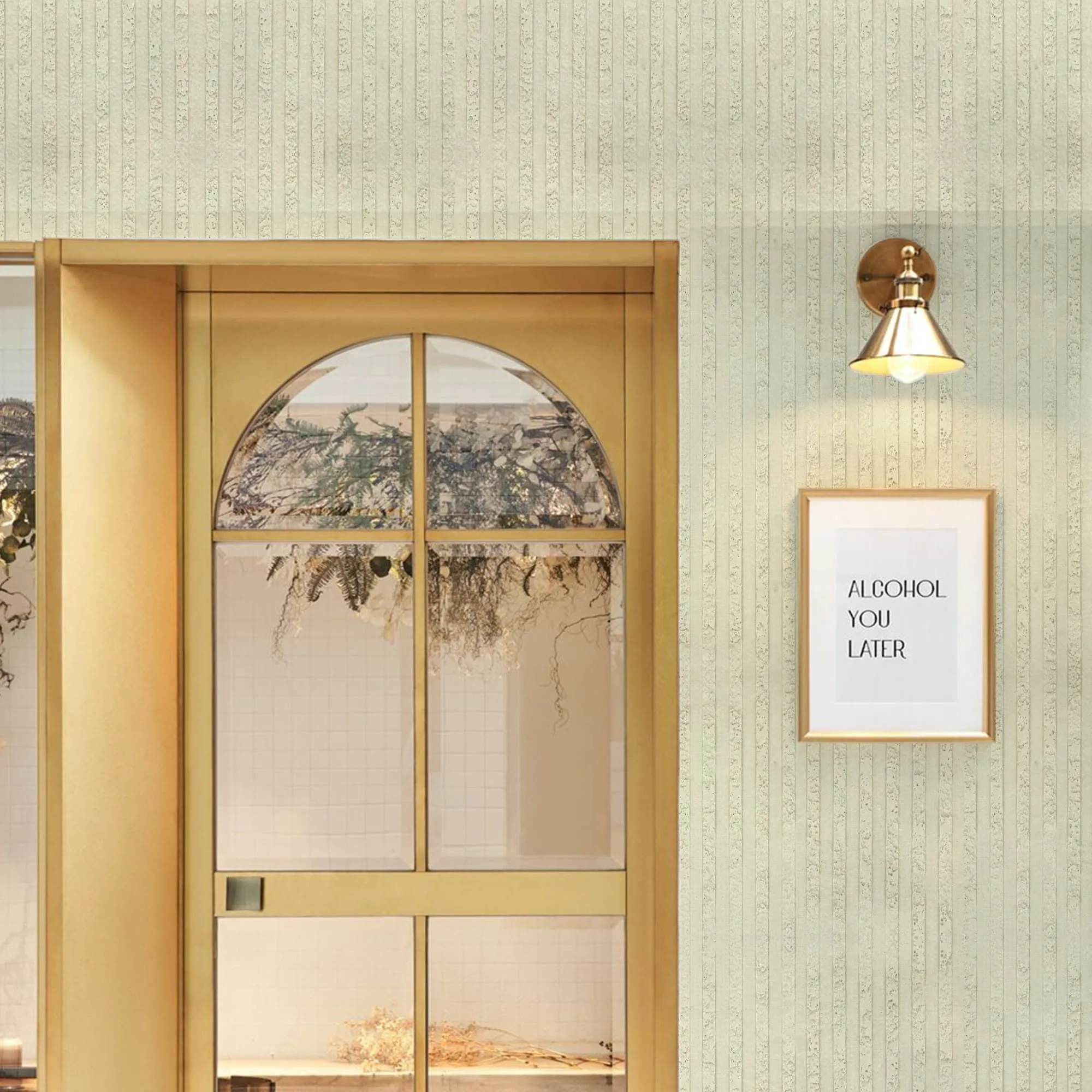
Hey there! If you're into building and design, or even just curious about how our choices impact the planet, you've probably heard a lot of buzz about sustainability in construction. It's a huge topic, and rightfully so. As a one-stop solution provider in architectural materials, we at COLORIA GROUP are constantly pushing the boundaries to offer products that not only look fantastic and perform brilliantly but also tread lightly on Mother Earth. Today, we want to dive deep into a fascinating comparison: our COLORIA MCM (Modified Cementitious Material) products versus what we're calling "Historical Pathfinders Stone" – essentially, traditional natural stone, which has been a staple in construction for centuries. We're going to break down their environmental footprints, because let's be honest, that's where the real story often lies.
First off, let's talk about our star player: COLORIA MCM. This isn't just another building material; it's a revolutionary class of products. MCM stands for Modified Cementitious Material. Think of it as an incredibly versatile, flexible, and sustainable material made primarily from natural aggregates like mineral powders, quartz sand, and other recycled materials, all bound together with a small amount of polymer. The magic happens through a special low-temperature forming process that allows us to create stunning textures and finishes that mimic everything from natural stone and wood to leather and fabric.
Our core product lines, including the MCM Big Slab Board Series , MCM Project Board Series , MCM 3D Printing Series , and MCM Flexible Stone , are designed to cover a vast array of architectural needs, especially for interior and exterior wall decoration. A key differentiator here is the customization and green credentials. We're talking about materials that are thin, lightweight, flexible, and yet incredibly durable.
Now, on the other side of the ring, we have Historical Pathfinders Stone. This category encompasses natural stone materials like granite, marble, slate, travertine, and sandstone. For millennia, these materials have been celebrated for their natural beauty, longevity, and perceived luxury. From ancient pyramids to grand cathedrals and modern skyscrapers, natural stone has shaped our built environment, standing as a testament to human ingenuity and the Earth's natural artistry.
When we talk about "Pathfinders," we acknowledge its long and distinguished history. These stones are literally carved from the earth, each piece unique, reflecting millions of years of geological processes. They offer unparalleled authenticity and a connection to nature that many find deeply appealing. But as with all things, there's a flip side, especially when we start considering the environmental toll.
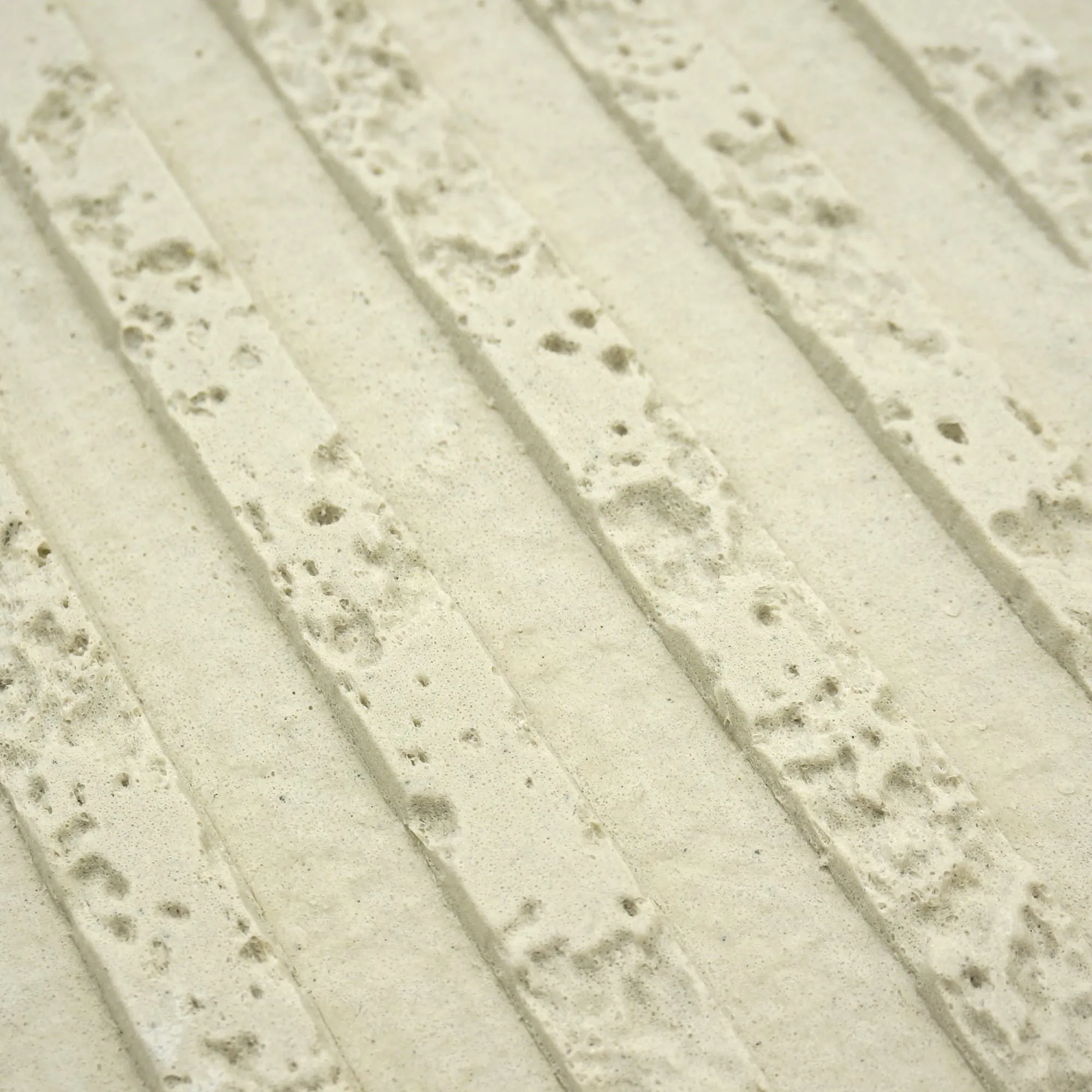
Okay, let's get down to the nitty-gritty. When we talk about environmental footprint, we're considering a material's entire life cycle, from extraction and manufacturing to transportation, installation, and eventual disposal or recycling. This holistic view is crucial for a fair comparison.
The journey of natural stone begins deep within the Earth, in quarries. Quarrying is an inherently resource-intensive process. It involves heavy machinery, explosives, and significant landscape alteration. Extracting large blocks of stone requires vast amounts of energy, often from fossil fuels, for drilling, cutting, and lifting. This process can lead to:
Furthermore, a significant portion of quarried stone is often wasted during the cutting and shaping process, sometimes up to 50% or more, ending up as rubble that needs to be disposed of. This waste contributes to landfill burden and represents lost resources.
In stark contrast, COLORIA MCM products are designed with resource efficiency at their core. The primary raw materials are mineral powders, clay, sand, and other natural and recycled aggregates. What's revolutionary is how these materials are sourced and processed:
"By choosing COLORIA MCM, you're not just picking a material; you're making a conscious decision to support a supply chain that values minimal environmental disruption and maximum resource efficiency."
Once extracted, natural stone often undergoes intensive processing. Cutting, polishing, and finishing large slabs of stone are energy-intensive operations. Diamond-tipped saws and polishing machines require substantial electricity. Moreover, some natural stones, particularly those needing specific finishes or treatments, can involve additional chemical processes. The energy consumption at this stage is significant, largely contributing to greenhouse gas emissions, especially if the energy grid relies heavily on fossil fuels.
This is where COLORIA MCM truly shines. Our manufacturing process is revolutionary because it's a "low-temperature forming" technique. Unlike traditional ceramics or bricks that require firing at extremely high temperatures (often over 1000°C), MCM products are cured at much lower temperatures, typically below 200°C. This translates directly into:
The innovation in our production methods isn't just about efficiency; it's about fundamentally rethinking how building materials can be made to be more gentle on the planet.
Natural stone is heavy. Very heavy. This is a primary factor in its transportation footprint.
Here's where COLORIA MCM offers a stark contrast. Our products are incredibly lightweight and flexible.
Consider the ripple effect: reduced weight translates to fewer trucks on the road, less wear and tear on infrastructure, and a substantial decrease in the carbon footprint of the entire supply chain. This is particularly relevant for global operations, such as our presence in Saudi Arabia, where efficient logistics are paramount.
Installing natural stone is a skilled, labor-intensive, and often slow process.
COLORIA MCM is designed for ease and efficiency in installation, significantly reducing on-site environmental impact.
Natural stone is renowned for its durability and longevity. Many ancient structures still stand, bearing witness to its resilience. However, it's not without its maintenance demands:
COLORIA MCM products are engineered for exceptional performance and longevity with minimal environmental impact throughout their service life.
At the end of its life, natural stone typically faces a limited range of options.
Our commitment to being a one-stop solution provider extends to the entire lifecycle of our products. COLORIA MCM is developed with a view towards circularity.
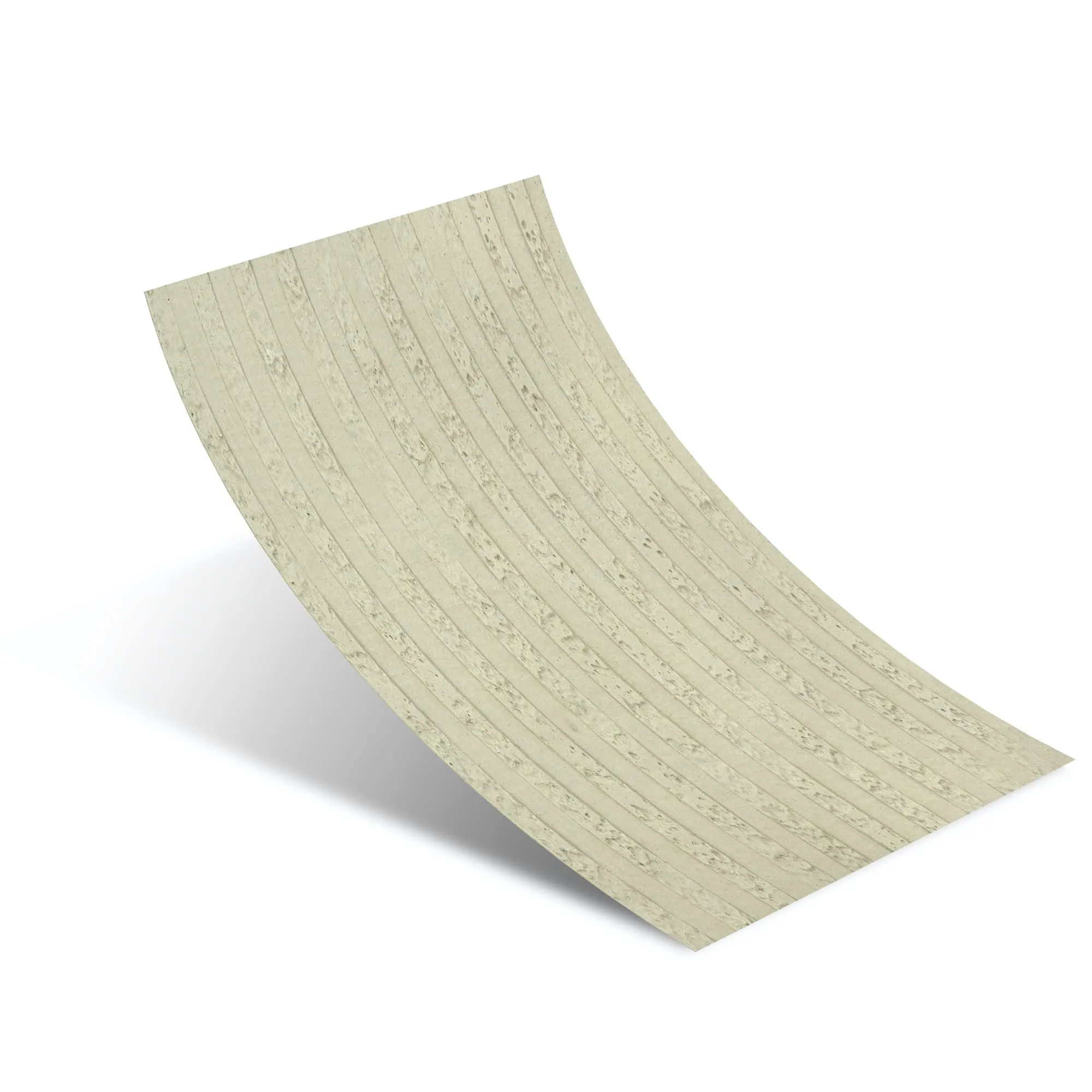
To make it even clearer, let's look at a comparative table highlighting the key environmental aspects we've discussed. This provides a quick snapshot of why COLORIA MCM stands out.
| Environmental Factor | Historical Pathfinders Stone (Traditional Natural Stone) | COLORIA MCM (Modified Cementitious Material) |
|---|---|---|
| Raw Material Sourcing | Quarrying of finite natural rock formations; habitat disruption, significant waste generation (up to 50%). | Utilizes abundant natural mineral powders, clay, sand, and recycled aggregates; minimal extraction impact, efficient material use. |
| Manufacturing Process Energy | High energy for cutting, shaping, and polishing; often high carbon footprint due to fossil fuel reliance. | Low-temperature forming process (below 200°C); drastically reduced energy consumption, significantly lower carbon emissions. |
| Transportation Impact (Weight) | Very heavy (30-60 kg/m²); high fuel consumption, increased emissions for transport. Long-distance global shipping common. | Extremely lightweight (3-6 kg/m²); significantly reduced fuel consumption, lower emissions for transport. More product per shipment. |
| Installation Impact | Labor-intensive, heavy equipment often required, significant on-site dust and material waste, thick mortar beds, higher structural load. | Manual installation possible, minimal dust/waste, thin-set adhesives, reduced structural load on buildings. Cleaner and safer sites. |
| Maintenance & Longevity | Durable but often requires regular sealing and specific cleaning; susceptible to weathering, complex repairs. | Highly durable, weather-resistant, UV-stable, low-maintenance (no sealing, easy cleaning), flexible (crack-resistant), long lifespan. |
| End-of-Life Potential | Mostly landfill or downcycling (crushed aggregate). Limited high-value recycling. | Designed with recyclable components, contributes less to landfill due to thinness/lightness. Supports a more circular economy. |
| Green Credentials | Natural aesthetic, but high overall embodied energy and environmental impact across lifecycle. | Focus on green processes, customization, and green building certifications. Contributes positively to LEED, BREEAM, etc. |
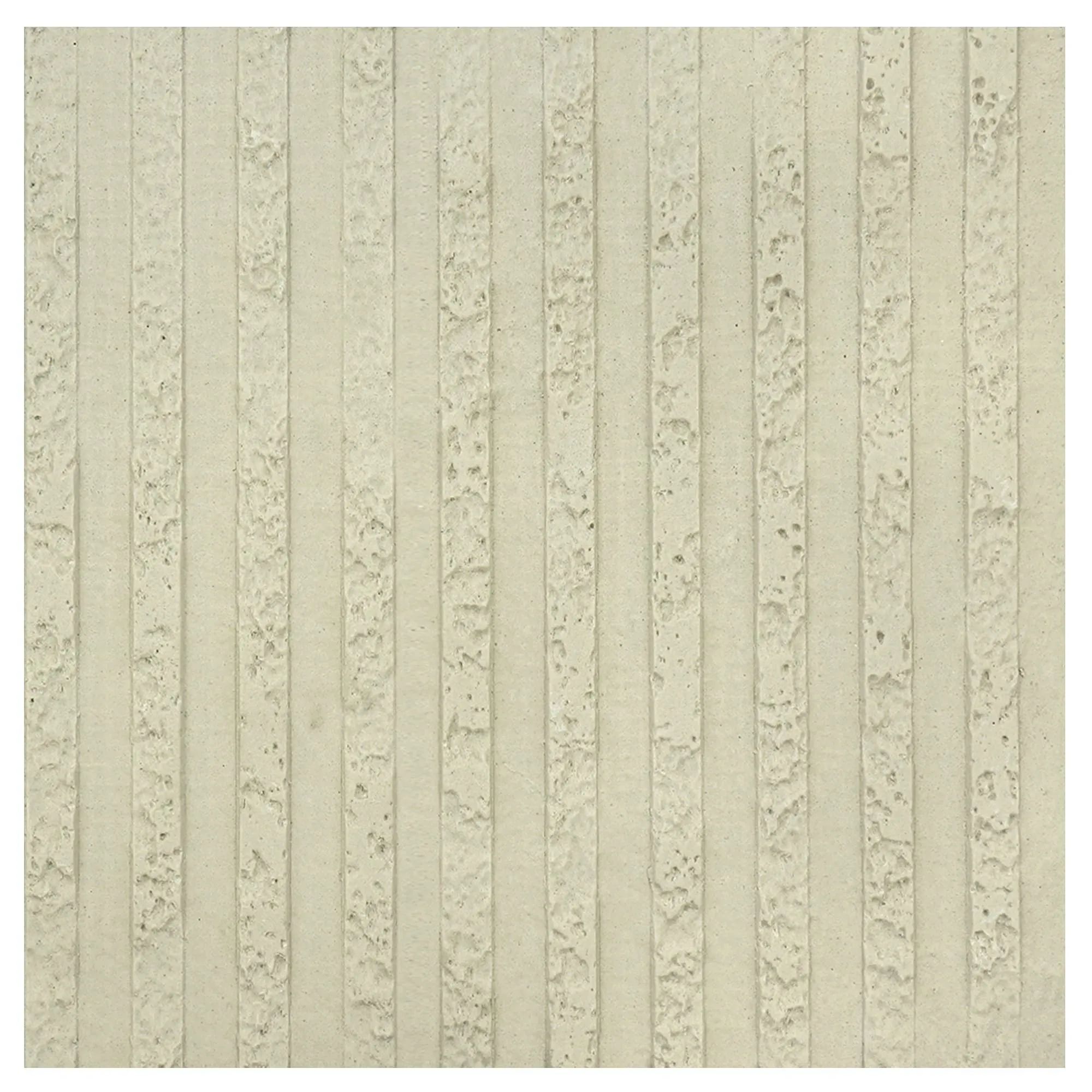
The comparison clearly illustrates that while Historical Pathfinders Stone holds an undeniable charm and historical significance, the environmental costs associated with its extraction, processing, and transportation are substantial. In an era where climate change and resource depletion are pressing concerns, choosing building materials that offer a superior environmental footprint is not just a preference; it's a responsibility.
"At COLORIA GROUP, our mission as a one-stop solution provider isn't just about supplying materials; it's about providing sustainable, high-performance solutions that empower architects, designers, and builders to create more beautiful, resilient, and eco-friendly spaces."
Beyond the environmental aspects, COLORIA MCM offers unparalleled design flexibility. Our MCM 3D Printing Series pushes the boundaries of architectural expression, allowing for intricate patterns and custom textures that would be impossible or prohibitively expensive with natural stone. The MCM Flexible Stone series, for example, provides the authentic look and feel of stone without its weight or rigidity, opening up new possibilities for curved surfaces, lightweight façade systems, and renovation projects where structural load is a concern. This level of customization, coupled with our global market coverage, ensures that we can meet the unique demands of any project, anywhere.
Imagine creating a stunning, realistic stone façade on an existing building without needing to reinforce its foundations. Or designing fluid, organic shapes that mimic nature's forms, something incredibly challenging with rigid, heavy stone slabs. This is the freedom COLORIA MCM offers. It's about democratizing high-end aesthetics by making them accessible, adaptable, and most importantly, sustainable.
Our commitment at COLORIA GROUP goes beyond just offering individual products. As a one-stop solution provider for architectural materials, we aim to integrate sustainable practices throughout the entire project lifecycle. From material selection and specification to delivery and installation support, our goal is to streamline the process for our clients, ensuring that their residential and commercial projects benefit from the most advanced, environmentally responsible solutions available. Our decades of industry experience, particularly in diverse markets like Saudi Arabia, give us a unique perspective on the challenges and opportunities for sustainable construction worldwide.
We understand that making a material choice is a complex decision, balancing aesthetics, cost, performance, and environmental impact. Our role is to simplify that decision by offering products like COLORIA MCM that excel across all these parameters. We're not just selling building materials; we're selling a vision of future-proof construction – one that respects our planet without compromising on design, quality, or functionality.
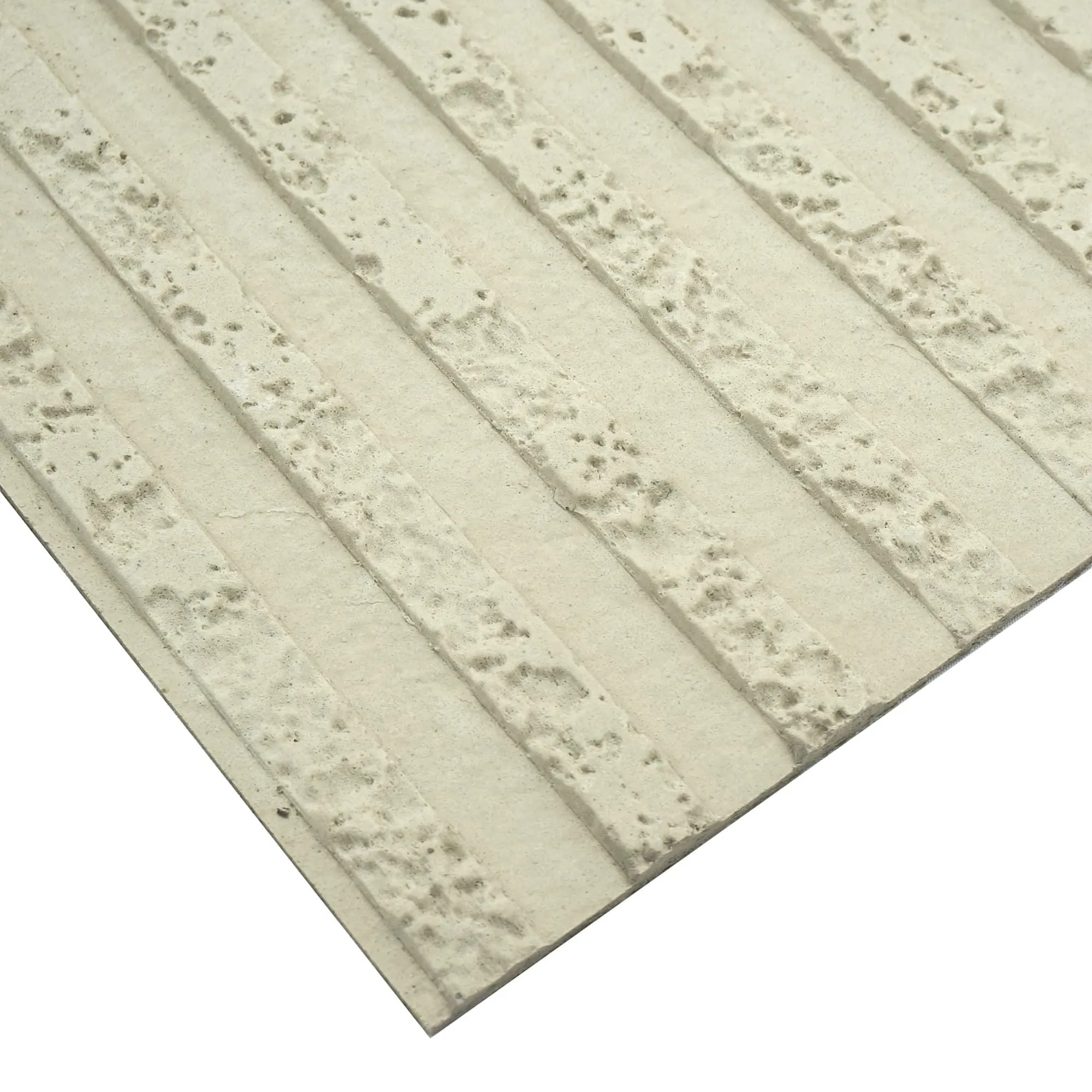
In the ultimate showdown of COLORIA MCM versus Historical Pathfinders Stone, the environmental footprint comparison paints a very clear picture. While natural stone will always hold a place in architectural history for its unique beauty, COLORIA MCM emerges as the superior choice for modern, sustainable construction. It's a material born from innovation, designed to address the environmental challenges of our time.
For architects, developers, and homeowners looking to build responsibly, beautifully, and efficiently, COLORIA MCM offers a compelling and comprehensive solution. It's time to embrace the future of architectural materials – a future that is green, innovative, and limitless in its possibilities. We invite you to explore the incredible potential of COLORIA MCM and join us in building a more sustainable world, one project at a time. Our decades of industry experience are at your service, ensuring that every residential and commercial project benefits from the highest quality and most sustainable options available.
Recommend Products












