

In the world of architecture, where form meets function, the choice of building materials shapes more than just walls—it defines the character of spaces, the stories they tell, and the way people experience them. For decades, architects and designers have sought materials that balance durability with beauty, sustainability with creativity, and practicality with innovation. Enter COLORIA GROUP, a name synonymous with redefining building materials through its cutting-edge MCM (Modified Cementitious Material) technology. Today, we're diving deep into one of their most captivating creations: the MCM Wave Panel, a product that doesn't just cover surfaces, but transforms them into canvases of movement and life. Along the way, we'll explore how this innovation fits into COLORIA's broader vision of delivering one-stop, eco-conscious solutions to clients worldwide.
Founded on decades of expertise in the (construction materials) industry, COLORIA GROUP has always stood for more than just supplying products—it's about empowering architects, developers, and builders to turn bold ideas into reality. As a one-stop solution provider, the company prides itself on understanding the unique challenges of projects across residential and commercial sectors, offering everything from initial design (consultation) to tailored material production and on-site support. With a strong foothold in global markets—including a dedicated presence in Saudi Arabia—COLORIA brings international standards to local projects, ensuring that distance never limits innovation.
At the heart of COLORIA's success lies its commitment to MCM technology. Short for Modified Cementitious Material, MCM is a revolutionary composite that reimagines traditional cement-based materials. By blending advanced polymers with natural minerals, MCM achieves what once seemed impossible: the strength of concrete, the flexibility of fabric, and the aesthetic versatility of natural stone—all while being lightweight, eco-friendly, and highly customizable. This technology isn't just a material; it's a platform for architectural creativity, and nowhere is that more evident than in COLORIA's diverse MCM product lineup.
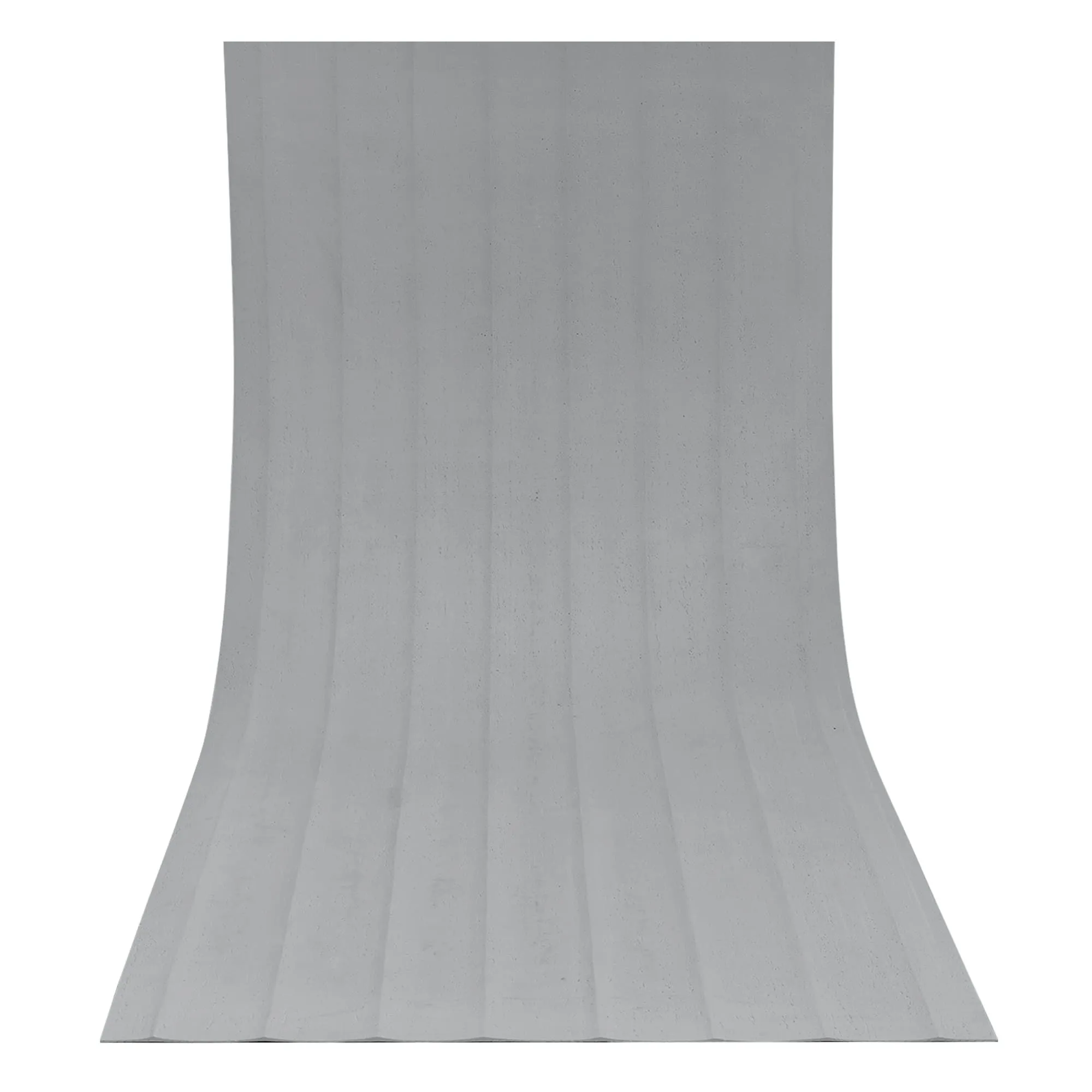
COLORIA's MCM range is a testament to how innovation can transform the building industry. Let's take a quick tour of the core series that have made the company a global leader:
What ties all these series together? A shared commitment to sustainability. COLORIA's MCM materials require significantly less energy to produce than traditional stone or concrete, reduce waste through precision manufacturing, and are designed to be recyclable—aligning with global green building standards like LEED and BREEAM.
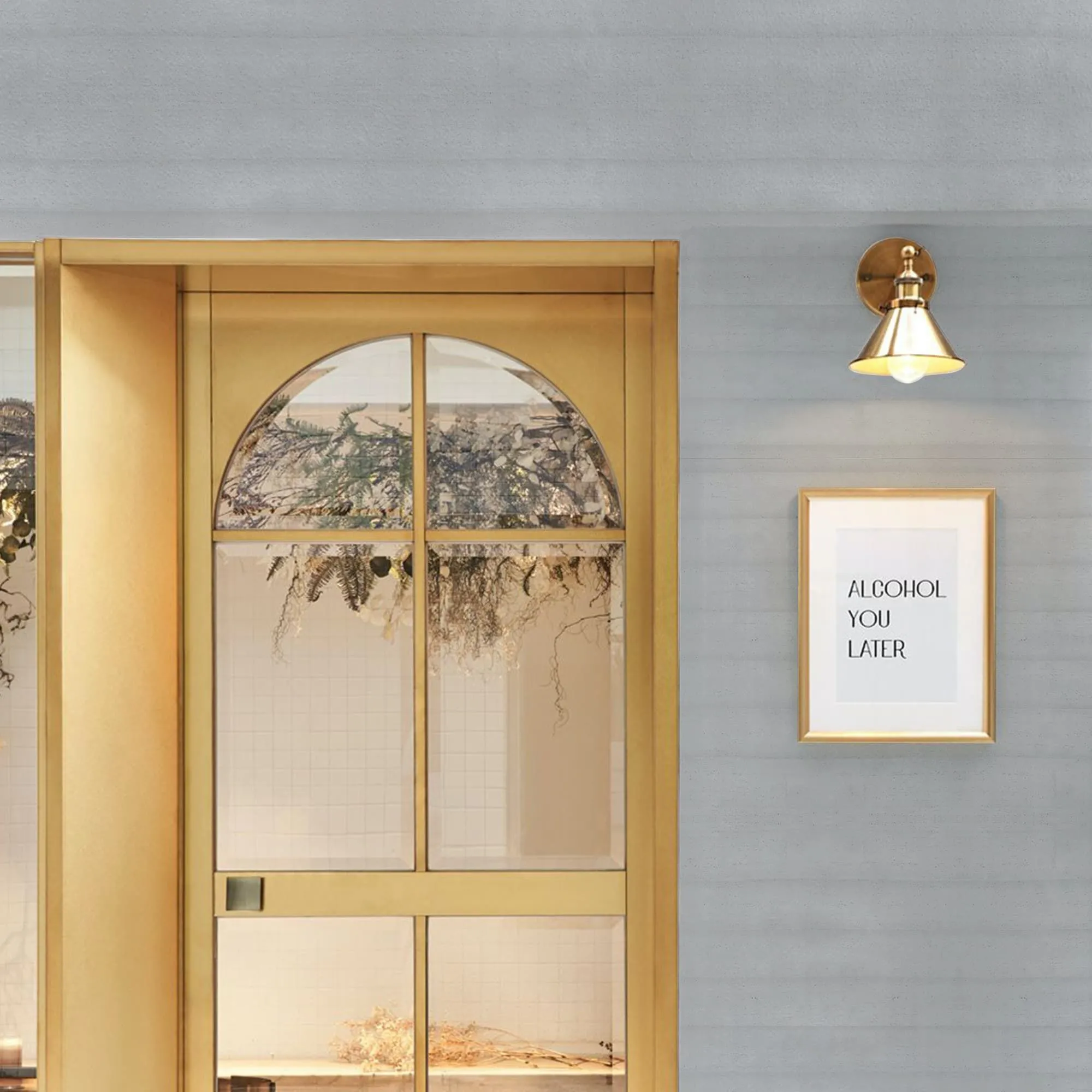
If COLORIA's MCM lineup is a symphony, the MCM Wave Panel is the crescendo. Named for its gently undulating surface, this panel isn't just a building material—it's a dynamic design element that captures movement, light, and shadow in ways flat surfaces never could.
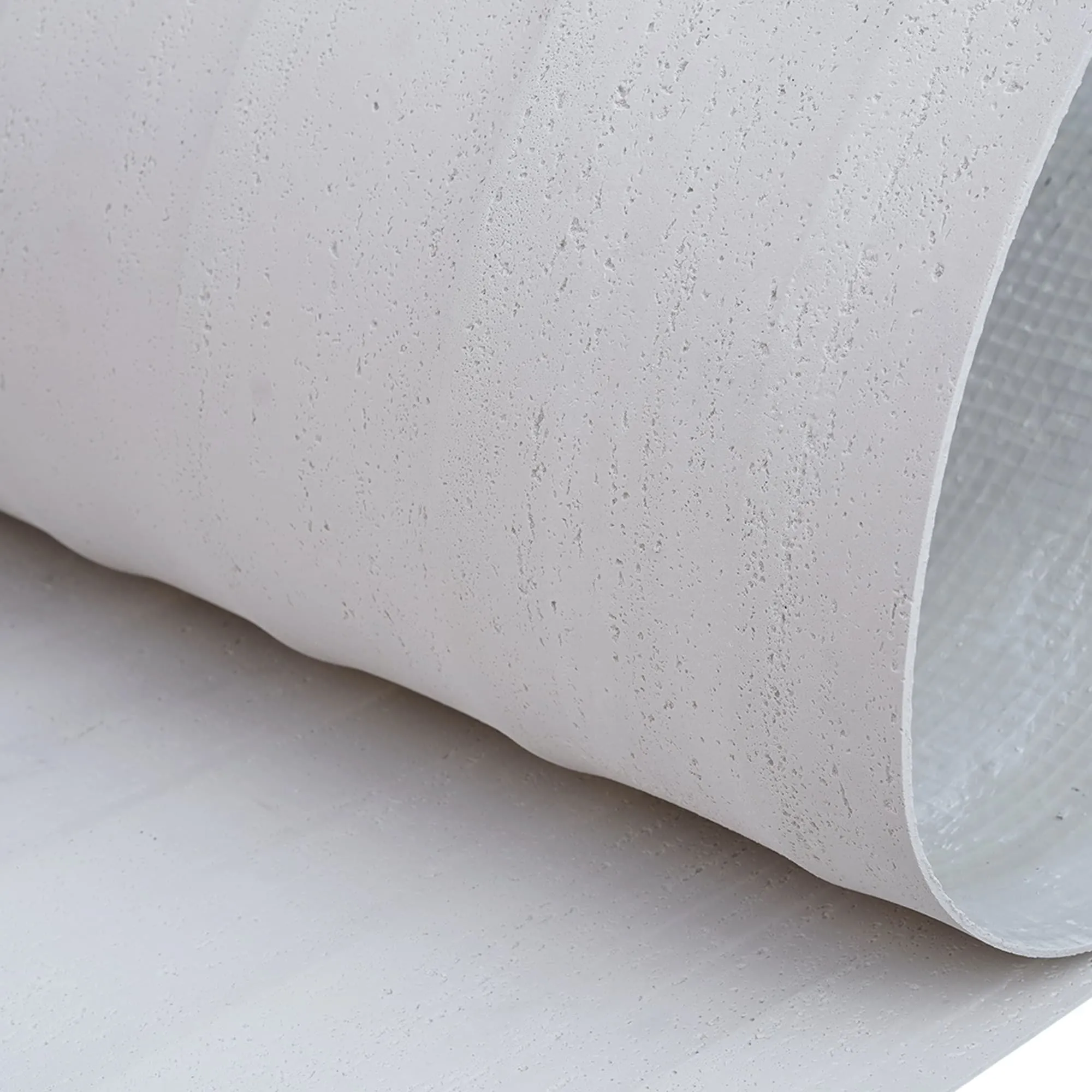
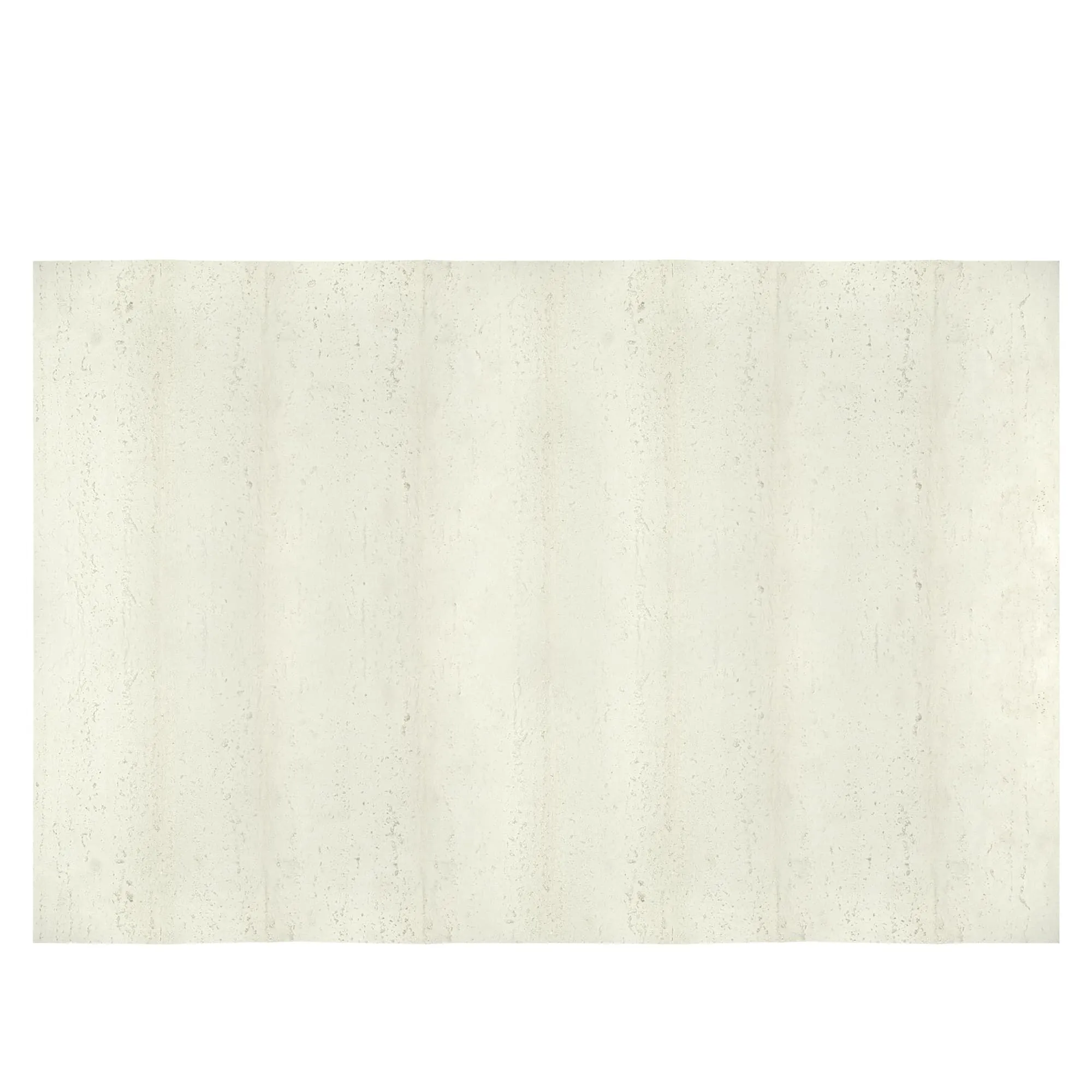
Run your hand along a Wave Panel, and you'll immediately feel the difference. Unlike smooth, uniform surfaces, each panel features subtle, organic ridges and valleys—reminiscent of ocean waves frozen in time, or sand dunes shaped by the wind. This texture isn't just for show; it's engineered to interact with light. Morning sunlight plays across the peaks, casting soft shadows in the troughs, while evening hues transform the panel into a canvas of warm oranges and golds. At night, when illuminated by artificial light, the waves come alive, turning buildings into glowing sculptures that stand out in the urban landscape.
But the beauty of the Wave Panel isn't skin-deep. Underneath that artistic exterior lies COLORIA's proprietary MCM core—a blend of cement, polymers, and natural minerals that gives the panel remarkable strength despite its lightweight nature (typically 6-8 kg per square meter, compared to 25-30 kg for traditional stone). This means easier installation, reduced structural load on buildings, and lower transportation costs—practical benefits that make the panel as appealing to engineers as it is to designers.
| Feature | Traditional Stone Panels | COLORIA MCM Wave Panels |
|---|---|---|
| Weight (per sqm) | 25-30 kg | 6-8 kg |
| Flexibility | Brittle, prone to cracking | Can bend up to 30 degrees without damage |
| Customization | Limited by natural stone variations | Custom colors, textures, and sizes available |
| Installation Time | Slow (requires heavy machinery) | 30-50% faster (lightweight, easy to handle) |
| Environmental Impact | High (quarrying, transportation emissions) | Low (recyclable materials, reduced energy use) |
Nestled along the shore of a Mediterranean city, a new cultural center wanted to reflect its maritime heritage without resorting to clichéd nautical motifs. The architects chose COLORIA's Wave Panels in a soft beige hue, installing them on the exterior facade. As the sun rises over the sea, the panels' undulating surface mimics the rhythm of the waves, creating a building that seems to "breathe" with the ocean. Inside, the same panels line the auditorium walls, their texture enhancing acoustics while maintaining visual continuity—proving that beauty and function can coexist.
In a bustling Asian metropolis, a tech company sought an office tower that stood out from the glass-and-steel monotony. The solution? Black MCM Wave Panels with a matte finish. Installed vertically along the building's east and west facades, the panels create a dynamic interplay of light and shadow throughout the day. During morning rush hour, the rising sun casts diagonal shadows that make the building appear to ripple; in the afternoon, the effect softens into a subtle, sophisticated texture. Employees often comment on how the building "feels alive"—a small detail that boosts morale and brand identity.
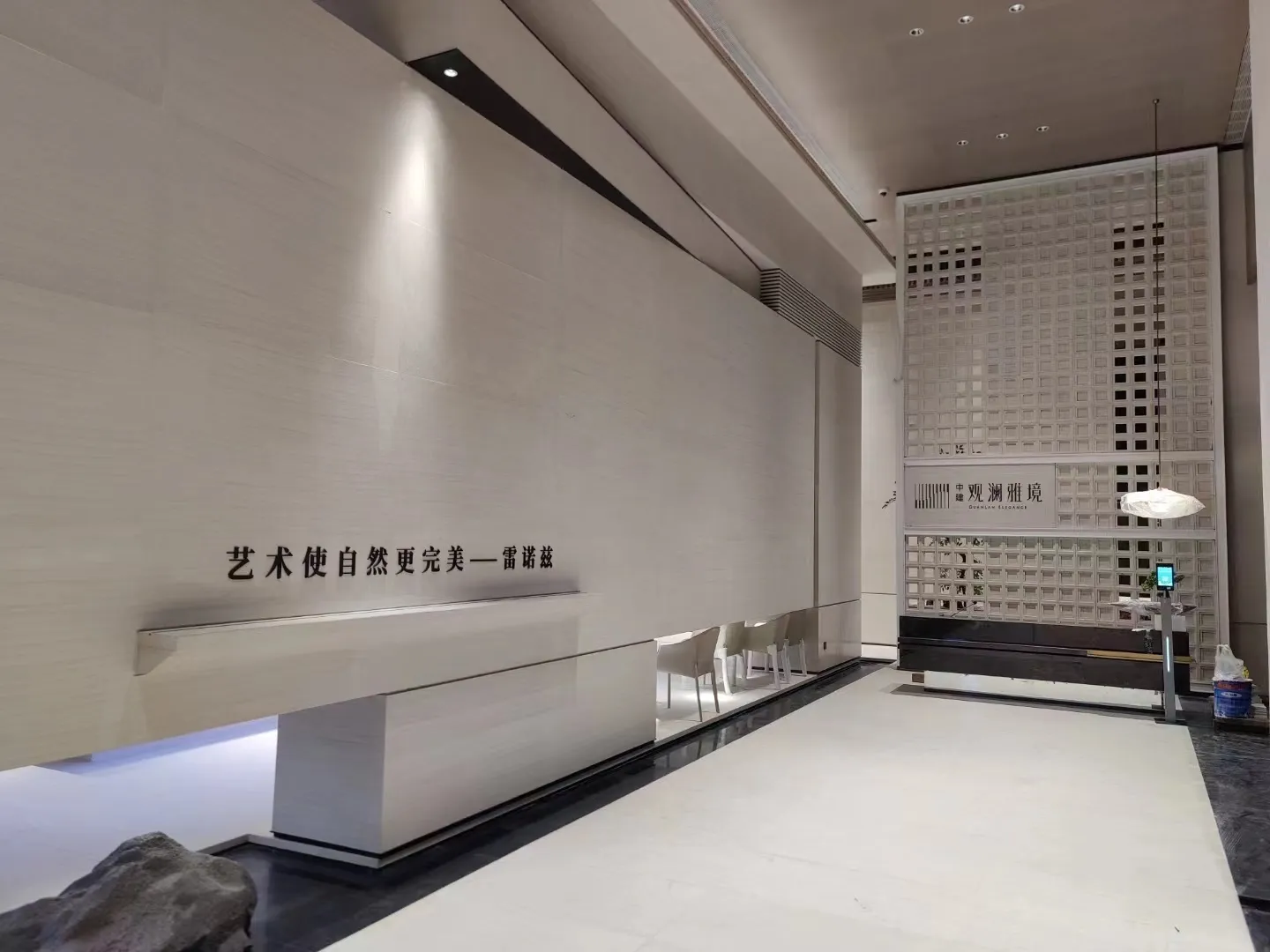
While the Wave Panel steals the spotlight, COLORIA's other MCM innovations deserve their own moment in the sun. Let's explore two that frequently complement the Wave Panel in groundbreaking projects:
Imagine designing a curved, organic-shaped museum facade, or a circular lobby with a stone-clad ceiling that flows like a cloud. Traditional stone would crack under the strain, but COLORIA's MCM Flexible Stone laughs in the face of such limitations. This remarkable material combines the look and texture of natural stone (think travertine, marble, or slate) with the flexibility of a thin sheet—allowing it to wrap around columns, archways, and even domed surfaces.
Take, for example, the Travertine (Starry Green) variant—a fan favorite among designers. With its soft green base and subtle, star-like veining, it adds a touch of nature's serenity to any space. When used alongside Wave Panels, it creates striking contrasts: the Wave Panel's dynamic movement paired with the Flexible Stone's organic, flowing curves. One recent project in Dubai used this combination for a luxury hotel's lobby, where a curved wrapped in Starry Green Flexible Stone meets a backdrop of Wave Panels in warm beige—creating a space that feels both grand and intimate.
If Flexible Stone bends reality, the MCM 3D Printing Series redefines it. This technology allows COLORIA to produce panels with geometries that were once impossible with traditional manufacturing. Want a facade that looks like a honeycomb? A ceiling with suspended, organic pods? A feature wall that mimics the complexity of a coral reef? The 3D Printing Series makes it possible—all while maintaining the strength and sustainability of MCM.
One of the most exciting applications is in parametric architecture, where designs are driven by algorithms to optimize performance and aesthetics. For a university campus in Europe, COLORIA used 3D-printed MCM panels to create a "learning wall"—a facade that changes texture based on the sun's position, reducing heat gain in summer and maximizing natural light in winter. The panels, shaped like interlocking leaves, not only serve a functional purpose but also tell a story about sustainability and innovation—values the university holds dear.
The Power of Integration : What makes COLORIA truly unique is how its products work together. A single project might combine Wave Panels for the main facade, Flexible Stone for curved accents, and 3D-printed elements for artistic focal points—all under the MCM umbrella, ensuring consistency in quality, installation, and sustainability.
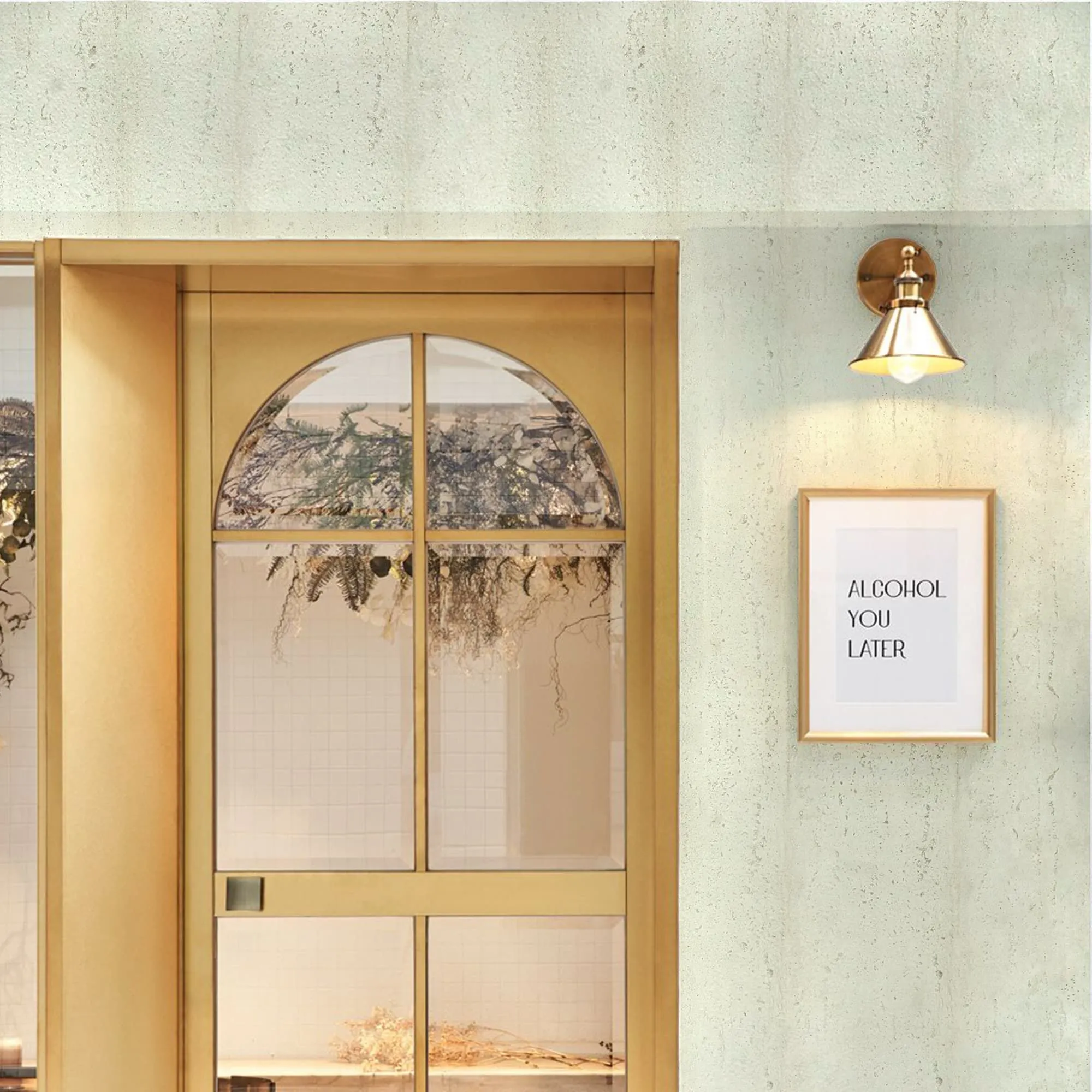
For architects and developers working across borders, coordination can be a nightmare. Different markets have different regulations, logistics are complex, and language barriers can slow progress. COLORIA's "one-stop service" isn't just a slogan—it's a commitment to simplifying this process for clients worldwide.
Here's how it works: From the moment a client shares their vision, COLORIA assigns a dedicated project manager who oversees everything from material selection and customization to production, shipping, and on-site support. Need samples delivered to a site in Riyadh? COLORIA's local Saudi Arabian office can arrange it. Want to tweak the color of your Wave Panels mid-project? The company's agile manufacturing process allows for quick adjustments without derailing timelines. And with a global network of production facilities and partners, COLORIA ensures that materials arrive on time, every time—even for tight-deadline projects.
This level of support has made COLORIA a trusted partner for international firms. As one architect based in London put it: "Working with COLORIA feels like having a local team everywhere we go. They understand the nuances of each market, and their materials always perform as promised. It's not just about the product—it's about the peace of mind."
In an era where sustainability is no longer optional, COLORIA leads by example. The company's MCM technology is inherently eco-friendly, but COLORIA goes further: all production facilities run on renewable energy, waste materials are recycled into new panels, and the company actively invests in research to reduce the carbon footprint of its products even more.
Take the Wave Panel, for instance. Its lightweight design reduces transportation emissions by up to 40% compared to traditional stone. Its durability (resistant to weathering, fading, and impact) means buildings require less maintenance and fewer replacements over time—reducing long-term waste. And because MCM is free from harmful chemicals or VOCs, it improves indoor air quality, making spaces healthier for occupants.
For clients pursuing green building certifications like LEED or BREEAM, COLORIA provides detailed environmental product declarations (EPDs) and documentation to help projects earn valuable credits. It's a partnership in sustainability, not just a transaction.
As we look to the future, one thing is clear: the building industry will continue to demand materials that are smarter, more sustainable, and more expressive. COLORIA, with its MCM technology and commitment to innovation, is poised to lead this charge. Whether it's developing self-cleaning MCM panels that reduce maintenance, integrating solar-harvesting capabilities into its materials, or pushing 3D printing to new heights, the company's focus remains the same: empowering architects to build a world that's as beautiful as it is functional.
For clients worldwide, choosing COLORIA isn't just about buying building materials—it's about joining a movement. A movement that believes architecture can inspire, that sustainability is non-negotiable, and that every surface has the potential to tell a story. And in that story, the MCM Wave Panel, with its flowing texture and endless possibilities, will undoubtedly play a starring role.
So, the next time you walk past a building that seems to "move" with light, or a facade that blends strength with softness, take a closer look. Chances are, it's COLORIA's MCM technology at work—turning ordinary structures into extraordinary experiences, one wave at a time.
Recommend Products











