
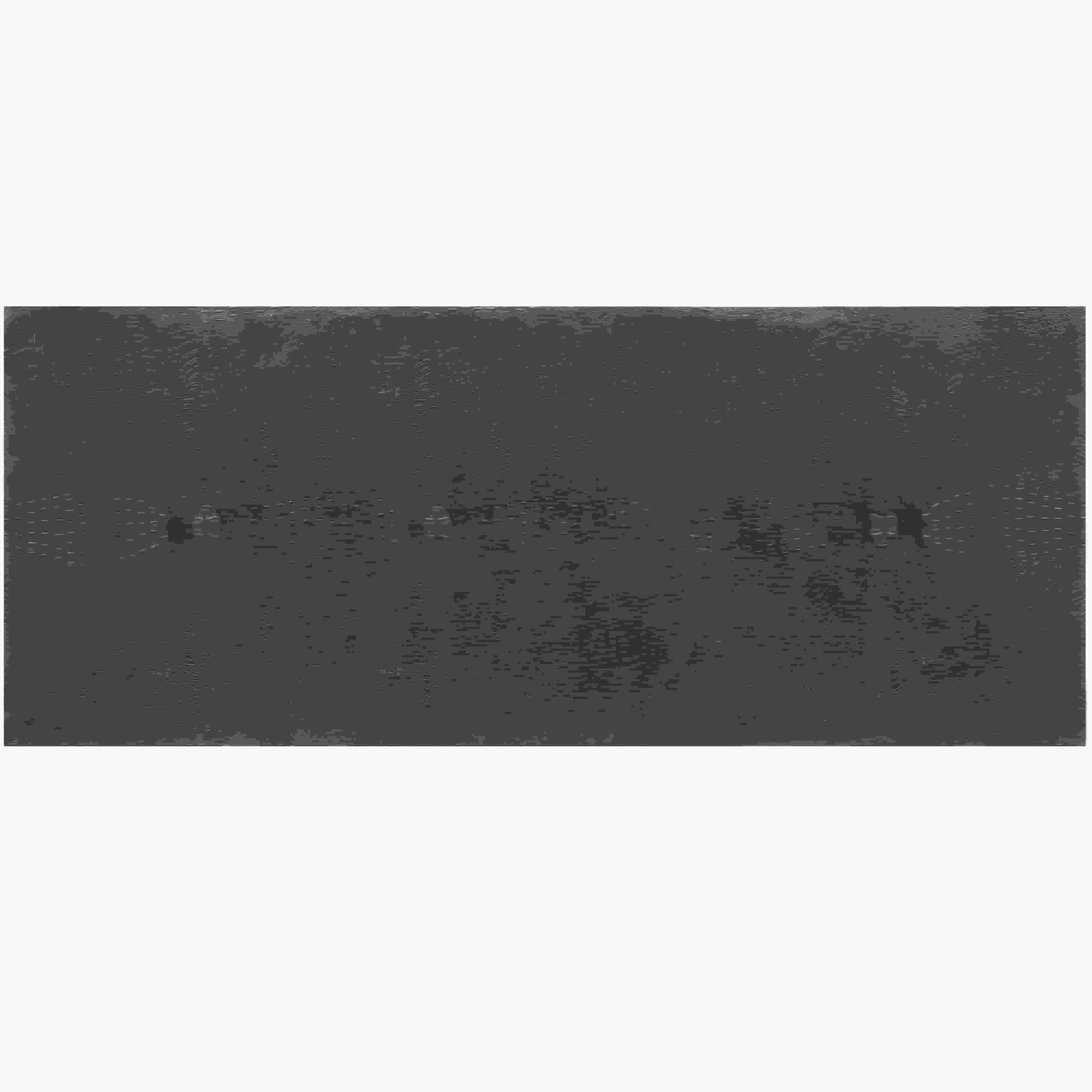
In the sun-baked landscapes of Saudi Arabia, where ancient traditions meet cutting-edge modernity, construction isn't just about building structures—it's about crafting legacies that withstand time, climate, and the highest standards of excellence. For architects, developers, and builders here, the challenge is clear: create spaces that endure scorching temperatures, resist sandstorms, align with sustainability goals, and reflect the region's rich aesthetic heritage. Enter COLORIA's Croco MCM, a game-changing line of building materials designed to rise to these challenges. More than just products, these are solutions tailored to the unique demands of Saudi Arabia's construction industry—where every detail matters, and compromise is never an option.
To understand why COLORIA's Croco MCM stands out, it's first crucial to grasp the rigor of Saudi Arabia's construction regulations. This isn't just about following codes—it's about exceeding them. Let's break down the key areas where standards are most stringent:
Saudi Arabia's climate is unforgiving: daytime temperatures soar above 45°C (113°F) in summer, while sandstorms carrying abrasive particles can batter buildings for days. Materials must resist thermal expansion, UV degradation, and erosion. Traditional options like natural stone or concrete often crack under these conditions, requiring frequent repairs. The standard isn't just "survive"—it's "thrive for decades."
With a global push toward greener construction, Saudi Arabia has adopted strict sustainability guidelines, including LEED certification requirements and local regulations limiting carbon footprints. Materials must be low in embodied energy, recyclable, and sourced responsibly. For developers, this means choosing products that don't just meet today's standards but anticipate tomorrow's eco-conscious demands.
Saudi Arabia's architectural landscape is a blend of modern minimalism and nods to heritage. From the sleek skyscrapers of Riyadh to the cultural projects in Jeddah, materials must offer both versatility (to suit contemporary designs) and depth (to honor local traditions). Whether it's the warm tones of desert-inspired hues or the geometric patterns reminiscent of Islamic art, aesthetics are non-negotiable.
Buildings here are built to last. Fire resistance, structural integrity, and low maintenance are paramount. For high-rise buildings, lightweight materials that reduce structural load without compromising strength are critical. Even minor flaws in material quality can lead to catastrophic failures, making durability a top priority for regulators.
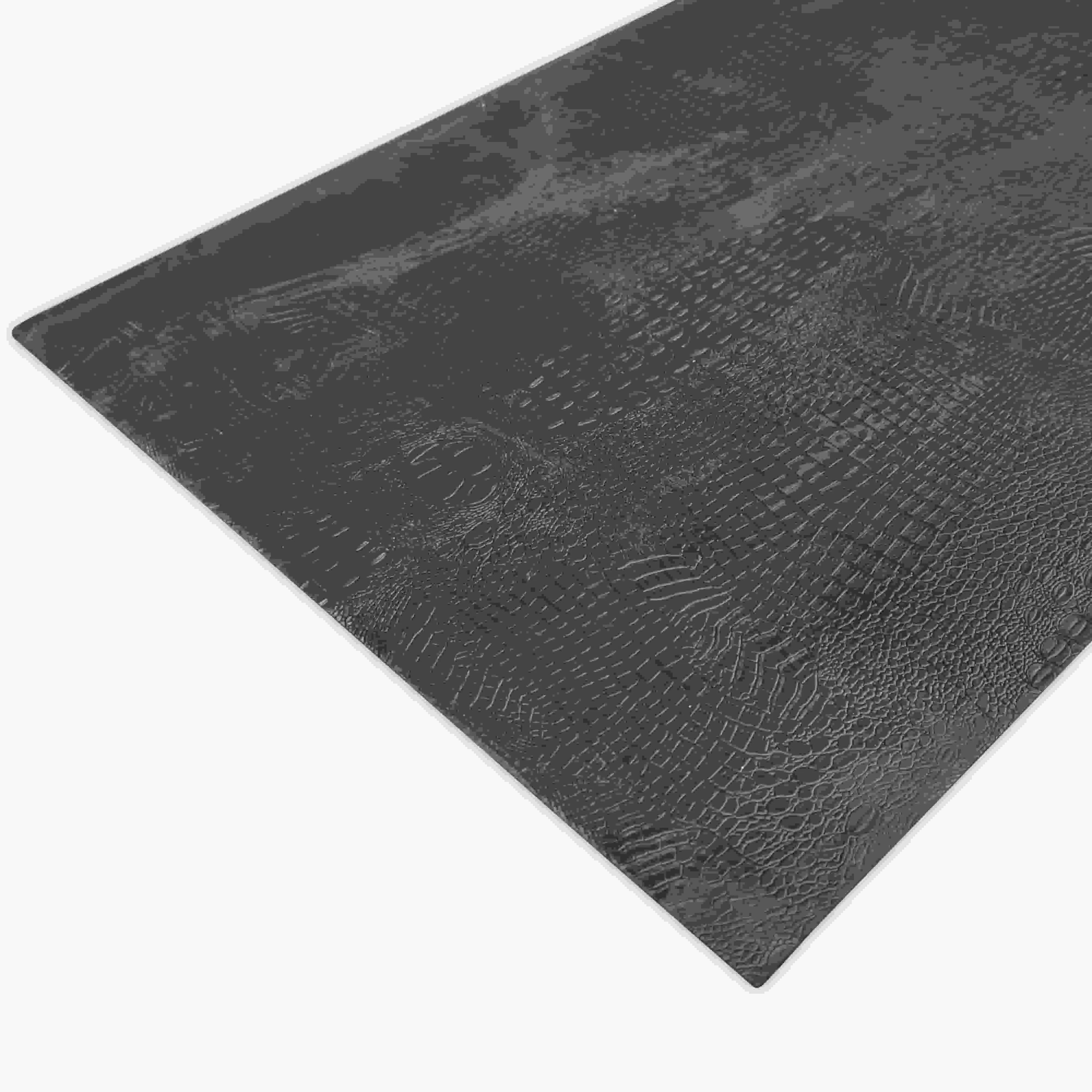
COLORIA's Croco MCM isn't a one-size-fits-all solution—it's a family of materials designed with Saudi Arabia's unique needs in mind. At its core is MCM flexible stone , a revolutionary composite that marries the beauty of natural stone with the practicality of modern engineering. Let's explore how its key features address the kingdom's strict standards:
Traditional stone slabs can weigh 20–30 kg per square meter, straining building structures and increasing construction time. Croco MCM, by contrast, weighs just 4–6 kg/m², thanks to its advanced composite core. This lightweight nature reduces structural load, cuts installation time by up to 40%, and lowers transportation costs—all while maintaining impressive strength. In fact, lab tests show it can withstand impacts from sand particles traveling at 120 km/h (common in Saudi sandstorms) without chipping or fading.
Heat is public enemy number one for building materials in Saudi Arabia. Croco MCM's unique composition includes a UV-resistant top layer and a heat-insulating core that reflects up to 80% of solar radiation. This not only prevents color fading but also reduces indoor cooling costs—a critical factor in a country where air conditioning accounts for 70% of a building's energy use. In independent tests, Croco MCM panels exposed to 50°C direct sunlight for 1,000 hours showed no signs of warping or discoloration, outperforming traditional travertine and concrete.
Saudi Arabia's green building regulations demand materials with low embodied carbon and recyclability. Croco MCM delivers on both fronts. Its production process uses 60% less energy than natural stone quarrying, and 95% of its waste is recycled. Many variants, like the mcm big slab board series , are made with post-consumer recycled materials, earning them LEED points for sustainable sourcing. For developers aiming for LEED Gold or Platinum certifications, this is a game-changer.
One of Croco MCM's greatest strengths is its ability to mimic the look of natural materials while offering endless customization. Whether an architect wants the warm, earthy tones of travertine (starry green) for a heritage-inspired project or the sleek, modern finish of fair-faced concrete for a commercial tower, there's a Croco MCM variant to match. The travertine (starry green) option, for example, features subtle metallic flecks that catch the light like desert stars—paying homage to Saudi Arabia's night skies while adding a contemporary twist.
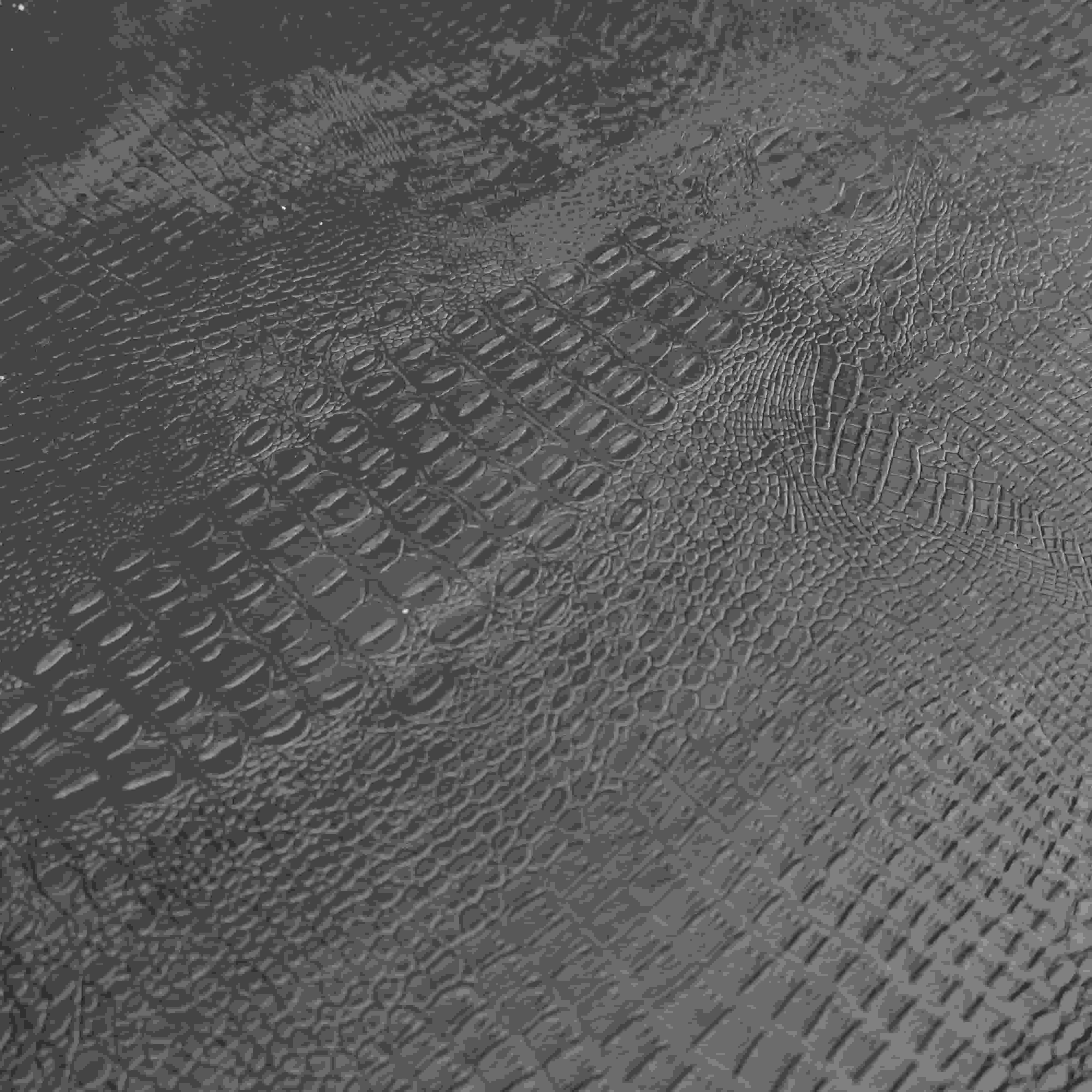
While Croco MCM as a whole excels in meeting Saudi standards, certain products have become favorites among local architects and builders. Let's dive into a few that are making waves in the kingdom:
When it comes to large-scale projects—think shopping malls, airport terminals, or luxury hotels—the mcm big slab board series is a go-to. These panels come in sizes up to 3m x 1.5m, minimizing grout lines for a sleek, monolithic look. In Riyadh's King Abdullah Financial District, a recent office tower used these slabs in travertine (vintage gold) to create a facade that shimmers in the sunlight, while their lightweight nature reduced the building's structural steel requirements by 15%. Builders praised the ease of installation: "We completed the facade in 8 weeks instead of the projected 12, thanks to how these slabs handle and align," said Ahmed Al-Mansoori, site engineer for the project.
For projects that honor Saudi Arabia's cultural roots, travertine (starry green) is a standout. Its deep green base, dotted with iridescent flecks, evokes the lush oases that have sustained life in the desert for centuries. A residential complex in Jeddah used this variant for its courtyard walls, creating a space that feels both timeless and contemporary. "Homeowners love how it changes with the light—warm and earthy at dawn, cool and vibrant at dusk," noted interior designer Layla Hassan. "Plus, it's held up perfectly against the humidity near the coast, which is more than we can say for the natural stone we used on a previous project."
Modern Saudi architecture often leans into industrial minimalism, and fair-faced concrete from the Croco MCM line delivers that aesthetic without the drawbacks of traditional concrete. Unlike poured concrete, which is prone to cracking in Saudi's temperature swings, Croco's fair-faced concrete panels are pre-cast with fiber reinforcement, making them crack-resistant and easier to install. A boutique hotel in Al Ula, known for its blend of modern design and proximity to ancient rock formations, used these panels for its guestroom exteriors. "We needed something that could withstand the area's extreme temperature drops at night," said the hotel's developer, Omar Khalid. "These panels haven't budged in two years, and they still look as crisp as the day they were installed."
As Saudi Arabia pushes for net-zero carbon by 2060, green building materials are no longer optional—they're essential. Croco MCM's entire lineup is engineered with this in mind. Take the foamed aluminium alloy board (vintage silver) , for example: it's 100% recyclable, has a 50-year lifespan, and its foam core provides natural insulation, reducing energy use. A university campus in Dammam recently specified this material for its new science building, helping the project achieve LEED Silver certification. "Sustainability isn't just about checking boxes—it's about long-term cost savings," said the campus facilities director. "These panels have cut our cooling bills by 25%, and we know they'll last for decades without needing replacement."
| Feature | Croco MCM (e.g., Big Slab Board) | Traditional Natural Stone | Standard Concrete |
|---|---|---|---|
| Weight (kg/m²) | 4–6 | 20–30 | 22–25 |
| Installation Time | 30% faster | Standard | Standard |
| UV Resistance (1,000 hours) | No fading | 5–10% fading | 10–15% fading |
| Sandstorm Impact Resistance | No damage | Minor chipping | Cracking possible |
| Recyclability | 95% | 30% (quarry waste) | 50% |
| Expected Lifespan | 50+ years | 20–30 years (with maintenance) | 25–35 years |
*Data based on independent testing by the Saudi Standards, Metrology and Quality Organization (SASO) and COLORIA's internal labs.
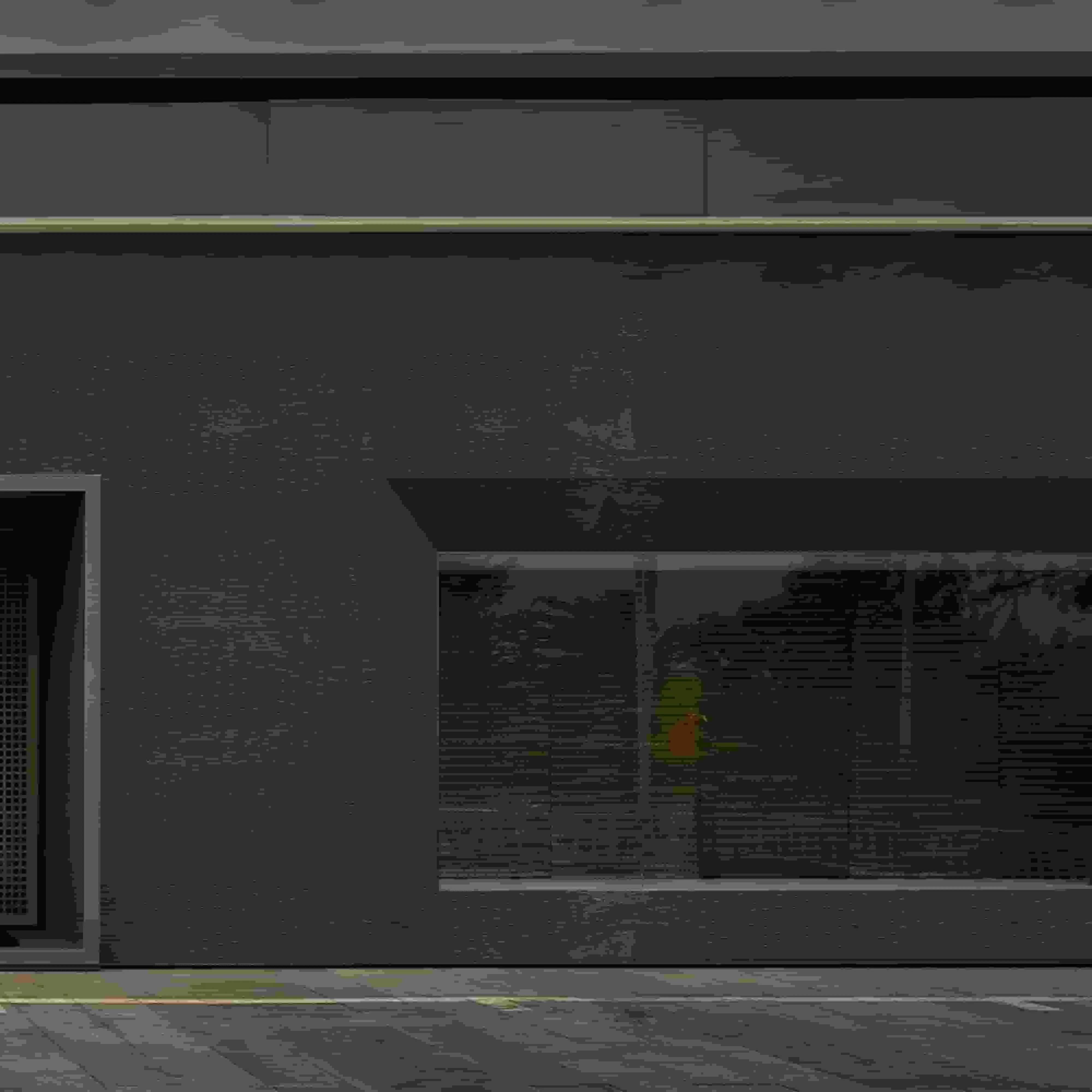
To truly understand the impact of Croco MCM, let's look at a real-world example: the Al-Murjan Complex, a 10-story mixed-use development in central Riyadh. The project, which includes retail, offices, and a rooftop restaurant, faced three key challenges: meeting strict LEED certification requirements, withstanding Riyadh's extreme heat, and creating a visually striking facade that would stand out in the city's skyline.
The architect, Zaha Hadid Architects, initially considered natural travertine for the facade but worried about weight and maintenance. After consulting with COLORIA, they opted for a mix of mcm big slab board series in travertine (vintage gold) and fair-faced concrete panels. The results were transformative:
"We didn't just want to build a building—we wanted to set a new standard for sustainable, resilient design in Saudi Arabia," said the project's lead architect. "Croco MCM made that possible."
In a country where construction is as much about legacy as it is about bricks and mortar, COLORIA's Croco MCM isn't just a material—it's a partner in progress. From the travertine (starry green) that honors desert oases to the mcm big slab board series that redefines large-scale design, these products are built to meet Saudi Arabia's strictest standards while inspiring creativity.
For architects, developers, and builders, the message is clear: you don't have to compromise on durability, sustainability, or beauty. Croco MCM proves that with innovation, you can have it all. As Saudi Arabia continues to grow and evolve, COLORIA is proud to be part of building a future where every structure is a testament to resilience, culture, and forward-thinking design.
So, the next time you pass a striking building in Riyadh, Jeddah, or Al Ula, take a closer look—it might just be wrapped in Croco MCM. And behind that facade? A story of how the right material can turn challenges into opportunities, and buildings into legacies.
Recommend Products












