
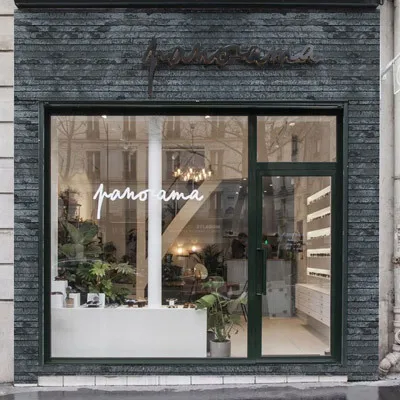
Let's start with a scene we've all lived (or at least imagined as designers, architects, or even homeowners): You're standing in front of a blank wall, a sketch in one hand and a sample board in the other, trying to visualize how a material will transform the space. Will it feel cold and sterile? Too heavy for the structure? Or maybe—just maybe—will it strike that perfect balance between rugged authenticity and modern practicality? That's the moment I first held a sample of COLORIA's Dark Grey Muretto Stone. It wasn't just a piece of cladding; it was a solution waiting to tell a story. And today, I want to take you behind the scenes of what makes this material more than just a pretty face—how its MCM-based core isn't just a technical detail, but the backbone of its quality, durability, and soul.
Before we dive into the specifics of Dark Grey Muretto Stone, let's talk about the unsung hero here: MCM, or Modified Composite Material. If you've ever worked with traditional natural stone, you know the drill: it's stunning, but it's heavy. Like, "needs-reinforced-foundations" heavy. It chips. It cracks. It fades under harsh sunlight. And don't even get me started on installation—those slabs require cranes, specialized labor, and a whole lot of patience (and budget). MCM was born to fix that. Think of it as nature's beauty meets modern engineering: a thin layer of real stone or mineral aggregates bonded to a lightweight, flexible substrate. The result? All the visual appeal of natural stone, minus the headaches.
But MCM isn't just about cutting costs or making installation easier (though those are huge perks). It's about reliability. When you choose an MCM-based material like COLORIA's Dark Grey Muretto Stone, you're choosing a product that's been engineered to stand up to the elements—whether that's the scorching heat of a Dubai summer, the freezing winters of Chicago, or the salty breeze of a coastal home in Sydney. It's about consistency, too. Natural stone can vary wildly from slab to slab, but MCM ensures that the color, texture, and pattern you see in the sample is the same one that arrives at your job site. No more crossing your fingers that the batch matches.
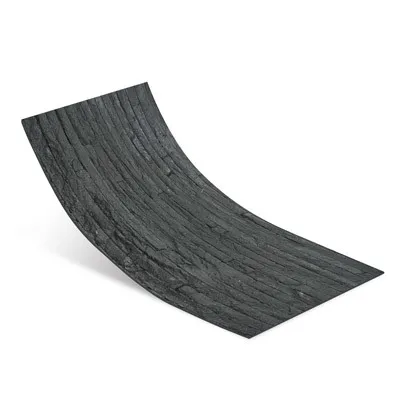
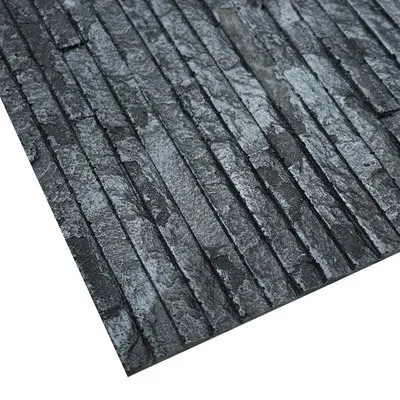
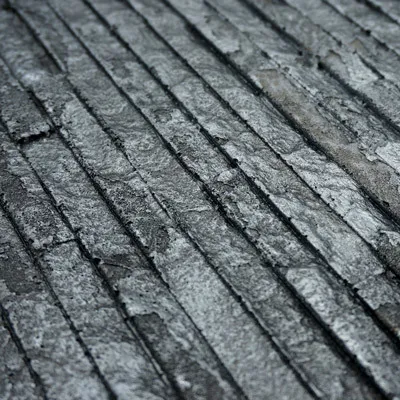
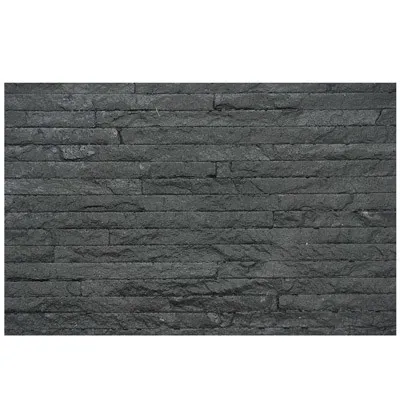
Now, let's zoom in on the star of the show: Dark Grey Muretto Stone. Close your eyes for a second (okay, maybe just glance away from the screen) and picture a wall cladded in this material. It's not a flat, lifeless grey. It's a deep, moody hue with subtle variations—like the color of storm clouds just before rain, but warmer, with hints of charcoal and soft taupe that catch the light differently throughout the day. Run your hand over its surface, and you'll feel the texture: not smooth like polished marble, but gently rough, with the kind of tactile quality that makes you want to reach out and touch it every time you walk by. It's the kind of material that doesn't scream for attention; it earns it, quietly, through depth and character.
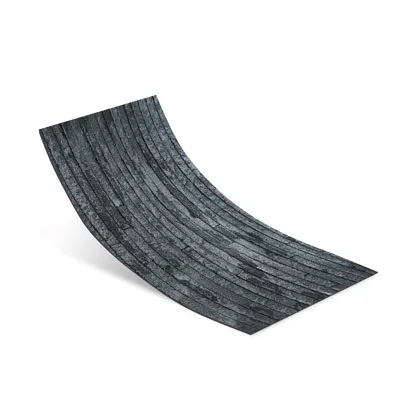
But what really sets Dark Grey Muretto Stone apart is how its MCM base enhances these natural qualities. The stone veneer is sourced from high-quality aggregates, selected for their color consistency and durability, then fused to a fiberglass-reinforced polymer core. This core isn't just lightweight (we're talking 3-5 kg per square meter, compared to 20+ kg for natural stone); it's flexible. That means it can bend slightly without cracking—perfect for buildings that settle over time or areas prone to minor vibrations. Ever seen a traditional stone wall with hairline cracks after a year? That's rarely an issue with MCM-based cladding like this.
Words are great, but let's get concrete (pun intended). Here's how COLORIA's Dark Grey Muretto Stone compares to traditional natural stone and even other cladding materials. I've put together a quick table to show you why the MCM difference isn't just marketing fluff:
| Feature | Traditional Natural Stone | Generic Vinyl Cladding | COLORIA Dark Grey Muretto Stone (MCM-Based) |
|---|---|---|---|
| Weight (per sqm) | 20-30 kg | 2-3 kg (but looks plastic) | 3-5 kg (real stone look!) |
| Durability | Prone to chipping, cracking, fading | Fades, warps in heat | Resistant to impact, UV rays, moisture |
| Installation | Requires cranes, heavy labor, reinforcement | Easy, but limited design options | Lightweight—can be installed with basic tools; no reinforcement needed |
| Sustainability | High carbon footprint (mining, transportation) | Non-recyclable, petroleum-based | Low carbon footprint; uses recycled materials in substrate; energy-efficient production |
| Design Flexibility | Limited by slab size/weight | Plastic-looking; limited textures | Can be curved, cut to custom sizes; authentic stone texture and color variation |
See that? Dark Grey Muretto Stone isn't just "better than vinyl"—it's a genuine upgrade from traditional stone in almost every practical category, while still keeping that natural, organic feel that makes stone so timeless. And that's before we even talk about the quality assurance that goes into every batch.
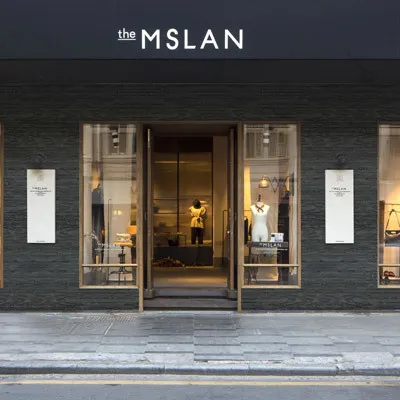
COLORIA doesn't just slap the "MCM" label on a product and call it a day. The Dark Grey Muretto Stone's quality journey starts long before it reaches your job site. Let me walk you through the steps—because when you're investing in a material that will define a space for decades, you deserve to know the care that goes into it.
First, the aggregates. Dark Grey Muretto Stone gets its signature color and texture from a blend of natural stone particles, including hints of basalt and slate, sourced from quarries that adhere to strict ethical and environmental standards. COLORIA's team visits these quarries personally, not just to check for quality, but to ensure that mining practices are sustainable—no clear-cutting forests, no toxic runoff, no exploiting local communities. This isn't just about "greenwashing"; it's about respecting the earth that gives us these materials. After all, if you're building something meant to last, shouldn't it start with materials that don't cost the planet?
Once the aggregates are selected, they're mixed with a proprietary resin binder and fused to the MCM substrate. This isn't a glue-and-press operation; it's a controlled, high-pressure process that ensures the stone layer bonds completely with the substrate. The result? A material that's flexible but not flimsy—bend it, and it gives a little, then springs back. No delamination, no peeling, even after years of temperature swings. I've seen samples that have been through 1,000+ hours of UV testing (that's like leaving them in the desert sun for years) and they still look as rich and dark as the day they were made. That's the MCM bond at work.
Here's a little secret: COLORIA's quality control team is ruthless. Every batch of Dark Grey Muretto Stone goes through a battery of tests that make even the pickiest architects nod in approval. We're talking impact resistance (they drop steel balls on it—on purpose), water absorption (it's tested to withstand heavy rain without warping), and even fire resistance (it's rated for Class A fire safety, which is a big deal for commercial projects). But the most impressive part? The human touch. Every panel is inspected by eye, not just a machine, to ensure that the color variation is consistent with the "character" of the stone. Because let's be real—part of what makes natural stone beautiful is its imperfections. COLORIA embraces that, but within a framework of reliability. No two panels are identical, but they all meet the same high bar for quality.
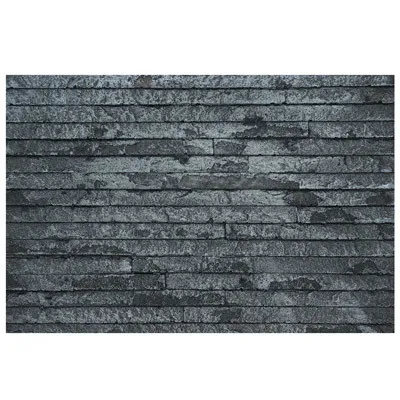
Okay, so it's durable, lightweight, and sustainable. But where does it actually look good? Let's talk applications. I've seen Dark Grey Muretto Stone used in everything from boutique hotels to residential facades to restaurant interiors, and it never fails to elevate the space. Here are a few of my favorite use cases:
Imagine a tech startup's office in downtown Austin. They want that "industrial chic" vibe—exposed brick, metal accents, but with a modern twist. Traditional brick is heavy and porous; it soaks up moisture and needs constant sealing. Dark Grey Muretto Stone? They cladded an entire accent wall with it, and it instantly added warmth and texture without weighing down the structure. Plus, when clients walk in, they run their hands over it and say, "Is this real stone?" Yep. And it'll still look that way five years from now, even with employees leaning against it during meetings (we've all been there).
A friend of mine built a modern home in Colorado, where winters are brutal—snow, ice, freezing temperatures. She wanted a exterior that looked like stacked stone but wouldn't crack under the freeze-thaw cycle. Traditional stacked stone would have required a reinforced wall and constant sealing. Dark Grey Muretto Stone? They installed it in a weekend with basic tools, and two winters later, it still looks as sharp as the day it went up. No cracks, no fading, just that deep, moody grey that makes her home stand out on the block.
I recently stayed at a boutique hotel in Bali that used Dark Grey Muretto Stone in their lobby. Paired with warm wood accents and soft lighting, it created this cozy, cave-like vibe that made you want to curl up with a book and stay forever. But here's the kicker: Bali's humidity is off the charts. Traditional stone would have mildewed; wood would have warped. Dark Grey Muretto Stone? It laughed off the moisture, and the staff didn't have to spend hours scrubbing mold off the walls. Win-win.
Let's circle back to sustainability, because in 2024, it's not just a "nice-to-have"—it's a requirement. More and more projects are chasing LEED certification, and for good reason. Dark Grey Muretto Stone fits right into that narrative, thanks to its MCM base. The lightweight design reduces transportation emissions (less fuel needed to ship panels), the manufacturing process uses recycled materials in the substrate, and because it's so durable, it reduces the need for replacement (which means less waste over time). Plus, COLORIA offsets 100% of the carbon emissions from production through reforestation projects. So when you choose this stone, you're not just building something beautiful—you're building something that respects the planet. That's the definition of green building materials done right.
One of the things I love most about COLORIA is their respect for tradition. They don't see MCM as a replacement for natural stone, but as an evolution. Take their "Historical Pathfinders Stone" collection, which draws inspiration from ancient building materials—think weathered Roman travertine, rustic medieval masonry. Dark Grey Muretto Stone is part of that lineage, but with a modern edge. It's like taking a piece of history and giving it a superpower. Architects often tell me they use it when they want to reference the past without being stuck in it—creating spaces that feel timeless but not outdated. That balance is hard to strike, but Dark Grey Muretto Stone makes it look easy.
Don't just take my word for it. I reached out to a few architects and contractors who've used Dark Grey Muretto Stone on their projects, and their responses were telling. Here's a quote from Maria, an architect in New York:
"I was skeptical at first—how could something so light look this much like real stone? But after installing it on a restaurant project in Brooklyn, I'm a convert. The client wanted a 'cave-like' interior, and this material delivered. Plus, installation was a breeze—we didn't need a crane, and the crew finished in half the time they would have with natural stone. Six months later, it still looks perfect, even with food splatters and constant foot traffic. I've spec'd it on three more projects since."
And from Raj, a contractor in Dubai:
"Dubai's sun is brutal—materials fade, warp, crack. We used Dark Grey Muretto Stone on a villa exterior last year, and I was worried the color would lighten. But when I went back recently, it still had that deep, rich grey. The homeowner was thrilled—no maintenance, no repainting, just pure curb appeal. I'm using it on all my high-end residential projects now."
At the end of the day, building materials are more than just products—they're partners in bringing your vision to life. COLORIA's Dark Grey Muretto Stone stands out because it doesn't just meet your needs; it anticipates them. Its MCM-based core ensures that you don't have to sacrifice beauty for practicality, or sustainability for durability. It's a material that works with you, not against you—whether you're an architect pushing the boundaries of design, a contractor trying to stay on schedule, or a homeowner dreaming of a space that feels like "you."
So the next time you're standing in front of that blank wall, sample board in hand, remember: the best materials aren't just about how they look. They're about how they make you feel—confident that your project will stand the test of time, that it will tell a story, and that it won't cost the earth (literally or figuratively). Dark Grey Muretto Stone checks all those boxes. And honestly? I can't wait to see where you'll put it next.
Ready to explore samples for yourself? Reach out to COLORIA's team—they'll send you a panel, and I guarantee you'll do what I did: run your hand over it, feel that texture, and think, "This is the one." Because sometimes, the best materials aren't just seen—they're felt. And Dark Grey Muretto Stone? It's got heart, through and through.
Recommend Products












