

In the world of architecture and design, materials are more than just building blocks—they're storytellers. They shape how we experience spaces, evoke emotions, and leave lasting impressions. For over three decades, COLORIA has been at the forefront of this narrative, crafting modified composite materials (MCM) that blend the raw beauty of nature with the precision of modern technology. Today, we're diving into one of their most celebrated creations: Fine Line Stone (White). This isn't just a material; it's a testament to COLORIA's journey, expertise, and unwavering commitment to redefining what's possible in architectural design.
Long before MCM materials became a buzzword in the industry, COLORIA was already experimenting. It started in a small workshop in the early 1990s, where a team of engineers and designers shared a common frustration: natural stone was stunning but heavy, fragile, and often impractical for large-scale projects. Wood brought warmth but lacked durability. Concrete was versatile but felt cold. They asked: What if we could create a material that captures the best of all worlds—strength, flexibility, and beauty—without compromise?
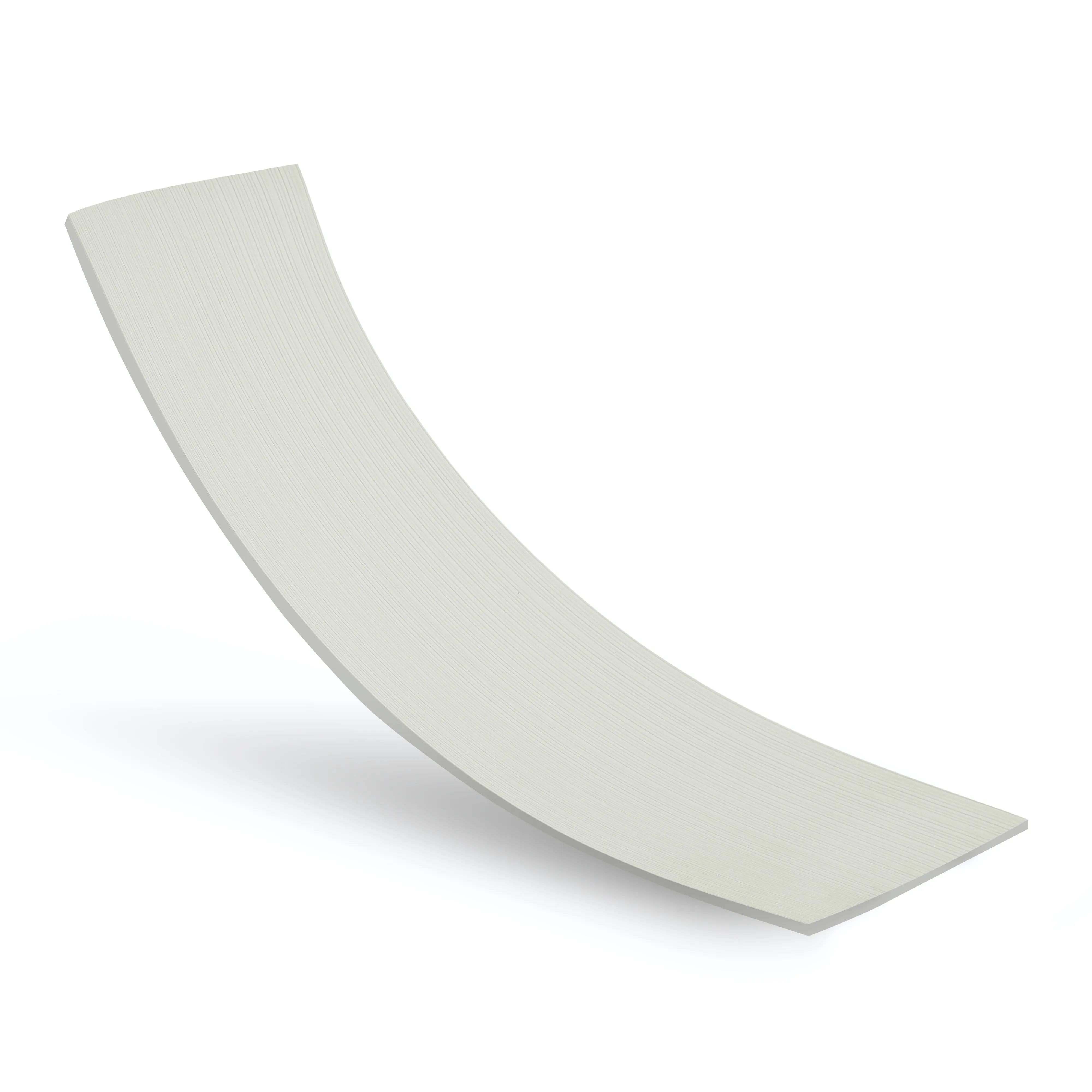
That question sparked a revolution. Over the next 30 years, COLORIA pioneered advancements in MCM technology, perfecting formulas that combined natural minerals, high-performance polymers, and innovative manufacturing techniques. Today, their product lineup spans everything from mcm flexible stone (lightweight panels that bend to curved surfaces) to the mcm big slab board series (extra-large panels for seamless installations). But among these, Fine Line Stone (White) stands out as a labor of love—a material that embodies the brand's philosophy: "Craft with purpose, design with heart."
Fun Fact: COLORIA's first breakthrough came in 1998 with the development of their original mcm flexible stone. It was initially met with skepticism—"Stone can't bend!" critics said. Today, that same technology is used in iconic buildings across 40+ countries, from Dubai's skyline to Tokyo's boutique hotels.
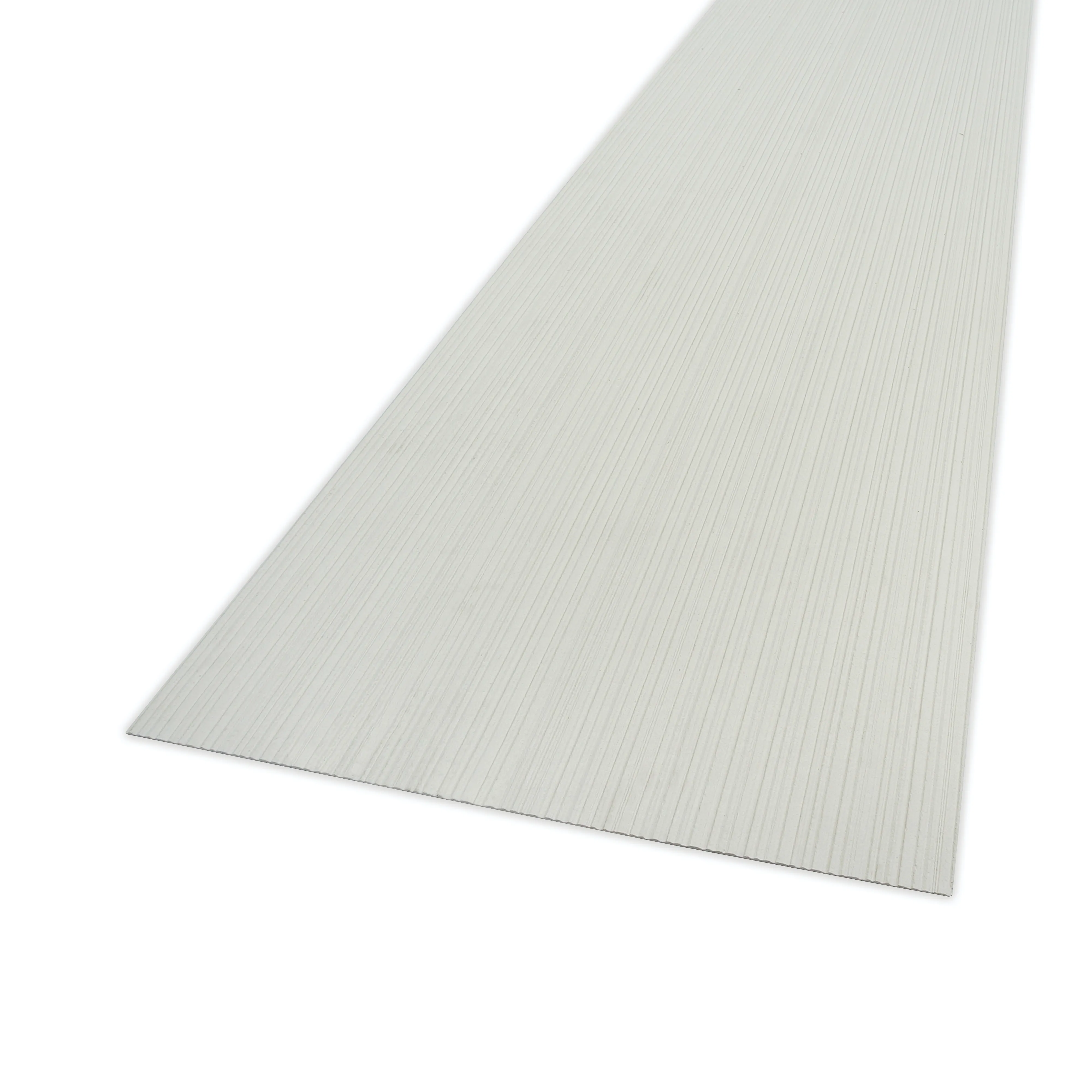
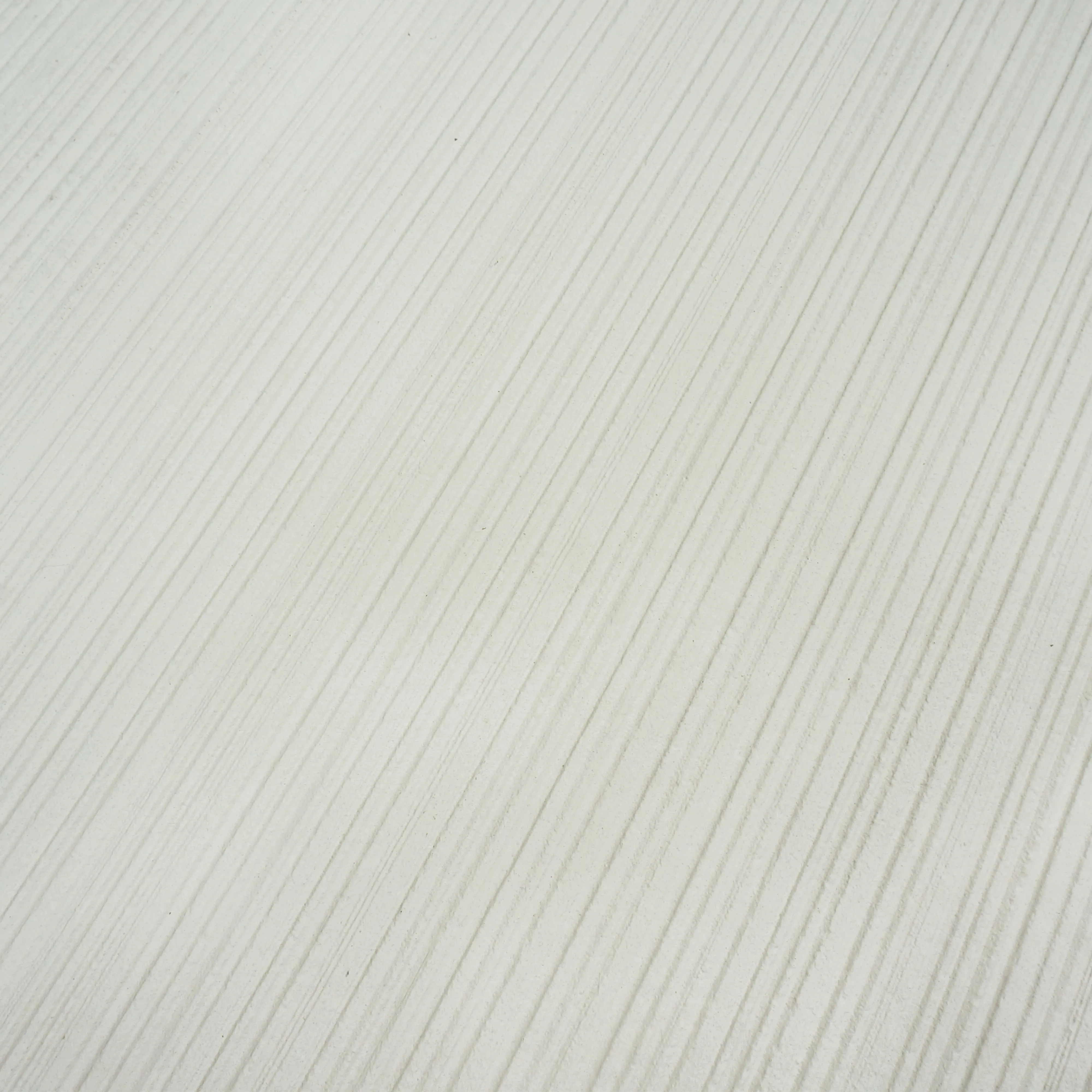
So, what exactly is Fine Line Stone (White)? At first glance, it's easy to mistake it for natural marble or limestone. Its surface is smooth yet textured, with delicate, almost imperceptible lines that mimic the organic veining of stone formed over millennia. But touch it, and you'll feel the difference: it's lighter than natural stone, with a subtle flexibility that hints at its MCM DNA. "It's like holding a piece of nature that's been reimagined for the modern world," says Elena Martinez, COLORIA's Lead Designer, who has been with the company for 15 years.
The "fine lines" in its name refer to the intricate patterns that run across its surface—thin, wispy streaks of off-white and soft gray that give the material depth without overwhelming a space. Unlike bold marbles with dramatic veining, Fine Line Stone (White) is understated, making it a chameleon in design. It pairs effortlessly with warm woods, contrasts beautifully with fair-faced concrete , and adds elegance to minimalist spaces. "Designers love it because it's a blank canvas," Elena explains. "It doesn't compete with other elements—it elevates them."
But its beauty is more than skin deep. Fine Line Stone (White) is engineered for performance. It's water-resistant, fire-retardant, and resistant to scratches and fading—qualities that make it ideal for high-traffic areas like lobbies, restaurants, and even outdoor patios. And because it's part of COLORIA's MCM family, it's lightweight (about 1/5 the weight of natural stone) and easy to install, cutting down on labor costs and project timelines. "We once had a client who needed to clad a 10-story facade in under two months," recalls Marcus Chen, COLORIA's Project Manager. "With traditional stone, that would've been impossible. With Fine Line Stone (White), we finished in six weeks—no cracks, no delays, and the building still looks as stunning as the day it was installed, five years later."
Creating Fine Line Stone (White) is a marriage of old-world craftsmanship and cutting-edge technology. It starts with raw materials: high-purity calcium carbonate (sourced from sustainable quarries), reinforced fiberglass, and a proprietary polymer resin developed in-house. These ingredients are mixed in precise ratios—a formula that COLORIA has tweaked over 200 times to get just right. "The resin is the secret sauce," says Dr. Raj Patel, COLORIA's Head of R&D. "It's what gives the material its flexibility and durability. We test it in extreme conditions: -40°C to 80°C, high humidity, UV exposure. If it fails any test, we go back to the drawing board."
Once mixed, the material is poured into molds designed to replicate the texture of natural stone. But here's where COLORIA's expertise shines: instead of using generic molds, their team hand-carves master molds from real stone specimens, capturing every nuance of texture. "We had a team travel to Tuscany to study ancient marble quarries," Elena laughs. "They came back with 500+ photos and even a small stone sample that we 3D-scanned to create the first Fine Line Stone (White) mold. Those tiny imperfections—the way the stone pockmarks here, the slight variation in color there—are what make the material feel alive."
After molding, the panels undergo a curing process that takes 72 hours. They're baked in climate-controlled ovens, cooled slowly, and then sanded by hand to ensure a smooth, consistent finish. Finally, each panel is inspected by a team of artisans who check for color uniformity, texture, and structural integrity. "We reject about 8% of panels," says Maria Gonzalez, Quality Control Lead. "It's tough, but we tell our team: 'If you wouldn't put it in your own home, don't send it to a client.'"
"Fine Line Stone (White) isn't mass-produced—it's crafted . Every panel has a story, from the quarries where we source minerals to the hands that sand its surface. That's the COLORIA difference." — Maria Gonzalez, Quality Control Lead
Fine Line Stone (White) is a favorite among architects and designers for its versatility. Let's take a look at some real-world projects where it has taken center stage:
When Spanish architect Javier Cruz was designing The Haven, a 50-room boutique hotel in Barcelona's Gothic Quarter, he wanted a material that would honor the neighborhood's historic charm while adding a modern twist. "The building dates back to the 18th century, so we needed something that felt timeless but not outdated," he explains. "Fine Line Stone (White) was perfect. We used it for the lobby walls and the guest room headboards. The soft lines complement the hotel's antique wooden beams, and the material's light weight meant we didn't have to reinforce the centuries-old walls."
Guests often comment on the lobby's "calming energy," says the hotel's manager, Sofia Lopez. "The way the light filters through the windows and hits the Fine Line Stone (White) walls—it's like walking into a cloud. People take photos there all the time!"
For Nexus, a tech company aiming to create a "workspace of the future," the design brief called for a balance of professionalism and creativity. The architects chose Fine Line Stone (White) for the reception area and meeting rooms, pairing it with wood grain board (another COLORIA product) for warmth. "We wanted a space that felt innovative but not cold," says lead designer Tan Wei. "Fine Line Stone (White) adds that sleek, modern edge, while the wood grain brings in coziness. Employees love it—they say the conference rooms feel 'inviting, not intimidating.'"
This luxury beachfront villa needed exterior cladding that could withstand saltwater, strong winds, and intense sunlight. Natural stone was ruled out due to weight; traditional concrete would fade. Enter Fine Line Stone (White). "We installed it on the exterior walls and pool deck," says builder Jake Thompson. "Three years later, it still looks brand new. No cracks, no discoloration—even after a major storm last winter. And the best part? It reflects sunlight, keeping the house cooler in the summer. The owner calls it 'the best investment we made in the villa.'"
To truly appreciate Fine Line Stone (White), it helps to see how it compares to other popular COLORIA materials. Below is a breakdown of key features, from durability to design flexibility:
| Feature | Fine Line Stone (White) | MCM Flexible Stone | Fair-Faced Concrete | Wood Grain Board |
|---|---|---|---|---|
| Material Composition | Calcium carbonate, fiberglass, proprietary resin | Natural stone powder, polymer, mesh backing | Cement, sand, aggregates, minimal additives | Wood fibers, resin, mineral additives |
| Weight (per sq. meter) | 8-10 kg | 6-8 kg | 20-25 kg | 7-9 kg |
| Flexibility | Moderate (bends up to 30° for curved surfaces) | High (bends up to 90° for tight curves) | Low (rigid, minimal flexibility) | Moderate (bends up to 20°) |
| Durability | Excellent (scratch-resistant, UV-stable, water-resistant) | Very Good (resistant to impact, less scratch-resistant than Fine Line) | Good (prone to staining if not sealed) | Good (resistant to warping, less fire-resistant than stone-based MCM) |
| Aesthetic Appeal | Subtle, elegant veining; bright white base with soft gray lines | Varied textures (mimics slate, granite, travertine) | Raw, industrial look with visible aggregates | Warm, natural wood grain patterns (oak, walnut, pine) |
| Best For | High-end interiors, exteriors, minimalist designs | Curved surfaces, accent walls, historic renovations (lightweight) | Industrial-chic spaces, warehouses, brutalist architecture | Residential interiors, cafes, spaces needing warmth |
As the table shows, Fine Line Stone (White) strikes a unique balance: it offers the durability of mcm flexible stone, the sophistication of natural stone, and the versatility to work in both interior and exterior settings. "It's our 'Swiss Army knife' material," jokes Marcus. "Whether a client wants modern minimalism or classic elegance, it delivers."
In today's world, sustainability isn't just a trend—it's a responsibility. COLORIA takes this seriously, and Fine Line Stone (White) is a prime example of their eco-friendly approach. Here's how:
In 2023, COLORIA was awarded the Green Building Council's "Sustainable Manufacturer of the Year" for their efforts. "We don't just build materials—we build legacies," says CEO Michael Torres. "Every panel we make should leave the planet better than we found it."
Don't just take our word for it—hear from the people who use COLORIA's materials every day.
"I've worked with natural stone, concrete, and even glass for years, but Fine Line Stone (White) changed how I design. For a recent restaurant project, the client wanted a 'bright, airy space that felt expensive but not ostentatious.' We used it on the walls and bar front, and the result was magic. The light bounces off it, making the room feel larger, and the subtle lines add just enough texture. Guests keep asking, 'Is this real marble?' When I tell them it's MCM, they're shocked—then they want it for their own homes!" — Sarah Kim, Interior Designer, Studio Sarah
"As a builder, I care about three things: durability, ease of installation, and cost. Fine Line Stone (White) nails all three. On a recent high-rise project, we installed 2,000 sq. meters of panels in two weeks—with a crew of just 4 people. Natural stone would've taken twice as long and required heavy machinery. And when the client saw the final result? They couldn't stop smiling. 'It looks like a million bucks,' they said. For me, that's the payoff." — Miguel Santos, Construction Manager, Santos Builders
So, what's on the horizon for COLORIA and Fine Line Stone (White)? The team is already experimenting with new color variations—think soft pastels and bold hues—while maintaining the material's signature subtlety. They're also exploring "smart" MCM panels embedded with sensors that can monitor temperature, humidity, and even air quality in buildings. "Imagine a wall that not only looks beautiful but also keeps you informed about your space," Dr. Patel teases. "That's where we're heading."
But no matter how much technology evolves, one thing won't change: COLORIA's commitment to craftsmanship. "We could automate more of the process, but we choose not to," Elena says. "The human touch—an artisan sanding a panel, a designer tweaking a mold—those are the things that make our materials special. Fine Line Stone (White) isn't just a product; it's a piece of our story, and we're honored to share it with the world."
In a world filled with generic, mass-produced materials, Fine Line Stone (White) is a reminder that great design is about intention. It's about taking the time to craft something that's not just functional, but meaningful. It's about honoring tradition while embracing innovation. And most importantly, it's about creating spaces that make people feel something—whether that's calm, joy, or wonder.
For COLORIA, this is more than a business—it's a mission. "We started with a question," Michael Torres says. "Thirty years later, we're still asking questions: How can we make materials better? How can we help designers dream bigger? How can we build a world that's as beautiful as it is sustainable?"
Fine Line Stone (White) is the answer to all of these. It's a material born from decades of expertise, a passion for design, and a belief that the best buildings aren't just built—they're crafted . And in a world that moves fast, that's a legacy worth celebrating.
Recommend Products












