

In a world where "sustainability" has shifted from a buzzword to a core value, the design industry is undergoing a quiet revolution. We're no longer just chasing beauty—we're chasing beauty with purpose. Homeowners, architects, and designers alike are asking: How can we create spaces that take our breath away and tread lightly on the planet? Enter COLORIA's Fine Line Stone (White), a material that doesn't just answer that question—it redefines what's possible when innovation meets environmental responsibility. Let's dive into why this unassuming yet remarkable stone is quickly becoming the darling of eco-conscious design.
For decades, natural limestone has been a staple in design. Its soft, creamy hues, subtle veining, and organic texture have made it a go-to for everything from grand cathedral floors to cozy kitchen backsplashes. But here's the truth we often overlook: extracting and processing natural limestone comes with a steep environmental price tag. Quarrying disrupts ecosystems, displaces wildlife, and releases massive amounts of carbon dioxide. Transporting heavy stone slabs across the globe adds to the carbon footprint, and once installed, limestone's porous nature makes it prone to staining, weathering, and erosion—meaning frequent replacements, and more waste.
It's a dilemma many designers face: how to honor the timeless appeal of natural stone without contributing to its ecological toll. That's where COLORIA's Fine Line Stone (White) steps in—not as a compromise, but as an evolution.
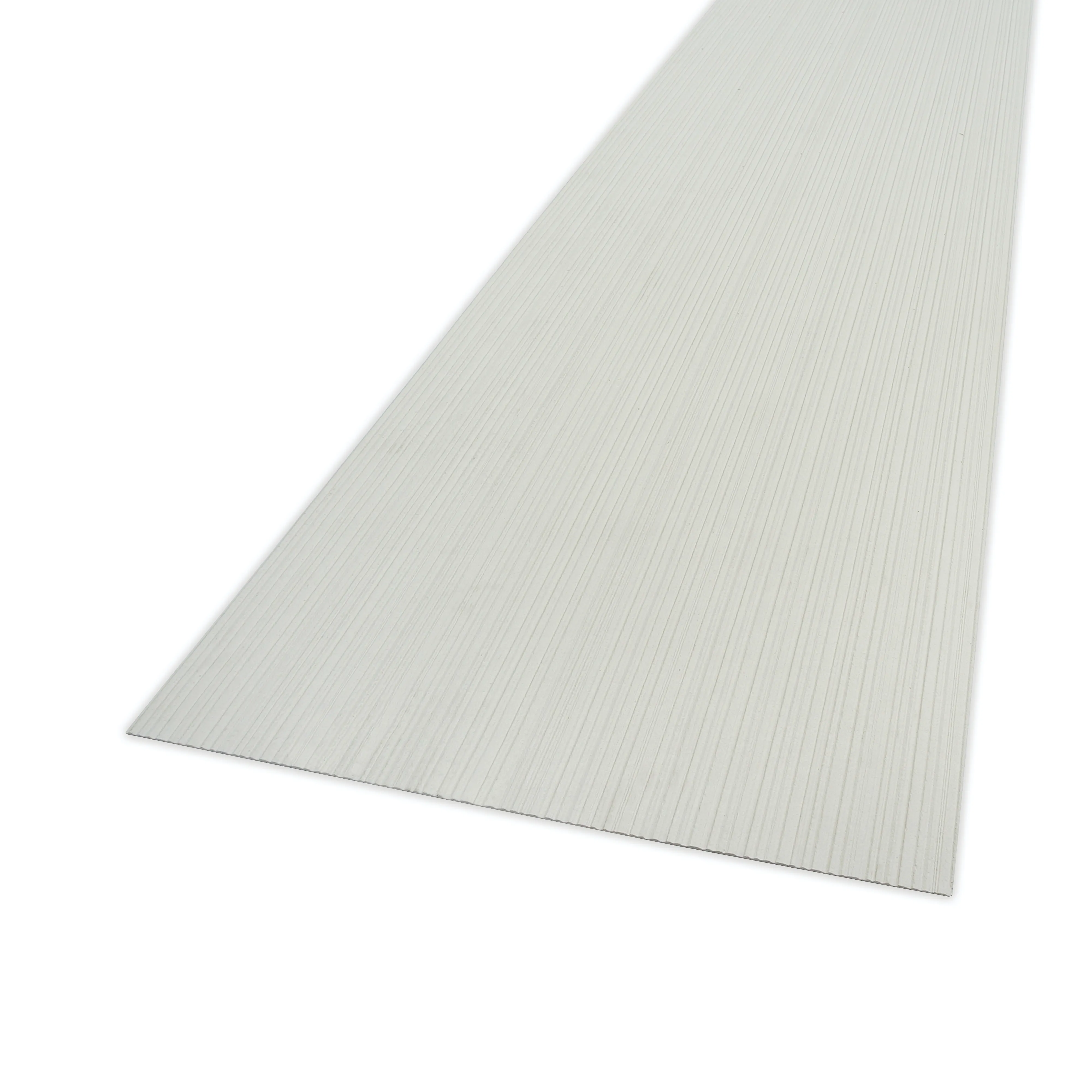
Part of COLORIA's acclaimed mcm flexible stone series, Fine Line Stone (White) is a masterclass in sustainable innovation. At first glance, you'd swear it's natural limestone: the same warm, ivory base, the delicate swirls of off-white and pale gray, the matte finish that catches light like morning dew on stone. But touch it, and you'll notice the difference—it's smoother, more consistent, and surprisingly lightweight. That's because it's crafted using a proprietary blend of recycled minerals, natural binders, and cutting-edge manufacturing techniques that replicate the look and feel of limestone without a single quarry blast.
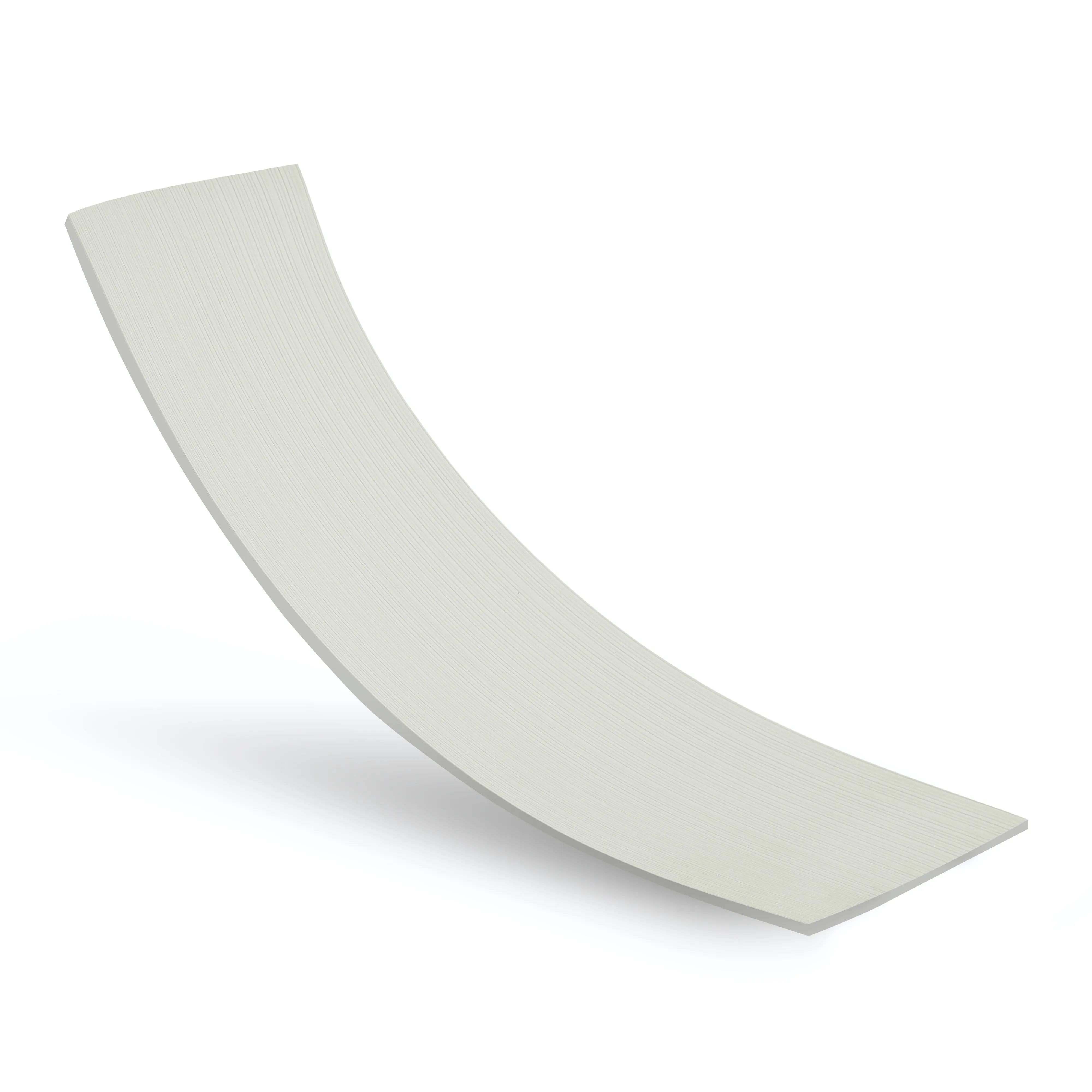
What truly sets it apart? Its flexibility. Unlike rigid natural stone slabs, Fine Line Stone (White) bends slightly, making it ideal for curved surfaces, accent walls, or uneven substrates. Installers rave about how it cuts down on waste—no more shattered slabs during transport or tricky cuts. And for homeowners? It means endless design possibilities: wrap it around a fireplace, line a shower niche, or create a seamless backsplash that flows from countertop to ceiling. It's stone, but smarter.
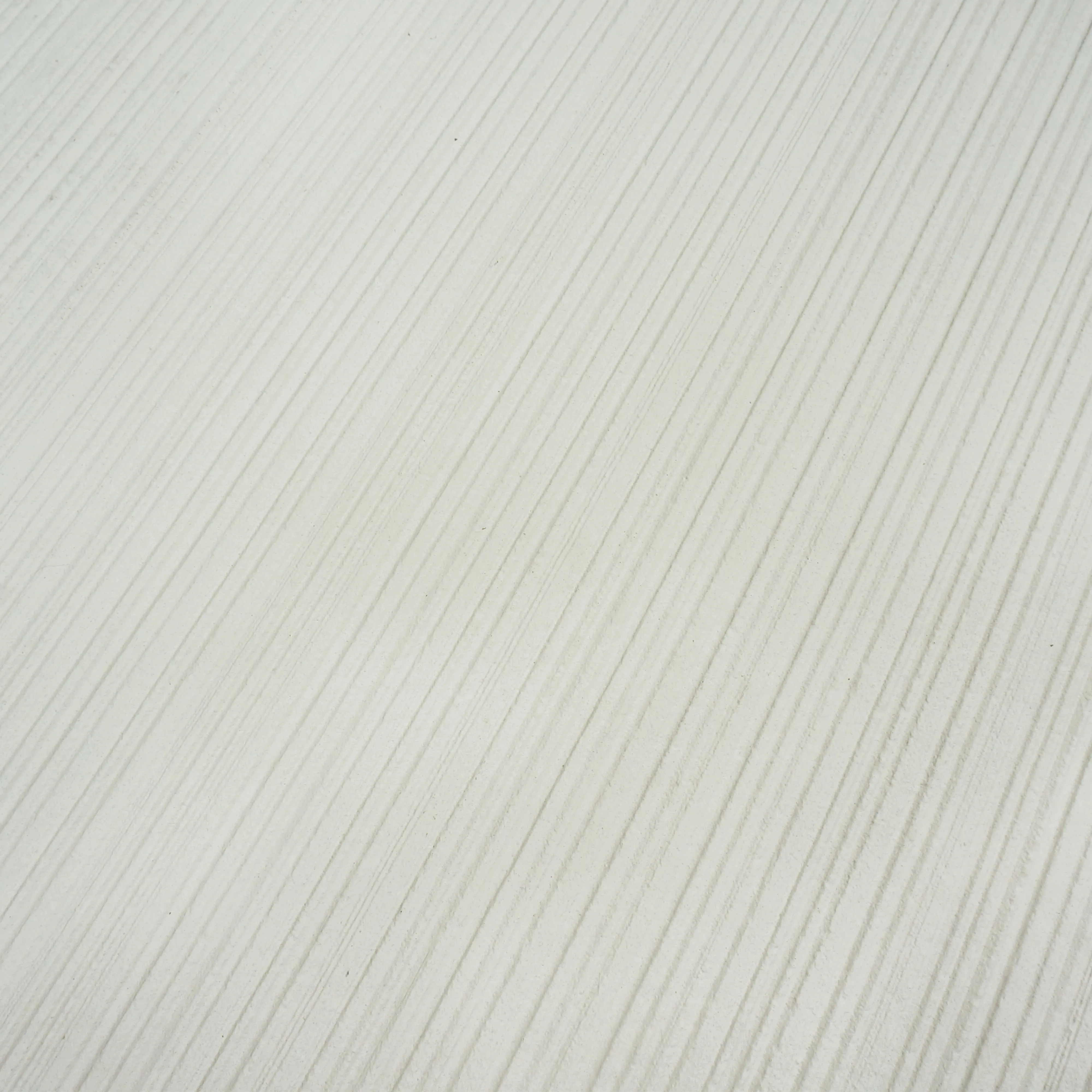
While Fine Line Stone (White) steals the spotlight for its versatility, the series doesn't stop there. Take fine line stone(grey) , for example—a moodier sibling with deep charcoal veining that adds drama to modern spaces. It pairs beautifully with warm woods or brass fixtures, balancing edge with warmth. Together, the white and grey variants offer a spectrum that adapts to any aesthetic, from Scandinavian minimalism to industrial chic. And because they're part of the mcm flexible stone lineup, they share the same eco-friendly DNA: low VOC emissions, 30% recycled content, and a production process that uses 60% less water than traditional stone manufacturing.
Curious how Fine Line Stone (White) holds up against natural limestone—and even other popular materials like travertine or fair-faced concrete ? Let's break it down:
| Feature | Fine Line Stone (White) | Natural Limestone | Travertine | Fair-Faced Concrete |
|---|---|---|---|---|
| Environmental Impact | Low (recycled materials, water-efficient production) | High (quarrying, carbon-heavy transport) | High (similar to limestone extraction) | Moderate (cement production emits CO2) |
| Durability | Excellent (stain-resistant, scratch-proof, weather-resistant) | Moderate (porous, prone to etching from acids) | Moderate (soft, requires sealing every 1-2 years) | Good (durable but can crack if not reinforced) |
| Design Flexibility | Exceptional (flexible, cuts to custom shapes, lightweight) | Limited (rigid, heavy, prone to breakage) | Limited (similar to limestone) | Moderate (can be cast in molds but heavy) |
| Maintenance | Low (wipe clean with mild soap; no sealing needed) | High (seal annually, avoid acidic cleaners) | High (seal every 6-12 months, sensitive to moisture) | Moderate (seal occasionally, prone to staining) |
| Cost (per sq. ft.) | Mid-range ($12-$18) | High ($15-$25 + installation waste) | High ($18-$30) | Mid-range ($10-$15) |
When you weigh the costs—environmental, financial, and practical—Fine Line Stone (White) emerges as the clear front-runner. It's not just about saving money (though that's a nice bonus); it's about investing in a material that aligns with your values. As one designer put it: "I used to specify travertine for every luxury project, but the waste always bothered me. Now, with Fine Line Stone, I can deliver that high-end look without the guilt."
Talk is cheap—let's look at how Fine Line Stone (White) is transforming spaces. Take the "Ember & Oak" boutique hotel in Portland, Oregon. Their lobby features a 20-foot feature wall clad in Fine Line Stone (White), paired with reclaimed wood beams and pendant lights made from recycled glass. The result? A space that feels both grand and grounded, with guests often remarking on the "soft glow" of the stone. "We wanted something that felt timeless but not precious," says lead designer Mia Chen. "Kids run their hands along the wall, coffee spills happen—and the stone just wipes clean. We haven't had to seal it once in two years. That's sustainability you can live with."
Closer to home, consider the Johnson family's kitchen renovation in Chicago. They replaced their outdated tile backsplash with Fine Line Stone (White), extending it up to the ceiling. "We have two messy kids and a golden retriever," laughs homeowner Sarah Johnson. "I was terrified of natural stone—too porous, too high-maintenance. But this stuff? My daughter drew on it with crayon last week, and it came off with a wet cloth. Plus, it matches our quartz countertops perfectly. It's the little things, you know? Beauty that doesn't stress me out."
COLORIA's Fine Line Stone (White) isn't just a product—it's a statement. It proves that sustainability and beauty don't have to be at odds. In a market flooded with "green" claims, it stands out by delivering on promises: recycled content, reduced waste, and performance that outshines natural alternatives. And as more brands follow suit, the ripple effect is clear: lower carbon footprints, healthier homes, and a design industry that leads with conscience.
Think about it: every time we choose a material like Fine Line Stone, we're voting for a future where quarries are preserved, ecosystems thrive, and our buildings tell a story of responsibility. It's stone, yes—but it's also hope. Hope that our kitchens, our offices, our public spaces can be both stunning and sustainable. Hope that the next generation will look at our designs and say, "They cared enough to do better."
At the end of the day, design is about connection—connecting people to spaces, to each other, and to the planet we call home. COLORIA's Fine Line Stone (White) doesn't just connect—it elevates. It's a reminder that the most beautiful materials aren't just those that catch the eye, but those that feed the soul. So whether you're building a new home, renovating a bathroom, or designing a community center, consider this: the stone you choose isn't just part of the wall—it's part of the solution.
Fine Line Stone (White) isn't here to replace natural limestone. It's here to reimagine it—for a world that deserves better. And honestly? We're here for it.
Recommend Products












