
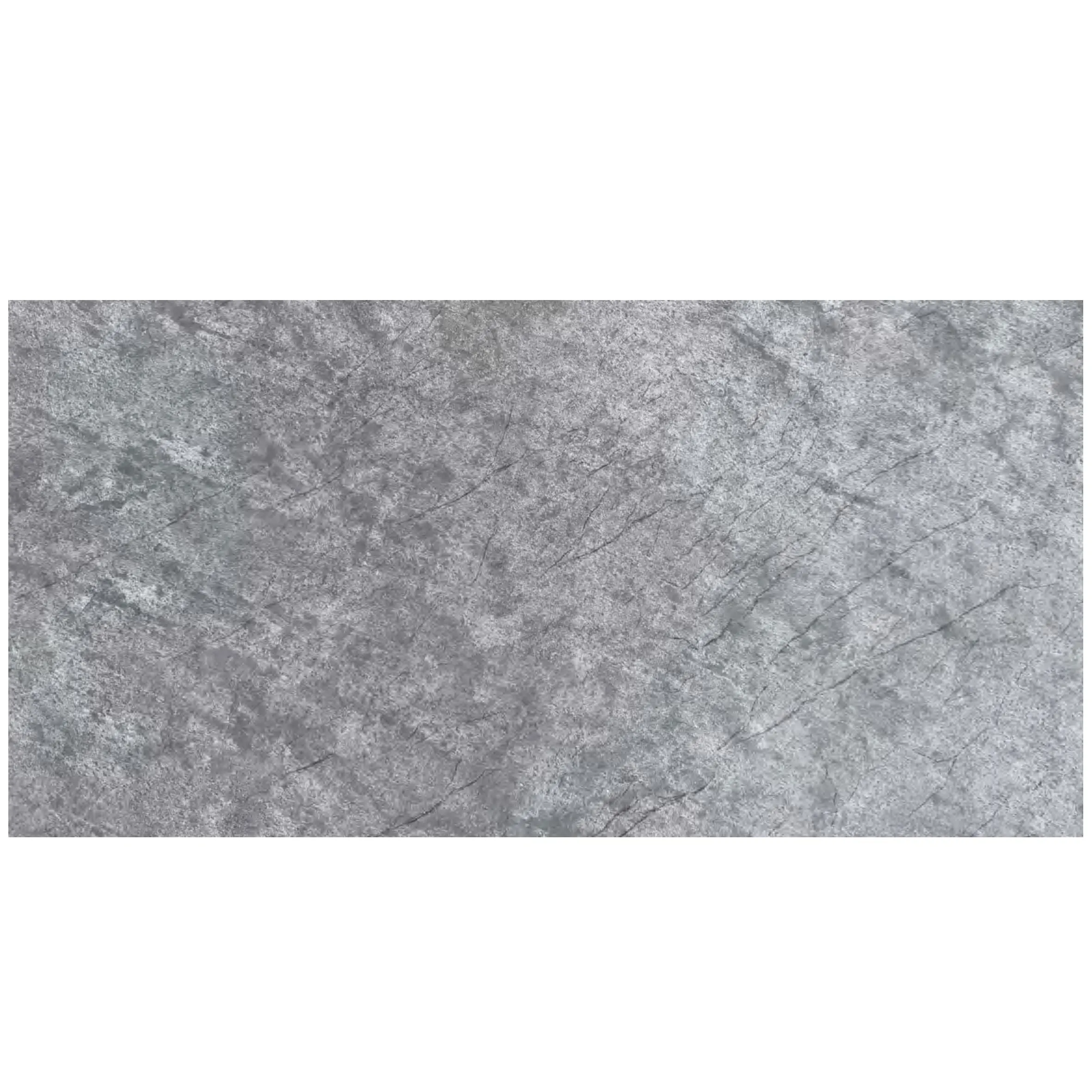
Where nature's grandeur meets engineering precision—redefining the future of architectural surfaces
Walk into any space—a cozy home, a bustling café, a soaring museum—and you'll notice it before you name it: the materials. They shape how light plays, how footsteps echo, how we feel when we're there. For decades, architects and designers have danced between two worlds: the raw beauty of natural stone and the practicality of modern composites. But what if a material could bridge that gap entirely? Enter COLORIA's Glacial Slate, a product born from the question: What if we could capture the essence of a glacier-carved landscape and mold it into something both resilient and deeply human?
Glacial Slate isn't just another building material. It's a story—one of frozen rivers, of ancient rock formations, and of a team of material scientists and artists who refused to choose between "strong" and "stunning." At its core lies modified cementitious material, a technology that's quietly revolutionizing how we build. But to understand Glacial Slate, we first need to understand the problem it solves.
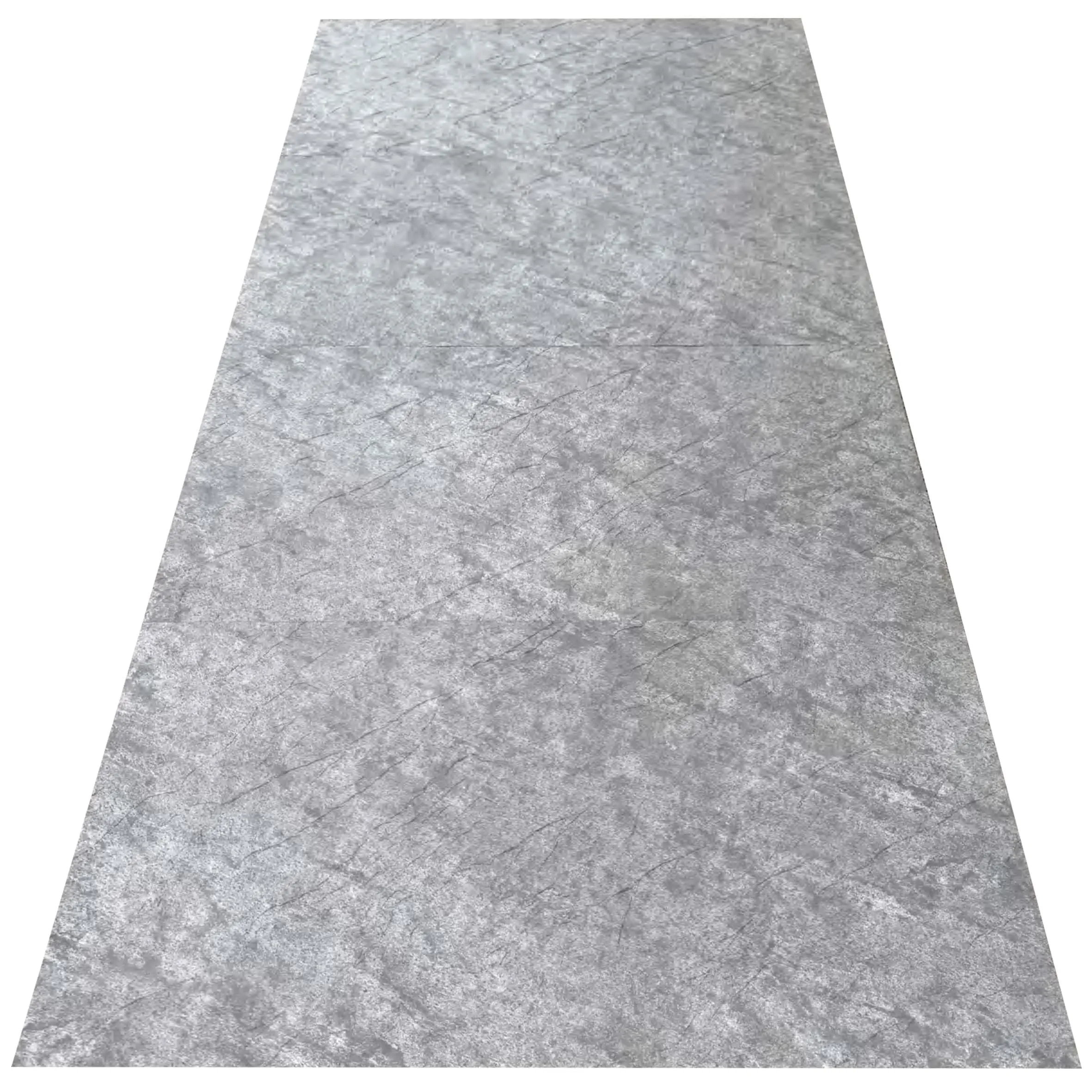
Natural slate, for all its timeless appeal, comes with trade-offs. Quarried from the earth, each slab is unique—but that uniqueness can be a headache. Inconsistent thicknesses, hidden cracks, and the sheer weight of the stone make installation a logistical puzzle. Then there's durability: while slate is tough, it's porous. Over time, moisture seeps in, leading to discoloration or even crumbling in harsh climates. And let's not forget sustainability—quarrying extracts finite resources, leaving scars on landscapes that take generations to heal.
On the flip side, early composites often felt… soulless . Think of the generic concrete panels that clad office buildings in the 80s—functional, yes, but lacking the warmth of natural materials. They solved the weight and consistency issues but sacrificed the very thing that makes spaces feel alive: texture, depth, that subtle variation that whispers, "this was shaped by time."
This is where modified cementitious material steps in. It's not about replacing nature; it's about elevating it. By blending Portland cement with polymers, fibers, and mineral aggregates, scientists have created a material that's lighter than stone, more durable than traditional concrete, and—most importantly—capable of mimicking the organic beauty of natural surfaces. And Glacial Slate? It's the masterpiece of this technology.
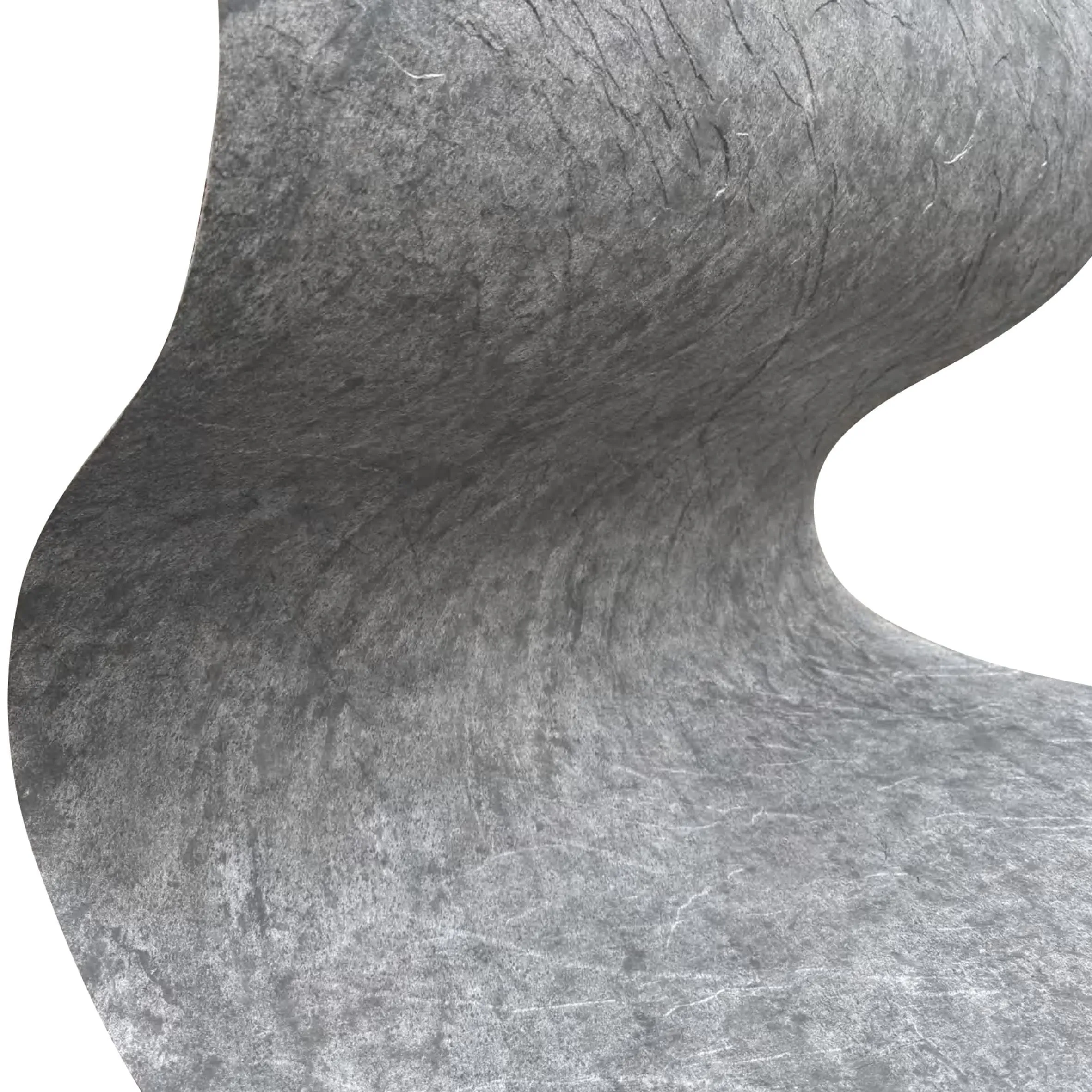
Every great product has an origin story. For Glacial Slate, it began with a trip to Iceland. In 2018, COLORIA's design team stood at the edge of the Sólheimajökull glacier, watching as meltwater carved channels through ancient lava rock. The slate-like formations, smoothed by centuries of ice and water, had a texture that was both rugged and delicate—deep grooves that caught the light like veins of silver, and a surface that felt cool to the touch, even in the summer sun. "Why can't we bring this feeling into buildings?" one designer wondered. "Not just the look, but the sensation ."
The answer lay in modified cementitious material. Unlike traditional concrete, which relies on a dense matrix of cement and aggregate, this material uses a proprietary blend of microfibers (think ultra-thin glass and polymer threads) to reinforce a lightweight cement base. The result? A panel that's 60% lighter than natural slate but twice as strong. But strength was never the end goal—it was the means to an end: expression .
Glacial Slate's texture is recreated using 3D scanning technology. The team spent months capturing the nuances of real glacial rock—every pit, every ridge, every shift in color from deep charcoal to frosty white. Those scans were then translated into molds that would imprint that same complexity onto each panel. The result? A surface that looks like it was shaped by millennia of ice, but can be installed in days, not months.
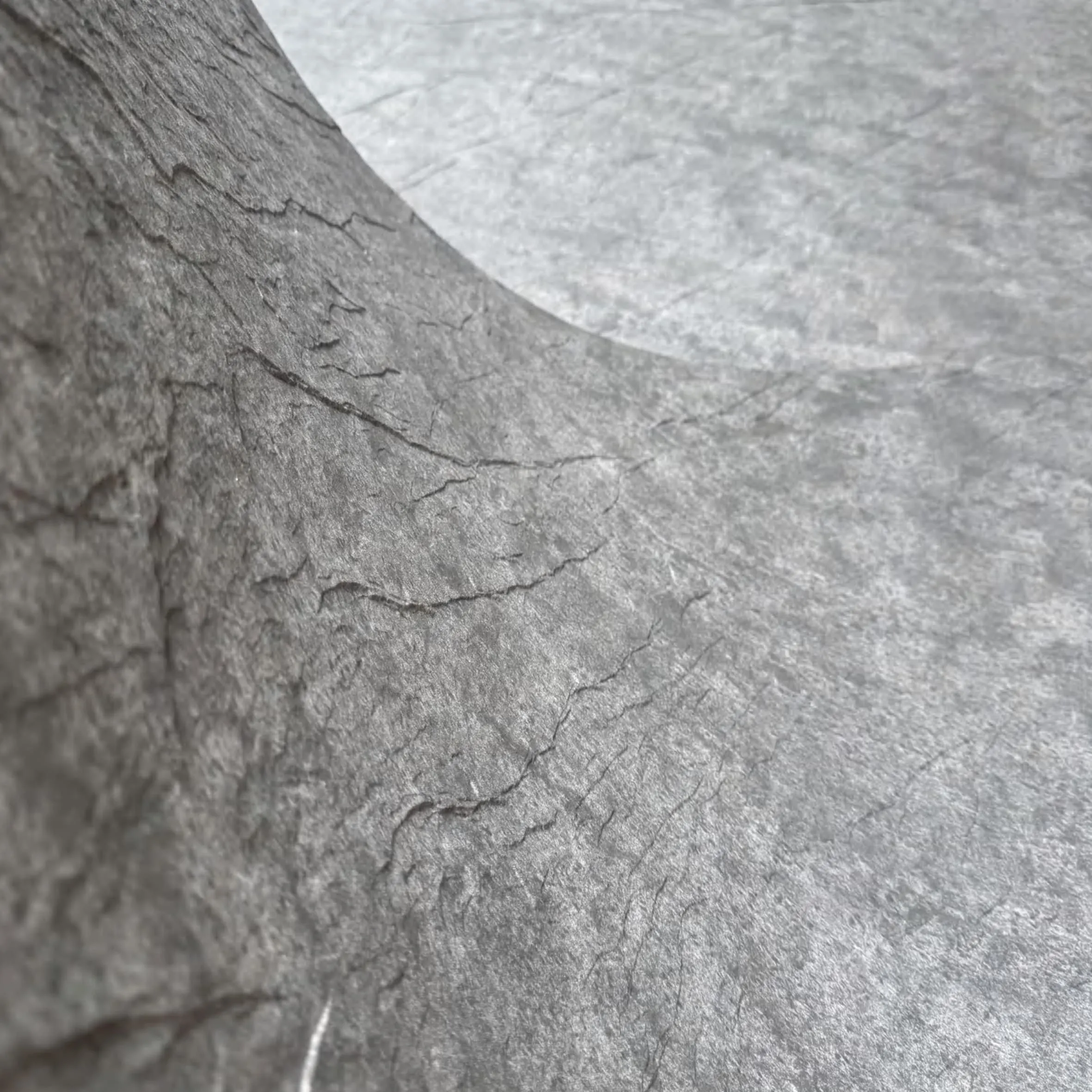
Let's get technical—but not in a lab-report way. Imagine making a cake. Traditional concrete is like a dense pound cake: lots of flour (cement), butter (water), and sugar (aggregate), mixed until it's heavy and solid. Modified cementitious material is more like a sponge cake—airy, yet structured—thanks to tiny "bubbles" of air and fibers that hold it all together. Glacial Slate takes this a step further by adding a "frosting" of mineral pigments and texture agents that mimic the look of weathered stone.
Here's the breakdown: 60% Portland cement (the binder), 20% lightweight aggregates (think volcanic ash and recycled glass, which reduce weight without losing strength), 15% polymer fibers (the "skeleton" that prevents cracking), and 5% mineral pigments and texture additives (the "skin" that gives it that glacial look). This recipe isn't just about balance—it's about intention. Each ingredient was chosen to solve a specific problem: volcanic ash makes the material fire-resistant; recycled glass adds a subtle shimmer; polymer fibers ensure it bends, not breaks, during installation.
But what really sets Glacial Slate apart is its flexibility —and we're not just talking physical bend. Thanks to COLORIA's MCM Flexible Stone technology, which underpins much of their product line, Glacial Slate can be curved, cut, or even shaped into custom geometries. Want a feature wall that arcs like a glacier's edge? No problem. Need panels that wrap around a column? Done. This flexibility opens up design possibilities that natural stone could never touch—all without sacrificing that organic, handcrafted feel.
Glacial Slate is part of COLORIA's broader MCM Flexible Stone series—a collection of panels that reimagine stone, wood, and metal surfaces using modified cementitious material. Unlike rigid traditional stone, MCM panels are thin (just 6-12mm thick) and lightweight (8-12 kg/m²), making them ideal for retrofits, high-rise buildings, or projects where weight is a concern. And because they're factory-made, they offer consistent color and texture—no more "surprises" during installation. It's nature, but on your terms.
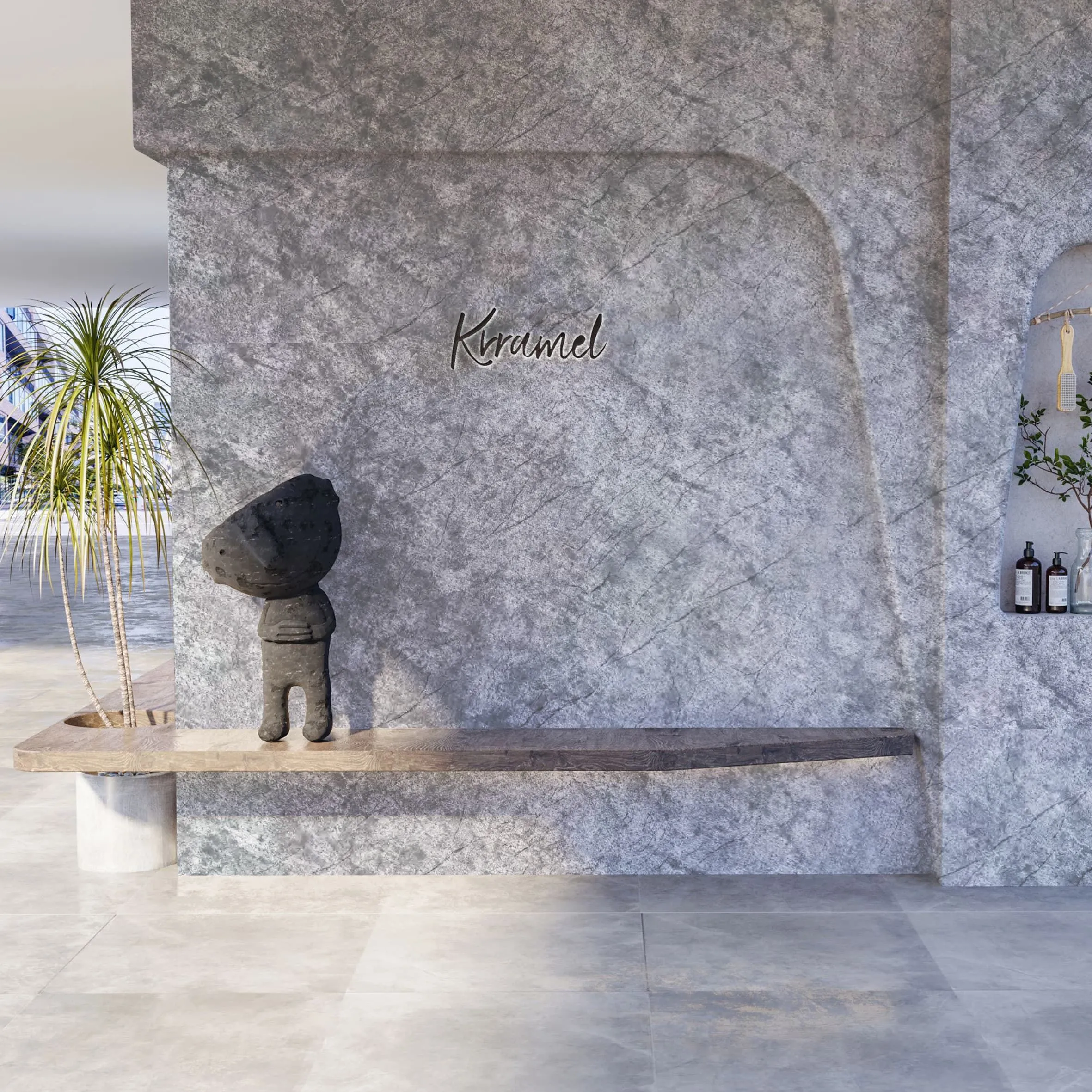
Walk into COLORIA's design studio, and you'll see Glacial Slate samples in every shade of winter. There's "Glacier Mist," a soft white with faint gray veining that mimics sunlight on snow. "Midnight Crevasse" is deep charcoal with silver threads, like a crack in a glacier catching the moon. "Avalanche" blends ivory and black in a chaotic, beautiful pattern that looks like rockfall frozen in time. But the magic isn't just in the colors—it's in how they interact with light.
Natural slate can look flat under harsh artificial light, but Glacial Slate's texture plays with shadows. Run your hand over it, and you'll feel the peaks and valleys; step back, and those same peaks and valleys create depth that shifts as the sun moves. It's a material that changes throughout the day, keeping spaces dynamic and alive. No wonder architects are using it for everything from residential fireplaces to hotel lobbies—wherever a sense of movement and warmth is needed.
And if you think Glacial Slate is only for "cold" spaces, think again. Pair it with warm woods (like COLORIA's Sawing Wood Board) or gold accents (hello, Foamed Aluminium Alloy Board in Vintage Gold), and suddenly it becomes cozy, even inviting. One Colorado ski lodge used Glacial Slate for their bar front, pairing it with reclaimed barn wood and fixtures—the result? A space that feels both rugged and refined, like a mountain cabin with a touch of luxury.
Still on the fence? Let's put Glacial Slate head-to-head with traditional slate and other modern materials. The table below breaks down the key differences—no jargon, just the facts that matter to builders, designers, and homeowners.
| Material | Weight (kg/m²) | Durability (Expected Lifespan) | Installation Time | Aesthetic Range | Sustainability |
|---|---|---|---|---|---|
| Glacial Slate (Modified Cementitious) | 10-12 | 50+ years (resistant to moisture, UV, and impact) | 2-3 days for a 100m² wall (lightweight, easy to cut) | 8 colorways, custom textures available | 30% recycled materials, low carbon footprint (no quarrying) |
| Natural Slate | 25-30 | 30-40 years (prone to chipping, moisture damage) | 5-7 days for a 100m² wall (requires heavy equipment) | Limited by quarry (typically gray, black, green) | High carbon footprint (quarrying, transportation) |
| Lunar Peak Silvery (COLORIA's MCM Series) | 8 | 40+ years (metallic finish, scratch-resistant) | 1-2 days for a 100m² wall | 3 metallic shades (silver, gold, black) | 25% recycled materials |
| Fair-faced Concrete | 20 | 40-50 years (porous, needs sealing) | 3-4 days for a 100m² wall | Limited to gray, beige (can be stained) | High cement content (high carbon footprint) |
Talk is cheap—let's look at projects that speak for themselves. Take the "Iceberg Residences" in Oslo, Norway. A boutique apartment building with a facade that needed to blend into the city's fjord-side landscape. The architects chose Glacial Slate in "Midnight Crevasse" and "Glacier Mist," alternating panels to create the illusion of ice floating on water. The lightweight panels meant no extra structural support was needed, saving the developers over $200,000 in construction costs. Today, residents rave about how the building glows at dawn—"like the mountains are right outside our windows," one tenant said.
Then there's the "North Star Café" in Seattle. The owner wanted a space that felt like a cozy mountain lodge but could withstand the city's rainy climate. Glacial Slate was used for the accent wall behind the bar, paired with COLORIA's Bamboo Mat Board for the ceiling. The result? A space that's warm and inviting, but the slate wall has stayed pristine through two years of coffee spills and humidity. "I was worried it would look fake," the owner admits. "But customers run their hands over it and ask where we mined the stone. That's when I knew we'd made the right choice."
Even public spaces are getting in on the action. The "Glacier Interpretive Center" in Banff National Park, Canada, uses Glacial Slate both inside and out. The exterior panels are designed to weather gracefully—developing a patina over time that matches the surrounding rock formations. Inside, "Avalanche" panels line the walls, creating a cave-like atmosphere that complements the center's exhibits on glaciology. "We needed something that felt authentic to the park's landscape but could handle 500,000 visitors a year," says the center's director. "Glacial Slate was the only material that checked both boxes."
Ask any architect what they love about Glacial Slate, and you'll hear the same theme: freedom . "Natural stone ties you to what the earth gives you," says Maria Gonzalez, a principal at a Boston-based design firm. "With Glacial Slate, I can design a wall that looks like it was carved by glaciers, but fits perfectly into a modern, lightweight structure. It's like painting with a brush that never runs out of paint."
Another selling point? Sustainability. In an era where clients demand eco-friendly solutions, Glacial Slate delivers. Its recycled content reduces waste, and since it's manufactured in a controlled facility, there's no risk of over-quarrying or habitat destruction. "We had a client who refused to use natural stone due to environmental concerns," recalls David Chen, a residential designer in Portland. "Glacial Slate let us give them the stone look they wanted without the guilt. It was a game-changer for the project."
And let's not forget cost. While Glacial Slate isn't the cheapest option on the market, its installation and maintenance savings add up. A 200m² commercial project using natural slate might cost $50,000 in labor alone (thanks to heavy lifting and specialized installers). Glacial Slate cuts that labor cost by 40%, and with no need for sealing or repairs every 5 years, the long-term savings are even starker.
Glacial Slate is just the beginning. COLORIA's team is already experimenting with new formulations—adding thermal insulation properties for colder climates, or integrating solar-reflective pigments to reduce building cooling costs. There's even talk of "smart" versions that can change color based on temperature, mimicking the way glaciers shift from white to blue as they melt.
But perhaps the most exciting trend is the blurring of lines between "indoor" and "outdoor" materials. Glacial Slate works equally well on a kitchen backsplash as it does on a patio floor, creating a seamless flow between spaces. Pair it with COLORIA's Foamed Aluminium Alloy Board in Vintage Silver for a modern industrial look, or with their Bali Stone for a tropical vibe—the possibilities are as endless as the landscapes that inspired the material.
At the end of the day, building materials are about more than function. They're about storytelling. Glacial Slate tells a story of resilience—of a material that can withstand the elements, but still feels soft to the touch. Of a process that honors nature, but doesn't exploit it. Of spaces that feel both grand and intimate, like standing at the foot of a glacier and realizing how small—and how connected—we are.
Glacial Slate isn't just a product. It's a statement: that we don't have to choose between progress and preservation, between strength and beauty. It's a reminder that the best innovations aren't about replacing the natural world—they're about conversing with it.
So the next time you walk into a space and feel that sense of calm or wonder, take a closer look at the walls. Maybe, just maybe, you're standing in front of Glacial Slate—a little piece of a glacier, reimagined for the way we live now. And in that moment, you'll understand: great building materials don't just fill spaces. They elevate them.
Recommend Products












