
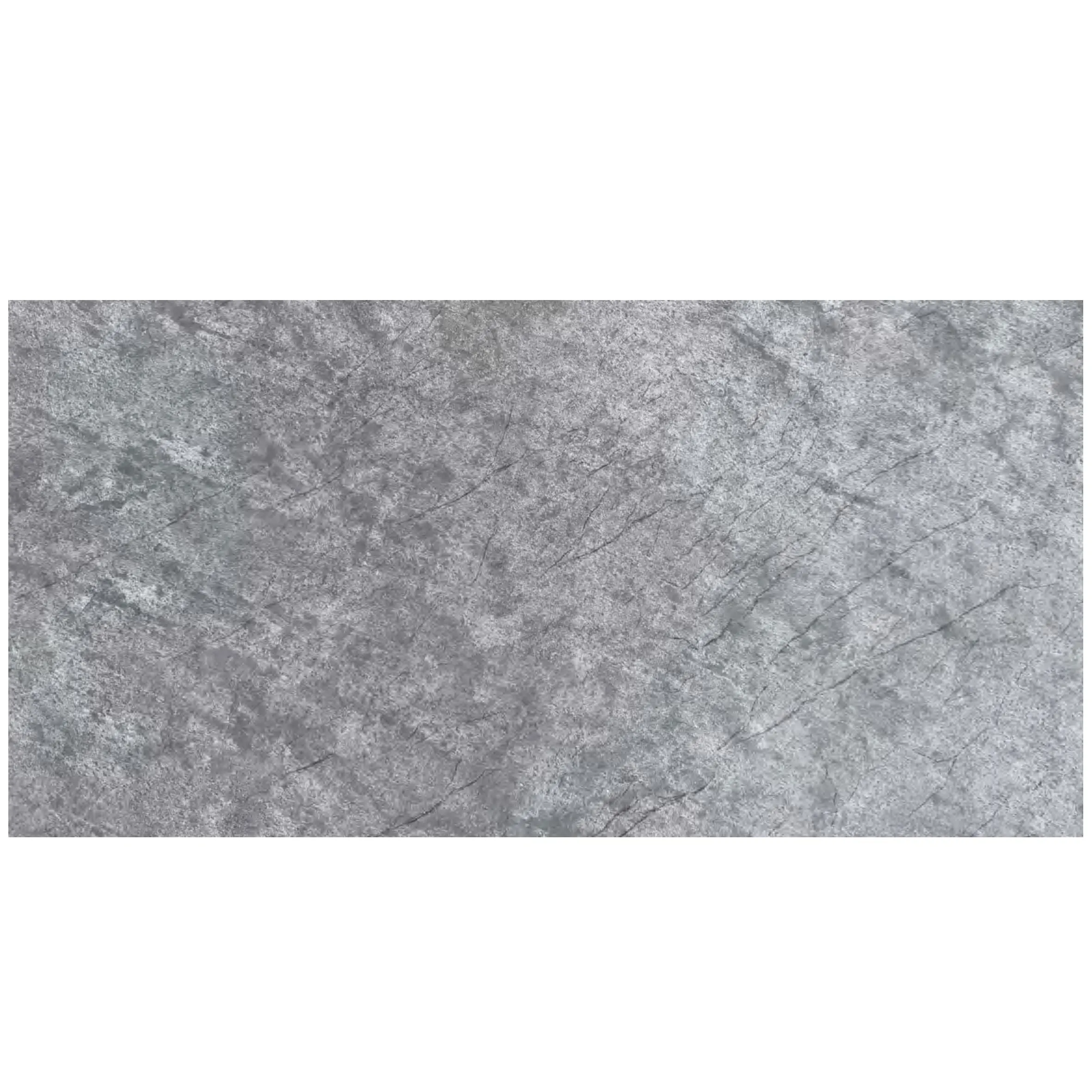
In the heart of Riyadh, where the sun blazes relentlessly and sandstorms test the limits of every structure, an architect stands before a blueprint, (brows furrowed). "We need materials that can withstand 50°C summers and sudden sandstorms," she mutters, tapping her pen against the desk. "But they also have to reflect the cultural heritage of this place—warmth, strength, a connection to the land." For builders and designers in Saudi Arabia, this balancing act is all too familiar. The kingdom's building standards aren't just guidelines; they're a promise to future generations that the structures rising today will endure, both functionally and aesthetically. Enter COLORIA, a name increasingly whispered in design circles as the solution to this very challenge. And at the center of their offering? A material that feels like a piece of the desert's frozen history: Glacial Slate.
To understand why materials like COLORIA's Glacial Slate matter, you first need to grasp the gravity of Saudi Arabia's building regulations. It's not just about "meeting code"—it's about thriving in one of the harshest environments on Earth. The Saudi Standards, Metrology and Quality Organization (SASO) sets benchmarks that read like a checklist for resilience: resistance to extreme heat (often exceeding 45°C in summer), minimal water absorption to combat rare but heavy rains, and durability against abrasive sand particles that can wear down lesser materials in years, not decades. Add to that the growing demand for sustainability—reducing energy consumption through thermal insulation, and using eco-friendly production methods—and the bar becomes even higher.
"Clients here don't just ask, 'Is it compliant?'" says Omar Khalid, a Riyadh-based project manager with over 15 years of experience. "They ask, 'Will it still look good in 20 years? Will it keep the building cool when the AC is strained? Can it tell a story about our culture?' That's where so many materials fall short. They're either tough but boring, or beautiful but fragile. COLORIA is the first brand I've worked with that seems to get both."
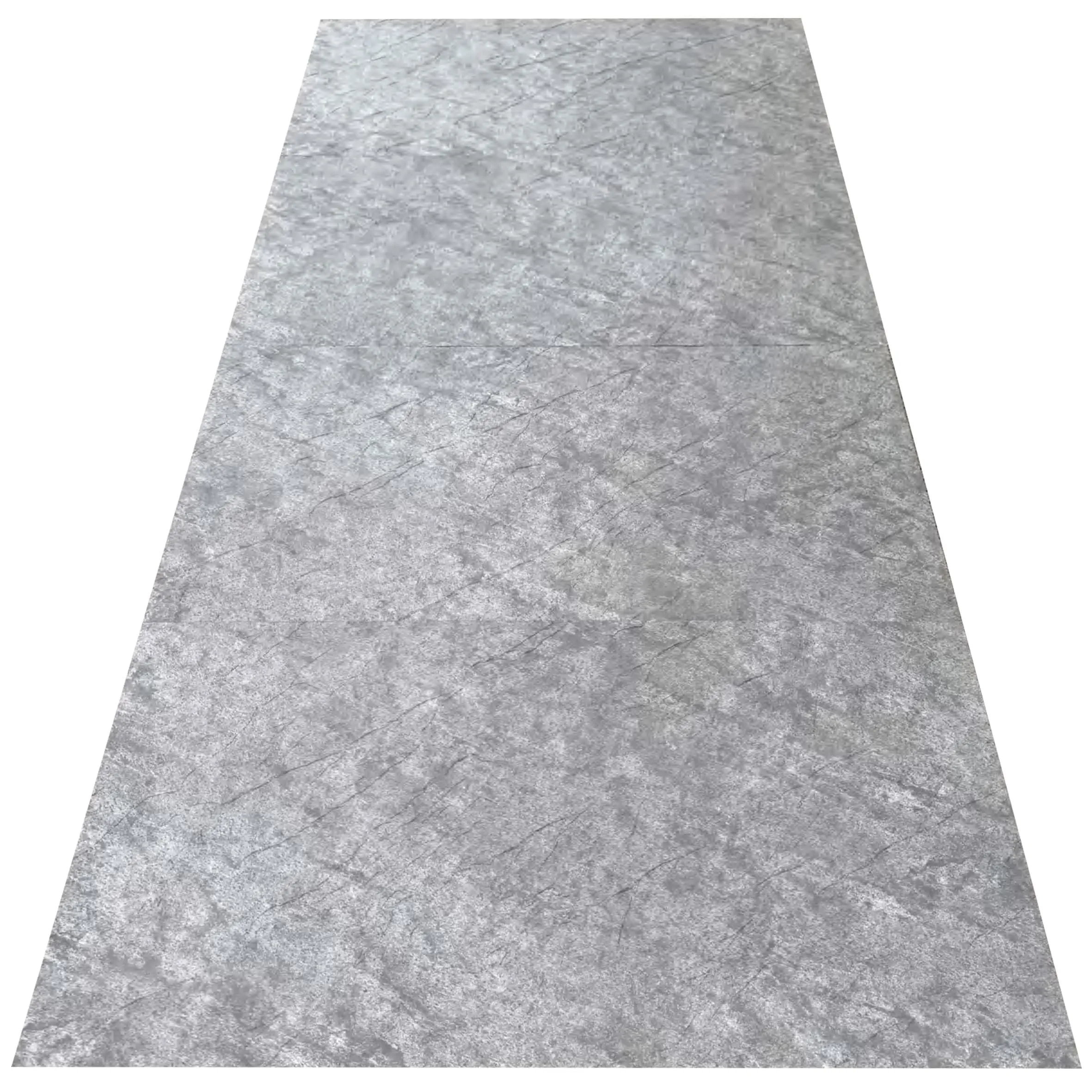
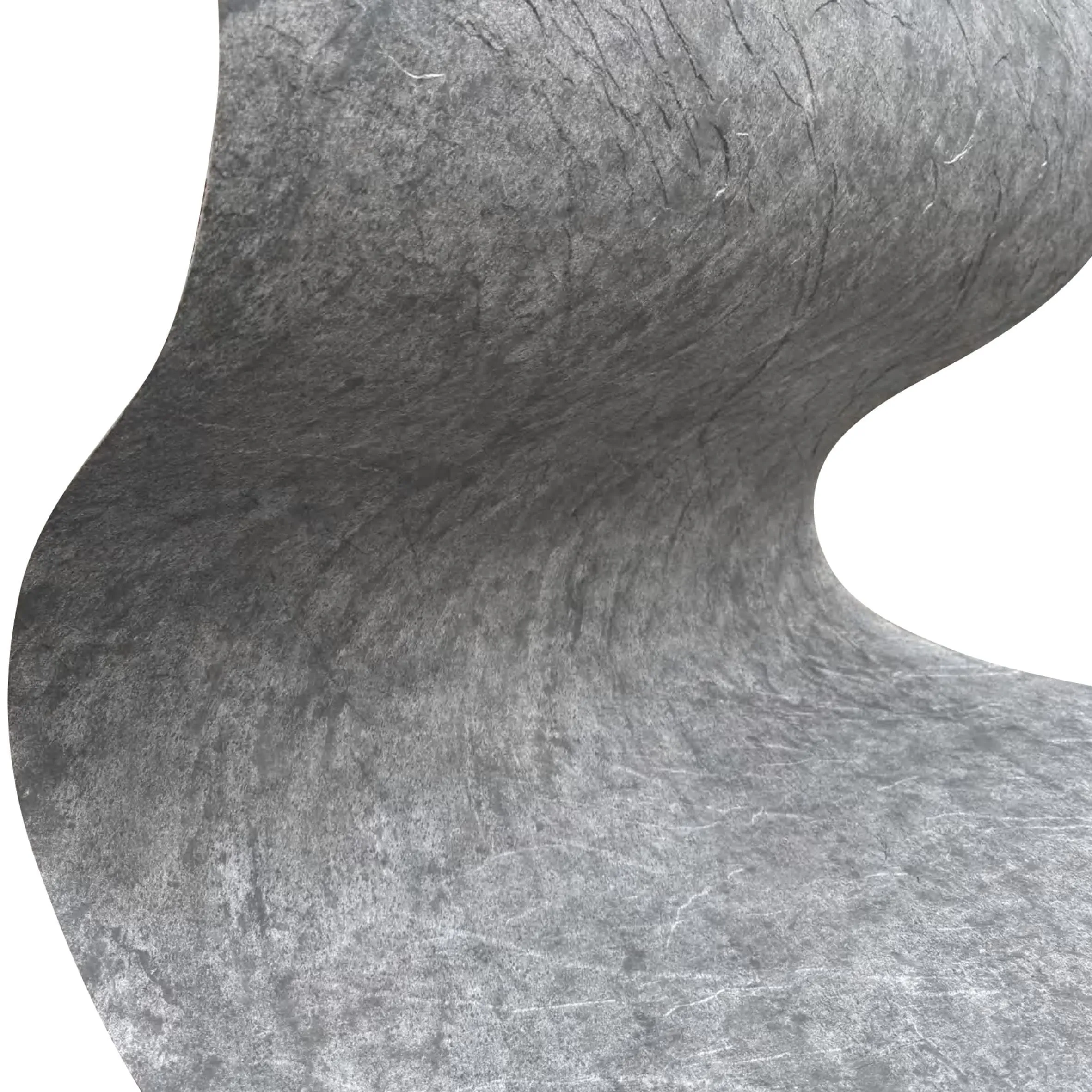
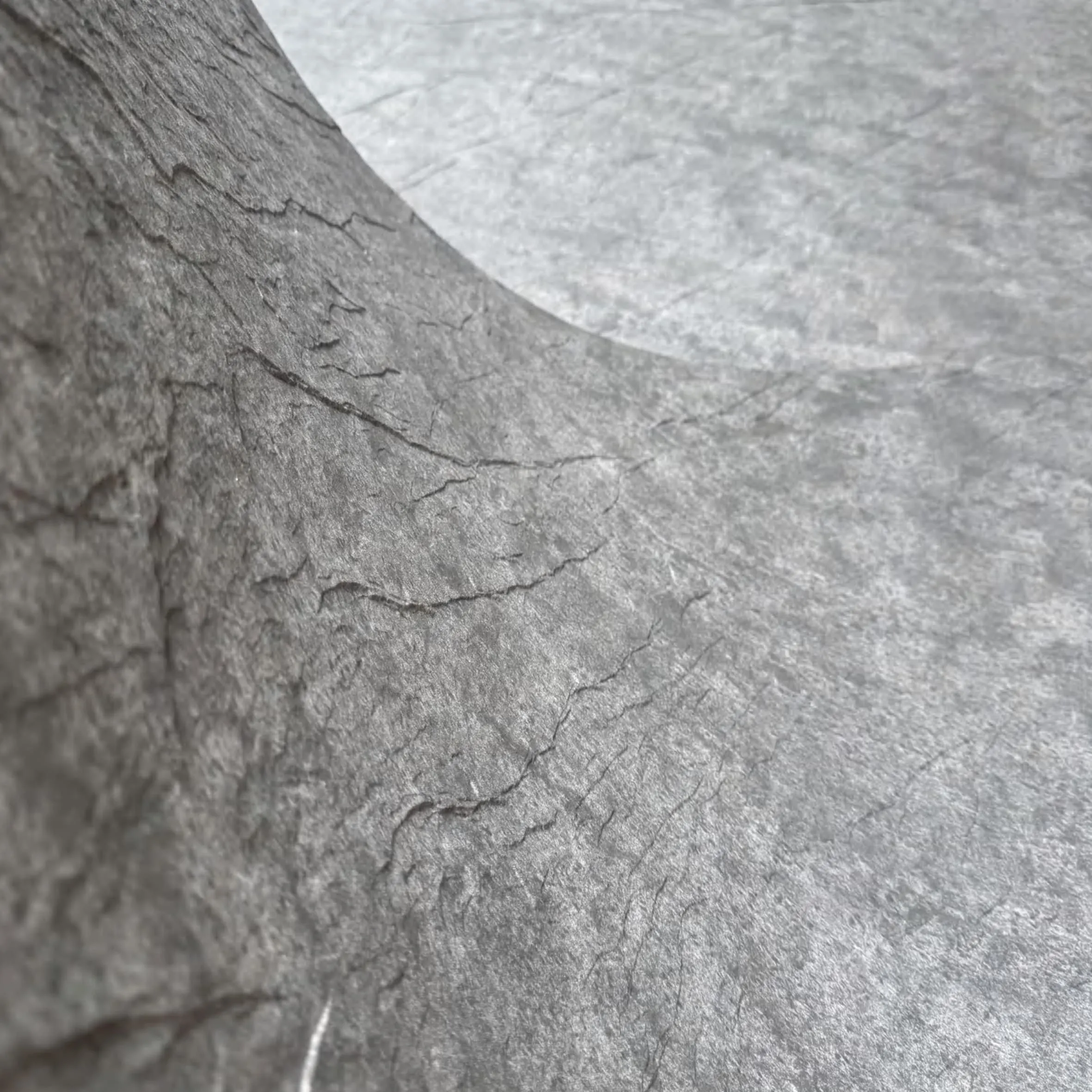
Walk into COLORIA's Riyadh showroom, and your hand will instinctively reach for the Glacial Slate sample. It's not just a "material"—it's a texture that tells a story. Run your fingers over its surface, and you'll feel the subtle, icy veining that gives it its name, like frozen rivers trapped in stone. But don't let the beauty fool you: this is a material built for battle.
"We started with a question," explains Lina Hassan, COLORIA's lead material engineer. "What if we could capture the timelessness of natural stone but infuse it with the resilience modern buildings demand?" The answer was Glacial Slate, a composite material that marries natural slate particles with a proprietary resin matrix. The result? A surface that looks and feels like quarried stone but boasts properties that make SASO inspectors nod in approval.
Take thermal resistance, for example. In third-party testing, Glacial Slate showed a thermal conductivity of just 0.12 W/(m·K)—meaning it acts as a natural barrier against the desert heat, reducing the load on air conditioning systems. "We installed it on a villa in Jeddah last year," Omar recalls. "The homeowner called me three months later, shocked. Her electricity bill dropped by 18%. She thought there was a mistake in the meter. That's the power of a material that works with the climate, not against it."
Then there's durability. COLORIA's lab in Dubai subjected Glacial Slate to 5,000 hours of accelerated weathering—simulating years of sun, rain, and sand. The result? No fading, no cracking, and barely a scratch. "Sandstorms here aren't gentle," Lina says, holding up a sample that's been through the test. "They're like sandpaper against buildings. But Glacial Slate's surface is so dense, the particles just bounce off. It's why we offer a 25-year warranty on color retention. We believe in it that much."
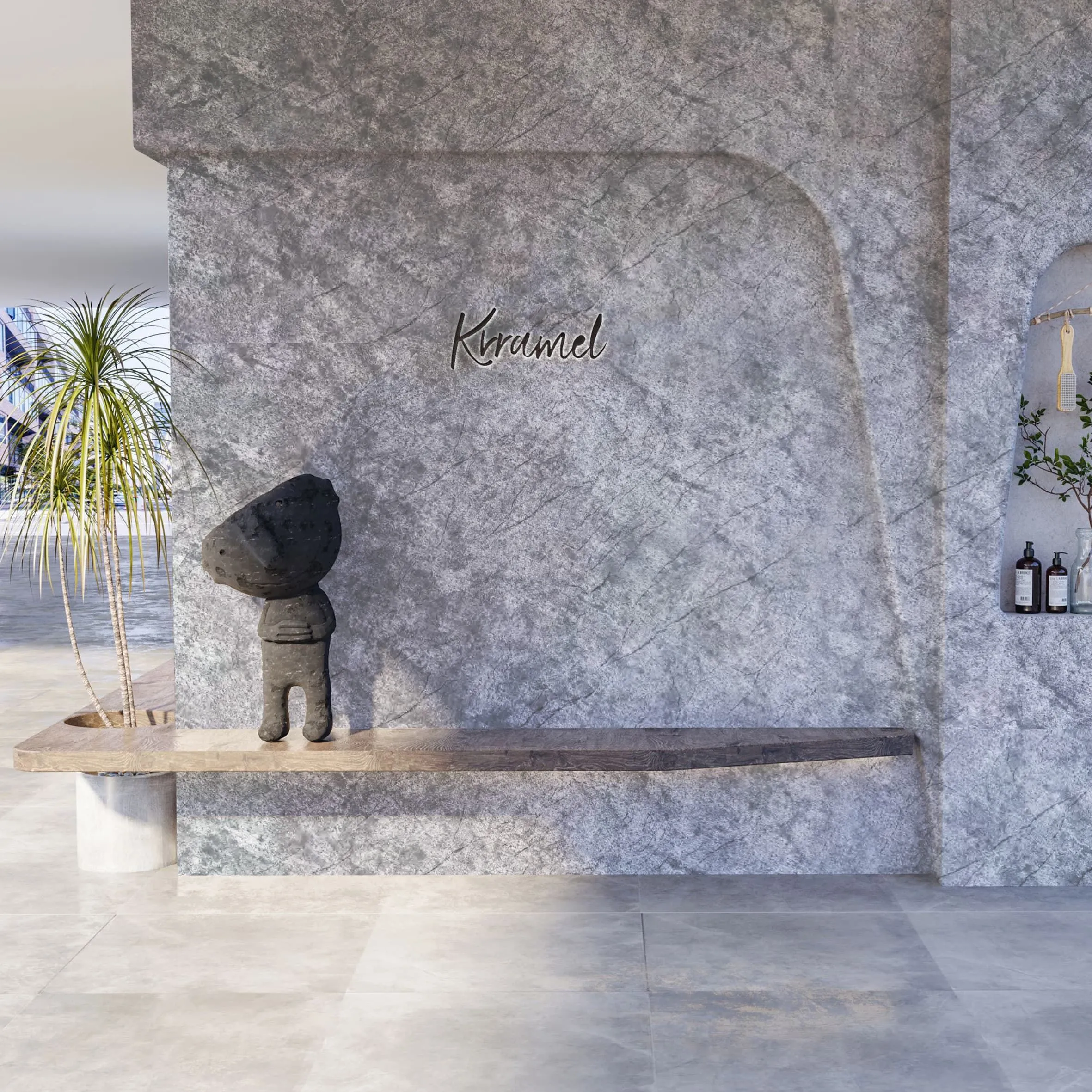
But what truly sets Glacial Slate apart is its versatility. It's not confined to exteriors; designers are using it for feature walls in hotels, restaurant facades, even residential fireplaces. "A client wanted a focal point in their lobby that felt 'rooted in the desert but touched by modernity,'" says architect Layla Ahmed. "Glacial Slate was perfect. The veining looks like the patterns of wind-blown sand, but the finish is sleek enough for a luxury space. It's like bringing a piece of the landscape indoors, without the maintenance headaches of real stone."
Glacial Slate may be the star, but COLORIA's lineup reads like a love letter to Saudi Arabia's diverse building needs. Take Fair-faced Concrete, for instance—a material that's been reimagined for the kingdom's context. Traditional concrete can crack under thermal expansion in Saudi heat, but COLORIA's version includes microfibers that absorb stress, reducing the risk of damage. "We used it on a school in Dammam," Omar says. "The exterior walls have this raw, honest texture that the students love—they call it 'the building that tells a story.' And after two summers, not a single crack. That's the difference between generic concrete and COLORIA's take."
Then there's Travertine (Starry Blue)—a twist on a classic stone that adds a touch of whimsy without sacrificing durability. "Travertine is beloved here for its natural pores and warmth," Layla explains, "but clients often worry about staining. COLORIA's Starry Blue variant has those same charming pores, but they're sealed with a nano-coating that repels oil, water, and even the occasional coffee spill. We used it in a café in Riyadh, and the owner still texts me photos—after a year of daily use, it looks brand new."
And let's not overlook the Lunar Peak series—Lunar Peak Silvery, Golden, and Black—materials that mimic the iridescence of desert moonlit nights. "Saudi culture has a deep connection to the moon," Layla says. "Lunar Peak Golden, with its subtle metallic sheen, is becoming a favorite for mosques and cultural centers. It catches the light at sunset and glows, almost like it's paying homage to the sky above."
Numbers tell a story too, and when it comes to compliance, COLORIA's materials don't just meet Saudi standards—they often exceed them. To illustrate, here's a snapshot of how three key products measure up against SASO's most critical benchmarks:
| Material | Key Feature | SASO Requirement | COLORIA Performance |
|---|---|---|---|
| Glacial Slate | Thermal Conductivity | ≤0.25 W/(m·K) | 0.12 W/(m·K) (52% lower) |
| Fair-faced Concrete | Compressive Strength | ≥30 MPa | 45 MPa (50% higher) |
| Travertine (Starry Blue) | Water Absorption | ≤3% | 1.2% (60% lower) |
| Glacial Slate | Abrasion Resistance | ≤200 mm³ loss | 85 mm³ loss (57% lower) |
| Fair-faced Concrete | Thermal Expansion | ≤12 x 10⁻⁶/°C | 8 x 10⁻⁶/°C (33% lower) |
"These numbers aren't just for show," Lina says, pointing to the table. "They're the result of years of research. We don't just test to pass—we test to last. Because in Saudi Arabia, a building isn't just a structure. It's a legacy."
At the end of the day, materials are only as good as the people behind them. And for COLORIA, that means being more than a supplier—they're a partner. "When we started working with them on a hospital project in Medina," Omar says, "we had a tight deadline and a unique curve in the exterior wall. Their team didn't just deliver the materials—they sent engineers to the site to help with installation, ensuring the curve was perfect. That level of commitment? It's rare."
Layla agrees. "They listen. I once asked if they could tweak the color of Lunar Peak Silvery to match a specific shade in a client's heritage-inspired design. A month later, they sent samples of the custom batch. That's not just customer service—that's understanding the vision."
In a country where building is about more than bricks and mortar—it's about honoring the past while building the future—COLORIA's materials feel like a bridge. Glacial Slate, with its blend of strength and beauty, Fair-faced Concrete with its honest resilience, Travertine (Starry Blue) with its playful nod to nature—they're not just products. They're tools for architects and builders to tell Saudi Arabia's story, one durable, stunning structure at a time.
As Saudi Arabia continues to grow—with projects like NEOM, Qiddiya, and the Riyadh Metro redefining urban landscapes—the demand for materials that can keep up will only rise. And COLORIA, it seems, is ready. "We're not here to sell materials," Lina says, standing in front of a wall of samples in their showroom. "We're here to build trust. Trust that when you choose us, you're choosing something that will outlast the years, inspire the community, and make every architect, builder, and homeowner proud."
Back in Riyadh, the architect from the beginning of our story smiles as she runs her hand over a Glacial Slate sample. "This is it," she says, picking up her phone to call her team. "This is how we build something that lasts." And in that moment, it's clear: COLORIA isn't just meeting standards. They're helping to set a new one—for what it means to build with heart, in a land that demands nothing less.
Recommend Products












