
In the heart of Saudi Arabia, where ancient traditions meet the pulse of modernity, every building tells a story. From the towering skylines of Riyadh to the cultural hubs of Jeddah, the choice of building materials is more than a practical decision—it's a dialogue between heritage and innovation. For architects, developers, and designers here, finding materials that honor local aesthetics while standing up to the kingdom's unique climate (scorching sun, occasional sandstorms, and shifting temperatures) can feel like navigating a desert without a compass. That's where COLORIA steps in—not just as a supplier, but as a local partner who speaks the language of Saudi design dreams.
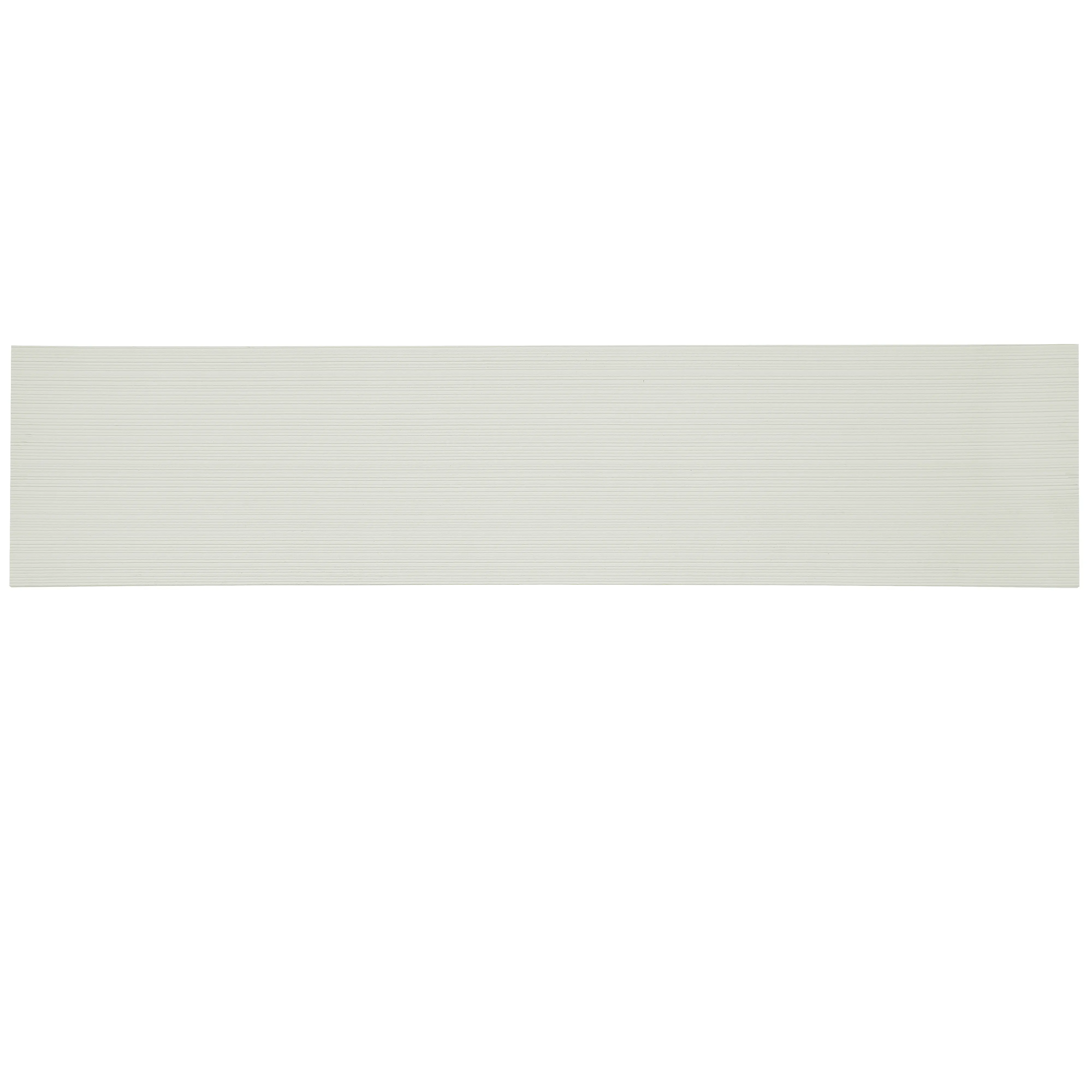
Recently, we collaborated on a project that embodies this balance: a mixed-use development in Riyadh's King Abdullah Financial District, where the client envisioned a facade that would echo the clean lines of traditional Najdi architecture while embracing a contemporary, minimalist vibe. The challenge? To find a material that could withstand Riyadh's harsh sun without fading, add texture without overwhelming the design, and align with the project's eco-conscious goals. After months of local site visits, climate testing, and design workshops, the solution emerged: Fine Line Stone (White) —a star in COLORIA's portfolio, and a testament to how localized support transforms good projects into iconic ones.
What sets COLORIA apart in Saudi Arabia isn't just our product range—it's our commitment to "local first." We don't ship materials in and hope for the best; we embed ourselves in the community. Our Riyadh-based team includes architects, engineers, and installation experts who grew up here, understanding that a material's success depends on more than its specs. It depends on how it looks at 2 PM when the sun blazes hottest, how it feels to the touch (important in a culture that values tactile experiences), and how it ages alongside the city's evolving skyline.
Take, for example, the demand for MCM Flexible Stone in recent years. Saudi developers love its lightweight nature (critical for high-rises) and its ability to mimic the texture of natural stone without the weight or maintenance. But when we first introduced it, we didn't just hand over samples. Our local team conducted on-site durability tests, comparing it to traditional limestone in Jeddah's coastal humidity vs. Riyadh's dry heat. The result? Clients didn't just buy a product—they bought peace of mind, backed by data they could trust because it was generated here .
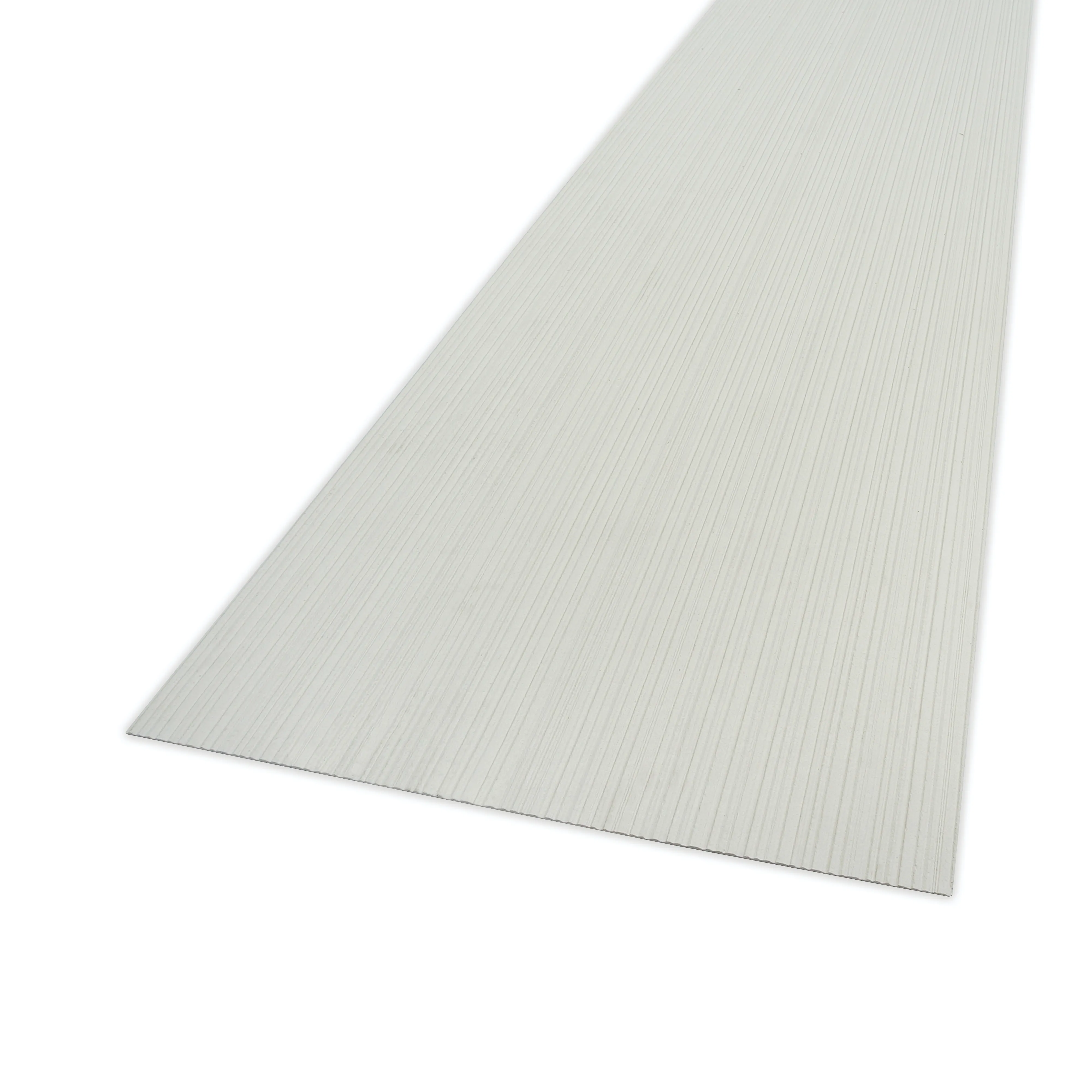
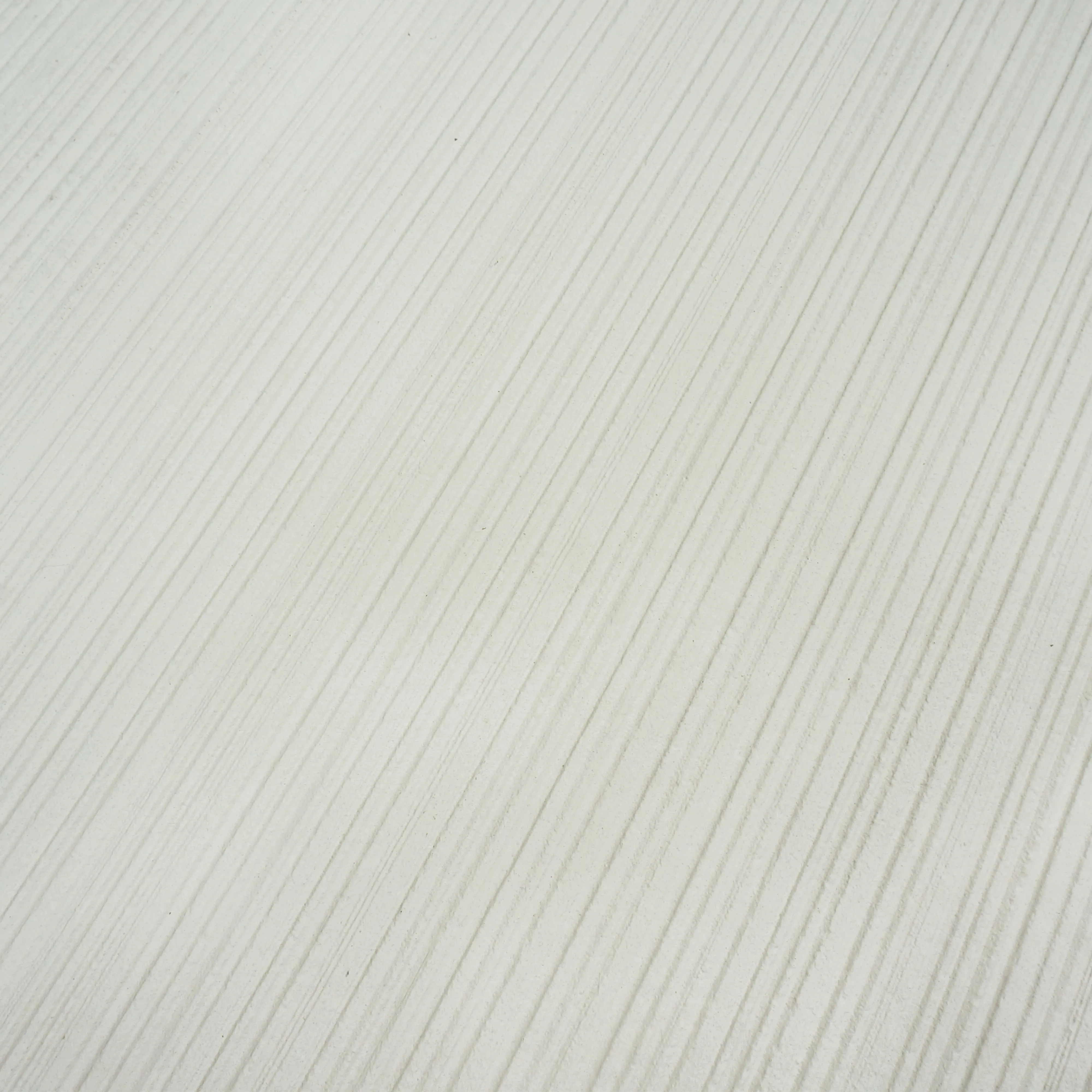
Let's zoom in on Fine Line Stone (White) —the material that stole the spotlight in that Riyadh project. At first glance, its name says it all: "fine lines" refer to the subtle, linear veining that runs through the stone, like brushstrokes of a calligrapher's pen. The white base isn't stark or clinical; it's warm, with undertones of cream that soften under Saudi sunlight, avoiding the harsh glare of pure white. To the untrained eye, it might look like traditional marble, but here's the difference: it's engineered to be Saudi-tough .
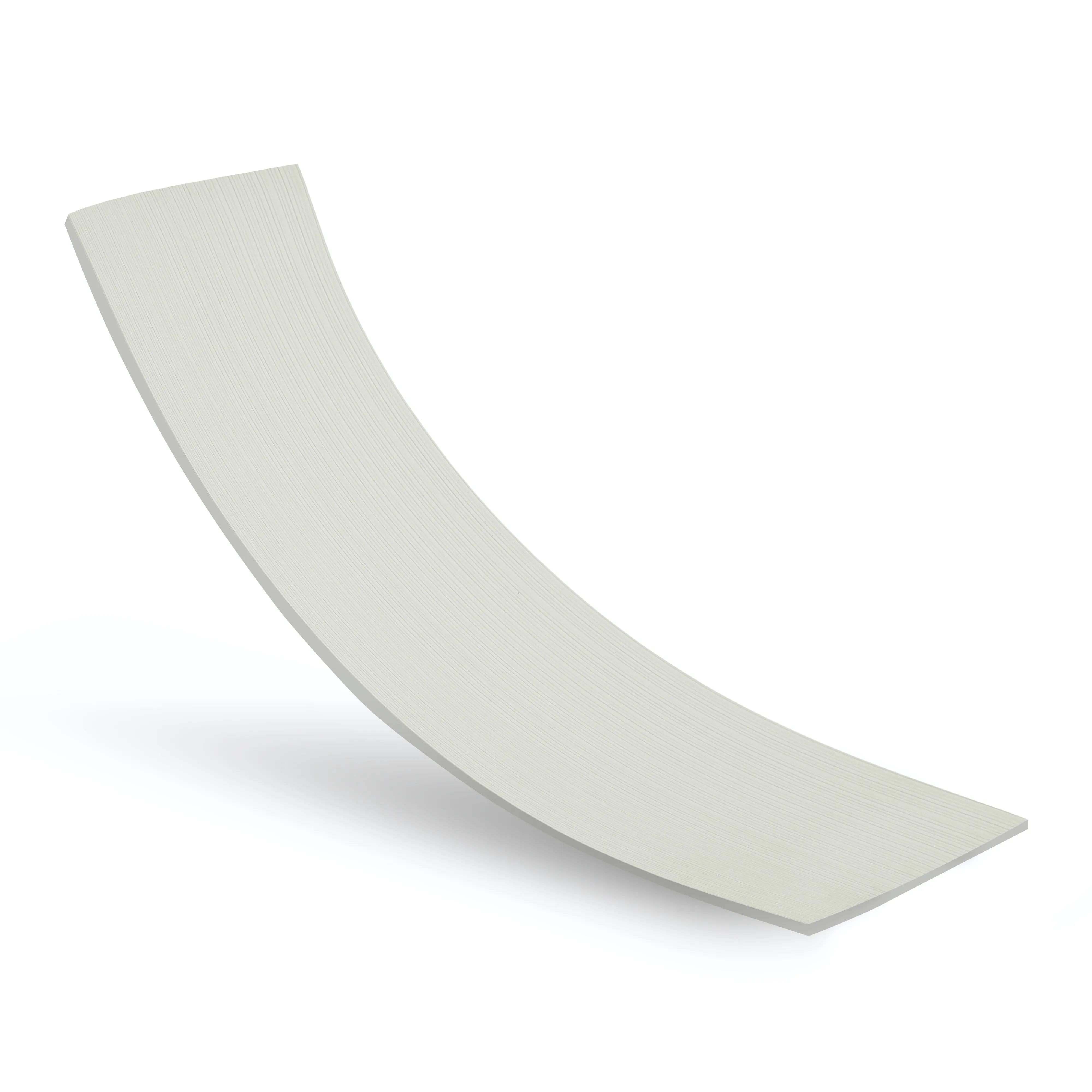
Unlike natural marble, which can etch under acidic rain or fade in UV light, Fine Line Stone (White) is part of COLORIA's MCM 3D Printing Series —a blend of natural stone aggregates and advanced polymers that's 30% lighter than traditional stone, 50% more resistant to thermal expansion (critical in a country where day-night temperatures swing 20°C), and virtually maintenance-free. For the Riyadh project, this meant the facade could feature large, seamless panels (up to 1.2m x 2.4m) without adding stress to the building's structure, while retaining the organic, handcrafted feel the client craved.
But the real "aha" moment came during the design phase. The architect wanted the facade to play with light—shifting from bright and airy at midday to soft and golden at sunset, mirroring the desert's natural color palette. Fine Line Stone (White) delivered: its micro-textured surface scatters sunlight rather than reflecting it, creating a dynamic, ever-changing facade that feels alive. "It's like the building breathes with the desert," the project's lead architect noted during the inauguration. "That's the magic of a material that's not just made for a climate, but inspired by it."
Of course, no project relies on a single material. Fine Line Stone (White) was the star, but it shined brighter thanks to supporting players from COLORIA's localized range. For the building's interior atriums, we recommended Travertine (Starry Blue) —a bold, yet surprisingly versatile choice. Its deep blue base, dotted with mineral "stars," evoked the night sky over the Empty Quarter, adding drama to the lobby without clashing with the facade's white. And because it's part of our MCM Flexible Stone line, installation was a breeze: its flexibility allowed it to curve around the atrium's circular walls, turning a structural constraint into a design highlight.
For the outdoor terrace, where durability was non-negotiable, Lunar Peak Silvery stepped in. With its metallic sheen and rough-hewn texture, it mirrored the moonlit desert landscape, while its composition (a mix of natural stone and fiberglass) made it slip-resistant even during rare rain showers. The client was skeptical at first—"Metallic stone in Riyadh? Won't it look out of place?"—until our local design team created a mock-up, placing samples alongside traditional Najdi pottery and modern art pieces. "It's not just a material," they said. "It's a bridge between the old and the new."
| Material | Local Saudi Advantage | Project Application | Climate Adaptation |
|---|---|---|---|
| Fine Line Stone (White) | Warm white undertones, heat-resistant, low glare | Main facade panels | UV-stable; resists thermal expansion |
| Travertine (Starry Blue) | Evokes desert night skies; cultural resonance | Atrium accent walls | Moisture-resistant (coastal Jeddah-friendly too) |
| Lunar Peak Silvery | Metallic sheen mirrors moonlit desert | Outdoor terrace flooring | Slip-resistant; sandstorm-resistant finish |
| MCM Flexible Stone | Lightweight (ideal for high-rises); customizable | Curved interior walls | Flexible to avoid cracking in temperature swings |
| Fair-Faced Concrete | Minimalist, industrial look; complements local stone | Internal structural columns | Heat-resistant; low maintenance |
In Saudi Arabia, installation isn't just about putting panels on a wall. It's about navigating local regulations, coordinating with Saudi construction crews, and troubleshooting challenges unique to the region (like sand getting into mortar mix or scheduling work around prayer times). COLORIA's local team—based in Jeddah and Riyadh—handles all this, so clients can focus on design, not logistics.
For the Riyadh project, our installation crew arrived two weeks before the scheduled start to conduct a "dry run." They mapped the facade's dimensions using 3D scanning (to account for any structural irregularities common in high-rise construction), trained the local labor team on handling Fine Line Stone (White) (it's lightweight, but requires specific lifting techniques to avoid chipping), and even sourced local materials for the adhesive (reducing lead times and supporting Saudi suppliers). When a sandstorm hit midway through installation, our team pivoted quickly, covering installed panels with protective sheets and adjusting the schedule to work early mornings/late afternoons—ensuring no delays, and no compromise on quality.
"We've worked with international suppliers before," the project manager told us, "but none stayed on-site daily, checking every panel's alignment under the sun. COLORIA didn't just deliver materials—they delivered a partner who cared as much about the project's success as we did."
At the end of the day, Saudi Arabia doesn't need another supplier. It needs partners who listen. When we launched here five years ago, we made a promise: we'd treat every project like it's our own neighborhood. That means maintaining a local warehouse in Dammam (so materials arrive in days, not weeks), hiring Saudi engineers to lead our technical team, and investing in R&D that focuses on regional needs (like developing Fair-Faced Concrete formulas that withstand Saudi humidity). It means celebrating small wins with clients—like the first time the sun hits a Fine Line Stone (White) facade and turns it into a golden glow—and problem-solving late nights when a design tweak is needed.
For us, Fine Line Stone (White) isn't just a product. It's a symbol of what happens when global expertise meets local heart. It's proof that in Saudi Arabia, the most beautiful buildings aren't just built—they're crafted , with materials that understand the land, the people, and the stories they want to tell.
Whether you're designing a hotel in Al Ula that blends with the ancient rock formations, a residential complex in Dhahran that feels like home, or a commercial space in Riyadh that stands out in the skyline, COLORIA is here—locally. Our doors in Riyadh and Jeddah are open for material samples, design consultations, and even site visits. Because in Saudi Arabia, great buildings start with great conversations. And we're all ears.
Let's build something that makes Saudi Arabia proud—together.
Recommend Products












