
When a designer's vision outgrows the limits of generic materials, COLORIA's innovative MCM series steps in—turning texture, sustainability, and storytelling into tangible, touchable surfaces.
Emma, an interior designer with a penchant for weaving narratives into spaces, stared at her screen, frustration mounting. She was deep into a boutique hotel project—a 1920s-era building in the heart of the city, where every corner screamed for a blend of old-world charm and modern edge. The client wanted walls that felt like "whispers of history," countertops that "invited touch," and a lobby that "stopped guests in their tracks." But the materials she'd sampled? Flat. Predictable. They didn't breathe .
"Stone is too heavy, concrete feels cold, wood lacks durability," she muttered, scrolling through yet another catalog of generic marble slabs. "Why can't there be something that's both unique and practical? Something that lets me design, not just decorate?"
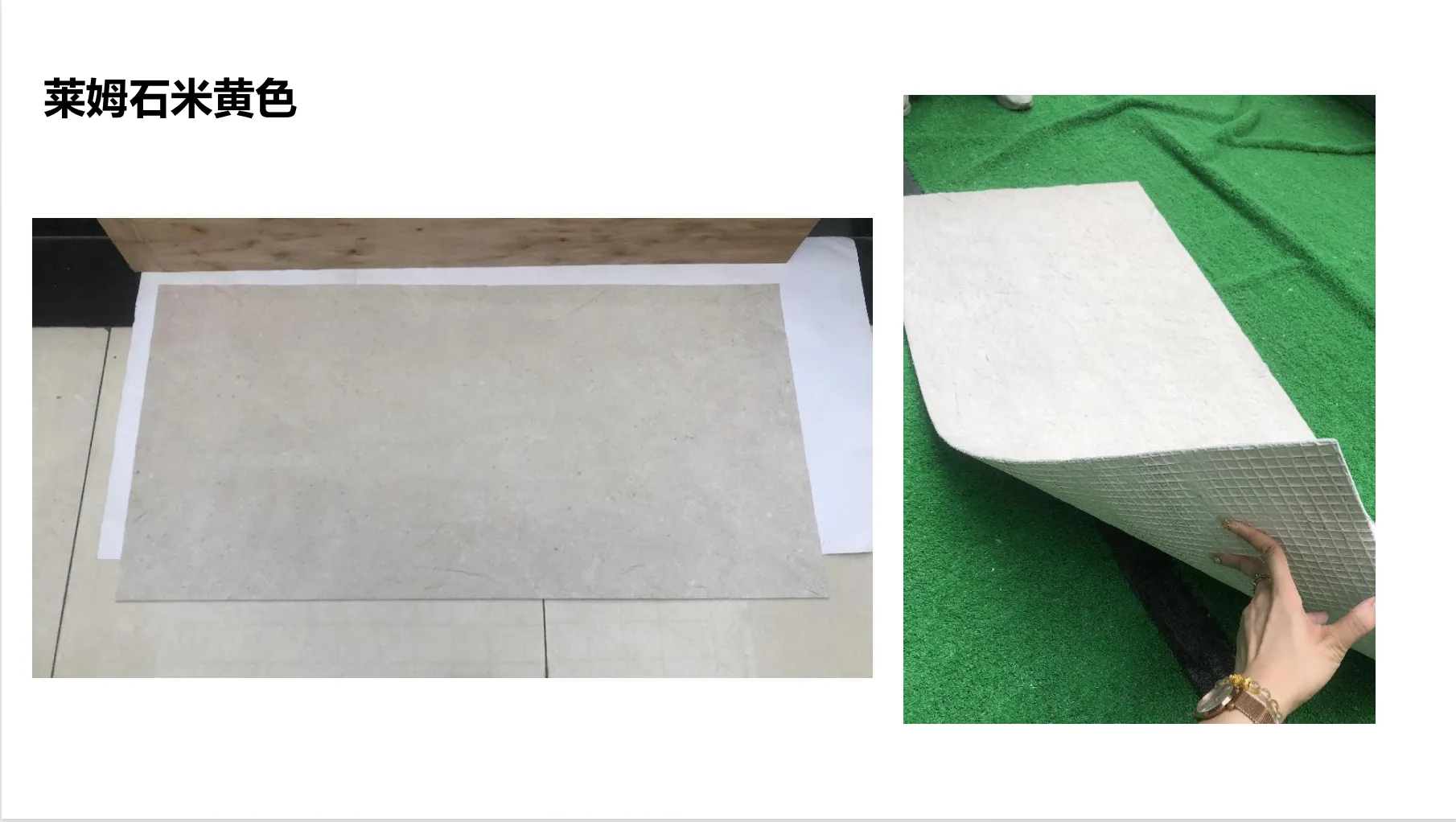
That's when a colleague mentioned COLORIA. "Their MCM 3D Printing Series isn't just about materials," they said. "It's about possibility ." Intrigued, Emma clicked through to their portfolio—and found herself leaning closer, her frustration melting into curiosity. There, on her screen, was a lime stone (beige) wall that looked like it had been carved by time itself, its 3D-printed texture mimicking the gentle weathering of a centuries-old courtyard. "This," she thought, "is how stories get told."
COLORIA's MCM 3D Printing Series isn't your average manufacturing process. It's a marriage of cutting-edge 3D printing technology and artisanal craftsmanship, allowing for patterns and textures so precise, they feel almost organic. Unlike traditional stone or concrete, which often locks designers into rigid, mass-produced looks, this series bends to the vision—whether you're craving the pockmarked charm of ancient travertine, the smooth flow of a riverbed, or something entirely custom.
Take the lime stone (beige) that caught Emma's eye. At first glance, it's easy to mistake it for quarried stone, with its soft, warm hue and subtle veining that seems to shift in different light. But run a hand over it, and you'll notice the difference: a texture that's tactile yet refined, with none of the weight or fragility of natural stone. "It's like holding a piece of history that's been reimagined for today," Emma later told her team, after receiving a sample. "The 3D printing lets us dial in the exact level of 'weathering'—so we can make a new wall feel like it's been part of the building for decades, without the hassle of sourcing reclaimed materials."
But what truly sets this series apart is customization. Want a pattern that mirrors the constellations for a rooftop bar? Done. Need a texture that mimics the ripples of a local lake for a resort lobby? Consider it created. The 3D printing process allows for intricate, one-of-a-kind designs that would be impossible (or prohibitively expensive) with traditional methods. And because it's made from modified composite materials (MCM), it's lightweight—cutting installation time and structural stress—yet durable enough to stand up to high-traffic areas. For Emma's hotel, that meant she could line the lobby walls with the lime stone (beige) without worrying about reinforcing the floors, and even extend the design to curved surfaces, like the hotel's sweeping staircase, without cracking or warping.
Emma's project needed more than just walls, though. The hotel's rooftop bar, with its curved, cantilevered ceiling, called for a material that could follow the architecture's fluid lines. Traditional stone would have required heavy supports and careful cutting; drywall felt too flimsy. Enter COLORIA's flexible stone —a game-changer for designers working with non-linear spaces.
"Flexible stone is like stone with a secret," Emma laughed, recalling the first time she bent a sample sheet. "It's thin, lightweight, and yet it has the look and feel of real stone. We wrapped it around the bar's curved overhead beam, and it looks seamless—like the stone itself flowed into place." Unlike rigid materials, flexible stone bends up to 90 degrees, making it ideal for accent walls, column wraps, or even furniture pieces. And because it's made with recycled stone particles and eco-friendly binders, it checks the sustainability box too—a priority for Emma's client, who wanted the hotel to feel luxurious without leaving a heavy environmental footprint.
Not every space calls for intricate patterns. Sometimes, the most powerful statement is in simplicity. That's where COLORIA's fair-faced concrete comes in. Stripped of excess, it celebrates the material's natural gray tones and subtle variations, bringing an industrial-chic warmth to interiors. Emma used it in the hotel's restaurant, pairing it with warm wood accents and soft lighting. "It's not 'cold' concrete," she explained. "The 3D printing lets us add a gentle texture—like the surface of a weathered sidewalk—so it feels grounded, not stark. Guests run their hands over it, surprised by how inviting it is."
For the guest rooms, she turned to wood grain board —a material that captures the warmth of wood without the maintenance headaches. "Real wood warps, stains, fades," Emma said. "But this? It has the exact grain pattern of oak, but it's water-resistant and scratch-proof. We used it for headboards and accent walls, and it feels like a cozy cabin retreat, even in the middle of the city." The 3D printing process here mimics the unique knots and grain variations of natural wood, so no two panels are identical—adding that "handmade" touch guests crave.
To help designers like Emma navigate the options, here's a snapshot of how these materials stack up—each with its own superpower, each ready to turn a vision into reality:
| Material | Texture & Feel | Best For | Sustainability | Customization Level |
|---|---|---|---|---|
| Lime Stone (Beige) | Warm, weathered texture with soft veining; smooth to the touch with subtle depth. | Feature walls, lobby accents, heritage-inspired spaces. | Recycled stone particles; low carbon footprint. | High—adjustable weathering, vein patterns, and color intensity. |
| Flexible Stone | Realistic stone texture; thin and bendable, yet rigid enough for structural use. | Curved surfaces, column wraps, furniture details. | Recycled materials; lightweight design reduces transport emissions. | Medium—choose from preset stone patterns (travertine, slate) or custom textures. |
| Fair-Faced Concrete | Minimalist gray with subtle, organic texture; matte finish. | Restaurants, offices, industrial-chic interiors. | Low water usage in production; locally sourced aggregates. | Medium—adjust texture coarseness and color tone (light to dark gray). |
| Wood Grain Board | Hyper-realistic wood grain; smooth with a slight tactile grain. | Guest rooms, headboards, accent walls, retail spaces. | Recycled wood fibers; formaldehyde-free binders. | High—choose wood species (oak, walnut, pine) and grain direction. |
Months later, Emma stood in the hotel's lobby, watching guests react to the lime stone (beige) wall. A couple ran their fingers over its texture, debating whether it was "old" or "new." A business traveler paused, phone in hand, snapping a photo. "This is what I wanted," she thought. "Not just a pretty space, but one that interacts with people."
COLORIA's MCM 3D Printing Series isn't just about creating surfaces—it's about creating connections. Whether it's the warmth of lime stone (beige), the adaptability of flexible stone, the simplicity of fair-faced concrete, or the nostalgia of wood grain board, these materials don't just fill a space—they define it. They turn "rooms" into stories, and "design" into something that lingers in the mind long after the visit.
For Emma, the takeaway was clear: "Materials shouldn't limit your vision. They should unlock it. With COLORIA, I didn't just find a supplier—I found a partner in storytelling."
Recommend Products












