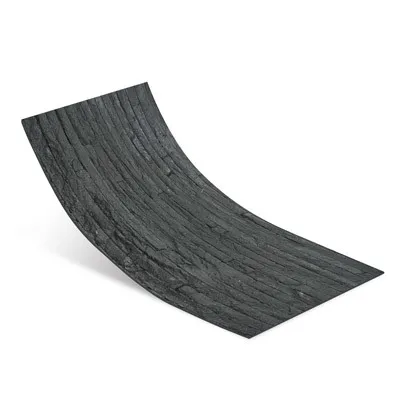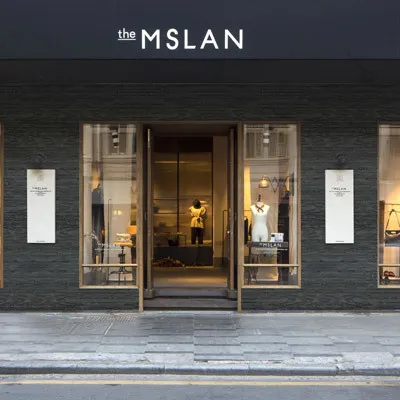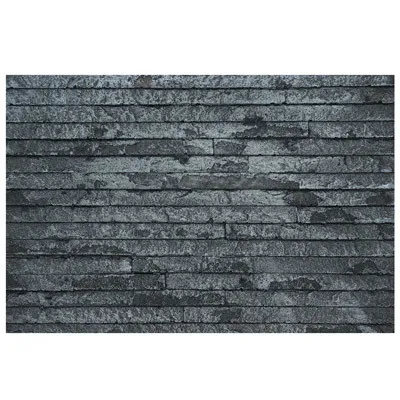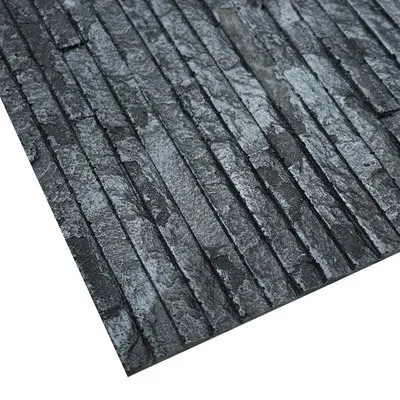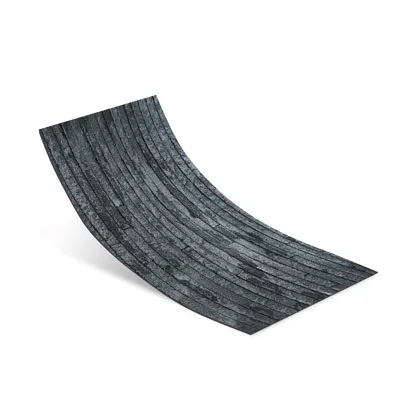
Let's start with the basics: MCM stands for Modified Composite Material, a technology that's been quietly revolutionizing the construction industry over the past decade. Unlike traditional natural stone, which is quarried, cut, and shipped with heavy environmental costs, MCM products like COLORIA's Dark Grey Muretto Stone are engineered to mimic the look and feel of natural materials—without the ecological footprint. Think of it as nature's beauty, reimagined through science and sustainability.
Dark Grey Muretto Stone, in particular, is a love letter to the weathered, textured walls of European villages—those charming, timeworn facades that tell stories of centuries gone by. The "muretto" in its name comes from the Italian word for "small wall," evoking images of cozy cottages in Tuscany or stone-lined alleyways in the south of France. But here's the twist: COLORIA's version isn't chiseled from a mountainside. Instead, it's crafted from a blend of recycled minerals, polymers, and natural fibers, all bonded together through a low-energy manufacturing process. The result? A panel that looks like it's been aged by wind and rain, but was actually born in a facility designed to minimize waste and emissions.
"We wanted to capture that 'lived-in' character of old stone," says Elena Marini, COLORIA's lead product designer, in a recent interview. "But we also knew we couldn't ignore the fact that traditional quarrying is hard on the planet. Quarries disrupt ecosystems, consume massive amounts of water, and generate tons of waste. With MCM, we're not just copying the look—we're preserving the essence of that beauty while treading lighter."
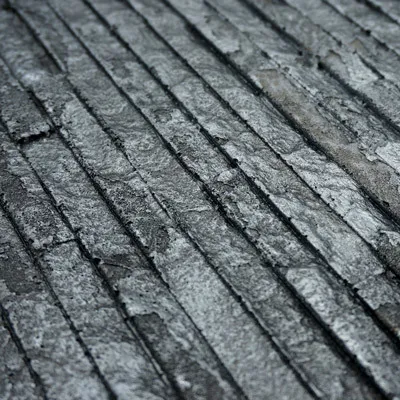
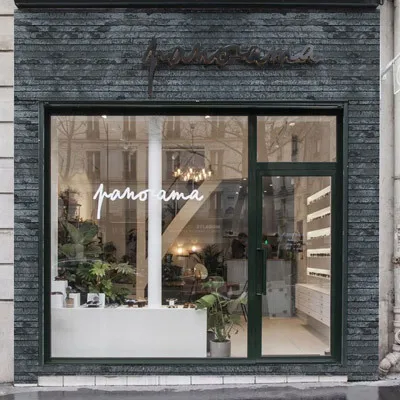
So, what does Dark Grey Muretto Stone actually feel like? Run your hand over its surface, and you'll notice the subtle texture—small, irregular indentations that mimic the natural pitting of aged limestone. The color is a deep, moody grey, with hints of charcoal and soft taupe that shift depending on the light. It's versatile, too: use it on an exterior wall to add gravitas to a commercial building, or line an interior accent wall in a home to create a focal point that feels both rustic and refined. But the real magic isn't in how it looks—it's in how it's made.