
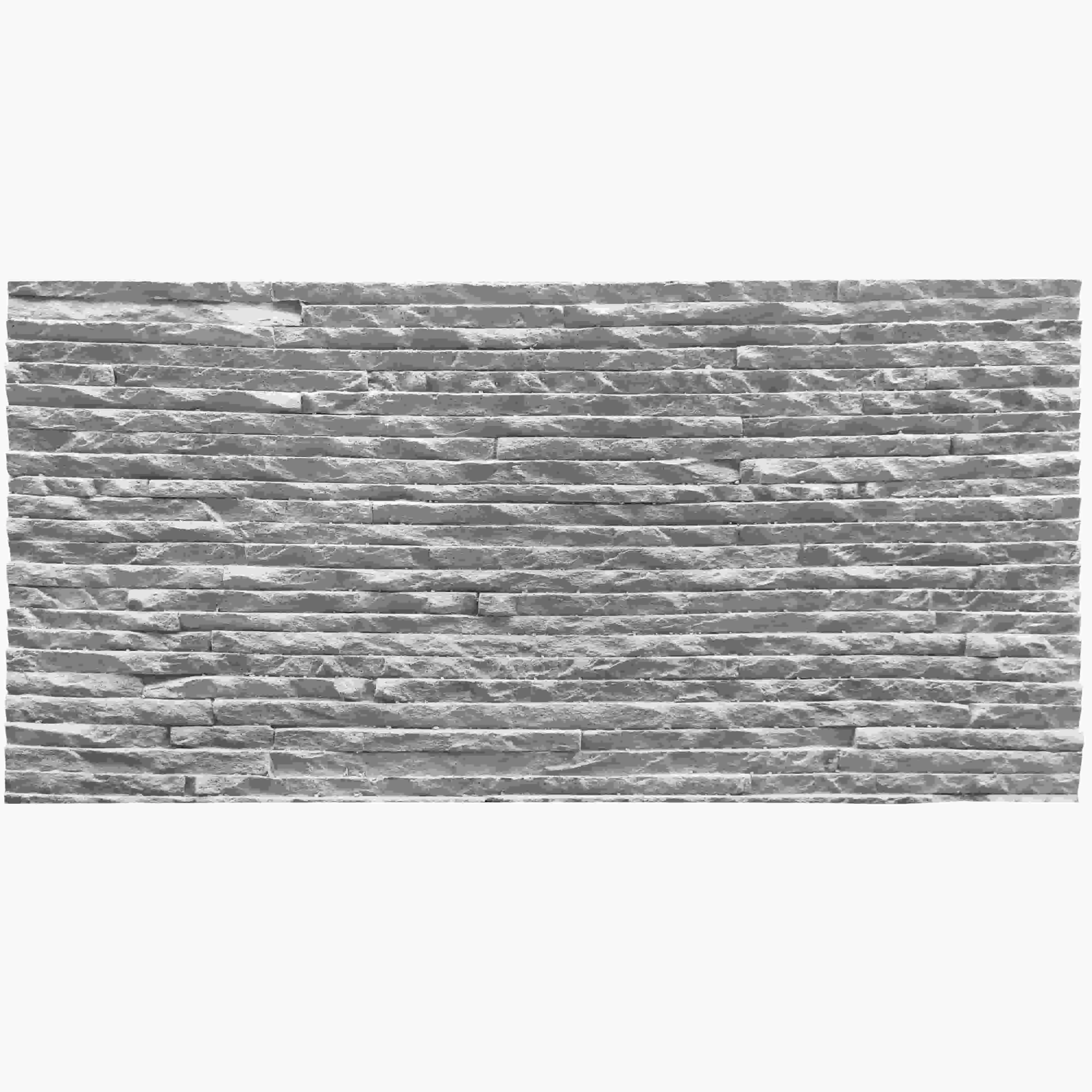
Imagine standing in a sunlit room where the walls seem to breathe—warm, textured, and alive with subtle depth. Your hand reaches out, and instead of the cold smoothness of generic drywall, you feel something different: a surface that's both sturdy and surprisingly gentle, like a weathered stone that's been kissed by time but still holds the freshness of modern craft. That's the first impression people get when they touch COLORIA's Muretto Stone (Light Grey). It's not just a building material; it's a story etched in stone—one that began decades ago and continues to unfold in the hands of architects, designers, and homeowners who refuse to settle for ordinary.
To understand Muretto Stone (Light Grey), you have to start with COLORIA itself. This isn't a brand that popped up overnight with a flashy marketing campaign. It's a family of craftsmen, engineers, and dreamers who've spent over 40 years obsessing over one thing: how to turn raw materials into something that feels human . Back in the 1980s, when the construction industry was leaning hard into cold, industrial materials like fair-faced concrete, COLORIA's founders asked a radical question: What if building materials could have soul?
They started small, experimenting with traditional stone-cutting techniques in a tiny workshop in northern Italy. But as the years passed, they realized that tradition alone wasn't enough. Modern buildings needed materials that were durable, lightweight, and adaptable—qualities that rigid natural stone often lacked. That's when they began blending age-old craftsmanship with cutting-edge technology, creating what would later be called "flexible stone"—a material that bends without breaking, mimics the look of natural stone, and installs with the ease of a panel.
Muretto Stone (Light Grey) was born from this philosophy. It's named after the Italian word "muretto," meaning "little wall"—a nod to the material's ability to transform even the smallest spaces into something memorable. But make no mistake: there's nothing "little" about the thought that went into it. Every slab is a result of decades of trial and error, of late nights in the lab testing durability, of designers debating the perfect shade of grey until the early hours.
What does it feel like? Run your fingers across Muretto Stone (Light Grey), and you'll notice a texture that's neither too rough nor too smooth. It has the subtle grain of hewn stone, with tiny indentations that catch the light and create depth. Press your palm against it, and it doesn't feel cold like marble or plastic—it has a warmth to it, as if it's been absorbing sunlight for years. It's the kind of texture that makes you want to touch it again, just to be sure it's real.
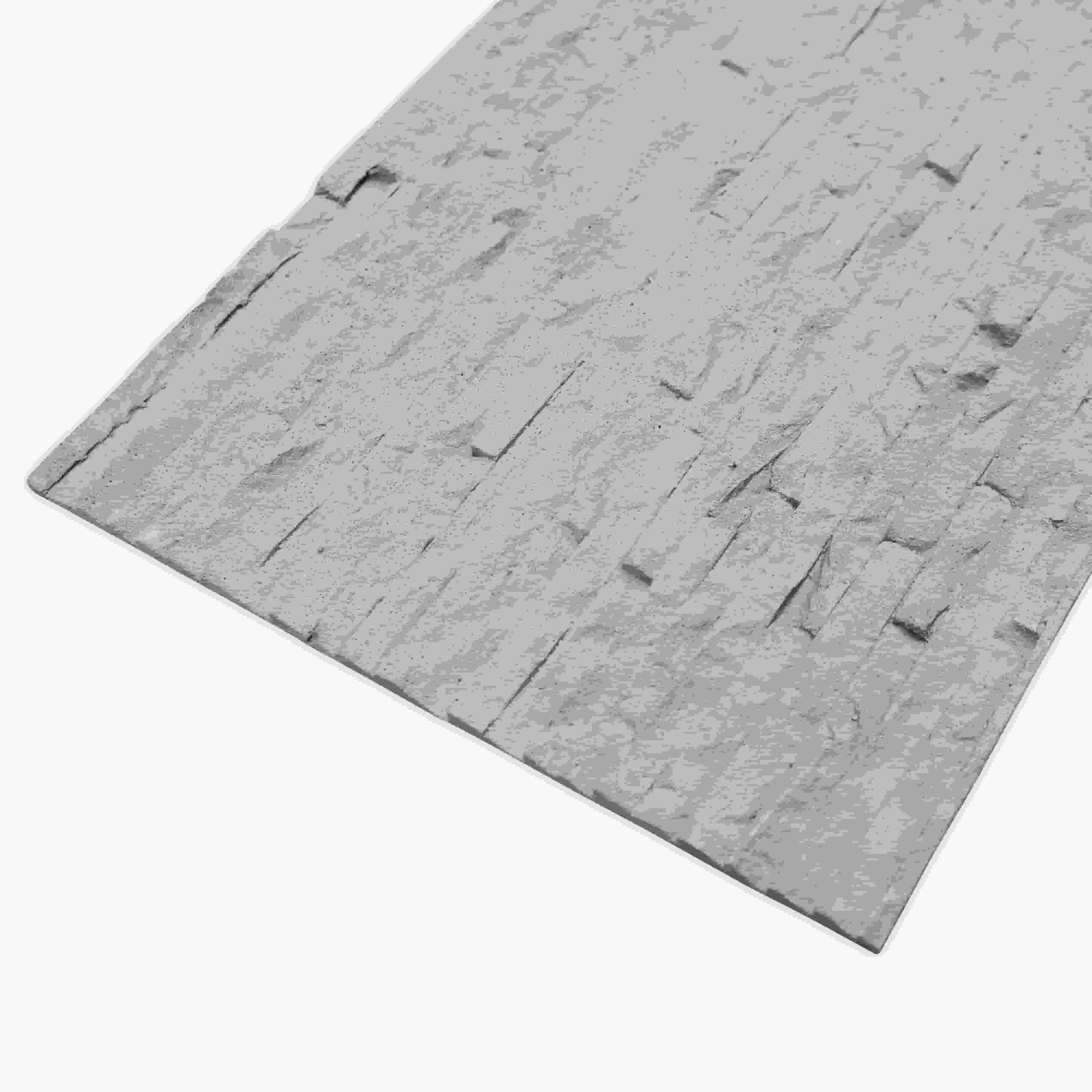
So, what exactly makes Muretto Stone (Light Grey) different from other grey building materials on the market? Let's break it down. First, there's the composition. Unlike cheap imitations that use a lot of resin to bind particles together, COLORIA starts with high-quality natural stone aggregates—crushed travertine, limestone, and dolomite—sourced from quarries in Tuscany and the Alps. These aggregates are mixed with a proprietary blend of polymers that give the stone its flexibility (yes, it can bend up to 12 degrees without cracking) and its resistance to moisture, fire, and UV rays.
But the real magic is in the finishing. Each slab of Muretto Stone (Light Grey) is hand-finished by artisans who've trained for years to perfect their craft. They use traditional tools—chisels, sanders, even old-fashioned wire brushes—to create that signature texture. It's a slow process, but that's the point. COLORIA could automate it, sure, but they refuse. "Machines make perfect, but humans make character ," says Marco Rossi, the master craftsman who oversees the finishing department. "A machine might create a uniform texture, but a human eye notices when a slab needs a little more sanding here, a deeper indent there. That's the difference between a product and a masterpiece."
Durability is another non-negotiable. Muretto Stone (Light Grey) isn't just pretty—it's built to last. It's resistant to scratches (no more panicking when you drag a chair across a wall), stains (red wine? Coffee? Wipe it off with a cloth), and even extreme weather. In testing, it's withstood temperatures from -20°C to 60°C without warping, and it's been exposed to salt spray for 500 hours (the equivalent of 20 years by the ocean) with zero signs of corrosion. For architects designing coastal homes or commercial buildings in harsh climates, that's a game-changer.
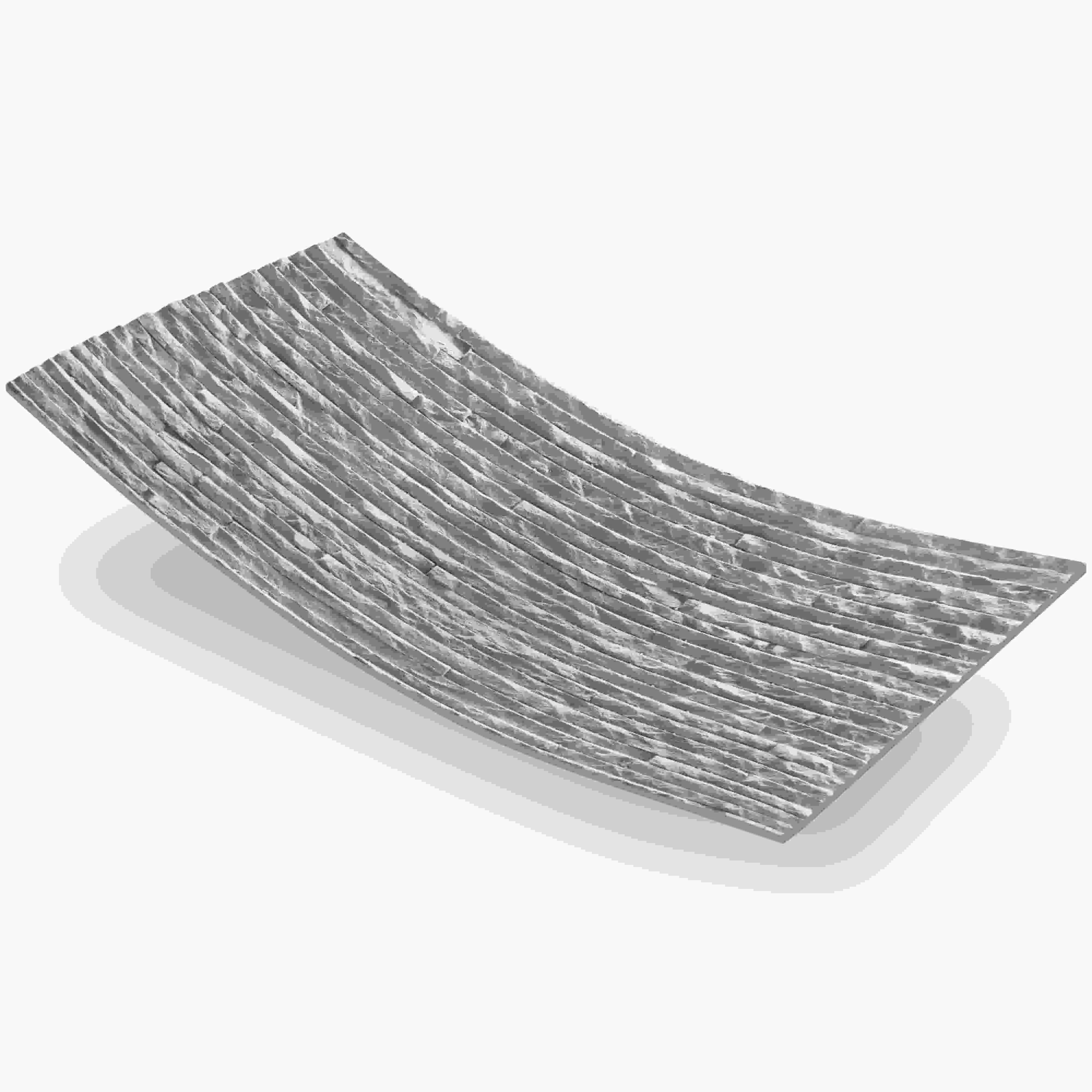
And let's talk about weight. Traditional stone slabs can weigh upwards of 50kg per square meter, making installation a nightmare. Muretto Stone (Light Grey)? Just 8kg per square meter. That means it can be installed on walls, ceilings, even curved surfaces without the need for heavy-duty structural support. It's a detail that makes contractors breathe easier—and designers cheer, because suddenly, impossible ideas (like a curved accent wall in a boutique) become possible.
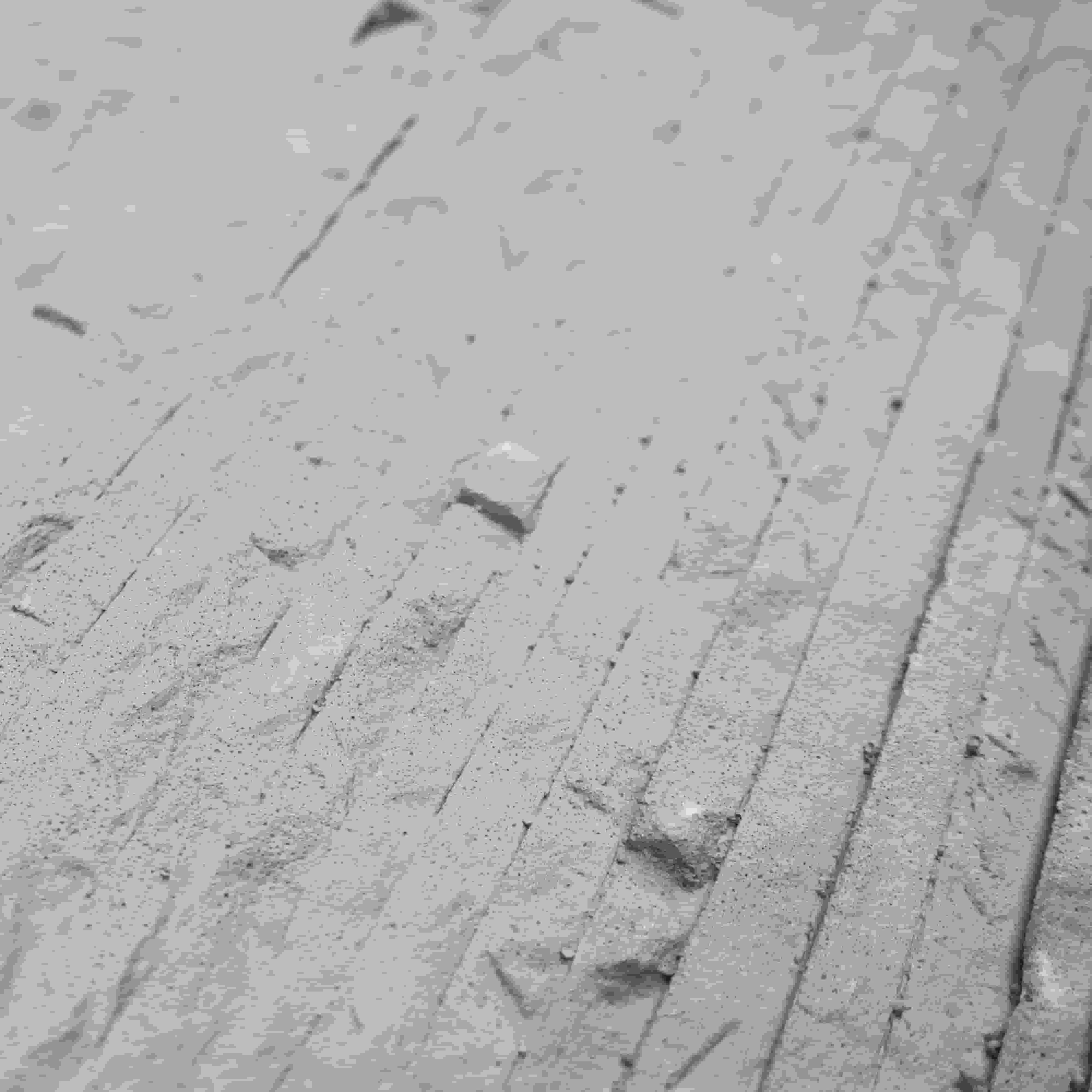
You might be wondering: with so many colors to choose from—why light grey? It's a question COLORIA's design team gets asked all the time. The answer lies in the psychology of color, especially in architecture. Light grey is often called the "neutral chameleon" because it adapts to its surroundings. In a bright, sunlit room, it takes on warm, golden undertones. In a cozy, dimly lit space, it softens, creating a calm, almost intimate vibe. It pairs effortlessly with bold colors (think a red sofa against a Muretto Stone wall) or other neutrals (ivory, beige, black), making it a favorite among designers who hate being boxed into a single style.
But there's more to it than versatility. Light grey also has a timelessness that trends can't touch. Unlike bold hues that feel fresh one year and dated the next, light grey has been a staple in architecture for centuries—from the stone cottages of the English countryside to the modernist buildings of the 20th century. It's a color that says, "I'm here to stay." And in a world where everything feels temporary, that's a powerful statement.
COLORIA's designers also knew that light grey would highlight the material's texture. A darker color might hide the subtle grain and indentations that make Muretto Stone special, but light grey amplifies them. When the sun hits a wall of Muretto Stone (Light Grey) in the morning, the shadows dance across its surface, creating a dynamic, ever-changing pattern. It's like having a piece of art that's never the same twice.
To truly appreciate Muretto Stone (Light Grey), it helps to see how it compares to other popular building materials. Let's take a look at three common alternatives: fair-faced concrete, epoch stone, and lunar peak silvery.
| Feature | Muretto Stone (Light Grey) | Fair-Faced Concrete | Epoch Stone | Lunar Peak Silvery |
|---|---|---|---|---|
| Texture | Warm, hewn-stone grain with subtle indentations | Industrial, smooth or rough (but often uniform) | Bold, geometric patterns (great for modern designs) | Metallic sheen with a smooth, almost iridescent finish |
| Durability | Resistant to scratches, stains, UV rays, and extreme weather | Durable but prone to cracking if not sealed properly | Highly durable but heavier (harder to install on ceilings) | Scratch-resistant but may fade in direct sunlight over time |
| Installation | Lightweight (8kg/m²), flexible, can be installed on curved surfaces | Heavy (20kg/m²), requires structural support | Moderate weight (15kg/m²), rigid (no curves) | Lightweight (10kg/m²) but less flexible than Muretto |
| Aesthetic Versatility | Fits traditional, modern, industrial, and coastal styles | Best for industrial or minimalist designs | Ideal for bold, contemporary spaces | Perfect for high-end, futuristic or metallic-themed designs |
| Warmth | Warm, inviting, feels "lived-in" | Cool, industrial, can feel sterile | Neutral, but less warm than Muretto | Cool, metallic, adds a sleek edge |
As the table shows, Muretto Stone (Light Grey) isn't just another option—it's a balance of the best qualities of other materials. It has the durability of epoch stone, the versatility of fair-faced concrete, and the modern appeal of lunar peak silvery, but with an added warmth that makes spaces feel less like buildings and more like homes.
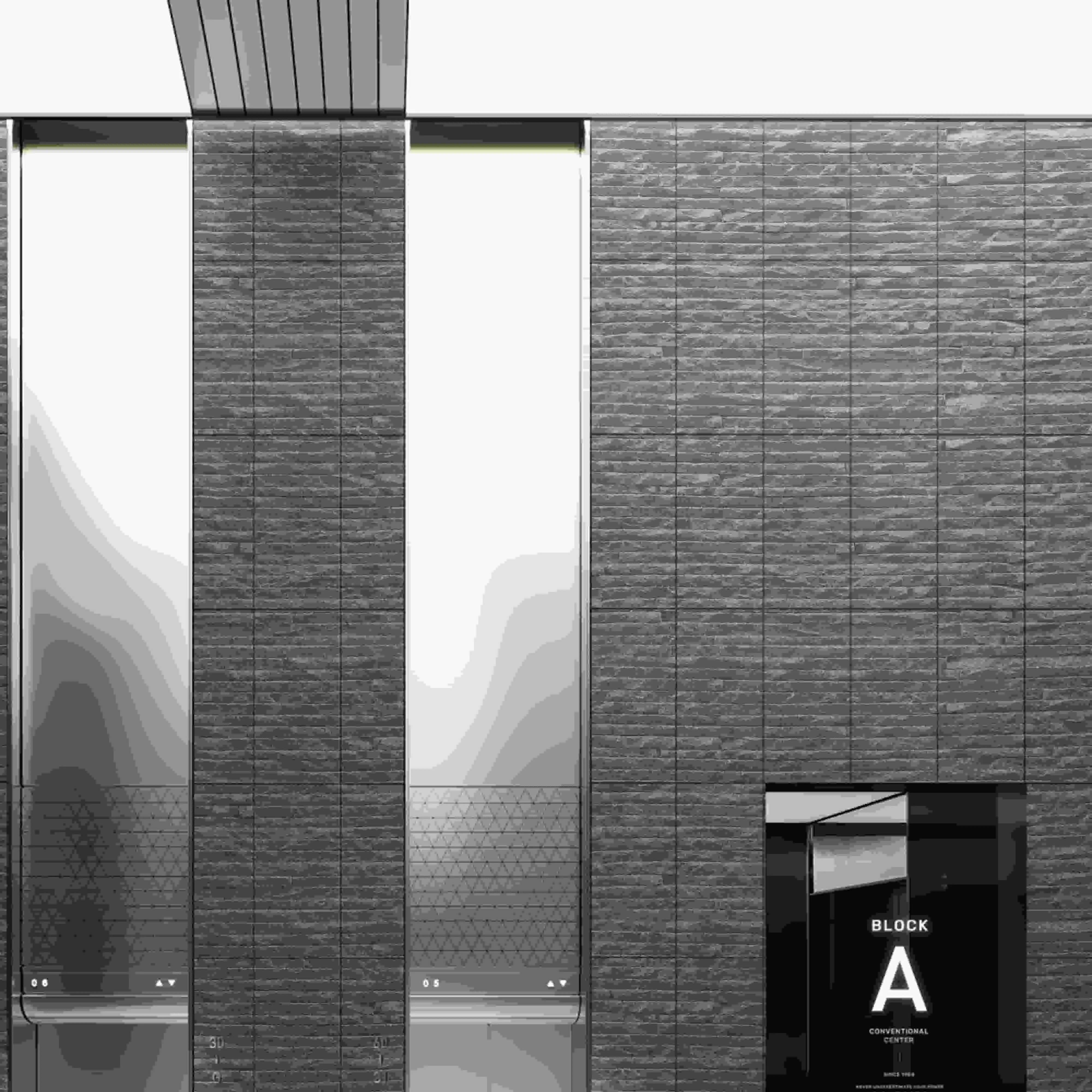
Muretto Stone (Light Grey) isn't picky about where it lives. It's equally at home in a bustling restaurant as it is in a quiet bedroom. Let's take a look at some real-world examples of how designers have used it.
Walk into "Bloom," a popular café in downtown Chicago, and the first thing you'll notice is the back wall—a sweeping curve of Muretto Stone (Light Grey) that wraps around the bar. The owner, Maria, wanted a space that felt "rustic but not cliché," and Muretto delivered. "We had originally considered fair-faced concrete," she says, "but it felt too cold. Muretto has this warmth that makes customers want to stay longer. Plus, when we spill coffee on it? Wipes right off. I don't know how we ever managed with tile."
It's not just cafés, either. Muretto Stone (Light Grey) has been used in hotels (the lobby of the Ace Hotel in Portland features it on the reception desk), retail stores (a luxury shoe brand in Tokyo used it for their fitting rooms, citing its "understated elegance"), and even offices. A tech startup in San Francisco replaced their boring white drywall with Muretto Stone walls in their breakout areas, and employees reported feeling "more creative" and "less stressed" in the space. Who knew a wall could boost morale?
In residential settings, Muretto Stone (Light Grey) shines in unexpected places. Take the kitchen, for example. Traditional backsplashes are often tile or marble, but Muretto offers something different. Sarah, a homeowner in Boston, installed it behind her stove, and she hasn't looked back. "Marble stains so easily, and tile grout gets gross. Muretto? I've had tomato sauce splatter on it, and it cleans up with a sponge. Plus, the texture adds so much character—my kitchen doesn't feel like every other kitchen on Pinterest."
Outdoor spaces love Muretto too. A couple in Colorado used it to clad their patio walls, and now they host summer barbecues without worrying about rain or snow damaging the material. "We live in the mountains, so we get extreme weather," says Mark, the homeowner. "Last winter, we had a blizzard with 50mph winds, and the Muretto walls didn't budge. They still look as good as the day they were installed."
These days, "sustainable" isn't just a buzzword—it's a requirement. And Muretto Stone (Light Grey) checks that box, too. COLORIA is committed to reducing its environmental footprint, and it shows in every step of the manufacturing process. For starters, the stone aggregates used in Muretto are sourced from quarries that follow strict ethical and environmental standards—no clear-cutting forests or damaging ecosystems. The water used in production is recycled (over 90% of it), and the polymers in the flexible stone blend are low-VOC, meaning they don't release harmful chemicals into the air.
But the real sustainability win is Muretto's longevity. A wall clad in Muretto Stone (Light Grey) won't need to be replaced for decades, unlike paint (which fades every 5-7 years) or wallpaper (which peels and tears). That means less waste in landfills and fewer resources used over time. Plus, because it's lightweight, transporting Muretto requires less fuel than hauling heavy natural stone—a small detail that adds up to big reductions in carbon emissions.
COLORIA also offers a take-back program for old Muretto panels, ensuring they're recycled into new materials instead of ending up in dumps. It's a commitment that has earned them certifications from organizations like LEED and the Green Building Council—credentials that matter to eco-conscious designers and homeowners.
"Sustainability isn't about being perfect," says Elena, COLORIA's sustainability director. "It's about asking, 'How can we do better?' With Muretto, we've cut our carbon emissions by 30% compared to our first stone panels, and we're always looking for ways to do more. Because at the end of the day, a building material should last longer than the trend it's part of—and it shouldn't harm the planet in the process."
As COLORIA looks to the future, they're not resting on their laurels. They're already experimenting with new finishes (a "matte metallic" version of Muretto is in the works) and even smarter technology (imagine a Muretto panel that can absorb sound, making it perfect for home theaters). But one thing will never change: the commitment to craftsmanship that started decades ago.
Muretto Stone (Light Grey) is more than a product. It's a testament to what happens when you blend passion with patience, tradition with innovation. It's for the designer who wants to create spaces that feel alive, the homeowner who refuses to compromise on quality, and the builder who knows that the best materials are the ones that tell a story.
So the next time you walk into a room and find yourself drawn to the wall—touching it, admiring its texture, wondering what it's made of—chances are, it's Muretto Stone (Light Grey). And in that moment, you're not just looking at a wall. You're feeling decades of experience, one slab at a time.
Recommend Products












