
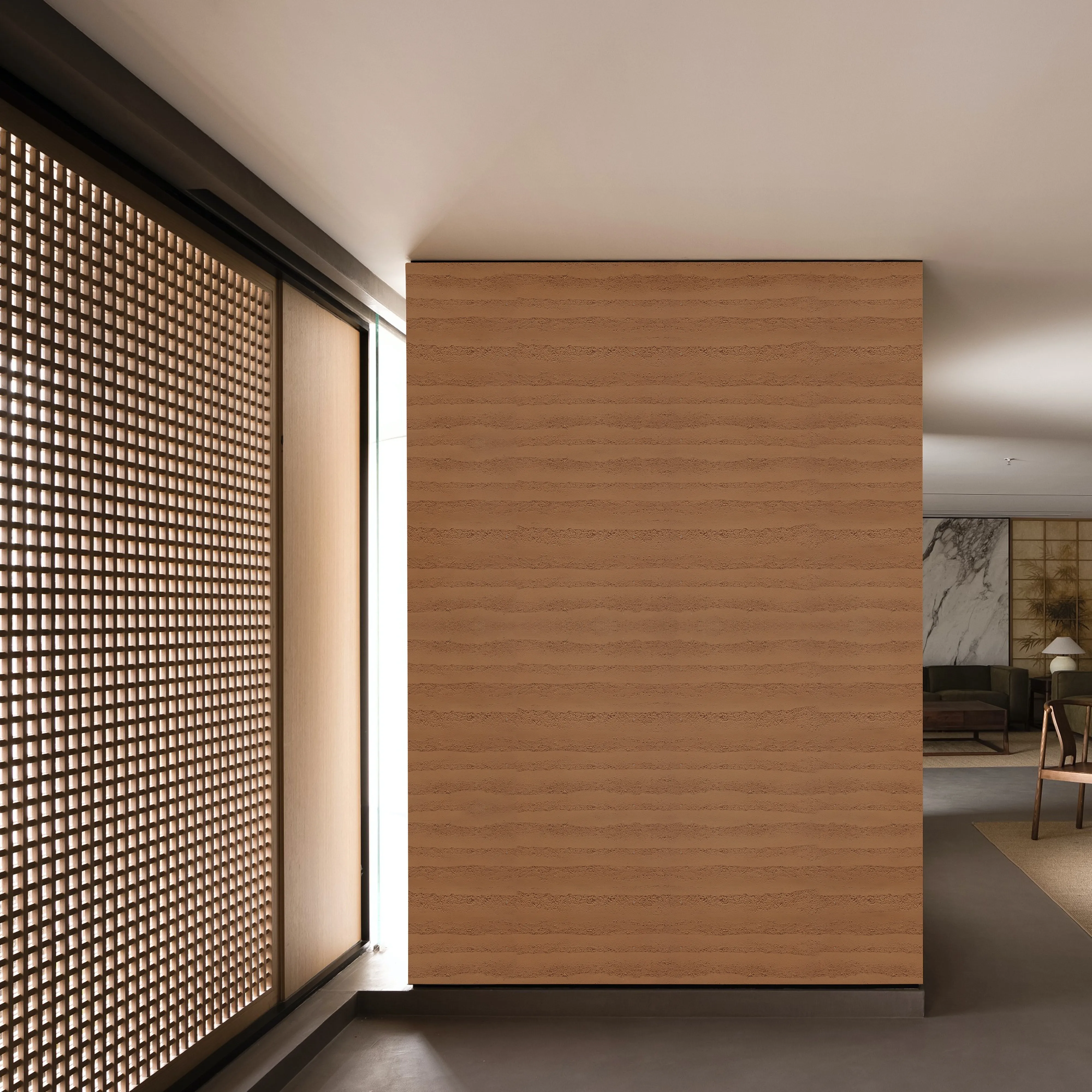
There's something inherently grounding about materials that feel connected to the earth. Walk into a room lined with natural stone or wood, and you immediately sense a shift—walls that don't just enclose space, but breathe with it. That's the magic at the heart of COLORIA's Khaki Rammed Earth Board, a material that's not just redefining architectural aesthetics, but bridging continents, cultures, and design philosophies. From the sun-dappled hills of Tuscany to the desert landscapes of Oman, this humble yet striking material is leaving its mark on some of the world's most captivating buildings. Let's take a journey through its story—how it's made, where it's been, and why it's becoming a staple for architects and designers worldwide.
Rammed earth isn't new. For centuries, civilizations from China to Africa have used this technique to build homes, temples, and fortresses—structures that have stood the test of time. But traditional rammed earth has its limitations: it's heavy, labor-intensive, and often confined to on-site construction. COLORIA set out to reimagine this ancient material for the modern world, and the result is their Khaki Rammed Earth Board—a lightweight, precast panel that marries tradition with innovation.
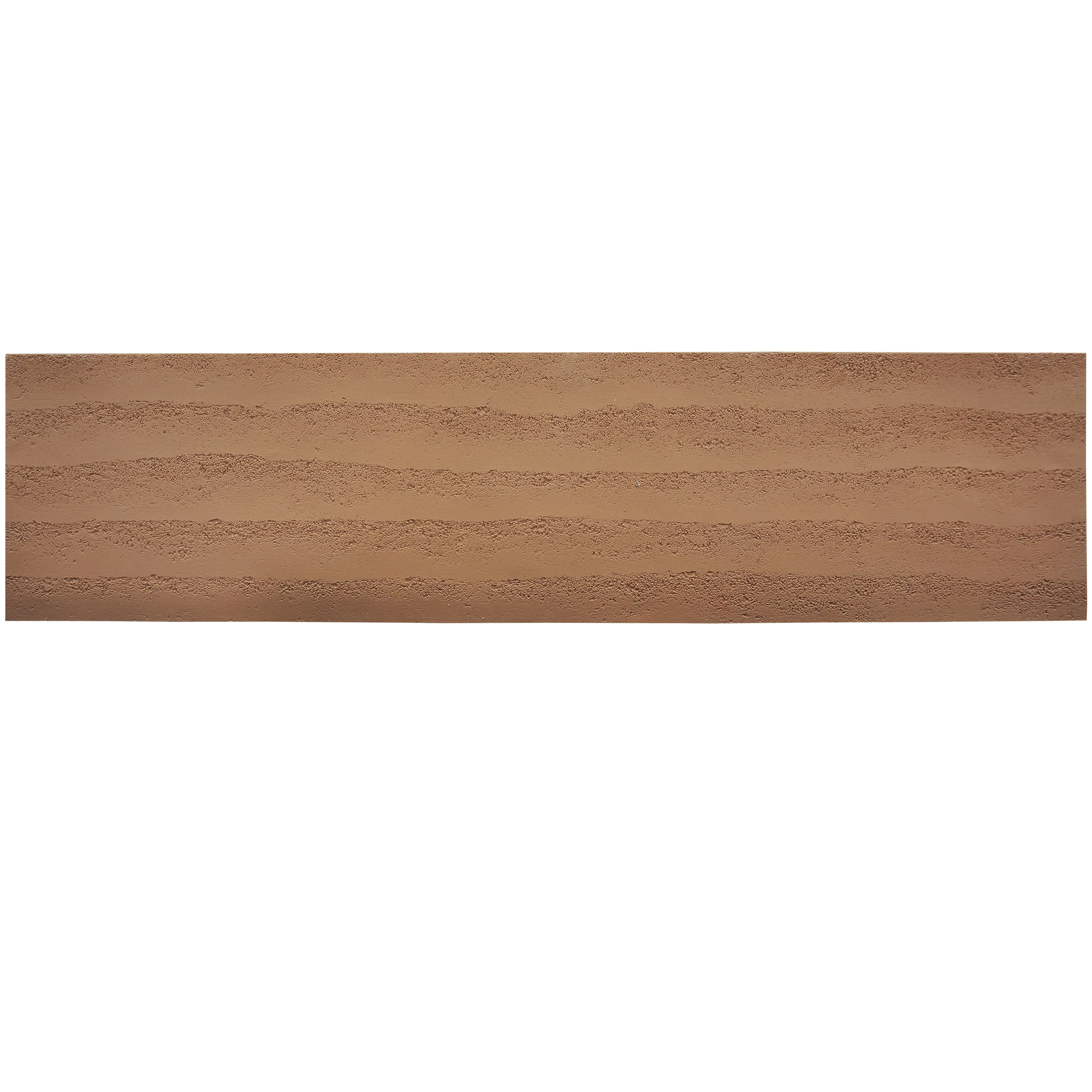
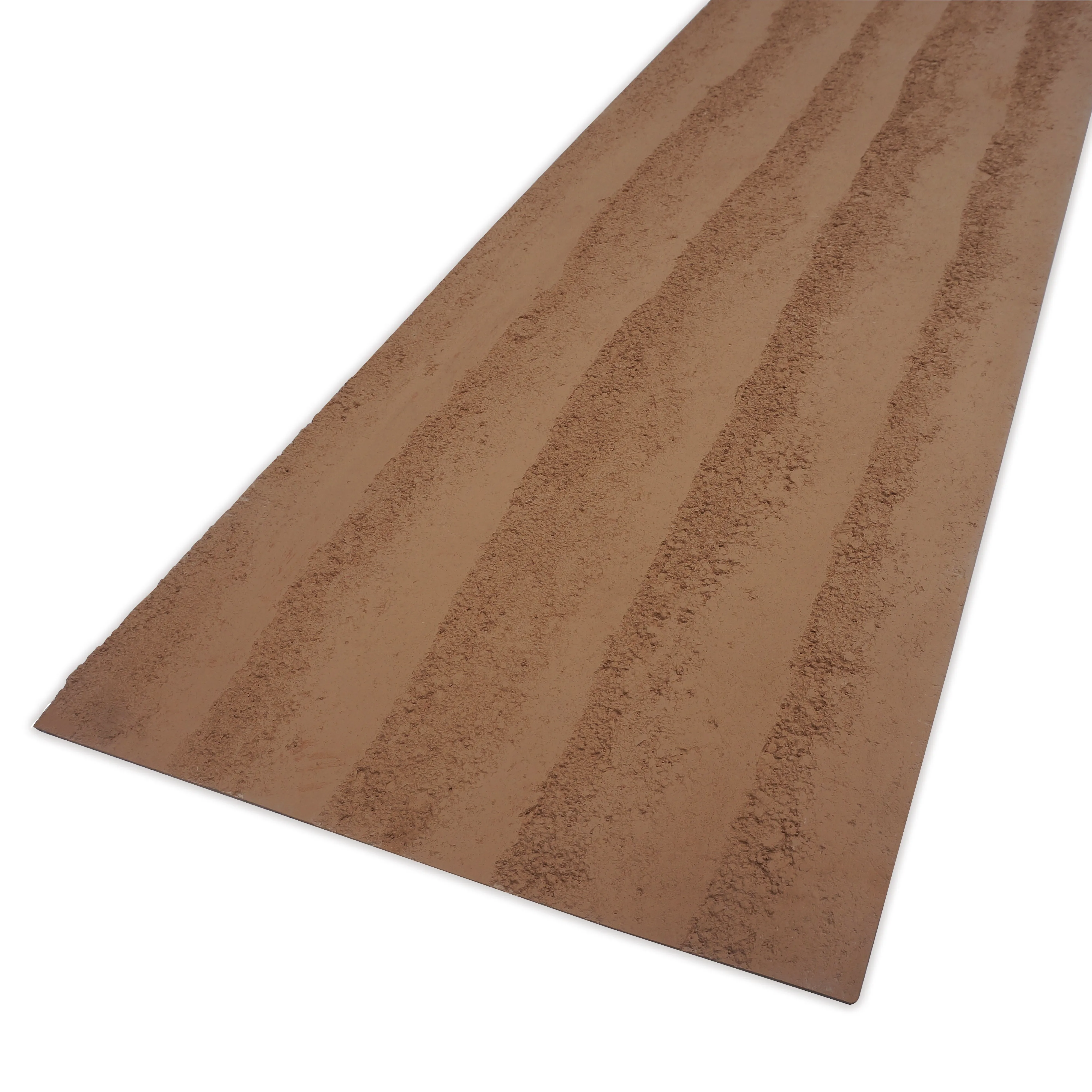
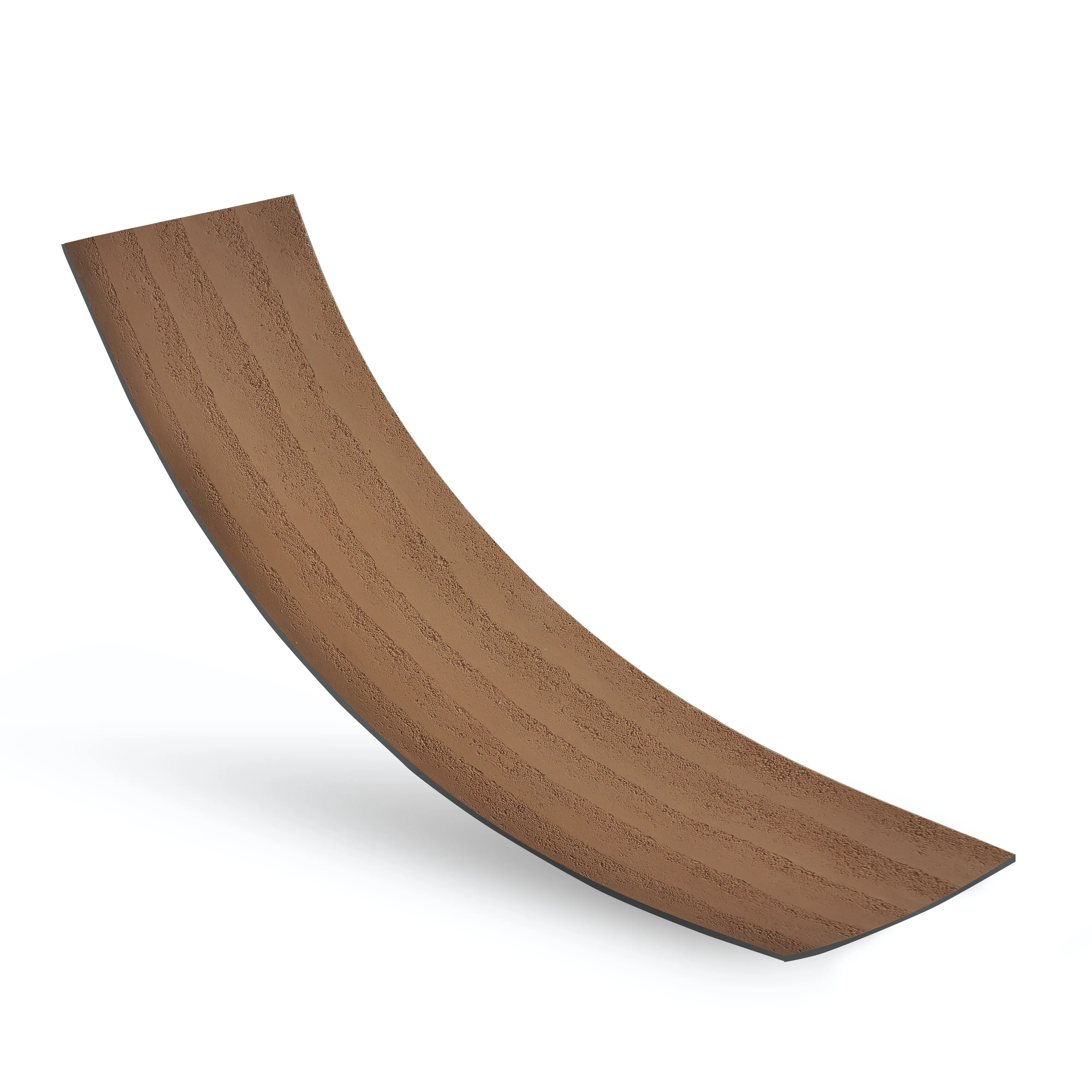
Here's the thing about COLORIA's version: it starts with the same reverence for natural materials. Artisans source local clays, sands, and minerals, carefully selecting hues that evoke the warmth of sun-baked earth. The khaki shade itself is a masterpiece of balance—neither too muted nor too bold, with subtle undertones of gold and taupe that shift with the light. But what truly sets it apart is the manufacturing process. Instead of ramming earth into wooden forms on-site, COLORIA presses their mixture into panels using hydraulic machinery, infusing it with a proprietary blend of natural fibers and binders. The result? A board that's 30% lighter than traditional rammed earth, flexible enough to be installed on curved surfaces (hello, modern architecture!), and durable enough to withstand harsh weather—from European rain to Middle Eastern heat.
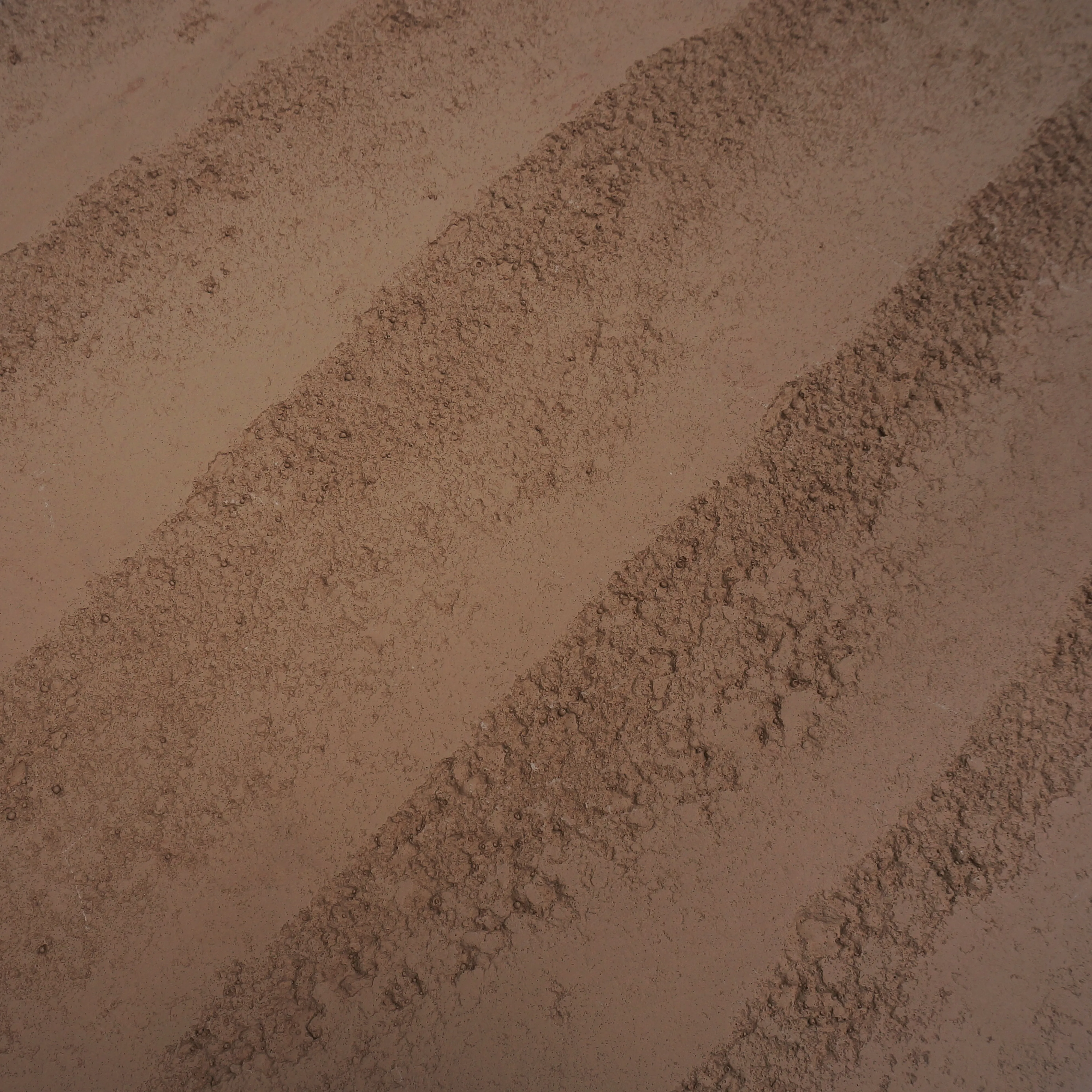
And let's talk texture. Run your hand along a wall of COLORIA's Khaki Rammed Earth Board, and you'll feel the story of its making: tiny pebbles embedded like secrets, gentle ridges where the earth settled, a matte finish that absorbs light rather than reflecting it. It's tactile, inviting—almost alive. As one architect put it, "It doesn't just look natural; it feels like it belongs, like the building grew out of the ground instead of being built on it."
Europe has long been a playground for architects who blend old and new, and COLORIA's Khaki Rammed Earth Board has become a favorite tool in that toolkit. Let's start in Tuscany, Italy, where the La Terraza Hotel opened its doors in 2023. Tucked into a valley dotted with cypress trees and vineyards, the hotel wanted to honor the region's agricultural heritage while offering guests a luxurious, contemporary retreat. Enter COLORIA's khaki panels.
The hotel's lobby is a study in warmth. Floor-to-ceiling khaki rammed earth walls curve gently around a central fireplace, their texture complemented by reclaimed oak beams overhead and MCM flexible stone accents on the reception desk. "We wanted guests to feel like they'd stepped into a Tuscan farmhouse, but with the amenities of a five-star hotel," says lead designer Marco Rossi. "The khaki walls set that tone immediately—they're earthy, but not rustic. Pair them with the sleekness of MCM flexible stone, and you've got a space that's both grounded and refined." Guests rave about the lobby's "cozy grandeur," with many mentioning how the walls "glow" at sunset, casting a golden hue over the room.
Head north to Copenhagen, Denmark, and you'll find the Vesterbro Community Center , a space designed to bring locals together. In a city known for its cool, minimalist design, the center wanted to avoid feeling sterile. The solution? 1,200 square meters of COLORIA's Khaki Rammed Earth Board cladding the main hall. "Copenhagen winters are long and dark," explains project manager Lise Jensen. "We needed a material that would add warmth, both literally and figuratively. The khaki rammed earth does exactly that—it absorbs heat during the day and releases it slowly, keeping the hall comfortable even on the coldest days. And the texture? It invites people to touch, to lean against, to connect with the space in a way smooth walls never could." Paired with fair-faced concrete floors and floor-to-ceiling windows, the hall now hosts everything from children's playgroups to senior yoga classes, with visitors often commenting on how "unlike a typical community center" it feels—warmer, more alive.
If Europe embraces khaki rammed earth for its warmth, the Middle East has fallen for its ability to harmonize with the desert landscape. Take Dubai's Azure Sands Resort , a luxury retreat on the outskirts of the city. The resort's spa and wellness center was designed to be an "oasis of calm," and COLORIA's Khaki Rammed Earth Board was the obvious choice for its walls. "In Dubai, where everything sparkles and shines, we wanted the spa to feel like a counterpoint—quiet, grounding, connected to the earth," says designer Amina Al-Mansoori. The treatment rooms are a masterclass in understated luxury: khaki walls, soft lighting, and accents of travertine (starry blue) that mimic the desert night sky. "Guests often say they forget they're in the middle of a bustling city," Al-Mansoori adds. "The khaki walls absorb the noise, the travertine adds a touch of magic, and together, they create a space that feels like a sanctuary."
Further east, in Muscat, Oman, the Al-Hamra Cultural Center tells the story of Omani heritage through architecture. The center's exterior is clad in 1,500 square meters of COLORIA's khaki panels, their color mirroring the sand dunes that stretch beyond the city. Inside, the exhibition halls feature Bali stone floors—smooth, polished, and richly veined—a nod to Oman's maritime history. "The contrast between the rough-hewn khaki walls and the sleek Bali stone is intentional," explains architect Salem Al-Zadjali. "It's a dialogue between the desert and the sea, two elements that have shaped our culture. Visitors walk through and feel that connection—they don't just learn about our heritage; they experience it."
| Location | Project Type | Khaki Rammed Earth Used (sqm) | Complementary Materials | Client Feedback |
|---|---|---|---|---|
| Tuscany, Italy | Boutique Hotel | 850 | Reclaimed Wood, MCM Flexible Stone | "Feels like a home away from home, rooted in the Tuscan landscape." |
| Copenhagen, Denmark | Community Center | 1,200 | Fair-Faced Concrete, Steel Beams | "The walls make the space feel warm and inclusive—perfect for our community." |
| Dubai, UAE | Luxury Resort Spa | 600 | Travertine (Starry Blue), Marble | "A serene oasis; the texture of the walls adds to the sense of calm." |
| Muscat, Oman | Cultural Center | 1,500 | Bali Stone, Copper Accents | "Tells our heritage story through texture and color—visitors are captivated." |
It's easy to see why COLORIA's Khaki Rammed Earth Board has gone global. For starters, there's the sustainability angle. In an era where architects and clients alike are prioritizing eco-friendly materials, khaki rammed earth checks all the boxes: it's made from natural, locally sourced ingredients, requires minimal energy to produce, and is fully recyclable. "We're seeing a shift away from synthetic materials," says sustainability consultant Elena Torres. "People want buildings that don't just look green—they want them to be green. COLORIA's rammed earth board delivers that, without compromising on aesthetics."
Then there's its versatility. Whether you're designing a cozy mountain cabin or a sleek urban office, khaki rammed earth adapts. In Tuscany, it leans into rustic charm; in Copenhagen, it softens industrial edges; in Dubai, it adds warmth to luxury; in Oman, it tells a cultural story. And it plays well with others, too. Pair it with fair-faced concrete for a modern, monochromatic look, or with bold accents like travertine (starry blue) for a pop of color. It even complements more traditional materials like Bali stone, creating a bridge between past and present.
But perhaps the biggest reason for its global appeal is emotional. In a world that often feels disconnected from nature, khaki rammed earth walls ground us. They remind us of the earth beneath our feet, of the beauty in imperfection, of the quiet strength of materials that have been used for centuries. As one hotel guest put it, "Staying in that room with the khaki walls wasn't just a vacation—it was a reset. I left feeling more connected to the world around me."
COLORIA isn't stopping with khaki. The company is already experimenting with new shades—soft greens inspired by forest floors, deep terracottas reminiscent of desert sunsets—and new textures, incorporating materials like crushed glass for a subtle sparkle. But the khaki board remains their flagship, a testament to the power of simplicity done well.
Upcoming projects include a residential complex in Portland, Oregon, where khaki rammed earth will be used alongside MCM flexible stone for exterior cladding, and a museum in Tokyo that pairs the panels with bamboo for a blend of Eastern and Western aesthetics. "The goal is to keep pushing boundaries while staying true to our roots," says COLORIA's chief designer, Raj Patel. "We want to show the world that earth-inspired materials can be just as innovative, durable, and beautiful as any synthetic alternative."
From the rolling hills of Tuscany to the desert plains of Oman, COLORIA's Khaki Rammed Earth Board has proven that great design knows no boundaries. It's a material that honors tradition while embracing innovation, that connects us to the earth while elevating our built environments. It's not just a building material—it's a storyteller, a bridge between cultures, and a reminder of the beauty that comes from working with, not against, nature.
So the next time you walk into a building and feel an sense of calm, a quiet connection to something larger than yourself, take a closer look at the walls. Chances are, you're standing in front of COLORIA's handiwork—proof that the oldest ideas can still be the most revolutionary.
Recommend Products












