
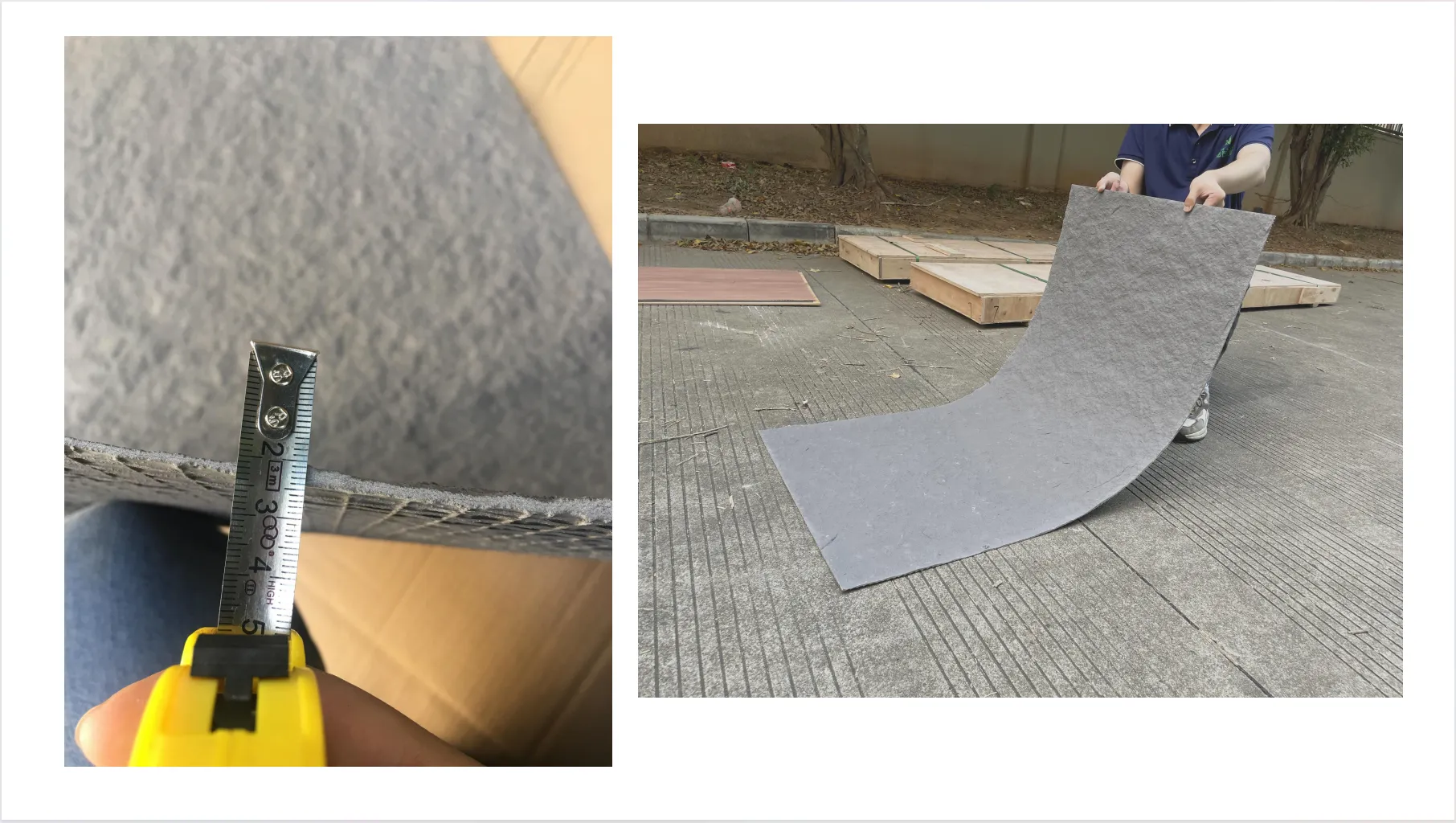
Imagine standing in front of a building that has weathered decades of relentless sun, pounding rain, freezing snow, and salty coastal winds—yet its exterior still looks as vibrant and sturdy as the day it was built. That's the promise of high-quality building materials, but for many architects, designers, and homeowners, finding such materials feels like searching for a needle in a haystack. In a world where climate patterns are growing more extreme, the need for durable, weather-resistant cladding has never been more critical. Today, we're diving into one material that's redefining resilience: COLORIA's Rough Granite Stone. And while we can't display the real pictures here, we'll paint a vivid picture of how these stones look, feel, and perform—especially in the harshest of environments.
Harsh climates come in many forms. There's the coastal home in Miami, where salt-laden air eats away at metal fixtures and fades paint in years, not decades. The mountain retreat in Colorado, where freeze-thaw cycles can crack even the toughest concrete. The desert villa in Dubai, where temperatures soar above 120°F (49°C) and UV rays bleach colors to a dull shadow of their former selves. And let's not forget the industrial zones in Kuwait, where sandstorms and chemical-laden rain test a material's mettle daily. In these places, choosing the wrong exterior cladding isn't just a cosmetic mistake—it's a financial one. Repairs, repaints, and replacements can cost homeowners and businesses thousands, not to mention the stress of watching a once-beautiful building deteriorate.
This is where COLORIA's Rough Granite Stone steps in. More than just a pretty face, this collection is engineered to stand up to nature's worst while maintaining its aesthetic appeal. But before we get into the nitty-gritty of its weather resistance, let's take a moment to appreciate what rough granite is —and why it's become a favorite among those who refuse to compromise on beauty or durability.
Granite has been a building staple for centuries, from the pyramids of Egypt to the Gothic cathedrals of Europe. Its reputation for strength is legendary, thanks to its dense, crystalline structure formed by slow cooling magma deep within the Earth. But not all granite is created equal. "Rough granite," as the name suggests, retains the natural, unpolished texture that gives it both character and resilience. Unlike highly polished stones, which can become slippery when wet and show scratches easily, rough granite's textured surface offers better traction and hides minor wear and tear—making it ideal for outdoor use.
COLORIA takes this natural durability a step further with its rough granite stone (medium grey) , rough granite stone (dark grey) , and rough granite stone (beige) collections. These aren't just chunks of raw rock pulled from the earth; they're precision-engineered products that combine the best of nature with modern technology. Think of it as nature's strength, refined by human ingenuity.
To truly understand why COLORIA's Rough Granite stands out in harsh climates, we need to look beyond its striking appearance. Let's break down the key factors that make these stones a fortress against the elements:
In regions with cold winters, one of the biggest threats to building materials is the freeze-thaw cycle. When water seeps into pores or cracks, freezes, and expands, it creates pressure that can split stone, concrete, or brick over time. COLORIA's Rough Granite, however, has an extremely low water absorption rate—less than 0.5%—meaning it resists water penetration in the first place. Even in the rare case where moisture does get in, the stone's dense structure prevents the expansion from causing damage. In lab tests, COLORIA's rough granite has withstood over 500 freeze-thaw cycles without any signs of cracking or spalling—a feat that would leave many other materials in ruins.
Ever noticed how some outdoor surfaces fade from rich browns or deep greys to pale, washed-out versions after a few years in the sun? That's UV radiation at work, breaking down pigments and weakening molecular bonds. COLORIA's Rough Granite, though, gets its color from minerals deep within the stone—quartz, feldspar, and mica—not surface coatings or dyes. This means the color runs all the way through, so even if the top layer weathers slightly, the hue remains consistent. The dark grey variant, for example, maintains its deep, moody tone even after years of direct sunlight in desert regions, while the beige option retains its warm, earthy glow without turning chalky.
Coastal areas and industrial zones are rife with salt, sulfur dioxide, and other corrosive substances that can eat away at building materials. Metal rusts, concrete spalls, and wood rots—but granite? Granite is essentially inert. Its dense structure and mineral composition make it highly resistant to chemical attacks. In Miami, where coastal homes face constant salt spray, COLORIA's dark grey rough granite has been used on exterior walls and patio floors, showing no signs of pitting or discoloration even after a decade. Similarly, in industrial areas of Kuwait, where air pollution is a concern, the medium grey variant has maintained its integrity, proving that it's not just weather-resistant, but chemical-resistant too.
Extreme temperature fluctuations—common in deserts (scorching days, cold nights) and mountainous regions—can cause materials to expand and contract, leading to warping, buckling, or gaps. Granite, with its low thermal expansion coefficient, handles these changes with ease. COLORIA's rough granite stone (beige), for instance, was used on a hotel facade in Arizona, where daytime temperatures often hit 110°F (43°C) and drop to 50°F (10°C) at night. After five years, there's no visible warping or separation between panels, a testament to its thermal stability.
The Al-Mansoora Resort, nestled on the edge of the Arabian Desert in Oman, needed an exterior cladding that could handle 12-hour sun exposure, sandstorms, and minimal rainfall. The architects chose COLORIA's rough granite stone (beige) for the main facade and outdoor walkways. "We wanted something that felt organic, that blended with the desert landscape, but wouldn't fade or degrade," says lead architect Lina Hassan. "The beige rough granite was perfect. Its warm, sandy tone mirrors the surrounding dunes, and after three years, it still looks brand new—even with the occasional sandstorm blasting it with grit. The guests often comment on how the texture catches the light at sunset, turning the building into a golden glow. We couldn't be happier."
Now that we understand the science behind its durability, let's explore the three variants that make up COLORIA's Rough Granite line. Each has its own unique personality, designed to suit different architectural styles and environments—all while sharing the same unbeatable weather resistance.
If there's a "neutral" in the rough granite family, it's the medium grey variant. Think of a stormy sky just before rain—deep enough to add drama, but light enough to complement brighter accents. Its color is a blend of cool and warm undertones, with subtle flecks of white (quartz) and black (biotite) that catch the light and add depth. This versatility makes it a favorite for both modern and traditional designs. It's been used on everything from sleek, minimalist homes in Dubai to rustic mountain cabins in Switzerland. One particularly striking application is the exterior of a tech office in Berlin, where the medium grey rough granite panels are paired with large glass windows, creating a balance of industrial edge and natural warmth. And because it's not too dark, it doesn't absorb excessive heat in sunny climates—a bonus for energy efficiency.
For those who want to make a statement, the dark grey variant is unapologetically bold. Imagine the color of wet slate, with a hint of charcoal and silver undertones that shimmer when the sun hits them. This is a stone that demands attention, yet it's surprisingly versatile. It works beautifully as an accent wall on a modern home, as a full facade for a commercial building, or even as a patio surface that contrasts with green landscaping. In coastal areas like Cape Town, South Africa, the dark grey rough granite has become popular for beachfront homes. "The salt air doesn't phase it, and the dark color hides any sea spray residue," says homeowner Mark Thompson. "Plus, at night, when the outdoor lights hit it, the texture comes alive—it's like having a piece of art on the side of my house."
Last but certainly not least, the beige rough granite is the "earth lover's" choice. Its color ranges from soft sand to warm taupe, with golden and cream flecks that mimic the look of natural desert stone. It's the perfect choice for buildings that aim to blend into their environment, whether that's a countryside villa in Tuscany or a safari lodge in Kenya. What's remarkable about the beige variant is how it changes with the light: golden at sunrise, soft cream at midday, and warm honey at sunset. A B&B owner in Portugal, Maria Silva, used it for her outdoor terrace and pool surround. "We get a lot of rain in the winter and sun in the summer," she explains. "The beige granite doesn't get slippery when wet, which is crucial for guests, and it hasn't faded a bit. It feels like we're stepping onto a natural stone terrace, but with the peace of mind that it will last for decades."
To truly appreciate COLORIA's Rough Granite, it helps to see how it stacks up against other common exterior cladding options. Below is a comparison table highlighting key factors like weather resistance, durability, maintenance, and aesthetics.
| Material | Weather Resistance | Durability (Estimated Lifespan) | Maintenance Needs | Aesthetic Versatility |
|---|---|---|---|---|
| COLORIA Rough Granite (Medium Grey) | High (resists UV, salt, freeze-thaw, chemicals) | 50+ years | Low (occasional pressure washing) | High (modern, traditional, industrial styles) |
| Marble | Low (prone to staining, etching, UV fading) | 20-30 years (outdoors) | High (sealing every 1-2 years, avoiding acidic cleaners) | High (luxurious, but limited to sheltered areas) |
| Concrete Board | Medium (resists moisture but prone to cracking in freeze-thaw) | 25-30 years | Medium (sealing every 3-5 years, repairing cracks) | Medium (limited color/texture options) |
| Wood Grain Board | Low (prone to rot, warping, insect damage) | 10-15 years (outdoors, even with treatment) | Very High (annual staining/sealing, replacing damaged boards) | High (warm, natural look, but limited durability) |
| Foamed Aluminium Alloy Board (Vintage Silver) | Medium (resists corrosion but dents easily, fades in UV) | 15-20 years | Medium (polishing to remove scratches, repainting faded areas) | Medium (modern, industrial, but metallic look isn't for everyone) |
As the table shows, COLORIA's Rough Granite outperforms most alternatives in weather resistance and durability, while requiring minimal maintenance. Its aesthetic versatility also makes it a top choice for designers who don't want to sacrifice style for substance.
When John and Sarah Mitchell built their dream home on Florida's Gulf Coast, they knew they needed a material that could handle hurricane-force winds, saltwater spray, and humidity. "We'd seen neighbors replace their vinyl siding every 10 years and their brick facades start crumbling after 15," John says. "We wanted something that would outlive us." They chose COLORIA's rough granite stone (dark grey) for the exterior walls and garage. "The first hurricane season, we had 120 mph winds and storm surge that reached the first floor," Sarah recalls. "Afterward, we inspected the granite, and there wasn't a scratch. The saltwater didn't stain it, and the wind didn't dislodge a single panel. Now, five years later, it still looks as strong and beautiful as the day it was installed. It was the best investment we made in the house."
Durable materials are only as good as the company that produces them, and COLORIA has built a reputation as a leader in the building materials industry—especially in regions where harsh climates are the norm. Here's why they stand out:
Every piece of rough granite undergoes a battery of tests before it leaves the factory: freeze-thaw cycling, UV exposure, salt spray testing, and compression strength checks. COLORIA refuses to cut corners, ensuring that only stones that meet their strict standards make it to customers. "We test each batch in conditions harsher than anything they'll face in the real world," says COLORIA's quality control manager, Raj Patel. "If a stone fails even one test, it's rejected. Our customers deserve nothing less."
In an era where green building materials are more important than ever, COLORIA leads the way. Their rough granite is sourced from responsibly managed quarries, and their manufacturing process minimizes waste and energy use. They're also a proud supplier of green building materials , certified by organizations like LEED and BREEAM. For eco-conscious builders in the UAE, Kuwait, and beyond, this commitment is a major draw.
As a global construction solutions provider with a strong presence in the Middle East, COLORIA understands the unique challenges of building in harsh climates. Their team of local experts works with architects and contractors to recommend the best materials for specific environments, whether it's the high humidity of Southeast Asia or the extreme cold of Northern Europe. "We don't just sell stones—we provide solutions," says regional director Ahmed Khalid. "If a client in Riyadh needs a material that can handle 50°C summers, we'll help them choose the right variant and ensure it's installed correctly. That's the COLORIA difference."
We've talked a lot about the durability and beauty of COLORIA's Rough Granite, but there's no substitute for seeing it in person—or at least in high-quality real pictures. While we can't display them here, we can describe the impact they have: the way the rough texture catches the light, creating depth and shadow; the subtle color variations that make each panel unique; the way the stone transforms a building from ordinary to extraordinary. Architects often say that the real pictures are what sell the material to clients. "Words can describe durability, but pictures show beauty," says designer Maya Johnson. "When I show clients COLORIA's rough granite real pictures—of a mountain home with medium grey panels, or a coastal villa with dark grey—I see their eyes light up. They can imagine how it will look on their project, and that's when they get excited."
COLORIA's real pictures also highlight the stone's versatility. You'll see it used as a feature wall on a modern apartment building, as a pool surround in a tropical resort, as a patio floor in a family home, and as a facade on a historic renovation. Each image tells a story of resilience and beauty—a story that resonates with anyone who wants their building to stand the test of time.
In a world where climate change is making extreme weather the norm, not the exception, choosing the right building materials is more important than ever. COLORIA's Rough Granite—with its medium grey, dark grey, and beige variants—offers a rare combination: unbeatable weather resistance, timeless beauty, and minimal maintenance. It's a material that doesn't just survive harsh climates; it thrives in them, turning buildings into landmarks that stand strong for generations.
Whether you're building a coastal home, a desert hotel, a mountain lodge, or an industrial facility, COLORIA's rough granite stone is more than just cladding—it's an investment in peace of mind. And when you see the real pictures, you'll understand why so many architects, designers, and homeowners are choosing it. After all, why settle for a material that fades, cracks, or warps when you can have one that shines—no matter what the weather throws at it?
So, if you're ready to build something that lasts, to create a space that blends durability with beauty, and to experience the power of COLORIA's rough granite real pictures for yourself—reach out to COLORIA today. Your building deserves the best, and the best is waiting.
Recommend Products












