
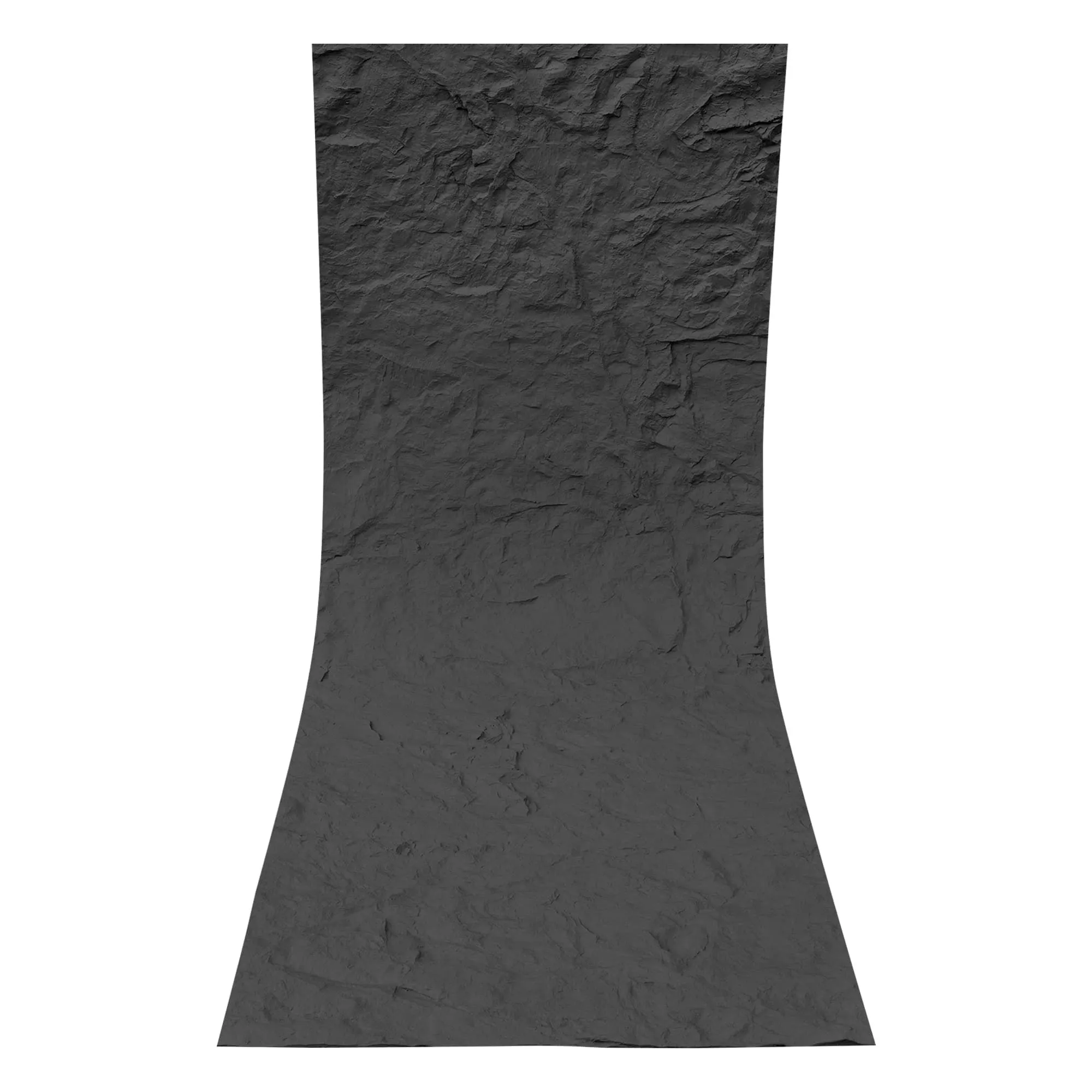
In the heart of Riyadh, where cranes dot the skyline and ambitious construction projects redefine urban landscapes, a regional developer recently faced a familiar challenge: finding a cladding material that could balance innovation, durability, and cultural resonance. The project, a mixed-use complex blending commercial spaces with public plazas, needed an exterior that would stand out in the city's architectural renaissance while withstanding Saudi Arabia's harsh desert climate—scorching summers, occasional sandstorms, and coastal humidity in cities like Jeddah. That's where COLORIA's Saudi Arabia Agency stepped in, not just as a supplier, but as a local partner invested in turning vision into reality.
Since establishing its regional hub in Riyadh three years ago, COLORIA has prioritized more than just delivering products; it's built a ecosystem of local support designed to address the unique needs of Middle Eastern construction. From technical expertise tailored to regional conditions to supply chains that keep pace with tight project timelines, the agency has become a trusted ally for architects, contractors, and developers across Saudi Arabia and the wider GCC. Today, we're diving into how this local support fuels some of the most exciting projects—with a special focus on the Boulder Slab series, a material that's quickly becoming a favorite for its blend of rugged elegance and adaptability.
Anyone who's worked on a construction project in the Middle East knows the landscape is unlike anywhere else. It's a region of bold ambition—think futuristic megacities, heritage-inspired developments, and sustainability-driven designs—but it also comes with unique hurdles. Extreme temperatures can warp materials; coastal locations demand corrosion resistance; and clients often seek a balance between global trends and local cultural aesthetics. Add to that the pressure of tight deadlines (Saudi Arabia's Vision 2030 has accelerated project timelines across sectors), and you realize: success depends on more than just great materials—it depends on having a partner who understands the lay of the land.
"We don't just ship crates of stone and walk away," says Omar Al-Mansoori, COLORIA Saudi Arabia's Technical Director, who's spent over a decade in the region's construction industry. "A developer in Dammam might need a material that can handle industrial pollution; a hotel in AlUla might want a finish that echoes the desert's natural hues. Our job is to translate those needs into actionable solutions—fast."
This philosophy shapes every aspect of COLORIA's local operations, from its team composition (over 80% of staff are Saudi or GCC nationals with deep regional experience) to its Riyadh-based warehouse, which stocks over 60,000 square meters of popular materials—including Boulder Slab variants and MCM flexible stone —to ensure 48-hour delivery to most major cities. It's this commitment to proximity that turns potential headaches (like last-minute design changes or supply chain delays) into non-issues.
When a contractor in Jeddah reached out last year, struggling to install traditional stone cladding on a curved facade, COLORIA's local team didn't just send a manual. They dispatched two technical specialists to the site within 24 hours. "The curve was 12 meters in radius—too tight for rigid materials," recalls Sarah Khalid, a materials engineer with the agency. "We recommended MCM flexible stone instead. It's 70% lighter than natural stone, bends up to 30 degrees, and we'd tested it in Jeddah's humidity. We even brought samples of the Travertine (starry green) finish the client wanted, so they could see how the color would shift in sunlight." The result? The facade was completed three weeks ahead of schedule, and the client later specified the same material for a shopping mall in Riyadh.
This hands-on approach extends to training, too. Last quarter, the agency hosted workshops in Riyadh, Dammam, and Jeddah, teaching over 200 contractors how to install fair-faced concrete and Boulder Slab in high-temperature environments. "We don't just explain 'how'—we show 'why'," says Al-Mansoori. "For example, in Riyadh's summer heat (often exceeding 45°C), adhesives cure faster. We teach teams to adjust mixing ratios and application times to avoid cracking. It's these small, local insights that make the difference."
In construction, time is money—and delays can derail entire projects. That's why COLORIA's Riyadh warehouse isn't just a storage facility; it's a strategic hub. Stocked with fast-moving items like Boulder Slab (vintage silver) , Travertine (starry green) , and fair-faced concrete panels, it ensures that even urgent orders (like a last-minute request for 500 sqm of cladding to meet a government inspection deadline) are fulfilled within 48 hours. For custom materials, the agency leverages its global network but keeps the local team in the loop: a recent project in NEOM required Travertine (starry green) with a custom texture, and the Riyadh design team collaborated directly with COLORIA's Italian factory to tweak the 3D printing process, delivering samples in 10 days and full production in six weeks—half the industry average.
Middle Eastern clients don't just want materials—they want stories. A heritage hotel in Madinah might seek stone that evokes the region's ancient architecture; a tech campus in Riyadh might crave a futuristic, metallic finish. COLORIA's local design studio specializes in bridging these needs. "We recently worked with a client who wanted Boulder Slab but with a finish that mimicked the golden hues of the Arabian desert at sunset," says Lina Hassan, lead designer at the agency. "We developed Boulder Slab (vintage gold) specifically for them, blending metallic particles with earthy tones. They loved it so much, it's now part of our standard lineup."
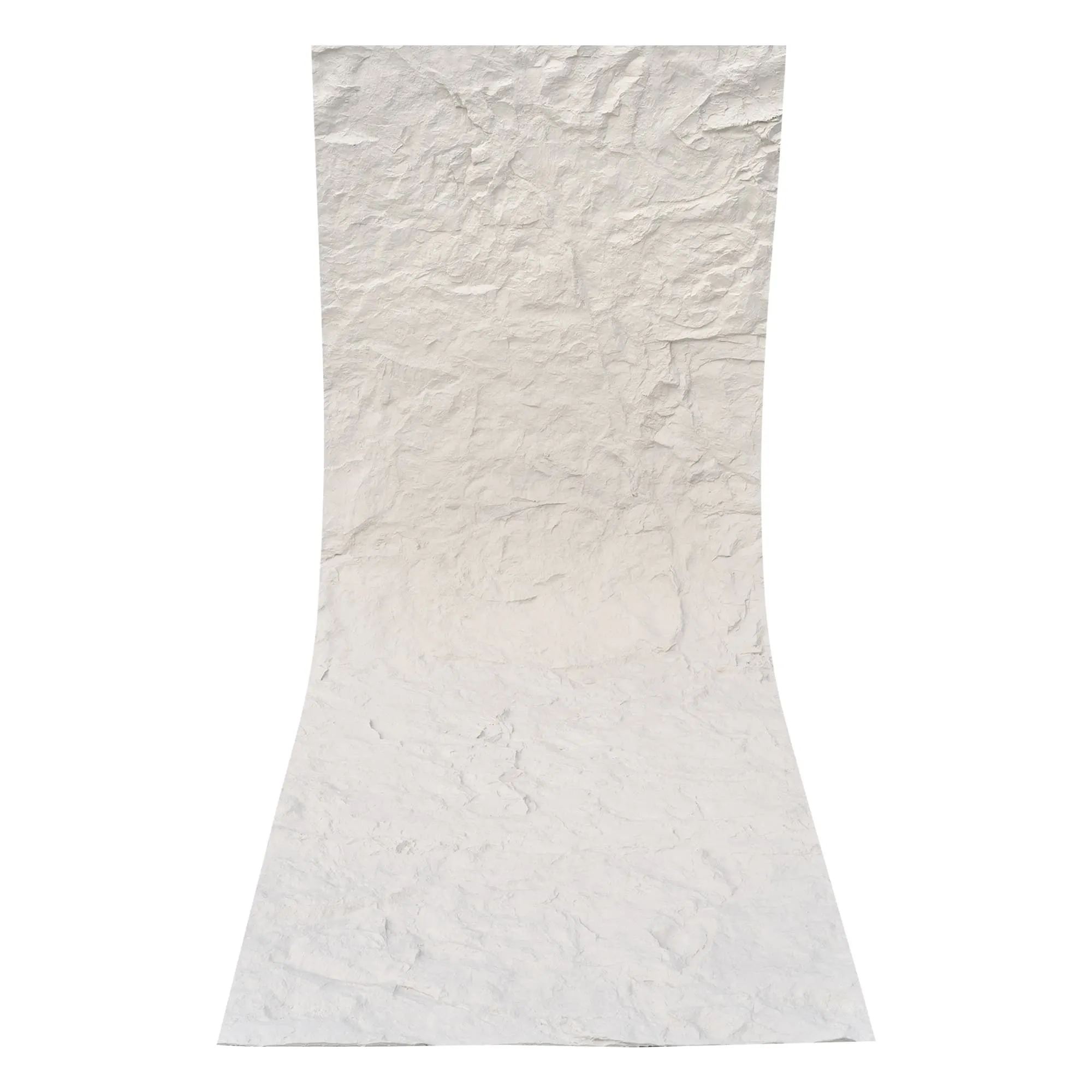
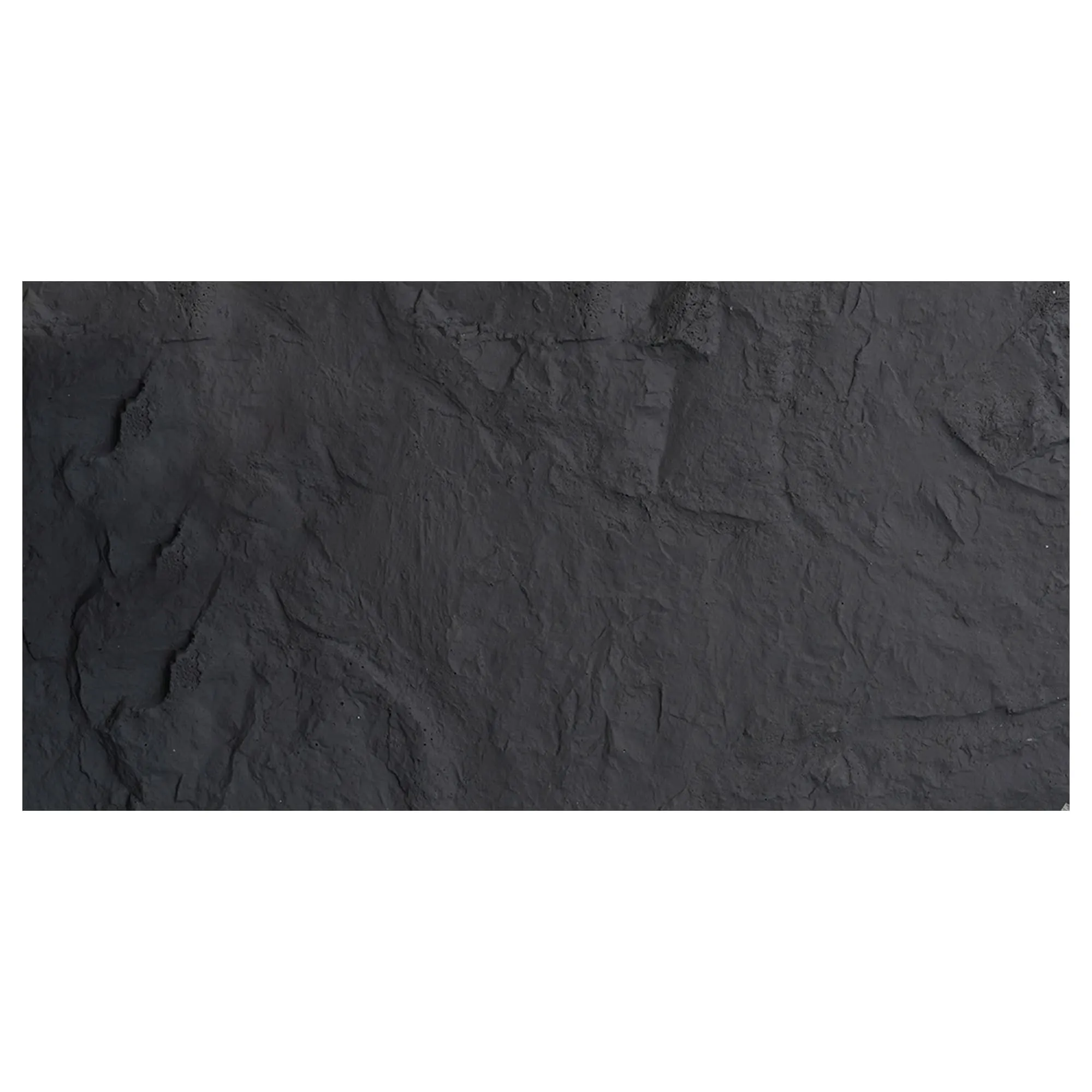
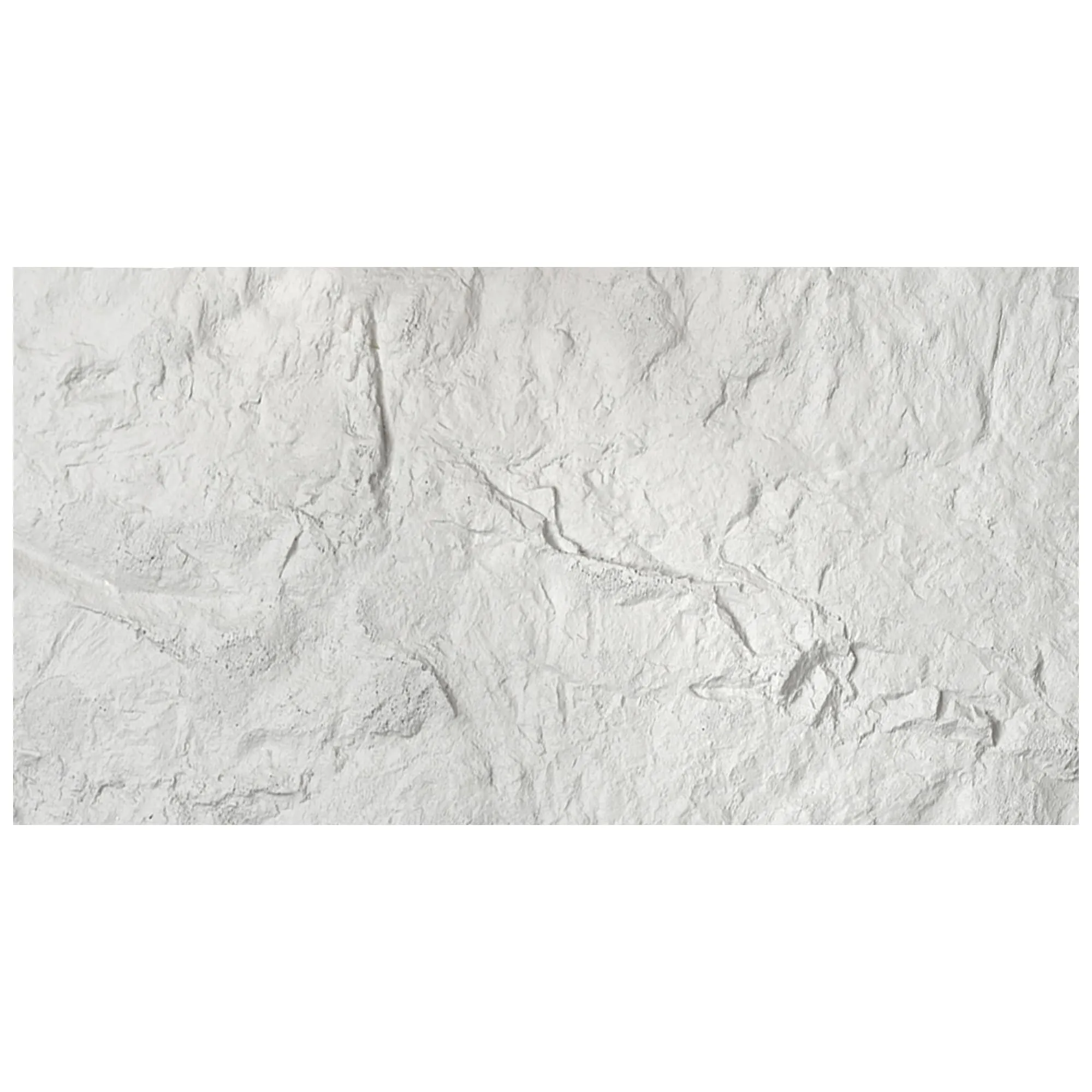
If there's one material that embodies COLORIA's blend of innovation and regional understanding, it's the Boulder Slab series. Launched in 2022, these panels are engineered to mimic the raw, organic texture of natural stone but with the durability and flexibility needed for modern projects. Available in vintage silver, gold, and black finishes, they've become a staple in everything from luxury residential towers to cultural centers—and much of their success hinges on how COLORIA's local support amplifies their potential.
| Boulder Slab Finish | Texture & Aesthetic | Regional Applications | Key Advantages for Middle Eastern Projects |
|---|---|---|---|
| Vintage Silver | Subtle metallic sheen with faint hammered textures; resembles weathered steel but warmer | Modern office facades, tech campuses, art galleries | Reflects 30% more sunlight than dark stone, reducing cooling costs; resistant to sand abrasion |
| Vintage Gold | Rich, warm hue with layered, earthy undertones; mimics desert sand at sunset | Heritage-inspired hotels, luxury resorts, cultural centers | Color stability in UV light (no fading in intense sun); pairs beautifully with Travertine (starry green) accents |
| Vintage Black | Deep, matte finish with irregular veining; creates bold, dramatic contrast | High-end retail, art museums, statement walls in public plazas | Heat-resistant core prevents warping; non-slip surface ideal for outdoor walkways in rainy seasons |
Take, for example, the Riyadh Skyline Tower, a 42-story mixed-use development completed last year. The architect wanted a facade that would "stand out without clashing" with the city's skyline—a balance of boldness and subtlety. COLORIA's local team proposed Boulder Slab (vintage gold) for the main structure, paired with Travertine (starry green) for the podium levels. "The gold reflects the desert's golden hour light, while the starry green adds depth with its speckled texture," explains Hassan. "But we didn't stop at material selection. Our engineers conducted thermal testing to ensure the panels wouldn't overheat the building, and our logistics team coordinated deliveries to align with the tower's modular construction schedule—so each floor's cladding arrived exactly when the structural work was done." The result? The tower won "Best Facade Design" at the 2024 Saudi Construction Awards.
While Boulder Slab steals the spotlight, COLORIA's Saudi Arabia Agency offers a diverse range of materials, each backed by the same local support. For clients seeking a more understated, industrial look, fair-faced concrete is a popular choice—especially when paired with custom formwork designs that echo regional patterns, like the geometric motifs of traditional Najdi architecture. "We recently helped a client in Abha create fair-faced concrete panels imprinted with palm leaf patterns," says Al-Mansoori. "Our local team worked with a local artisan to digitize the design, then tested the formwork in our Riyadh lab to ensure the pattern would transfer cleanly. The panels now wrap the entrance of a cultural center, blending modern minimalism with local heritage."
Then there's MCM flexible stone , a game-changer for curved or irregular surfaces. Unlike rigid stone, which requires complex cutting and support structures, these lightweight panels (just 4kg per sqm) can be bent, curved, or even wrapped around columns—making them ideal for projects like Jeddah's waterfront amphitheater, where the design called for a wave-like facade. "The client initially worried about durability," recalls Sarah Khalid. "So we set up a test panel on-site, exposed to salt spray and direct sun for three months. When we brought it back, there was zero discoloration or degradation. That's the power of local testing—we don't just promise performance; we prove it."
The Challenge: A 12,000 sqm cultural center on Jeddah's Corniche needed a facade that could withstand coastal humidity, salt spray, and intense sunlight—all while reflecting the "meeting of sea and desert" theme the architect envisioned.
The Solution: COLORIA's local team recommended a hybrid approach: Boulder Slab (vintage gold) for the main facade (to evoke desert sands) and Travertine (starry green) for the lower levels (mimicking the Red Sea's depths). The team also suggested MCM flexible stone for the building's curved auditorium wing, as its flexibility allowed for the organic, wave-like shape without compromising structural integrity.
Local Support in Action:
•
Technical Testing:
COLORIA's Riyadh lab conducted salt spray tests on both materials, recommending a specialized sealant for the
Travertine (starry green)
to prevent salt penetration.
•
Logistics Coordination:
Panels were delivered in phases to align with the construction timeline, with the warehouse holding backup stock to avoid delays if weather disrupted shipping.
•
On-Site Training:
A team of 10 local installers received hands-on training for the
MCM flexible stone
application, ensuring the curved wing was installed without air bubbles or misalignment.
Result: The center opened six weeks ahead of schedule, with the facade receiving praise for its "seamless blend of durability and artistry." Post-occupancy monitoring (conducted by COLORIA's local team) shows no signs of wear after 18 months, even with daily exposure to coastal elements.
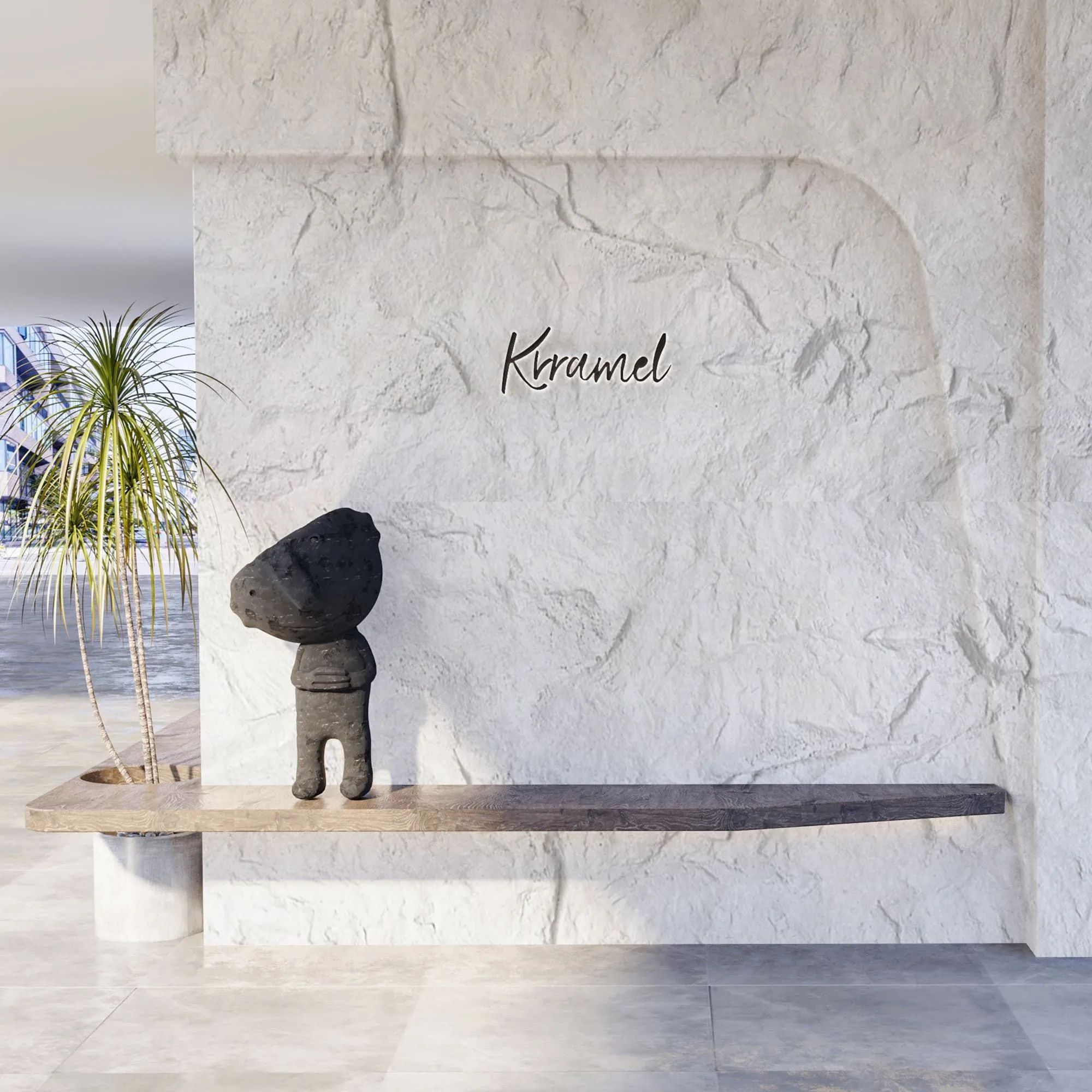
As Saudi Arabia's construction boom continues—with projects like NEOM, the Red Sea Project, and Riyadh's King Salman Park reshaping the landscape—the demand for materials that can keep pace with ambition is only growing. COLORIA's Saudi Arabia Agency is already gearing up, expanding its warehouse capacity by 50% next year and launching a new "Innovation Lab" in Riyadh, where clients can test custom materials under real-world conditions (think simulated sandstorms, UV exposure, and humidity chambers).
"At the end of the day, it's not just about selling products," says Al-Mansoori. "It's about being part of the region's growth story. When a developer in Riyadh uses Boulder Slab to build a tower that becomes a city landmark, or a hotel in AlUla uses Travertine (starry green) to welcome tourists, we're not just supporting a project—we're helping build the future of the Middle East. And that's a responsibility we take seriously."
For architects, contractors, and developers across Saudi Arabia, that means more than just access to innovative materials. It means having a partner who speaks their language, understands their challenges, and is invested in their success—local support that turns bold visions into lasting landmarks.
Recommend Products












