

When you think of the architectural landscape of Saudi Arabia, you might picture vast, sweeping deserts punctuated by skylines that seem to defy gravity. From the bustling capital of Riyadh to the historic coastal city of Jeddah, the Kingdom is undergoing a period of breathtaking transformation. This isn't just about building taller or bigger; it's about building smarter, more sustainably, and with an artistic flair that reflects a bold new vision. At the heart of this architectural renaissance, you'll find innovative materials making it all possible. And that's where we, COLORIA GROUP, come into the picture.
We've long been fascinated by the challenge of creating building materials that are not only beautiful and durable but also environmentally conscious. Our journey led us to develop our flagship MCM (Modified Cementitious Material) product line. It's a game-changer, and we've been thrilled to see it embraced so enthusiastically in the Middle East, particularly in Saudi Arabia. Today, we want to take you behind the scenes of two of our recent landmark projects in Riyadh and Jeddah, focusing on a particularly exciting application: the creation of large-scale, dynamic wave panels. This isn't just a story about cladding; it's a story about turning static walls into fluid, moving art.
Imagine trying to capture the essence of a rolling sand dune or a gentle ocean wave and translating it onto the facade of a building. It's a poetic idea, but a massive technical hurdle. Traditional materials like concrete, stone, or metal present significant challenges. They are incredibly heavy, which puts immense strain on a building's structure and foundation. They are rigid, making it difficult and expensive to create complex, curved forms. The logistics of transporting and installing massive, pre-formed pieces are a nightmare. And from a sustainability perspective, their carbon footprint during manufacturing and transport can be substantial.
Architects in both Riyadh and Jeddah approached our local partners with this very dream. For a high-profile commercial center in Riyadh, the vision was to create a facade that mimicked the flowing, wind-sculpted dunes of the surrounding desert. In Jeddah, a luxury residential complex near the Red Sea wanted its exterior to evoke the serene, rhythmic movement of the water. Both projects demanded:
This was a perfect storm of challenges—a perfect opportunity for COLORIA's MCM technology to shine. It was clear that an off-the-shelf solution wouldn't work. This required deep collaboration, technical innovation, and a material versatile enough to bring an ambitious artistic vision to life.
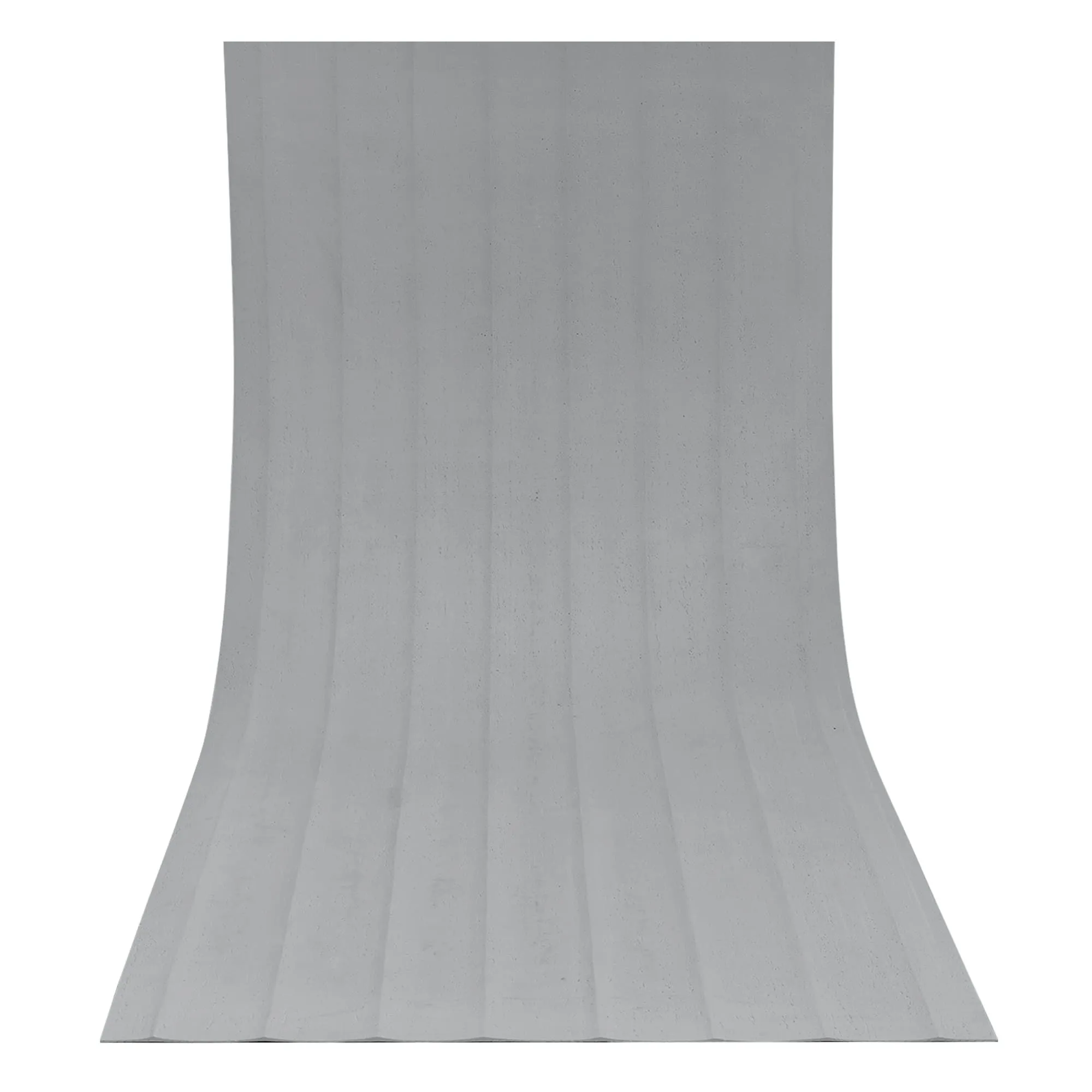
Instead of seeing these challenges as obstacles, we saw them as a brief for our products. Our role as a one-stop solution provider means we don't just sell materials; we partner with architects and developers from concept to completion. For these projects, our solution was a multi-faceted approach centered on our versatile MCM product range.
So, what exactly is MCM? Think of it as a revolutionary clay-like material. It's made from a base of modified cement and natural mineral powders, which is then shaped and cured at low temperatures. The result is a material that has the aesthetic appeal and texture of natural stone, wood, or brick, but is incredibly lightweight, flexible, and eco-friendly. It's the chameleon of building materials.
For the wave panels, we primarily utilized a customized variant of our MCM Project Board Series . This series is specifically engineered for large-scale architectural applications where performance and precision are paramount. We knew we could tailor the formula to achieve the exact balance of rigidity for shape-holding and flexibility for installation that these projects required. The customization wasn't just in the color or texture; it was in the very engineering of the panels themselves.
"We didn't just need a panel; we needed a system. COLORIA provided that. From the 3D modeling support to the custom panel production and installation guidance, they were integral to realizing our vision of a 'liquid stone' facade." – Lead Architect, Riyadh Commercial Center Project
The process began with digital modeling. Our technical team worked hand-in-hand with the architects, taking their 3D CAD files of the wave facade and breaking them down into manufacturable panel sections. This digital-to-physical workflow is a cornerstone of our process. It allows for an incredible degree of precision and ensures that every single panel, each with its own unique curvature, will fit perfectly into the larger puzzle.
Using these digital blueprints, we created custom molds. The MCM mixture, colored with natural mineral pigments to achieve a beautiful, earthy sand tone for Riyadh and a cool, off-white for Jeddah, was then cast into these molds. The low-temperature curing process is where the magic happens. Unlike traditional ceramics or concrete that require massive energy expenditure for firing in kilns, our process is incredibly energy-efficient, significantly reducing the carbon footprint of the final product.
The final panels were astonishing. They had the solid, high-end look of carved stone but were a fraction of the weight. You could lift a large panel with relative ease, something unthinkable with concrete. This lightweight nature was a massive advantage, simplifying logistics, reducing transportation costs, and drastically speeding up the installation process. The installation crews didn't need heavy-duty cranes for every single piece; they could maneuver the panels into place far more efficiently and safely.
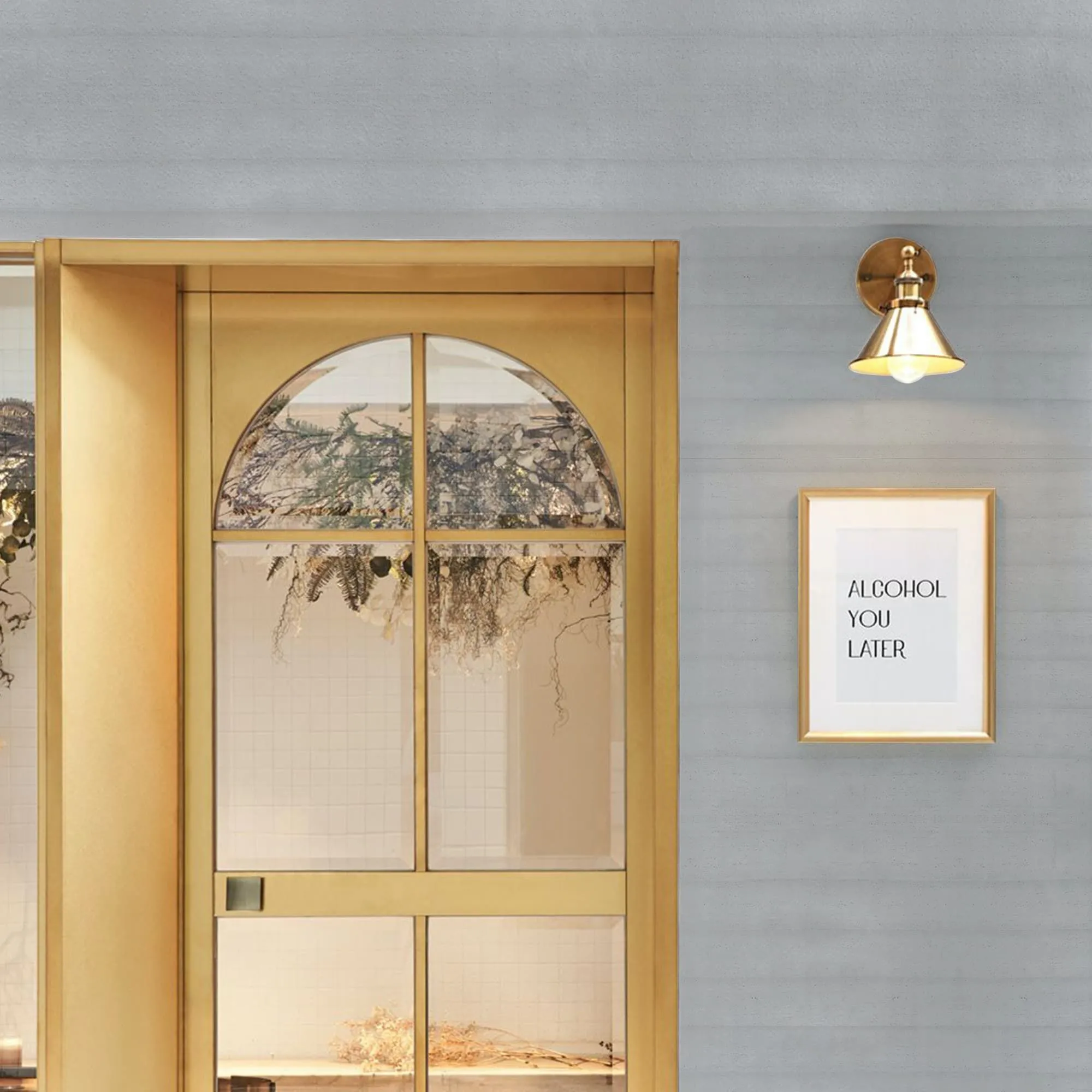
The Riyadh project was all about scale and impact. The facade covered over 8,000 square meters, wrapping around the building's main entrance and public-facing elevations. The design intent was to create a landmark that felt both modern and deeply connected to its environment.
Our MCM Project Board Series was the hero product here. We produced over 2,500 unique panels, each meticulously labeled to correspond with its exact location on the facade grid. The color was a custom "Riyadh Sand" blend, which subtly changes in tone depending on the angle of the sun, much like a real sand dune. This dynamic quality brings the building to life throughout the day.
The installation was a masterclass in precision. The panels were fixed to a lightweight steel sub-frame. Because of the slight flexibility inherent in MCM material, the installers could make minor adjustments on-site to ensure perfect alignment, achieving incredibly tight, almost invisible seams. The result is a stunning, continuous wave that flows across the building, free from the jarring grid lines that would have been unavoidable with heavier, more rigid materials. The final structure is a testament to how modern materials can be used to pay homage to the natural world. In some interior feature walls, the client also opted for our MCM Flexible Stone to create a cohesive design language, bringing the exterior texture indoors in a more pliable and easy-to-install format.
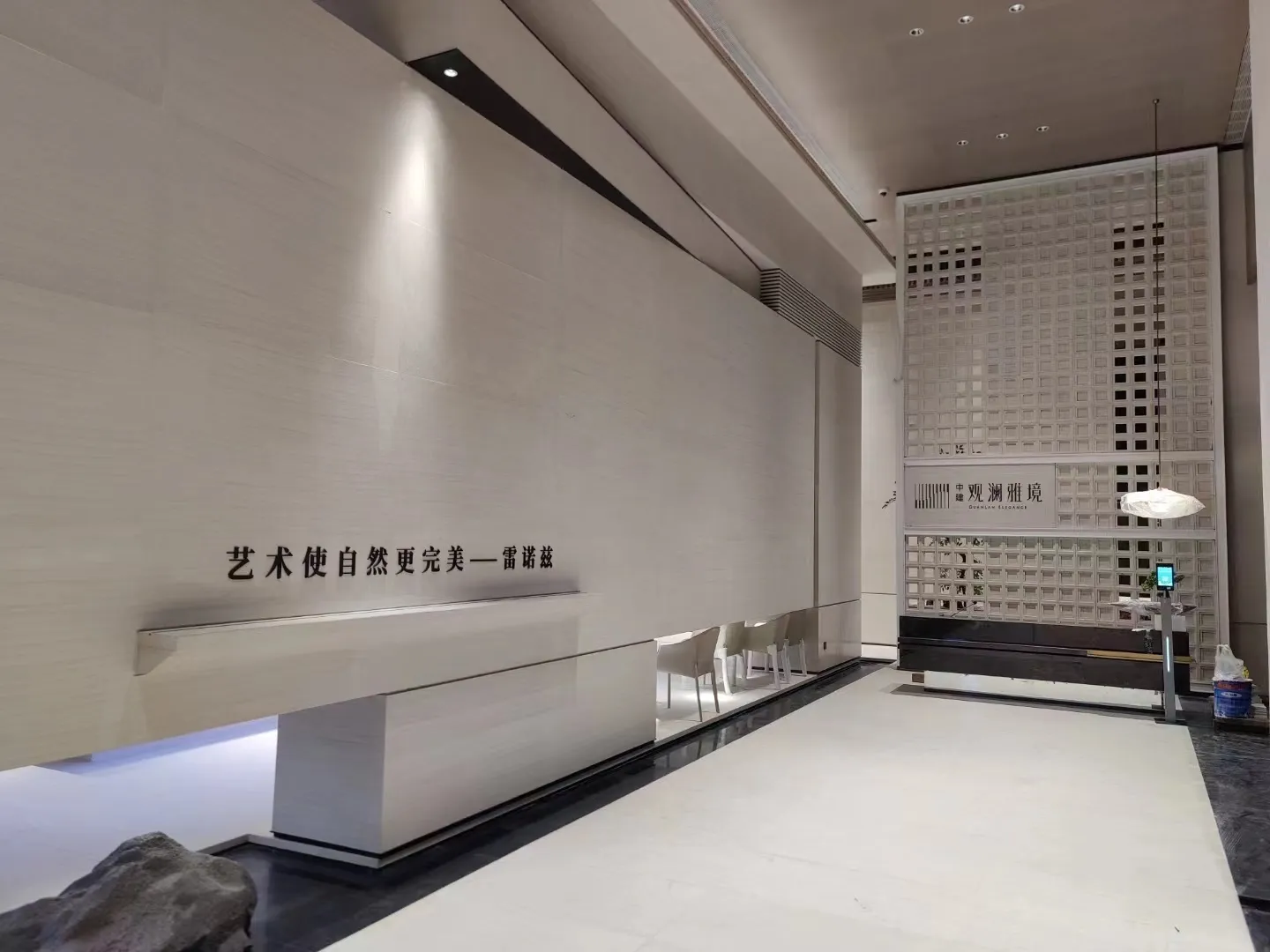
In Jeddah, the challenge was different. This was a renovation project for a luxury apartment building. The goal was to modernize the building's dated exterior and give it a premium identity befitting its prime location overlooking the Red Sea. The key constraint was structural; the existing building could not handle the addition of significant weight.
This is where the lightweight property of MCM was not just a benefit, but a necessity. Traditional options were completely off the table. We again employed a custom solution based on our MCM Project Board Series, but this time in a brilliant, slightly reflective white. The wave design was softer and more rhythmic, designed to catch the coastal light and create gentle shadow play.
The panels were designed to be applied directly over the existing cleaned facade with a combination of high-strength adhesive and mechanical fasteners, minimizing structural intervention. The speed of installation was a huge plus for a residential building, as it dramatically reduced the period of disruption for the residents. The project was completed ahead of schedule, and the transformation was dramatic. The building went from being an unremarkable block to a sculptural landmark on the Jeddah corniche. The durability of the MCM panels against the salty, humid coastal air was another critical factor in its selection, ensuring the building's beautiful new look will last for decades to come with minimal maintenance.
| Feature | Riyadh "Desert Dunes" Project | Jeddah "Red Sea Waves" Project | COLORIA's MCM Advantage |
|---|---|---|---|
| Project Type | New Build Commercial Center | Residential Renovation | Versatile for both new construction and retrofitting projects. |
| Design Concept | Flowing sand dunes | Gentle ocean waves | High degree of customization allows for faithful execution of any organic or geometric design. |
| Primary Challenge | Creating a large-scale, seamless 3D facade | Structural weight limitations of the existing building | MCM is extremely lightweight (approx. 4-8 kg/m²), making it ideal for renovations and reducing structural load on new builds. |
| COLORIA Product Used | Custom MCM Project Board Series | Custom MCM Project Board Series | Engineered for large-scale, high-performance applications with customizable properties. |
| Key Outcome | An iconic, monolithic facade that blends with the local environment. | A dramatic aesthetic transformation with minimal structural impact and disruption. | Delivers stunning visual results while solving complex technical and logistical problems. |
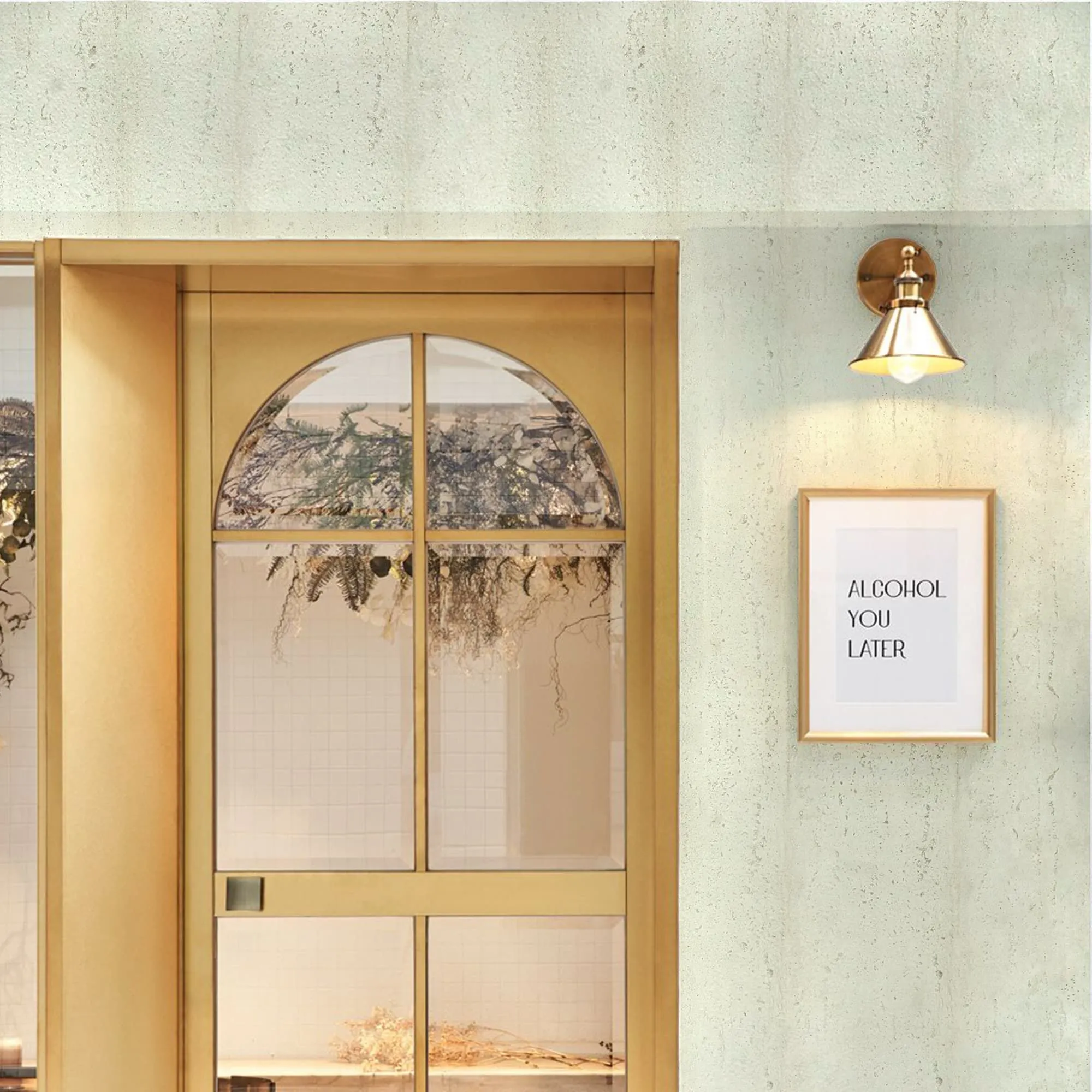
These two projects in Saudi Arabia are more than just successful case studies; they are a glimpse into the future of architecture. They demonstrate a shift away from the limitations of traditional, heavy materials towards a new paradigm of design freedom, efficiency, and sustainability. The ability to create complex, lightweight, and durable forms opens up a world of possibilities for architects and designers.
While the wave panels were the stars of these projects, they represent just one facet of what's possible with our MCM technology. Our MCM 3D Printing Series , for instance, takes this concept of customization to the next level, allowing for even more intricate and bespoke architectural elements to be created on demand. Imagine printing decorative screens, unique sculptural pieces, or complex latticework directly from a digital file. That future is already here.
At COLORIA GROUP, we are incredibly proud of the role we've played in bringing these stunning visions in Riyadh and Jeddah to life. Our commitment goes beyond simply supplying products. We see ourselves as creative partners, using our material expertise to help architects and developers push the boundaries of what's possible. As Saudi Arabia continues its ambitious journey of growth and innovation, we are excited to continue providing the materials that will not only build its future cities but also define their soul. The waves in Riyadh and Jeddah are just the beginning.
Recommend Products











