

Every designer, contractor, and homeowner knows the dance: you fall in love with a material that makes a space feel alive—rich textures, warm colors, a story in every inch—but then comes the price tag. Suddenly, that "perfect" stone or tile feels out of reach, forcing compromises that leave the final design feeling flat. What if there was a material that didn't ask you to choose between aesthetics and affordability? Enter COLORIA's Starry Red Travertine MCM—a standout in the MCM project board series that's redefining what budget-conscious design can look like.
Let's start with the basics: MCM, or Modified Composite Material, is the backbone of COLORIA's innovative product line. Part of the broader MCM project board series, these materials blend cutting-edge technology with natural aesthetics to create something truly unique. Starry Red Travertine MCM, in particular, takes inspiration from traditional travertine—a stone prized for its porous texture and earthy tones—but reimagines it with a twist: tiny, iridescent flecks that catch the light, mimicking a starry night sky, all set against a deep, warm red backdrop.
But what really sets it apart is its flexible stone technology. Unlike natural travertine, which is heavy, brittle, and often requires reinforced structural support, Starry Red Travertine MCM is lightweight (we're talking a fraction of the weight of natural stone) and flexible enough to bend around curves or adhere to uneven surfaces. This isn't just a design win—it's a logistical and financial one, too. Lighter materials mean lower shipping costs, easier installation (no need for a team of heavy-lifting specialists), and reduced structural stress on buildings, which translates to long-term savings on maintenance and repairs.
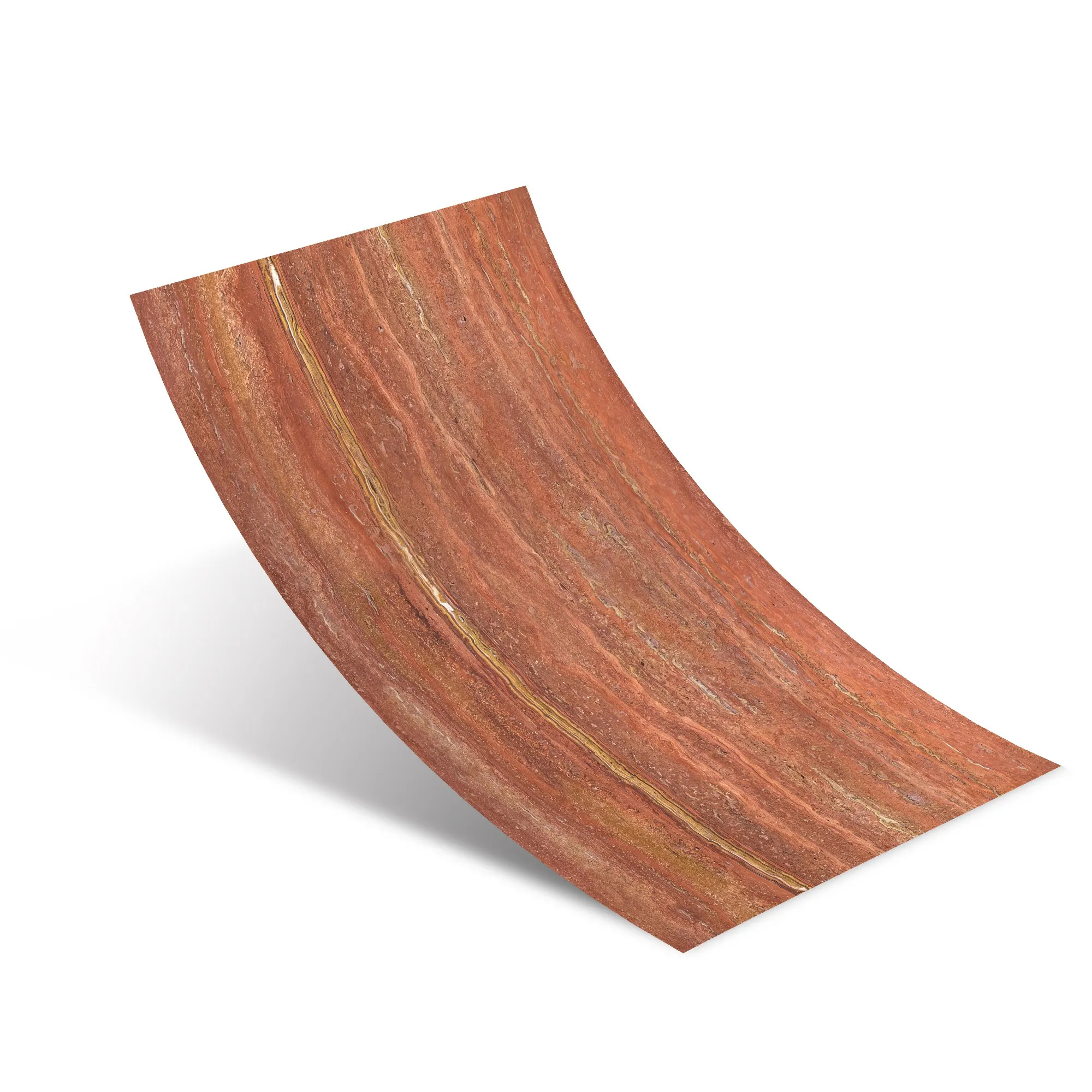
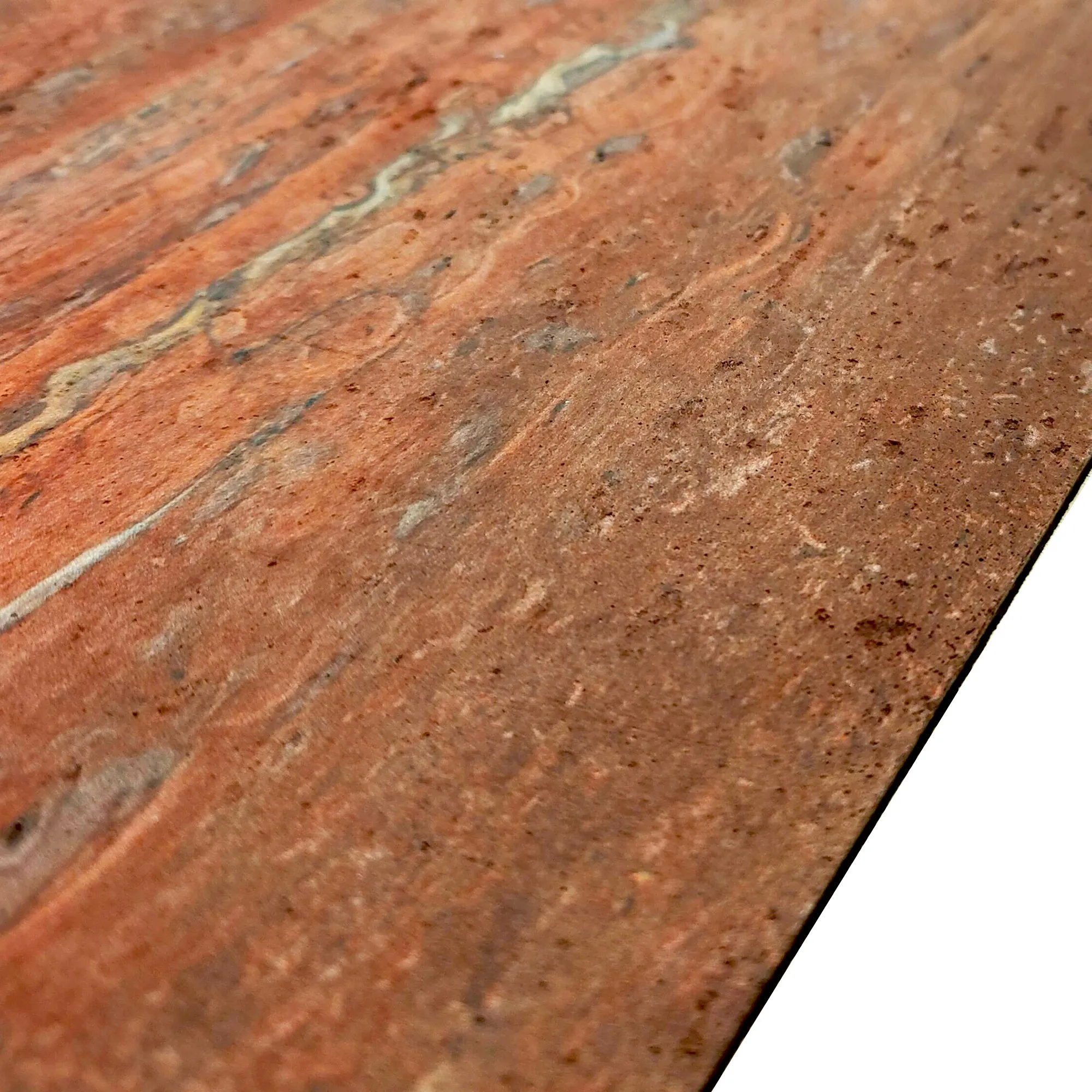
Let's talk about the star of the show: the look. Starry Red Travertine MCM isn't just "red"—it's a gradient of warmth, from deep burgundy at the base to softer terracotta hues near the edges. And those starry flecks? They're not just added for show. Made from a blend of mineral aggregates and pigments, they shift with light: in bright daylight, they sparkle like distant stars; under warm indoor lighting, they glow with a subtle, golden-red shimmer. It's a material that evolves with the space, keeping rooms feeling dynamic and alive.
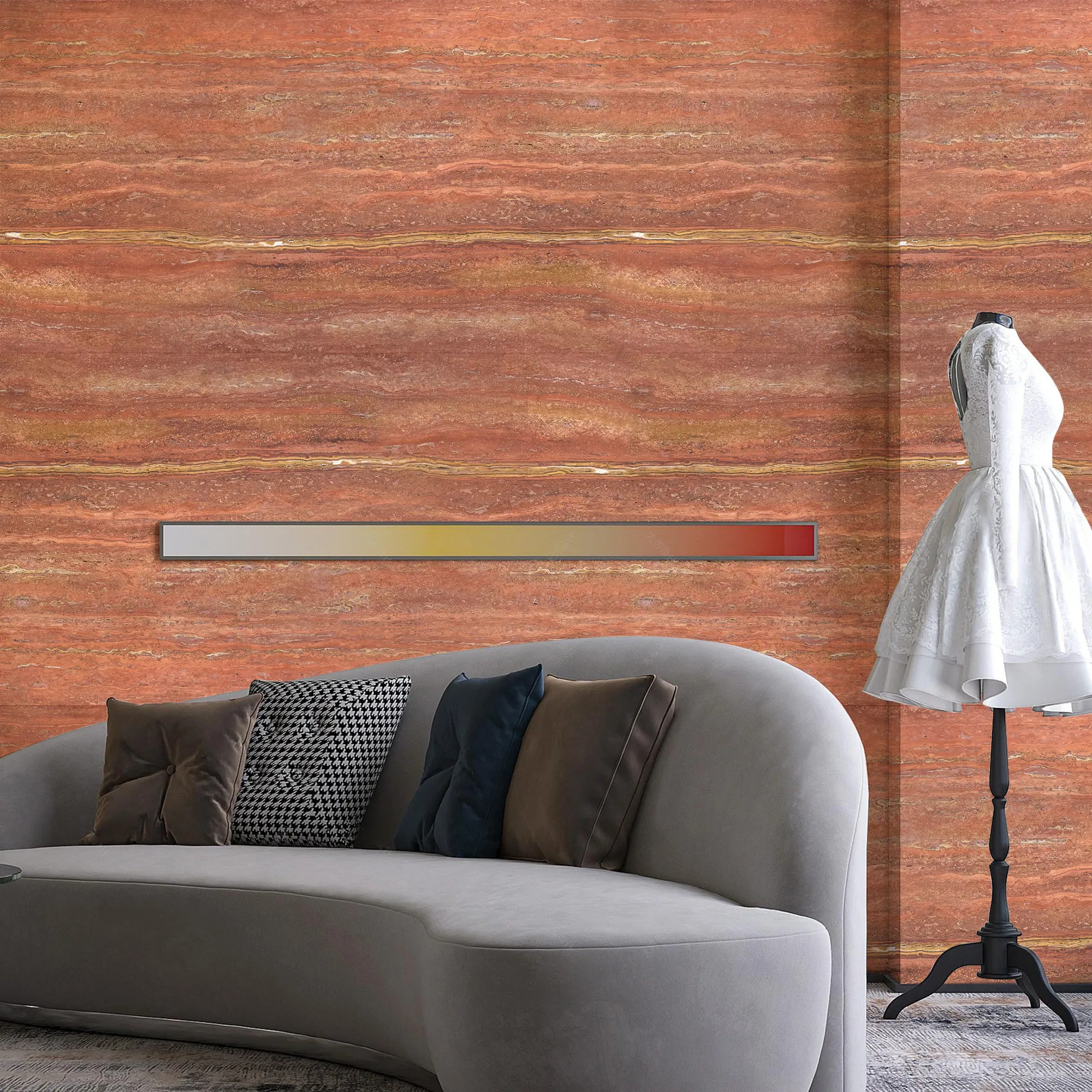
Imagine a restaurant wall clad in this material: during lunch, sunlight streams in, turning the red into a vibrant, energetic backdrop that makes meals feel lively. By dinner, with dimmed lights, the starry flecks take center stage, creating an intimate, almost magical atmosphere. Or a home exterior: against a backdrop of greenery, the red pops without clashing, adding curb appeal that makes neighbors pause and ask, "What is that?"
And it's versatile. Use it as a statement wall in a boutique hotel lobby, as cladding for a coffee shop facade, or even as a kitchen backsplash for homeowners who want to inject personality without going over budget. It pairs beautifully with neutral tones (think soft whites or warm grays) but also holds its own alongside bolder accents—brass fixtures, dark wood, or even other COLORIA materials like wood grain board, which we'll dive into later.
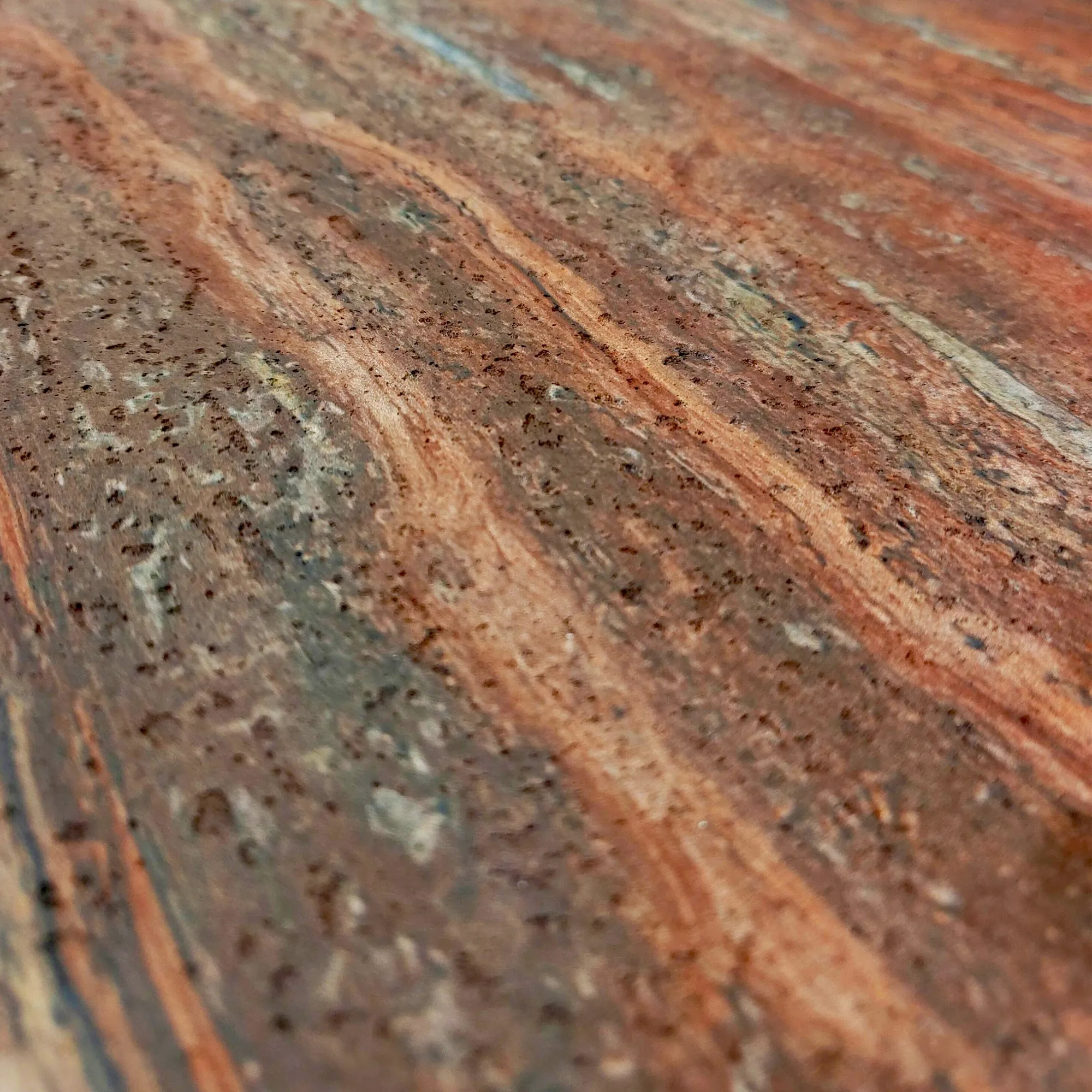
Let's get down to brass tacks: budget. Traditional natural travertine is stunning, but it comes with a steep price tag—mining, cutting, shipping, and installing heavy slabs all add up. Then there's the risk of cracking during transport or installation, which means wasted material and extra costs. Starry Red Travertine MCM skips all that. Because it's a composite material, it's produced in large, consistent sheets, reducing waste. Its lightweight nature cuts shipping costs by up to 40% compared to natural stone, and installation is faster (and thus cheaper) since it can be cut on-site with standard tools and adhered with basic adhesives—no need for specialized equipment.
To put it in perspective: a 500-square-foot accent wall using natural red travertine might cost upwards of $15,000 when you factor in material, shipping, and labor. The same wall with Starry Red Travertine MCM? Closer to $8,000—nearly half the cost, with zero compromise on looks. That's the kind of saving that lets designers allocate budget to other elements, like custom lighting or high-end fixtures, without sacrificing the material that ties the whole design together.
Starry Red Travertine MCM doesn't have to stand alone. In fact, some of its best applications come from pairing it with other budget-friendly, high-impact materials. Let's break down how it compares to two popular options: fair-faced concrete and wood grain board —both staples in modern design.
| Material | Cost (per sq. ft.) | Best For | Aesthetic Vibe | Durability |
|---|---|---|---|---|
| Starry Red Travertine MCM | $12–$18 | Accent walls, exteriors, feature facades | Warm, dynamic, starry texture with red depth | Water-resistant, fade-resistant, scratch-resistant (15+ year lifespan) |
| Fair-Faced Concrete | $8–$12 | Industrial-chic interiors, minimalist exteriors | Raw, neutral, textured (cool gray tones) | Highly durable, but prone to staining without sealant |
| Wood Grain Board | $10–$15 | Warm interiors, accent walls, ceiling panels | Rustic, organic, natural wood texture (light to dark browns) | Moisture-resistant, termite-proof (ideal for humid climates) |
See the magic? Pair Starry Red Travertine MCM with fair-faced concrete, and you get a bold contrast of warm red and cool gray—perfect for a modern restaurant or co-working space. Mix it with wood grain board, and suddenly you've got a cozy, cabin-like vibe with a luxe twist, ideal for a boutique hotel lobby or a home living room. The best part? All three materials clock in at under $20 per square foot, making them accessible for projects of all sizes.
In today's design world, "budget-conscious" often overlaps with "eco-conscious." Clients want materials that look good and do good—and Starry Red Travertine MCM delivers here, too. As part of COLORIA's commitment to green building materials , the production process for MCM uses 30% less energy than traditional stone mining and cutting. It also incorporates recycled materials (up to 25% of the composite blend is post-industrial recycled content), reducing waste sent to landfills.
And let's not forget longevity. A material that lasts longer means less frequent replacement, which is better for the planet (and your wallet). Starry Red Travertine MCM is resistant to UV rays (so it won't fade in sunlight), moisture (no warping or mold), and even harsh weather (think rain, snow, or salt air for coastal projects). Compare that to natural travertine, which often requires annual sealing to prevent staining, or wood, which can rot or warp in humid climates. Over time, the eco-footprint (and maintenance costs) of MCM pull far ahead.
The Downtown Café Renovation
Take "Brew & Co.," a small café in a historic district that wanted to update its exterior without losing its charm. The owner loved the idea of red stone but balked at the $25,000 quote for natural travertine. Enter Starry Red Travertine MCM. The team clad the front facade in the material, pairing it with fair-faced concrete planters and wood grain board accents. Total cost? $12,000. Six months later, the owner reports customers regularly commenting on the "stunning red walls"—and foot traffic is up 20% thanks to the eye-catching exterior.
The Homeowner's Accent Wall
Then there's Maria, a homeowner in the suburbs who wanted to turn her plain living room into a "wow" space. She'd seen natural red travertine in a design magazine but was shocked by the $8,000 estimate for a single accent wall. Her contractor suggested Starry Red Travertine MCM, and today, that wall is the centerpiece of her home. "I was worried it would look 'fake,'" she says, "but guests can't tell the difference. And I saved enough to splurge on a new sofa, too."
We've talked about cost and looks, but let's not overlook the practical stuff: installing and caring for Starry Red Travertine MCM is a breeze. Unlike natural stone, which requires precise cutting and grouting, MCM panels come in large sheets (up to 4x8 feet) that can be trimmed with a standard circular saw or utility knife. They adhere to most surfaces—drywall, concrete, wood, even metal—using a basic construction adhesive, so there's no need for mortar or grout (unless you want the grouted look, in which case it's easy to add). A typical 200-square-foot wall can be installed by two people in a single day—no special training required.
Maintenance? Even simpler. Unlike natural travertine, which is porous and prone to staining, MCM has a protective top layer that repels liquids. Spills wipe up with a damp cloth. For outdoor use, a yearly rinse with a hose is all it takes to keep it looking fresh. No sealing, no special cleaners, no hassle.
At the end of the day, design is about storytelling. It's about creating spaces that make people feel something—joy, calm, inspiration. But that story shouldn't come with a budget-breaking price tag. Starry Red Travertine MCM from COLORIA lets you tell that story without compromise. It's a material that's as kind to your wallet as it is to your aesthetic vision: lightweight, durable, sustainable, and stunningly beautiful.
Whether you're a designer working on a tight commercial budget, a contractor looking to impress clients with cost-saving solutions, or a homeowner dreaming of a space that feels uniquely yours, this isn't just a material—it's a tool to make those dreams a reality. So why settle for "good enough" when you can have "perfect"—and affordable?
Starry Red Travertine MCM isn't just part of the MCM project board series. It's proof that budget-conscious design can be bold, beautiful, and built to last. And in a world where every dollar counts, that's a story worth telling.
Recommend Products











