

Think about the last time you stepped into a space that felt truly alive—the way the walls seemed to breathe with texture, the colors that wrapped around you like a hug, the quiet confidence of knowing every detail was intentional. Now, think about what makes that space feel like more than just a pretty backdrop. It's the unspoken promise that the materials surrounding you aren't just there to look good—they're there to protect. In a world where building design often prioritizes style over substance, COLORIA is rewriting the rulebook, proving that safety and beauty don't just coexist; they enhance each other. And at the heart of this mission? Their showstopping Starry Red Travertine MCM, a material that turns "what if" into "why not both."
Before we dive into the specifics of Starry Red Travertine, let's talk about the brand behind it. COLORIA isn't just a manufacturer of building materials—they're storytellers. For over a decade, their team of architects, engineers, and designers has been obsessed with one question: How do we create materials that don't just fill a space, but elevate it, while never compromising on the safety of the people who inhabit it? It's a question that's led them to reimagine everything from traditional stone to cutting-edge composites, resulting in lines like their MCM Flexible Stone series, which has become a go-to for designers who refuse to choose between durability and aesthetics.
"We believe a wall isn't just a barrier—it's a conversation starter," says Maria Gonzalez, COLORIA's Head of Product Development. "It should make you feel something, but it should also make you feel secure. That's why every product we create starts with two non-negotiables: Does it inspire? And does it protect?" For Starry Red Travertine MCM, the answer to both is a resounding yes.
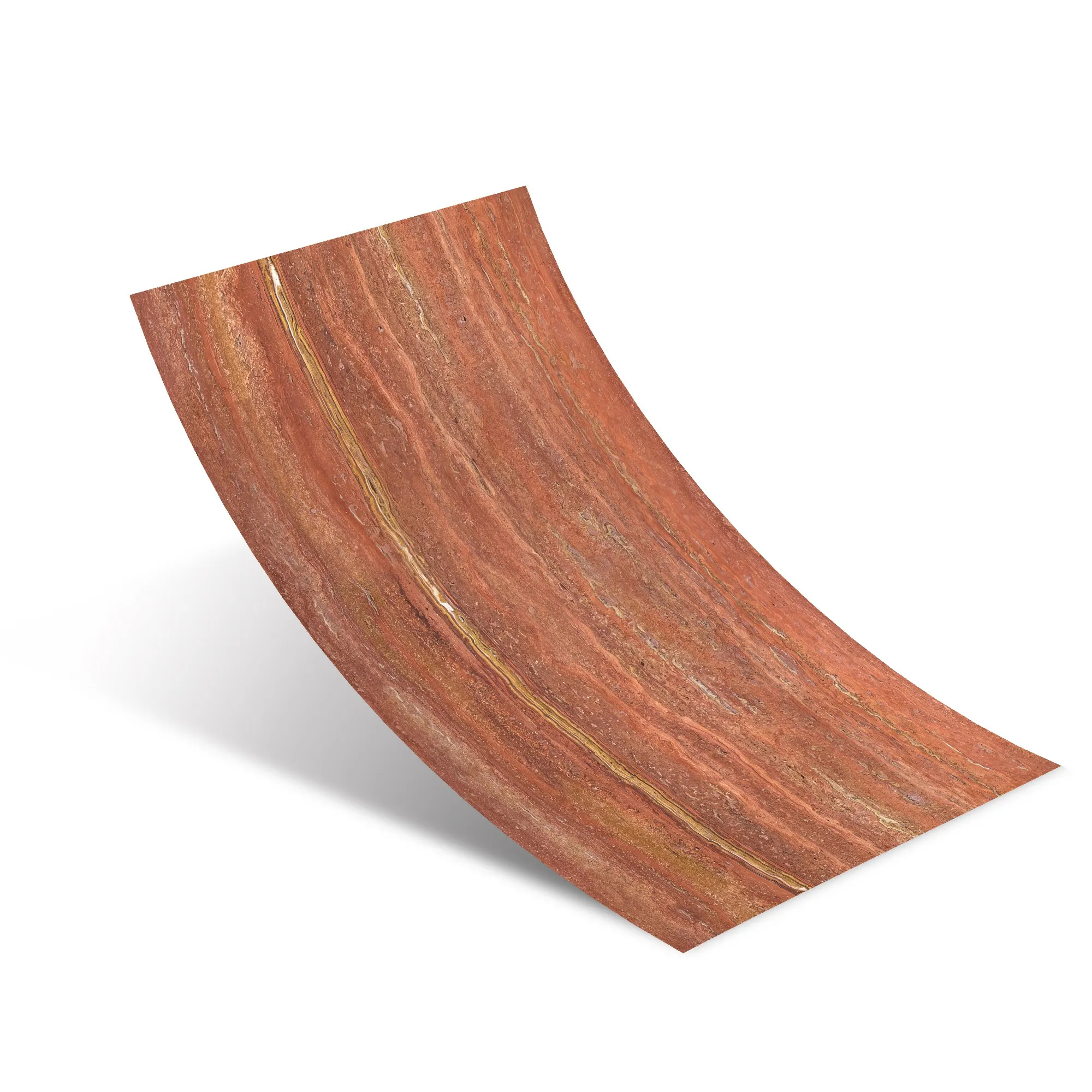
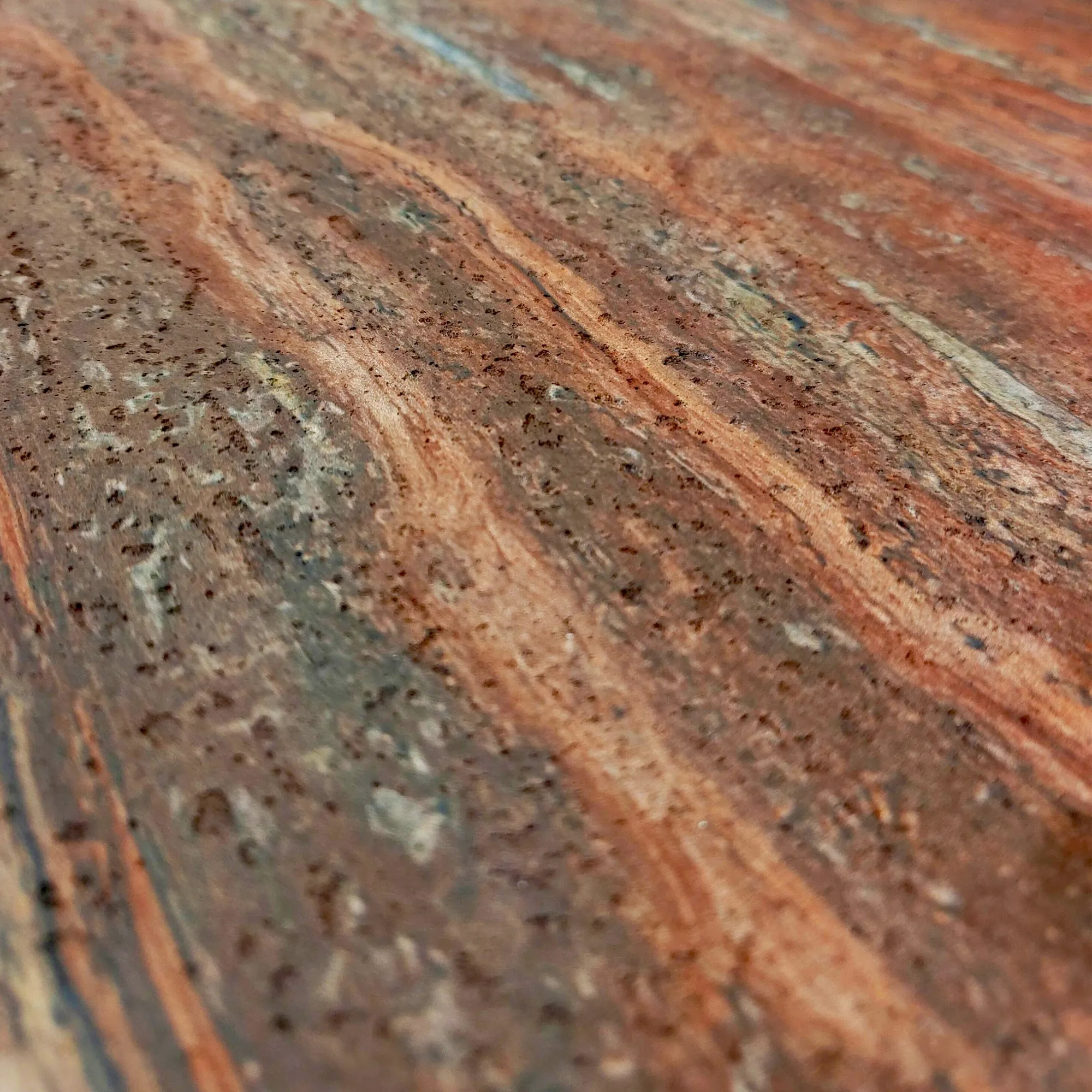
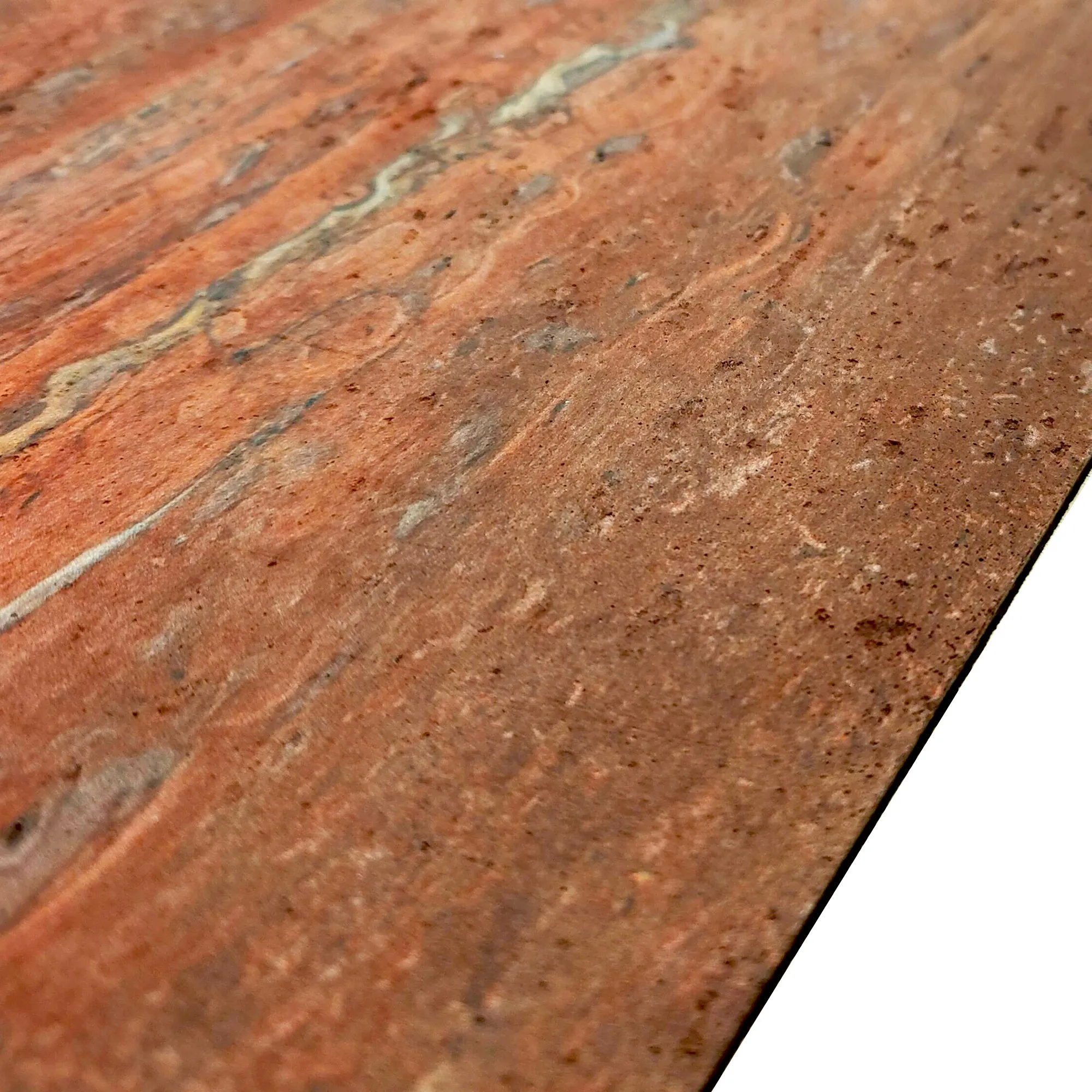
Let's start with the obvious: Starry Red Travertine MCM is stunning. Picture this: a deep, rich red base, swirled with veins of amber and gold, dotted with tiny, iridescent flecks that catch the light like distant stars. It's travertine, but not as you know it. Traditional travertine is beloved for its organic, porous texture, but it can be heavy, brittle, and tricky to install in large or curved spaces. COLORIA's MCM (Modified Composite Material) technology changes all that. By bonding a thin layer of natural travertine to a reinforced fiberglass and polymer backing, they've created a material that's lightweight, flexible, and twice as durable as its traditional counterpart—without losing an ounce of its natural beauty.
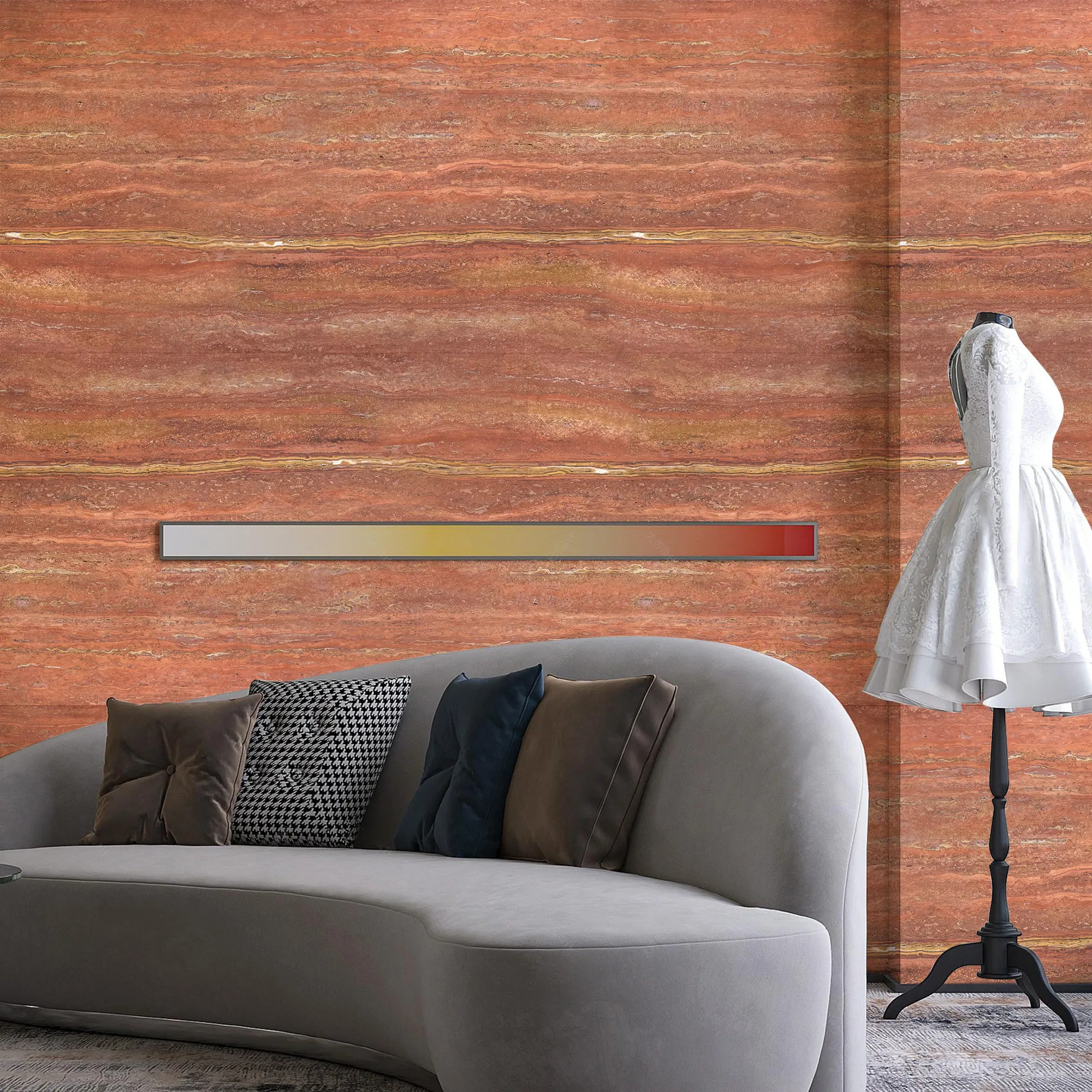
"We wanted to capture the drama of a starry night sky, but in a color that feels warm and inviting," explains Gonzalez. "Red is such a bold choice, but it's often underused in commercial spaces because people worry it might feel overwhelming. With Starry Red, the flecks and veining break up the color, making it versatile—perfect for a restaurant accent wall, a hotel lobby, or even a residential fireplace surround. It's bold, but it's also balanced."
And versatility doesn't stop at color. Starry Red Travertine MCM comes in a range of sizes, from large-format slabs (ideal for creating seamless walls) to smaller, more intricate tiles for backsplashes or feature niches. Its flexibility means it can be curved around columns, wrapped over edges, or even used on ceilings—something traditional stone could never pull off without cracking or requiring extensive structural support.
But let's get to the reason we're here: safety. When it comes to building materials, fire resistance isn't just a "nice-to-have"—it's a lifeline. According to the National Fire Protection Association (NFPA), over 100,000 non-residential building fires occur in the U.S. each year, causing billions in damage and, more importantly, putting lives at risk. The right wall materials can mean the difference between a small, contained incident and a disaster.
So, how does Starry Red Travertine MCM stack up? Let's break it down. First, MCM technology itself is a game-changer for fire safety. Unlike wood, vinyl, or even some traditional stones that can ignite or crumble under high heat, the composite structure of MCM creates a barrier that resists combustion. The fiberglass backing acts as a flame retardant, while the natural stone layer (travertine) is inherently non-combustible—meaning it won't catch fire, even when exposed to direct flames.
But COLORIA didn't stop there. They put Starry Red Travertine through rigorous testing, including the ASTM E84 Standard Test Method for Surface Burning Characteristics of Building Materials—the gold standard for evaluating fire performance. The result? A Class A fire rating, the highest possible. What does that mean in real terms? When exposed to fire, Starry Red Travertine MCM has a flame spread index of less than 25 (compared to wood, which can have a flame spread index of over 200) and produces minimal smoke. In fact, during testing, it self-extinguished within seconds of the flame source being removed—something few decorative materials can claim.
"Smoke is often more dangerous than the flames themselves in a fire," notes Dr. James Chen, a fire safety engineer who consulted on COLORIA's testing. "Materials that produce thick, toxic smoke can block escape routes and disorient occupants. Starry Red Travertine releases very little smoke, and what it does release is non-toxic. That's a huge win for safety."
Another key factor? Heat resistance. Traditional stone can crack or spall when exposed to high temperatures, but Starry Red's composite backing acts as a heat sink, distributing heat evenly and preventing thermal shock. In lab tests, it withstood temperatures of up to 1,200°C (2,192°F) for over an hour without significant damage—a critical feature for spaces like kitchens, server rooms, or public buildings where fire risks are higher.
Still not convinced? Let's put Starry Red Travertine MCM head-to-head with some common building materials, including a few of COLORIA's own popular products, to see how it measures up in key areas like fire resistance, durability, and design flexibility.
| Material | Fire Rating (ASTM E84) | Max Temperature Resistance | Smoke Production | Durability (Scratch/Impact Resistance) | Design Flexibility |
|---|---|---|---|---|---|
| Starry Red Travertine MCM | Class A (Flame Spread Index: <25) | 1,200°C (2,192°F) | Low (Non-toxic) | High (Resistant to scratches/impacts) | High (Flexible, can be curved/wrapped) |
| Fair-Faced Concrete | Class A (Flame Spread Index: <25) | 800°C (1,472°F) | Very Low | High (Brittle, prone to cracking if dropped) | Low (Rigid, limited to flat surfaces) |
| Lunar Peak Silvery (MCM) | Class A (Flame Spread Index: <20) | 1,100°C (2,012°F) | Low (Non-toxic) | High (Same composite backing as Starry Red) | High (Flexible, metallic finish) |
| Traditional Wood Paneling | Class C (Flame Spread Index: 76-200) | 300°C (572°F) | High (Toxic smoke when burned) | Medium (Prone to scratches/water damage) | Medium (Can be curved, but not fire-safe) |
As the table shows, Starry Red holds its own against even the most fire-resistant materials like fair-faced concrete, while offering far more design flexibility. And compared to Lunar Peak Silvery—another standout in COLORIA's MCM lineup—it offers a warmer color palette and slightly higher temperature resistance, making it ideal for spaces where both heat and aesthetics are concerns.
Numbers and tests are one thing, but real-world use is where a material truly proves its worth. Let's take a look at a few projects where Starry Red Travertine MCM has made a difference—both in terms of design and safety.
The Crimson Lounge, Chicago: A trendy new restaurant in downtown Chicago wanted a feature wall that would "wow" customers but also meet strict fire codes (restaurants are required to use Class A materials in dining areas). Designer Lisa Wong chose Starry Red Travertine MCM for the main wall behind the bar. "We needed something bold to complement the restaurant's red and gold color scheme, but I was worried red might feel too intense," Wong recalls. "Starry Red's flecks and veining add so much depth—people keep asking if it's real stone! And knowing it's fire-resistant gave the client peace of mind, especially with the open kitchen nearby."
Horizon Hotel, Miami: The Horizon Hotel's lobby features a sweeping, curved wall that wraps around the reception desk. Traditional stone was out of the question due to weight and flexibility issues, so the design team turned to Starry Red Travertine MCM. "We wanted the lobby to feel grand, but also intimate," says architect David Kim. "The curve softens the space, and the Starry Red adds warmth. During a recent fire safety drill, the fire marshal even commented on how well the material held up to the heat test—we didn't have to do any touch-ups afterward. That's the kind of durability you can't put a price on."
Maplewood Elementary School, Portland: Safety is non-negotiable in schools, but that doesn't mean they have to feel sterile. Maplewood Elementary used Starry Red Travertine MCM in their auditorium, where it serves as both a backdrop for performances and a fire-resistant barrier. "Kids are rough on walls—scuffing, leaning, even occasionally hitting them with backpacks," says principal Sarah Lopez. "We needed something that could stand up to daily wear and tear but also look nice enough for concerts and assemblies. Starry Red has been perfect. It still looks brand-new after two years, and parents love knowing we prioritized fire safety without skimping on design."
Starry Red Travertine MCM might be the star, but it's just one member of COLORIA's impressive MCM Flexible Stone family. Let's take a quick look at a few other standouts that pair beautifully with Starry Red—proving that safety and style can be a team sport.
At the core of COLORIA's innovation is their MCM Flexible Stone technology, which they've applied to everything from travertine to marble to slate. Unlike traditional stone slabs, which can weigh up to 150 lbs per square foot, MCM Flexible Stone weighs just 5-8 lbs per square foot, making it easier to transport, install, and less stressful on building structures. "We've had clients tell us they saved 30% on installation costs alone because they didn't need to reinforce walls or hire specialized stone masons," Gonzalez notes. And with a 20-year warranty on most products, it's an investment that pays off long-term.
For designers who prefer a more minimalist look, COLORIA's Fair-Faced Concrete is a dream. With its raw, industrial texture and neutral gray tone, it's perfect for modern offices, lofts, or retail spaces. Like Starry Red, it boasts a Class A fire rating and low smoke production, but its rigid composition makes it best suited for flat walls or floors. "Pair it with Starry Red for a striking contrast," suggests Wong. "I used Fair-Faced Concrete for the main walls in the Crimson Lounge and Starry Red for the bar backdrop—it's modern meets warm, and both are fire-safe. Win-win."
If Starry Red is the night sky, Lunar Peak Silvery is the moon. This MCM material features a silvery-gray base with subtle, crater-like textures that mimic the moon's surface. It's sleek, modern, and surprisingly versatile—equally at home in a tech startup office or a luxury spa. Like Starry Red, it's Class A fire-rated and flexible, but its metallic finish adds a touch of glamour. "I used Lunar Peak Silvery in a hotel rooftop bar, paired with Starry Red accents," says Kim. "The combination feels celestial, like you're dining under the stars and the moon. And since both are fire-resistant, we didn't have to compromise on the outdoor fire pit nearby."
At this point, you might be thinking, "Okay, fire resistance is important, but isn't that what building codes are for?" While it's true that most commercial and residential buildings are required to use Class A materials in high-risk areas (like kitchens, hallways, and stairwells), compliance is the minimum. Choosing a material that goes above and beyond—like Starry Red Travertine MCM—can mean the difference between a small incident and a major disaster.
"Building codes set a baseline, but they don't account for every scenario," explains Dr. Chen. "A Class A material with low smoke production, for example, can give occupants more time to evacuate if a fire breaks out. That extra 5-10 minutes could save lives. And for building owners, it can mean lower insurance premiums, fewer repairs after a fire, and a better reputation for prioritizing safety."
But it's not just about worst-case scenarios. Fire-resistant materials also offer peace of mind in everyday life. "When you walk into your home, you shouldn't have to wonder if the walls around you are safe," Gonzalez says. "You should be able to relax, create, and enjoy the space. That's the real value of materials like Starry Red—they let you live fully, without worry."
At the end of the day, buildings are more than just structures—they're the backdrop to our lives. They're where we work, play, learn, and connect. And the materials that make them up should reflect that importance: they should inspire, they should endure, and above all, they should protect.
COLORIA's Starry Red Travertine MCM is more than a building material—it's a statement. It says that you don't have to choose between a space that takes your breath away and one that has your back. It says that safety can be beautiful, and beauty can be strong. And in a world that often asks us to compromise, that's a message worth building on.
So the next time you're designing a space—whether it's a home, a business, or a public building—remember: the walls around you matter. Choose ones that tell a story. Choose ones that keep you safe. Choose ones that shine, like the stars.
Recommend Products











