

In the scorching heart of a desert summer, where the sun blazes relentlessly and temperatures climb past 45°C (113°F), buildings face a silent enemy: heat. For architects, developers, and homeowners in hot climates, choosing the right facade material isn't just about aesthetics—it's about survival. Traditional options like solid stone or concrete absorb heat like a sponge, turning walls into radiators that drive up cooling costs and warp over time. But what if there was a material that could laugh in the face of the sun, stay cool to the touch, and still make a bold design statement? Meet COLORIA's Starry Red Travertine MCM—a revolutionary solution that marries cutting-edge technology with timeless beauty, redefining what's possible for hot-climate construction.
Walk through any sun-baked city, and you'll see the toll extreme heat takes on buildings. Fair-faced concrete facades crack under thermal expansion, their once-sleek surfaces marred by hairline fractures. Natural travertine, prized for its organic texture, fades from warm golds to washed-out grays after just a few summers. Even modern metal panels, though durable, can reach surface temperatures hot enough to burn skin, making outdoor spaces unusable. These aren't just cosmetic issues—they're structural and financial ones. A building with a heat-trapping facade can see air conditioning costs spike by 30% or more, while frequent repairs to cracked or faded materials drain budgets year after year.
"We had a client in Arizona who spent $200,000 replacing a marble facade after five years because the sun had bleached it beyond recognition," recalls Elena Torres, a senior architect specializing in desert architecture. "They thought they were investing in luxury, but they didn't account for the climate. Heat resistance isn't a 'nice-to-have' here—it's the foundation of good design."
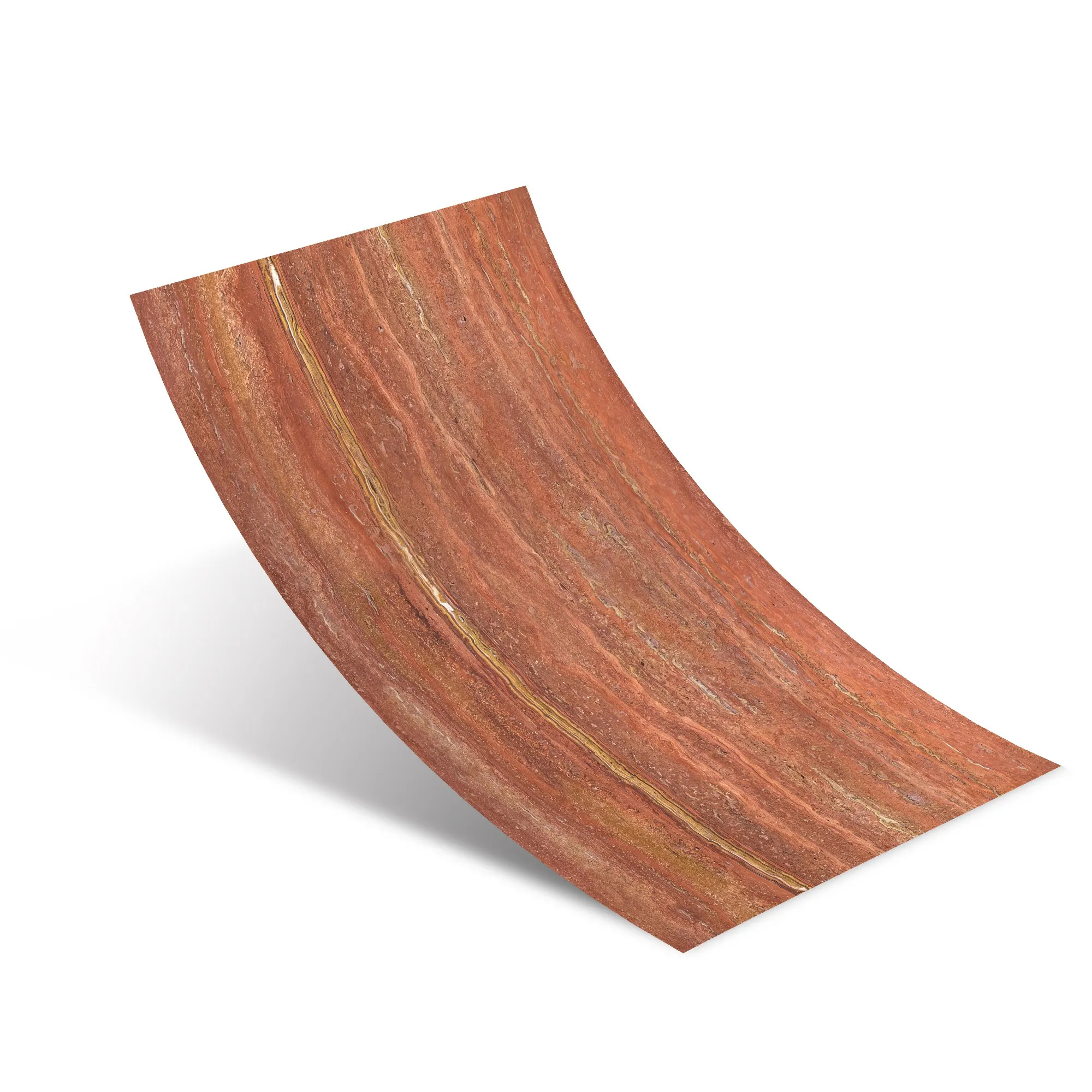
Enter COLORIA's Starry Red Travertine MCM (Modified Composite Material), a product born from the question: What if a building material could both beat the heat and elevate design? At first glance, its deep crimson hue with flecks of iridescent "stars" is striking—a bold departure from the muted tones often chosen for heat-prone areas. But look closer, and you'll discover a material engineered to thrive where others fail.
Unlike traditional travertine, which is dense and heat-absorbent, Starry Red Travertine MCM is built on COLORIA's proprietary flexible stone technology. At just 4mm thick and weighing a mere 5kg per square meter, it's lightweight enough to be installed on virtually any surface—yet tough enough to withstand 12-hour sun exposure in 50°C (122°F) heat. The secret? A unique blend of natural travertine aggregate, polymer resins, and heat-reflective minerals that work together to repel sunlight and release absorbed heat quickly, keeping surface temperatures up to 20°C (36°F) cooler than standard stone.
Heat resistance in building materials hinges on two superpowers: solar reflectance (how much sunlight is bounced back) and thermal emittance (how fast heat is released). Starry Red Travertine MCM excels at both. Its "starry" flecks are made of microscopic ceramic particles that act like tiny mirrors, reflecting 65% of solar radiation—far more than the 35% reflected by traditional red travertine. Meanwhile, its porous, layered structure allows heat to escape through microchannels, preventing the material from retaining warmth like a brick wall.
In independent lab tests, COLORIA's MCM panels were exposed to simulated desert conditions for 1,000 hours—equivalent to 10 years of sun exposure. The result? Less than 1% color fading, zero cracking, and surface temperatures that peaked at 42°C (107°F) when ambient temps hit 50°C (122°F). For context, a standard red brick wall in the same conditions would reach 68°C (154°F)—hot enough to fry an egg.
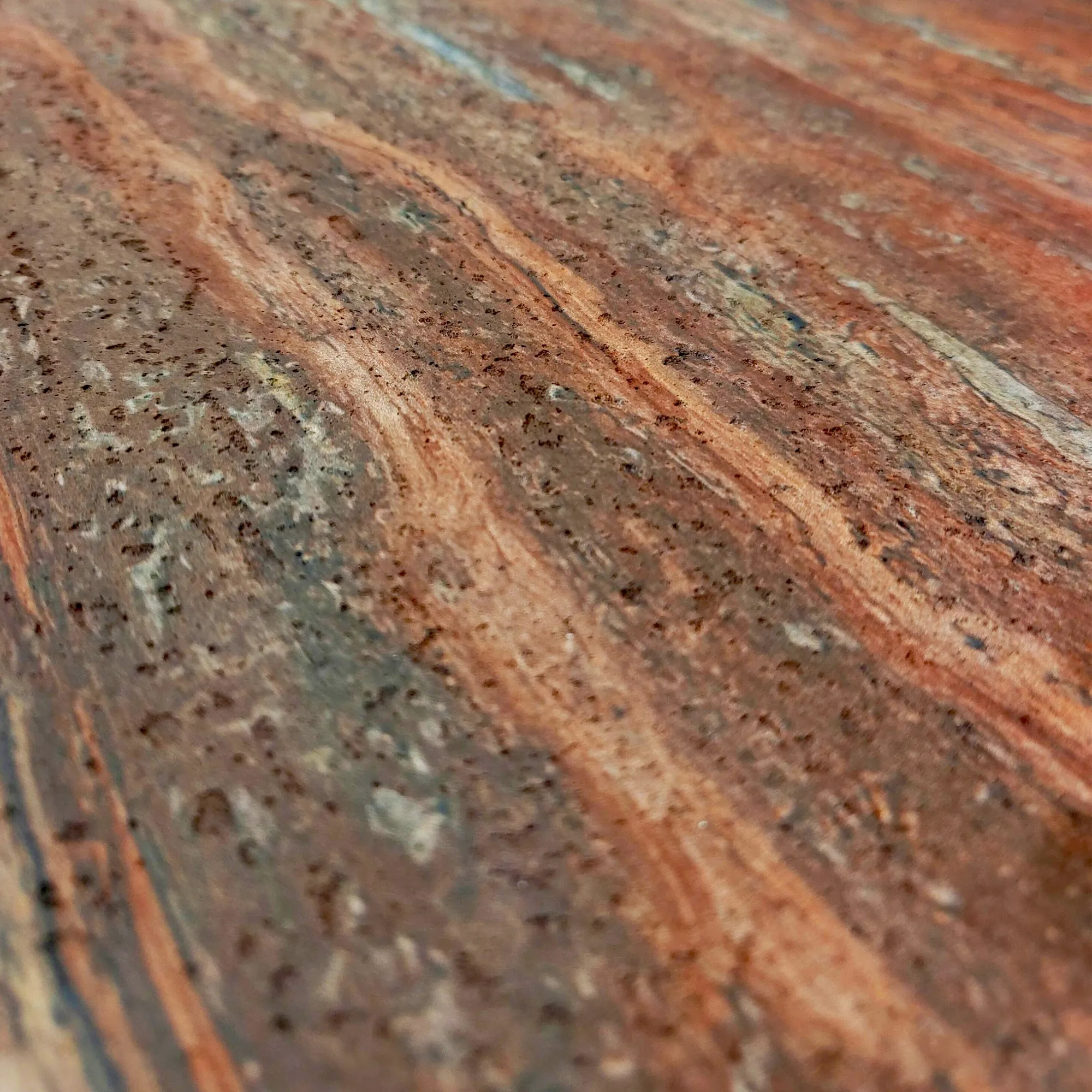
MCM's flexibility is another game-changer. Traditional stone slabs are rigid and heavy, requiring reinforced structures and specialized installation teams. Starry Red Travertine MCM, by contrast, bends slightly without breaking, making it ideal for curved facades, accent walls, or even furniture. "We used it on a circular restaurant patio in Dubai, wrapping it around columns and arches with zero waste," says Torres. "It's like working with a high-end fabric, not stone. And because it's light, we cut installation time by 40% compared to natural travertine."
Still skeptical? Let's pit Starry Red Travertine MCM against two common alternatives in hot climates: fair-faced concrete and traditional travertine. The numbers speak for themselves:
| Feature | Starry Red Travertine MCM | Fair-Faced Concrete | Traditional Red Travertine |
|---|---|---|---|
| Surface Temp (50°C Ambient) | 42°C (107°F) | 65°C (149°F) | 58°C (136°F) |
| Color Fading (10-Year Simulated) | <1% | 15-20% | 8-12% |
| Weight (per sq.m) | 5kg | 24kg | 22kg |
| Installation Time | 2 days/100 sq.m | 5 days/100 sq.m | 4 days/100 sq.m |
| Flexibility | Bends up to 15° without cracking | Rigid; prone to cracking under thermal stress | Brittle; cracks with minimal bending |
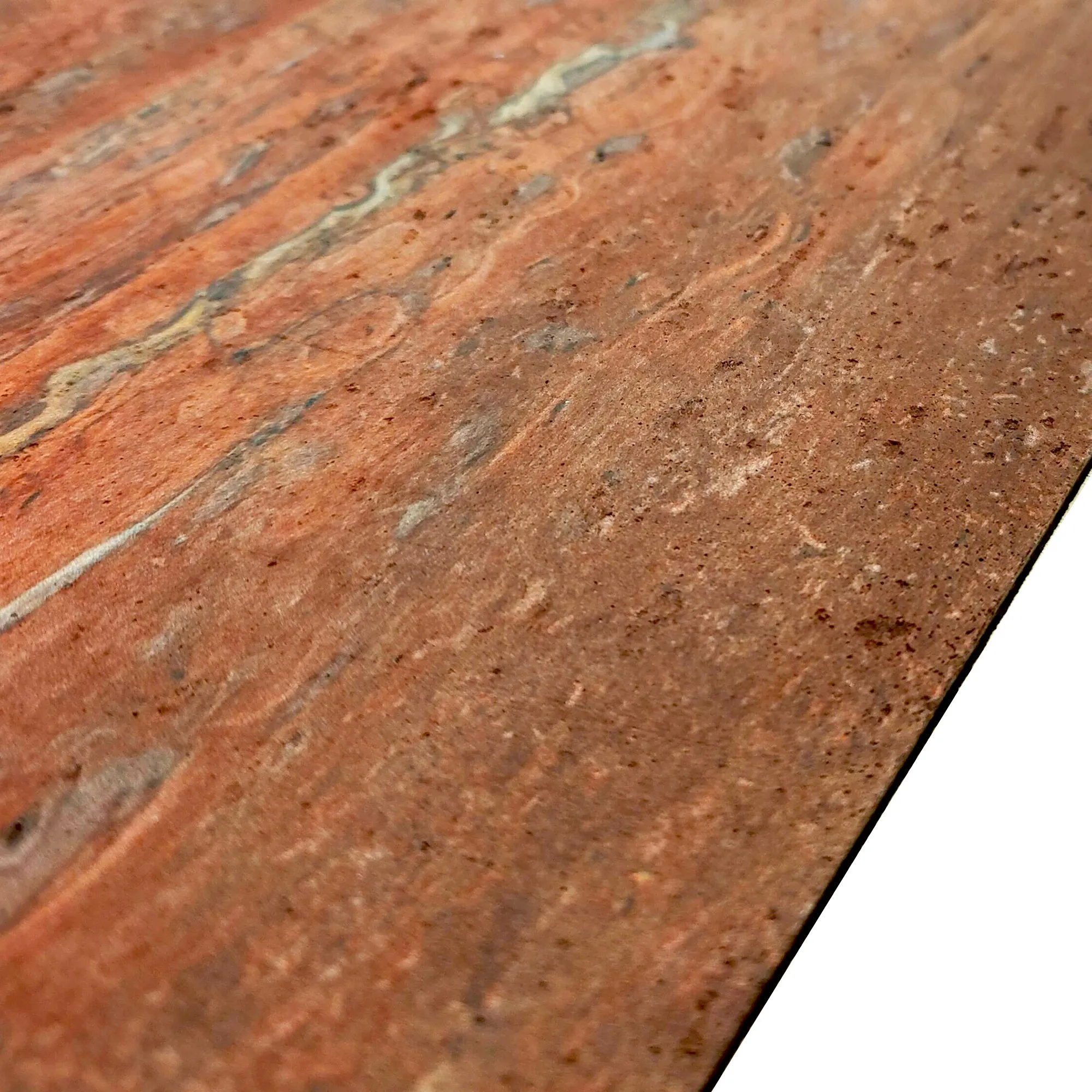
Performance is critical, but in architecture, beauty matters too. Starry Red Travertine MCM doesn't just perform—it stuns . Its deep crimson base is swirled with hints of terracotta and amber, while the "starry" flecks catch the light, creating a dynamic, ever-changing surface that shifts from rich red at noon to a warm, glowing burgundy at sunset. It's a material that makes a statement without screaming for attention—perfect for luxury hotels, boutique offices, or high-end homes.
And it plays well with others. Pair it with COLORIA's Lunar Peak Black MCM for a bold contrast, or use Foamed Aluminium Alloy Board in Vintage Gold as an accent to amplify light reflection. For a softer look, mix in Travertine (Beige) panels to create a desert-inspired palette that stays cool and cohesive. "We designed a villa in Riyadh with Starry Red walls, Lunar Peak Black trim, and Vintage Gold accents," says Torres. "The loves how it stands out during the day but glows at night—like the building itself is alive."
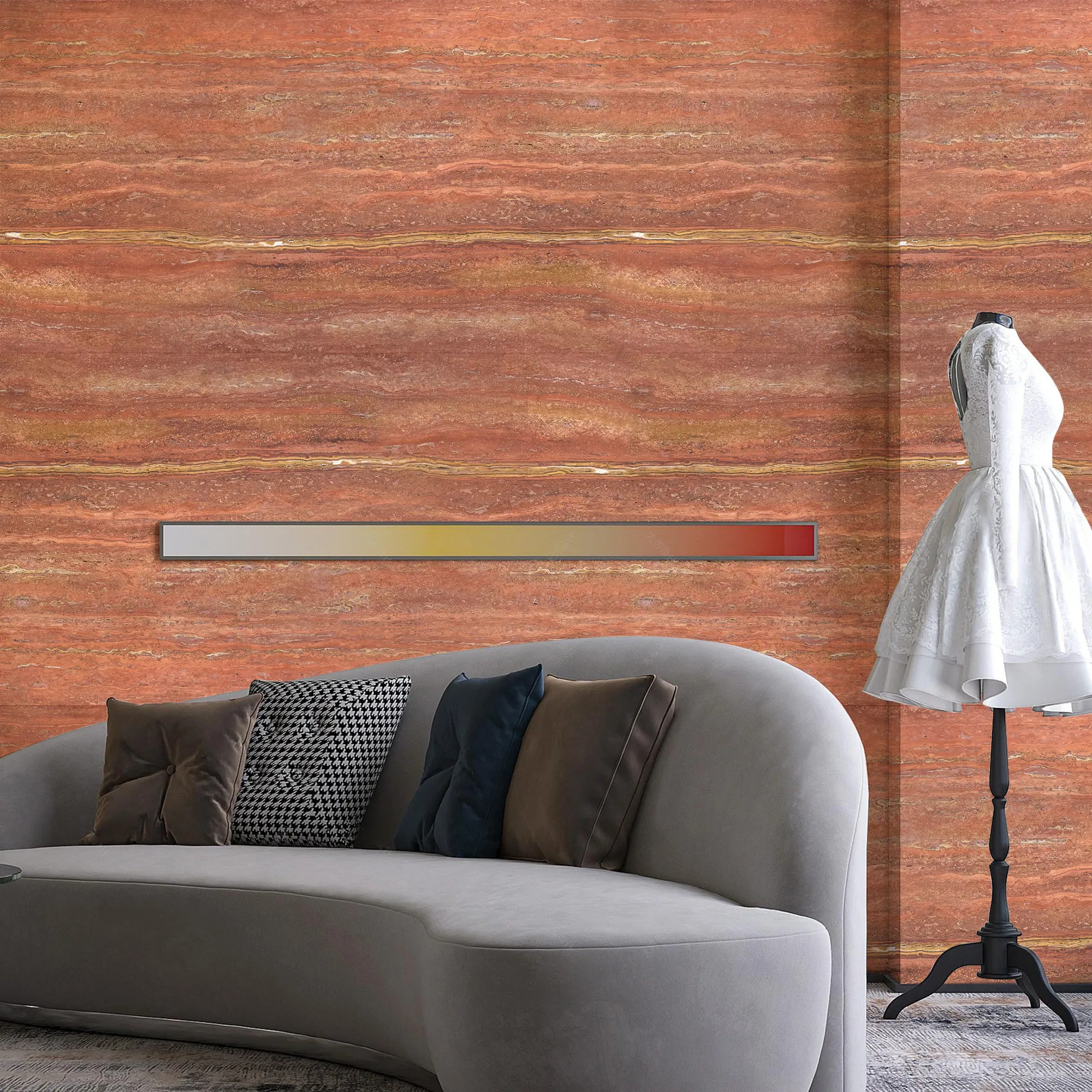
Starry Red Travertine MCM isn't limited to building exteriors. Its versatility makes it a standout choice for:
Take the case of the Azure Oasis Resort in Bahrain, which replaced its faded concrete facade with Starry Red Travertine MCM in 2023. Guests now rave about the "miracle walls" that stay cool even in August, and the resort reports a 28% drop in monthly AC costs. "It's not just a material—it's a marketing tool," says the resort's general manager. "Guests post photos of our red facade on Instagram, and we've seen a 15% increase in bookings because of it."
COLORIA isn't new to innovation. Their MCM flexible stone series has been trusted in projects from Dubai to Arizona for over a decade, and their 3D printing series pushes the boundaries of what's possible in custom design. But Starry Red Travertine MCM is their most ambitious yet—a material that proves sustainability, performance, and beauty can coexist.
Every panel is backed by a 15-year warranty against fading, cracking, or delamination, and COLORIA's commitment to eco-friendly manufacturing means 85% of the material is recycled or sustainably sourced. "We believe buildings should last for generations, not just decades," says COLORIA's head of R&D, Dr. Mei Lin. "Starry Red Travertine MCM is our promise to architects: you don't have to choose between function and beauty."
In a world where climate change is making heat waves more intense, the materials we choose for our buildings matter more than ever. Starry Red Travertine MCM isn't just a building material—it's a statement. It says, "We refuse to let the sun dictate our design." It says, "We care about comfort, cost, and curb appeal." And most importantly, it says, "We build for the future."
So whether you're designing a skyscraper in Riyadh, a villa in Marrakech, or a patio in Phoenix, don't settle for materials that shrink from the sun. Choose one that embraces it. Choose Starry Red Travertine MCM. Your building will stay cooler, your budget will thank you, and your design will shine—even on the hottest day of the year.
And if red isn't your color? Explore COLORIA's full travertine lineup, from Starry Blue to Vintage Silver, or mix and match with complementary series like Lunar Peak, Foamed Aluminium Alloy, or Fair-Faced Concrete. Because in the end, great design isn't about compromising—it's about choosing materials that do it all.
Recommend Products











