

Walk into any modern architectural marvel today, and you'll likely notice a quiet revolution unfolding—one where walls don't just divide space, but tell stories. They speak of sustainability without sacrificing beauty, of durability that doesn't compromise design. In this era of climate consciousness, architects and builders are on a quest for materials that do more than cover surfaces; they need partners that align with the planet's needs. Enter COLORIA's Starry Red Travertine MCM —a material that feels less like a product and more like a bridge between nature's artistry and human ingenuity. Let's dive into how this innovation, alongside COLORIA's broader lineup, is redefining what it means to build green.
Before we get lost in the allure of starry red hues, let's talk about the backbone of this material: MCM (Modified Composite Material) . If traditional building materials were like rigid textbooks, MCM is the flexible, dog-eared notebook where architects scribble their boldest ideas. Born from the need to lighten construction loads, reduce waste, and expand creative possibilities, MCM has quickly become the darling of green building circles. Unlike heavy natural stone slabs that guzzle energy during transportation and installation, MCM panels are lightweight, thin, and surprisingly strong—think of them as the "carbon-conscious cousin" of classic materials.
What makes MCM stand out in the crowded green building materials market? It starts with composition. Most MCM products, including COLORIA's, blend natural minerals with recycled polymers, cutting down on the extraction of virgin resources. Then there's the manufacturing process: low-temperature curing reduces energy use, while precision engineering minimizes material waste. The result? A product that doesn't just check LEED or BREEAM boxes but actively contributes to healthier, more efficient buildings. And when you pair that with design flexibility—think 3D textures, custom colors, and easy installation—you've got a material that speaks to both the eco-warrior and the artist in every architect.
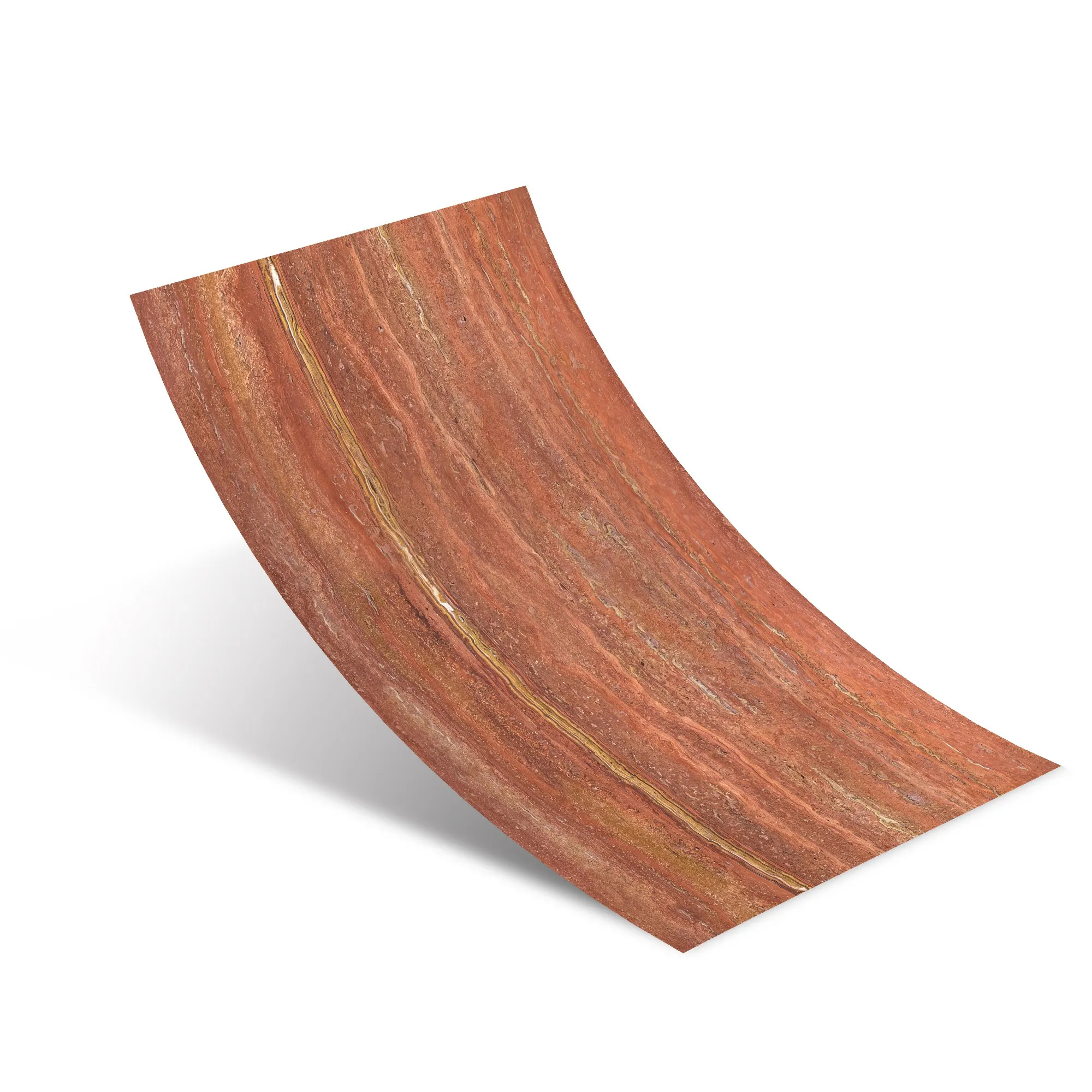
Now, let's zoom in on the star of the show: travertine (starry red) . Close your eyes for a second and picture a desert at dusk, where the setting sun paints the rocks in fiery reds, and as darkness falls, pinpricks of light—stars, or maybe tiny mineral crystals—begin to glimmer. That's the magic COLORIA has bottled into this panel. It's travertine, yes, but not the flat, uniform kind you might find on a generic office lobby floor. This is travertine reimagined: deep, rich red tones swirled with veins of cream and gold, and embedded with micro-crystals that catch the light like a sky full of stars.
But beauty here isn't skin-deep. What makes Starry Red Travertine MCM a game-changer is how it marries this visual drama with practical sustainability. Let's break it down: a standard 1m² panel weighs just 8kg, compared to 25kg for natural travertine. That might not sound like much, but multiply that by thousands of panels on a high-rise, and you're talking about reduced structural load, lower transportation emissions, and faster installation (which means less on-site energy use). And because it's MCM, it's resistant to scratches, moisture, and UV rays—so that starry sparkle won't fade, even in harsh climates. Imagine a hotel facade in Dubai, glowing red under the sun by day and twinkling like a constellation by night, all while cutting the building's carbon footprint by 30% compared to traditional stone. That's the promise here.
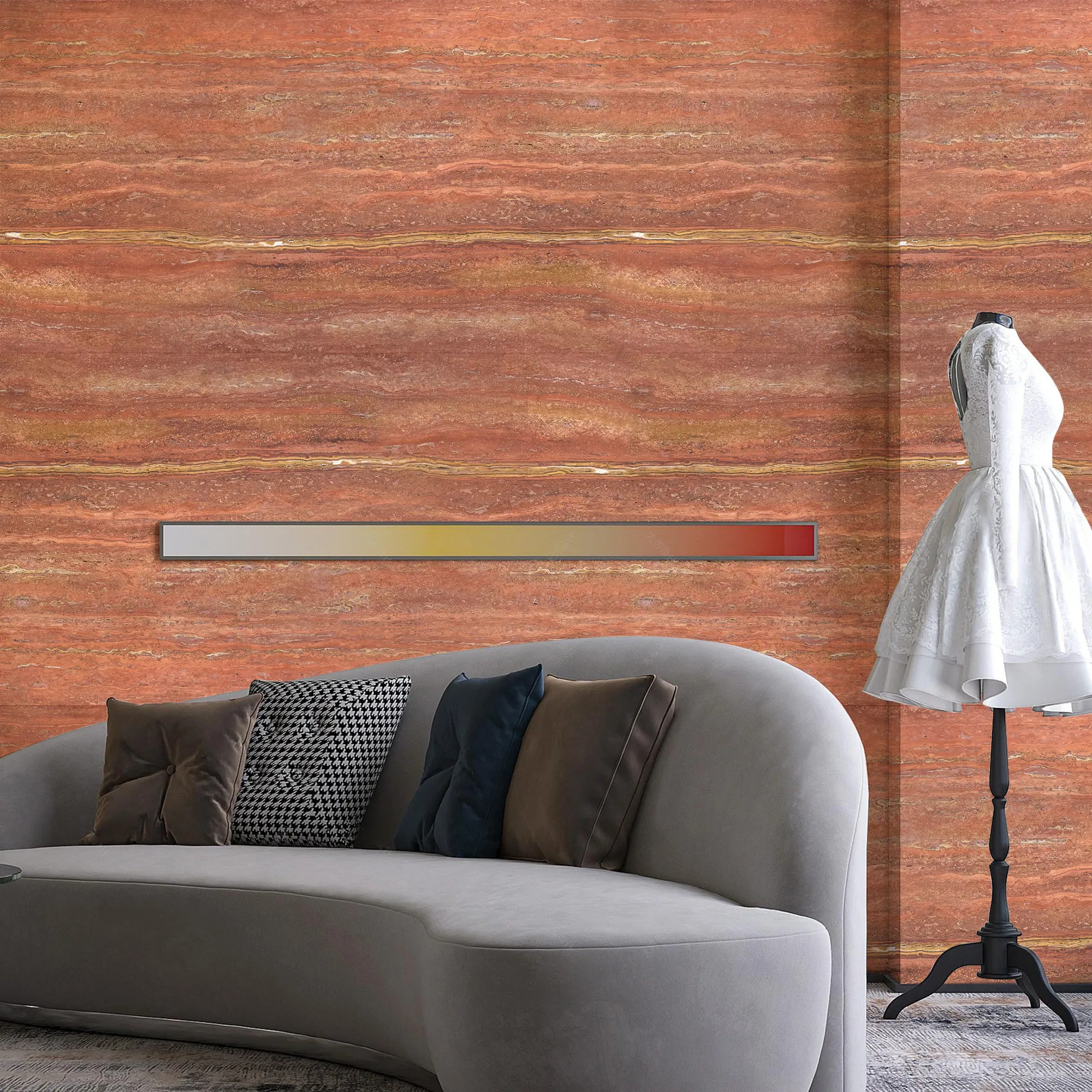
What truly sets this material apart, though, is its versatility. It's not just for exteriors. Imagine a restaurant interior where a feature wall of Starry Red Travertine MCM wraps around the space, paired with warm wood accents and soft lighting. The red tones evoke warmth and intimacy, while the starry crystals add a touch of whimsy—making diners feel like they're dining under the stars, even in the heart of a city. Or a museum hallway, where the panels' durability ensures they'll stand up to thousands of visitors' footsteps, while their unique texture tells a story of natural beauty and human innovation. It's a material that adapts to mood, space, and purpose—no small feat in a world where one-size-fits-all design is quickly going out of style.
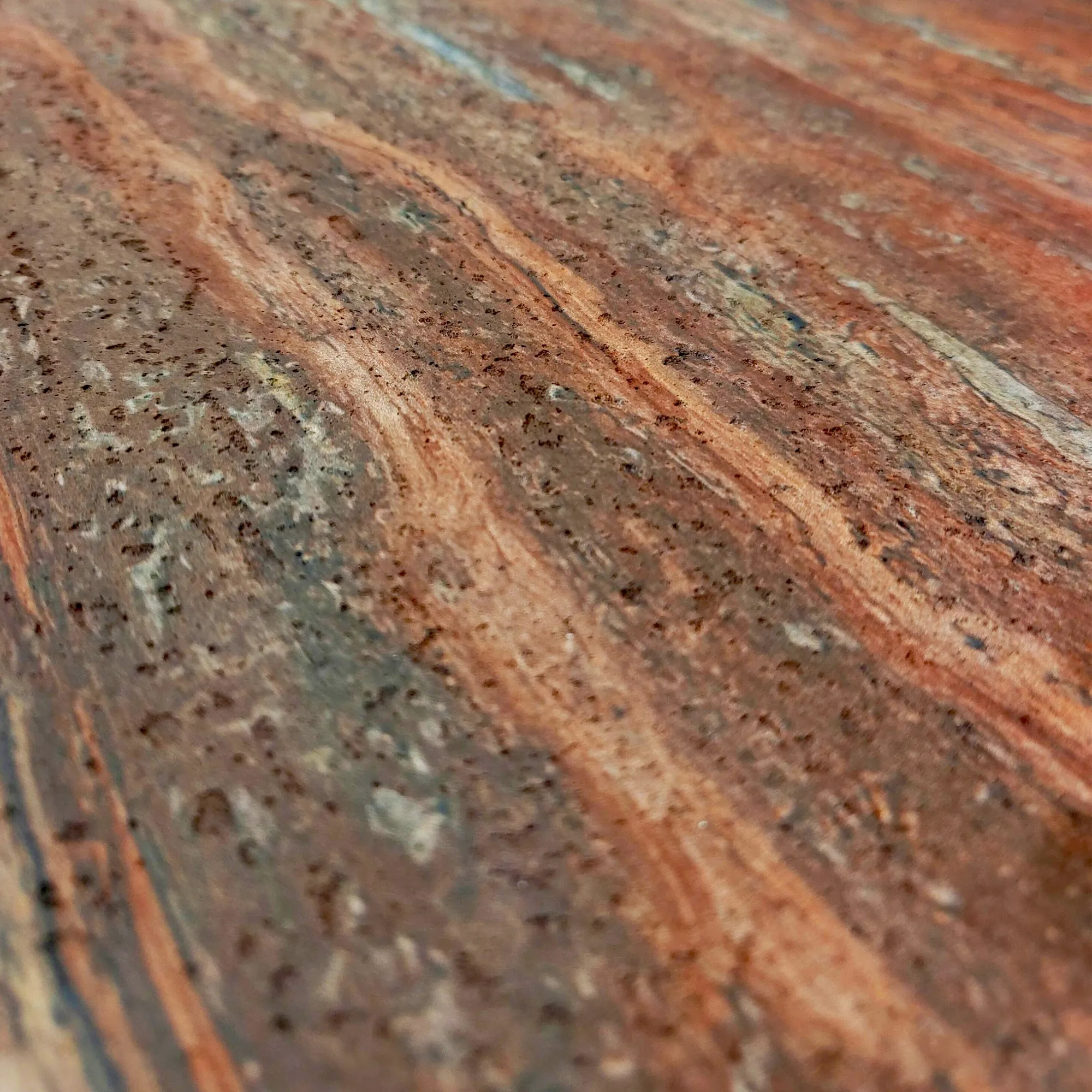
A single star doesn't make a galaxy, and Starry Red Travertine MCM is just one gem in COLORIA's crown. What makes this brand a go-to for architects is how seamlessly their collections work together, creating cohesive, sustainable designs. Let's take a quick tour of some standout companions:
If Starry Red is the fiery sunset, Lunar Peak Black is the calm, mysterious night that follows. Sleek, matte black with subtle silver veining, this MCM panel exudes understated elegance. Imagine pairing it with Starry Red on a building facade: the red panels form a bold, dynamic base, while Lunar Peak Black accents create sharp, modern lines. It's a contrast that feels both timeless and contemporary, like a tuxedo with a pop of color. And like its starry counterpart, Lunar Peak Black is lightweight, durable, and eco-friendly—proving that black doesn't have to mean "heavy" or "high-maintenance."
For those who crave raw, unapologetic texture, fair-faced concrete MCM is a dream. Stripped back, with visible aggregates and natural imperfections, it's the material equivalent of a well-worn leather jacket—rugged, authentic, and full of character. Pair it with Starry Red Travertine in a loft apartment, and you've got a space that balances warmth (from the red) with industrial edge (from the concrete). What's surprising is how sustainable this "rough" material is: COLORIA's fair-faced concrete MCM uses recycled aggregates and low-carbon cement, turning what was once a symbol of brute force into a poster child for green design.
Let's not forget MCM flexible stone —the chameleon of the lineup. As the name suggests, this material bends, allowing it to hug curved surfaces, wrap columns, or even create 3D sculptural elements. Imagine a museum with a spiral staircase lined in flexible stone, its surface mimicking the texture of ancient rock. Now, add Starry Red Travertine panels to the adjacent walls, and suddenly you've got a journey through time: the fluidity of the flexible stone representing movement, the starry red evoking the cosmos. It's design storytelling at its finest, made possible by a material that refuses to be boxed in (literally).
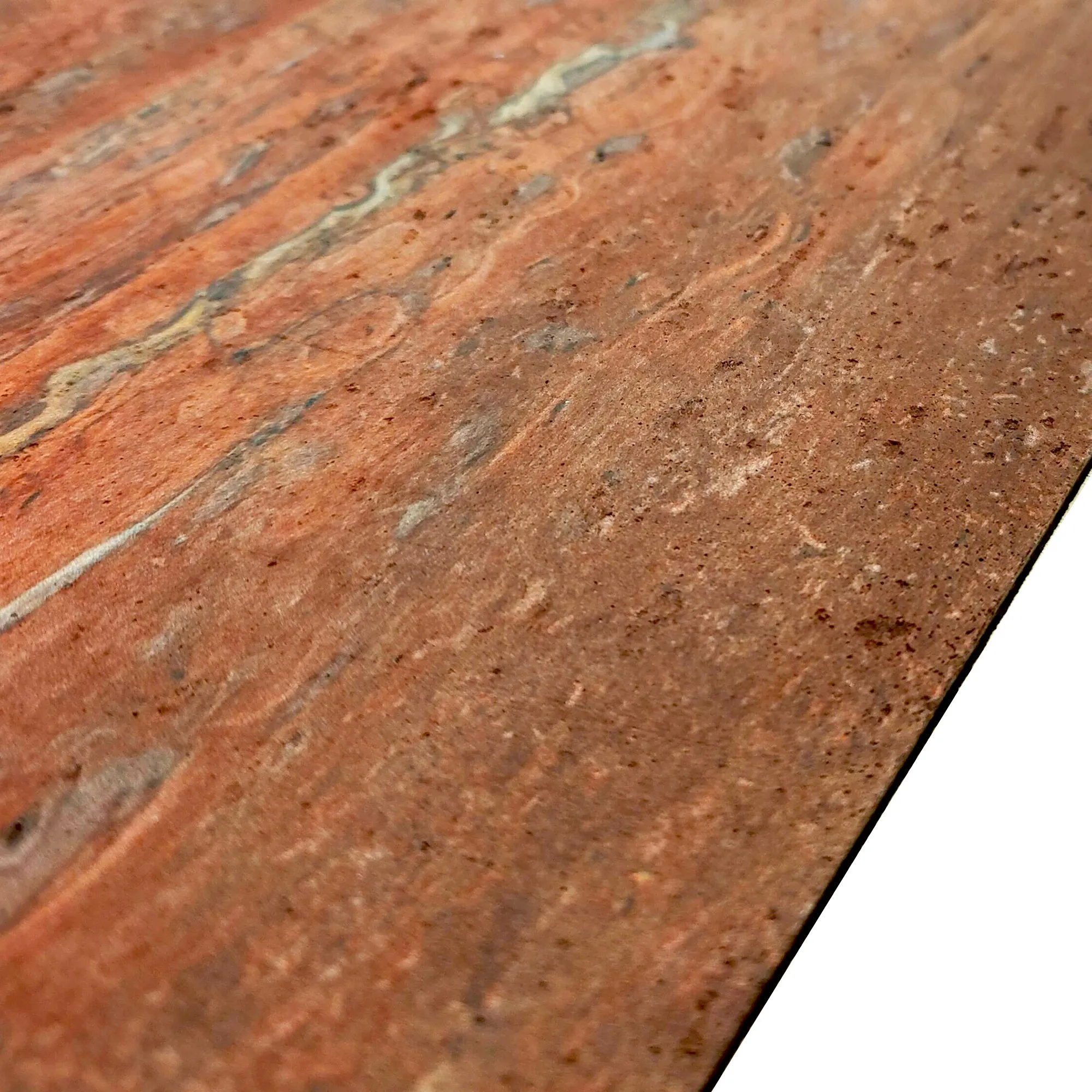
Words like "eco-friendly" and "sustainable" get thrown around a lot, so let's ground this in data. Below is a comparison of COLORIA's Starry Red Travertine MCM with two common alternatives: traditional natural travertine and fair-faced concrete (non-MCM). The numbers tell a clear story:
| Metric | Starry Red Travertine MCM | Traditional Travertine | Standard Fair-Faced Concrete |
|---|---|---|---|
| Weight (kg/m²) | 8 | 25 | 20 |
| Installation Time (m²/day/worker) | 25 | 8 | 12 |
| Carbon Footprint (kg CO₂/m²) | 6.2 | 18.5 | 12.1 |
| Expected Lifespan (years) | 50+ | 30-40 | 40-50 |
| Design Flexibility | High (custom colors, 3D textures) | Low (limited by natural veining) | Medium (stamped patterns possible) |
Take carbon footprint, for example: Starry Red Travertine MCM emits less than a third of the CO₂ per square meter compared to traditional travertine. That's because it uses less raw stone, requires less energy to transport, and produces minimal waste during manufacturing. And when you factor in its longer lifespan—50+ years versus 30-40 for natural stone—you're looking at a material that keeps on giving, reducing the need for frequent replacements and the waste that comes with them.
But sustainability isn't just about numbers; it's about responsibility. COLORIA's factories run on 40% renewable energy, and all water used in production is recycled. Even the packaging for MCM panels is made from 100% recycled cardboard. It's a holistic approach that shows "green building" isn't just a marketing term here—it's a commitment to every step of the process.
Let's step out of the lab and into the real world. One of the most striking uses of Starry Red Travertine MCM is the "Ember Arts Center" in Barcelona, a cultural hub designed to celebrate local creativity. The architects wanted a facade that would glow like a "beacon of inspiration" at night, while staying true to the city's eco-goals. They chose Starry Red Travertine MCM for the main facade, paired with Lunar Peak Black panels for the accents and fair-faced concrete for the lower levels. The result? A building that shifts with the light: warm red by day, twinkling by night, and with a carbon footprint 28% lower than the city's strict sustainability standards.
Then there's the "Desert Bloom Hotel" in Arizona, where the harsh desert climate demands materials that can withstand scorching sun and sudden monsoons. The designers opted for Starry Red Travertine MCM for the exterior walls and MCM flexible stone for the curved entrance canopy. Not only did the lightweight panels reduce the building's structural load (critical in earthquake-prone areas), but their UV resistance has kept the red color vibrant even after five years of intense sun exposure. Guests often remark that the facade "feels alive"—a testament to how materials can evoke emotion when done right.
As cities grow and climate concerns mount, the question isn't just "how do we build?" but "how do we build with intention?" COLORIA's Starry Red Travertine MCM—and its siblings like Lunar Peak Black , fair-faced concrete , and MCM flexible stone —offers an answer. It's proof that we don't have to choose between sustainability and beauty, between durability and design freedom. These materials are more than just building blocks; they're partners in creating spaces that lift our spirits while respecting the planet.
So the next time you walk past a building with a facade that makes you stop and stare—a wall that shimmers, or curves, or glows in unexpected ways—take a closer look. It might just be MCM, quietly revolutionizing how we build. And if that wall happens to be a deep, starry red? Chances are, it's COLORIA, writing the next chapter in the story of green architecture—one beautiful, sustainable panel at a time.
Recommend Products











