

Picture this: You're standing in a sunlit café in Bali, the air thick with the scent of frangipani and sea salt. The walls are lined with what looks like aged red stone, its surface dotted with tiny, star-like flecks that catch the light. Outside, the monsoon rains have been lashing the island for days, but inside, there's not a single water stain, no hint of mold, and the stone feels cool and dry to the touch. How is that possible? Traditional red travertine, beloved for its earthy charm, would typically soak up moisture like a sponge in such a humid climate—warping, staining, or becoming a breeding ground for mildew. But this isn't traditional stone. It's COLORIA's Starry Red Travertine MCM, a game-changer in the world of building materials designed to thrive where humidity reigns.
Humid environments—coastal homes, tropical resorts, urban basements, or even indoor spaces like spas and pools—pose a unique challenge to architects and homeowners alike. The enemy isn't just rain; it's the invisible moisture in the air that seeps into porous materials, weakens structures, and ruins aesthetics. Take traditional travertine, for example: its natural pores are beautiful, yes, but they act like tiny straws, pulling in water vapor until the stone swells, cracks, or discolors. Fair-faced concrete, another popular choice for its industrial chic, fares slightly better but still struggles with efflorescence—the white, powdery residue that forms when water evaporates, leaving behind mineral deposits. Even wood, with its warm, organic appeal, warps and rots when trapped in humid conditions. For years, the solution felt like a trade-off: choose durability and sacrifice beauty, or chase aesthetics and live with constant maintenance.
Enter COLORIA's mcm flexible stone technology—a breakthrough that marries the best of both worlds. Unlike rigid, porous natural stone, MCM (Modified Composite Material) is engineered to be lightweight, flexible, and inherently resistant to moisture. And at the heart of this innovation lies the Starry Red Travertine MCM, a material that doesn't just fight humidity—it embraces it, turning a once-problematic climate into an opportunity for stunning design.
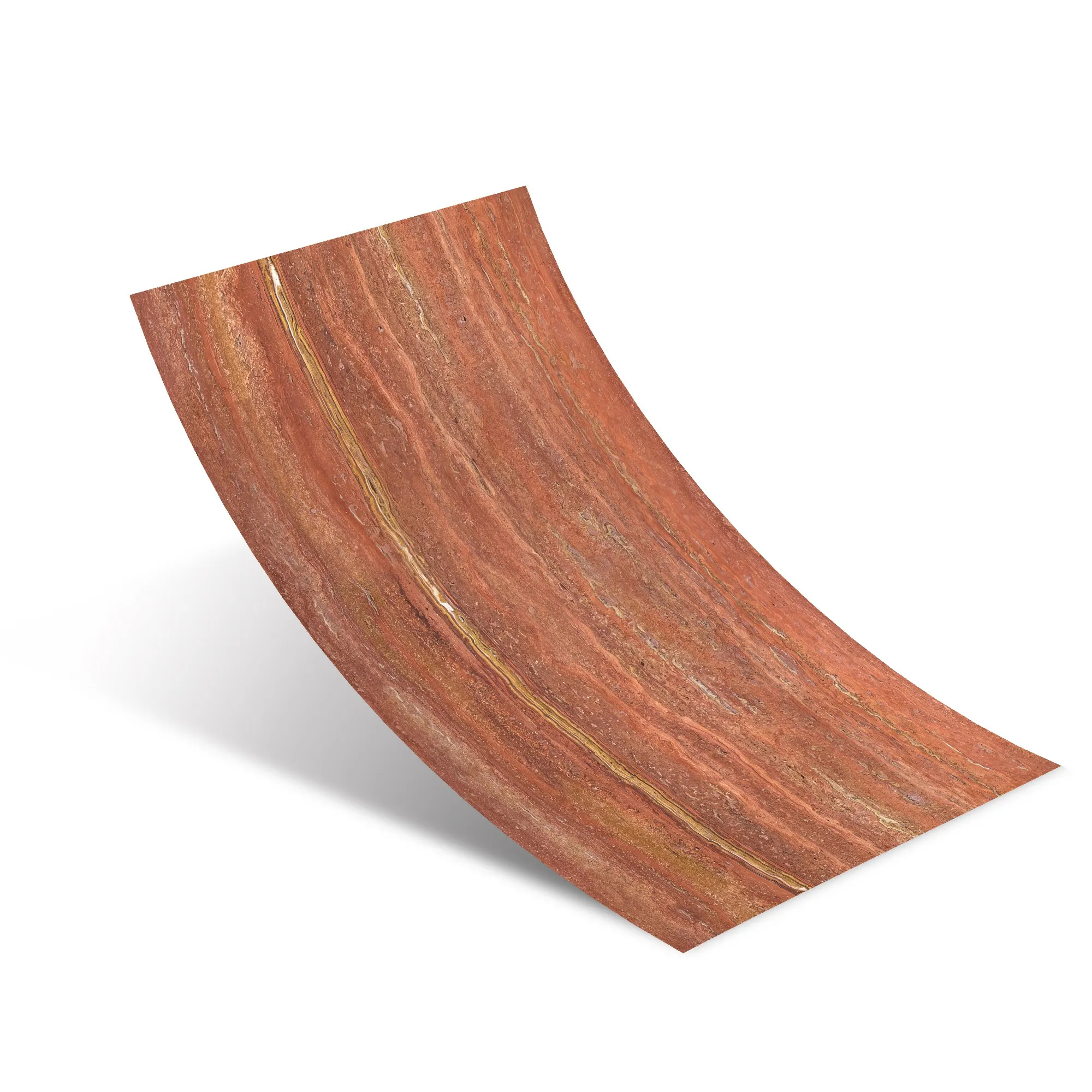
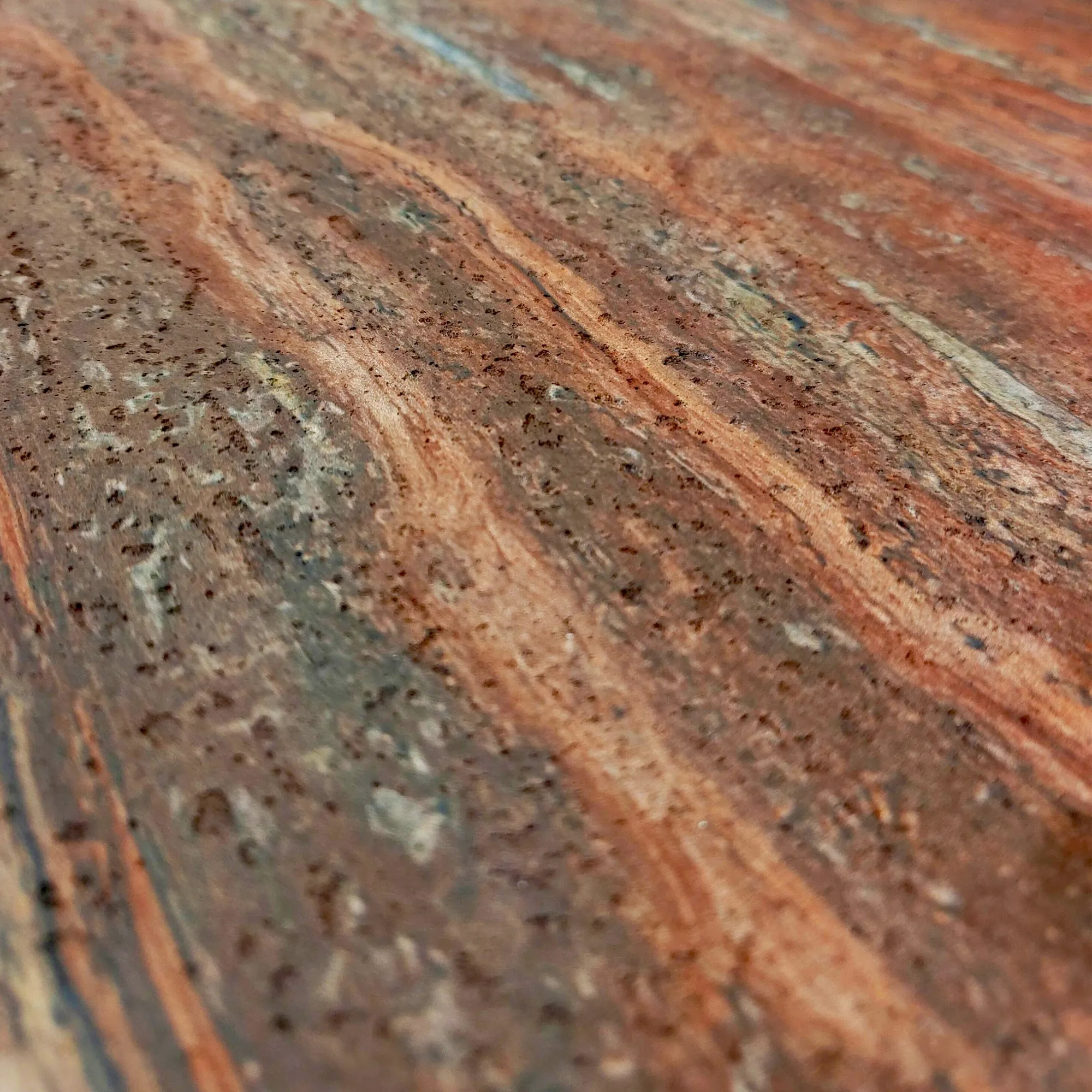
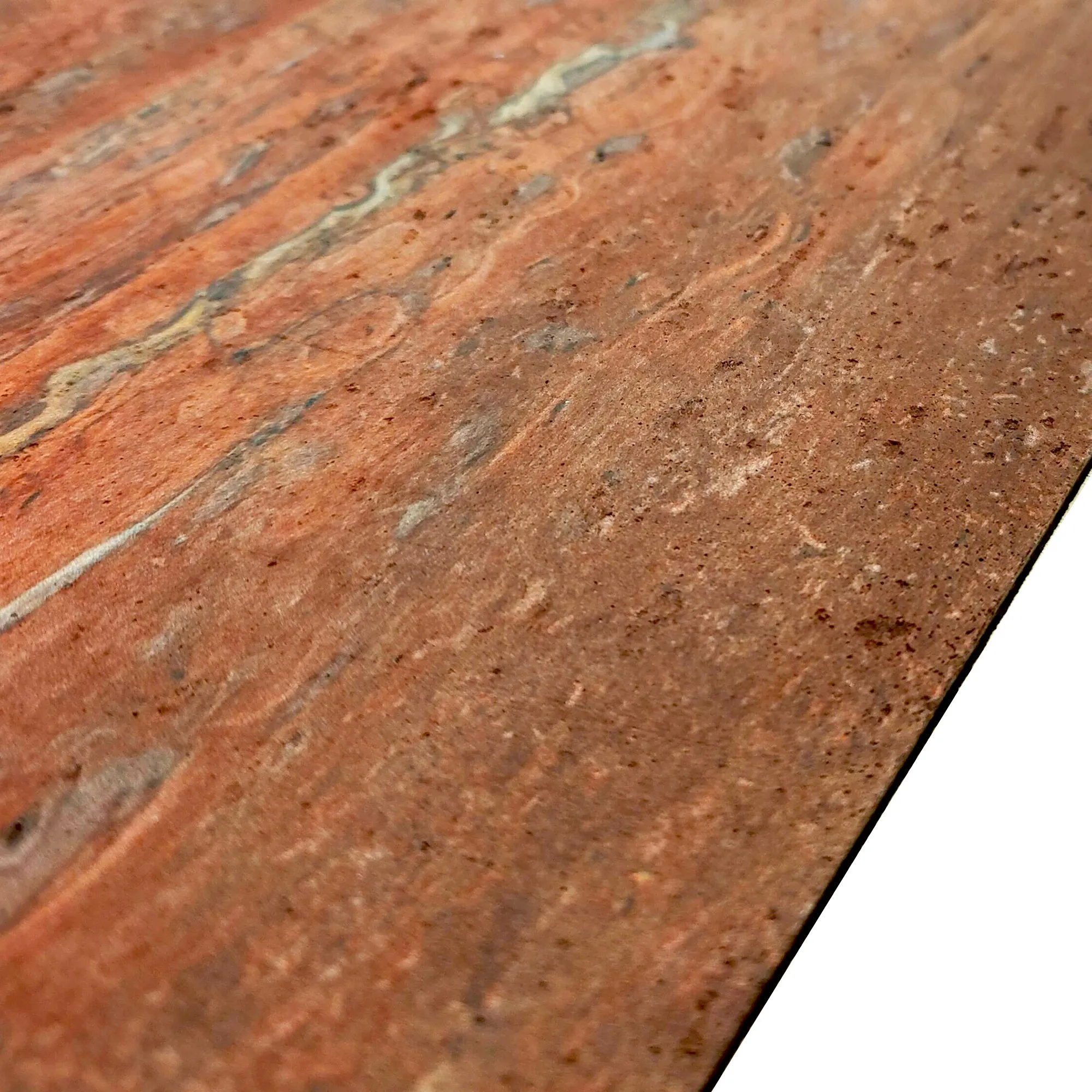
At first glance, Starry Red Travertine MCM could fool even a seasoned geologist. Its surface mimics the rich, terracotta hue of natural red travertine, with the same subtle veining and depth. But look closer, and you'll notice the "stars"—microscopic mineral inclusions that catch light, adding a dynamic, almost celestial quality to the stone. It's a design choice that's as functional as it is beautiful: those inclusions are part of a proprietary coating that seals the material, preventing water from penetrating while allowing the stone to "breathe," releasing any trapped moisture vapor to avoid pressure buildup.
But what truly sets it apart is its flexibility. Traditional stone slabs are heavy and brittle, prone to cracking if the building shifts (a common issue in coastal areas with sandy soil). Starry Red Travertine MCM, by contrast, is thin—just 4-6mm thick—and lightweight, weighing up to 80% less than natural stone. This makes it easy to install on curved surfaces, uneven walls, or even ceilings, without the need for heavy structural support. Its flexibility also means it can expand and contract with temperature changes, a critical feature in humid environments where daily heat and rain cycles cause materials to swell and shrink.
Waterproofing isn't just a "feature" here—it's the foundation. The MCM core is made from a blend of natural stone aggregates and a polymer resin that repels water on contact. In lab tests, the material withstood 72 hours of continuous submersion without absorbing a single drop, outperforming both natural travertine and even some types of fair-faced concrete . For homeowners in places like Miami, Bangkok, or Sydney's Northern Beaches, this translates to zero mold growth, no water stains, and a surface that stays looking fresh for decades, not years.
Starry Red Travertine MCM is a showstopper, but COLORIA understands that design is about balance. That's why it pairs beautifully with other humidity-resistant materials in the brand's lineup, like lunar peak silvery . Imagine a coastal home's exterior: Starry Red MCM clads the lower half, grounding the structure with its warm, earthy tone, while Lunar Peak Silvery—with its cool, metallic sheen and subtle crater-like texture—covers the upper floors. The contrast is striking, but both materials share the same MCM backbone, ensuring the entire facade remains waterproof and low-maintenance. Lunar Peak Silvery, with its silvery-gray hue, also reflects sunlight, keeping interiors cooler in hot, humid climates—a bonus for energy efficiency.
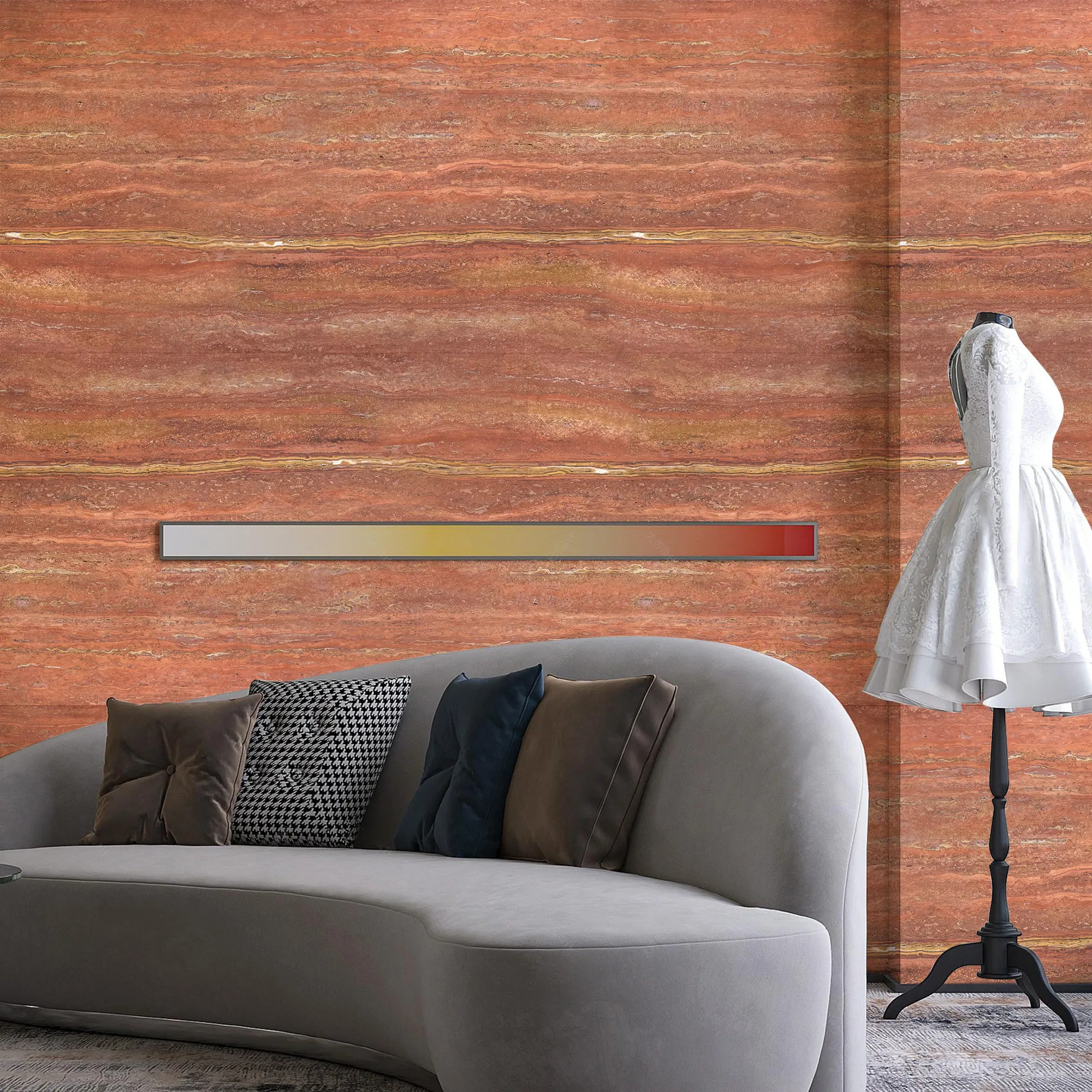
For indoor spaces, consider mixing Starry Red with lighter MCM options like Travertine (Starry Blue) or Stream Limestone (Claybank) for a layered, organic look. A spa in Costa Rica, for instance, used Starry Red MCM for its shower walls (where moisture is constant) and paired it with Stream Limestone (Claybank) for the floors, creating a cave-like ambiance that feels both luxurious and naturally resistant to water damage. The result? A space that's as functional as it is Instagram-worthy, with zero grout lines to harbor mold (thanks to MCM's large-format panels) and easy-to-clean surfaces that stand up to daily steam and splashes.
| Material | Water Resistance | Flexibility | Aesthetic Appeal | Best For |
|---|---|---|---|---|
| Natural Red Travertine | Low (porous, prone to staining) | Brittle (prone to cracking) | High (rich color, natural veining) | Dry, indoor spaces with minimal moisture |
| Fair-Faced Concrete | Medium (resistant but prone to efflorescence) | Low (rigid, heavy) | Medium (industrial, minimalist) | Outdoor facades in moderate humidity |
| Starry Red Travertine MCM | High (waterproof core, breathable coating) | High (flexible, lightweight, bendable) | Very High (natural stone look, starry texture) | Coastal exteriors, spa interiors, humid basements |
| Lunar Peak Silvery MCM | High (same waterproof MCM core) | High (same flexible design) | High (metallic sheen, crater texture) | Accent walls, ceilings, heat-reflective facades |
Take the case of a boutique hotel in Phuket, Thailand, which renovated its oceanfront villas in 2023. Previously, the villas used natural travertine for their exterior walls, which required quarterly sealing and still developed dark water stains after each monsoon. The hotel switched to Starry Red Travertine MCM, and the results were dramatic. "We were skeptical at first—how could something so thin and light be stronger than stone?" says the hotel's architect, Pimchanok Wong. "But after two monsoon seasons, the walls look brand new. No stains, no cracks, and the guests love the starry effect at night, when the outdoor lights hit the stone. We've even reduced our maintenance budget by 60%."
Closer to home, a family in Charleston, South Carolina, used Starry Red MCM for their basement renovation. "Our basement flooded once, and we thought we'd never use the space again," says homeowner Maria Gonzalez. "We wanted something that looked like stone but could handle moisture. Now, even during hurricane season, the walls stay dry. The kids use it as a playroom, and we host movie nights down there—no musty smells, no mold. It's like having a whole new floor."
"Humid environments don't have to mean boring, utilitarian design. With materials like Starry Red Travertine MCM, we're finally able to create spaces that are both beautiful and bulletproof. It's not just about surviving humidity—it's about thriving in it." — Alex Rivera, Principal Architect, Rivera Design Studio
As climate change brings more extreme weather—longer monsoon seasons, stronger hurricanes, and rising humidity levels—materials like Starry Red Travertine MCM are no longer a luxury; they're a necessity. COLORIA's commitment to innovation is evident in its expanding lineup, which includes everything from foamed aluminium alloy board (vintage gold) for high-end facades to gravel omani stone for rustic, desert-inspired interiors. But it's the MCM flexible stone technology that remains the cornerstone, proving that sustainability and durability can coexist with beauty.
For homeowners, designers, and builders, the message is clear: you don't have to choose between form and function. Starry Red Travertine MCM isn't just a building material—it's a statement. It says that even in the wettest, most humid corners of the world, we can build spaces that are as resilient as they are inspiring. So the next time you're dreaming of a coastal retreat, a tropical café, or a basement that's more than just storage, remember: the stars might just be the solution.
Recommend Products











