
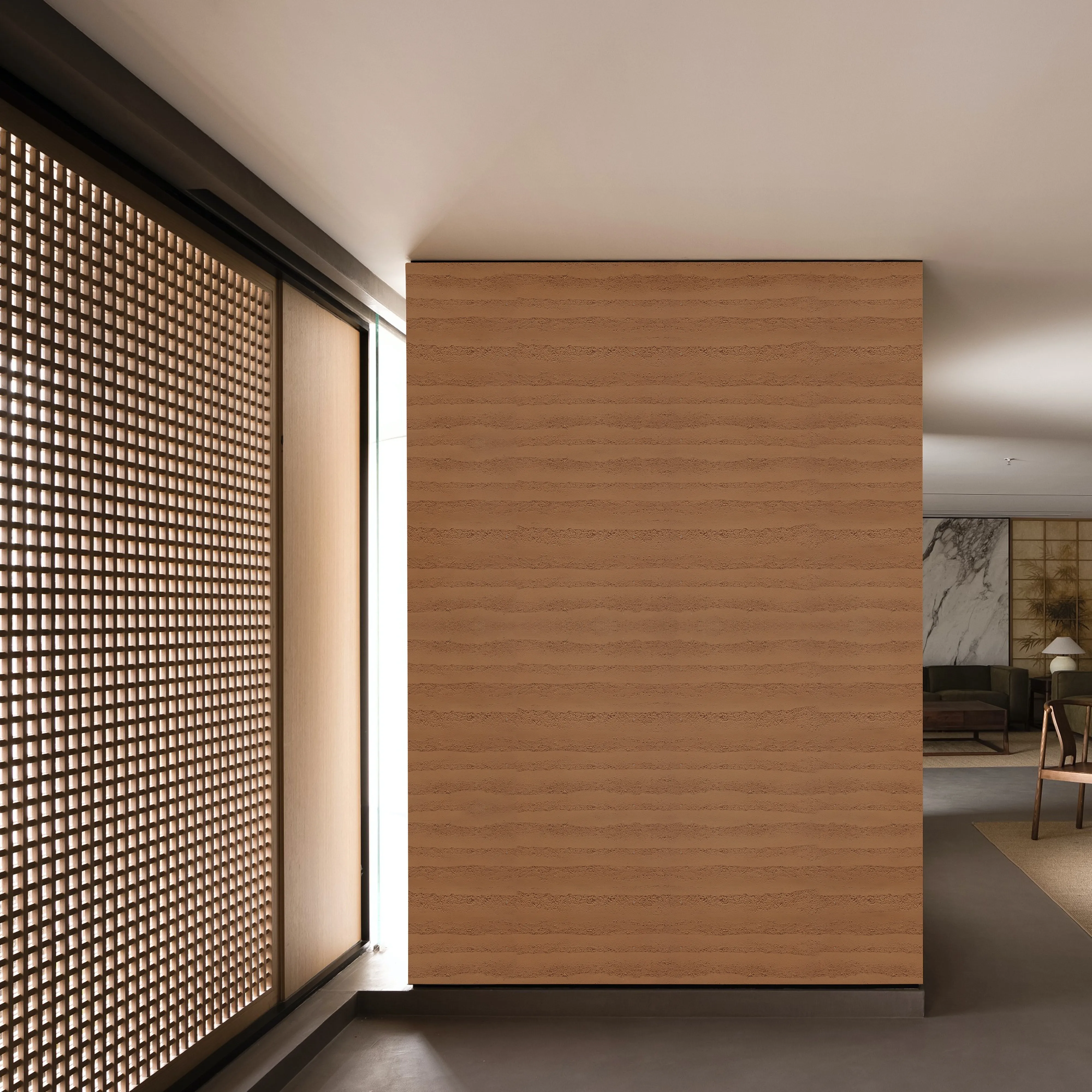
Bridging heritage, innovation, and sustainability—one earthy panel at a time
Walk through a village in rural France, a mud-brick compound in Mali, or even sections of the Great Wall of China, and you'll feel it—the quiet power of rammed earth. For millennia, humans have turned to the soil beneath their feet to build homes, temples, and communities. It's not just a building material; it's a storyteller. Each layer, each imperfection, whispers of the land it came from and the hands that shaped it. But as architecture hurtles into the future—demanding speed, durability, and sustainability—traditional rammed earth has often been left in the past, dismissed as too labor-intensive, too variable, or too vulnerable to the elements.
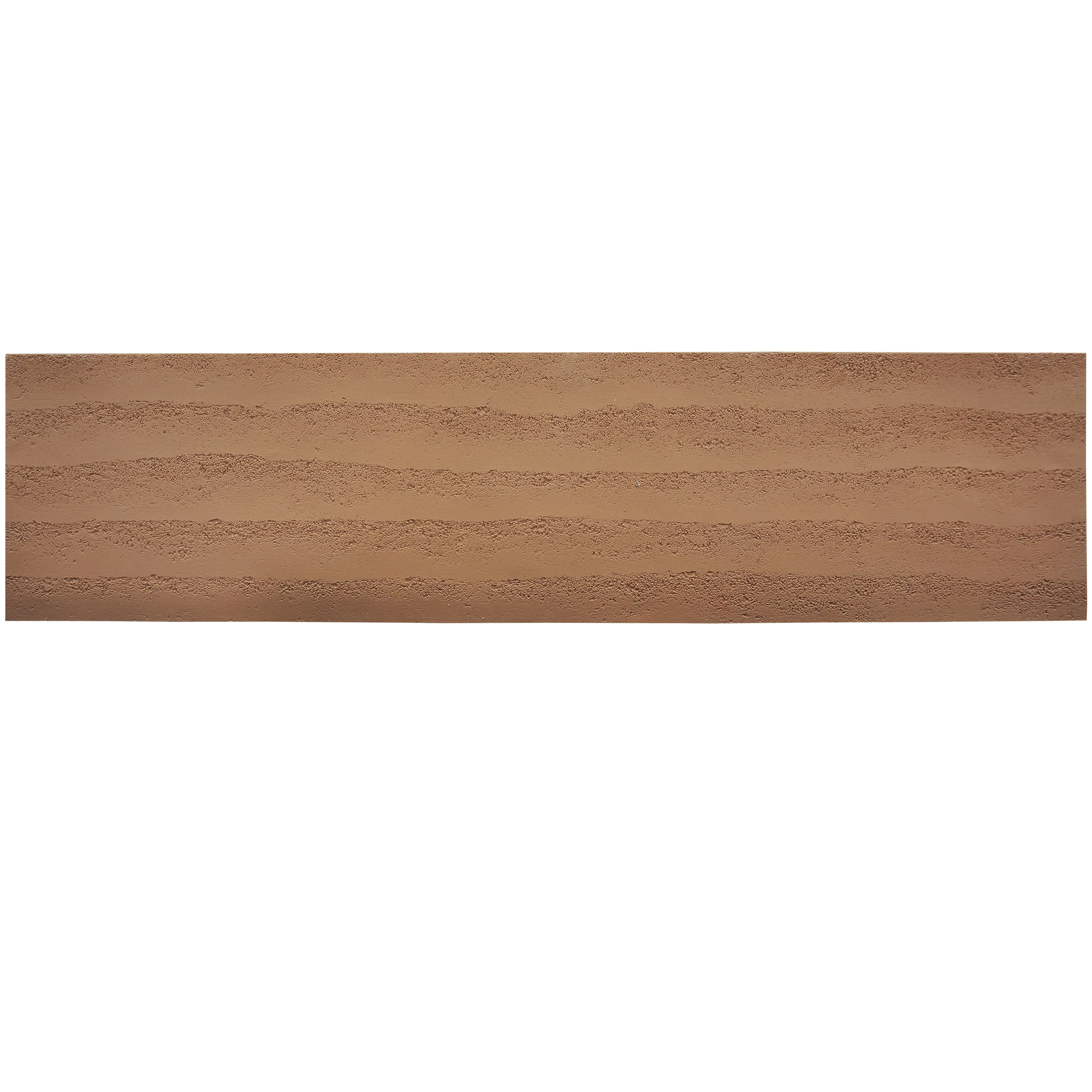
That's where COLORIA comes in. For over a decade, this forward-thinking manufacturer has asked a simple question: What if we didn't abandon rammed earth—we reimagined it? What if we could take its raw, organic beauty and infuse it with the precision, durability, and versatility modern architects crave? The result is their flagship innovation: the Rammed Earth Board (Khaki)—a material that honors tradition while leading the charge toward a more sustainable, human-centered built environment.
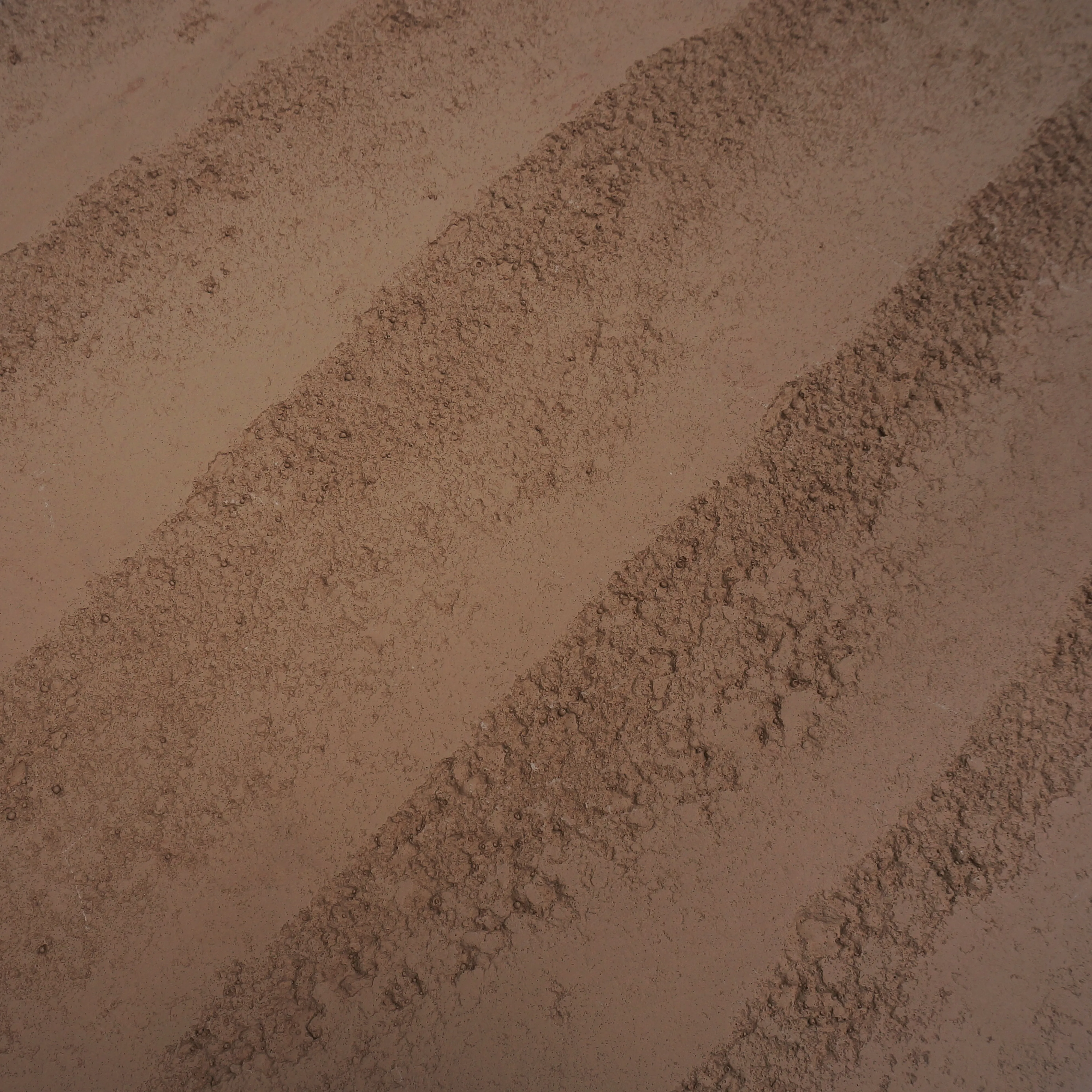
In a world of glass skyscrapers and generic concrete, there's a growing hunger for spaces that feel alive —spaces that connect us to nature, to history, and to each other. Rammed earth answers that call. Its warm, earthy tones (Khaki, in particular, evokes sun-baked plains and aged leather) and tactile texture invite touch, while its thermal mass regulates temperatures, keeping interiors cool in summer and warm in winter. It's a material that doesn't just look natural—it is natural, with a carbon footprint a fraction of steel or concrete. But to make it viable for tomorrow's architecture, COLORIA knew they had to go beyond nostalgia. They had to innovate.
COLORIA's love affair with rammed earth began in 2012, when founder Elena Rossi visited a remote village in Morocco. She watched as local builders mixed soil, sand, and water by hand, then rammed the mixture into wooden forms to create walls that had stood for generations. "There was something magical about it," Elena often says. "The way the light played on the texture, the way the walls breathed—they felt like part of the landscape. But I also saw the challenges: uneven curing, cracks from rain, and the sheer time it took to build. I thought, 'We can do better. We can honor this tradition by making it stronger, more consistent, and accessible to architects everywhere.'"
Thus began a decade of research. The team at COLORIA—materials scientists, architects, and traditional builders—traveled the globe, studying soil compositions from the loess plains of China to the red deserts of Australia. They tested hundreds of soil blends, experimenting with additives like volcanic ash (for strength), lime (for water resistance), and even recycled paper fibers (for flexibility). They invested in state-of-the-art manufacturing equipment, not to replace the "soul" of rammed earth, but to enhance it.
The breakthrough came in 2018, when they landed on the perfect formula for their Khaki Rammed Earth Board. "Khaki wasn't just a color choice," explains Dr. Marcus Chen, COLORIA's lead materials scientist. "It was a statement. Khaki is warm but neutral, versatile enough to complement modern minimalism and rustic charm alike. It's the color of resilience—think of military uniforms, desert landscapes, aged leather. It feels grounded, but not heavy. And the soil blend we found in central Spain—sandy loam with just the right clay content—gave us that perfect hue naturally, no synthetic dyes needed."
Today, COLORIA's Khaki Rammed Earth Board is more than a product—it's a testament to what happens when tradition meets technology. Let's take a closer look at the science behind this innovation.
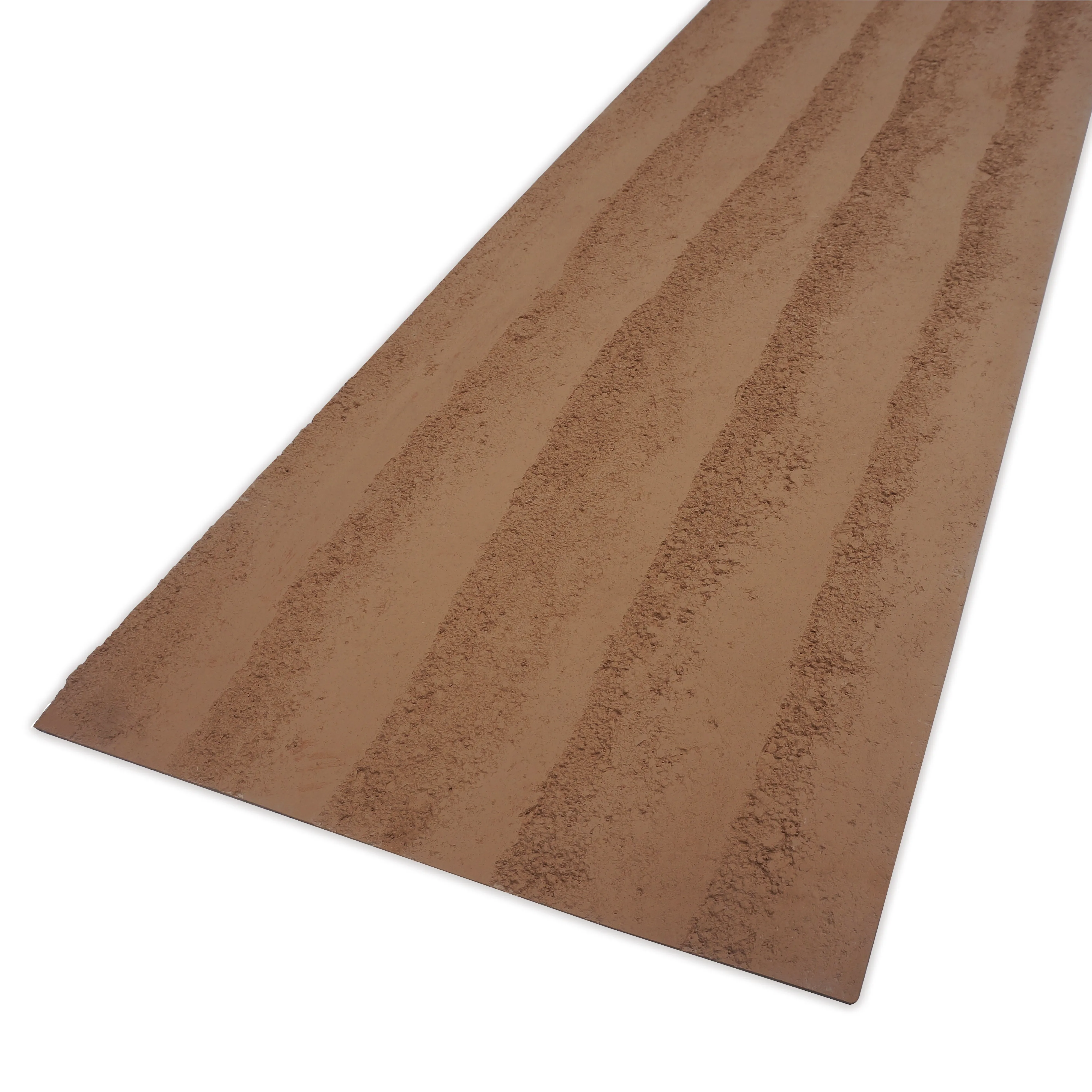
Traditional rammed earth is a beautiful but imperfect craft. Builders rely on local soil, mixed by eye, and rammed by hand into forms—a process that yields unique, one-of-a-kind walls but also inconsistency. A rainy season might weaken the structure; a hot, dry spell could cause cracking. COLORIA's Khaki Rammed Earth Board eliminates these variables through precision engineering, without losing the material's organic essence.
It all starts with the soil. COLORIA sources its primary soil from a family-owned quarry in Castilla-La Mancha, Spain, where the earth has been forming for millions of years, rich in silica and iron oxides (which give the Khaki shade its depth). The soil is tested rigorously for particle size distribution (ideal: 60% sand, 30% silt, 10% clay), pH balance, and organic content (kept below 2% to prevent decomposition). "We reject entire batches if the soil doesn't meet our standards," says Dr. Chen. "Consistency is key. An architect in Tokyo should get the same Khaki Rammed Earth Board as one in New York."
Once the soil is sifted and cleaned (removing rocks and debris), it's mixed with a proprietary blend of natural additives. "We call it our 'secret sauce,' but it's really just ancient wisdom meets modern chemistry," jokes Dr. Chen. The mix includes: volcanic ash from Mount Etna (rich in pozzolans, which react with lime to form a strong, water-resistant binder), rice husk ash (a byproduct from local farms, adding silica for flexibility), and a small amount of natural lime (calcium oxide) to boost durability. No synthetic resins, no harsh chemicals—just earth and minerals.
Traditional rammed earth relies on manual labor—workers using wooden poles to tamp the soil into forms, layer by layer. It's romantic, but inconsistent. COLORIA uses hydraulic presses with programmable pressure settings (up to 20 MPa) to compact the soil mixture into reusable steel molds. "This ensures every square inch of the board is uniformly dense," explains production manager Carlos Mendez. "No weak spots, no air pockets. We can produce a 2m x 1m board in 10 minutes, compared to hours by hand." The result? A board with a compressive strength of 15 MPa—stronger than many traditional concrete blocks.
After compaction, the boards are moved to curing chambers where temperature and humidity are tightly controlled. "Curing is where traditional rammed earth often fails," says Carlos. "If it dries too fast, it cracks. Too slow, and it grows mold." COLORIA's chambers mimic the gentle drying of a Mediterranean spring: 20°C, 60% humidity, and soft airflow for 28 days. The result? Boards that are stable, crack-resistant, and ready to withstand the elements.
To truly appreciate COLORIA's Khaki Rammed Earth Board, it helps to see how it compares to other popular building materials—both traditional and cutting-edge. Below is a breakdown of key metrics, from sustainability to aesthetic versatility:
| Material | Sustainability (Carbon Footprint) | Durability (Expected Lifespan) | Aesthetic Character | Best For |
|---|---|---|---|---|
| COLORIA Khaki Rammed Earth Board | Low (60% less than concrete) | 80–100 years | Warm, earthy texture; natural khaki hue; ages gracefully with patina | Residential, commercial, cultural buildings; facades, interior walls, accent features |
| Foamed Aluminium Alloy Board (Vintage Gold) | Medium (high energy to produce, but 100% recyclable) | 50–60 years | Sleek, metallic sheen; lightweight, modern look | High-rise exteriors, accent panels, modern commercial spaces |
| Lunar Peak Golden | Medium-Low (recycled metals, energy-efficient production) | 60–70 years | Iridescent, celestial glow; smooth, reflective surface | Statement walls, lighting fixtures, luxury interiors |
| Traditional Rammed Earth | Low (but labor-intensive) | 50–70 years (variable) | Rustic, uneven texture; unique, artisanal look | Heritage restoration, small-scale residential, eco-lodges |
The table tells a clear story: Khaki Rammed Earth Board isn't just a "green alternative"—it's a superior choice for architects who value both sustainability and aesthetics. Its low carbon footprint, combined with a century-long lifespan and timeless beauty, makes it a material for the future, not just the present.
Talk to any architect who's used COLORIA's Khaki Rammed Earth Board, and they'll tell you the same thing: it transforms spaces. "It's not just a wall," says Milan-based architect Luca Moretti, who used the boards for a community center in Bologna. "It's a presence. People touch it, lean against it, comment on how it feels. In a world of cold, sterile surfaces, that connection matters." Let's explore some of the most inspiring applications:
In Portland, Oregon, a family of four wanted a home that felt "connected to the Pacific Northwest landscape" but still had modern amenities. Architect Sarah Lin chose Khaki Rammed Earth for the main living area walls, paired with floor-to-ceiling windows overlooking a forested backyard. "The rammed earth acts as a thermal battery," Sarah explains. "In winter, the sun heats the walls during the day, and they radiate warmth at night. In summer, they stay cool, reducing the need for AC. And the khaki color? It complements the greens of the forest and the browns of the wooden deck perfectly. It's like living in a treehouse, but with the stability of a fortress."
In Barcelona, a trendy café called "Tierra" (Spanish for "earth") has become a neighborhood staple, thanks in no small part to its Khaki Rammed Earth facade. Owner Maria Gonzalez wanted a space that felt "welcoming and rooted." "We get compliments every day on the walls," Maria laughs. "People say it feels like stepping into a friend's cozy living room, not a busy café. And the best part? It's low-maintenance. We hose it down once a year, and it just gets more beautiful—like a leather jacket, it develops character over time."
In Athens, the new wing of the National Archaeological Museum uses Khaki Rammed Earth Board to complement the original neoclassical stone building. "We wanted the extension to honor Greece's ancient past—when buildings were made of earth and stone—while signaling a commitment to sustainability," says lead architect Nikos Papadopoulos. The rammed earth walls house exhibits on prehistoric civilizations, creating a dialogue between the material and the artifacts. "Visitors often remark that the space feels 'timeless,'" Nikos adds. "That's the power of rammed earth—it doesn't shout. It listens."
Khaki Rammed Earth Board is just the beginning of COLORIA's vision. The company understands that tomorrow's buildings need more than one material—they need a toolkit of sustainable, beautiful options that work together. That's why they've developed complementary product lines that enhance the versatility of their rammed earth boards:
The Lunar Peak Series—Silvery, Golden, and Black—offers a striking contrast to the organic warmth of rammed earth. These panels, made from recycled metals with a proprietary coating that mimics the moon's iridescent glow, are perfect for accent walls, ceilings, or even furniture. "Imagine a Khaki Rammed Earth living room with a Lunar Peak Golden fireplace surround," suggests Elena Rossi. "The earthy base grounds the space, while the metallic accent adds a touch of luxury. It's balance."
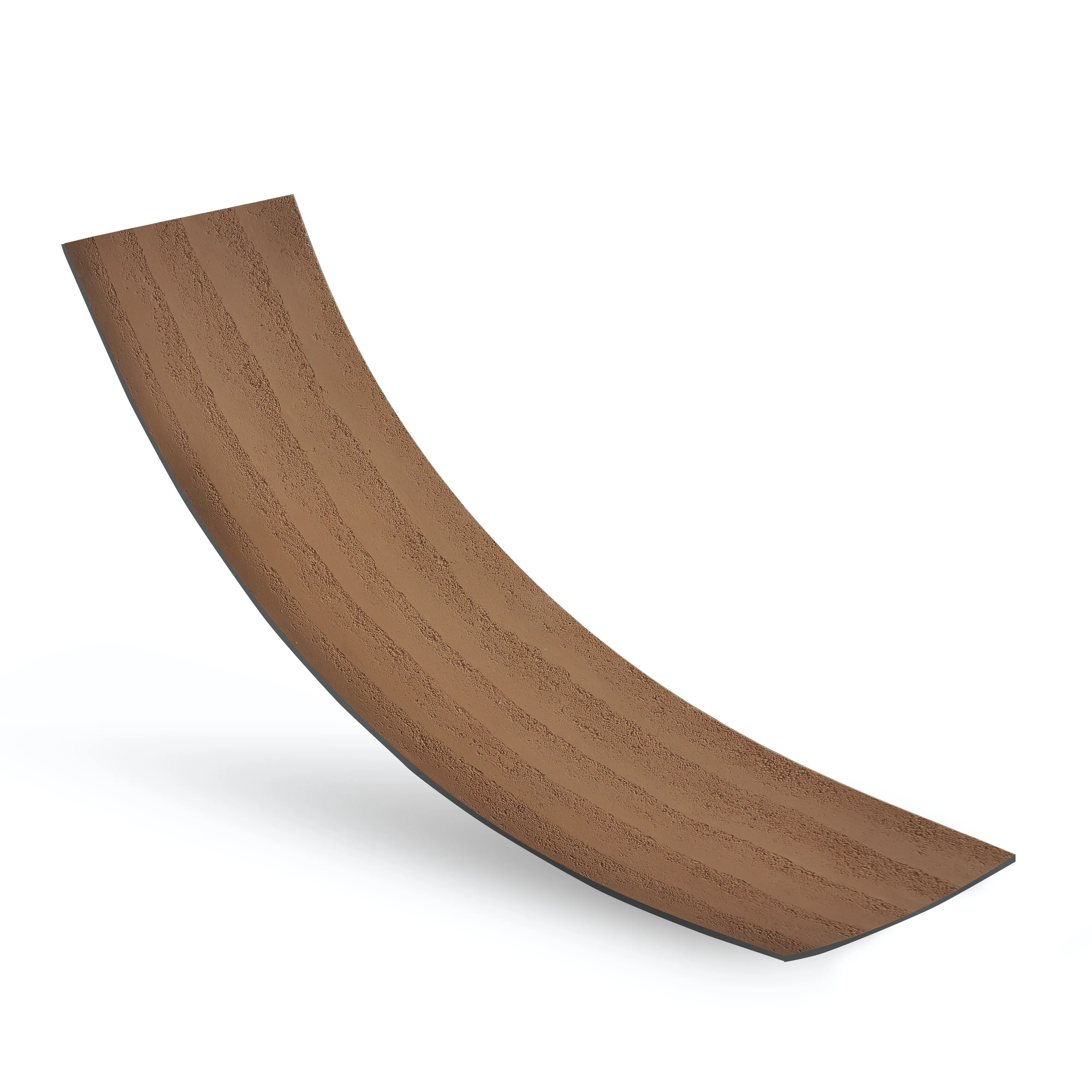
For curved surfaces—think spiral staircases, rounded archways, or organic-shaped facades—COLORIA's MCM Flexible Stone is a game-changer. Made from a thin layer of natural stone bonded to a flexible, lightweight backing, it can bend up to 30 degrees without cracking. "We often pair it with Khaki Rammed Earth on projects with both straight and curved elements," says Dr. Chen. "It's like having the best of both worlds: the natural beauty of stone and the flexibility of fabric."
For skyscrapers and large commercial projects where weight is a concern, COLORIA's Foamed Aluminium Alloy Board (available in Vintage Silver, Gold, and more) offers a lightweight, durable alternative. "We don't see it as a competitor to rammed earth," Elena explains. "It's a partner. Use Khaki Rammed Earth for the lower floors, where pedestrians can touch and connect with the material, and Foamed Aluminium for the upper floors, where weight and wind resistance matter most. Together, they create a building that's both human-centered and structurally sound."
In an industry often criticized for its environmental impact, COLORIA walks the walk when it comes to sustainability. "We don't just make sustainable products—we build sustainable practices into every step of the process," says sustainability director Mia Santos. Let's break it down:
"Sustainability isn't about checking boxes," Mia emphasizes. "It's about respect—for the planet, for future generations, and for the communities we serve. When an architect chooses our Khaki Rammed Earth Board, they're not just choosing a material—they're choosing to build a better world."
As we stand at the crossroads of climate crisis and urbanization, the choices we make about building materials have never been more important. COLORIA's Khaki Rammed Earth Board is more than a product—it's a manifesto. It says that we don't have to choose between tradition and innovation, between sustainability and beauty, between human connection and structural performance. We can have it all.
From the soil-sifting workshops in Spain to the solar-powered factories in Portugal, from the family homes in Oregon to the cultural centers in Athens, COLORIA is proving that the future of architecture is earthy, warm, and deeply human. It's a future where buildings don't just shelter us—they inspire us, connect us to the land, and remind us of our place in the natural world.
So the next time you walk past a building with a textured, khaki facade, take a moment to touch it. Feel its warmth, its solidity, its story. It might just be a glimpse of tomorrow—a tomorrow built not on steel and glass alone, but on the oldest, most resilient building material of all: earth. And thanks to COLORIA, that earth has never been stronger, more beautiful, or more ready to shape the world we want to live in.
Recommend Products












